Do This In February Or Your Texas Lawn Will Struggle All Year
February might seem like an odd time to worry about your lawn, but in Texas, this month sets the stage for everything that follows. While most of the country is still buried under snow, Texas lawns are quietly waking up from winter dormancy.
What you do right now determines whether you’ll have thick, green grass all summer or spend months fighting weeds, brown patches, and thin spots. The choices you make in February create either a strong foundation or a season-long headache.
Texas weather is unpredictable, swinging from freezing mornings to sunny afternoons, which makes timing crucial for lawn care. Miss these critical February tasks, and you’ll watch your neighbors enjoy lush yards while yours struggles to catch up.
The good news is that these seven steps are straightforward and don’t require professional help. You just need to know what to do and when to do it.
Taking action now means less work and better results later, giving you more time to actually enjoy your outdoor space instead of constantly trying to fix problems. Your lawn is counting on you to get it right this month.
1. Apply Pre-Emergent Weed Control
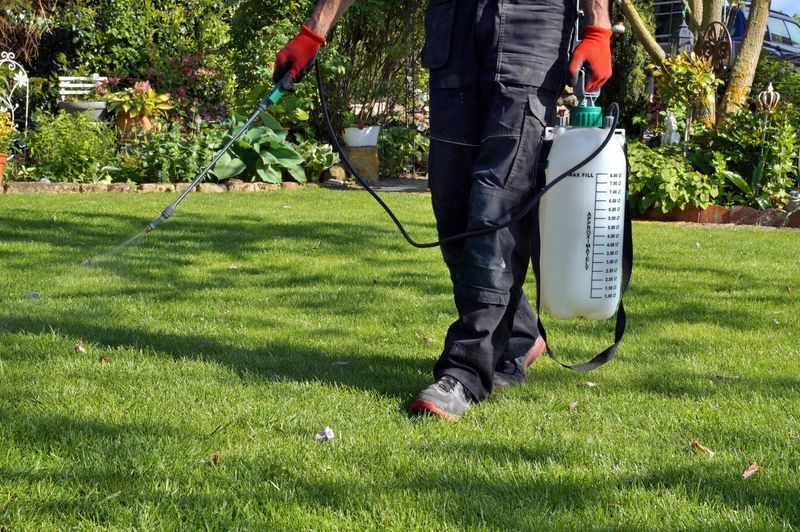
Timing is everything when it comes to stopping weeds before they start. Pre-emergent herbicides work by creating a barrier in the soil that prevents weed seeds from germinating.
Think of it like putting up a fence before intruders arrive rather than chasing them around your yard all spring. In Texas, the magic window for application is when soil temperatures consistently reach around 55 degrees Fahrenheit, which typically happens in February.
Crabgrass is the main enemy here, and it’s relentless once it gets established. This stubborn weed thrives in Texas heat and spreads rapidly, choking out your desirable grass.
Pre-emergent stops crabgrass seeds from ever sprouting, along with other common spring weeds like henbit and chickweed. You need to apply the product before these seeds wake up, which is why February is non-negotiable in most Texas regions.
Checking soil temperature is simple with an inexpensive soil thermometer from any garden center. Push it a few inches into the ground in several spots around your yard and take readings over a few days.
When you consistently see temperatures hovering around 55 degrees, it’s go time. Waiting until you see weeds popping up means you’ve already missed the window.
The biggest mistake homeowners make is applying pre-emergent too late or skipping it entirely because February feels too early. By March, weed seeds have already germinated in many Texas areas, and pre-emergent becomes useless.
Another common error is uneven application, leaving gaps where weeds can break through. Use a quality spreader and follow label directions precisely for coverage rates.
Taking this step seriously in February saves you from spending all spring and summer battling weeds that could have been prevented.
2. Test And Improve Your Soil

Texas soil is notoriously challenging and varies dramatically depending on where you live. Some areas have heavy clay that holds water like a sponge and drains poorly.
Your Texas Garden Changes Every Week. Your Plan Should Too.
Gardening in Texas changes quickly throughout the season. Every Friday you’ll receive a simple weekly plan showing exactly what to plant, prune, fertilize, harvest, and protect so you never miss the right timing.
Other regions deal with sandy soil that lets water run right through without giving grass roots time to absorb moisture. Many Texas locations also struggle with alkaline soil, which locks up nutrients and makes them unavailable to your grass even when they’re present.
A soil test takes the guesswork out of lawn care by telling you exactly what your soil needs. You can pick up a test kit from your local extension office or garden center for around twenty dollars.
The results show your soil’s pH level and reveal deficiencies in essential nutrients like nitrogen, phosphorus, and potassium. Armed with this information, you can make targeted improvements instead of randomly throwing products on your lawn and hoping something works.
Adjusting soil pH makes a huge difference in how well your grass grows. Most warm-season grasses prefer slightly acidic to neutral soil, around 6.0 to 7.0 on the pH scale.
If your test shows high alkalinity, which is common across Texas, you can add sulfur to gradually lower the pH. For nutrient deficiencies, you’ll know exactly which amendments to add rather than wasting money on unnecessary fertilizers.
Adding organic matter improves any soil type. Compost works wonders for both clay and sandy soils, improving drainage in clay while helping sandy soil retain moisture and nutrients.
Spread a quarter-inch layer of quality compost over your lawn in February, and let it work its magic before spring growth kicks in.
This simple addition feeds beneficial soil microbes, improves soil structure, and gives your grass a healthier environment for root development throughout the growing season.
3. Fertilize But Only If Your Grass Needs It
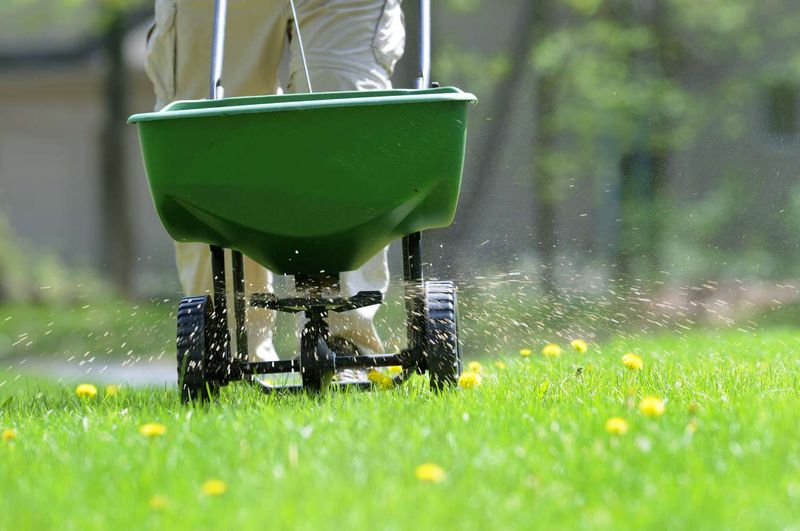
Fertilizing too early is just as harmful as fertilizing too late, and February requires careful judgment. Warm-season grasses like Bermuda, St. Augustine, and Zoysia dominate Texas lawns, and they’re still mostly dormant in February.
Throwing fertilizer on dormant grass wastes your money and can actually harm your lawn by encouraging disease or feeding weeds instead of your grass.
The key is understanding when your specific grass type begins actively growing. In South Texas, warm-season grasses might start greening up in late February, while North Texas lawns often stay dormant until March or even April.
Watch for signs of growth like new green blades emerging from the base of plants. Only fertilize when you see active growth beginning, not based on the calendar alone.
Slow-release fertilizers are your best friend for early-season feeding. These products release nutrients gradually over several weeks, matching the pace of grass growth as temperatures warm up.
Quick-release fertilizers dump nutrients all at once, which can burn tender new growth or leach away before your grass can use them.
Look for products labeled as slow-release or controlled-release with a higher first number in the N-P-K ratio, indicating nitrogen for green growth.
Over-fertilizing creates more problems than it solves. Excessive nitrogen encourages rapid, weak growth that’s more susceptible to disease, pests, and drought stress.
It also leads to thatch buildup and requires more frequent mowing. If your soil test from the previous step showed adequate nutrient levels, you might not need any fertilizer in February at all.
Many Texas lawns do fine with just one or two applications per year, not the heavy feeding schedules that lawn care companies often recommend for their own profit.
4. Start Lawn Mower And Equipment Prep
Nothing frustrates a homeowner more than discovering their mower won’t start when the grass suddenly needs cutting. February gives you time to address equipment issues before you’re desperate to mow.
More importantly, this is when you should sharpen your mower blades, which directly impacts your lawn’s health throughout the growing season.
Sharp blades make clean cuts that heal quickly, while dull blades tear and shred grass, leaving ragged edges that turn brown and invite disease. Picture cutting paper with sharp scissors versus tearing it with your hands.
The difference is exactly that dramatic for your grass. Dull blades stress your lawn, making it more vulnerable to heat, drought, and pests all season long.
Sharpening blades is easier than most people think. Remove the blade, secure it in a vice, and use a metal file or angle grinder to sharpen the cutting edge to about a 30-degree angle.
You don’t need it razor-sharp, just free of nicks and with a clean edge. Balance the blade afterward by hanging it on a nail through the center hole. If one side dips, remove a bit more metal from the heavy side until it hangs level.
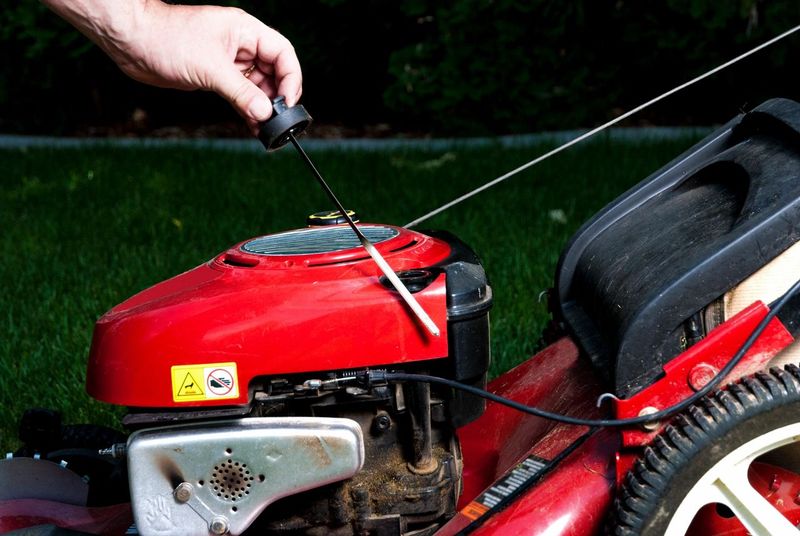
While you have the mower apart, check the oil and change it if needed. Replace the air filter if it’s dirty or clogged.
Clean out old grass clippings from under the deck. Check the spark plug and replace it if it’s worn or fouled.
Test the mower to make sure it starts easily and runs smoothly. If you use a string trimmer, edger, or other equipment, give them the same attention now.
Spending an hour or two on maintenance in February prevents breakdowns during peak mowing season and ensures your equipment treats your Texas lawn right from the first cut.
5. Lightly Water If Winter Was Dry
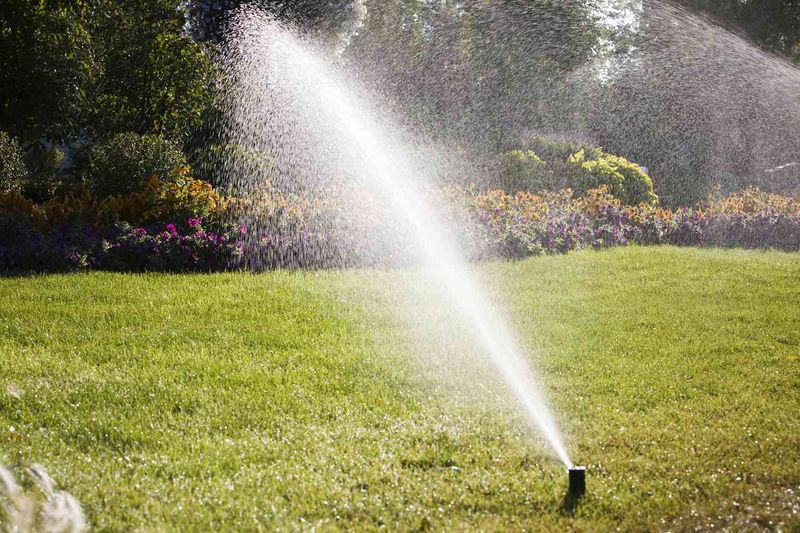
Winter drought affects Texas lawns more than many homeowners realize. Grass might be dormant, but roots are still alive and need some moisture to survive.
When winter rainfall is scarce and temperatures stay mild, the soil dries out significantly. Grass that enters spring severely dehydrated struggles to green up and becomes vulnerable to stress and damage as temperatures rise.
Deep watering beats shallow watering every time. A deep soak once every few weeks encourages roots to grow deeper, making your lawn more drought-tolerant later.
Shallow, frequent watering keeps roots near the surface where they’re exposed to heat and dry out quickly. When you water in February, run your system long enough to moisten the soil six to eight inches down, then don’t water again until the soil dries out.
Overwatering cold soil creates its own set of problems. Soggy soil in cool temperatures promotes fungal diseases and root rot.
Grass roots need oxygen, and waterlogged soil suffocates them. Check soil moisture before watering by pushing a screwdriver into the ground.
If it slides in easily, your soil has enough moisture. If it’s hard to push in, your lawn needs water.
Signs your lawn needs moisture include grass blades that don’t spring back when you walk on them, leaving footprints visible for more than a few seconds. The grass might take on a grayish or bluish tint instead of its normal color.
In severe cases, you might notice areas that look thin or stressed. Don’t wait for these danger signs in Texas, where weather can swing from wet to dry quickly.
A light watering during prolonged dry spells in February keeps your lawn ready to explode with growth when spring warmth arrives.
6. Remove Thatch And Winter Debris
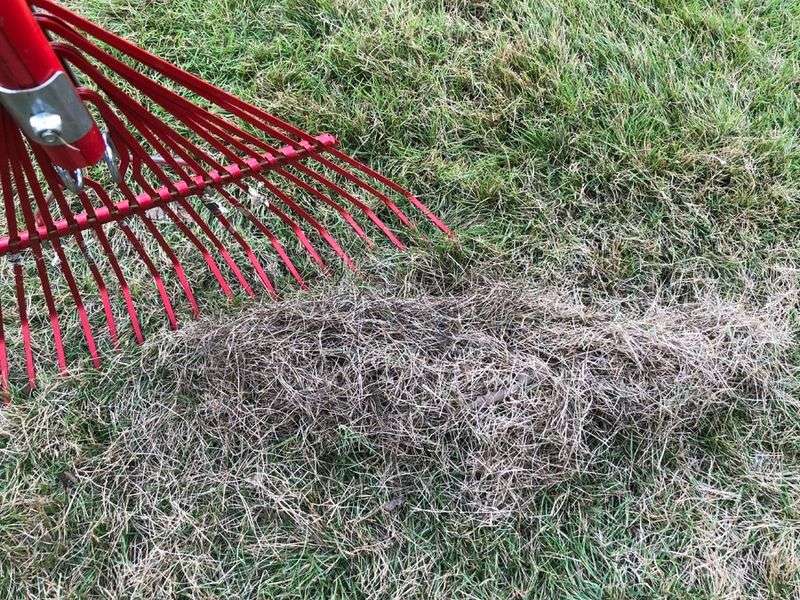
Dry leaves, fallen branches, and matted grass from winter create a suffocating blanket over your lawn. This layer of debris blocks sunlight from reaching grass crowns and prevents air circulation around the base of plants.
It also traps moisture against the soil surface, creating perfect conditions for fungal diseases to develop as temperatures warm up in spring.
Thatch is different from surface debris. It’s a layer of dry grass stems, roots, and organic matter that accumulates between the soil and green grass blades.
A thin layer of thatch is actually beneficial, providing insulation and cushioning. But when thatch builds up more than half an inch thick, it prevents water and nutrients from reaching roots and harbors pests and diseases.
February is ideal for gentle raking to clear surface debris without damaging dormant grass. Use a leaf rake or flexible tine rake to gather leaves, sticks, and dry material.
Work in different directions to lift matted areas and allow air to reach the soil. This light raking also helps break up any minor thatch accumulation without the aggressive dethatching that should wait until grass is actively growing.
Pay special attention to shaded areas and spots where leaves tend to collect and compact. These areas are most likely to develop problems from debris buildup.
Clear around trees, along fence lines, and in corners where wind deposits material. You’ll be amazed at how much better your lawn looks just from removing this winter accumulation.
The soil warms faster when it’s exposed to sunlight, which helps grass break dormancy earlier. Better air circulation reduces disease pressure throughout the growing season.
This simple task takes just a couple of hours but makes a noticeable difference in how quickly and strongly your Texas lawn greens up when spring arrives.
7. Inspect For Pests And Early Problems
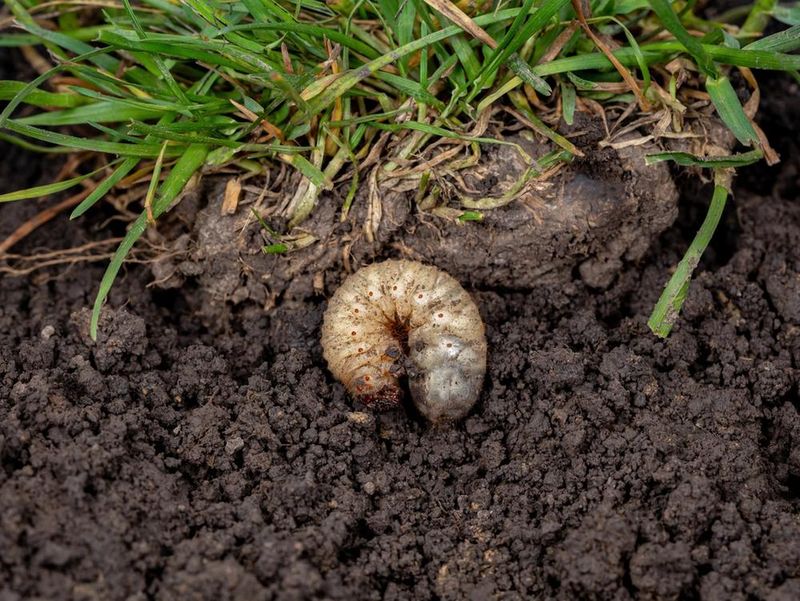
Problems are always easier to fix when you catch them early. February gives you a chance to spot issues before they explode into major headaches during the growing season.
Walk your entire lawn systematically, looking for anything unusual or concerning. Thin patches, discolored areas, and spots where grass seems weaker than surrounding areas all deserve closer inspection.
Grubs are a common culprit in Texas lawns, and their damage often becomes apparent in late winter. These beetle larvae feed on grass roots underground, causing irregular brown patches that peel back like carpet since the roots are severed.
Check suspicious areas by cutting a small square of sod and peeling it back to examine the soil and root zone. More than five grubs per square foot indicates a problem that needs treatment.
Fungal diseases often leave telltale signs that observant homeowners can spot in February. Look for circular patches of discolored grass, areas with a slimy or cobweb-like coating in early morning, or spots where grass blades have unusual lesions or spots.
Different fungi thrive in different conditions, but catching them before warm weather arrives gives you time to treat them or adjust watering and fertilizing practices to discourage their spread.
Fire ants are a Texas fact of life, and their mounds become more active as temperatures warm. February is a good time to scout for new mounds and treat them before colonies grow large.
Check around tree bases, along fence lines, and in sunny open areas where fire ants prefer to build. Early treatment prevents these aggressive pests from spreading across your lawn and making outdoor activities miserable all summer.
Taking time now to inspect your lawn thoroughly and address small problems prevents them from becoming expensive, time-consuming disasters later in the year.