6 Popular Botanical Gardens In Texas You Need To Visit
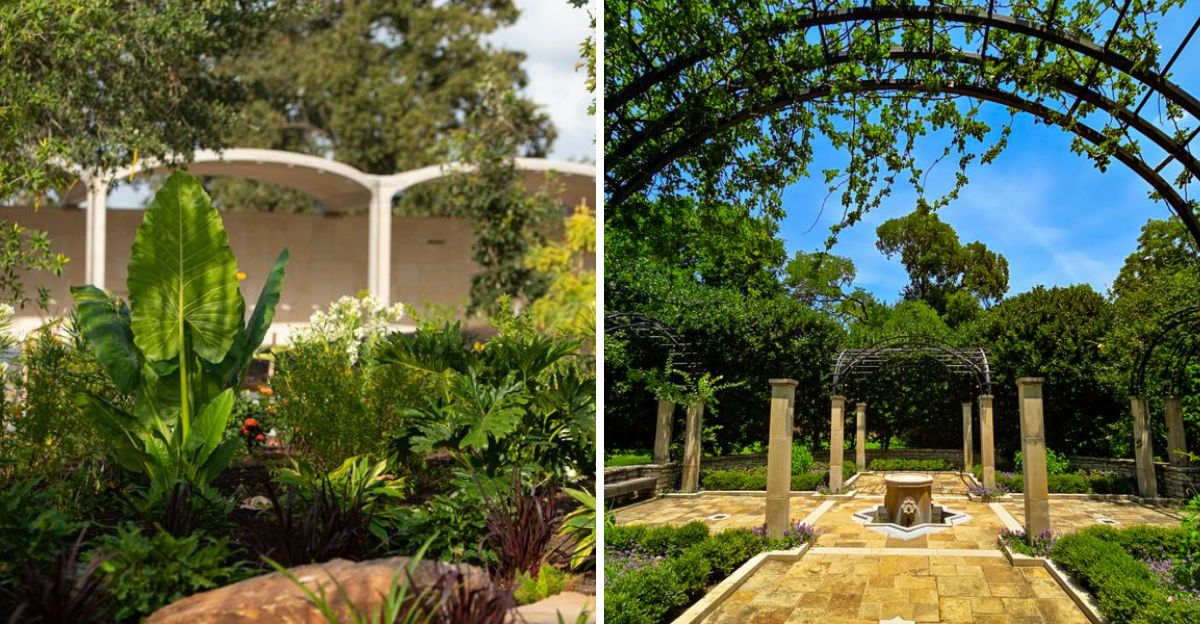
Have you ever wondered where you can experience some of the most beautiful and inspiring plant filled landscapes in Texas all in one place?
Texas is full of natural beauty, but its botanical gardens offer something truly special, blending carefully designed landscapes with the state’s rich plant diversity.
From vibrant seasonal blooms to peaceful shaded pathways, these gardens provide a refreshing escape from busy daily life while showcasing plants that thrive in Texas conditions.
Each destination has its own personality, with unique collections, colorful displays, and scenic spots perfect for relaxing strolls or inspiring garden ideas.
Some highlight native species and water wise landscaping, while others feature exotic plants, themed gardens, and stunning floral arrangements that change throughout the year.
Visiting these green spaces is not just about admiring flowers, it is about experiencing creativity, conservation, and the quiet beauty of nature in carefully crafted settings.
1. Dallas Arboretum And Botanical Garden – Dallas
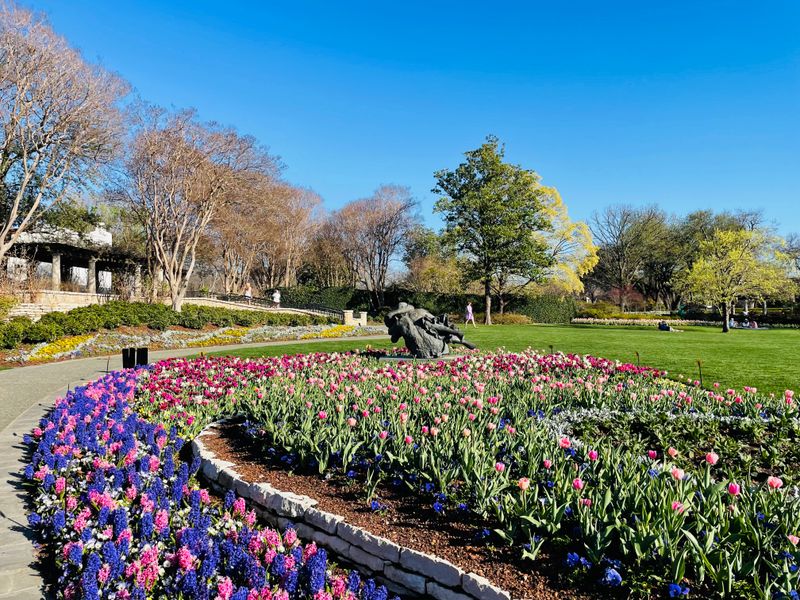
Stretching across 66 acres along the shores of White Rock Lake, 8525 Garland Rd, Dallas, TX 75218, this horticultural masterpiece ranks among the most visited gardens in the nation.
Over half a million guests explore its grounds annually, drawn by the spectacular seasonal displays that transform the landscape throughout the year.
The garden’s collection includes 19 distinct areas, each designed to showcase different plant varieties and landscaping styles.
Spring brings an explosion of color with over 500,000 blooming bulbs, creating a carpet of vibrant hues that photographers and nature lovers find irresistible.
The McCasland Sunken Garden serves as a centerpiece, featuring formal plantings and elegant water features that provide a serene escape from city life.
Meanwhile, the Nancy Rutchik Red Maple Rill offers a stunning pathway lined with Japanese maples that create a breathtaking canopy of crimson and gold during autumn months.
Families appreciate the interactive Rory Meyers Children’s Adventure Garden, an eight-acre wonderland where kids learn about plant science through hands-on activities and exploration.
The garden hosts numerous festivals throughout the year, including the famous Dallas Blooms celebration that attracts visitors from across the region.
Educational programs cater to all ages, from toddler story times to advanced horticultural workshops for serious gardeners.
The garden’s commitment to sustainable practices shines through in its water conservation efforts and native plant demonstrations. Visitors can stroll along meandering paths that reveal surprise vistas of the lake and downtown Dallas skyline.
With its combination of natural beauty, educational value, and family-friendly amenities, this destination offers something special for everyone who walks through its gates.
2. Houston Botanic Garden – Houston
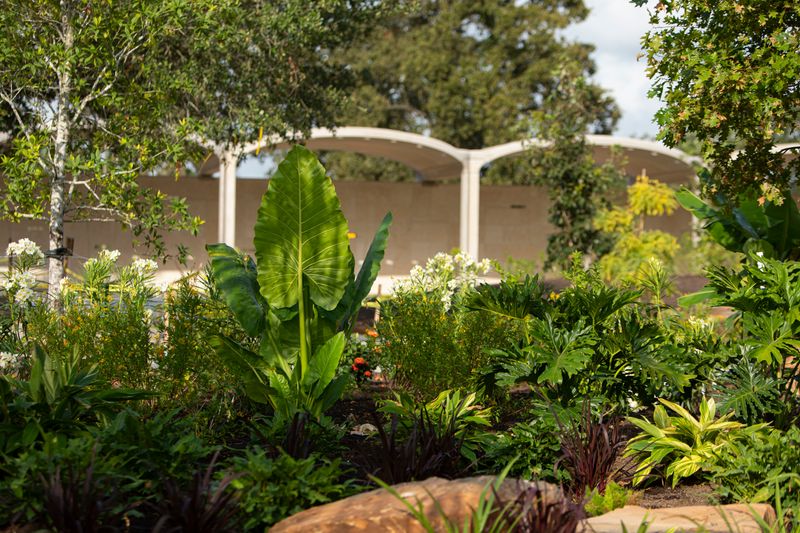
Opening its gates in 2020 on 1 Botanic Ln, Houston, TX 77017, , this relatively new addition to Houston’s cultural landscape has quickly become a must-visit destination for plant enthusiasts.
The 132-acre site along Sims Bayou represents a bold vision for urban green space, combining ecological restoration with stunning garden design.
Unlike traditional botanical gardens, this space emphasizes regional plants adapted to the Gulf Coast climate, making it particularly valuable for local gardeners seeking inspiration.
The garden’s layout takes visitors on a journey through different ecosystems native to the Texas coastal region.
Your Texas Garden Changes Every Week. Your Plan Should Too.
Gardening in Texas changes quickly throughout the season. Every Friday you’ll receive a simple weekly plan showing exactly what to plant, prune, fertilize, harvest, and protect so you never miss the right timing.
Wetland areas feature boardwalks that allow close-up views of aquatic plants and the wildlife they support, creating opportunities for birdwatching and nature photography.
The Global Collection Garden showcases plants from similar climates around the world, demonstrating how gardeners can expand their palette while still choosing species suited to Houston’s heat and humidity.
Educational programming focuses on sustainable gardening practices that address the challenges of Gulf Coast growing conditions. Workshops cover topics like water-wise landscaping, native plant selection, and creating habitats for pollinators and beneficial insects.
The garden’s demonstration areas show visitors practical examples they can replicate in their own yards, making the lessons immediately applicable.
Walking trails wind through diverse plantings that change dramatically with the seasons, offering fresh experiences with each visit.
The garden’s commitment to environmental stewardship extends beyond its borders through community outreach programs that promote urban greening initiatives.
Special events throughout the year celebrate the connection between people and plants, fostering appreciation for the natural world in the heart of the city.
3. San Antonio Botanical Garden – San Antonio
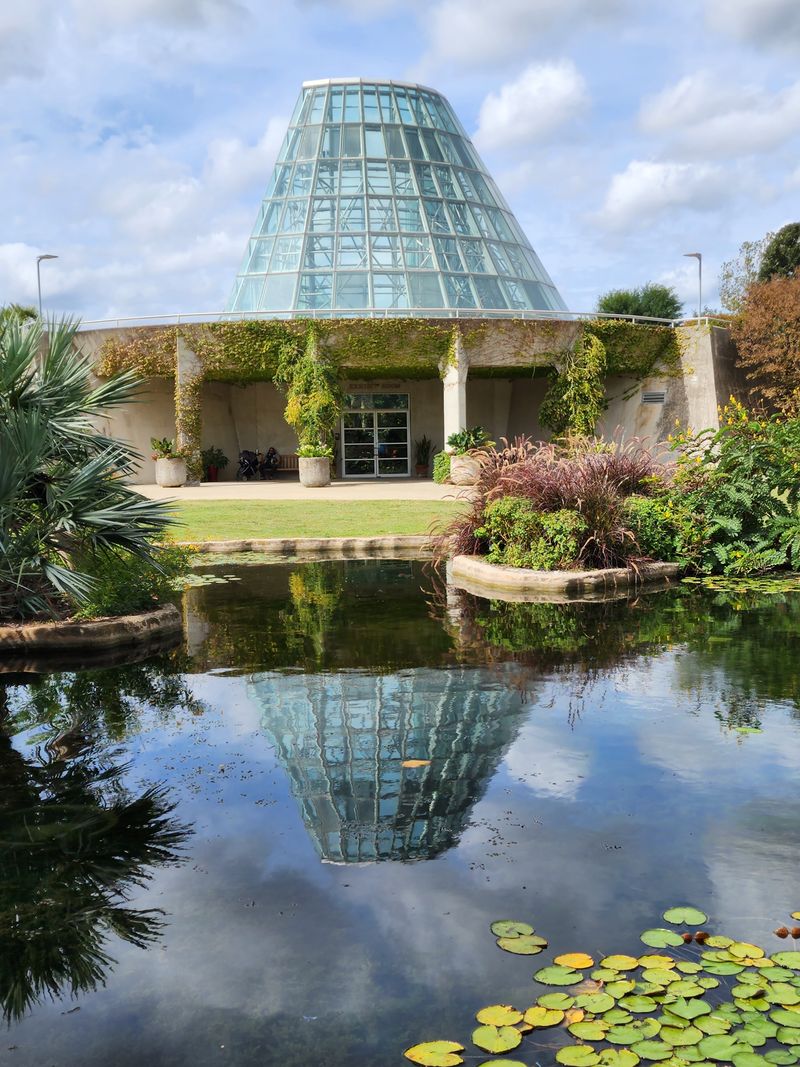
This 33-acre oasis in the heart of San Antonio, located on 555 Funston Pl, San Antonio, TX 78209, offers visitors an immersive experience through 15 distinct themed areas.
The garden’s design reflects both the rich cultural heritage of South Texas and the region’s unique growing conditions.
From the moment you enter, winding paths lead you through landscapes that range from formal European-style gardens to wild Texas hillcountry settings.
The Texas Native Trail stands out as a particular highlight, showcasing hundreds of plant species indigenous to the Lone Star State.
This area demonstrates how beautiful and practical native landscaping can be, inspiring visitors to incorporate these tough, water-wise plants into their own gardens.
The WaterSaver Community provides practical demonstrations of xeriscaping techniques, showing how stunning gardens can thrive with minimal irrigation.
Inside the stunning Lucile Halsell Conservatory, visitors discover plants from around the globe displayed in climate-controlled environments.
The structure’s innovative design places most of the building underground, using earth-sheltering to maintain stable temperatures while creating dramatic interior spaces.
Palm and tropical rooms transport guests to faraway places, while the desert pavilion showcases the beauty of succulents and cacti.
Children find endless entertainment in the Family Adventure Garden, where interactive features teach botanical concepts through play.
The garden’s culinary herb garden and vegetable plots inspire home gardeners to grow their own food, with seasonal plantings demonstrating what thrives in San Antonio’s climate.
Year-round programming includes plant sales, workshops, and special events that bring the community together around a shared love of gardening and nature.
4. Fort Worth Botanic Garden – Fort Worth
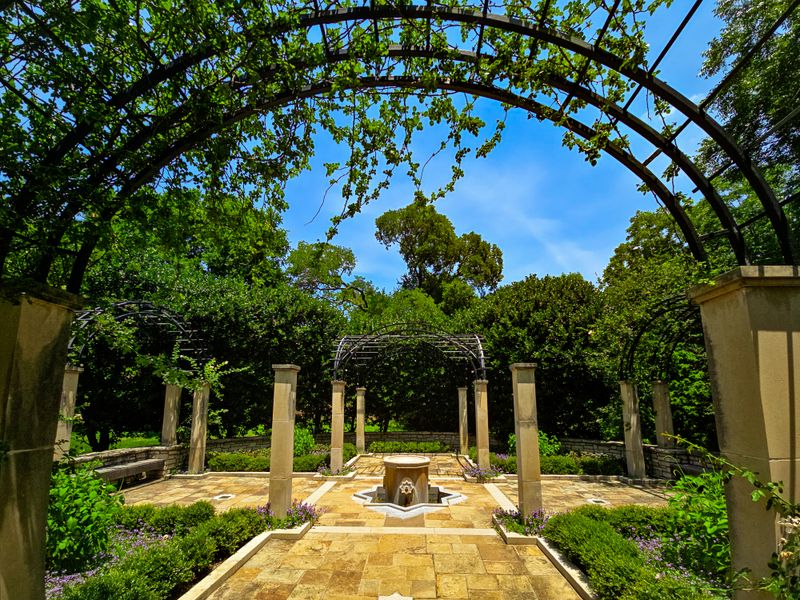
Established in 1934, this historic garden located on 3220 Botanic Garden Blvd, Fort Worth, TX 76107, holds the distinction of being the oldest botanical garden in Texas. Its longevity speaks to generations of dedication to horticultural excellence and community enrichment.
The garden houses over 2,500 species of native and exotic plants, creating a living encyclopedia that educates and inspires visitors of all ages.
The crown jewel remains the 7.5-acre Japanese Garden, widely regarded as one of the finest examples of Japanese garden design in North America. Winding paths lead visitors past serene koi ponds, over arched bridges, and through groves of bamboo and Japanese maples.
Stone lanterns and traditional architectural elements create an authentic atmosphere that transports guests to another world. Spring brings spectacular cherry blossom displays, while fall transforms the maples into a blaze of brilliant color.
Beyond the Japanese Garden, visitors explore diverse collections including the Rose Garden with hundreds of varieties, the Fuller Garden showcasing perennials adapted to North Texas conditions, and the Fragrance Garden designed for sensory experiences.
The Tropical Conservatory maintains year-round displays of exotic plants from rainforest regions, providing a warm escape during winter months.
Native Texas plants receive special attention in dedicated areas that demonstrate their beauty and ecological importance.
The garden’s educational mission extends through extensive programming for schools, families, and adult learners. Seasonal plant sales offer visitors the chance to take home specimens they’ve admired during their visit.
With its combination of historic significance, diverse collections, and stunning design, this garden continues to serve as a treasured resource for the Fort Worth community and visitors from far beyond.
5. Lady Bird Johnson Wildflower Center – Austin
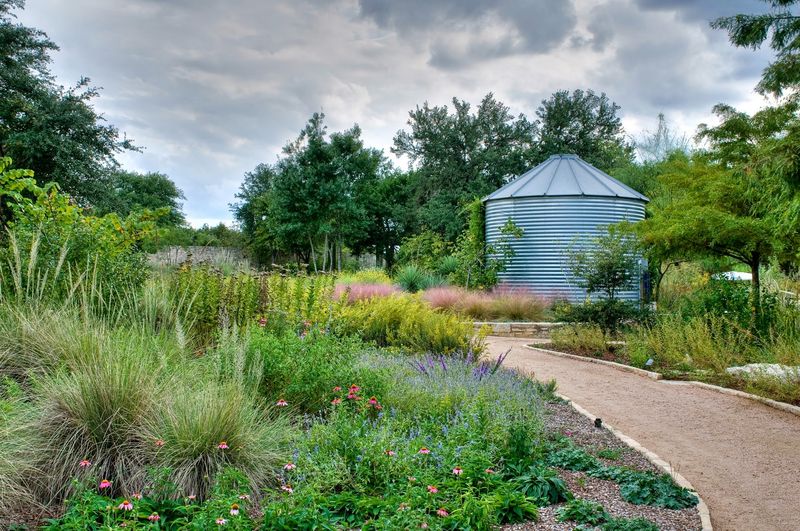
Founded by former First Lady Lady Bird Johnson in 1982, this 284-acre center located on 4801 La Crosse Ave, Austin, TX 78739, stands as a living monument to the beauty and importance of native plants.
Her vision was to inspire Americans to preserve and restore their natural landscapes, and that mission continues to guide the center’s work today.
Nearly 900 species of Texas native plants thrive across the property, demonstrating the incredible diversity of the state’s flora and the potential for creating stunning gardens with regional species.
The center’s approach goes far beyond simply displaying pretty flowers. Research programs investigate which native plants work best in urban landscapes, how to restore damaged ecosystems, and ways to support declining pollinator populations.
These findings get shared with gardeners, landscapers, and land managers through workshops, publications, and consulting services. The practical applications help people across Texas create more sustainable and ecologically valuable landscapes.
Walking through the gardens feels like exploring different regions of Texas in one visit. The Wildflower Meadow explodes with color during spring, showcasing the famous bluebonnets and other wildflowers that make Texas roadsides legendary.
Limestone pathways wind through demonstration gardens that show how native plants can be arranged in both formal and naturalistic designs.
The Family Garden offers interactive learning experiences where children discover the connections between plants, insects, and wildlife.
Architectural features throughout the center reflect traditional Texas design, using native limestone and other regional materials. Rainwater harvesting systems and other sustainable technologies demonstrate environmental stewardship in action.
The center’s gift shop and plant sales area allows visitors to purchase native species for their own gardens, complete with expert advice on growing conditions and care requirements.
6. Zilker Botanical Garden – Austin
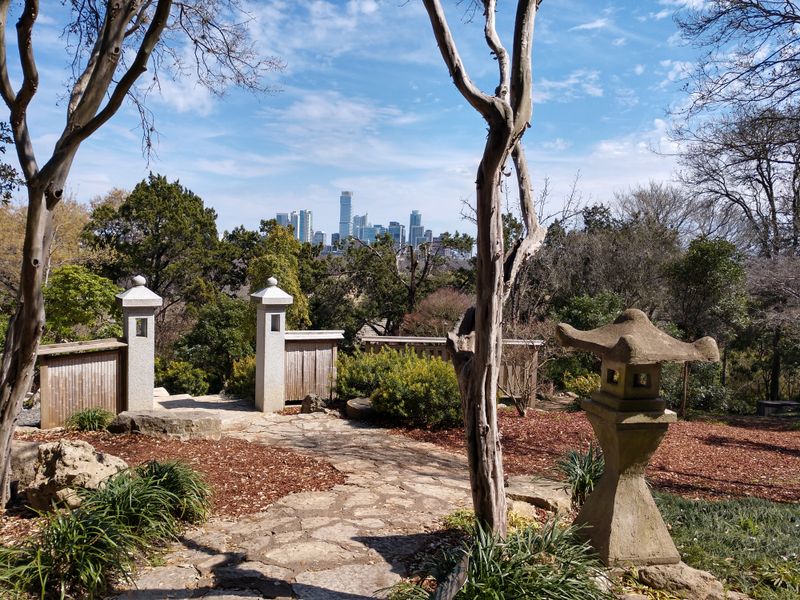
Nestled within the beloved Zilker Park, on 2220 Barton Springs Rd, Austin, TX 78746, this 31-acre garden has welcomed Austin residents and visitors since 1955.
Its location in the heart of the city makes it easily accessible, yet once inside, the urban bustle fades away behind screens of trees and carefully designed landscapes.
The garden’s layout takes visitors on a world tour without leaving Austin, with themed areas representing different gardening traditions and plant communities.
The Isamu Taniguchi Oriental Garden ranks among the most photographed spots in Austin, with its peaceful ponds, cascading waterfalls, and meticulously maintained plantings.
Created by a Japanese landscape architect who spent years perfecting every detail, the garden embodies the principles of harmony and balance central to Japanese garden design.
Turtles sun themselves on rocks while koi glide through crystal-clear water, creating scenes of tranquility that provide welcome respite from busy lives.
The Hartman Prehistoric Garden takes a completely different approach, featuring plants that existed during the age of dinosaurs.
Cycads, ferns, and other ancient species transport visitors back millions of years, while life-sized dinosaur sculptures add whimsy and educational value.
This unique area fascinates children and adults alike, making botanical history come alive in an engaging way. The Rose Garden showcases hundreds of varieties, with peak blooms in spring and fall filling the air with fragrance.
Additional themed areas include the Butterfly Trail and Garden, designed specifically to attract and support these important pollinators, and the Xeriscape Garden demonstrating water-wise landscaping techniques crucial for Austin’s drought-prone climate.
Free admission makes the garden accessible to everyone, reflecting its role as a community resource.
Special events throughout the year celebrate seasons, cultures, and the enduring connection between people and plants.