Texans Are Using These 7 Tricks To Attract Cardinals To Their Gardens
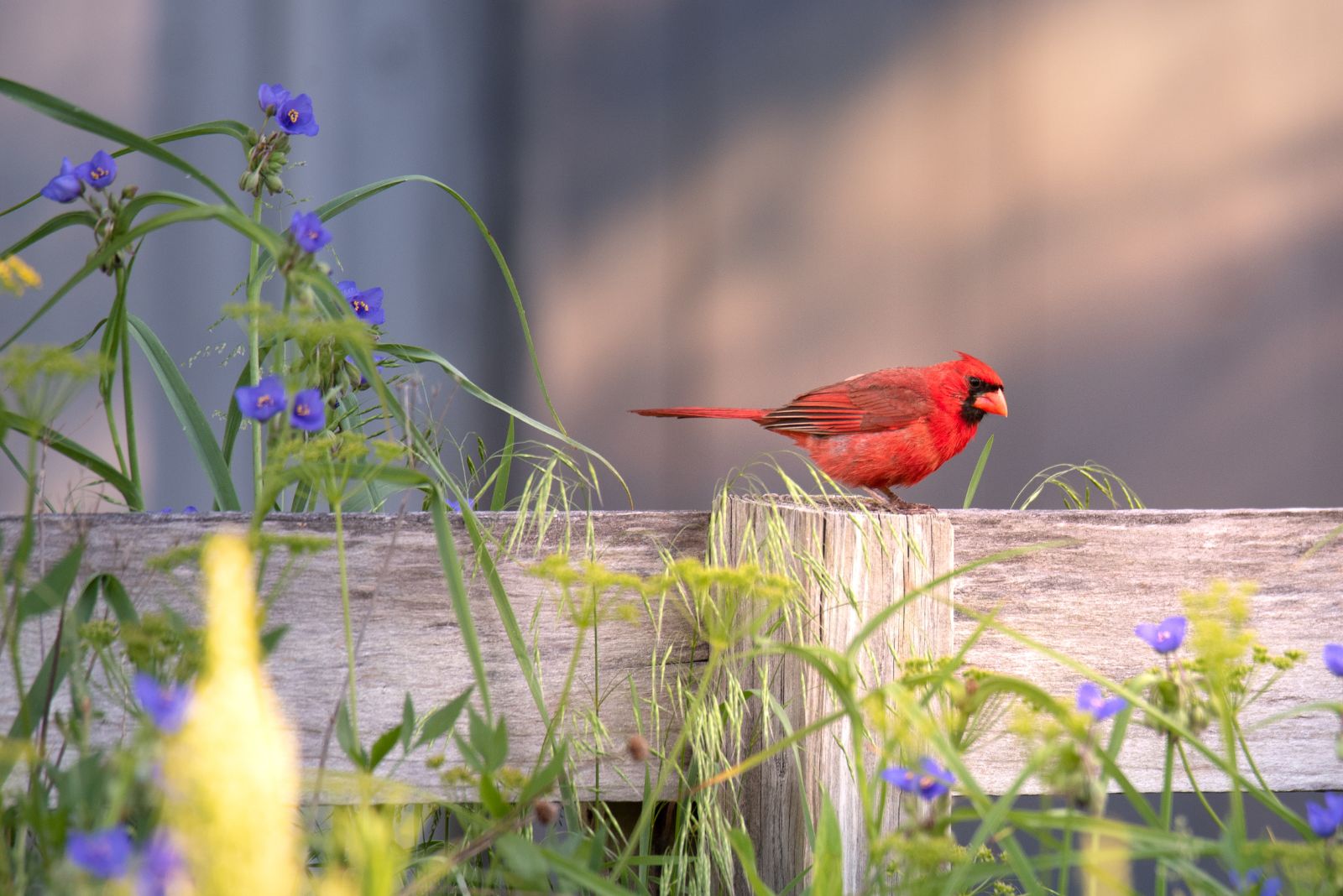
Few sights are as charming as a bright red cardinal perched among garden branches, adding color, movement, and song to a Texas backyard.
These beloved birds are year round residents across much of the state, and many gardeners are discovering simple ways to make their outdoor spaces more inviting to them.
Cardinals look for reliable food, fresh water, safe shelter, and quiet nesting spots, and small changes can make a big difference in attracting them.
Thoughtful planting, strategic feeder placement, and creating protective cover can encourage these striking birds to visit more often and stay longer.
Beyond their beauty, they bring life, sound, and natural balance to the garden. With the right approach, your yard can become a welcoming haven where cardinals feel comfortable returning day after day.
A few easy adjustments can turn an ordinary Texas garden into a lively space filled with color, song, and the unmistakable presence of these iconic birds.
1. Offer Black Oil Sunflower Seeds In Platform Feeders
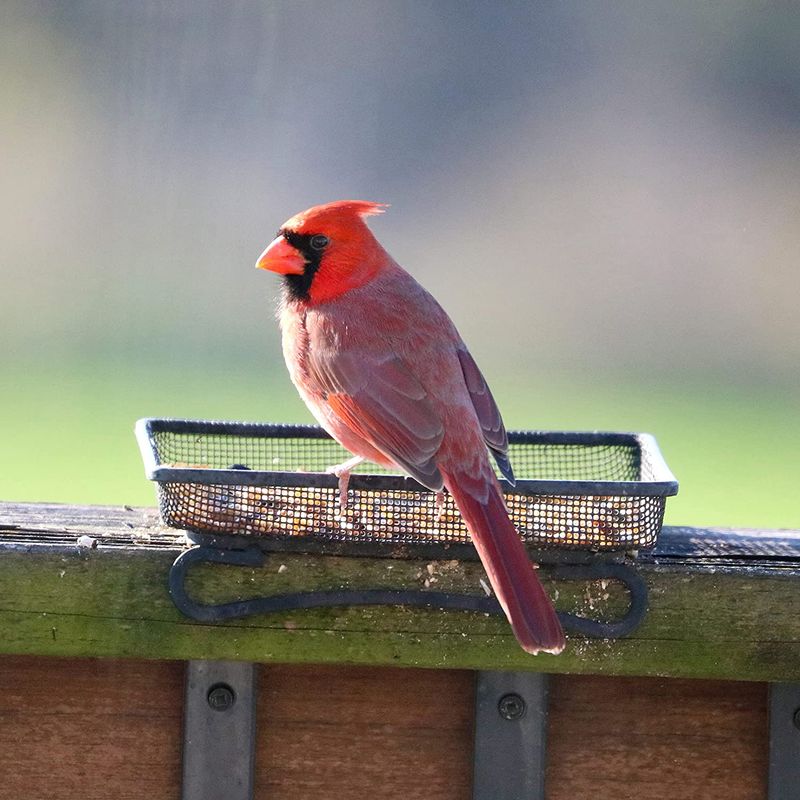
Cardinals love black oil sunflower seeds more than almost any other food. These seeds have thin shells that are easy for cardinals to crack open with their strong beaks.
The seeds inside are packed with fat and protein, which gives cardinals the energy they need to stay healthy and active.
Platform feeders work best because cardinals prefer to eat while standing on a flat surface. Unlike tube feeders that require birds to cling to small perches, platform feeders give cardinals plenty of room to hop around and pick out their favorite seeds.
You can find these feeders at any garden store in Texas. Place your feeder about five feet off the ground in a spot where you can see it from your window.
Cardinals feel safer when feeders are near bushes or trees where they can quickly hide if they sense danger.Make sure to keep the feeder clean by removing old seeds and washing it every two weeks.
Many Texas homeowners have noticed more cardinals visiting once they switched to black oil sunflower seeds. These seeds cost a bit more than mixed birdseed, but they attract cardinals much faster. You will see results within just a few days of setting up your feeder.
Cardinals often visit feeders early in the morning and late in the afternoon. During hot Texas summers, they may come more frequently to get extra energy. Keep your feeder full, and you will enjoy watching these beautiful red birds all year long.
2. Plant Native Berry-Producing Shrubs And Trees
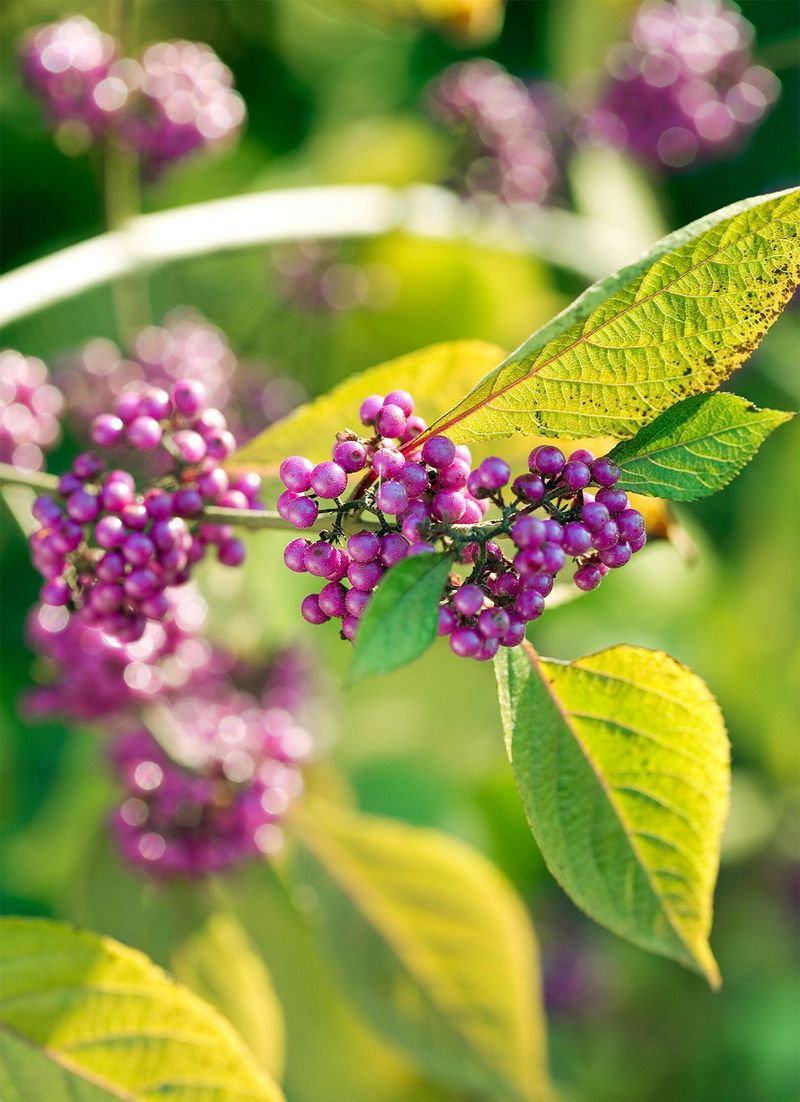
Berries are a natural food source that cardinals depend on, especially during fall and winter. Native Texas plants like possumhaw holly, yaupon holly, and American beautyberry produce berries that cardinals absolutely love.
These shrubs not only provide food but also give cardinals safe places to nest and hide from predators.
Planting native species works better than non-native plants because they are already adapted to Texas weather. They need less water and care, which makes them perfect for busy homeowners.
Native plants also support other wildlife like butterflies and bees, making your garden healthier overall.
Your Texas Garden Changes Every Week. Your Plan Should Too.
Gardening in Texas changes quickly throughout the season. Every Friday you’ll receive a simple weekly plan showing exactly what to plant, prune, fertilize, harvest, and protect so you never miss the right timing.
Possumhaw holly grows well in most parts of Texas and produces bright red berries that stay on the branches through winter. Cardinals will visit these shrubs again and again when other food becomes scarce.
Yaupon holly is another excellent choice that thrives in Texas heat and provides year-round berries.
When planning your garden, group several berry-producing plants together to create a natural buffet for cardinals. Space them about six feet apart so they have room to grow.
Cardinals prefer areas with some cover, so plant these shrubs near the edges of your yard or close to fences.
American beautyberry produces purple berries in late summer that cardinals enjoy eating. This plant grows quickly and can reach five feet tall, giving cardinals plenty of perching spots.
By adding these native plants to your Texas garden, you create a natural habitat that keeps cardinals coming back season after season.
3. Provide Fresh Water In A Ground-Level Bird Bath
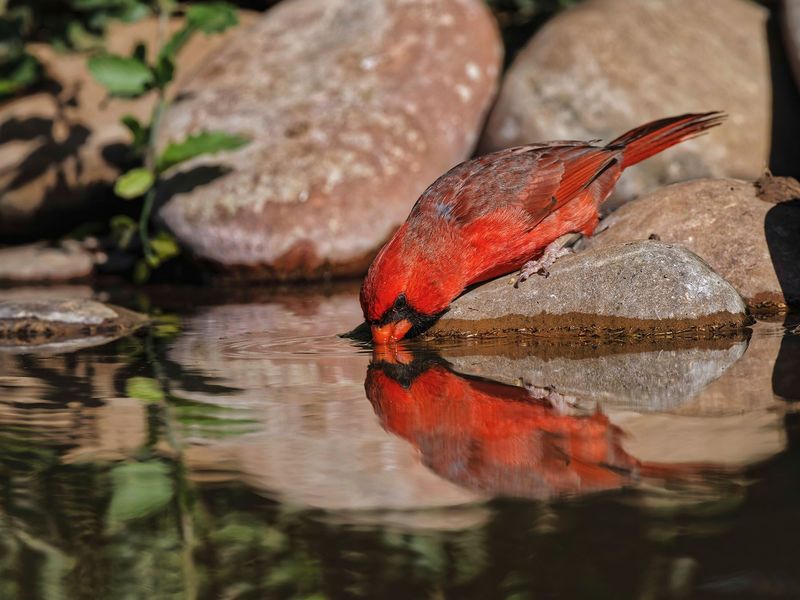
Water is just as important as food when it comes to attracting cardinals to your yard. These birds need fresh water every day for drinking and bathing.
A clean bird bath can make your garden much more appealing to cardinals, especially during hot Texas summers when natural water sources dry up.
Cardinals prefer shallow water that is only one to two inches deep. Deep bird baths can make them nervous because they cannot touch the bottom safely.
Ground-level bird baths work particularly well because cardinals naturally look for water near the ground in their wild habitat.
Place your bird bath in a shady spot if possible to keep the water cool throughout the day. Cardinals are more likely to use a bath that sits near shrubs or low trees where they can perch before and after bathing.
This gives them a safe escape route if they spot any threats. Change the water every day to prevent mosquitoes from breeding and to keep it fresh for the birds.
During winter in Texas, you might need to break ice on cold mornings or use a heated bird bath to provide liquid water. Cardinals will appreciate having water available even when temperatures drop.
Adding a few flat rocks to your bird bath gives cardinals stable places to stand while drinking. Some Texas homeowners have noticed that cardinals visit their bird baths multiple times each day.
You might even see them splashing around and fluffing their feathers, which is a sign they feel comfortable and safe in your garden.
4. Keep Dense Evergreen Bushes For Nesting Sites
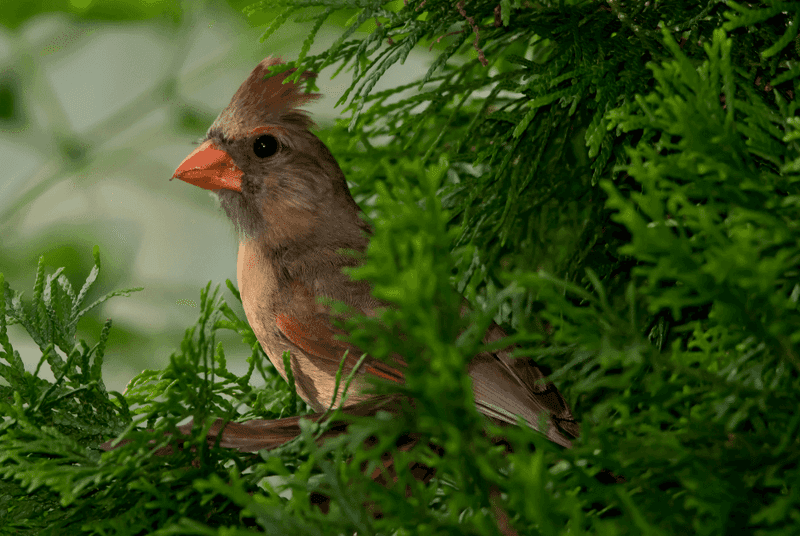
Cardinals need thick, dense bushes where they can build their nests and raise their babies. Unlike some birds that nest in tree cavities, cardinals prefer to build cup-shaped nests hidden in the middle of thick shrubs.
Evergreen plants work especially well because they keep their leaves all year, providing constant cover and protection.
Eastern red cedar is a native Texas evergreen that cardinals love for nesting. This tree grows naturally across the state and provides dense branches that hide nests from predators.
Wax myrtle is another excellent choice that stays green year-round and grows well in most Texas soils.
Cardinals typically nest between three and ten feet off the ground. They look for spots where branches form a strong fork that can support their nest.
The female cardinal builds the nest using twigs, grass, and bark strips, so having natural materials nearby helps them feel at home.
Plant evergreen shrubs in groups to create a thick hedge that gives cardinals multiple nesting options. Space them close enough that their branches touch when they mature.
This creates a safe corridor where cardinals can move around without being exposed to hawks or cats.
Many Texas homeowners have watched cardinals raise families in their yards after planting dense evergreens. During spring and summer, you might hear baby cardinals chirping from inside the bushes.
Keep your distance and avoid trimming these plants during nesting season, which runs from March through August in most of Texas. By providing safe nesting sites, you help cardinals thrive in your garden for years to come.
5. Scatter Seeds On The Ground Near Cover
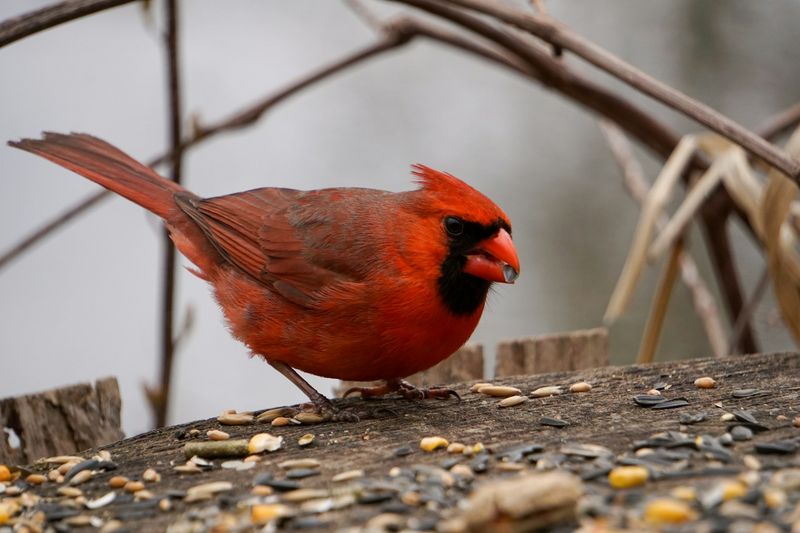
Cardinals are ground feeders by nature, which means they prefer finding food on the ground rather than in elevated feeders. In the wild, cardinals hop along the forest floor searching for fallen seeds, insects, and berries.
You can take advantage of this natural behavior by scattering seeds directly on the ground in your Texas yard.
Choose a spot under a tree or near thick bushes where cardinals will feel protected while they eat. Open areas make cardinals nervous because they cannot quickly escape from predators.
Spreading seeds near cover mimics their natural feeding environment and makes them more comfortable visiting your garden.
Use a mix of black oil sunflower seeds, safflower seeds, and cracked corn for ground feeding. Cardinals will pick through the mix to find their favorites.
Avoid using seed mixes with too many fillers like milo or wheat, which cardinals usually ignore and leave behind.
Scatter seeds in the late afternoon so cardinals can find them during their evening feeding time. Remove any uneaten seeds after a day or two to prevent mold and keep your yard clean.
Ground feeding does attract other animals like squirrels, but cardinals will still visit if you keep the area stocked with fresh seeds.
Some Texas gardeners create designated ground-feeding areas by clearing a small patch of soil and spreading seeds there daily. Cardinals learn these feeding spots quickly and return regularly.
You might see them scratching at the ground with their feet to uncover hidden seeds, which is typical cardinal behavior that shows they feel comfortable and relaxed in your garden.
6. Avoid Using Pesticides And Chemicals In Your Yard

Chemicals and pesticides can harm cardinals in several ways. These substances reduce the number of insects in your yard, which cardinals need to feed their babies during nesting season.
Young cardinals require a diet high in protein, and parent birds catch hundreds of insects daily to feed their growing chicks.
Pesticides can also poison cardinals directly if they eat contaminated insects or seeds. Even small amounts of chemicals can weaken birds and make them sick.
Creating a pesticide-free zone in your Texas garden helps cardinals stay healthy and encourages them to visit more often.
Natural pest control methods work just as well without harming birds. Encourage beneficial insects like ladybugs and praying mantises that eat garden pests.
Plant flowers that attract these helpful bugs, such as marigolds, zinnias, and sunflowers, which also produce seeds that cardinals enjoy eating later in the season.
If you must control weeds, pull them by hand or use mulch to prevent them from growing. Organic gardening practices create a safer environment for cardinals and other wildlife.
Many Texas homeowners have noticed more birds visiting once they stopped using chemicals on their lawns and gardens.
Cardinals are sensitive to environmental changes, and they quickly leave areas where they sense danger. By keeping your yard chemical-free, you send a clear message that your garden is a safe haven.
You will see more cardinals raising families, singing from your trees, and brightening your days with their beautiful red feathers. A natural, healthy yard benefits everyone, from the smallest insect to the most colorful bird.
7. Leave Seed-Bearing Flowers Standing Through Winter
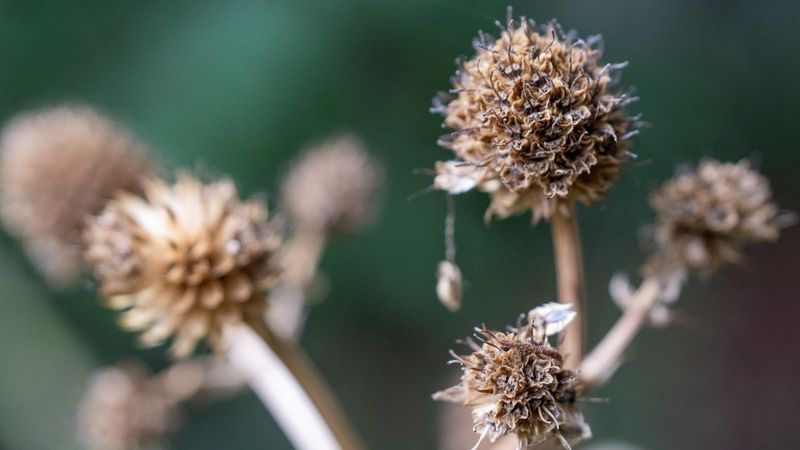
Most gardeners cut down their flowers once they finish blooming, but leaving seed heads standing through winter provides valuable food for cardinals.
Flowers like sunflowers, coneflowers, and black-eyed Susans produce seeds that cardinals can eat during the colder months when other food sources become limited.
Sunflowers are especially popular with cardinals because their large seed heads contain hundreds of nutritious seeds. Plant sunflowers along your fence line or in a corner of your Texas garden where they can grow tall.
Once the flowers fade and dry out, cardinals will perch on the stems and pick out seeds throughout fall and winter.
Coneflowers, also called echinacea, produce cone-shaped seed heads that cardinals love. These tough native plants grow well in Texas heat and require very little care.
Let the flowers dry naturally on the stems instead of deadheading them, and you will see cardinals visiting regularly to harvest the seeds.
Black-eyed Susans bloom bright yellow in summer and then form seed heads that last through winter.
Cardinals appreciate having these natural food sources available when fresh seeds become harder to find. Leaving flowers standing also provides shelter for beneficial insects that cardinals eat.
This approach creates a more natural-looking winter garden that requires less work from you. Instead of spending time cutting and cleaning up dry plants, you simply leave them in place and let nature take its course.
Texas winters are generally mild, so seed heads remain accessible to cardinals throughout the season. Come spring, you can cut down the old stalks and let new growth emerge, knowing you helped cardinals survive the winter months.