4 Plants You Should Prune During Late February In Texas And 3 You Shouldn’t Touch
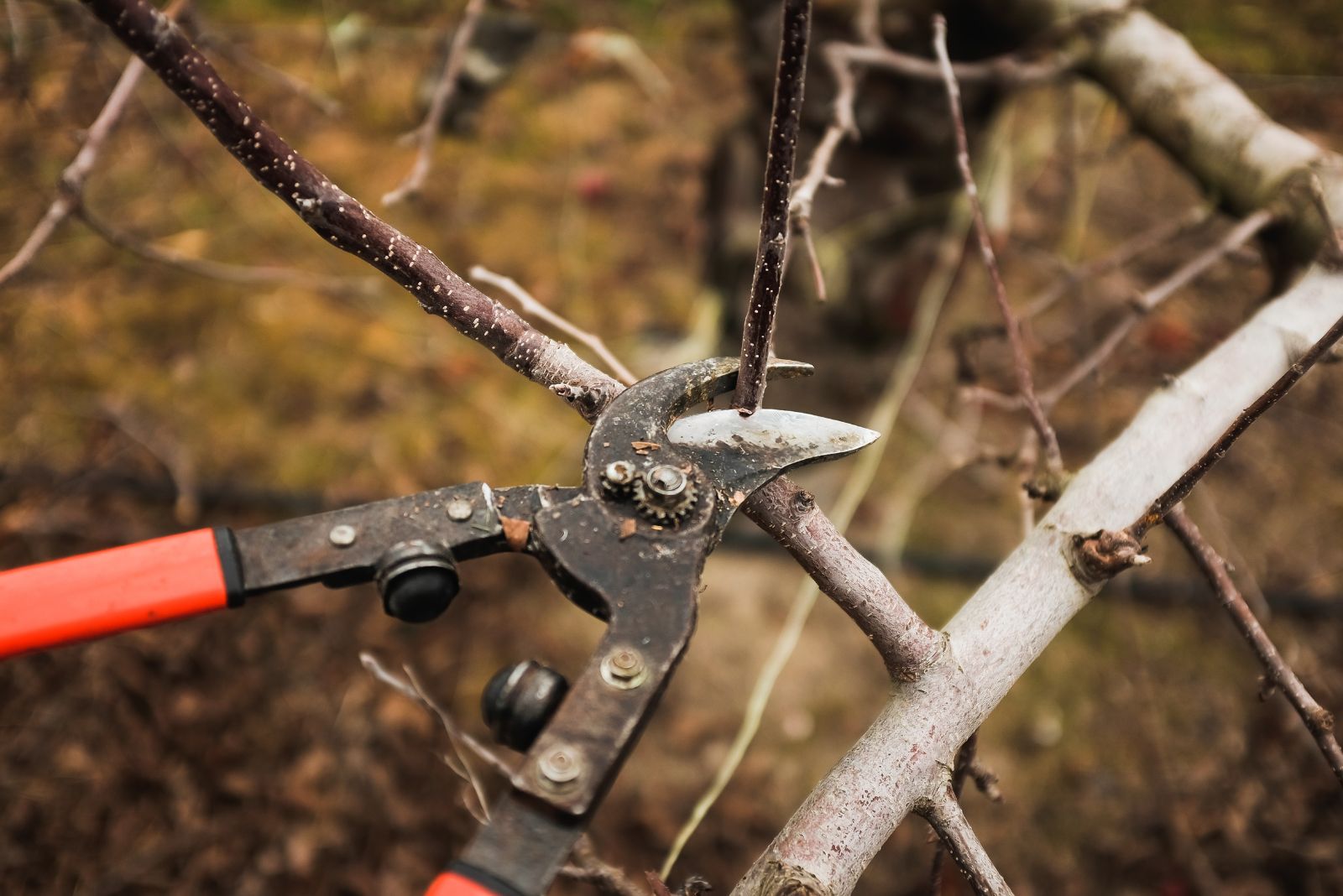
Late February in Texas is a turning point in the garden, when winter begins to loosen its grip and plants prepare for a burst of spring growth.
It is also one of the most important times for careful pruning, but knowing what to cut and what to leave alone can make a big difference.
Some trees and shrubs benefit from a late winter trim, encouraging stronger structure, healthier growth, and better flowering in the months ahead. Others, however, can lose buds, suffer stress, or become vulnerable to damage if pruned too soon.
Timing and plant type both matter, especially in a climate where warm spells can arrive quickly. A few smart pruning decisions now can improve shape, boost vigor, and prevent problems later in the season.
With the right approach, your Texas garden can move into spring balanced, healthy, and ready to grow with strength and beauty.
1. Crepe Myrtle
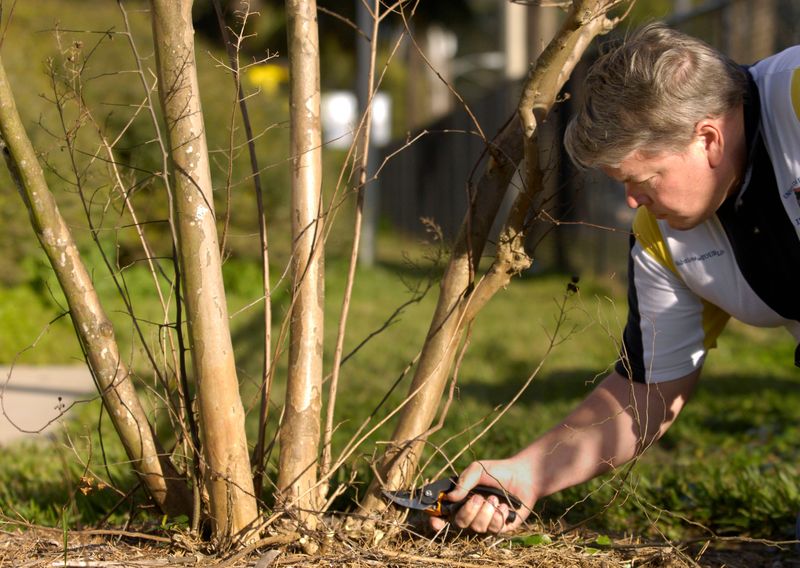
Crepe myrtles stand as one of the most beloved landscape trees across Texas. Late February represents the ideal time to prune these summer bloomers before new growth emerges.
Many gardeners make the mistake of topping these trees, creating ugly knobs that ruin their natural graceful shape.
Proper pruning focuses on removing crossing branches, suckers from the base, and any twiggy growth smaller than a pencil.
You want to open up the center of the tree to improve air circulation and showcase the beautiful exfoliating bark that makes crepe myrtles so attractive even in winter. Never cut back the main branches to stubs.
Texas gardeners should remove any branches growing toward the center of the tree or rubbing against each other. These create wounds that invite pests and diseases. Take out the weakest stems when you see multiple branches growing from the same point.
Late February pruning in Texas gives crepe myrtles plenty of time to develop strong new growth before the hot summer months arrive.
The tree will bloom on new wood produced during the current growing season, so you won’t sacrifice any flowers by pruning now. In fact, proper pruning often results in larger, more abundant blooms.
Remember that crepe myrtles naturally develop multiple trunks with smooth, mottled bark in shades of cinnamon, gray, and cream. Preserve this attractive feature by avoiding the harsh cutting techniques sometimes called crepe murder.
Your trees will thank you with decades of beautiful summer flowers and year-round visual interest in your Texas landscape.
2. Roses (Most Bush And Hybrid Tea Types)
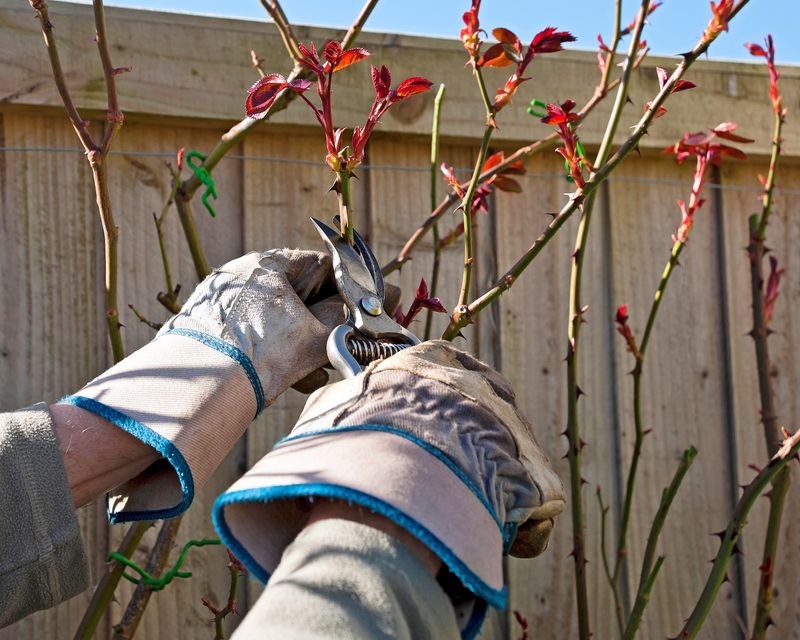
Bush roses and hybrid teas need a good haircut before spring arrives in Texas. Late February timing allows you to prune after the worst freezes have passed but before active growth begins.
This pruning encourages vigorous new stems that will produce the best flowers throughout the growing season. Start by removing any dry, damaged, or diseased canes completely.
Cut these back to healthy white pith, making your cuts at a 45-degree angle about a quarter inch above an outward-facing bud. This angled cut helps water run off and prevents rot from settling into the cut surface.
Your Texas Garden Changes Every Week. Your Plan Should Too.
Gardening in Texas changes quickly throughout the season. Every Friday you’ll receive a simple weekly plan showing exactly what to plant, prune, fertilize, harvest, and protect so you never miss the right timing.
For hybrid tea roses in Texas, cut the remaining healthy canes back to about 12 to 18 inches tall. Bush roses can be pruned to a similar height, removing about one-third to one-half of their total growth.
Open up the center of the plant by removing canes that cross through the middle or grow inward.
Always use sharp, clean pruning shears to make smooth cuts. Ragged cuts invite disease and slow healing.
Many Texas gardeners dip their shears in rubbing alcohol between plants to prevent spreading any problems from one rose bush to another.
Remove any leaves still clinging to the canes after pruning. These old leaves can harbor fungal spores and insect eggs that will cause problems when warm weather returns.
Clean up all the pruned material from around your roses and dispose of it rather than composting it, especially if you noticed any disease issues last season.
3. Fruit Trees (Peach, Plum, Apple – In North/Central Texas)
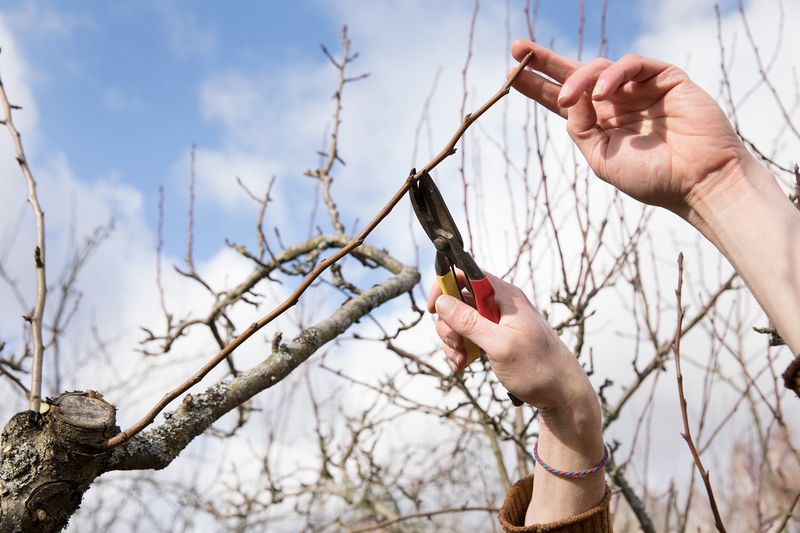
Fruit trees in North and Central Texas need pruning during their dormant period, and late February hits the sweet spot perfectly. Peaches, plums, and apples all benefit from careful shaping and thinning while they’re still sleeping.
This pruning improves fruit quality, prevents branch breakage, and keeps trees at a manageable height for harvesting.
Peach trees require the most aggressive pruning of the three types. Remove about 40 percent of last year’s growth to encourage strong new fruiting wood.
Peaches produce their best fruit on wood that grew during the previous season, so annual pruning keeps production high.
Plum trees need moderate pruning to maintain an open center that allows sunlight to reach all parts of the tree. Remove any branches growing straight up or straight down, as these rarely produce good fruit.
Focus on creating a vase shape with the main branches spreading outward from the trunk.
Apple trees in Central Texas should be pruned to allow light penetration throughout the canopy. Remove water sprouts, those vigorous vertical shoots that grow from main branches but rarely bear fruit.
Thin out crowded areas where too many small branches compete for space and sunlight. All three fruit types benefit from removing branches that show signs of disease or pest damage. Look for cankers, split bark, or evidence of borers.
Make clean cuts back to healthy wood, and never leave stubs that can rot and invite further problems into your Texas fruit trees.
4. Ornamental Grasses (Cut Back Before New Spring Growth)
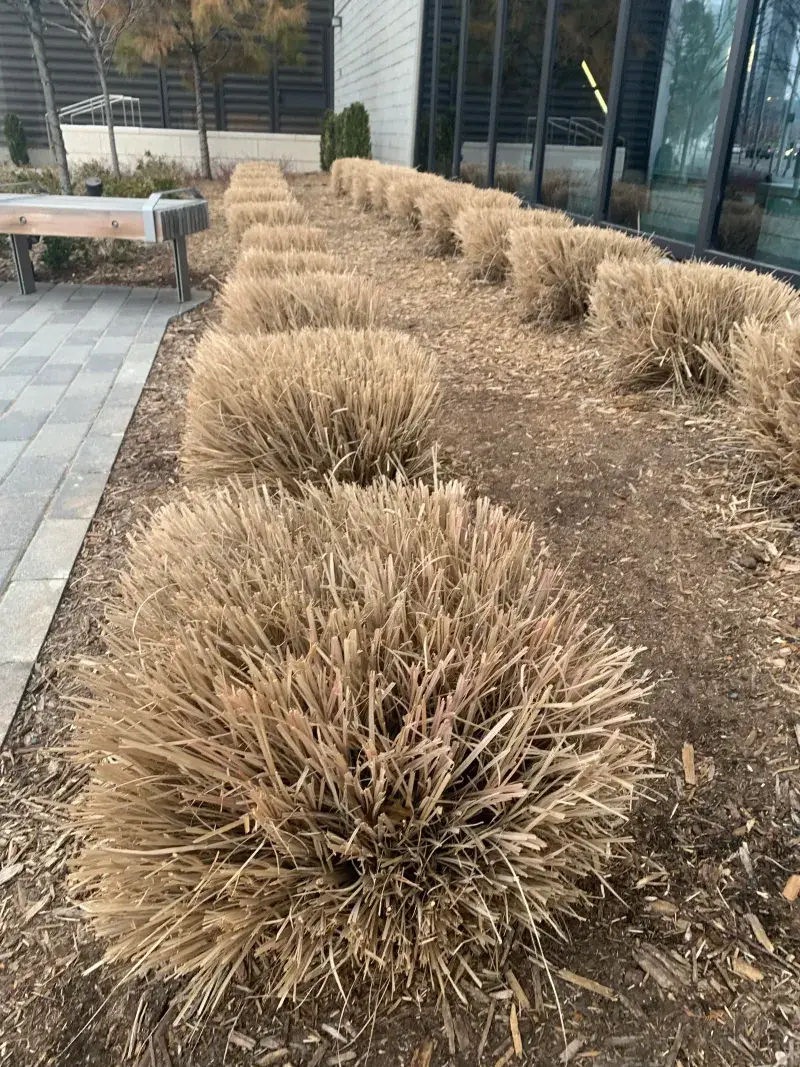
Ornamental grasses add texture and movement to Texas landscapes throughout the year. Late February represents the perfect time to cut back these plants before fresh green shoots emerge from the crown.
Waiting too long risks damaging the tender new growth that starts appearing surprisingly early in our state.
Most ornamental grasses should be cut back to about 4 to 6 inches above ground level. Use hedge shears or even a power trimmer for large clumps, as hand pruners become tedious when dealing with dozens of stems.
Bundle the old foliage with string or rope before cutting to make cleanup easier.
Texas gardeners grow many different ornamental grass species, from native varieties like muhly grass to introduced types like maiden grass and fountain grass. Nearly all of them benefit from this annual cutback.
The old foliage looks attractive through winter, providing seeds for birds and shelter for beneficial insects.
Once you remove the dry foliage, you’ll see the crown of the plant clearly. This makes it easy to spot any sections that look sparse or unhealthy.
You can divide overcrowded clumps at this time too, though many grasses will wait until they start growing actively to show their best response to division.
Rake away the cut foliage and any debris that accumulated around the base of your grasses over winter. This cleanup reduces hiding places for slugs and other pests.
Within a few weeks, fresh green blades will emerge, and your grasses will look refreshed and ready for another season of beauty in your Texas garden.
5. Azaleas
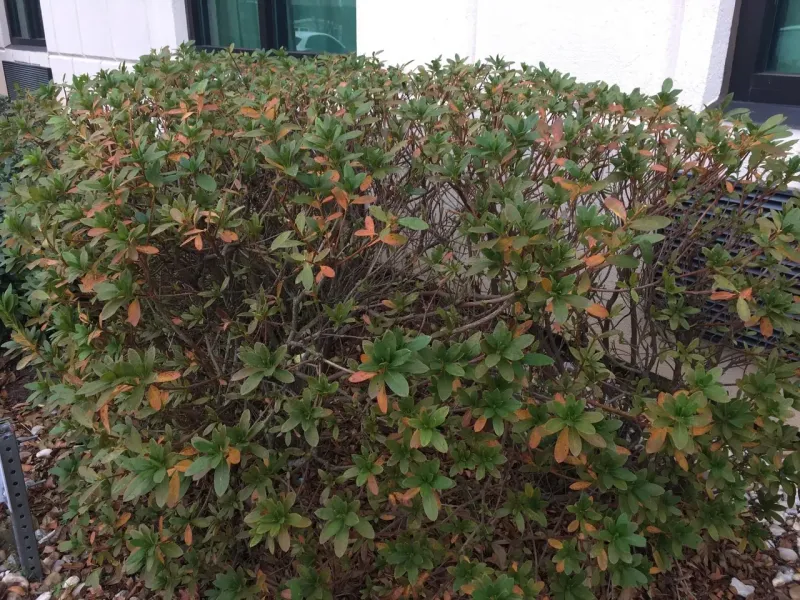
Azaleas bloom on old wood, meaning they set their flower buds during the previous growing season. Pruning these shrubs in late February removes all those buds and eliminates your spring flower show.
These popular foundation plants deserve to keep their blooms after months of patiently waiting through winter.
Texas gardeners who prune azaleas in February will see plenty of healthy green growth appear in spring, but no flowers. The plant isn’t harmed permanently, but you’ll wait an entire year before seeing blooms again.
Azaleas typically flower in March and April across most of Texas, so late February pruning cuts off the show just before curtain time.
If your azaleas need shaping or size reduction, wait until immediately after they finish blooming. This timing gives the shrubs the entire growing season to develop new branches and set buds for the following year.
Most azaleas in Texas complete their flowering by early May, making that the ideal pruning window.
Some azalea varieties grown in Texas can reach substantial sizes over time. Even though they look overgrown in February, resist the urge to trim them back.
Those seemingly messy branches are covered with swelling buds ready to burst into color within weeks.
Exception exists for dry or damaged branches, which you can remove anytime without worrying about flower loss. Focus only on obviously broken or brown stems if you must prune in late February.
Save any major shaping or size control for the post-bloom period when your azaleas can recover and still set buds for next year’s display in your Texas landscape.
6. Spring-Blooming Hydrangeas (Bigleaf / Oakleaf Types)
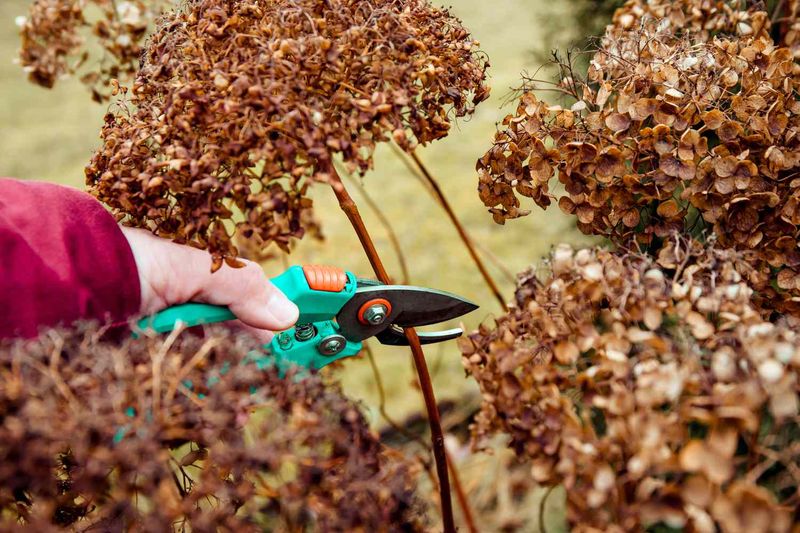
Bigleaf and oakleaf hydrangeas represent two of the most popular types grown in Texas gardens. Both bloom on old wood, developing their flower buds during the previous summer and fall.
Cutting these shrubs back in late February removes an entire season of anticipated blooms, leaving you with green bushes but no flowers.
These hydrangea types often look rough coming out of winter in Texas. Brown leaves cling to the stems, and the whole plant appears messy and unkempt.
This scraggly appearance tempts many gardeners to grab their pruning shears and tidy things up before spring arrives.
Resist that temptation completely. Those seemingly dry-looking stems are covered with dormant flower buds waiting for warmer weather to swell and open.
Even stems that appear brown and lifeless often carry viable buds that will produce gorgeous blooms in late spring and early summer.
If you’re growing bigleaf or oakleaf hydrangeas in Texas, your only late February pruning should involve removing stems that are clearly dry all the way to the ground.
Test questionable stems by gently scraping the bark with your fingernail. Green tissue underneath means the stem is alive and should be left alone.
The best time to prune these hydrangea types falls immediately after they finish blooming, typically in July or August across most of Texas. This timing allows the plant to develop new growth that will mature and set flower buds before winter returns.
Patience in late February rewards you with the spectacular blooms that make these hydrangeas so beloved in Texas landscapes.
7. Redbud Trees
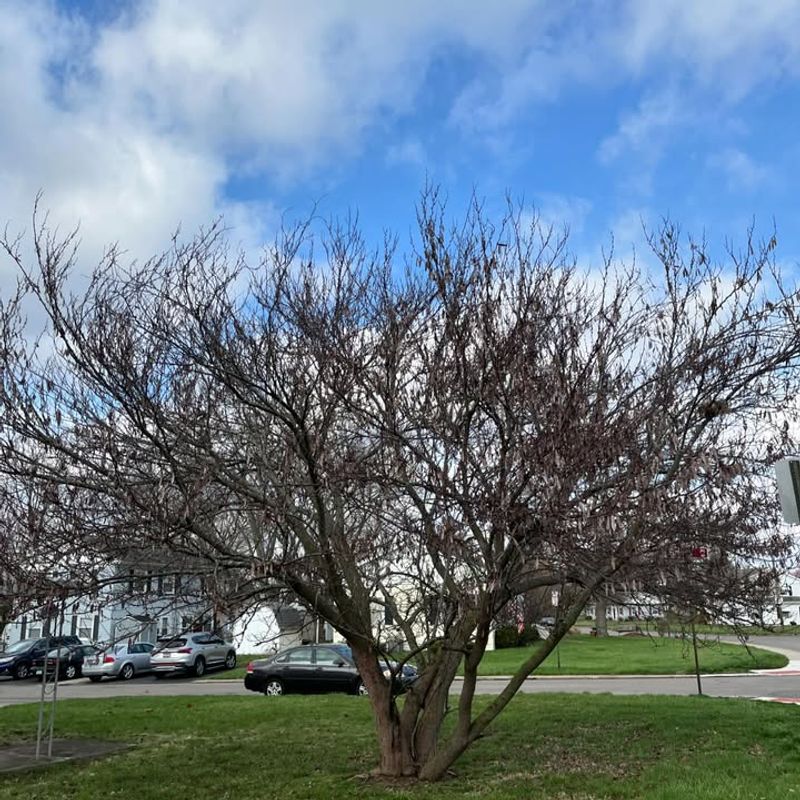
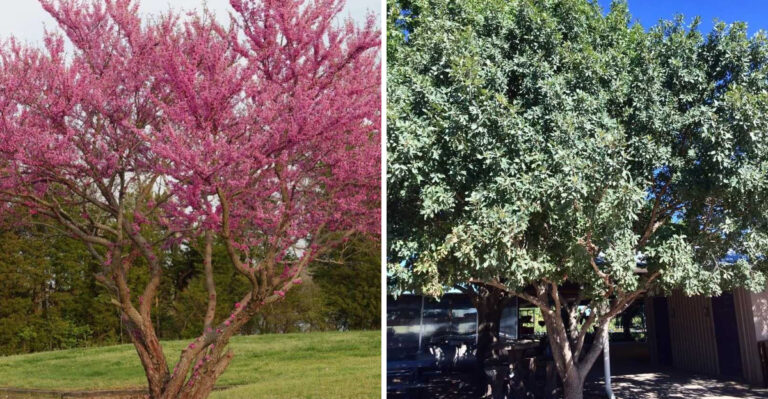
Redbud trees put on one of the most spectacular spring shows in Texas. Their bare branches become covered with clusters of pink-purple flowers in March, creating stunning displays before leaves emerge.
Late February pruning removes the flower buds these trees spent months developing, stealing away this beloved early spring feature.
Native Texas redbuds and their cultivated varieties bloom on old wood. The trees form their flower buds during the previous growing season, and those buds sit dormant through winter waiting for the right conditions to open.
Cutting branches in late February eliminates these buds right before they would have transformed your tree into a cloud of color.
Many Texas gardeners don’t realize that redbud trees rarely need pruning at all. These trees naturally develop attractive branching patterns and reasonable sizes without human intervention.
Unless you have dry branches, crossing limbs, or specific clearance issues, your redbud probably doesn’t need any pruning.
If your redbud tree does require pruning for legitimate reasons, wait until immediately after the flowers fade in spring.
This timing allows you to enjoy the blooms while still giving the tree the entire growing season to produce new branches and set buds for next year’s display.
Dry or damaged branches represent the only exception to the no-pruning rule for late February. You can remove obviously lifeless wood anytime without affecting flowering.
However, be absolutely certain a branch is actually deceased before cutting it. Redbuds can look deceptively bare and lifeless in winter, yet those seemingly dry branches will burst into bloom within weeks across Texas.