Why You Should Grow Blazing Star Along Your Fence In Texas?
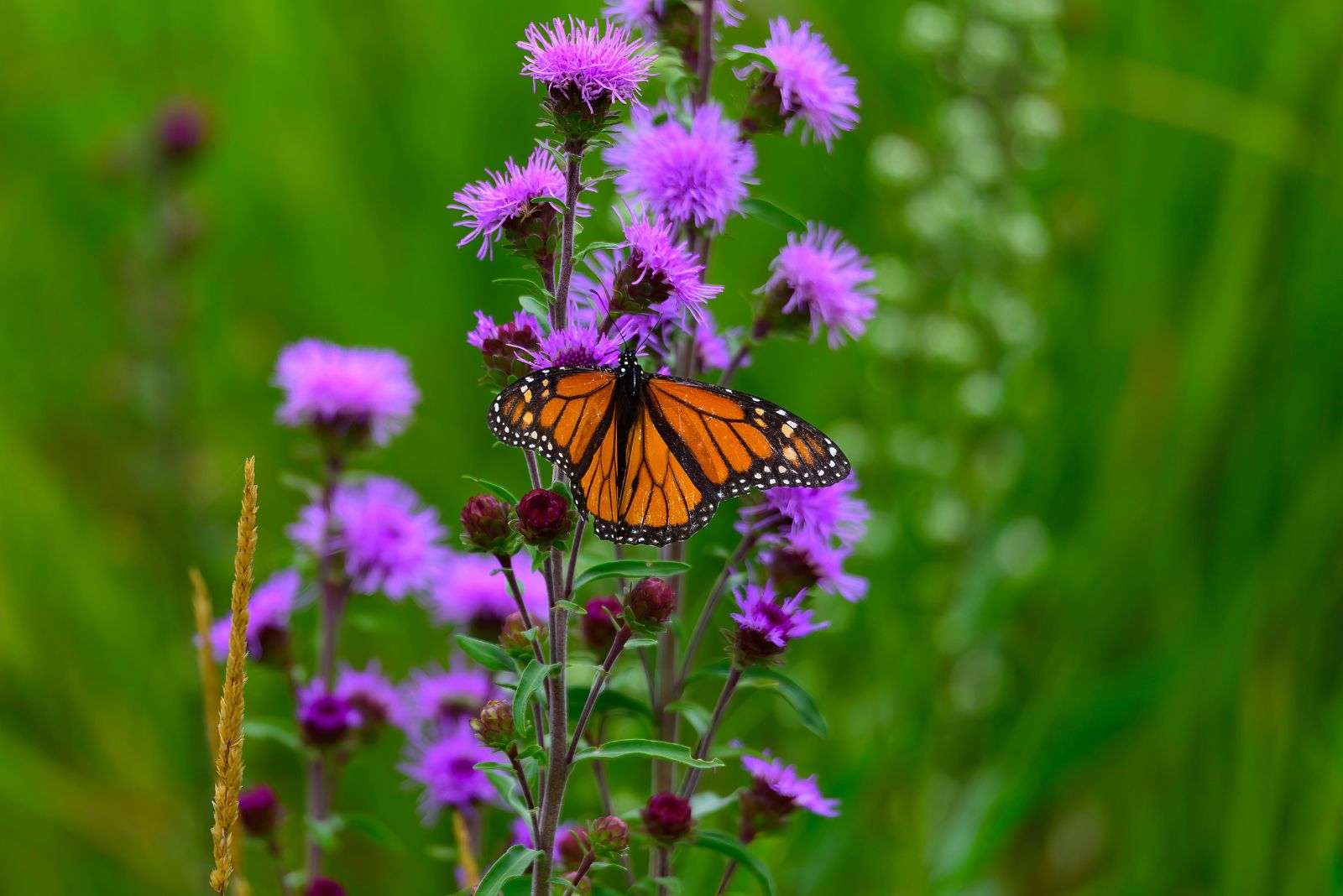
Want to turn your Texas fence line into a lively, fluttering display of color and movement? One striking native plant is gaining attention for its incredible ability to attract butterflies while adding height and beauty to the garden.
Blazing star produces tall, vibrant flower spikes that act like a magnet for pollinators, bringing constant activity and life to your outdoor space.
It thrives in Texas heat, handles dry conditions once established, and fits perfectly along fences where it can grow upright without crowding nearby plants.
As butterflies gather around its blooms, even a simple fence line can feel dynamic and full of energy. Beyond its visual appeal, this hardy plant requires little maintenance and adapts well to local conditions.
Planting blazing star along your fence can create a colorful, butterfly filled feature that brings motion, charm, and natural beauty to your Texas garden throughout the growing season.
1. Why Butterflies Love Blazing Star?
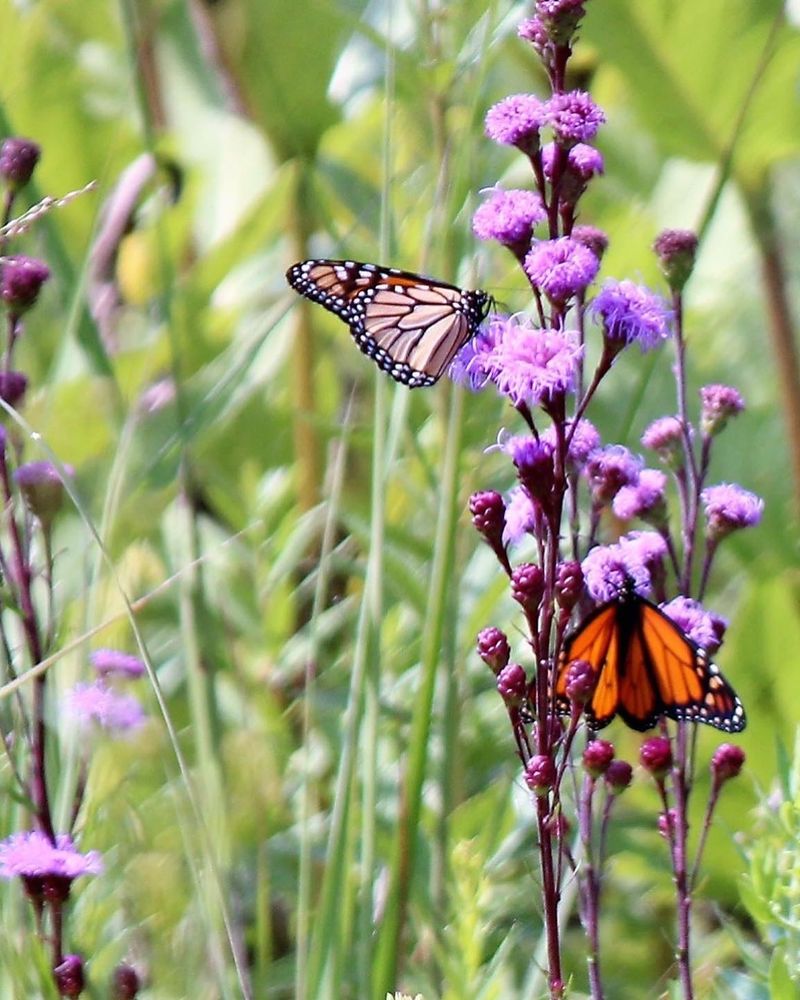
Butterflies can spot Blazing Star from far away because of its vibrant purple color. The tall flower spikes rise several feet high and create a visual beacon that flying insects notice immediately.
Each spike contains dozens of small individual flowers packed tightly together in a cone shape.
The shape of these blooms works perfectly for butterfly feeding habits. Butterflies land on the clustered flowers and can move from one tiny bloom to another without having to fly away.
This saves energy and lets them drink nectar for longer periods. The flower structure supports their weight easily while they feed.
Nectar flows abundantly in Blazing Star blossoms throughout the day. The sugar-rich liquid provides butterflies with the fuel they need to fly, reproduce, and survive.
Unlike some flowers that produce small amounts of nectar, Blazing Star offers generous quantities that satisfy hungry visitors.
Multiple butterflies can feed on a single flower spike at the same time. The clustered arrangement means there is plenty of room for several insects to land without competing for space.
Swallowtails, fritillaries, and skippers all visit these purple towers regularly in Texas gardens.
The blooming period lasts for weeks rather than days. This extended flowering time means butterflies can return to the same plants repeatedly and find fresh nectar each time.
A single Blazing Star plant becomes a reliable feeding station that butterflies remember and revisit throughout the season.
2. A Powerful Nectar Source During Texas Heat
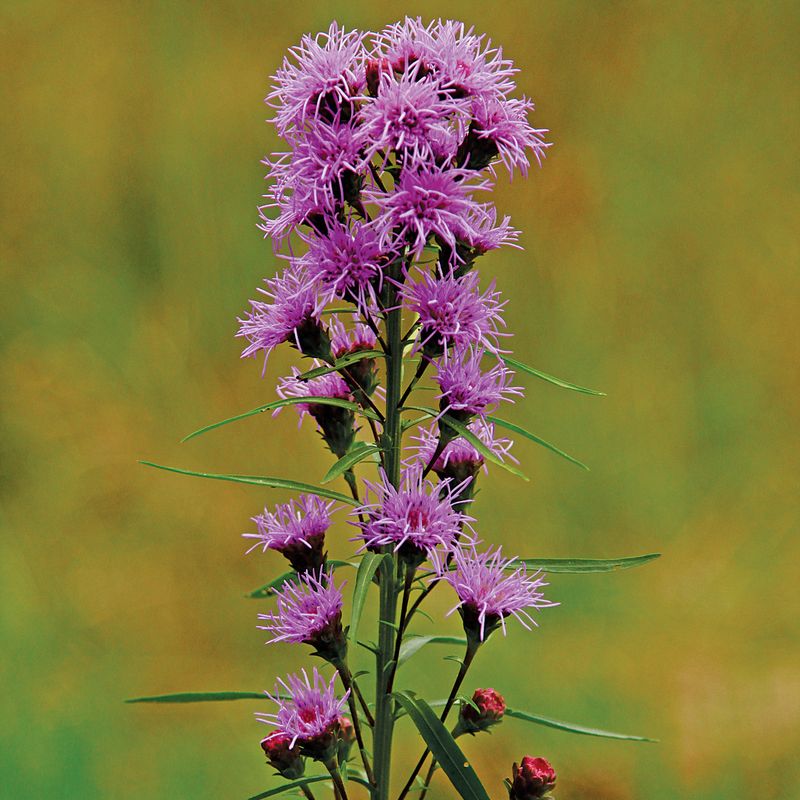
Summer in Texas brings scorching temperatures that stress most garden plants. Many flowers stop blooming when the heat climbs above 95 degrees day after day.
Water becomes scarce and soil dries out quickly under the relentless sun. Gardens that looked lush in spring often turn brown and lifeless by July.
Blazing Star thrives when other plants struggle the most. This tough native wildflower actually begins its peak bloom period in mid-to-late summer across Texas.
While other nectar sources disappear, Blazing Star opens its purple spikes and offers abundant food to desperate pollinators.
Butterflies face serious challenges during hot dry months. They need constant nutrition to maintain their energy levels and body functions.
Your Texas Garden Changes Every Week. Your Plan Should Too.
Gardening in Texas changes quickly throughout the season. Every Friday you’ll receive a simple weekly plan showing exactly what to plant, prune, fertilize, harvest, and protect so you never miss the right timing.
When flowers fade away in the heat, butterflies must search harder and fly farther to find food. This extra effort drains their limited energy reserves quickly.
Having Blazing Star in your Texas garden creates a lifeline during critical weeks. The plant’s deep root system allows it to access moisture far below the surface where other plants cannot reach.
This adaptation means blooms continue producing nectar even when rain has not fallen for weeks.
The timing of Blazing Star blooms fills a dangerous gap in the butterfly food supply. Late summer represents a vulnerable period when butterfly populations decline because of food scarcity.
Planting this reliable nectar source along your fence helps butterflies survive the toughest season in Texas.
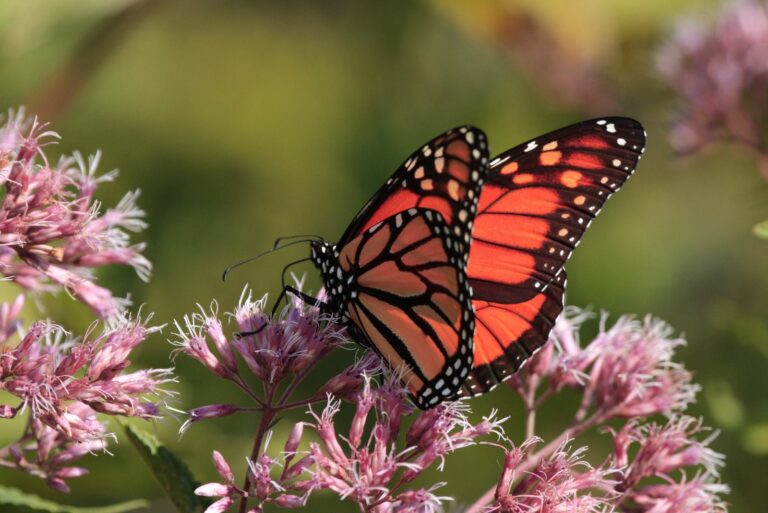
3. How Blazing Star Supports Monarch Migration?
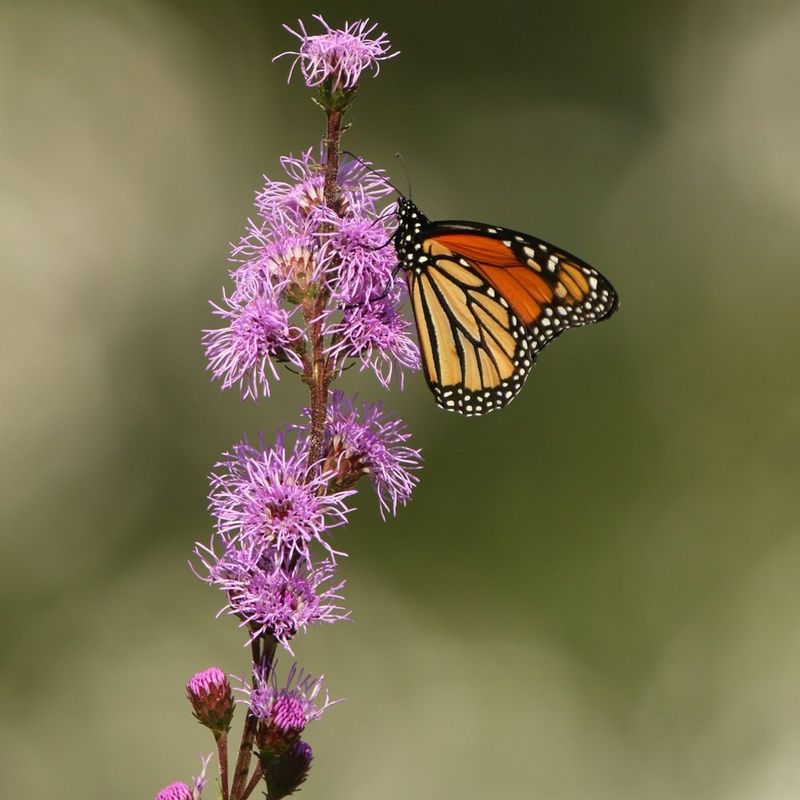
Monarch butterflies make one of nature’s most incredible journeys each year. These delicate insects travel thousands of miles from Canada and northern United States all the way to Mexico.
Texas sits directly in their migration path during late summer and fall. Millions of Monarchs pass through the state every year.
The migration demands enormous amounts of energy from each butterfly. Flying hundreds of miles requires constant fuel in the form of flower nectar.
Monarchs must stop frequently to feed and build up fat reserves for the long journey ahead. Without adequate nutrition, they cannot complete the trip to their wintering grounds.
Blazing Star blooms at exactly the right time for migrating Monarchs. The purple spikes open in August and September just when the butterflies begin moving through Texas.
This perfect timing provides desperately needed fuel stations along their route. A single Blazing Star plant can feed dozens of Monarchs in one day.
Fall-blooming plants have become increasingly rare in Texas landscapes. Many gardeners focus on spring and early summer flowers and forget about late-season bloomers.
This creates a food shortage right when Monarchs need help the most. Planting Blazing Star helps fill this critical gap.
Your fence line planted with Blazing Star becomes a migration rest stop. Monarchs will find your garden and pause to refuel before continuing their journey.
The nectar you provide might make the difference between a successful migration and butterflies that run out of energy before reaching Mexico.
4. Why Plant Blazing Star Alongside A Fence?
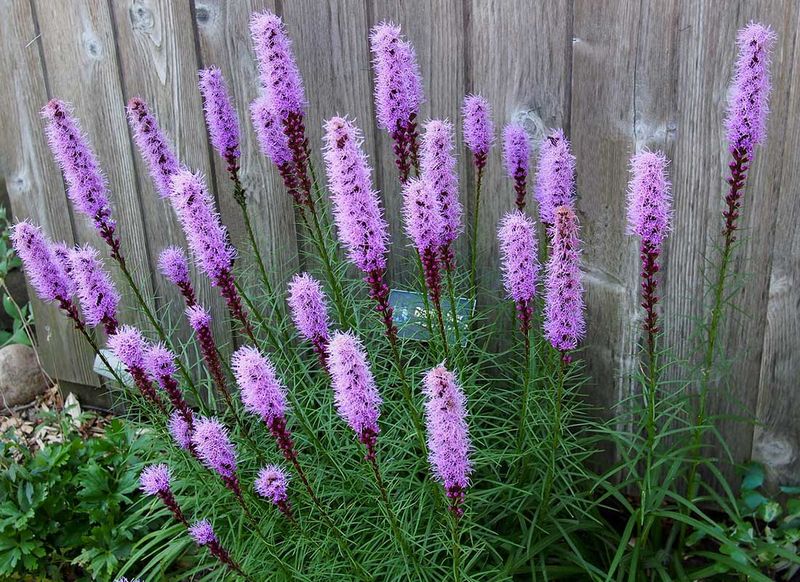
Fences create natural planting boundaries that gardeners often overlook. The space running along your fence line offers perfect conditions for establishing a butterfly feeding corridor.
Blazing Star grows tall and narrow, which fits fence edges without taking up much yard space. The vertical structure of the fence also provides background support.
Wind protection becomes important for both plants and butterflies. Fences block strong gusts that can damage flower stalks and make it difficult for butterflies to land and feed.
Blazing Star planted on the protected side of a fence grows stronger and produces more blooms. Butterflies appreciate the calmer air where they can hover and feed without being blown around.
Grouping plants together creates stronger visual signals for flying insects. A long row of purple flower spikes along your Texas fence is much easier for butterflies to spot than scattered individual plants.
The concentrated color draws attention from greater distances and brings more butterflies to your yard.
Butterflies follow linear features in the landscape when searching for food. Fence lines act as natural guides that butterflies travel along while looking for nectar sources.
When you plant Blazing Star along your fence, you create a food source right where butterflies are already flying and searching.
The fence line arrangement also makes garden maintenance easier for you. Watering, weeding, and observing your plants becomes simpler when they grow in an organized row.
You can quickly check the entire planting by walking along the fence instead of searching scattered plants throughout your yard.
5. Long Bloom Time Means Reliable Food For Butterflies
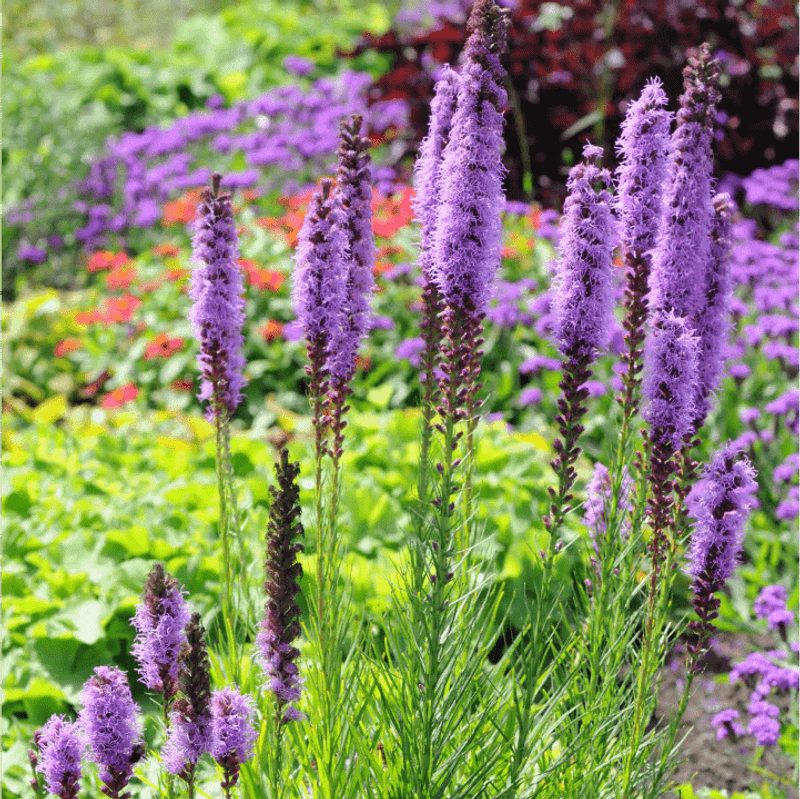
Most garden flowers bloom for two or three weeks before fading away. This short flowering window means butterflies must constantly search for new food sources as plants finish blooming.
Gardens that look full of flowers one week might offer little nectar the next week. Butterflies waste valuable energy flying around looking for food.
Blazing Star blooms for six to eight weeks in Texas gardens. Individual flower spikes open gradually from bottom to top over many days.
This slow progression means fresh flowers keep appearing even as lower blooms fade. A single plant provides nectar for more than a month straight.
Continuous nectar availability helps butterfly populations thrive throughout the season. Female butterflies need consistent nutrition to produce healthy eggs.
Males require steady energy to search for mates and defend territories. Young butterflies emerging from chrysalises must find food immediately or they will weaken quickly.
The extended bloom period also means your garden attracts more butterfly species. Different types of butterflies emerge at different times during summer and fall in Texas.
Early-season species find food when Blazing Star first opens. Late-season butterflies still find fresh blooms when other plants have finished flowering.
Reliable food sources allow butterflies to establish regular feeding patterns. They learn where dependable nectar exists and return to those locations daily.
Your fence line planted with Blazing Star becomes a known resource that local butterfly populations count on week after week. This consistency helps more butterflies survive and reproduce successfully.
6. A Native Plant That Strengthens Butterfly Populations In Texas
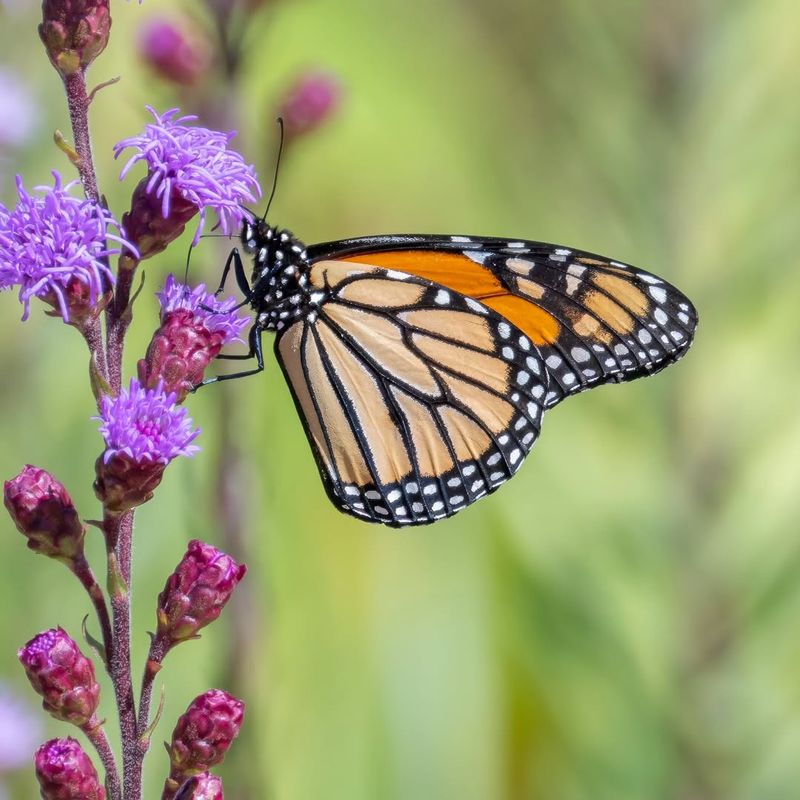
Native plants evolved alongside local insects over thousands of years. Blazing Star developed in Texas prairies and meadows where native butterflies have always lived.
The plant and the insects adapted to each other and formed relationships that benefit both. This long history means they work together perfectly.
Texas butterflies recognize native plants instinctively and trust them as food sources. Their ancestors fed on these same plant species for countless generations.
The nectar composition matches exactly what butterfly bodies need for proper nutrition. Native plants provide complete nourishment rather than just empty calories.
Blazing Star requires no chemical fertilizers or pesticides to thrive in Texas. The plant adapted to local soil conditions and can find nutrients other plants miss.
This natural toughness means you never need to spray chemicals that might harm visiting butterflies. The flowers remain pure and safe for all pollinators.
Chemical-free gardens support healthier butterfly populations overall. Pesticides harm butterflies directly and poison the nectar they drink.
Fertilizers can change flower chemistry and make nectar less nutritious. Native plants like Blazing Star eliminate these problems by growing well without any chemical assistance.
When you plant native species along your Texas fence, you help restore natural ecosystems. Modern landscapes often replace native plants with exotic species that provide little value to local wildlife.
Each native plant you add brings back a piece of the original prairie habitat. Butterflies benefit from having more of the food sources they evolved to use, and populations grow stronger when native plants become common again in gardens.