What To Add To Make Your Florida Yard Feel Alive Again
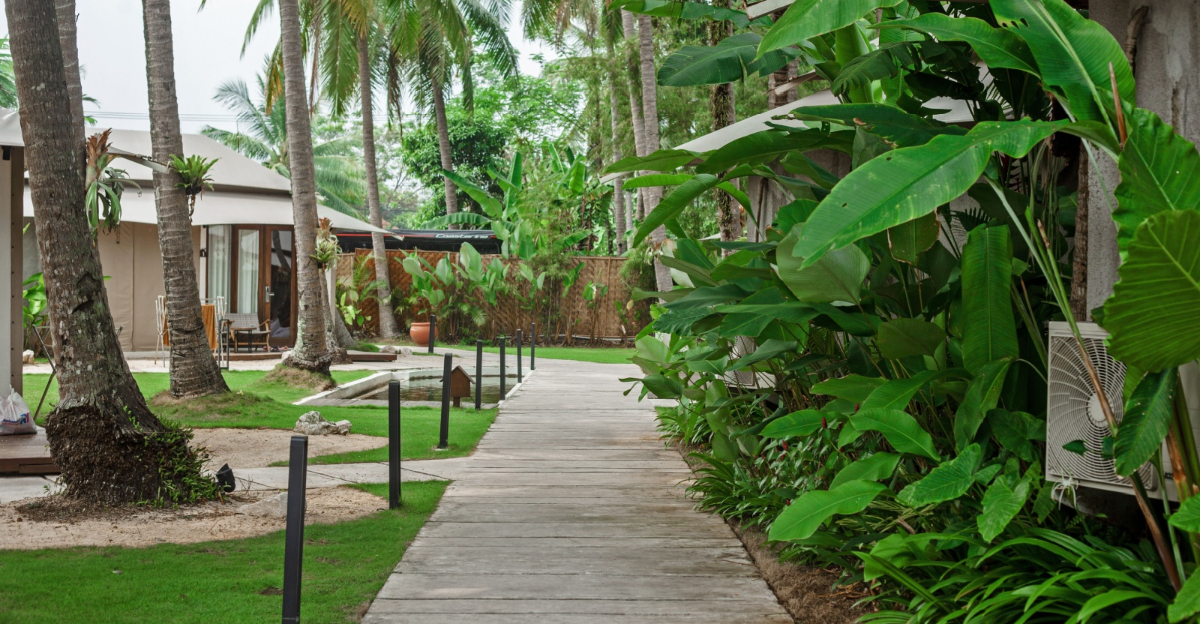
In Florida, a yard should feel alive, not flat, silent, or forgotten under the sun. When outdoor spaces lose energy, they stop inviting you outside and become little more than background.
The good news is that bringing life back into your yard rarely requires a full redesign. Small, thoughtful additions can completely change how a landscape feels and functions.
In a climate where growth never truly stops, the right plants, textures, and features can create movement, color, and presence throughout the year.
A lively yard is not just about appearance. It is about atmosphere, comfort, and the sense that your outdoor space is active and welcoming every day.
With a few intentional changes, even a tired Florida yard can begin to feel vibrant, layered, and full of life again.
1. Add Layers Of Color And Texture
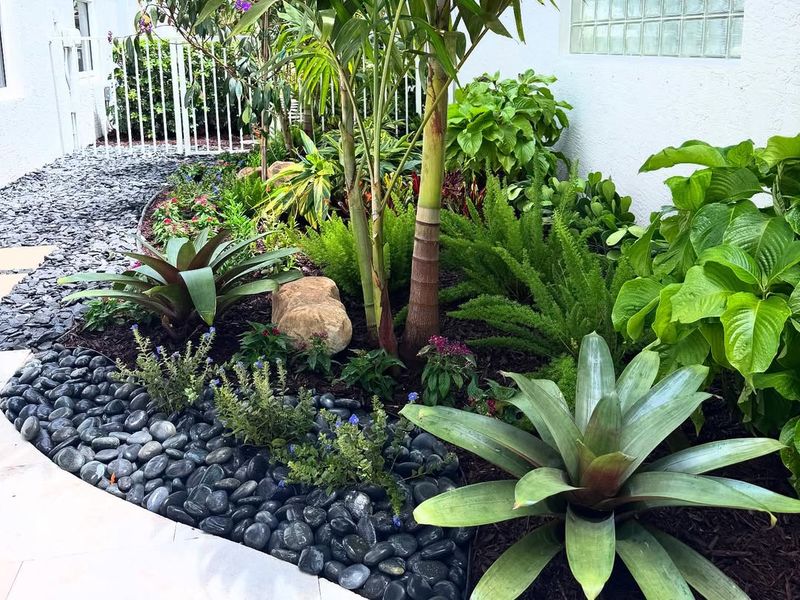
Walking through a garden that combines large tropical foliage leaves such as alocasia creates an experience your eyes never get tired of. Texture and color variation make landscapes feel intentionally designed rather than randomly planted.
Florida’s climate supports an incredible range of foliage plants that offer purple, chartreuse, silver, burgundy, and variegated patterns alongside traditional greens. Mixing these creates visual interest even when nothing is blooming.
Broad-leafed tropicals like philodendrons provide bold statements, while fine-textured plants such as ferns soften edges and fill gaps. Combining different leaf sizes prevents the flat, monotonous look that makes yards feel lifeless.
Colorful foliage plants like crotons, ti plants, and coleus thrive in Florida’s warmth and maintain vibrant color through the warm season and much of the year in frost-free areas. They provide consistent visual energy without depending on seasonal flowers.
Layering these textures at different heights – groundcovers, mid-level shrubs, and taller specimens – adds depth that makes even small spaces feel lush and full. The interplay between coarse and delicate, bright and subtle, creates a dynamic landscape that constantly catches your attention and makes the yard feel genuinely alive with variety and richness.
2. Bring In Pollinator Friendly Plants
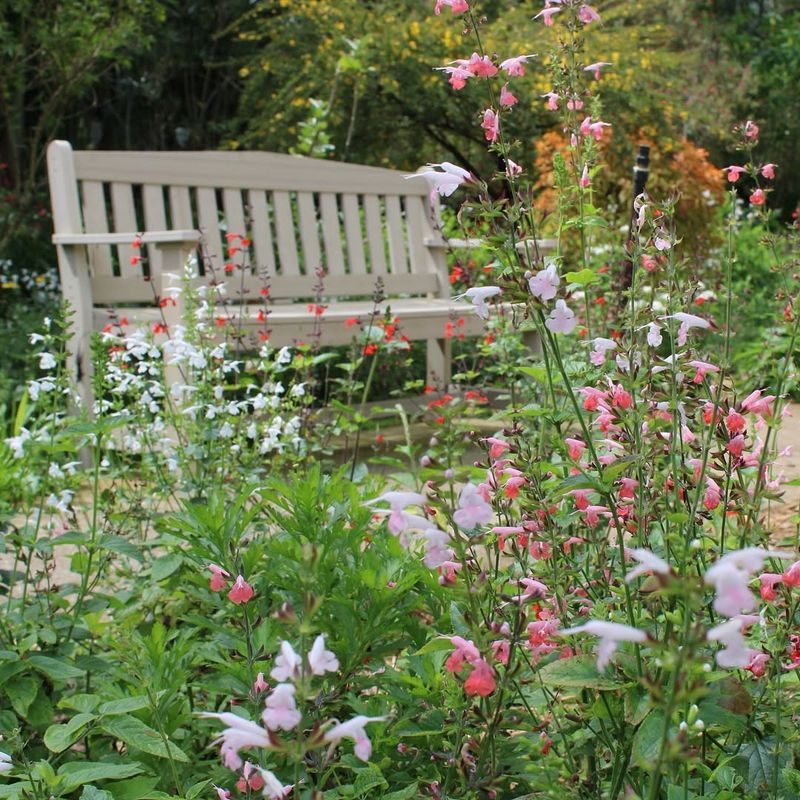
Nothing brings a yard to life quite like the flutter of butterfly wings or the hum of bees moving from flower to flower. Pollinator plants transform static landscapes into active ecosystems where something is always happening.
Native Florida species like firebush, coontie, and native milkweed species such as swamp milkweed support local butterfly populations including the iconic monarch and zebra longwing. These plants evolved alongside Florida’s pollinators and provide exactly what they need.
Pentas, salvia, and blue porterweed (Stachytarpheta jamaicensis) offer nectar-rich blooms that attract hummingbirds, creating magical moments when these tiny birds hover right outside your window. Their presence adds movement and wonder that no garden ornament can replicate.
Grouping pollinator plants together rather than scattering single specimens makes them easier for insects and birds to find. Clusters of the same species create visual impact while serving as reliable food sources.
According to University of Florida IFAS Extension guidelines, avoiding pesticides near pollinator gardens protects beneficial insects and allows natural pest control to develop. A healthy pollinator garden often develops more natural balance over time where predatory insects help manage plant pests naturally, reducing maintenance while increasing the vibrant activity that makes your Florida yard feel truly alive and connected to the surrounding environment.
Your Florida Garden Changes Every Week. Your Plan Should Too.
Gardening in Florida changes quickly throughout the season. Every Friday you’ll receive a simple weekly plan showing exactly what to plant, prune, fertilize, harvest, and protect so you never miss the right timing.
3. Choose Plants That Bloom Year Round
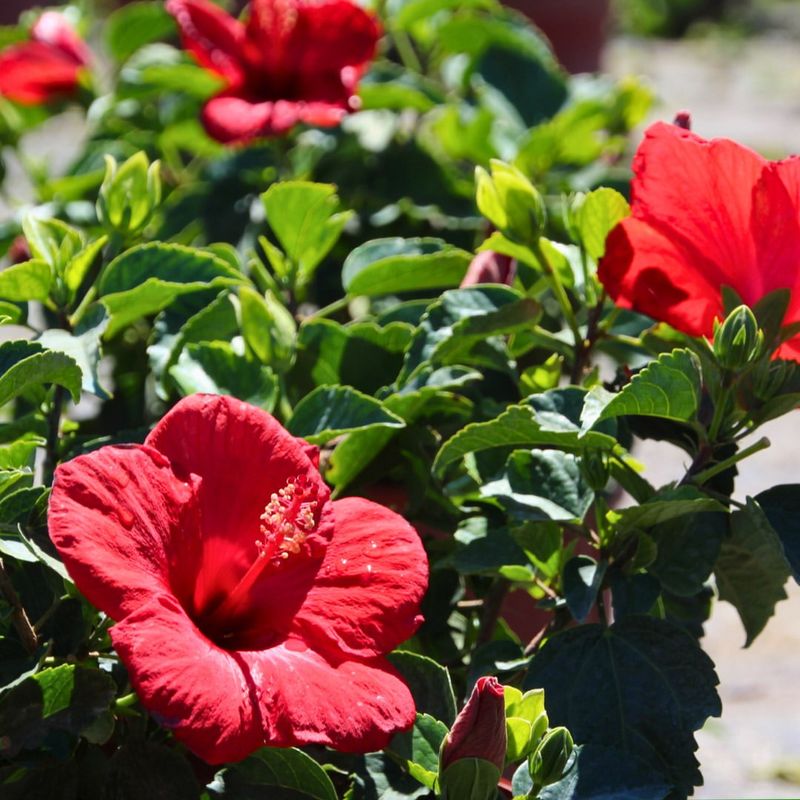
Imagine stepping outside any month of the year and seeing flowers adding splashes of color across your landscape. Year-round blooming keeps your yard from looking dormant or forgotten during any season.
In South Florida and warm coastal areas, gardeners can keep blooms going for most of the year by choosing plants with staggered flowering periods. When one species finishes, another takes over, ensuring constant color.
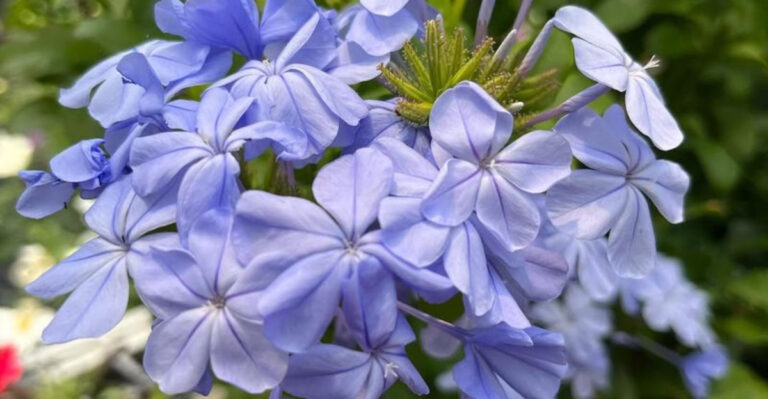
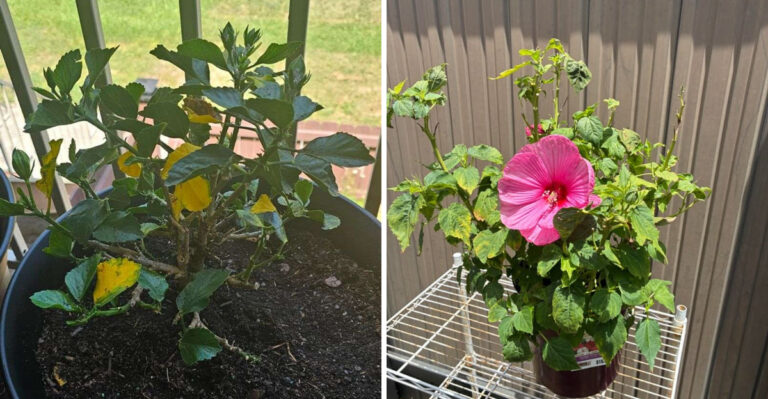
Reliable repeat bloomers like hibiscus, ixora, and plumbago flower heavily during warm months and continue sporadically even during cooler periods. They provide baseline color you can count on throughout the year.
Adding seasonal performers fills specific gaps, bulbine and African iris peak in spring, while gaillardia shine during summer heat. Pentas and firebush keep blooming well into fall and winter in South Florida.
Planning bloom succession requires understanding each plant’s flowering schedule in your specific Florida region. North Florida gardeners experience more seasonal variation than South Florida, requiring different plant combinations to maintain year-round interest.
This strategic approach prevents the boom-and-bust cycle where yards look spectacular in spring but dull by midsummer. Continuous blooms keep the landscape feeling fresh, inviting, and alive regardless of the calendar, making your outdoor space a place you want to enjoy every single month.
4. Add Native Plants For Natural Energy
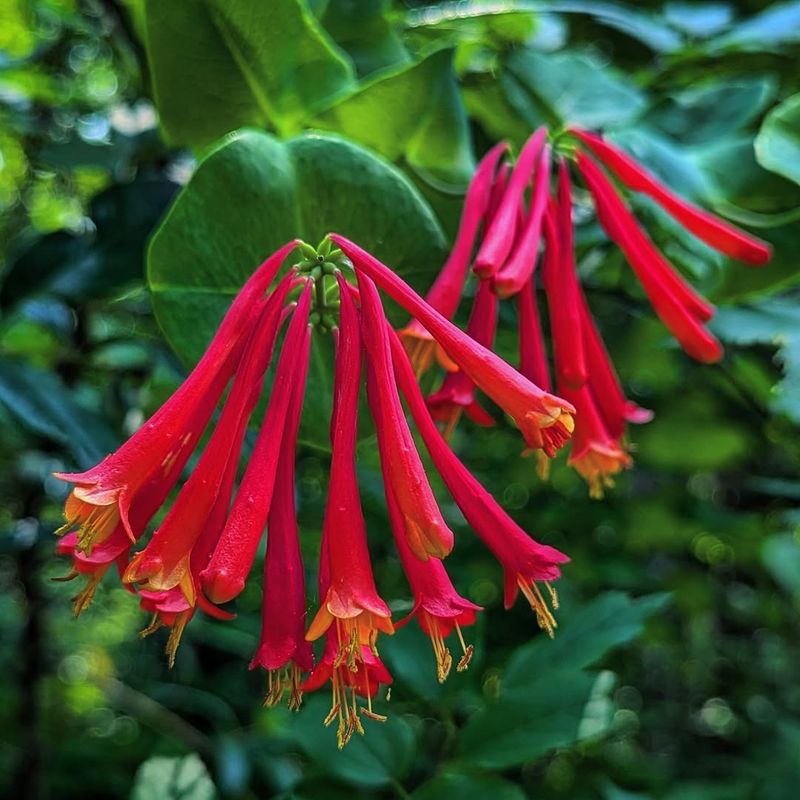
Native plants possess an inherent vigor in their home environment that exotic species simply cannot match. They’ve adapted over thousands of years to Florida’s sandy soils, summer downpours, and occasional dry spells.
Species like beautyberry, coral honeysuckle, and Simpson’s stopper thrive without constant intervention because they’re already perfectly suited to local conditions. This natural fitness translates to healthier, more resilient plants that look vibrant rather than stressed.
Florida native plants support significantly more native wildlife species than non-native ornamentals, according to research from university entomology programs. This wildlife support creates a living, interactive landscape rather than a static display.
Muhly grass, coontie, and saw palmetto provide structure and texture while needing little supplemental watering once established. Their self-sufficiency means less maintenance and more time enjoying the yard rather than working in it.
Native plants also develop deeper root systems that improve soil health and prevent erosion, creating a stronger foundation for the entire landscape. They naturally resist local pests and diseases without chemical treatments.
Incorporating natives doesn’t mean sacrificing beauty for function; many Florida natives like firebush, blanket flower, and blue-eyed grass offer stunning flowers and foliage. They bring authentic regional character and ecological balance that makes yards feel genuinely alive and connected to Florida’s natural heritage.
5. Create Shade And Cooling Greenery
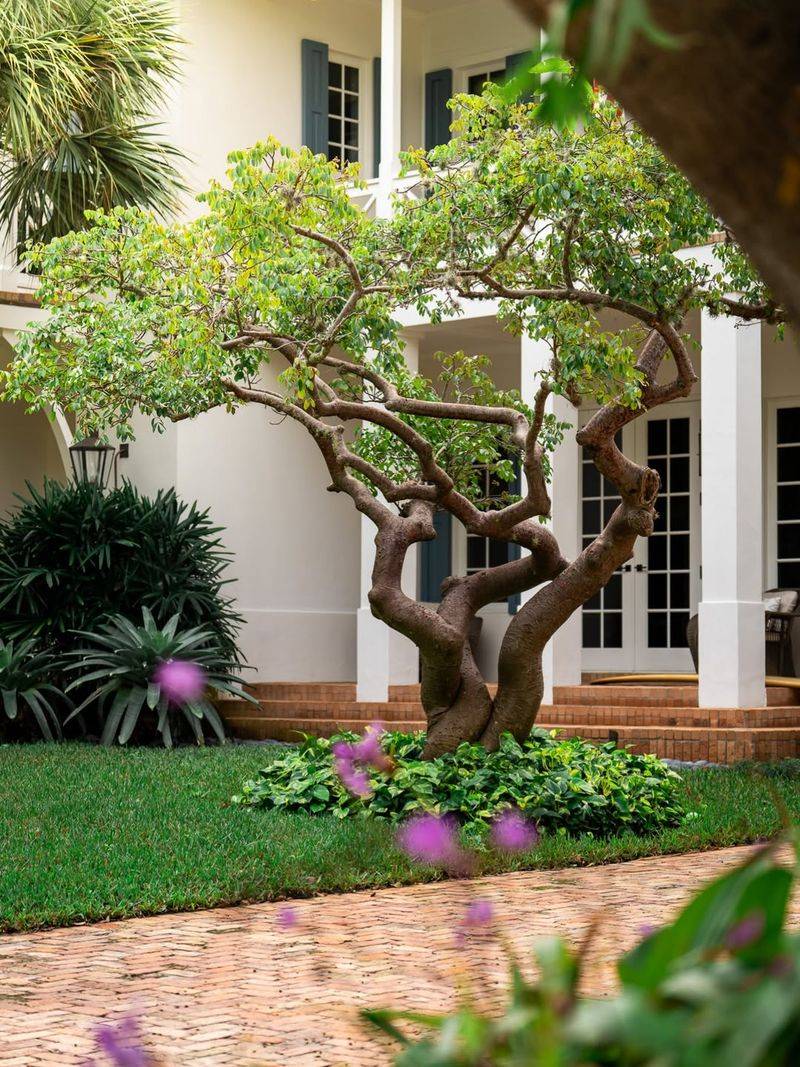
Standing under a canopy of leaves on a hot Florida afternoon reveals the dramatic temperature difference shade trees create. The air feels noticeably cooler, making outdoor spaces actually usable during peak heat.
Shade trees like live oak, mahogany, and gumbo limbo provide vertical structure while reducing ground-level temperatures often by several degrees, and sometimes much more in full sun areas. This cooling effect extends to your home, potentially lowering air conditioning costs.
Layering shade involves more than just trees, adding understory shrubs and groundcovers beneath the canopy creates multiple levels of cooling greenery. This layered approach mimics natural forest structure and feels lush and established.
Plants like ferns, gingers, and shade-tolerant palms thrive beneath tree canopies, transforming bare, compacted ground into rich, textured gardens. These shaded gardens stay greener during dry periods because they lose less moisture to evaporation.
According to Florida-Friendly Landscaping principles, strategically placed shade trees on the west and southwest sides of properties provide maximum cooling benefit. They block intense afternoon sun while allowing morning light through.
Shade gardens also attract different wildlife than sunny areas, including shade-loving birds and beneficial insects. The cooler, more comfortable environment encourages people to actually use their yards, transforming outdoor spaces from places you look at into places you live in, making the entire property feel more alive and welcoming.
6. Add Movement With Grasses And Palms

Watching ornamental grasses sway in even the slightest breeze adds a living, breathing quality that static shrubs simply cannot provide. Movement captures attention and makes landscapes feel animated and responsive.
Muhly grass creates spectacular displays when its pink or white plumes catch the wind and light, appearing to shimmer and dance across the landscape. This native grass thrives in Florida’s climate while requiring minimal care once established.
Palms add vertical movement with fronds that rustle and wave, creating both visual interest and gentle sound. Species like Christmas palm and paurotis palm add vertical movement, and foxtail palm works best in warmer parts of Florida.
Fakahatchee grass and sand cordgrass provide fine-textured motion in coastal and wetland-inspired designs, their narrow blades creating rippling effects that contrast beautifully with bold-leafed tropical plants. These grasses also support native wildlife.
Positioning grasses and palms where you’ll see them from windows or outdoor seating areas maximizes their impact. Backlit by morning or evening sun, their movement becomes even more pronounced and captivating.
Unlike flowers that bloom and fade, grasses and palms provide year-round dynamic interest that changes with every wind shift and light angle. Their constant motion creates a living landscape that never looks exactly the same twice, making your Florida yard feel perpetually fresh, active, and genuinely alive with natural energy and grace.
7. Use Fragrant Plants Near Living Spaces
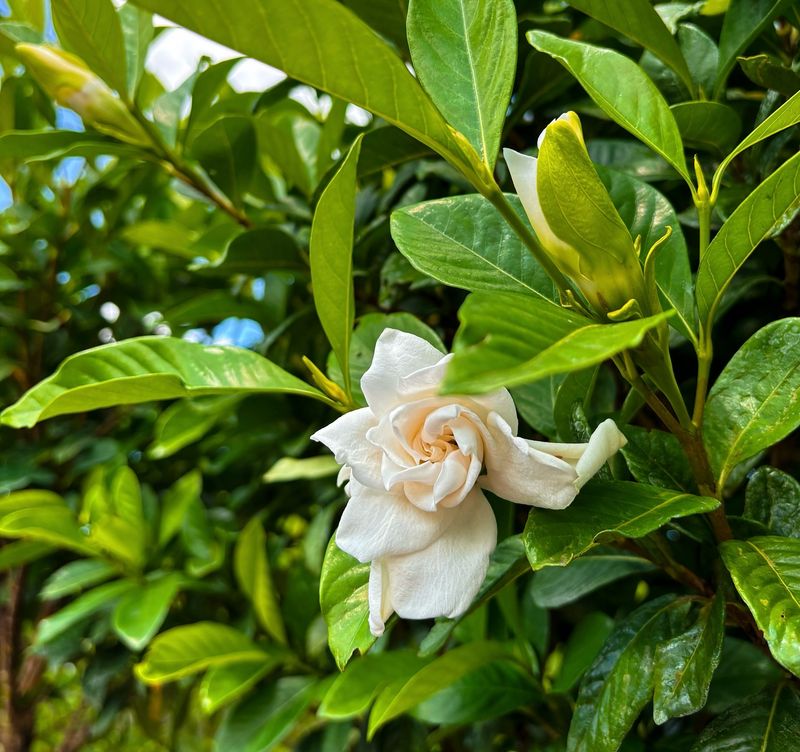
Stepping onto your patio and being greeted by the sweet perfume of gardenias or moonflower transforms the outdoor experience from visual to fully sensory. Fragrance adds an invisible layer of richness that makes spaces feel more luxurious and alive.
Confederate jasmine, when planted near entryways or seating areas, releases intoxicating fragrance during spring blooms that makes every trip outside memorable. Its vigorous growth covers fences and arbors while perfuming the surrounding area.
Plumeria trees offer legendary tropical fragrance with blooms that smell like vacation, creating an immediate mood shift whenever you’re near them. In South and Central Florida, these small trees thrive with minimal care while producing flowers for months.
Night-blooming plants like gardenias or moonflower add magic to evening hours, releasing fragrance precisely when you’re most likely to be relaxing outdoors. Their scent carries on evening breezes, filling entire yards with perfume.
Herbs like rosemary, Spanish lavender, and scented geraniums planted along walkways release fragrance when brushed against, creating interactive sensory experiences. These practical plants serve kitchen purposes while beautifying the landscape.
Fragrant plants appeal to different preferences, some prefer sweet florals while others enjoy herbal or citrus scents. Mixing fragrance types ensures something appealing is always blooming, making your Florida yard feel more dimensional, welcoming, and genuinely alive through the power of scent that engages senses beyond sight alone.
8. Add A Water Feature For Life And Sound
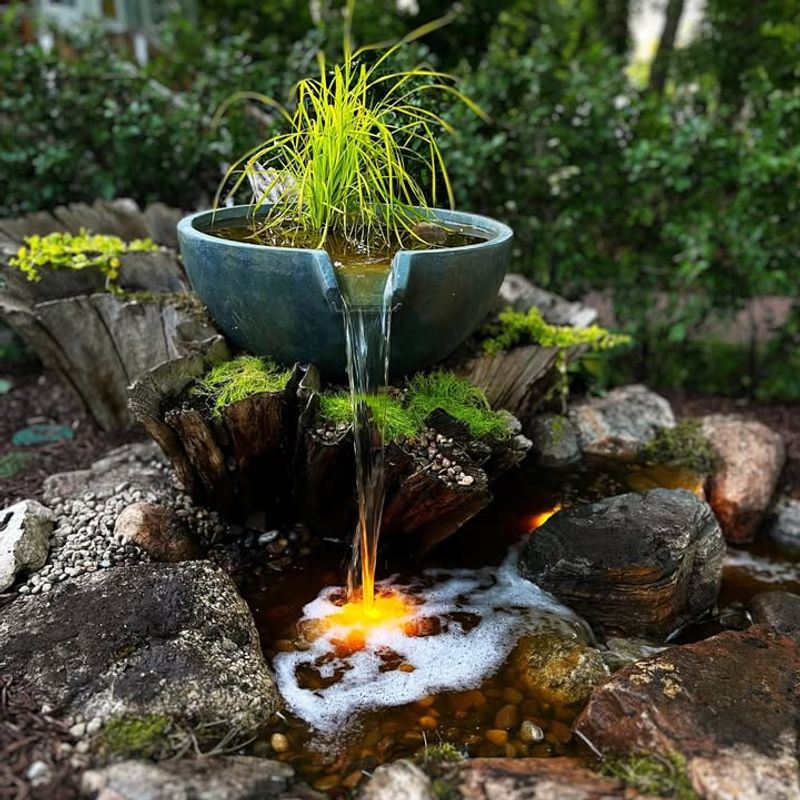
The gentle sound of trickling water instantly changes a yard’s atmosphere, adding calming auditory texture that masks traffic noise and creates a peaceful retreat. Water features turn ordinary spaces into sanctuaries.
Even small elements like birdbaths or container water gardens attract wildlife that might otherwise pass by your property. Birds need reliable water sources, especially during Florida’s dry seasons, and a simple birdbath can bring dozens of species to your yard.
Small recirculating fountains require minimal space and maintenance while providing constant soothing sound. Solar-powered options eliminate electrical concerns, making it easy to add water features anywhere in the landscape without complicated installations.
Water features become gathering spots for butterflies, dragonflies, and other beneficial insects that need moisture. Watching these creatures interact with water adds living interest that static decorations never provide.
According to UF IFAS guidelines, keeping water features clean and mosquito-free requires regular maintenance or the addition of mosquito dunks containing Bti, a naturally occurring bacteria safe for birds and beneficial insects. Moving water naturally discourages mosquito breeding.
The combination of sound, movement, and wildlife attraction makes water features one of the most impactful additions for bringing yards to life. They create focal points that draw both people and animals, transforming quiet corners into active, engaging spaces that feel vibrant and alive throughout the day and evening hours.
9. Light Up The Yard For Evening Warmth
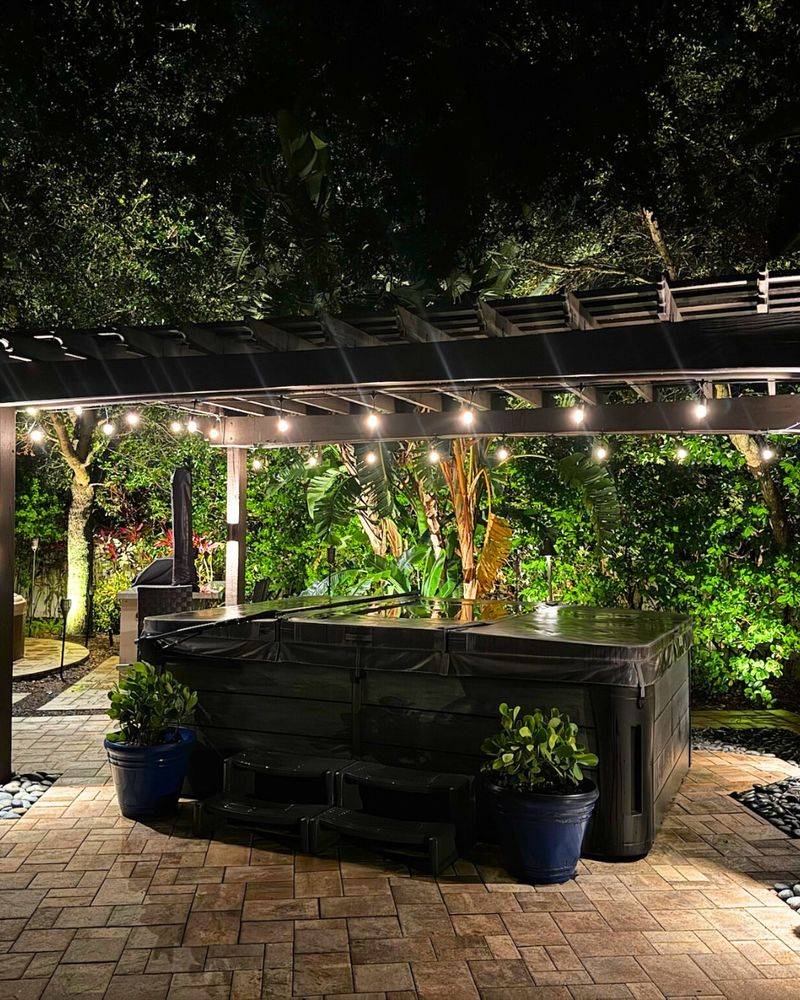
As daylight fades, well-placed landscape lighting transforms your yard from a dark void into an enchanting evening destination. Lighting extends the usable hours of outdoor spaces and creates entirely different nighttime ambiance.
Uplighting palms and architectural plants creates dramatic silhouettes and shadows that highlight their forms in ways daylight never reveals. These focal points draw the eye and add depth to nighttime views from both inside and outside the home.
Path lighting along walkways and garden borders provides safety while gently illuminating plantings from below, creating a warm glow that makes the landscape feel inviting rather than forbidding after dark. Low-voltage LED systems offer energy efficiency and easy installation.
Accent lights positioned to graze textured tree bark or shine through ornamental grass plumes create artistic effects that change with plant growth and seasonal variations. These subtle touches make evening landscapes feel thoughtfully designed and intentionally beautiful.
String lights or lanterns in outdoor living areas add festive warmth that encourages evening use of patios and seating areas. They create gathering spaces that feel cozy and alive with possibility.
Florida’s mild evenings make outdoor lighting especially valuable; comfortable temperatures extend well into night hours most of the year.
Proper lighting transforms yards from daytime-only spaces into around-the-clock living areas, effectively doubling the value and enjoyment of your landscape investment while making everything feel more vibrant and alive.
10. Mix Heights For A Fuller Living Landscape
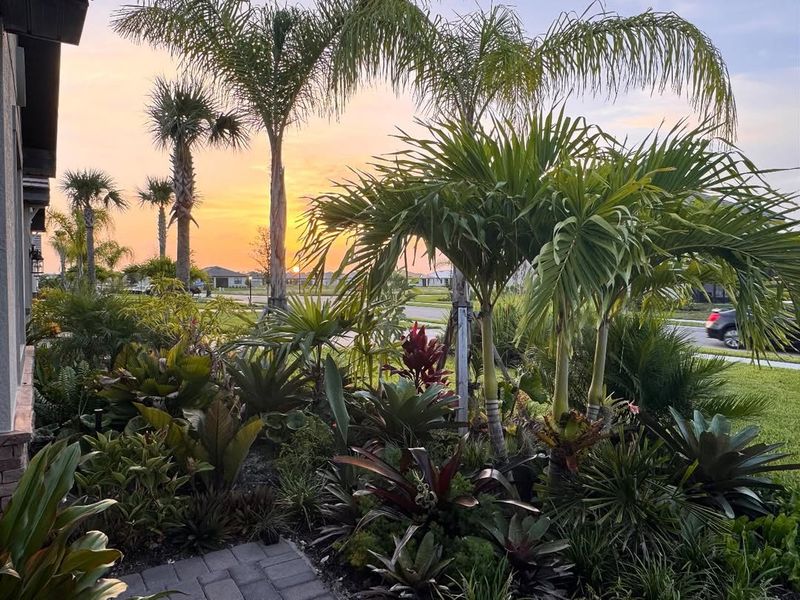
Flat landscapes where everything sits at the same height feel unfinished and empty, like a stage with only background and no middle actors. Vertical layering creates the fullness that makes yards look established and complete.
Starting with low groundcovers like beach sunflower or perennial peanut covers bare soil while creating a foundation layer. These plants knit together to form a continuous carpet that prevents the spotty, incomplete look of exposed ground.
Mid-height shrubs and perennials like ixora, firebush, and coreopsis fill the critical middle layer where most visual interest occurs at eye level. This is where color, texture, and seasonal change become most noticeable and impactful.
Taller elements including small trees, large shrubs, and vertical palms provide structure and backdrop while creating privacy and defining space boundaries. They frame views and give the landscape architectural bones that remain interesting even when nothing is blooming.
Proper layering also mimics natural plant communities, creating habitats for different wildlife species that prefer different height zones. Ground-feeding birds appreciate low cover, while tree-dwelling species need vertical structure.
According to Florida-Friendly Landscaping principles, right plant, right place means selecting species that naturally grow to appropriate heights for their landscape position.
This reduces pruning needs while ensuring plants can express their natural forms, creating an authentic, thriving appearance that makes Florida yards feel genuinely full, layered, and vibrantly alive.