These 10 Plants Cost Too Much To Maintain In Florida Heat
In Florida, summer does not arrive. It settles in and stays.
Heat presses down day after day, and the landscape reveals which plants truly belong and which quietly struggle to survive.
Some favorites look perfect in spring, full and vibrant, then slowly begin to demand more water, more trimming, more protection, more attention.
What seemed like a simple planting becomes a steady drain of time, money, and effort.
Many homeowners notice the pattern only after seasons of trying to keep certain plants looking alive through relentless sun and humidity. Meanwhile, other plants nearby grow strong with little help, unfazed by the same conditions.
The difference is not luck. It is suitability.
In Florida, the real cost of a plant shows in how hard it is to keep healthy. Some choices simply ask for more than the climate is willing to give, and that reality shapes smarter landscapes across the state.
1. Hydrangeas Demand Heavy Watering
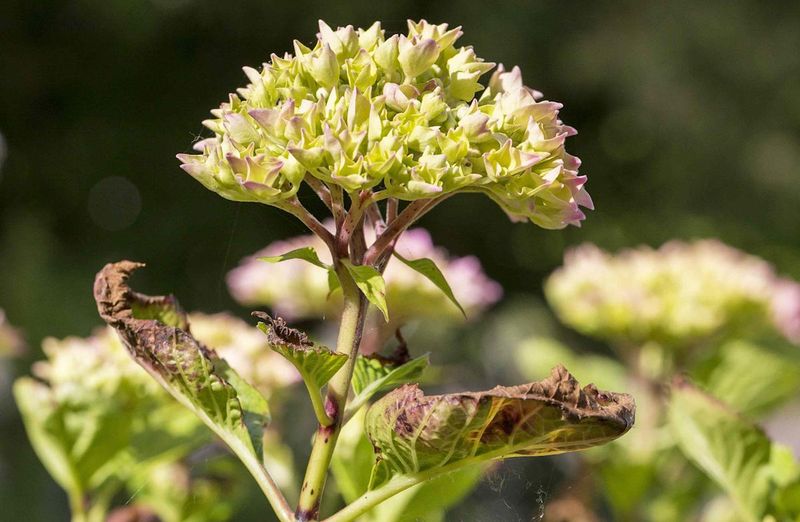
Summer afternoons in Florida turn hydrangeas into thirsty plants that seem impossible to satisfy. Their large, delicate leaves lose moisture rapidly under intense sun, causing dramatic wilting that sends homeowners rushing for the hose multiple times daily.
Even with frequent watering, these shrubs struggle through our hottest months, requiring shade structures or consistent moisture and afternoon shade to reduce stress and leaf wilt.
The water bills associated with keeping hydrangeas happy can shock new Florida gardeners. These plants demand consistently moist soil, which means running sprinklers or hand-watering at least twice daily during peak summer heat.
Installing drip irrigation systems helps but adds upfront costs, and the ongoing water consumption remains substantial regardless of delivery method.
Beyond irrigation expenses, hydrangeas need amended soil that retains moisture without becoming waterlogged. This balancing act requires quality potting mix, mulch replenishment, and careful monitoring.
Many Florida gardeners eventually replace hydrangeas with more drought-tolerant natives after calculating the true cost of maintenance. The beautiful blooms simply don’t justify the endless watering schedule and resource drain these plants demand in our climate.
Coastal humidity helps slightly, but inland areas face even greater challenges keeping hydrangeas alive through brutal summer conditions without excessive spending.
2. Gardenias Require Rich Soil Care
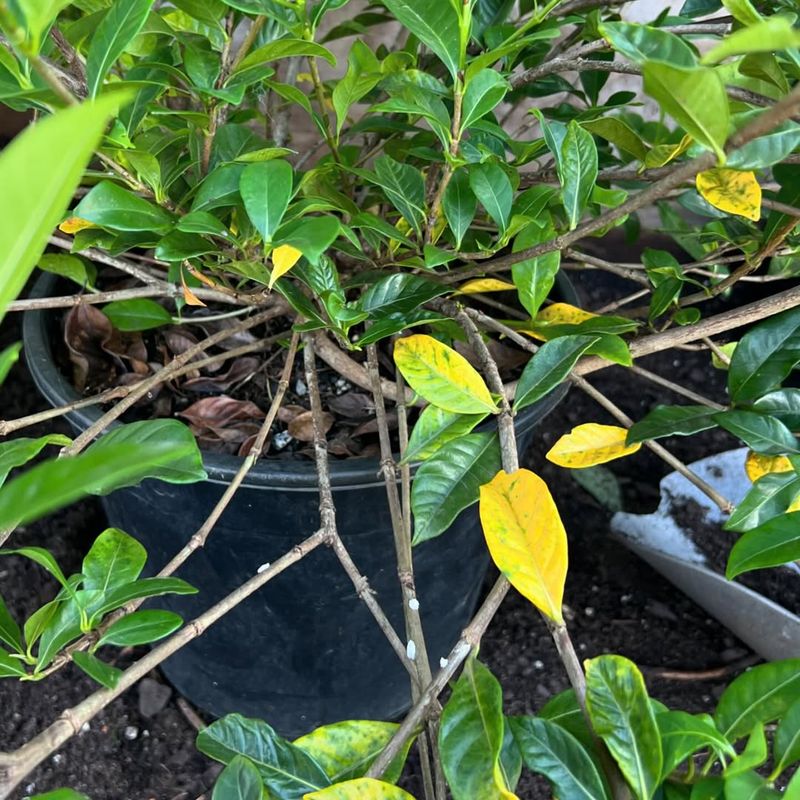
Gardenias smell absolutely heavenly, but their soil demands create ongoing expenses that surprise most homeowners. These acid-loving shrubs need specialized fertilizers formulated for their specific pH requirements.
Many Florida landscapes trend alkaline, especially where limestone influences soil, which can make nutrient uptake harder. Without regular amendments, gardenias develop yellow leaves with green veins, a condition called chlorosis that signals iron deficiency and requires costly micronutrient treatments.
Maintaining proper soil chemistry for gardenias means purchasing acidifying fertilizers, iron supplements, and soil sulfur repeatedly throughout the growing season. Each application adds up, and skipping treatments results in declining plant health that shows immediately in leaf color and bloom production.
The flowers may be gorgeous, but the ongoing amendments can get expensive quickly.
Heat stress compounds these nutritional challenges during Florida summers. Gardenias struggle when temperatures soar, requiring extra fertilizer to support stressed plants while simultaneously needing careful watering to prevent root problems.
Your Florida Garden Changes Every Week. Your Plan Should Too.
Gardening in Florida changes quickly throughout the season. Every Friday you’ll receive a simple weekly plan showing exactly what to plant, prune, fertilize, harvest, and protect so you never miss the right timing.
This delicate balance demands attention and products that cost significantly more than basic landscape maintenance. Professional gardeners often recommend against gardenias for budget-conscious homeowners specifically because of their high-maintenance soil requirements.
The combination of specialized fertilizers, micronutrient supplements, and constant monitoring makes these fragrant shrubs one of Florida’s most expensive landscape choices for long-term care.
3. Ficus Hedges Bring Constant Trimming
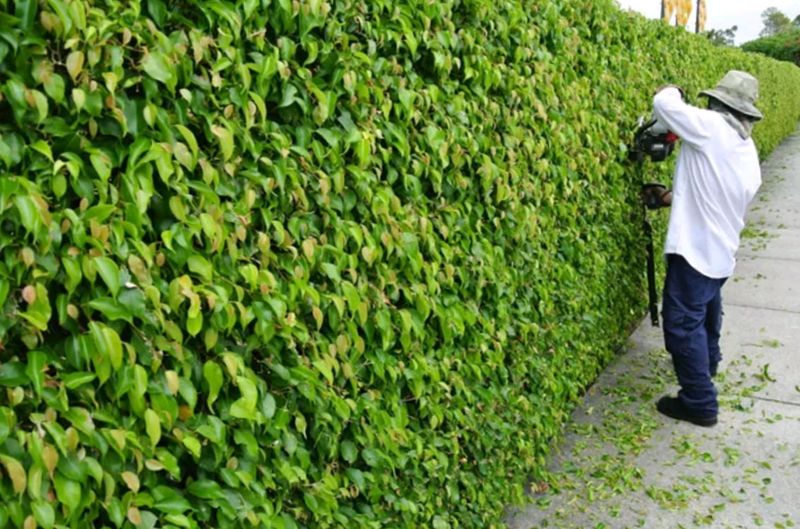
Ficus hedges grow with astonishing speed in Florida’s warm climate, creating a maintenance nightmare that never ends. New growth appears weekly during active growing months, and what looks neatly trimmed on Monday becomes shaggy and overgrown by the following weekend.
This relentless growth pattern demands either hiring professional landscapers repeatedly or spending countless weekend hours with hedge trimmers in brutal heat.
The labor costs associated with ficus maintenance quickly exceed initial planting expenses. Professional trimming services charge per visit, and ficus hedges often require attention every two to three weeks during peak growing season.
Homeowners attempting DIY maintenance face physical exhaustion, equipment costs for quality trimmers, and the time investment that could be spent on more enjoyable activities.
Pest problems add another expense layer to ficus ownership. Whiteflies, thrips, and scale insects love these plants, requiring regular insecticide applications that cost money and demand careful timing.
Infestations spread rapidly through hedge rows, sometimes necessitating professional pest control services when populations explode. The combination of constant pruning needs, pest management requirements, and rapid regrowth makes ficus hedges one of Florida’s most labor-intensive and expensive landscape choices.
Many frustrated homeowners eventually remove these hedges entirely, replacing them with slower-growing alternatives that respect both budgets and weekend schedules better.
4. Roses Bring Spray And Feed Costs
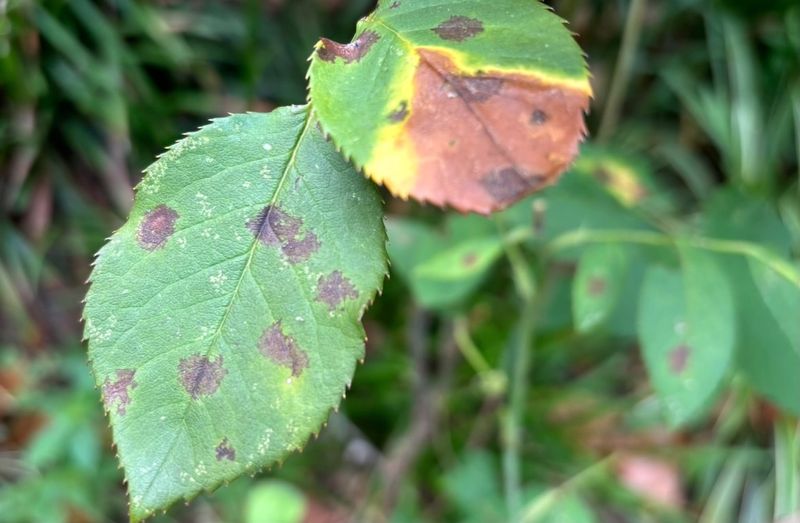
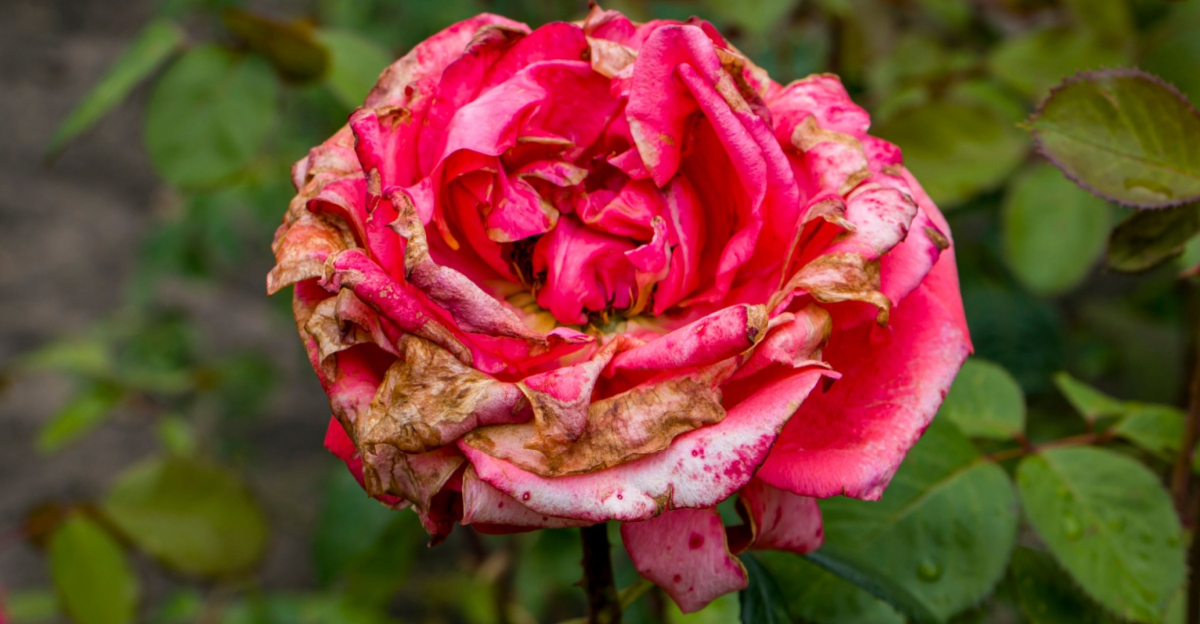
Growing beautiful roses in Florida requires a chemistry set and regular treatment schedule that rivals caring for a sick patient. Black spot, powdery mildew, and rust diseases thrive in our humid climate, attacking rose bushes relentlessly throughout the growing season.
Controlling these problems means purchasing fungicides and spraying every seven to fourteen days, creating an ongoing expense that accumulates rapidly over time.
Pest pressure adds another costly dimension to rose care in Florida heat. Aphids, thrips, spider mites, and caterpillars all target roses aggressively, requiring insecticide applications separate from disease treatments.
Many rose enthusiasts find themselves spraying multiple products on staggered schedules, investing significant money in pest management products while spending hours applying treatments in hot, humid conditions.
Fertilizer requirements for roses exceed most other landscape plants by substantial margins. These heavy feeders need regular applications of specialized rose food containing balanced nutrients plus micronutrients for optimal bloom production.
Combined with the disease sprays, pest controls, and constant deadheading labor, roses become expensive hobbies rather than simple landscape additions. The romantic image of rose gardens rarely includes the reality of chemical costs, treatment schedules, and maintenance demands these plants require in Florida’s challenging climate.
Budget-conscious gardeners often abandon roses after calculating annual expenses that can add up quickly over a season, especially with multiple plants.
5. Impatiens Often Mean Replanting
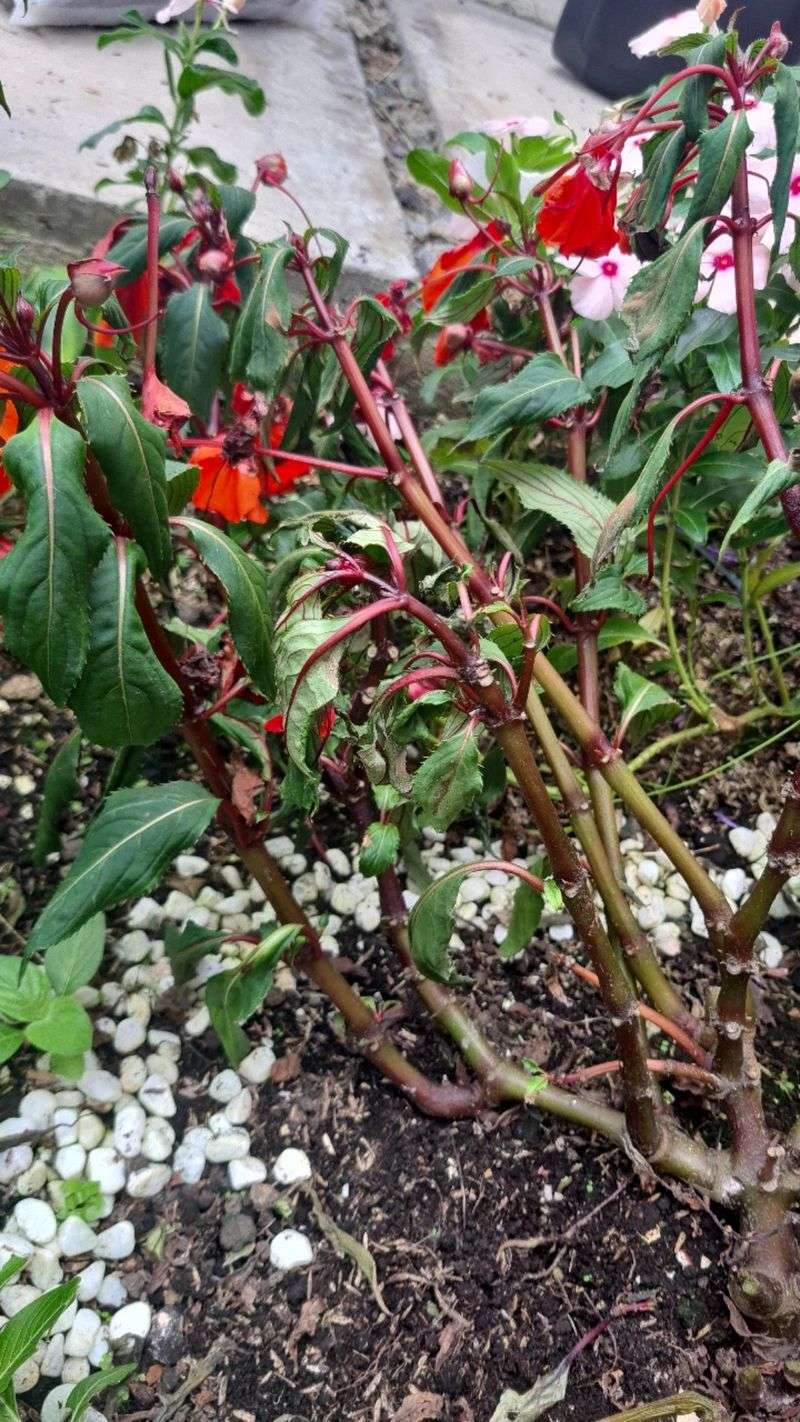
These provide gorgeous color for shady Florida gardens, but their heat sensitivity creates a revolving door of replanting that drains wallets seasonally. These popular annuals simply cannot tolerate our intense summer conditions, declining as summer heat and humidity build.
What looks lush and beautiful in spring becomes a sad collection of struggling plants by mid-June, requiring complete replacement to maintain attractive beds.
Heat-tough types like SunPatiens can handle Florida summers better, but traditional impatiens often struggle in the hottest months.
The replanting cycle for impatiens means purchasing new plants two or even three times annually in Florida. Spring installations provide several months of beauty before heat stress causes decline, then fall replanting becomes necessary for winter color.
This twice-yearly purchase requirement multiplies costs significantly compared to perennial alternatives that survive year-round with minimal care.
Beyond plant costs, impatiens demand quality potting soil, regular fertilization, and consistent watering even during their successful growing periods. These maintenance needs add to the overall expense of keeping beds attractive throughout their limited lifespan.
Many Florida gardeners eventually calculate the annual investment in impatiens and switch to heat-tolerant alternatives like pentas or torenia that survive summer conditions without replacement. The short-term beauty of impatiens comes with long-term costs that make them impractical choices for budget-conscious landscaping.
Seasonal replanting, combined with their water and fertilizer needs, positions impatiens among Florida’s most expensive annual flower choices for sustained landscape color.
6. Boston Ferns Increase Water Use
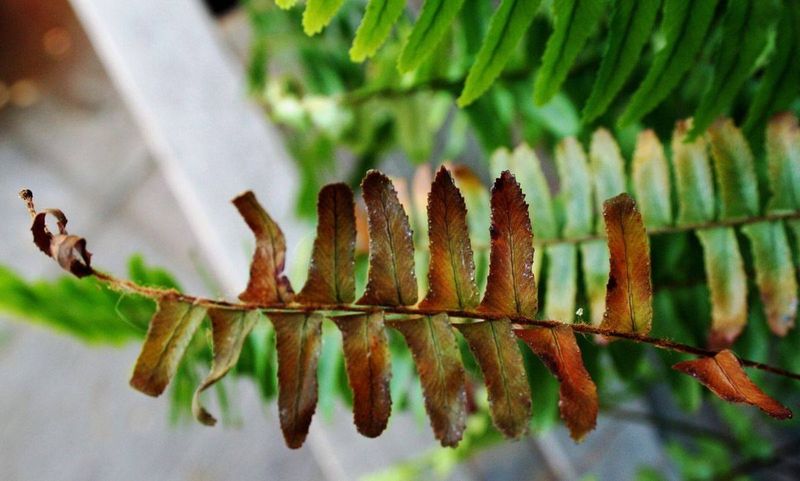
Boston ferns create lush, tropical ambiance on Florida porches and patios, but their watering needs can feel constant in summer. These humidity-loving plants dry out with shocking speed in our heat, often requiring watering twice daily to prevent crispy brown fronds.
Miss a single watering session, and the damage becomes immediately visible, with delicate fronds showing stress quickly, especially in wind and afternoon heat.
The daily watering commitment for Boston ferns translates directly into higher water bills and significant time investment. Hanging baskets dry fastest, sometimes needing attention morning and evening during peak heat periods.
This constant care requirement makes vacations challenging and creates ongoing responsibilities that feel more like chores than enjoyable gardening activities.
Maintaining proper moisture levels without overwatering requires careful attention and often results in wasted water from drainage. Ferns need thorough soaking that runs through their containers, meaning much of the applied water never benefits the plant.
This inefficiency compounds the expense, especially during drought conditions when water restrictions limit outdoor watering schedules. Many Florida homeowners eventually tire of the constant watering demands and replace Boston ferns with more drought-tolerant foliage plants.
The beautiful cascading fronds simply don’t justify the water consumption, daily attention requirements, and resource costs these plants demand in our climate. Air conditioning helps indoor ferns somewhat, but outdoor specimens remain expensive water hogs throughout Florida’s long, hot growing season.
7. Azaleas Struggle Without Soil Care
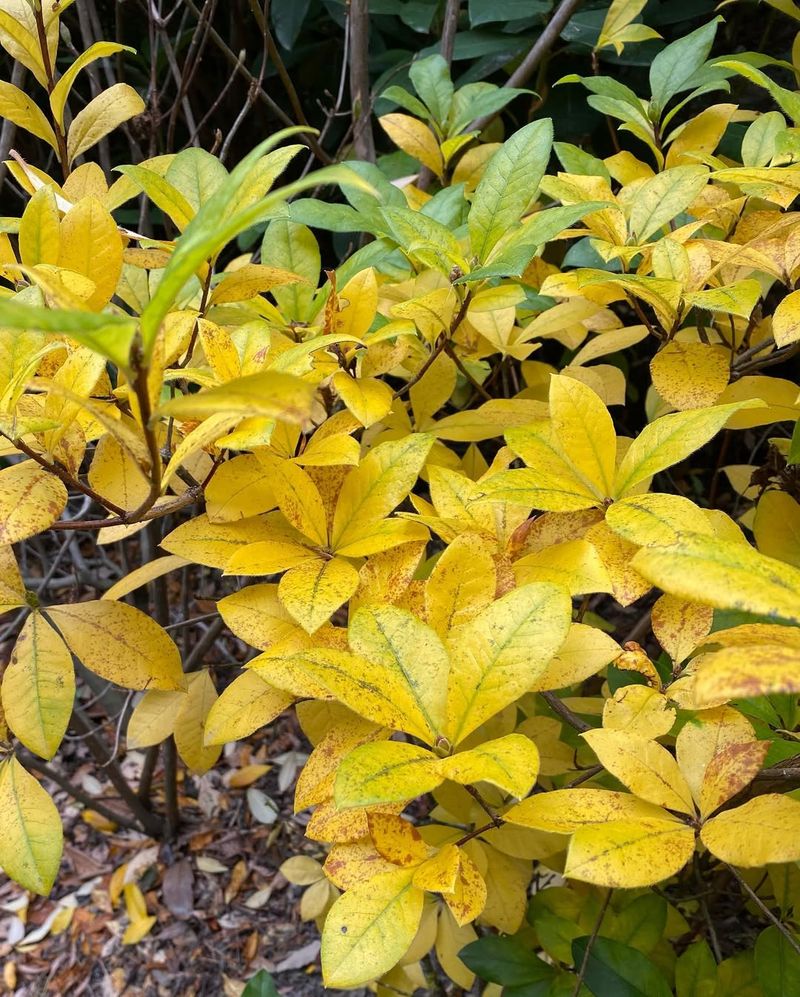
Azaleas bring spectacular spring blooms to Florida gardens, but their survival depends on extensive soil preparation and ongoing amendments that cost considerably more than initial planting expenses. These acid-loving shrubs despise our alkaline native soils, requiring complete bed preparation with sulfur, peat moss, and specialized acidic potting mixes before planting even begins.
Skipping this expensive groundwork guarantees struggling plants and disappointing results.
Maintaining proper soil pH for azaleas means regular testing and repeated sulfur applications throughout the growing season. Florida’s limestone-based soils constantly work to neutralize acidic amendments, creating an endless battle that requires products and effort.
Without consistent soil management, azaleas develop the same yellowing leaf problems as gardenias, requiring additional iron supplements and micronutrient treatments to correct deficiencies.
Heat stress during Florida summers compounds azalea care challenges significantly. Many azaleas prefer cooler roots, acidic soil, and protection from harsh afternoon sun, so Florida heat can stress them in exposed sites.
Providing adequate shade, maintaining consistent soil moisture, and using appropriate, targeted fertilizing only when needed all add to maintenance costs. Many Florida gardeners find azaleas more trouble than their brief bloom period justifies, especially when calculating the ongoing expenses for soil amendments, fertilizers, and replacement plants that succumb to environmental stress.
The stunning spring flowers come with hidden costs that make azaleas expensive landscape choices for Florida’s challenging climate and soil conditions.
8. Kentucky Bluegrass Raises Water Bills
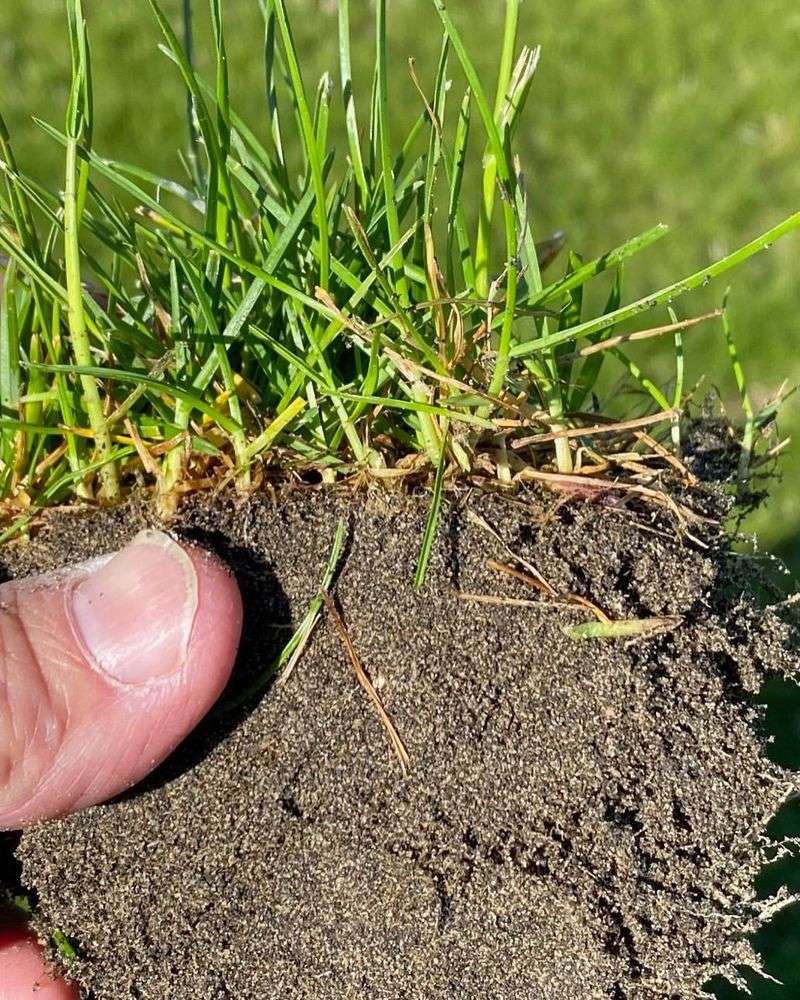
Let’s be clear on this one! Kentucky bluegrass represents the ultimate mismatch between plant selection and Florida’s climate realities.
This cool-season grass thrives in northern states but becomes a resource-draining disaster in our subtropical heat. Homeowners who install bluegrass face astronomical water bills as the turf demands constant irrigation just to survive, let alone maintain the lush appearance expected from quality lawns.
The water requirements for Kentucky bluegrass in Florida exceed appropriate landscape use by enormous margins. This grass needs requires far more irrigation than Florida-appropriate warm-season grasses.
During summer months, the water consumption becomes particularly excessive as the grass struggles against climate conditions completely unsuitable for its growth requirements.
Beyond irrigation costs, Kentucky bluegrass demands frequent fertilization, pest control, and disease management that warm-season alternatives simply don’t require. The grass remains perpetually stressed in Florida heat, making it vulnerable to chinch bugs, fungal diseases, and weed invasion that necessitate chemical treatments and professional lawn care services.
Many homeowners eventually remove bluegrass entirely, replacing it with appropriate turf varieties after realizing the unsustainable costs. The initial appeal of northern-style lawns quickly fades when monthly maintenance bills arrive.
Water consumption alone makes Kentucky bluegrass one of Florida’s most expensive and environmentally inappropriate landscape choices, particularly during drought conditions when water restrictions make adequate irrigation impossible without facing possible violations where watering restrictions are enforced.
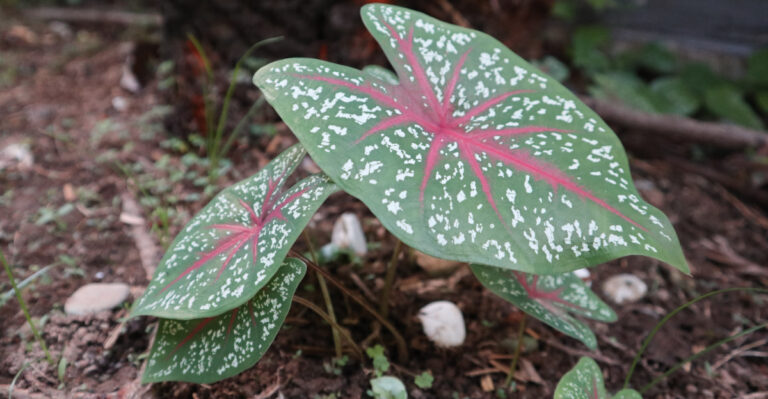
9. Caladiums Burn In Strong Sun
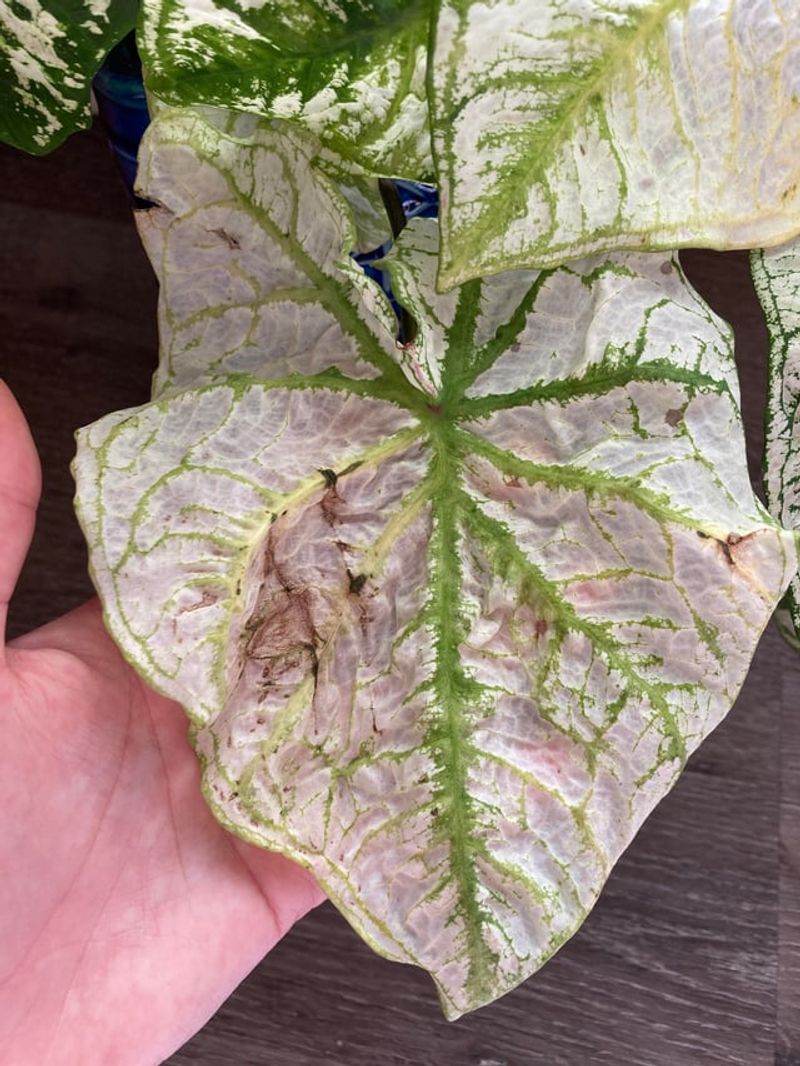
I believe everyone agrees that caladiums offer spectacular foliage color for Florida gardens, but their sun sensitivity creates placement challenges and replacement cycles that increase landscape costs substantially. These tropical plants develop gorgeous leaf patterns in shade but suffer severe burning when exposed to direct afternoon sun.
Finding appropriate locations often requires installing shade structures or limiting planting areas to naturally shaded spots, restricting design flexibility and adding infrastructure expenses.
Sunburn damage on caladiums appears quickly and ruins their ornamental value almost immediately. Leaves develop brown, crispy edges and bleached patches that destroy the colorful patterns people purchase these plants to display.
Once burned, leaves never recover, requiring removal and reducing overall plant appearance until new foliage emerges. Severe sun exposure can damage plants beyond recovery, necessitating complete replacement mid-season.
The seasonal nature of caladiums adds another cost dimension to their maintenance. These plants go dormant during cooler months, leaving gaps in landscape beds that require filling with alternative plantings or accepting bare spots until spring returns.
Many gardeners treat caladiums as annuals, replanting fresh bulbs each season rather than attempting to store and overwinter them. This annual purchase requirement, combined with their specific shade needs and sun sensitivity, makes caladiums more expensive than their initial cost suggests.
Placement mistakes resulting in sun damage create additional replacement expenses that accumulate over time, making these beautiful foliage plants costly choices for Florida landscapes despite their undeniable visual appeal.
10. Peace Lilies Wilt Without Moisture
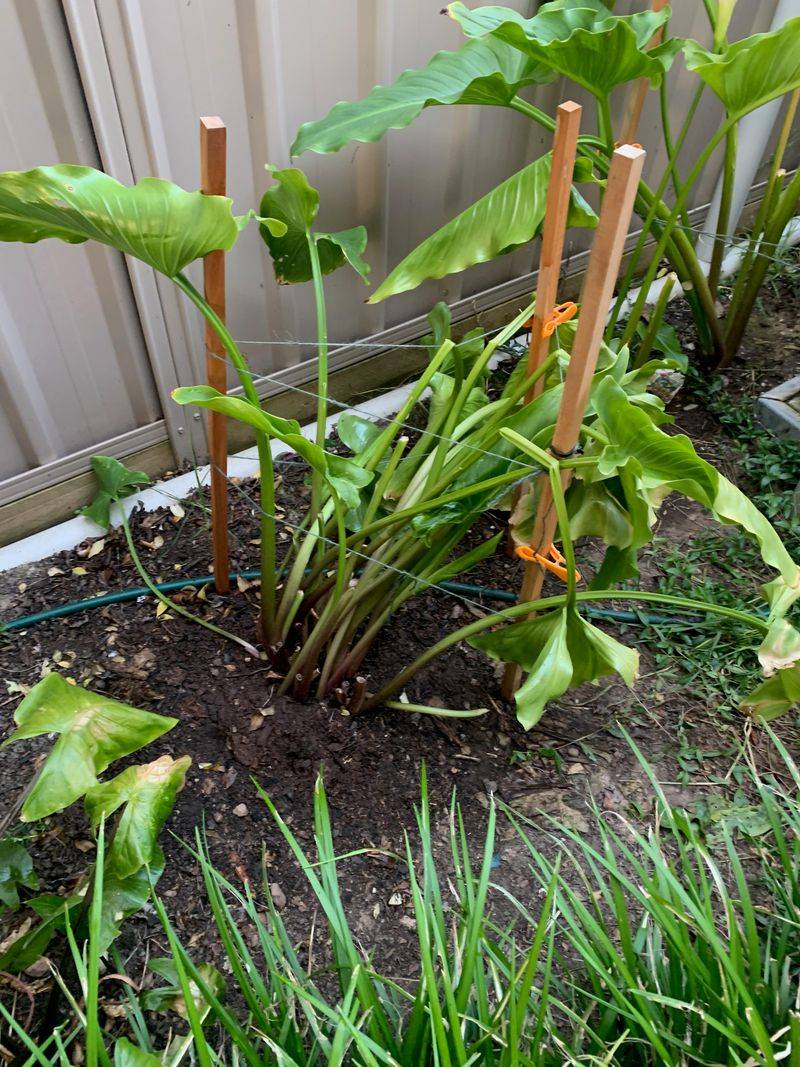
Peace lilies dramatize their water needs with spectacular wilting displays that send caretakers into panic mode regularly. These popular houseplants can struggle outdoors unless they’re in deep shade in the warmest parts of Florida, where heat and sun exposure cause moisture loss so rapid that leaves droop within hours of missing scheduled watering.
The constant vigilance required to prevent wilting makes peace lilies high-maintenance choices that demand daily attention and generous water applications.
Outdoor peace lilies in Florida require shaded locations and soil that retains moisture without becoming waterlogged, creating a narrow growing condition range that proves difficult to maintain consistently.
Potted specimens dry out even faster than ground plantings, sometimes needing water twice daily during hot weather.
This intensive care requirement makes vacations problematic and creates ongoing responsibilities that exceed reasonable maintenance expectations for landscape plants.
That dramatic wilting is a warning sign, and repeated dry-down stress weakens the plant over time. Repeated stress cycles weaken plants over time, leading to decline and eventual replacement needs.
Many Florida gardeners find peace lilies better suited to indoor environments where air conditioning moderates temperature extremes and watering schedules become more manageable. The outdoor maintenance burden, water consumption, and constant attention requirements make these plants expensive choices in terms of both resource use and time investment.
Their inability to tolerate typical Florida heat without excessive watering positions peace lilies among the most demanding and costly landscape plants for our climate conditions.