Should You Cut Back Frost Damaged Bougainvillea In Florida
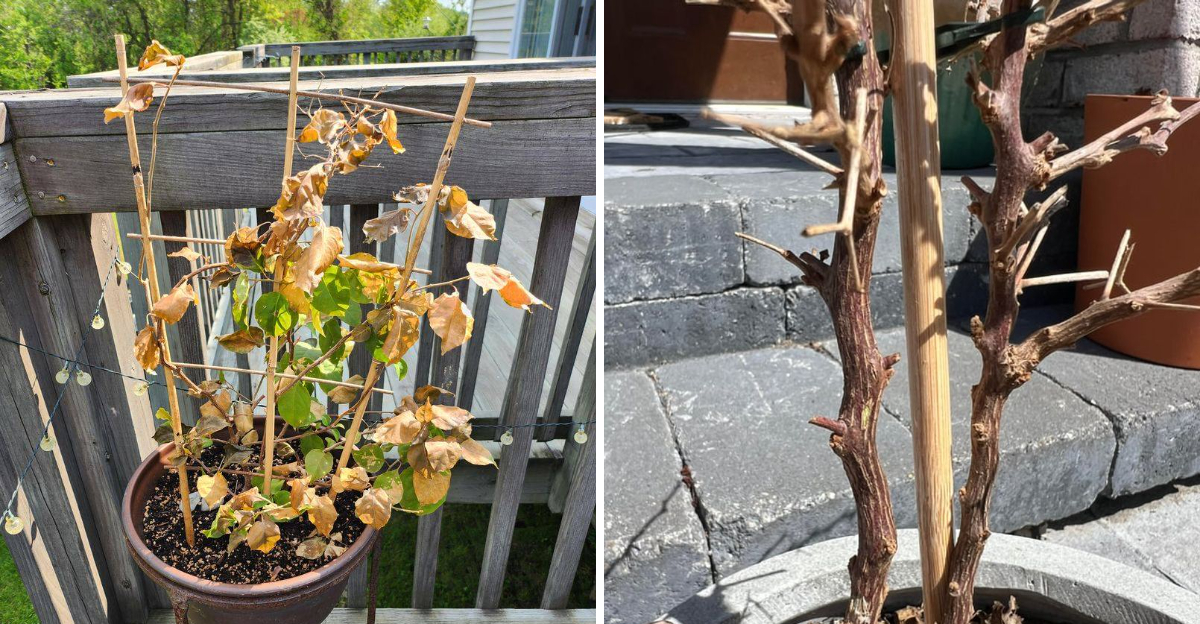
Across Florida, the recent freeze left a sudden mark on landscapes that rarely face true cold. Bougainvillea, usually tough and vibrant, now hangs faded and brittle in many yards, its color gone almost overnight.
What once climbed with energy can look dry, dark, and beyond saving. In the days after a freeze, the urge to cut everything back feels almost unavoidable, a quick response to visible damage.
Yet bougainvillea does not always reveal its true condition right away.
Beneath scorched leaves and weakened stems, life may still remain, waiting for warmth to return. Many Florida gardeners now face the same uncertain moment, standing before frost touched vines and wondering what comes next.
The decision made too soon or too late can shape how well the plant recovers through the long warm season ahead, making patience and timing more important than ever.
1. Understand Frost Damage Before You Cut
Frost works differently on bougainvillea than you might expect. Cold air causes water inside plant cells to freeze and expand, which ruptures cell walls and damages tissue from the inside out.
What makes this tricky is that damage often spreads slowly over several days after the initial frost event.
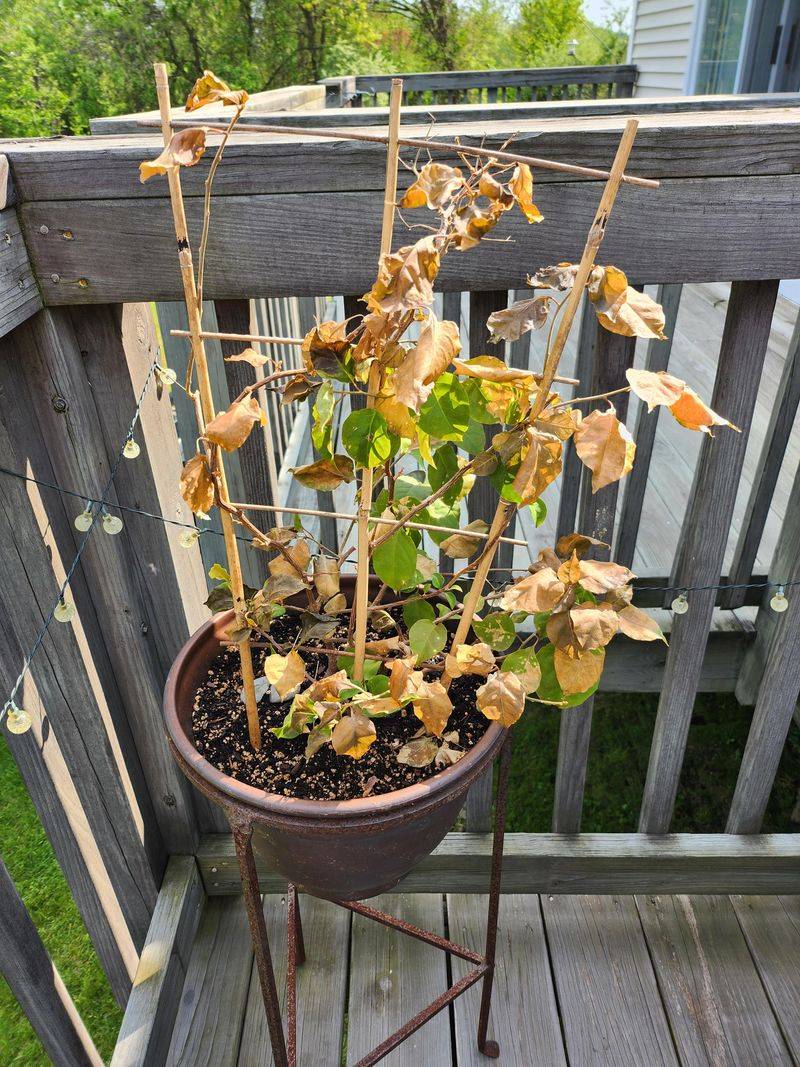
Right after a cold snap, your bougainvillea might look worse than it actually is. Some leaves turn black immediately while others take up to a week to show symptoms.
Stems that appear brown on the outside may still have healthy green tissue underneath that can produce new growth.
Cutting too early removes potentially viable stems that could recover. Many Florida gardeners have learned this lesson the hard way by pruning aggressively only to discover they removed living wood.
The plant then needs even longer to regrow from lower portions.
Temperature matters significantly in determining damage severity. A brief dip to 32 degrees causes less harm than prolonged exposure to 28 degrees.
Established bougainvillea with thick woody stems handle cold better than young plants with tender new growth.
Understanding this delayed damage pattern helps you resist the urge to prune immediately. Giving the plant time reveals which parts truly need removal and which can still contribute to recovery.
2. Spot Clear Signs Of Frost Damage Fast
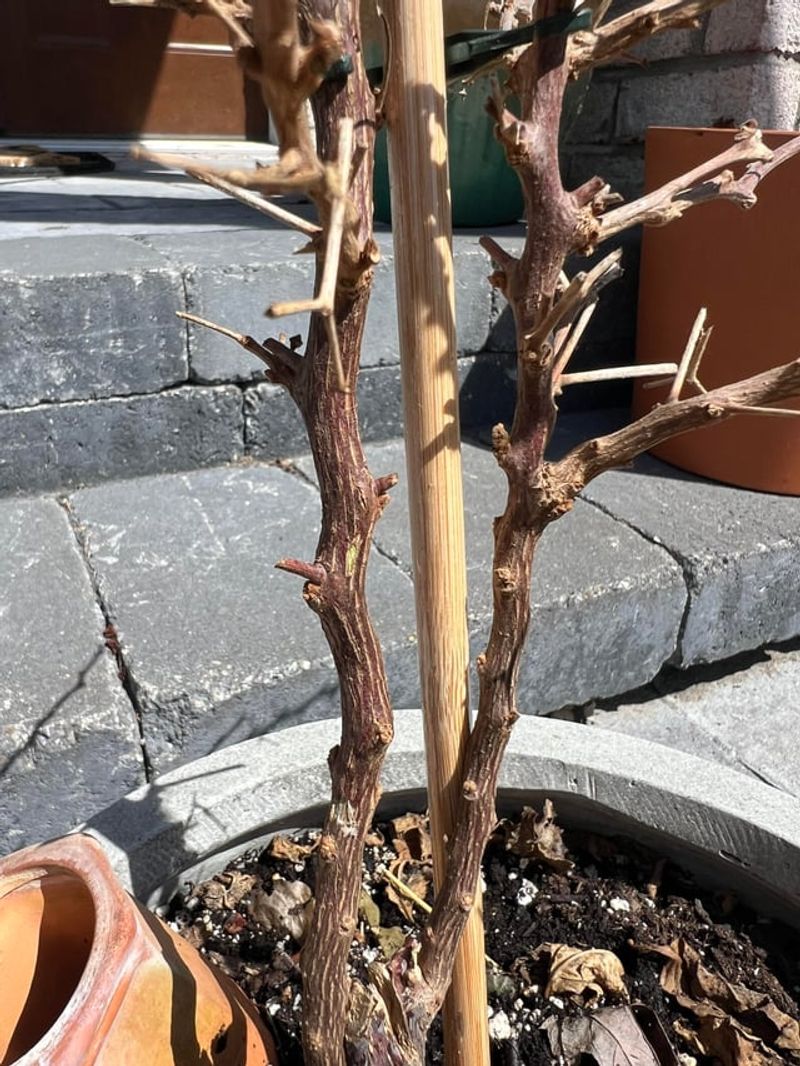
Learning to read frost damage accurately saves you from making costly pruning mistakes. Blackened leaves that feel mushy or slimy to the touch have definitely suffered cell damage and will not recover.
These tissues break down quickly and often emit a slightly unpleasant odor as they decay.
Stems tell a different story than leaves. Brown or tan coloring on outer bark does not necessarily mean the stem has lost viability.
Gently scratch the surface with your thumbnail to check underneath. Green cambium layer indicates living tissue that can still push out new shoots.
Brittle, dry stems that snap easily when bent have likely suffered fatal damage throughout. Flexible stems that bend without breaking usually contain enough living tissue to warrant keeping them.
This flexibility test works better than visual inspection alone for determining stem health.
Pay attention to where damage stops on each branch. Frost injury typically affects outer growth more severely than inner woody portions.
Your Florida Garden Changes Every Week. Your Plan Should Too.
Gardening in Florida changes quickly throughout the season. Every Friday you’ll receive a simple weekly plan showing exactly what to plant, prune, fertilize, harvest, and protect so you never miss the right timing.
You might see healthy green wood just inches below blackened tips, which means the plant can recover from that point.
Watch for new buds emerging along stems over the next few weeks. These small green bumps signal exactly where living tissue remains.
They provide the clearest evidence of what should stay and what truly needs removal.
3. Wait Before Pruning After Frost Hits
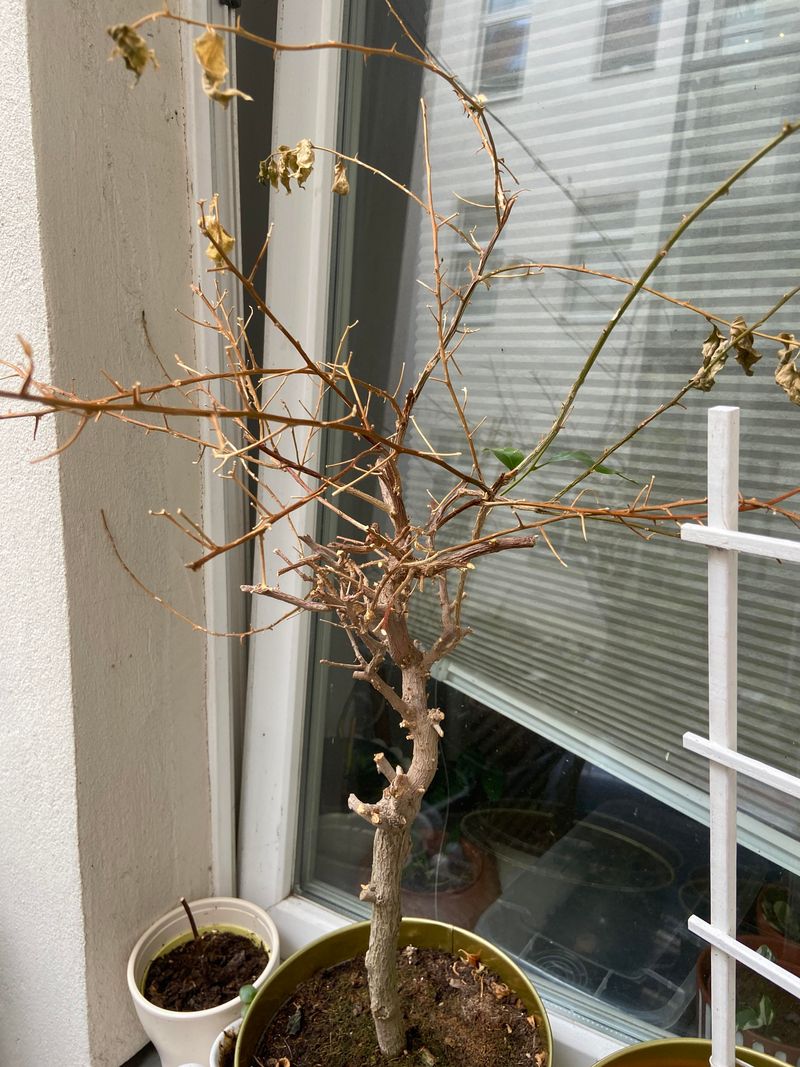
Resisting the urge to prune immediately after frost requires real discipline. Your damaged bougainvillea looks terrible, and every instinct tells you to clean it up right away.
However, waiting at least three to four weeks allows the full extent of damage to become visible.
Florida weather patterns make patience even more critical. A January cold snap might be followed by another freeze in February.
Pruning after the first frost exposes fresh cuts and tender new growth to potential secondary damage from subsequent cold events.
During this waiting period, damaged leaves may continue to decline while hidden healthy tissue begins preparing for regrowth. Stems that looked questionable initially often reveal their true condition through either new bud formation or complete browning throughout.
This clarity helps you make smarter pruning decisions later.
Leaving damaged foliage in place temporarily actually provides some protection for underlying stems. Those blackened leaves act as insulation against any additional cold nights.
They also continue limited photosynthesis in portions that remain partially green, supporting the root system below.
Mark your calendar for late February or early March before taking action. By then, Florida temperatures stabilize, and you can clearly see which stems have viable buds forming.
This strategic delay dramatically improves recovery success rates compared to hasty early pruning.
4. Time Your Bougainvillea Cutback Right
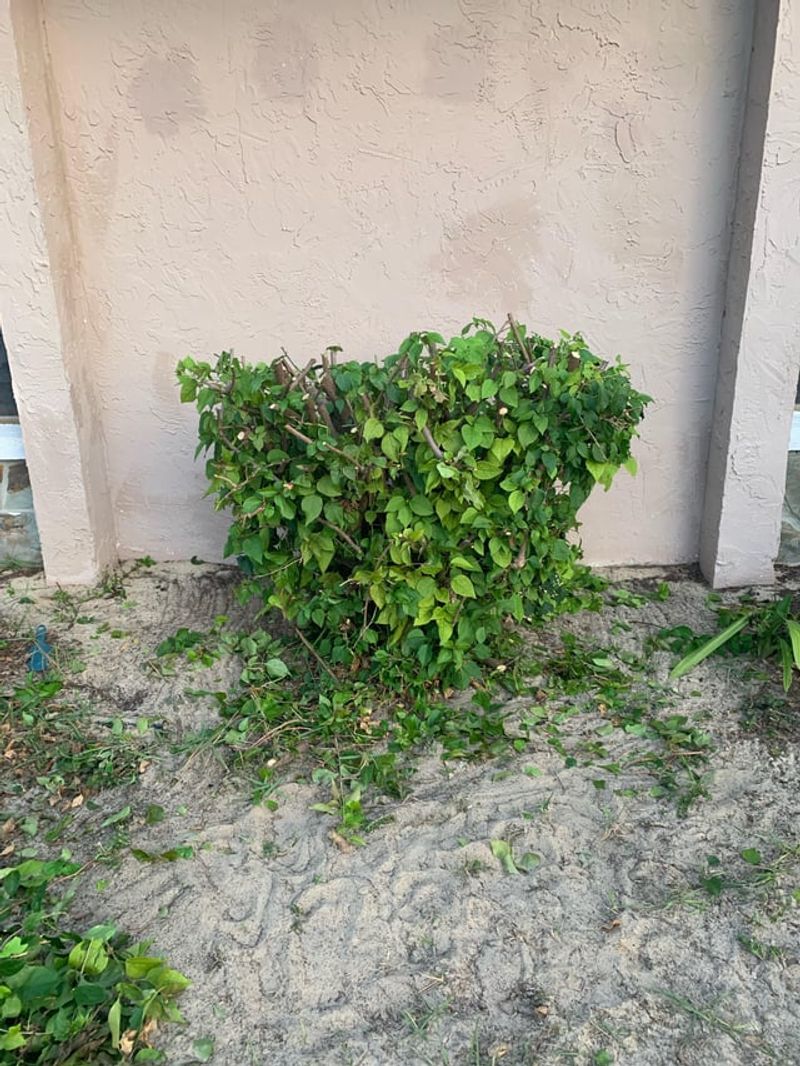
Late February through mid-March represents the ideal pruning window for frost-damaged bougainvillea across most of Florida. Central and north Florida gardeners should wait until early March when the threat of additional freezes diminishes significantly.
South Florida residents can often start in late February since their frost risk ends earlier.
Watch for natural signals that pruning time has arrived. New green shoots emerging from stems indicate the plant has activated growth mode and can handle the stress of pruning.
Consistent daytime temperatures above 65 degrees and nighttime lows staying above 50 degrees create favorable recovery conditions.
Avoid pruning during active flowering if your bougainvillea somehow managed to bloom despite frost damage. Wait until the bloom cycle completes so the plant can redirect energy toward healing and new growth rather than flower production.
This timing consideration applies mainly to south Florida where winter blooming sometimes continues.
Morning hours work best for pruning tasks. Cooler temperatures reduce stress on both you and the plant, and fresh cuts have the entire day to begin sealing before evening moisture arrives.
Avoid pruning right before predicted rain, which can promote fungal infections in open wounds.
Consider your local microclimate when timing cuts. Protected locations near buildings or under tree canopies may show recovery signs earlier than exposed areas.
Let individual plant response guide your specific timing rather than following a rigid calendar date.
5. Remove Only Truly Damaged Growth
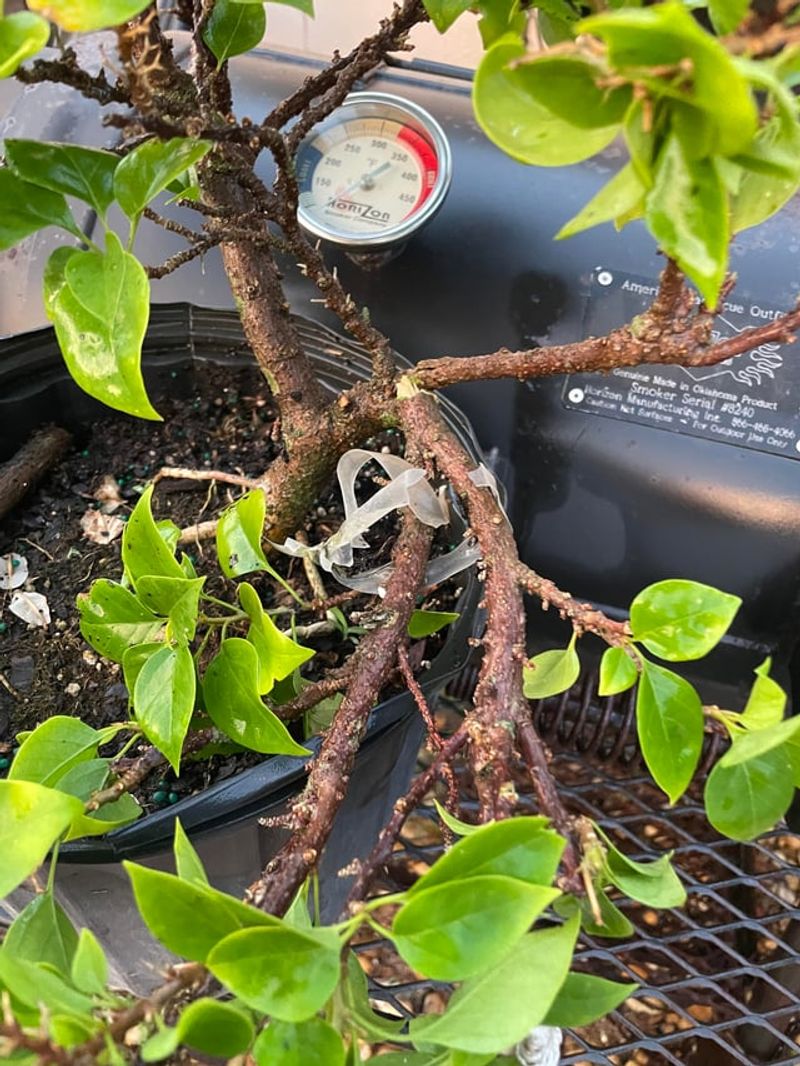
Selective pruning requires careful observation and restraint. Start at branch tips and work your way down until you find clearly living tissue.
Make cuts just above nodes where healthy buds have formed or where the scratch test reveals green cambium beneath the bark.
Many Florida gardeners make the mistake of cutting back to a uniform height, which removes viable stems unnecessarily. Each branch may have damage extending to different depths, so evaluate every stem individually.
Some might need removal to ground level while others only require tip pruning.
Leave stems that show any signs of life even if they look unsightly. A partially damaged branch with emerging buds lower down will recover faster than forcing the plant to regrow from ground level.
Those established stems already have developed root connections that support rapid new growth.
Remove completely brown, brittle stems that show no green tissue anywhere along their length. These provide no benefit and may harbor fungal problems that could spread to healthy portions.
Cut them back to the main trunk or to ground level if the entire cane is affected.
Step back frequently during pruning to assess overall plant shape. Aim for a balanced framework that maintains the natural growth habit rather than creating an overly sculpted appearance.
Bougainvillea naturally grows in an informal, flowing manner that looks best when you preserve that character.
6. Prune Gently To Avoid Extra Stress
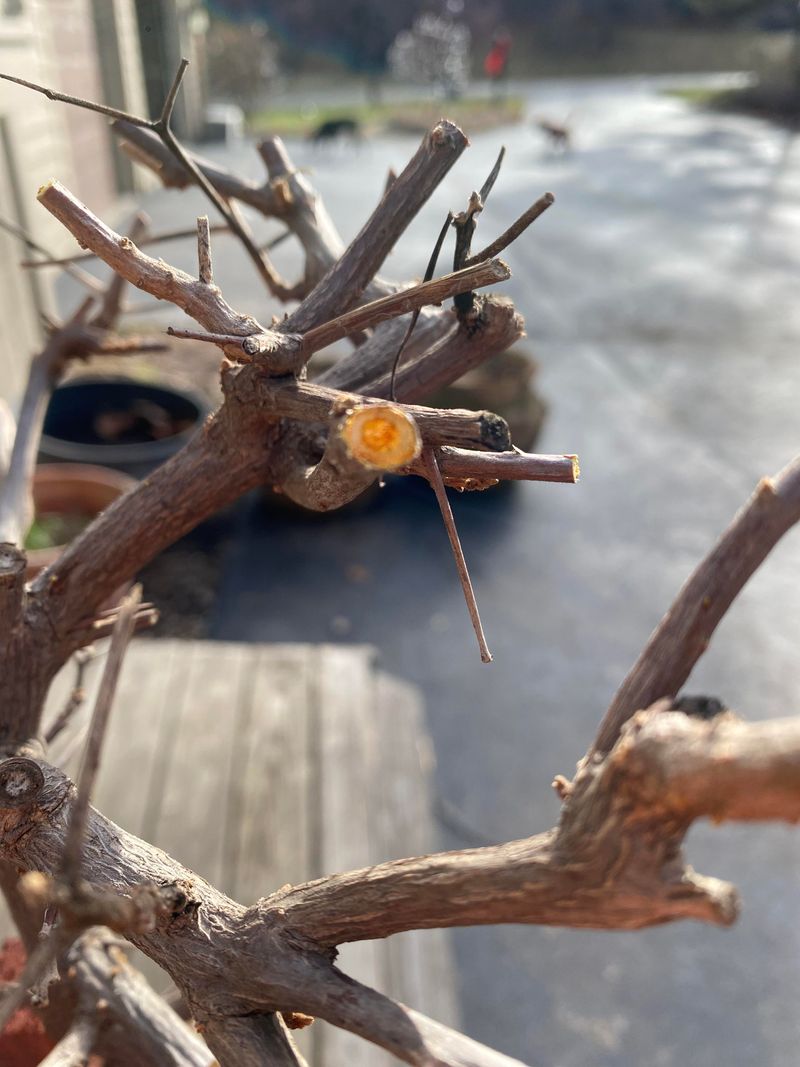
Sharp, clean tools make all the difference in helping your bougainvillea recover smoothly. Bypass pruners with sharp blades create clean cuts that heal quickly, while dull or anvil-style pruners crush stems and increase damage.
Sterilize blades with rubbing alcohol before starting and between plants to prevent spreading any potential diseases.
Make cuts at a slight angle just above a node or bud. Angled cuts shed water away from the bud and heal faster than flat cuts.
Position cuts about a quarter inch above the target bud, close enough to avoid leaving a stub but far enough to protect the bud from drying out.
Avoid removing more than one-third of the total plant mass even if damage appears extensive. Bougainvillea needs sufficient foliage and stems to support photosynthesis and maintain the root system.
Overly aggressive pruning shocks the plant and actually slows recovery rather than speeding it up.
Work methodically through the plant rather than randomly cutting here and there. Complete one section before moving to the next so you maintain awareness of how much material you have removed.
This systematic approach prevents accidentally over-pruning in your enthusiasm to clean up damage.
Collect and dispose of all pruned material away from the garden. Frost-damaged tissue can harbor fungal spores or pests that might reinfect the plant.
Bag it for trash pickup rather than composting to ensure complete removal from your landscape.
7. Support Strong Recovery And New Growth
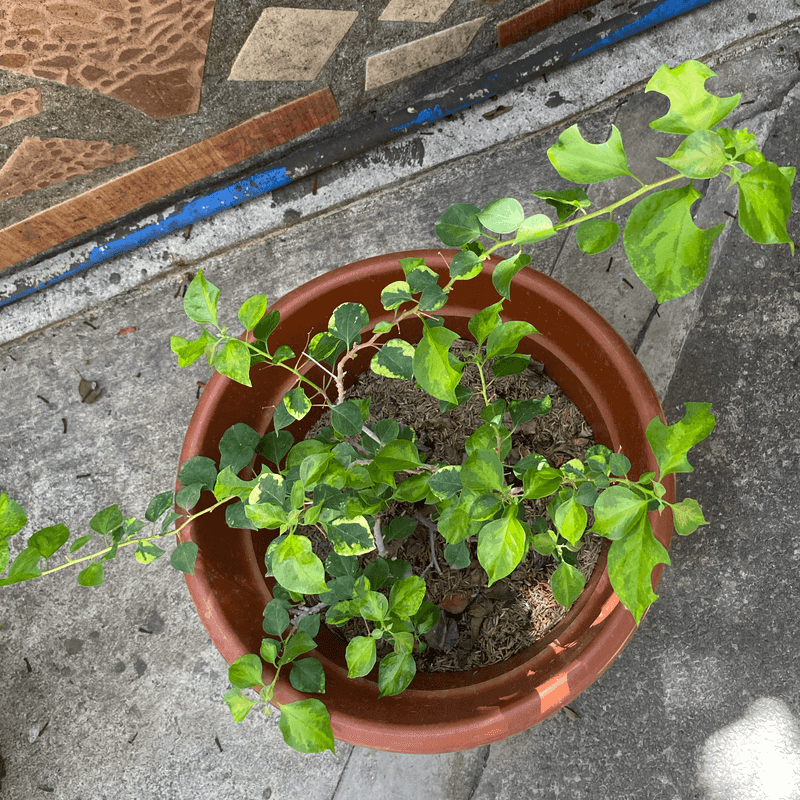
Water management becomes crucial after pruning frost-damaged bougainvillea. Damaged plants have reduced foliage and therefore need less water than healthy specimens.
Water deeply but infrequently, allowing soil to dry slightly between waterings. Overwatering stressed plants leads to root rot and compounds recovery problems.
Wait at least four to six weeks after pruning before applying any fertilizer. Wounded plants need time to seal cuts and activate new growth before handling additional nutrients.
When you do fertilize, use a balanced formula at half the recommended strength to avoid burning tender new shoots.
Ensure your bougainvillea receives full sun exposure throughout the recovery period. These plants need at least six hours of direct sunlight daily to produce strong new growth.
Inadequate light results in weak, spindly stems that lack the vigor to support future flowering.
Resist the temptation to prune again as new growth emerges. Let shoots develop freely even if they appear unruly initially.
You can shape the plant later once it has fully recovered and resumed normal growth patterns. Repeated pruning during recovery depletes energy reserves and extends the healing timeline.
Monitor new growth for signs of pests like aphids or spider mites that often attack stressed plants. Address any pest problems immediately with appropriate organic or chemical controls.
Healthy new growth indicates successful recovery and signals that your patient approach has paid off.
8. Protect Bougainvillea From Future Frost
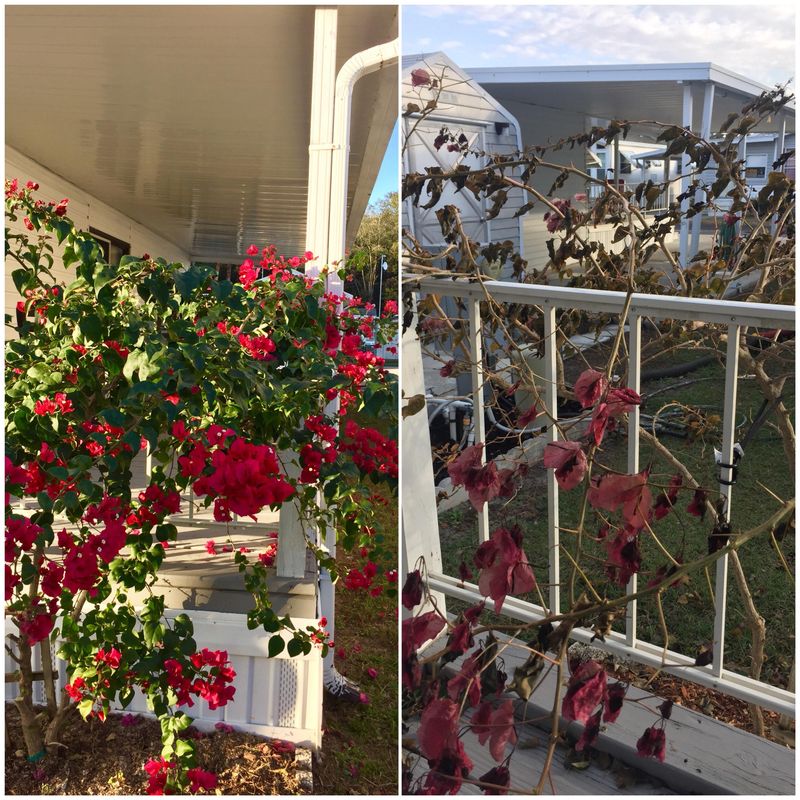
Strategic placement prevents many frost problems before they start. Plant bougainvillea on the south or west side of your home where walls radiate stored heat during cold nights.
Avoid low-lying areas where cold air settles, and keep plants away from open areas that lack wind protection.
Apply a three to four inch layer of organic mulch around the root zone before winter arrives. Mulch insulates roots against temperature fluctuations and helps soil retain moisture and warmth.
Keep mulch a few inches away from the main stem to prevent rot issues while still providing root protection.
Monitor weather forecasts closely during Florida’s winter months. When temperatures below 35 degrees are predicted, cover your bougainvillea with frost cloth or old sheets before sunset.
Remove coverings the next morning once temperatures rise above 40 degrees to prevent overheating and moisture buildup.
Container-grown bougainvillea offers maximum flexibility for frost protection. Move pots into a garage, covered porch, or against a warm wall when cold weather threatens.
This mobility makes containers ideal for north and central Florida gardeners who face more frequent freezes.
Consider cold-hardy varieties if you live in areas with regular frost. While no bougainvillea truly loves freezing temperatures, some cultivars tolerate brief cold better than others.
Research varieties proven to perform well in your specific Florida region before making new planting decisions.