When To Stop Planting Cool-Season Vegetables In Florida
In Florida, the cool season seems gentle until it ends almost overnight. One week the garden feels calm and productive, the next the sun sharpens, nights stay warmer, and familiar crops begin to struggle.
Leaves lose their deep color, growth slows, and some plants suddenly rush to flower instead of producing food.
Many gardeners try to squeeze in one last planting, hoping for a few more harvests, only to watch seedlings stall under rising heat. This turning point arrives every year, yet it often catches people off guard.
Florida’s growing season never truly stops, it shifts, and knowing when to stop planting cool season vegetables becomes a critical decision. Miss the window, and effort fades with the changing weather.
Time it right, and the garden moves smoothly from one season to the next, staying productive, healthy, and in rhythm with Florida’s fast changing spring.
1. Know Your Florida Growing Zone First
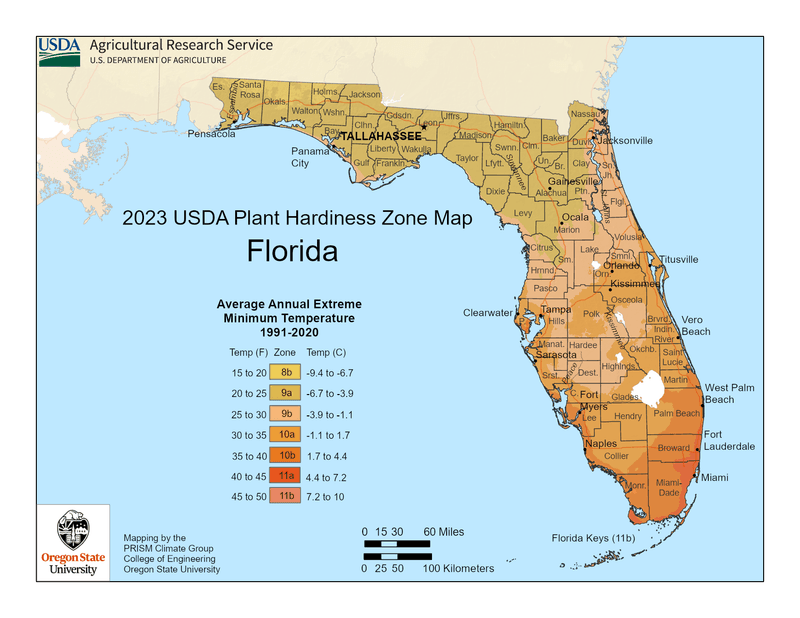
North Florida gardeners can plant cool-season vegetables well into February and sometimes early March, thanks to lingering cooler temperatures. Regions around Tallahassee and Jacksonville experience genuine winter cold that extends the growing window for crops like cabbage and kale.
Frost remains a possibility through late February in these areas.
Central Florida sits in a transition zone where the cool-season window closes noticeably earlier. Gardeners in Orlando, Tampa, and along the Space Coast should complete their cool-season planting by mid-January to early February at the latest.
Temperatures rise quickly after that, making it difficult for cool crops to mature properly.
South Florida operates on an entirely different schedule. Miami, Fort Lauderdale, and the Keys enjoy such mild winters that cool-season planting should wrap up by late December or very early January.
Heat arrives early and stays persistent, cutting the cool-season window dramatically short compared to northern parts of the state.
Understanding these regional differences prevents the common mistake of following planting advice meant for other climates. Your specific location determines your deadline more than any calendar date ever could.
2. Watch Temperatures Start To Rise
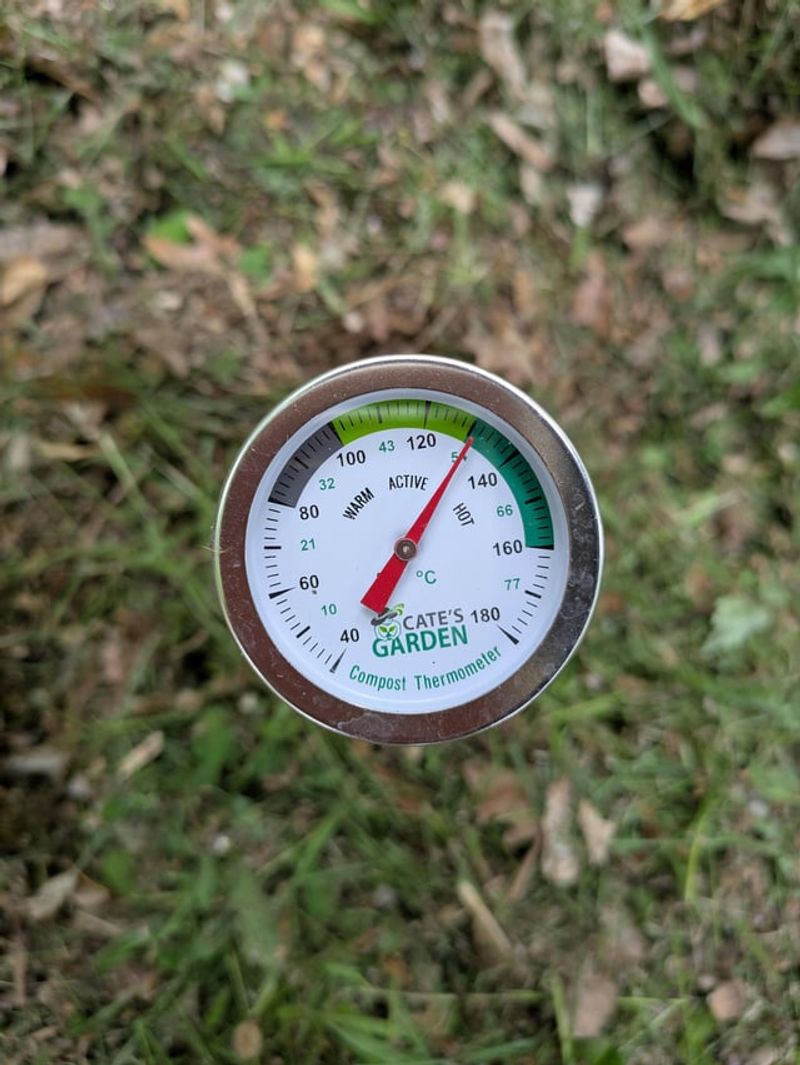
Cool-season vegetables perform best when daytime temperatures stay roughly between 55 and 75°F. Once daytime highs consistently reach the mid-70s, these crops begin experiencing stress.
Lettuce becomes bitter, broccoli forms tiny heads, and peas stop flowering productively.
Nighttime temperatures matter just as much as daytime heat. Cool-season crops prefer nighttime lows in the 40s to upper 50s, and performance declines once nights stay consistently warm.
When overnight temperatures refuse to drop below 65 degrees, even cold-hardy vegetables struggle to thrive.
Florida’s temperature patterns shift rapidly in spring. A few warm days might seem like a temporary blip, but once the trend establishes itself, cooler weather rarely returns until fall.
Paying attention to extended weather forecasts helps you recognize when the pattern has truly shifted toward warmer conditions.
Many gardeners make the mistake of planting cool-season seeds during a brief cool spell in late winter or early spring. Those seeds might germinate, but the seedlings face immediate heat stress as temperatures climb.
The plants never develop properly because they’re fighting unsuitable conditions from the start.
Your Florida Garden Changes Every Week. Your Plan Should Too.
Gardening in Florida changes quickly throughout the season. Every Friday you’ll receive a simple weekly plan showing exactly what to plant, prune, fertilize, harvest, and protect so you never miss the right timing.
Checking both current temperatures and seasonal trends gives you the clearest picture of whether cool-season planting still makes sense in your garden.
3. Recognize When Cool Crops Begin To Struggle
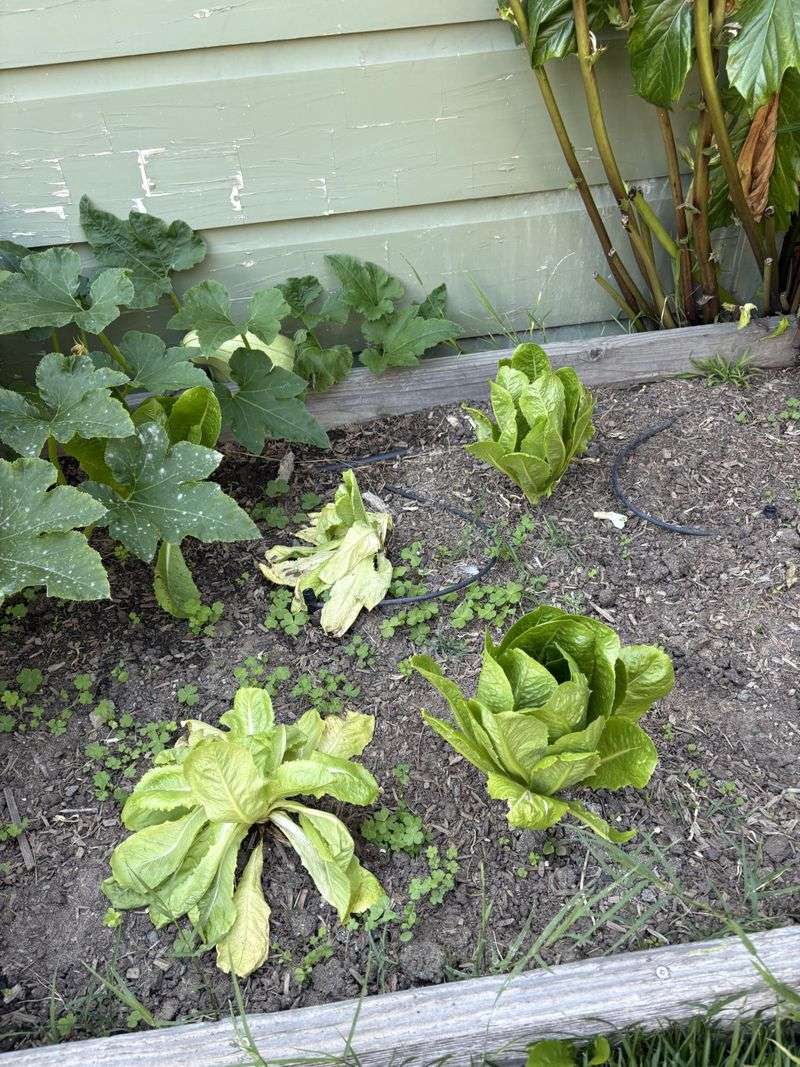
Lettuce leaves that taste increasingly bitter signal that temperatures have climbed too high for continued production. The plants shift their energy toward survival rather than producing tender, sweet leaves.
This bitterness becomes more pronounced with each passing warm day.
Broccoli and cauliflower planted too late form heads the size of golf balls instead of the large, dense crowns you expect. The plants sense the heat and rush to complete their life cycle before conditions become unbearable.
These undersized heads taste fine but represent a disappointing return on your garden space and effort.
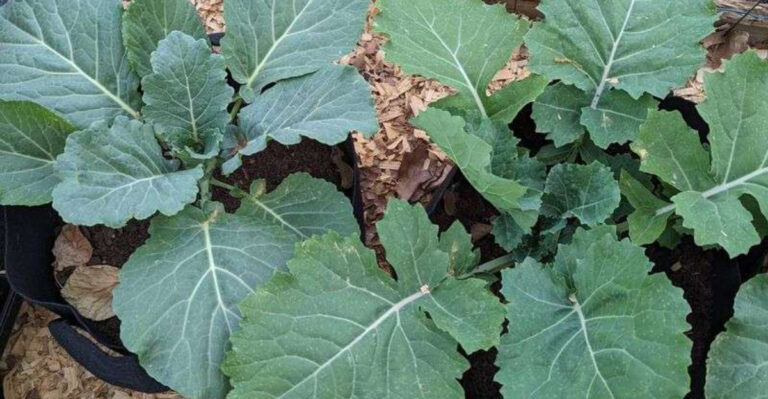
Spinach and other leafy greens grow slower and slower as temperatures rise. New leaves emerge smaller and tougher than earlier growth.
The plants look stunted and unhappy, clearly struggling against environmental conditions they weren’t designed to handle.
Root vegetables like carrots and radishes become woody and develop poor flavor when forced to mature in warm soil. Heat causes rapid, stressed growth that produces inferior texture and taste.
Radishes turn especially spicy and unpleasant when grown in warm conditions.
These visible signs of stress tell you that the cool-season window has closed. Any new plantings would face the same struggles from day one.
4. Track Soil Warming In Early Spring
Soil temperature affects seed germination more directly than air temperature does. Cool-season vegetable seeds germinate best when soil temperatures range between 45 and 65 degrees Fahrenheit.
Once soil warms well above 70°F, germination rates decline and seedlings often struggle.
Florida’s sandy soils warm quickly under intense spring sunshine. The same soil that felt pleasantly cool in January can heat up dramatically by late February or March.
Dark-colored soils and beds without mulch warm even faster than protected areas.
You can measure soil temperature using an inexpensive soil thermometer inserted about two inches deep. Take readings in the morning before the sun heats the surface.
Consistent readings above 70 degrees mean cool-season planting should stop immediately.
Warm soil doesn’t just prevent germination. It also stresses transplants that prefer cooler root zones.
Even established plants struggle when their roots sit in warm soil day after day. The plants cannot take up water and nutrients efficiently under these conditions.
Some gardeners try to extend the season by heavily mulching beds to keep soil cooler. This strategy works for a short time but ultimately cannot overcome Florida’s relentless spring warming trend.
Better to accept the seasonal transition than fight against it.
5. Stop Planting Before Heat And Humidity Surge
Heat and humidity arrive together in Florida, creating a double challenge for cool-season vegetables. High humidity encourages fungal diseases that attack stressed plants.
Powdery mildew, downy mildew, and leaf spot diseases become more likely when temperatures climb and moisture hangs in the air.
Aphids, whiteflies, and other pests multiply explosively as temperatures warm. These insects target weakened plants, and cool-season crops growing in unsuitable heat make easy victims.
The combination of heat stress and pest pressure often severely reduces productivity of late-planted vegetables.
Gardeners who push the planting window too late find themselves battling constant problems. Spraying for pests and diseases becomes a weekly chore.
The plants limp along but never produce satisfying harvests despite all the extra attention and intervention.
Florida’s humidity also affects pollination and fruit set. Peas planted too late may flower but fail to set pods when warm conditions reduce successful pollination.
The plants look healthy enough but simply don’t produce the harvest you anticipated.
Stopping cool-season planting before heat and humidity surge protects you from frustration and wasted resources. Garden time spent nursing struggling plants could be better invested in preparing beds for warm-season crops that will actually thrive.
6. Shift Toward Warm Season Vegetables
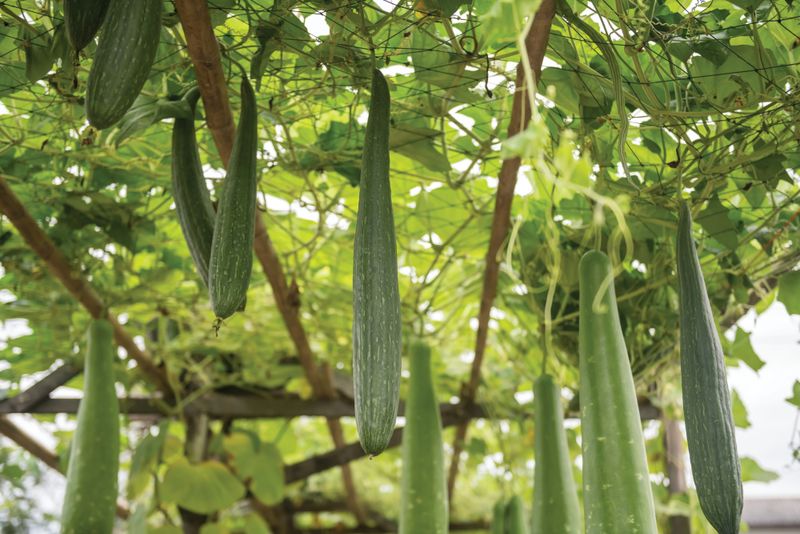
Tomatoes, peppers, and eggplants love the heat that sends cool-season crops into decline. These warm-season favorites need soil temperatures above 60 degrees to thrive, making them perfect candidates as your cool-season window closes.
They’ll flourish in conditions that would destroy lettuce and spinach.
Beans, both bush and pole varieties, germinate quickly in warm soil and produce heavily through Florida’s long growing season. Okra becomes incredibly productive once heat arrives, often growing faster than you can harvest it.
Summer squash and cucumbers also relish warm conditions and reward gardeners with abundant yields.
The transition period offers an opportunity to prepare your garden properly. Remove spent cool-season crops, replenish soil with compost, and plan your warm-season layout.
This preparation time ensures your new plants start with the best possible conditions.
Some vegetables like Swiss chard and certain heat-tolerant lettuce varieties can bridge the gap between seasons. These crops tolerate warmer conditions better than traditional cool-season vegetables, though they still perform best before extreme heat arrives.
They buy you a few extra weeks of salad greens.
Embracing the seasonal shift rather than fighting it leads to much more successful Florida gardening. Work with your climate’s natural patterns instead of against them.
7. Use Bolting As A Clear Warning Sign
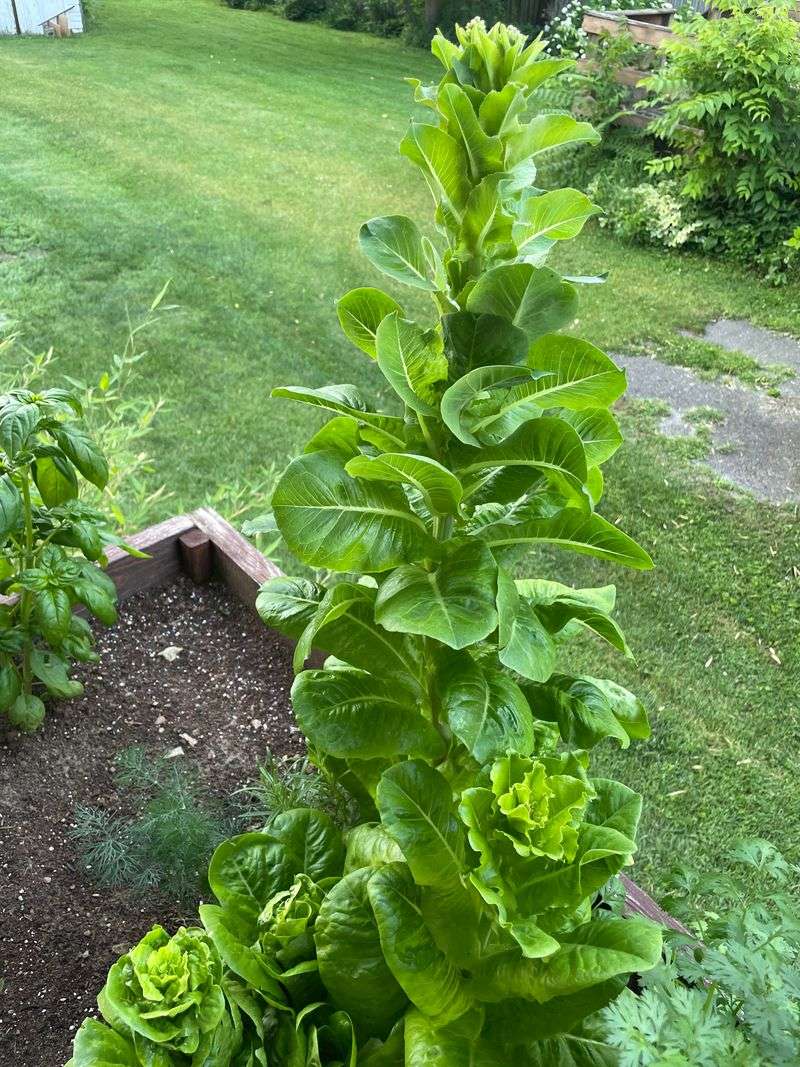
Bolting happens when cool-season crops suddenly send up flower stalks instead of producing more leaves or roots. This dramatic change occurs when plants sense that conditions have become unsuitable for continued vegetative growth.
The plants shift into reproductive mode, trying to set seed before the plant declines.
Lettuce bolts spectacularly, shooting up a tall central stalk seemingly overnight. Once this happens, the leaves turn intensely bitter and the plant becomes inedible.
Spinach, arugula, and mustard greens bolt similarly when heat triggers their flowering response.
Herbs like cilantro and dill bolt readily as temperatures rise. Cilantro becomes especially sensitive, bolting at the first hint of sustained warmth.
Many gardeners watch their cilantro plants specifically as an indicator that the cool season has ended.
Bolting in your existing crops serves as a clear warning that planting more cool-season vegetables would be pointless. Those new seeds or transplants would face the same conditions that triggered bolting in your established plants.
They’d likely bolt before producing any worthwhile harvest.
When you see bolting begin, shift your focus entirely to warm-season crops. Pull the bolted plants, save seeds if desired, and move forward with vegetables suited to the warmer weather ahead.
Fighting the seasonal change only leads to disappointment.
8. Adjust Your Planting Calendar For Florida
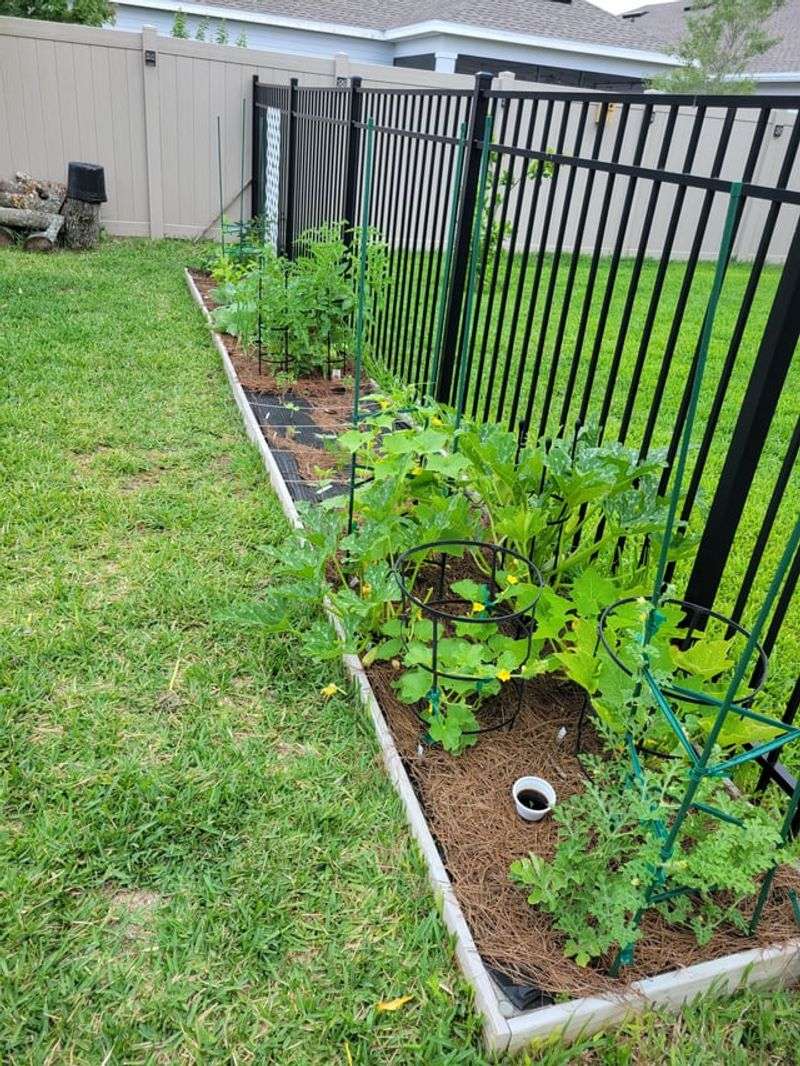
Successful Florida gardening requires a customized approach that acknowledges the state’s unique climate. Planting calendars designed for other regions simply don’t apply here.
What works in Georgia or the Carolinas arrives too late for much of Florida, while advice for tropical climates may be too early for northern parts of the state.
Creating your own planting calendar based on local experience and observation produces the best results. Track when your cool-season crops begin struggling each year.
Note the date when you observe widespread bolting or when temperatures consistently exceed the comfort zone for cool crops.
University of Florida IFAS Extension provides region-specific planting guides that offer science-based recommendations. These resources account for Florida’s climatic diversity and provide realistic timelines for both cool-season and warm-season planting.
Consulting these guides helps you align your garden activities with proven successful practices.
Many experienced Florida gardeners plan their year in two distinct seasons rather than following traditional spring and fall patterns. The cool season runs from October through February or March depending on location, while the warm season dominates the rest of the year.
This two-season approach simplifies planning and improves results.
Adapting to Florida’s rhythms rather than imposing expectations from other climates transforms your gardening success and enjoyment throughout the year.