These Are The Best Vegetables To Plant Before March In Texas
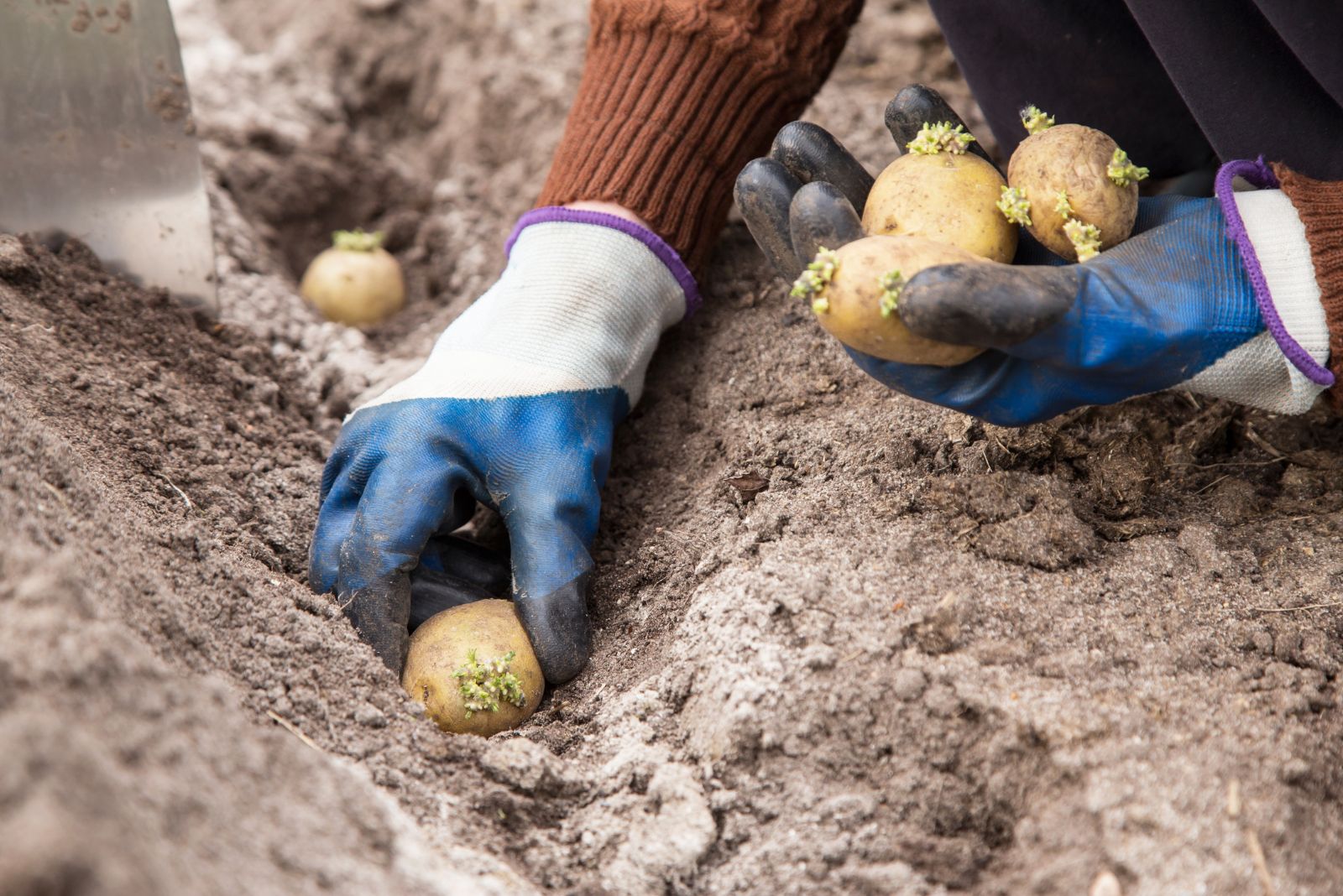
Late winter in Texas is not just a waiting period, it is one of the most important planting windows for a productive garden.
Cooler soil and mild temperatures create ideal conditions for many vegetables to establish strong roots before the heat of spring and summer arrives.
Planting now allows young crops to grow steadily, develop resilience, and produce earlier harvests compared to late starters. Some vegetables thrive in these cooler conditions, rewarding gardeners with healthy growth and dependable yields.
Waiting too long can shorten the growing season and expose tender plants to stressful heat before they are ready. Early planting also gives you time to prepare soil, manage moisture, and set your garden up for long term success.
Taking advantage of this timing can lead to stronger plants, better harvests, and a garden that feels productive and rewarding from the very start of the growing season.
1. Onions
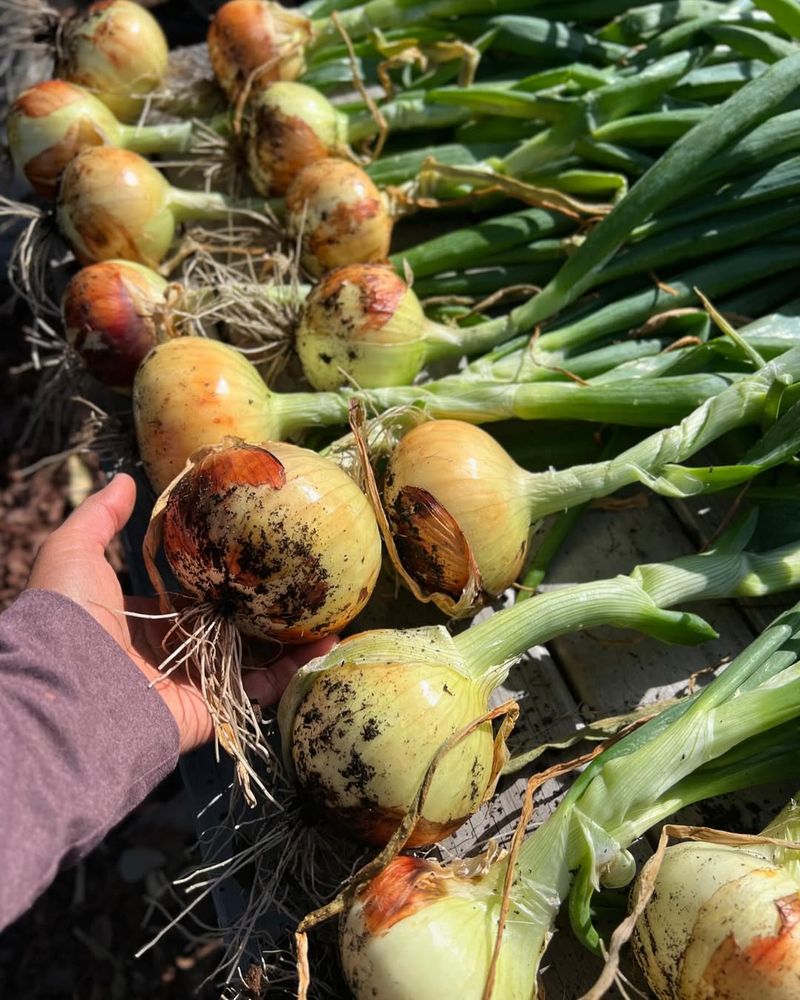
Onions stand as one of the most reliable and rewarding vegetables Texas gardeners can plant in late winter. These hardy bulbs actually need the cool temperatures of January and February to develop properly, making them perfect for early planting across the state.
The cool weather allows onion plants to establish strong root systems before they begin forming bulbs as days lengthen.
Getting onions in the ground early gives them the time they need to grow into full-sized bulbs by late spring. Texas gardeners typically plant onion sets, which are small bulbs, or transplants rather than seeds for faster results.
Both options work beautifully when planted six to eight weeks before the last expected frost. The plants tolerate cold snaps remarkably well and actually benefit from the cool soil temperatures.
Choose short-day onion varieties specifically bred for Southern gardens, as these respond to the day length patterns in Texas. Popular choices include Texas Super Sweet and 1015Y, which were developed right here in the Lone Star State.
Space your onion sets about four inches apart in rows, planting them just deep enough that the tip barely shows above the soil.
Well-drained soil is essential for onions because they won’t tolerate standing water around their roots. Adding compost to your planting bed improves drainage while providing nutrients these heavy feeders appreciate.
Water consistently throughout the growing season, but reduce watering as the tops begin to fall over, signaling that bulbs are maturing and nearly ready for harvest in May or June.
2. Potatoes
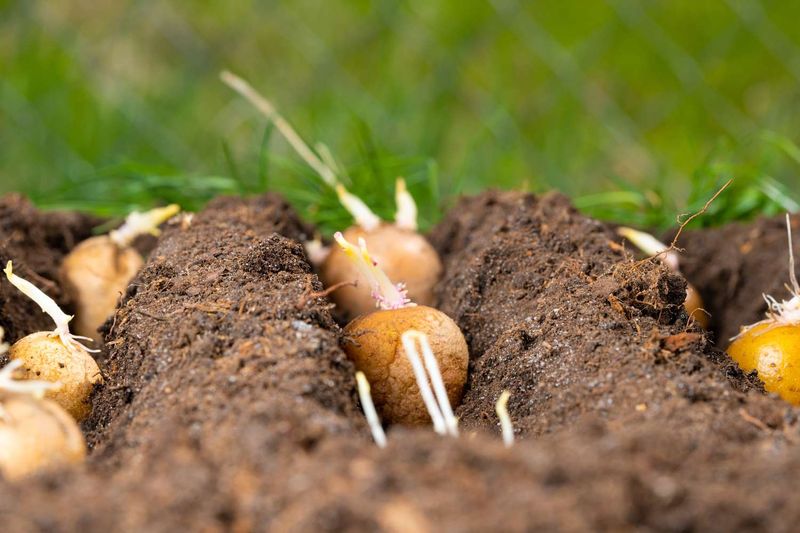
Potatoes have been a staple crop in Texas gardens for generations, with experienced growers knowing that late winter planting produces the best yields.
Unlike many vegetables, potatoes actually struggle in hot weather, making early planting essential for success in Texas.
Seed potatoes, which are simply small potatoes or pieces of larger ones with eyes, should be planted about four inches deep in loose, well-drained soil.
The soil temperature should be at least 45 degrees, which typically occurs in late January through February across most of Texas.
Cut larger seed potatoes into pieces with at least two eyes each, allowing the cut surfaces to dry for a day before planting to prevent rot.
Your Texas Garden Changes Every Week. Your Plan Should Too.
Gardening in Texas changes quickly throughout the season. Every Friday you’ll receive a simple weekly plan showing exactly what to plant, prune, fertilize, harvest, and protect so you never miss the right timing.
Texas gardeners can choose between determinate varieties that produce one crop or indeterminate types that keep producing as you hill soil around them.
Popular varieties for the state include Red LaSoda, Yukon Gold, and Kennebec, all of which handle Texas conditions well.
Space seed potatoes about twelve inches apart in rows, giving them plenty of room to develop underground.
As potato plants grow, mound soil around the stems to encourage more tuber production and protect developing potatoes from sunlight, which turns them green.
Keep the soil consistently moist but never waterlogged, as potatoes need regular moisture for proper development.
Your early planting will reward you with fresh potatoes ready to harvest in late spring, well before summer heat becomes intense.
3. Carrots
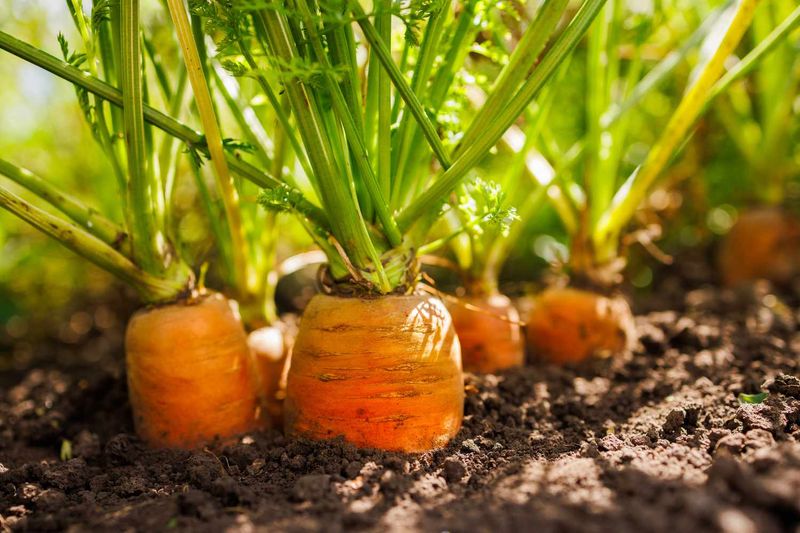
Carrots bring sweetness to the early Texas garden, literally becoming sweeter when grown in the cool temperatures of late winter and early spring.
These root vegetables develop their best flavor and texture when they mature before hot weather arrives, making pre-March planting ideal throughout the state.
Cool soil encourages carrots to put energy into developing long, straight roots rather than leafy tops.
Direct seeding works best for carrots since they don’t transplant well due to their sensitive taproots. Sow seeds thinly in rows about a quarter inch deep, keeping the soil consistently moist until germination occurs in one to three weeks.
Texas gardeners often mix carrot seeds with radish seeds, as the faster-growing radishes mark the rows and help break up soil for the slower carrots.
Soil preparation makes all the difference with carrots because they need loose, rock-free earth to grow straight and long. Heavy clay soil common in parts of Texas should be amended with sand and compost to improve texture and drainage.
Remove any rocks or clumps that might cause carrots to fork or become misshapen as they grow downward.
Thin seedlings to about two inches apart once they reach a few inches tall, giving each carrot room to develop properly. Varieties like Danvers Half Long and Imperator work well in Texas, with shorter varieties being better choices if your soil is heavy or shallow.
Keep the soil evenly moist throughout the growing season, as irregular watering can cause carrots to crack or split as they mature in spring.
4. Lettuce
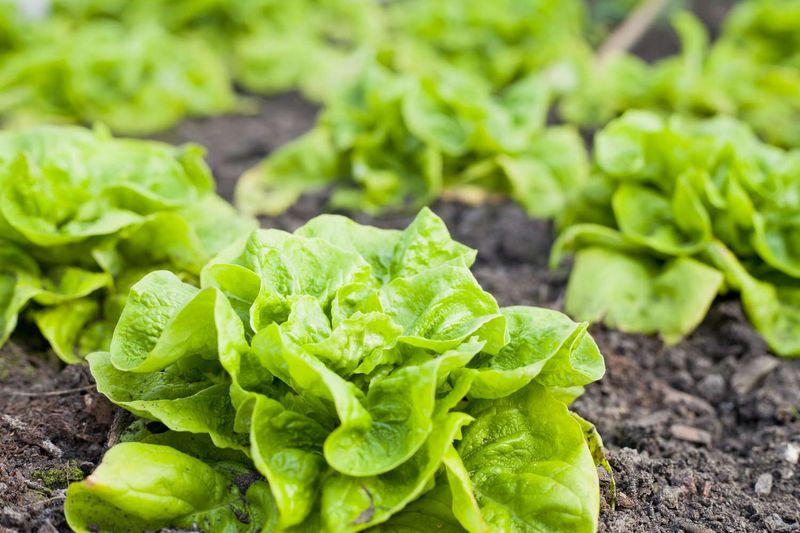
Lettuce thrives in the cool days of Texas winters, making it one of the fastest and most satisfying vegetables to grow before March.
This leafy green actually prefers temperatures between 45 and 75 degrees, which describes most Texas days from January through early April perfectly.
Gardeners who plant lettuce early enjoy multiple harvests before the weather warms and plants bolt, or go to seed.
Several types of lettuce grow beautifully in Texas, from loose-leaf varieties that you can harvest continuously to head lettuce that forms tight bunches. Loose-leaf types like Red Sails and Black Seeded Simpson mature fastest, often ready to pick in just 45 days.
Romaine varieties take a bit longer but handle Texas conditions well and provide crisp, flavorful leaves perfect for salads.
Plant lettuce seeds directly in the garden about a quarter inch deep, spacing them two inches apart in rows. You can also broadcast seeds over a prepared bed and thin seedlings as they grow, eating the tender thinnings in salads.
Lettuce transplants from garden centers give you a head start, though seeds germinate quickly in cool soil and cost much less.
Consistent moisture keeps lettuce leaves tender and prevents bitter flavors from developing as plants mature. Water regularly and consider using mulch to keep soil cool and retain moisture around shallow lettuce roots.
Harvest outer leaves from loose-leaf types as needed, allowing plants to keep producing, or cut entire heads once they reach full size but before hot weather arrives and causes bolting.
5. Spinach
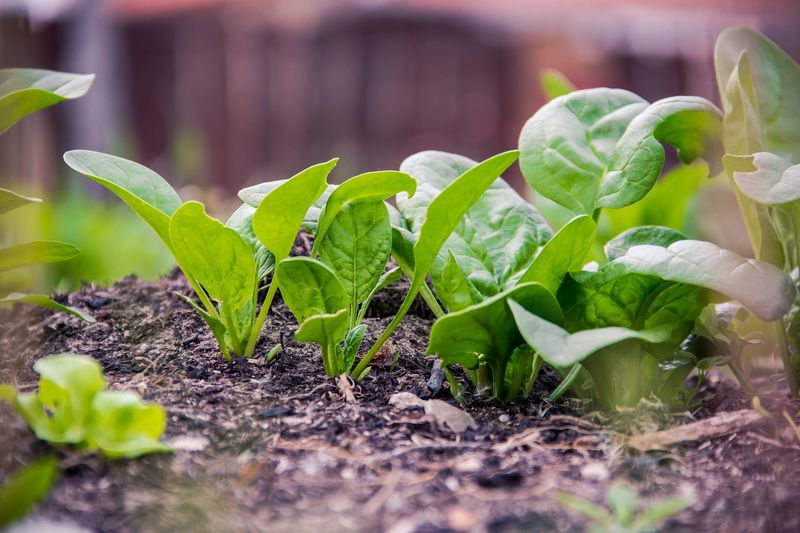
Spinach ranks among the toughest vegetables in the winter garden, handling cold temperatures that would damage many other crops.
This nutritional powerhouse actually tastes sweeter when grown in cool weather, as plants convert starches to sugars in response to cold temperatures.
Texas gardeners who plant spinach before March enjoy tender, flavorful leaves packed with vitamins and minerals throughout spring.
Seeds germinate best in soil temperatures between 35 and 70 degrees, making late January through February perfect for planting across most of Texas.
Sow seeds about half an inch deep and two inches apart in rows, or broadcast them over prepared beds for a dense planting.
Spinach grows quickly in cool weather, often ready for first harvest in just 37 to 45 days depending on variety.
Smooth-leaf varieties like Space and Bloomsdale work well in Texas gardens, with savoy types offering crinkled leaves that many cooks prefer. Baby spinach varieties mature even faster and provide tender leaves perfect for fresh salads.
All types grow best in rich soil amended with compost, as spinach feeds heavily and appreciates fertile growing conditions.
Water spinach regularly to keep soil consistently moist, which encourages rapid leaf production and prevents premature bolting. The shallow roots dry out quickly, especially on warm late-winter days that occasionally occur in Texas.
Harvest by cutting outer leaves and allowing the center to keep producing, or cut entire plants at ground level when they reach desired size. Multiple plantings two weeks apart extend your harvest season throughout spring.
6. Peas
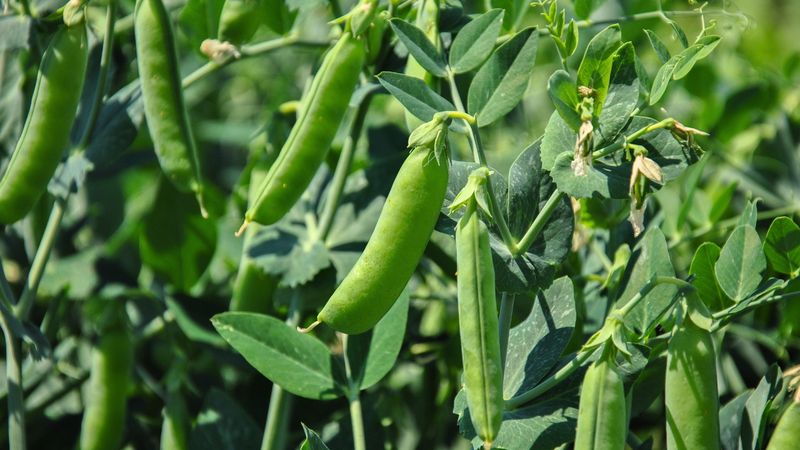
Peas signal the start of the growing season for many Texas gardeners, who eagerly plant these cool-season legumes as soon as soil can be worked in late winter.
Garden peas, snap peas, and snow peas all thrive in the mild temperatures before March, producing sweet pods and tender peas that taste nothing like their store-bought counterparts.
The cooler the weather during pod formation, the sweeter and more tender your peas will be.
Plant pea seeds directly in the garden about an inch deep and two inches apart, as these vegetables don’t transplant well. Inoculating seeds with rhizobium bacteria helps peas fix nitrogen from the air, reducing fertilizer needs and improving growth.
Most Texas gardeners plant in late January or early February, timing plantings so pods develop during the coolest part of spring.
Bush varieties like Sugar Snap stay compact and need minimal support, while climbing types such as Sugar Ann can reach six feet tall and require sturdy trellises.
Installing supports at planting time prevents root disturbance later and gives vines something to grab as they grow.
Pea tendrils naturally wrap around supports, making these plants easy to train upward for better air circulation and easier harvesting.
Well-drained soil is important because peas won’t tolerate wet feet, especially in the cool conditions of late winter. Water regularly but avoid overwatering, as soggy soil leads to rot and poor germination.
Harvest snap peas when pods are plump but before peas inside become too large, and pick snow peas while pods are still flat and tender for best eating quality.
7. Cabbage
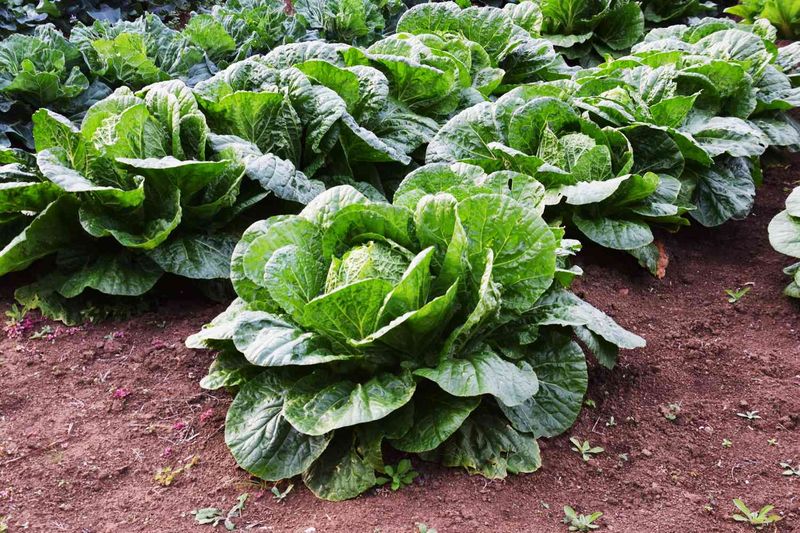
Cabbage brings reliable production to the early Texas garden, forming solid heads that withstand cold snaps and light freezes with ease.
This cool-season crop actually improves in flavor after exposure to frost, which converts starches to sugars and reduces any bitter taste.
Gardeners throughout Texas plant cabbage transplants in January and February, giving plants time to establish before forming heads in the mild weather of early spring.
Starting with transplants rather than seeds gives cabbage the head start it needs to mature before hot weather arrives. Plant transplants about 12 to 18 inches apart, setting them slightly deeper than they grew in their containers to encourage strong root development.
Early varieties mature in 65 to 75 days, while late-season types take up to 100 days but produce larger heads.
Green cabbage varieties like Early Jersey Wakefield suit Texas conditions well, along with red types such as Red Acre that add color to gardens and dinner plates.
Savoy cabbage with crinkled leaves handles heat slightly better than smooth types, making it a good choice for areas where spring warms up quickly. All types need consistent moisture and fertile soil to form tight, heavy heads.
Protect young plants from cabbage worms and loopers by checking leaves regularly and removing any pests you find. Row covers prevent butterflies from laying eggs on plants while still allowing light and water through.
Harvest heads when they feel firm and solid, cutting at the base with a sharp knife. Leaving the roots and outer leaves in place sometimes produces small secondary heads for a bonus harvest before summer heat arrives.