The Best Fairy Garden Plants For Magical Miniatures In Florida For 2026
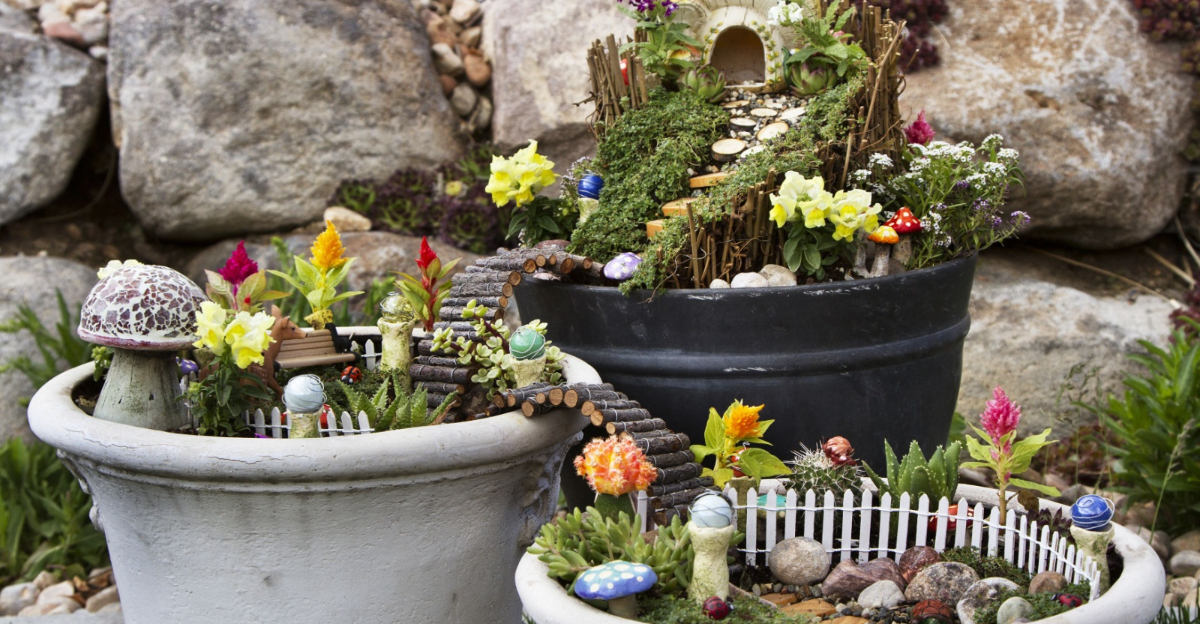
Tiny worlds can hold big magic, and across Florida, miniature landscapes are capturing imaginations in 2026. A shallow dish, a shaded corner, even the base of a tree can transform into an enchanting scene filled with texture, color, and life.
The secret lies in choosing plants that stay small, thrive in warmth, and create that storybook feeling without constant fuss. Soft foliage, delicate shapes, and slow growth turn ordinary containers into living fairytales.
Florida’s climate offers long growing seasons, gentle winters, and endless creative freedom for gardeners who dream beyond full sized beds. A well designed fairy garden feels timeless, almost hidden, like a secret waiting to be discovered.
With the right plant choices, these magical miniatures stay lush, balanced, and full of charm through sun, rain, and heat. Step into a world where imagination meets soil, and watch a tiny garden grow into something truly spellbinding this year.
1. Choose Petite Plants That Stay Naturally Small
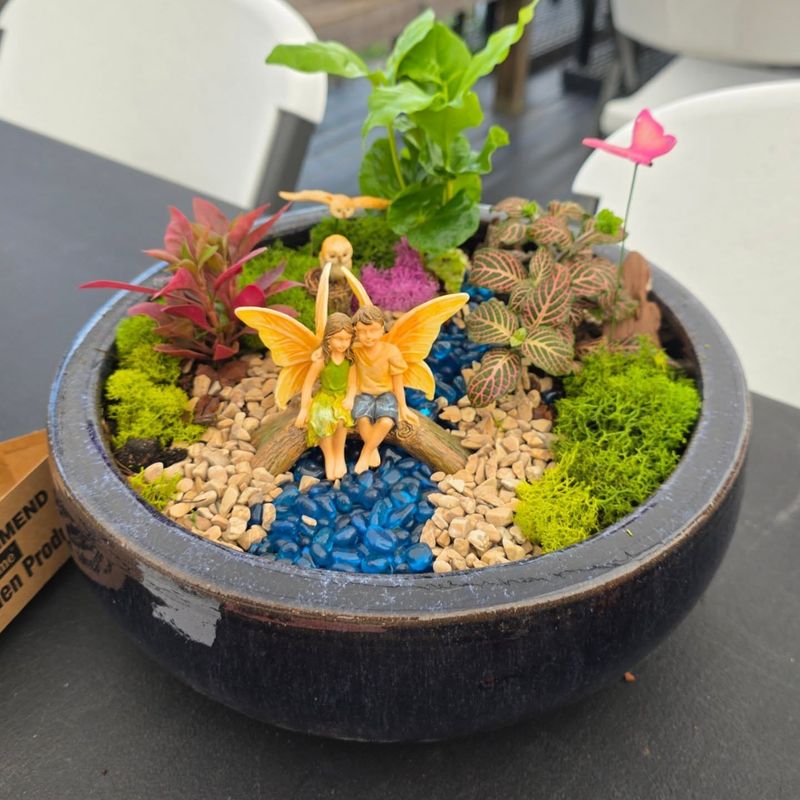
Scale matters more than anything when you’re designing a fairy garden that looks believable. Plants that naturally grow slowly and stay under six inches tall work best because they won’t suddenly shoot up and dwarf your tiny furniture and pathways.
Florida’s warm climate encourages fast growth in many species, so choosing varieties bred for compact habits saves you from constant pruning. Look for terms like dwarf, miniature, or nana in plant names as these indicate slower growth patterns.
Small varieties of coleus, peperomia, and baby tears fit perfectly in fairy scenes. They handle Florida’s humidity well and won’t stretch leggy in partial shade.
Most stay under four inches when grown in containers with limited root space.
Heat tolerance becomes crucial during summer months when temperatures climb into the nineties. Plants that naturally stay petite often have slower metabolisms and cope better with stress than vigorous growers.
They maintain their tidy appearance without burning out in July.
Container planting helps control size even further by restricting root development. Use shallow pots with good drainage and avoid over-fertilizing, which pushes excessive growth.
A light feeding once monthly during growing season keeps plants healthy without encouraging them to outgrow their space.
2. Use Moss And Groundcovers To Create A Living Carpet
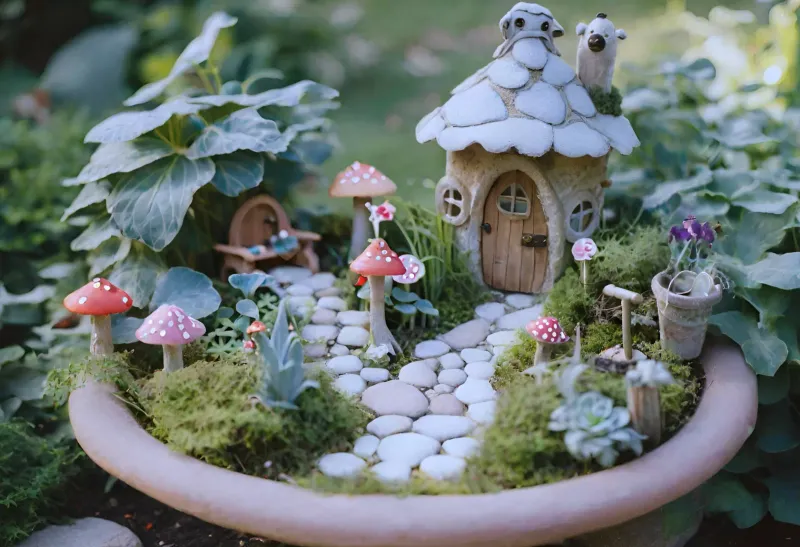
Moss transforms bare soil into something that looks like an enchanted forest floor. Florida’s natural humidity helps many moss varieties thrive, especially in shaded spots where they can stay consistently moist without drying out.
Sheet moss works beautifully for covering larger areas quickly. It grows flat and dense, creating that soft carpet effect around fairy houses and along pathways.
You can buy it in patches and press it gently into damp soil where it will gradually spread.
Humidity helps moss establish faster than in dry climates. Morning dew and afternoon showers during summer provide natural moisture, though you’ll need to mist regularly during dry winter months.
Shade is essential because direct Florida sun will scorch delicate moss within hours.
Tiny groundcovers like baby tears and Corsican mint offer alternatives that tolerate slightly more sun. These creeping plants spread slowly and stay under half an inch tall, filling spaces between decorations with living texture.
Your Florida Garden Changes Every Week. Your Plan Should Too.
Gardening in Florida changes quickly throughout the season. Every Friday you’ll receive a simple weekly plan showing exactly what to plant, prune, fertilize, harvest, and protect so you never miss the right timing.
They need consistent moisture but drain well enough to avoid root rot in summer rains.
Mixing moss types creates visual interest with different shades of green. Some mosses grow in soft mounds while others spread flat, giving your fairy garden natural variation that mimics real woodland floors.
3. Add Miniature Ferns For Soft Woodland Texture
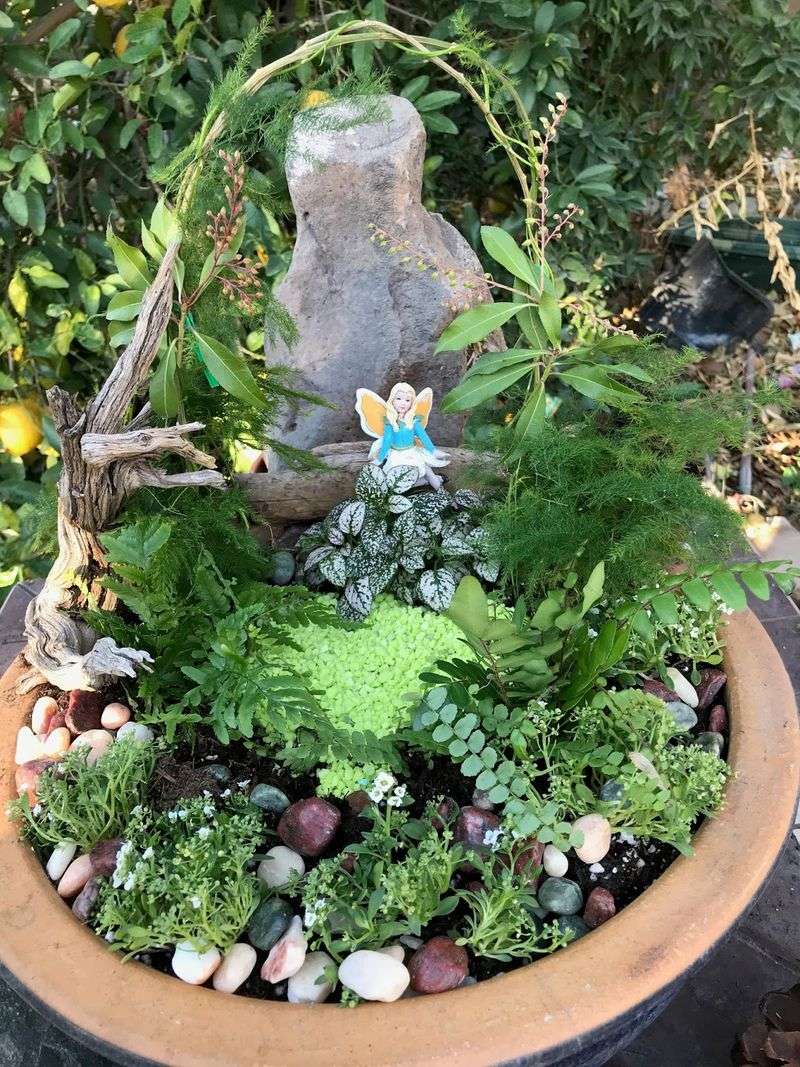
Ferns bring an instant woodland feeling to fairy gardens with their delicate fronds and graceful shapes. Small varieties like lemon button fern and mini maidenhair stay naturally compact while adding soft texture that contrasts beautifully with harder succulent leaves.
Florida’s humidity suits ferns perfectly since they evolved in moist forest environments. They appreciate the moisture in our air and don’t suffer the crispy leaf edges that plague ferns in drier regions.
Shade becomes their main requirement, especially protection from hot afternoon sun.
Lemon button fern grows slowly in neat rosettes rarely exceeding six inches across. Its round leaflets look almost like tiny buttons marching up each stem, creating interesting detail at miniature scale.
This variety tolerates lower light better than many ferns.
Maidenhair ferns offer incredibly delicate texture with their fan-shaped leaflets on black wiry stems. Miniature varieties stay under eight inches and create an airy, ethereal quality perfect for fairy scenes.
They need consistent moisture and high humidity to prevent leaf drop.
Plant ferns where they’ll receive bright indirect light rather than deep shade. Too little light causes sparse growth while direct sun burns leaves quickly in Florida’s intense summer heat.
Morning sun with afternoon shade works well in most areas.
4. Plant Tiny Flowers For Color In Small Spaces
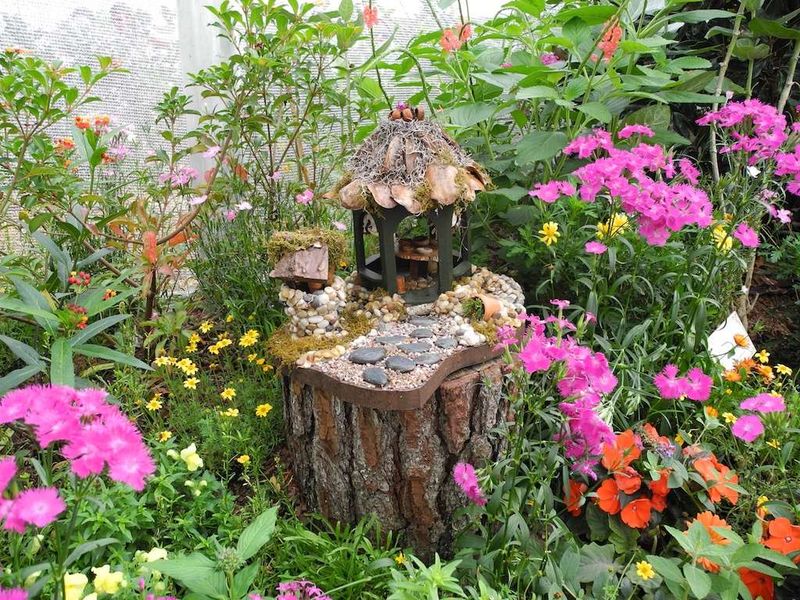
Flowers bring seasonal color and charm to fairy gardens without overwhelming the miniature scale. Choosing varieties with naturally small blooms keeps everything in proportion while adding pops of color throughout the year.
Miniature petunias bloom prolifically in Florida’s warm weather with flowers smaller than a dime. They tolerate heat well and flower continuously from spring through fall if you pinch off spent blooms regularly.
These work best in spots receiving at least four hours of direct sunlight.
Sweet alyssum creates clouds of tiny white or purple flowers that smell like honey. It reseeds readily in Florida and often returns year after year in fairy gardens.
The flowers stay small and the plant naturally mounds to about four inches, perfect for edging miniature pathways.
Dwarf impatiens offer shade-loving color with flowers about the size of a nickel. They bloom reliably in Florida’s warmth and handle our humidity without developing fungal problems.
Choose miniature varieties specifically bred for compact growth rather than standard impatiens that stretch taller.
Deadheading spent flowers encourages continuous blooming and prevents plants from setting seed and declining. A light trim every few weeks keeps flowering plants tidy and in scale with surrounding elements in your fairy garden.
5. Incorporate Slow Growing Succulents For Structure
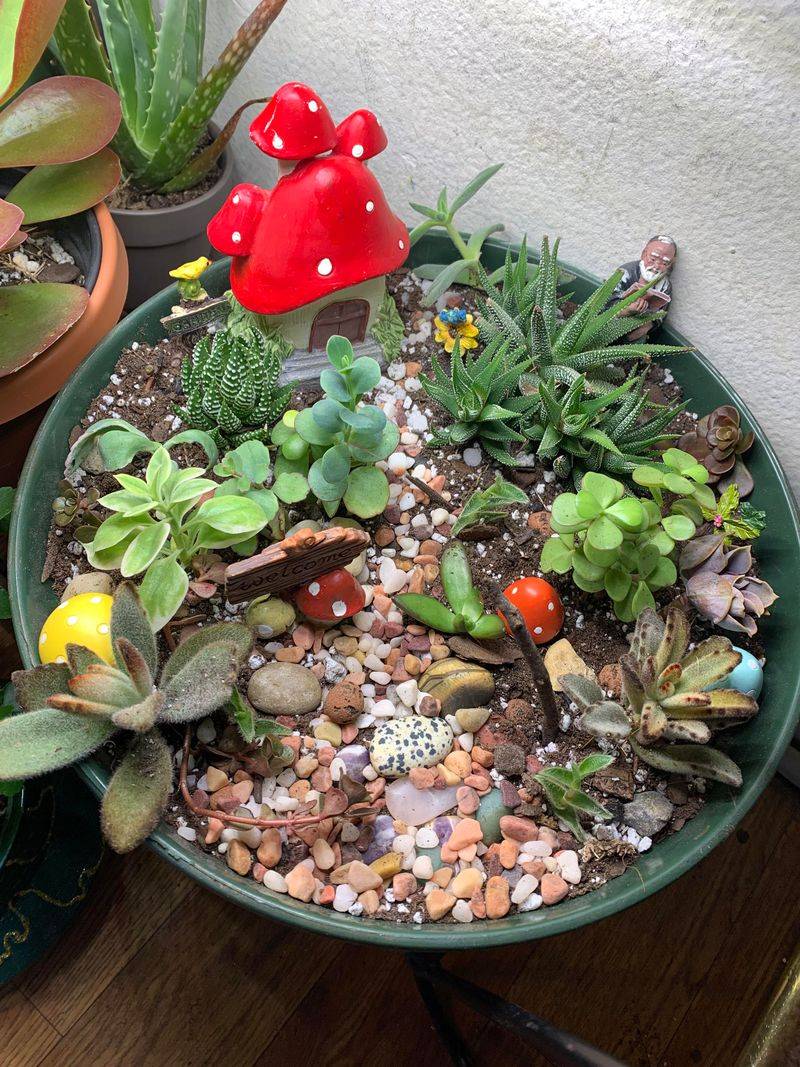
Succulents provide architectural interest in fairy gardens with their geometric shapes and varied textures. Small varieties stay compact naturally and tolerate Florida’s heat beautifully as long as drainage stays excellent.
Miniature jade plants develop into tiny trees perfect for creating the illusion of full-sized trees in miniature landscapes. They grow very slowly in containers and their thick trunks and branches look remarkably tree-like at small scale.
These tolerate both sun and partial shade in Florida.
Small echeveria rosettes add sculptural beauty with their perfect spiral patterns and range of colors from blue-green to purple-tinged. They need bright light and stay under three inches across for years.
Their compact growth habit makes them ideal for fairy gardens where space is limited.
Drainage becomes critical with succulents in Florida’s rainy climate. Use gritty soil mixes with plenty of perlite or coarse sand so water drains quickly.
Containers must have drainage holes because succulents rot rapidly if roots sit in soggy soil.
Sun tolerance varies by species but most small succulents appreciate morning sun with afternoon shade during Florida summers. Full sun all day can cause stress and fading even in heat-tolerant varieties.
Watch for signs of sunburn like brown spots or bleached leaves.
6. Use Dwarf Herbs For Fragrance And Charm
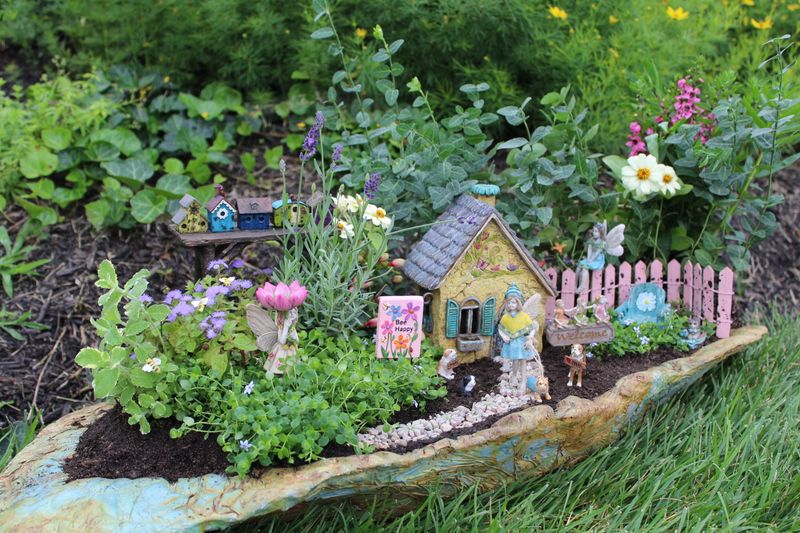
Herbs add wonderful fragrance to fairy gardens while staying naturally small with regular trimming. Many herbs thrive in Florida’s warmth and bring the bonus of scent when you brush against their leaves while tending your miniature landscape.
Dwarf Greek basil forms tight little mounds under six inches tall with leaves smaller than your pinky nail. It loves Florida’s heat and grows vigorously during warm months, needing frequent pinching to maintain its compact shape.
The leaves smell intensely of basil and you can use them in cooking.
Creeping thyme spreads slowly between stones and along paths while staying under two inches tall. Its tiny leaves release wonderful fragrance when touched and it produces miniature purple or white flowers in spring.
This herb tolerates more sun than many fairy garden plants and handles Florida heat well.
Miniature rosemary varieties grow slowly into small upright shrubs perfect for creating the look of tiny evergreen trees. They need excellent drainage and prefer full sun but reward you with aromatic foliage year round.
Trim regularly to maintain desired height and encourage dense branching.
Light requirements vary by herb but most prefer at least four to six hours of direct sun daily. Too much shade causes herbs to stretch leggy and lose their compact form quickly in Florida’s warm climate.
7. Create Height With Small Upright Accent Plants
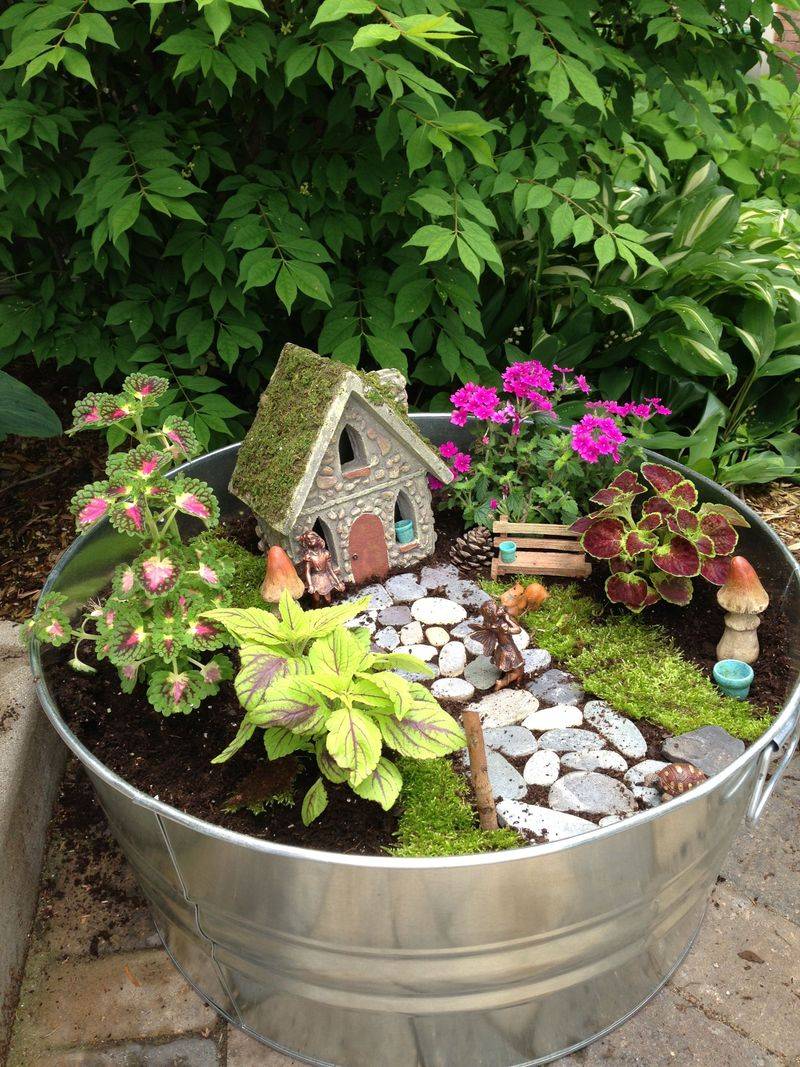
Vertical elements add important dimension to fairy gardens without overwhelming the miniature scale. Small upright plants create the impression of trees or tall grasses while staying proportional to tiny furniture and accessories.
Miniature parlor palms bring tropical flair perfect for Florida fairy gardens. They grow slowly indoors or in shaded outdoor spots and their upright fronds create wonderful vertical lines.
These palms rarely exceed twelve inches in containers and tolerate low light beautifully.
Dwarf mondo grass forms neat upright tufts of dark green blade-like leaves. It grows slowly and stays under six inches tall, creating the look of ornamental grass at miniature scale.
This plant handles Florida’s humidity perfectly and tolerates both sun and shade.
Small varieties of snake plant work surprisingly well as accent plants in fairy gardens. Their stiff upright leaves suggest tall reeds or exotic foliage and they tolerate neglect better than most plants.
Choose the smallest cultivars and avoid overwatering in Florida’s humid climate.
Placement matters when using upright plants for height. Position them toward the back or sides of your fairy garden so they create backdrop interest without blocking views of smaller elements in front.
Balance is key to maintaining the miniature illusion throughout the design.
8. Add Creeping Plants For A Magical Overgrown Look
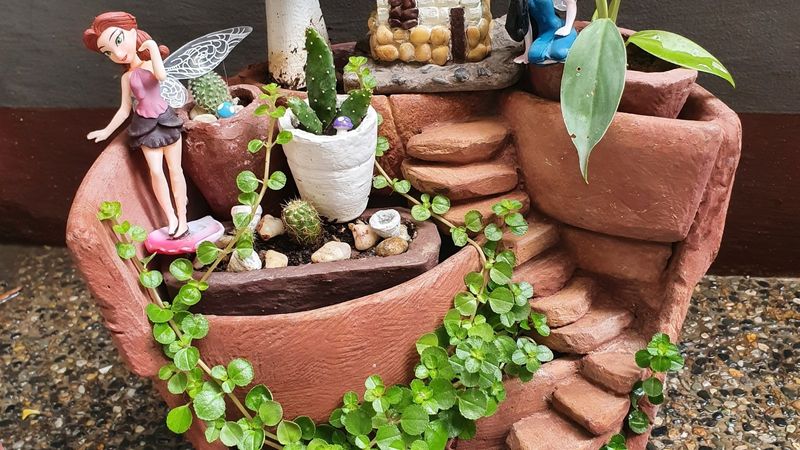
Creeping plants soften hard edges and create that naturally overgrown feeling that makes fairy gardens look truly magical. They trail gently over container rims and weave between decorations, adding movement and organic flow to miniature scenes.
Miniature ivy varieties stay small-leaved and grow slowly enough for fairy garden use. They cascade beautifully over pot edges and can be trained to climb tiny trellises or wrap around fairy houses.
Florida’s humidity suits ivy well though you’ll need to trim regularly to control spreading.
Baby tears creep along soil surfaces with incredibly tiny round leaves that create a delicate carpet effect. This plant spreads steadily without becoming invasive and stays under an inch tall.
It needs consistent moisture and shade to thrive in Florida, especially during hot summer months.
Creeping fig in miniature varieties trails attractively with small heart-shaped leaves. It grows slowly in containers and can create the look of vines climbing miniature walls or structures.
This plant appreciates Florida’s warmth but needs protection from intense afternoon sun.
Managing growth requires regular attention with creeping plants. Trim back aggressive runners every few weeks during growing season to maintain the enchanted but not chaotic look you want.
Florida’s long growing season means more frequent trimming than cooler climates require.
9. Select Shade-Loving Plants For Protected Spots
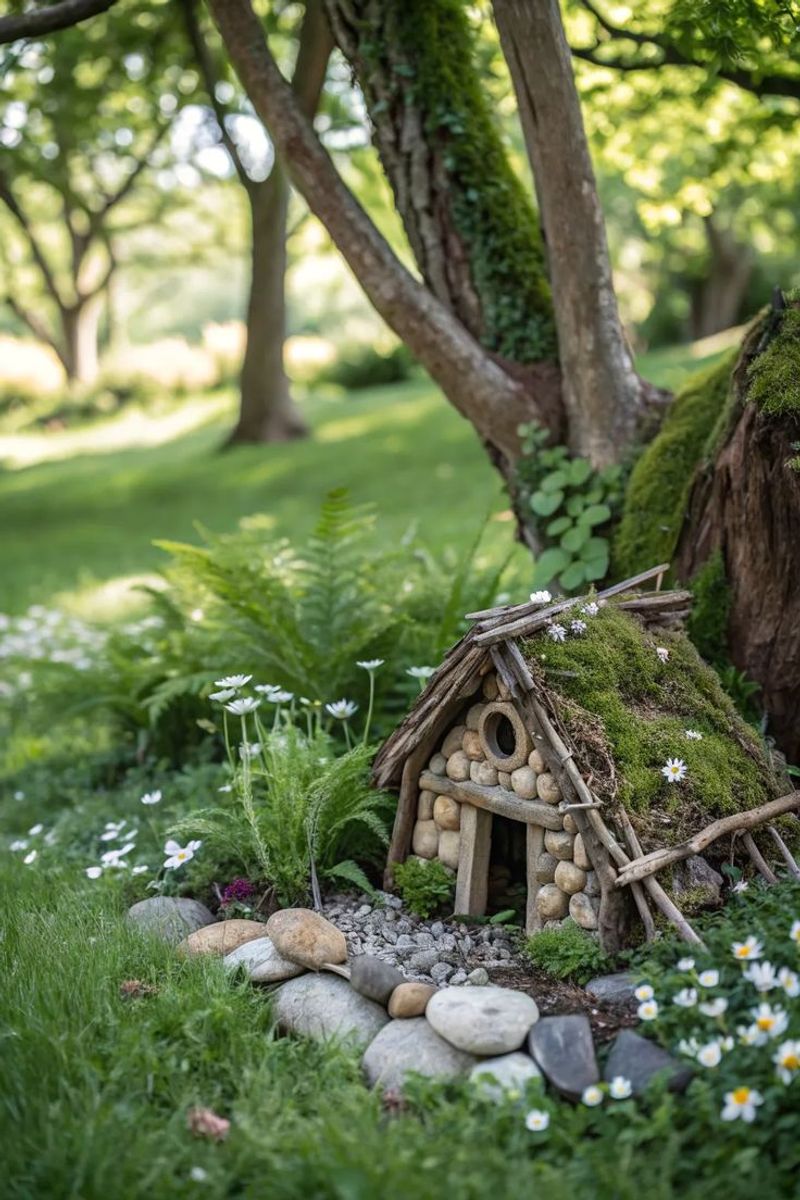
Many fairy gardens in Florida need shade-tolerant plants because intense summer sun makes full-sun gardening challenging at miniature scale. Small containers dry out quickly and plants can scorch in afternoon heat even when they’re labeled sun-loving.
Polka dot plants offer colorful foliage in pink, white, or red patterns on green leaves. Miniature varieties stay under six inches and add wonderful color to shaded fairy gardens.
They thrive in Florida’s humidity and warmth but need protection from direct sun which bleaches their distinctive patterns.
Small begonias bring both flowers and attractive foliage to shaded spots. Rex begonias offer incredible leaf patterns while miniature flowering types bloom continuously in warm weather.
Both handle Florida’s humid shade beautifully and stay compact in containers with limited root space.
Aluminum plant displays striking silver and green striped leaves on a compact plant rarely exceeding eight inches. It loves shade and humidity, making it perfect for Florida fairy gardens under trees or on covered patios.
The metallic leaf coloring adds unique visual interest among green plants.
Shade doesn’t mean dark corners. Most shade plants need bright indirect light to maintain compact growth and good color.
Morning sun with afternoon shade works well, or dappled light under trees where plants receive filtered sun throughout the day.
10. Include Sun-Tolerant Varieties For Bright Locations
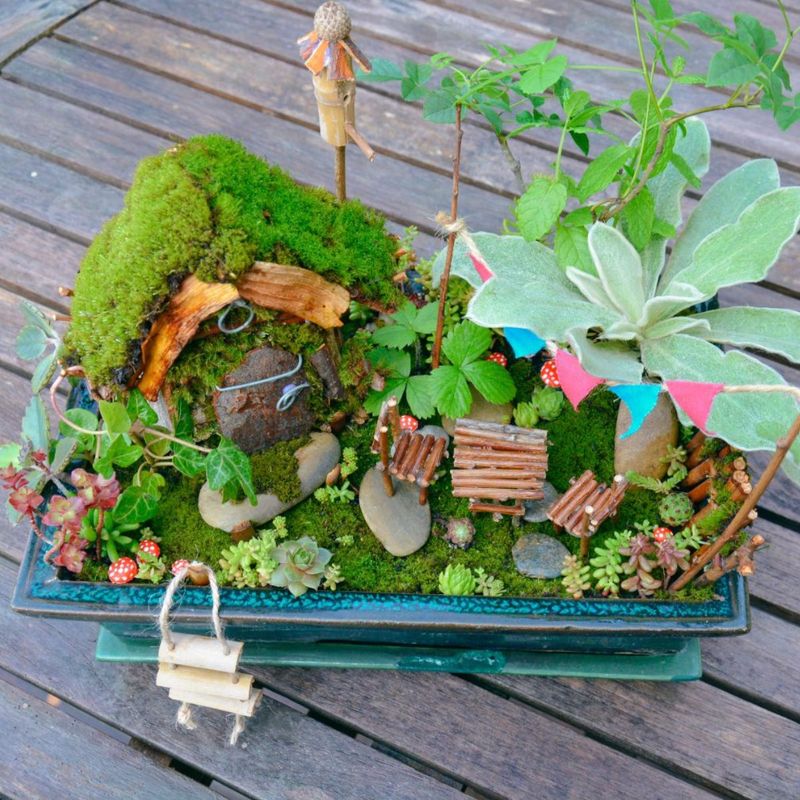
Sunny fairy gardens need tough plants that handle Florida’s intense light and heat without wilting or burning. Small sun-lovers often have thick leaves or waxy coatings that help them manage high temperatures and bright conditions.
Miniature sedums offer incredible variety in colors and textures while tolerating full sun beautifully. Their succulent leaves store water efficiently and they handle heat stress better than most fairy garden plants.
Many varieties stay under four inches and spread slowly to fill spaces.
Dwarf portulaca blooms prolifically in sun with jewel-toned flowers that open on sunny days. This plant laughs at heat and drought, making it perfect for sunny Florida fairy gardens.
It stays low and spreading, rarely exceeding three inches in height but creating colorful mats of flowers.
Small sedge grasses bring fine texture to sunny spots while tolerating Florida’s heat and occasional flooding. They form neat tufts of grass-like foliage and stay compact in containers.
Their neutral green color provides restful contrast to brighter flowering plants.
Watering becomes more critical in sun. Small containers in bright locations may need daily watering during Florida summers because soil dries quickly.
Morning watering helps plants face afternoon heat with adequate moisture. Mulching with fine gravel helps slow evaporation while looking natural at miniature scale.
11. Choose Container-Friendly Plants With Shallow Roots
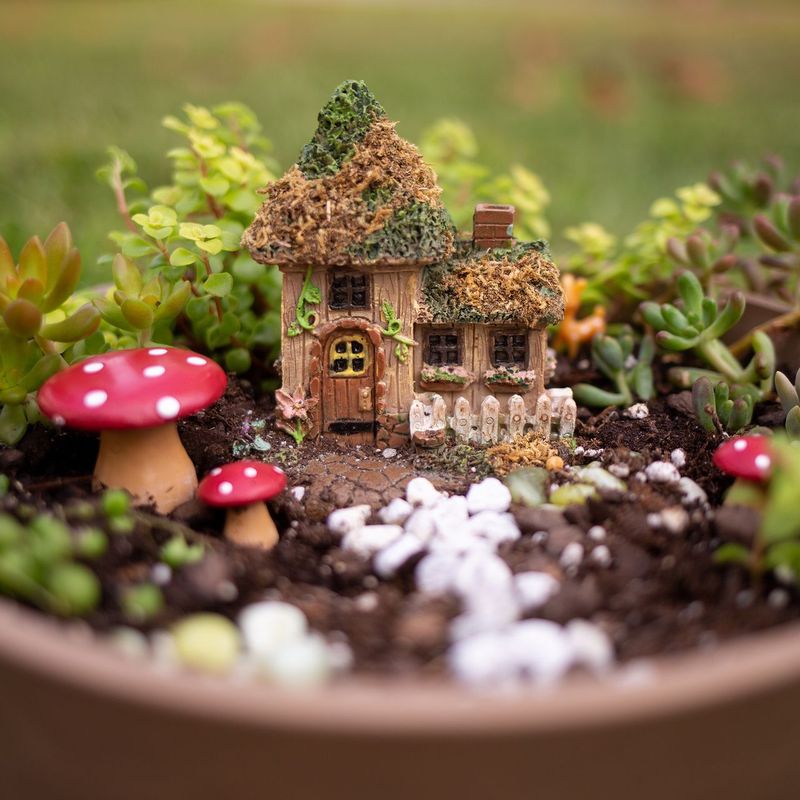
Container fairy gardens need plants with naturally shallow root systems that thrive in limited soil volume. Deep-rooted plants struggle in small pots and quickly become stressed, losing their compact appearance and healthy color.
Peperomia varieties excel in shallow containers with their modest root systems and compact growth. They come in amazing leaf patterns and colors, from rippled surfaces to variegated stripes.
Most stay under six inches and handle Florida’s humidity while tolerating both shade and indirect light.
Nerve plants display intricate vein patterns in pink, white, or red against green leaves. Their shallow roots make them perfect for fairy garden containers and they love Florida’s humidity.
These plants stay low and spreading, creating living carpets of detailed foliage.
Small African violets bloom continuously in bright indirect light with flowers proportional to their miniature leaves. Their shallow root systems prefer small pots where they actually flower more prolifically than in large containers.
They appreciate Florida’s warmth but need protection from direct sun.
Container depth matters less than drainage for shallow-rooted plants. Use pots at least three inches deep with excellent drainage holes.
Shallow containers dry faster in Florida’s heat, requiring more frequent watering but preventing the root rot that deeper pots can encourage during rainy season.
12. Add Seasonal Interest With Plants That Change
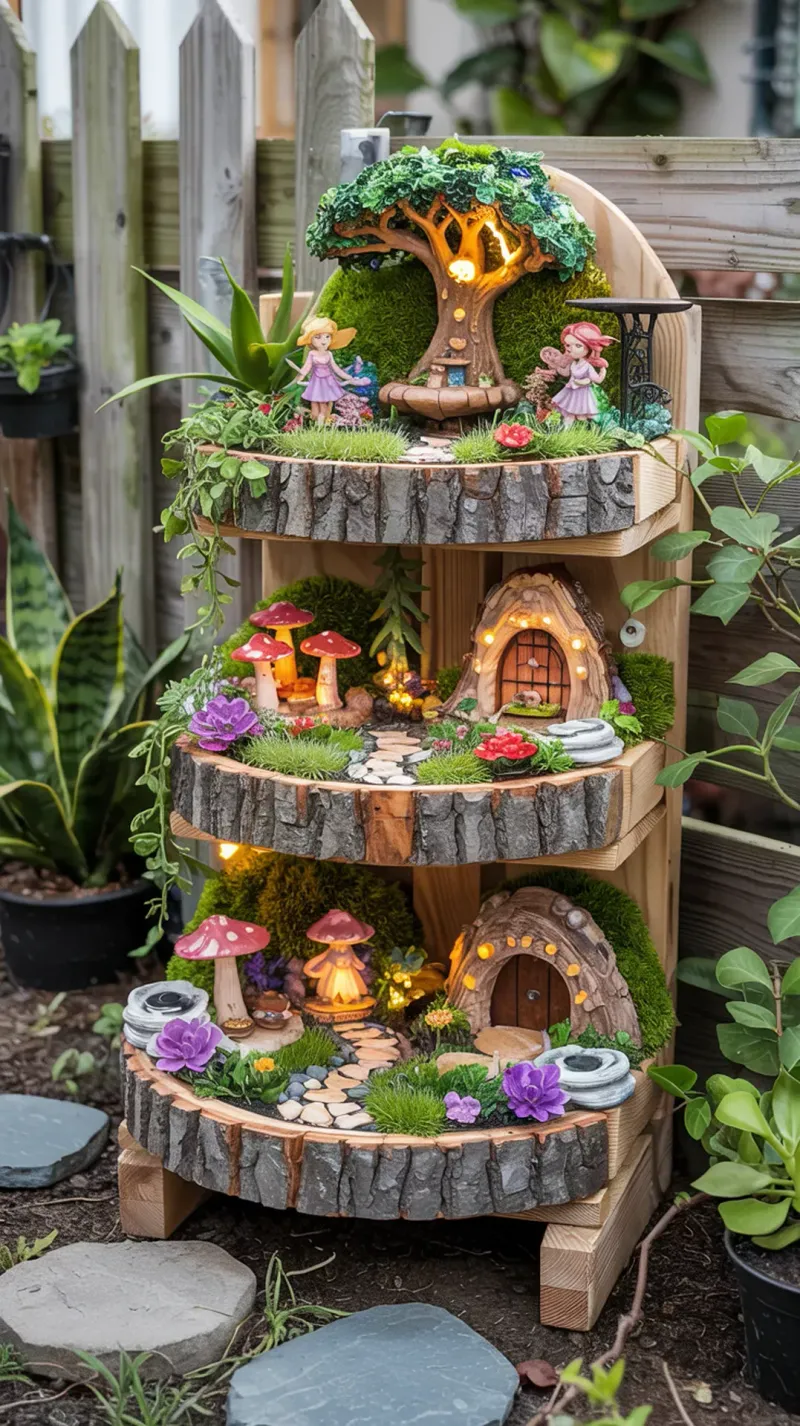
Plants that change with seasons add dynamic interest to fairy gardens, making them look different throughout the year. Florida’s mild winters and long growing seasons mean many plants show seasonal variation in blooming or foliage color.
Miniature coleus varieties offer incredible color changes as light levels shift through seasons. Their leaves intensify in bright light and soften in shade, creating natural seasonal variation.
Some varieties show different colors as temperatures fluctuate between summer heat and cooler winter months in Florida.
Small bulbs like miniature daffodils or rain lilies provide seasonal flowering that signals spring or summer. They wither after blooming but return year after year, creating anticipated seasonal events in your fairy garden.
Rain lilies particularly suit Florida, popping up with flowers after summer thunderstorms.
Deciduous miniatures like tiny Japanese maples show fall color even in Florida’s mild climate. Their leaves shift to orange or red in late autumn before dropping, creating seasonal drama at miniature scale.
New spring growth brings fresh green leaves, marking the change of seasons clearly.
Seasonal maintenance varies with these plants. Some need deadheading after flowering while others require cutting back dormant foliage.
This natural cycle of growth and rest adds realism to fairy gardens and connects them to the larger rhythms of the garden around them.