14 Weeds That Trouble Michigan Gardens And How To Control Them
Every Michigan gardener knows the frustration of watching unwanted plants pop up where they do not belong.
One week your beds look clean and healthy, the next stubborn weeds appear, stealing space, water, and nutrients from the plants you actually want to grow.
Left unchecked, these fast spreading invaders can quickly overrun flower beds, vegetable gardens, and even carefully maintained lawns. The real challenge is not just pulling them out, but understanding why they keep coming back.
Different weeds thrive in different conditions, and knowing what you are dealing with makes control far more effective. With the right approach, it becomes easier to stop the cycle, protect your soil, and keep your garden strong and productive.
A little knowledge and timely action can turn a constant battle into a manageable routine that keeps your outdoor space healthy and thriving all season long.
1. Dandelion (Taraxacum Officinale)
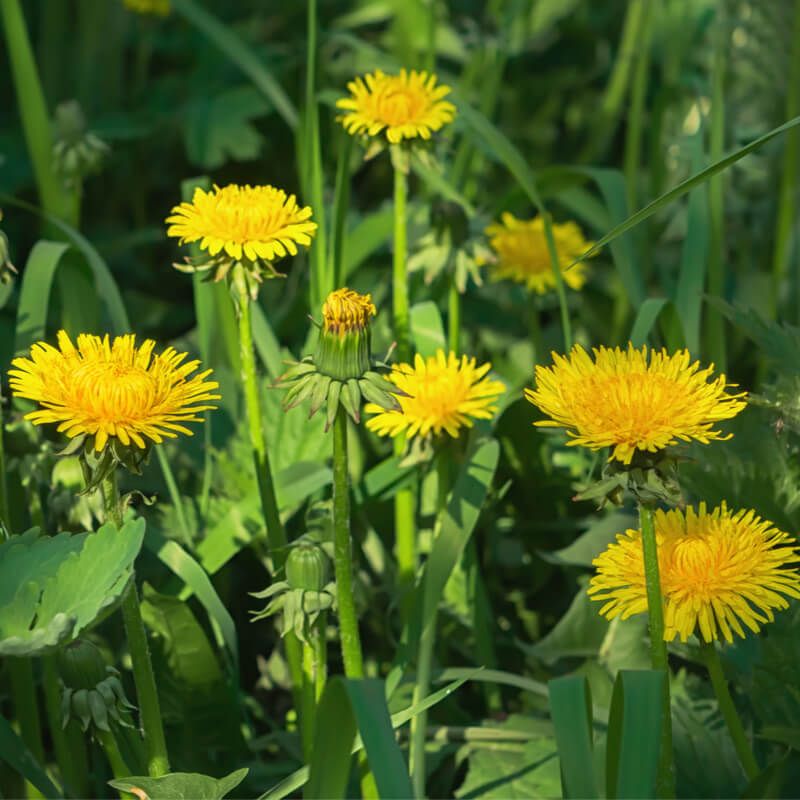
Bright yellow flowers might look cheerful at first glance, but dandelions quickly become a gardener’s persistent headache. These perennial plants pop up everywhere across Michigan, from pristine lawns to carefully tended vegetable gardens.
Their deep taproots can extend more than ten inches into the soil, making removal frustratingly difficult.
The taproot stores nutrients that allow the plant to regrow even after the top portion gets removed. Each flower head produces hundreds of seeds that float away on fluffy white parachutes.
Wind carries these seeds across neighborhoods, ensuring new dandelions appear constantly. Children love blowing the seed heads, but gardeners cringe at the thought.
Manual removal works best when soil is moist and soft after rain. Dig deep enough to extract the entire taproot, or the plant will return within weeks.
A specialized weeding tool with a forked end helps lever out the long root system. For larger infestations, post-emergent herbicides containing 2,4-D prove effective when applied during active growth.
Maintaining a thick, healthy lawn prevents dandelion establishment by crowding out seedlings. Regular mowing before flowers turn to seed reduces spread significantly.
Spot-treating individual plants protects surrounding grass and beneficial plants from unnecessary chemical exposure.
2. Crabgrass (Digitaria Spp.)
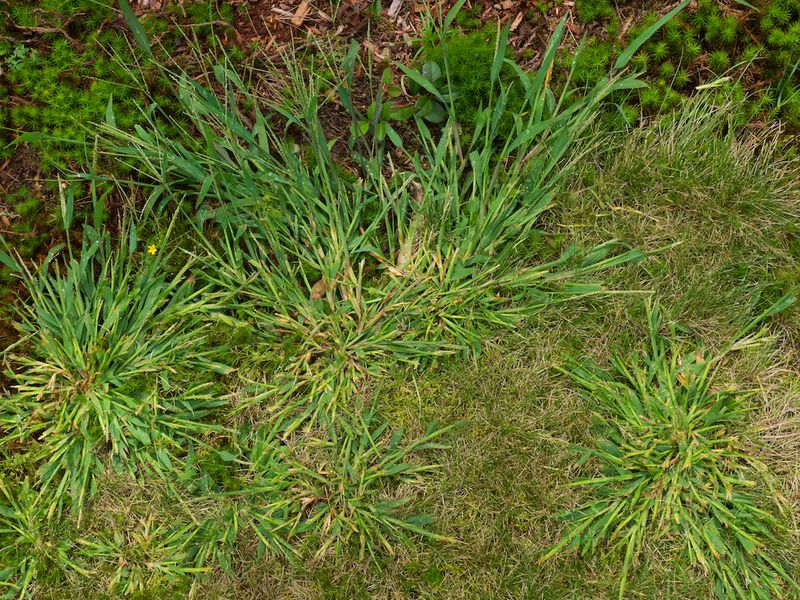
Summer heat brings out this unwelcome guest that spreads across lawns like an uninvited visitor. Crabgrass thrives in Michigan’s warmest months, taking advantage of bare spots and thin turf.
Its low-growing stems radiate outward from a central point, creating unsightly patches that contrast sharply with desired grass species.
This annual plant germinates when soil temperatures reach about 55 degrees Fahrenheit for several consecutive days. Seeds remain viable in soil for years, waiting for the right conditions.
A single mature plant can produce thousands of seeds before autumn frost arrives. Those seeds lie dormant through winter, ready to sprout the following spring.
Prevention works far better than trying to remove established plants. Pre-emergent herbicides applied in early spring create a chemical barrier that prevents seed germination.
Timing is critical, as applications must happen before soil warms enough to trigger sprouting. Dense, healthy turf naturally resists crabgrass invasion by shading soil and occupying space.
Your Michigan Garden Changes Every Week. Your Plan Should Too.
Gardening in Michigan changes quickly throughout the season. Every Friday you’ll receive a simple weekly plan showing exactly what to plant, prune, fertilize, harvest, and protect so you never miss the right timing.
Mowing grass at proper heights discourages crabgrass establishment. Taller grass shades the ground, keeping soil cooler and blocking light that crabgrass seeds need.
Watering deeply but infrequently encourages deep grass roots while discouraging shallow-rooted crabgrass. Hand-pulling small patches before seed formation prevents future problems without chemicals.
3. Chickweed (Stellaria Media)
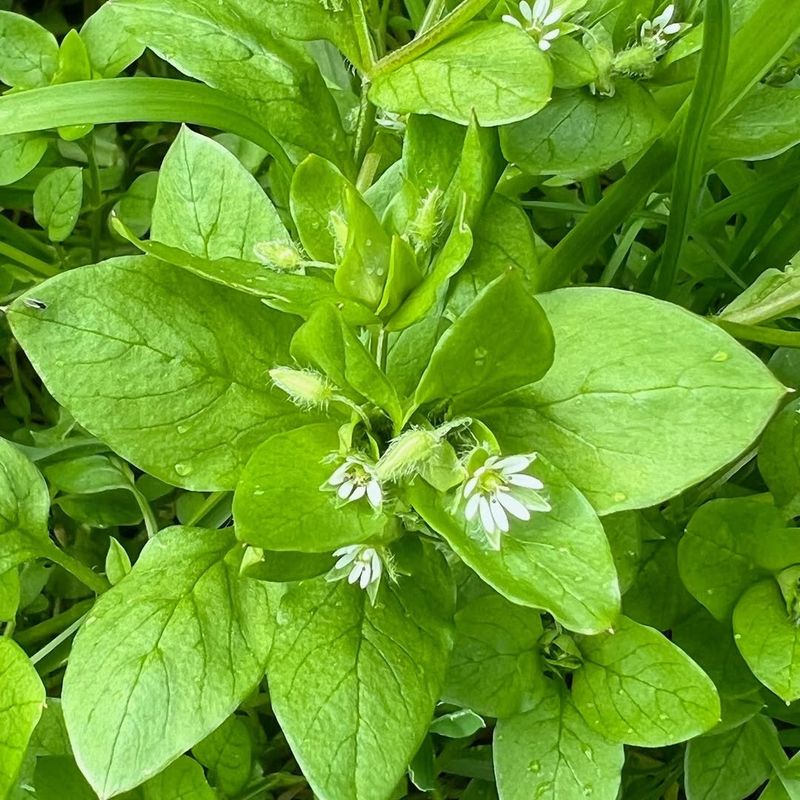
Tiny white flowers and delicate appearance fool many gardeners into underestimating this aggressive spreader. Chickweed loves Michigan’s cool spring weather and moist soil conditions.
This annual plant forms dense mats that smother desirable plants and vegetables. Its stems root at nodes wherever they touch soil, allowing rapid expansion.
Cool temperatures that send other weeds into dormancy trigger chickweed growth spurts. It germinates in fall or early spring, thriving when temperatures hover between 50 and 60 degrees.
The plant produces abundant seeds that remain viable for years. Even tiny fragments left behind during weeding can regenerate into new plants.
Early intervention prevents chickweed from overwhelming garden spaces. Hand-pulling works well when plants are young and soil is moist.
Grab the base of the plant and pull gently but firmly to remove the entire root system. Shallow cultivation with a hoe disrupts chickweed before it sets seed.
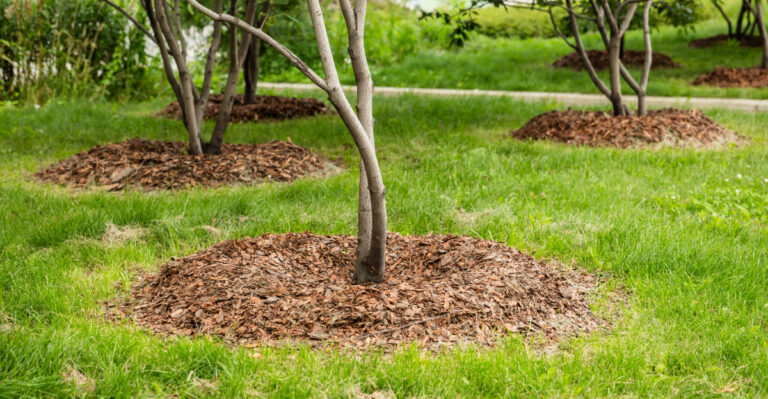
Mulching garden beds with two to three inches of organic material blocks light and prevents germination. Corn gluten meal applied in early spring acts as a natural pre-emergent control.
Maintaining proper soil drainage reduces moisture that chickweed prefers. Regular monitoring allows you to catch new growth before it spreads extensively throughout planting areas.
4. Lambsquarters (Chenopodium Album)
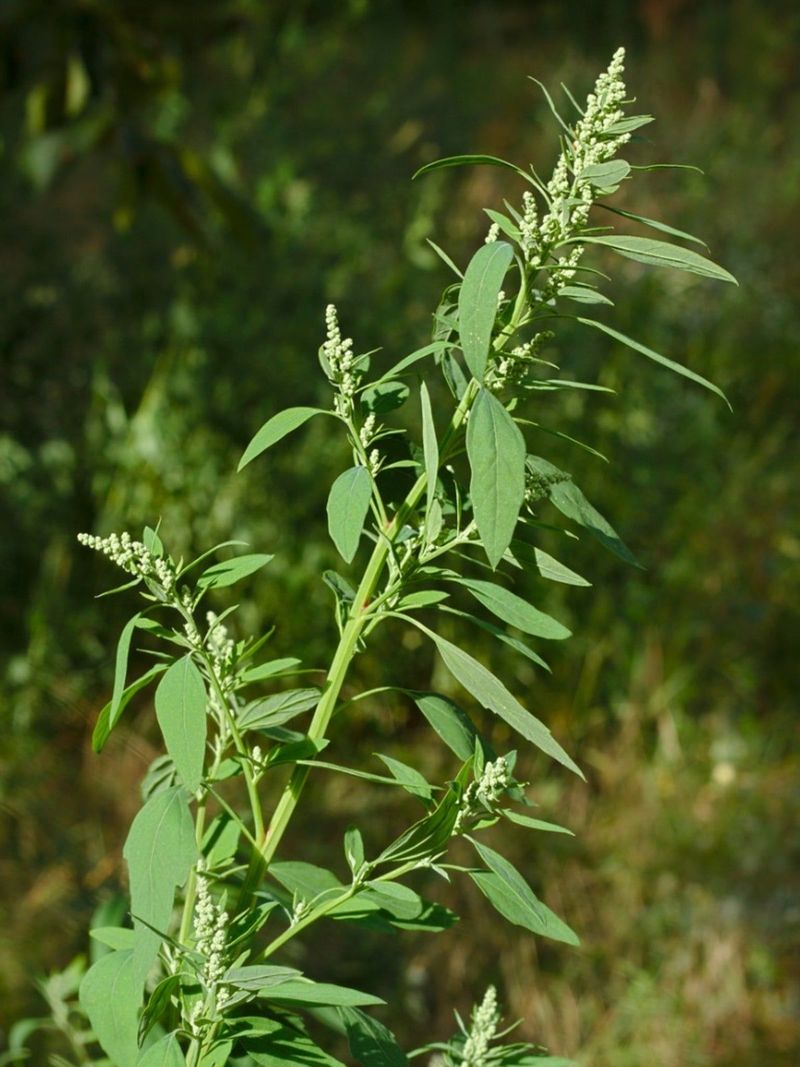
Powdery white coating on leaves gives this fast-growing weed its distinctive appearance. Lambsquarters shoots up rapidly during Michigan’s summer months, often reaching three to four feet tall.
Vegetable gardens provide ideal conditions for this annual plant to thrive. Its broad leaves cast shade over crops, reducing yields and competing for essential nutrients.
Seeds germinate when soil warms in late spring and early summer. Each mature plant can produce tens of thousands of seeds that spread easily.
The coating on leaves helps the plant retain moisture during hot weather. Young lambsquarters are actually edible and nutritious, though most gardeners prefer removing them entirely.
Hoeing small seedlings proves highly effective before roots establish deeply. Slice just below soil surface on a dry, sunny day so uprooted plants desiccate quickly.
Timing matters greatly, as plants removed before flowering prevent seed production. Even one missed plant can produce enough seeds to plague your garden for years.
Thick mulch layers suppress lambsquarters germination by blocking sunlight from reaching seeds. Corn gluten meal provides organic pre-emergent control when applied before seeds sprout.
Regular cultivation between rows disrupts new seedlings before they mature. Cover crops planted in fall occupy space and prevent lambsquarters establishment the following spring season.
5. Bindweed (Convolvulus Arvensis)
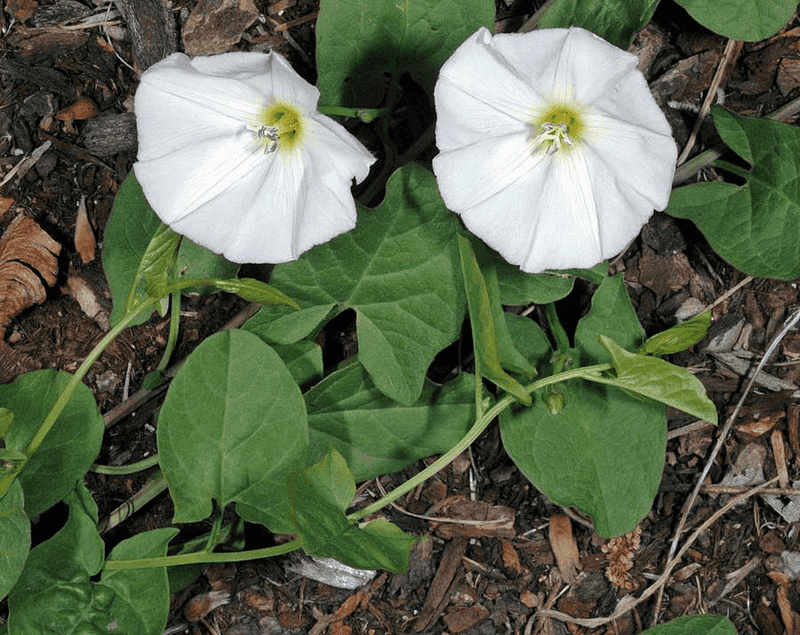
Twining stems wrap around everything in their path, creating a tangled nightmare for Michigan gardeners. Bindweed’s trumpet-shaped flowers might seem pretty, but this perennial vine causes serious problems.
Its extensive root system can extend fifteen feet deep and spread twenty feet horizontally. Breaking roots during removal often makes the problem worse, as each fragment can generate new plants.
The plant emerges in late spring and grows vigorously through summer. Vines can extend several feet in just days, quickly overwhelming flowers and vegetables.
Seeds remain viable in soil for decades, but most spread occurs through underground roots. Even small root pieces left behind after digging will regenerate.
Persistent effort over multiple seasons eventually exhausts root reserves. Cut or pull vines weekly to prevent photosynthesis and energy storage.
This constant stress gradually weakens the underground system. Covering infested areas with black plastic or thick cardboard for an entire growing season starves roots of light.
Systemic herbicides applied to foliage travel through the plant to roots. Multiple applications throughout the growing season work better than single treatments.
Apply when vines actively grow and flowers begin appearing. Spot-treating individual plants protects nearby desirable vegetation from chemical exposure and environmental impact.
6. Purslane (Portulaca Oleracea)
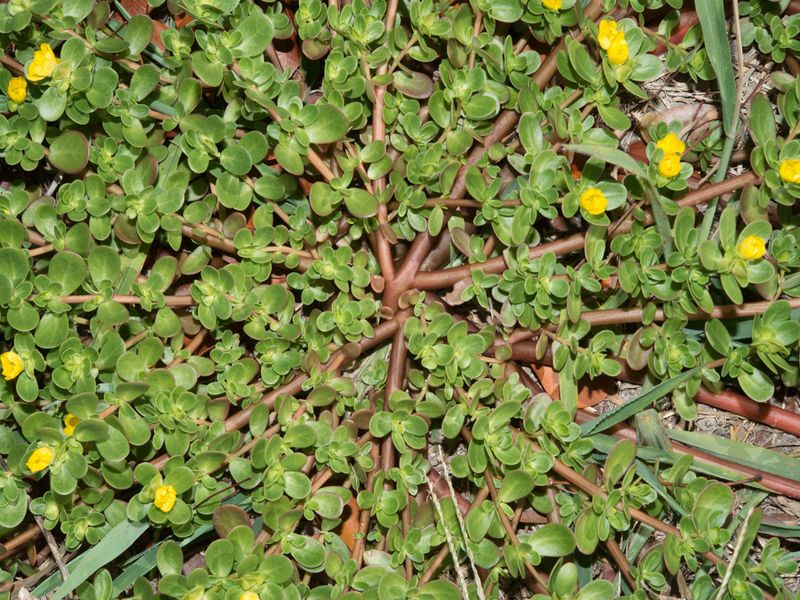
Fleshy, succulent leaves store water that helps this plant survive Michigan’s hottest, driest summer days. Purslane spreads rapidly across bare soil in vegetable gardens and flower beds.
Its low-growing habit and thick stems create dense mats that crowd out desired plants. Small yellow flowers produce tiny black seeds in remarkable quantities.
Heat-loving purslane thrives when temperatures soar above 80 degrees Fahrenheit. It germinates throughout summer wherever soil gets disturbed.
The plant’s succulent nature allows it to survive conditions that stress other species. Broken stem pieces readily root when they contact moist soil.
Hand-pulling works effectively when you remove the entire plant before seed formation. Grab stems near the soil line and pull gently to avoid breaking.
Collect pulled plants in containers rather than leaving them on soil surface. Their ability to root from fragments means discarded plants can establish new colonies.
Mulching bare soil with organic materials prevents purslane germination by blocking light. Apply mulch three inches deep around vegetables and ornamentals.
Regular cultivation with a hoe disrupts young seedlings before they mature. Interestingly, purslane is edible and highly nutritious, containing omega-3 fatty acids.
Some gardeners harvest young plants for salads rather than considering them pure nuisances in growing spaces.
7. Creeping Charlie (Glechoma Hederacea)
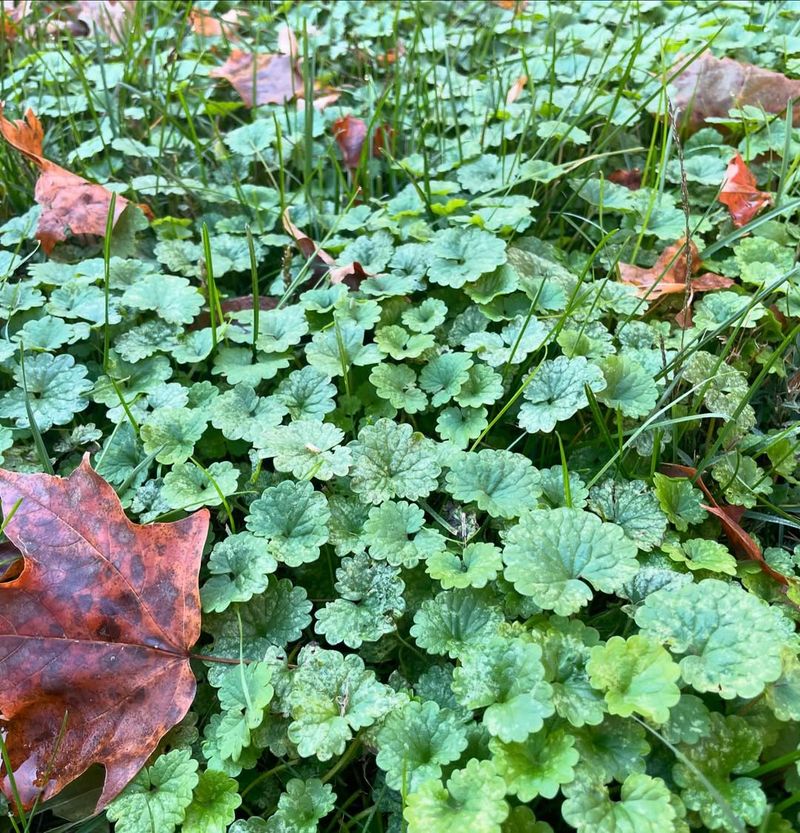
Round, scalloped leaves with a distinctive minty scent spread aggressively through Michigan lawns and gardens. Creeping Charlie earned its name from the way it creeps along the ground.
This perennial vine roots at every node where stems touch soil. Shady, moist areas provide perfect conditions for rapid expansion.
The plant thrives where grass struggles, particularly under trees and along building foundations. Small purple flowers appear in spring, but most spread occurs vegetatively through stems.
Each rooted node can become a new plant if separated. Traditional lawn care practices often favor this weed over desirable grass species.
Hand-pulling requires removing every bit of stem and root to prevent regrowth. Work when soil is moist to extract roots more completely.
Frequent mowing weakens the plant by removing foliage needed for photosynthesis. Set mower blades higher to encourage thick grass that shades out creeping Charlie.
Improving growing conditions for grass reduces creeping Charlie’s competitive advantage. Prune tree branches to increase sunlight reaching lawn areas.
Core aeration improves drainage in compacted soil. Selective broadleaf herbicides containing triclopyr effectively target creeping Charlie without harming grass.
Fall applications work best when the plant actively transports nutrients to roots for winter storage, carrying herbicide throughout the system.
8. Quackgrass (Elymus Repens)
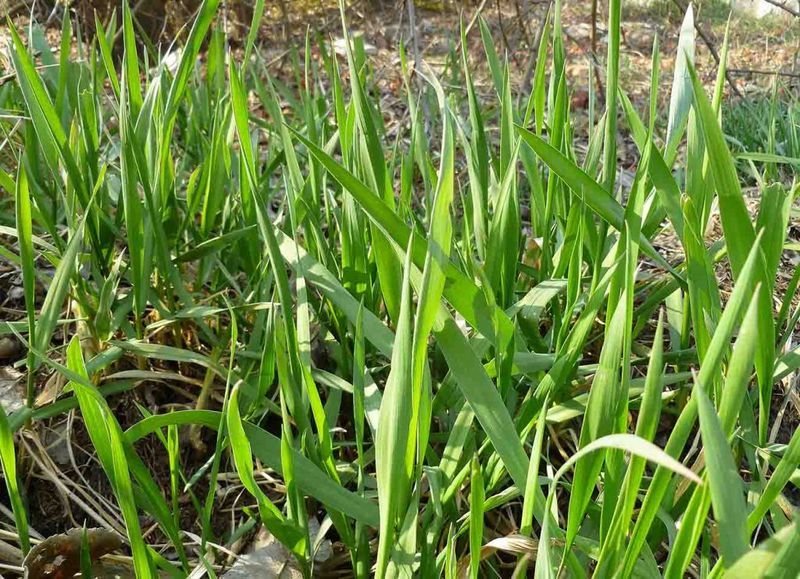
Coarse texture and rapid spread make quackgrass one of Michigan’s most frustrating lawn invaders. This perennial grass looks similar to desirable turf species but grows more aggressively.
Underground rhizomes spread horizontally, producing new shoots every few inches. These white, pointed rhizomes can penetrate through other plant roots and even potato tubers.
The plant remains green and actively grows during cool spring and fall weather. It outcompetes traditional lawn grasses by establishing deeper roots and spreading more vigorously.
Each rhizome segment left in soil can generate a new plant. Tilling infested areas often worsens problems by chopping rhizomes into numerous pieces.
Smothering with thick layers of cardboard or landscape fabric for an entire season exhausts rhizomes. Cover the barrier with mulch to hold it in place and improve appearance.
This method requires patience but avoids chemical use. Repeatedly removing all visible growth eventually depletes underground energy reserves.
Maintaining dense, healthy turf through proper fertilization and watering helps resist quackgrass invasion. Grass mowed at appropriate heights shades soil and reduces opportunities for establishment.
Spot-treating with glyphosate eliminates patches but requires reseeding bare areas afterward. Apply herbicide when quackgrass actively grows for maximum effectiveness and absorption into the extensive underground network.
9. Pigweed (Amaranthus Spp.)
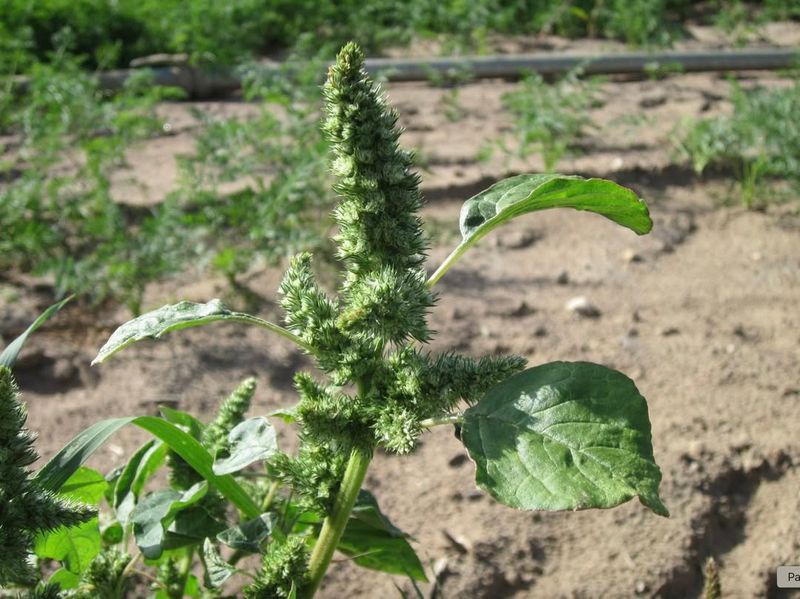
Rapid growth and towering height make pigweed a formidable competitor in Michigan vegetable gardens. This summer annual can shoot up several inches daily during peak growing season.
Some species reach six feet tall, casting shade over tomatoes, peppers, and other crops. The plant develops a strong taproot that extracts moisture and nutrients efficiently.
Seeds germinate when soil warms in late spring and continue sprouting throughout summer. Each mature plant produces hundreds of thousands of tiny seeds that remain viable for decades.
Reddish stems and oval leaves help distinguish pigweed from other garden plants. Flowers form dense, bristly spikes at stem tips and leaf axils.
Early removal prevents pigweed from reaching problematic sizes. Pull or hoe seedlings when they’re just inches tall and roots haven’t established deeply.
Working after rain makes removal easier and more complete. Even young plants can regrow if roots remain in soil.
Mulching garden beds heavily suppresses pigweed germination throughout the growing season. Apply organic mulch three to four inches deep around vegetables.
Corn gluten meal provides natural pre-emergent control when applied before seeds sprout. Flame weeding with a propane torch quickly dispatches small seedlings without disturbing soil.
Regular cultivation between rows catches new germination before plants mature and produce their prolific seed quantities.
10. Common Mallow (Malva Neglecta)
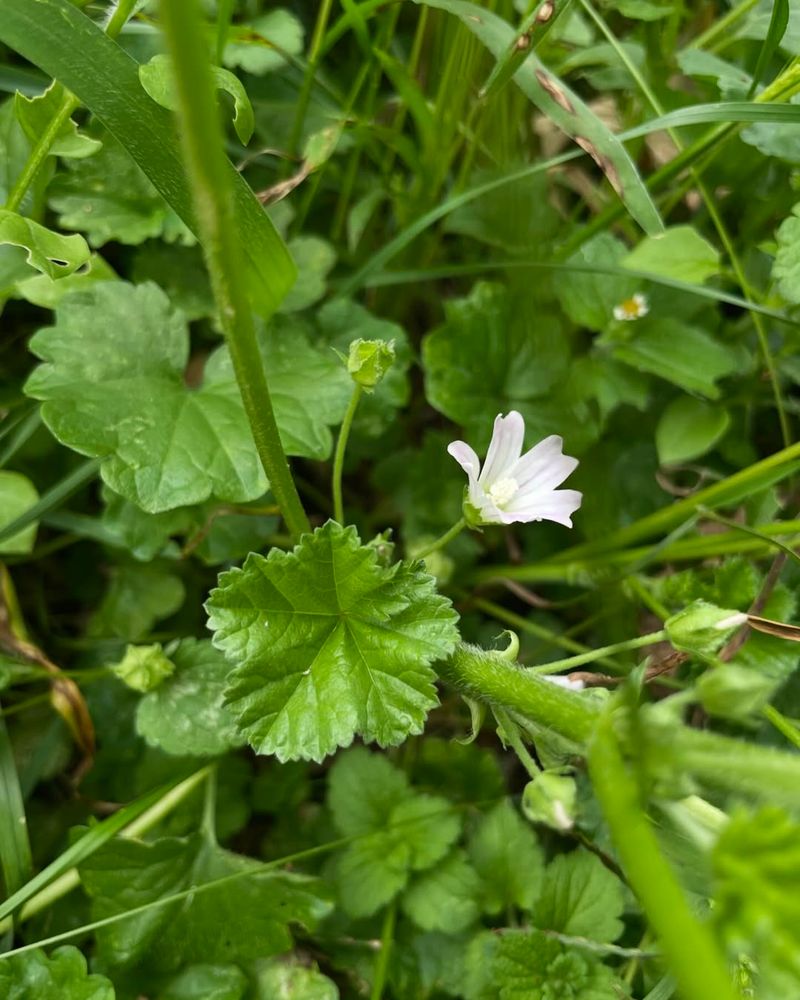
Round, scalloped leaves resembling tiny lily pads identify this persistent broadleaf weed. Common mallow forms low-growing rosettes that spread across Michigan gardens.
This biennial or short-lived perennial develops a deep taproot during its first year. Small white or pink flowers appear throughout summer, producing seeds that look like tiny cheese wheels.
The plant tolerates a wide range of conditions, from full sun to partial shade. It thrives in compacted soil where other plants struggle.
Mallow competes vigorously with vegetables for water and nutrients. Its spreading growth habit can smother smaller plants and seedlings.
Hand-pulling works best when plants are young and taproots haven’t developed fully. Dig deeply to remove the entire root system, as fragments can regenerate.
A dandelion weeder or similar tool helps extract taproots more completely. Work when soil is moist for easier removal.
Mulching prevents seed germination by blocking light from reaching the soil surface. Apply organic mulch several inches deep around garden plants.
Broadleaf herbicides effectively control mallow when applied during active growth. Treat before flowering to prevent seed production.
Improving soil conditions and reducing compaction makes the environment less favorable for mallow while benefiting desired plants. Regular monitoring catches new growth before it becomes established and more difficult to remove completely.
11. Wild Violet (Viola Spp.)
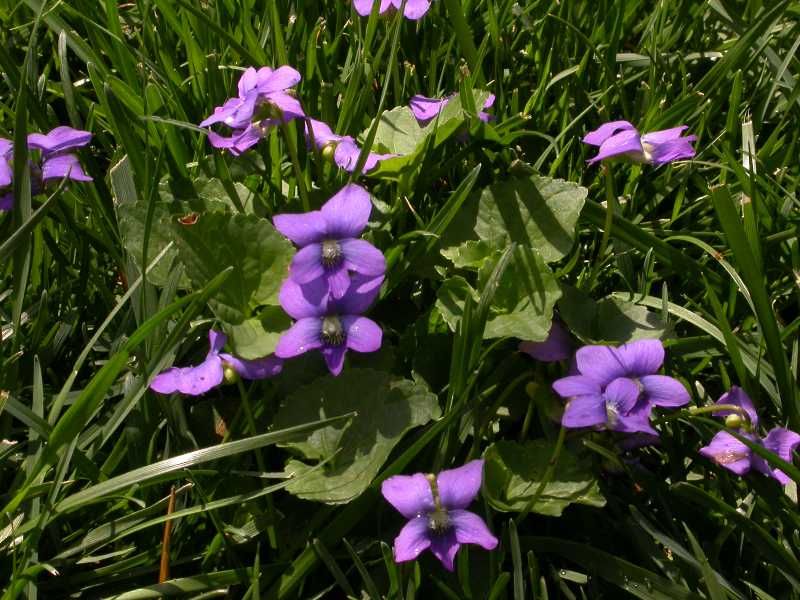
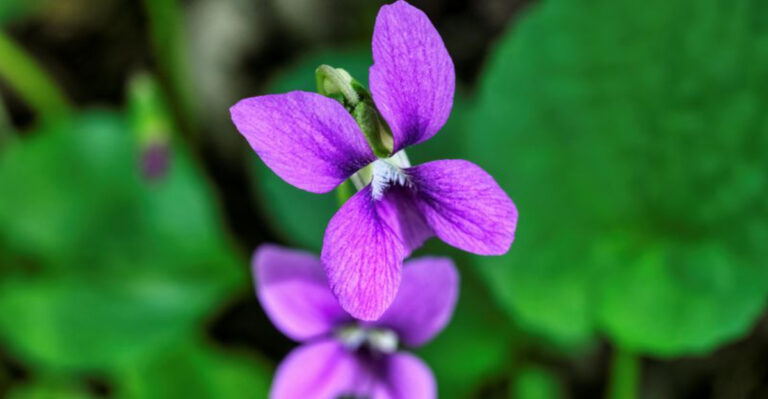
Heart-shaped leaves and charming purple or white flowers make wild violets seem innocent at first. These low-growing perennials spread persistently through Michigan lawns and gardens.
They form dense colonies that crowd out grass and other desired plants. The plant spreads both by seed and underground rhizomes.
Violets thrive in shady, moist areas where grass struggles to grow thick and healthy. They produce flowers in spring, but cleistogamous flowers hidden among leaves set seed without opening.
These hidden flowers ensure reproduction even without pollination. Seeds have attachments that attract ants, which carry them to new locations.
Hand-pulling removes individual plants but requires extracting the entire root system. Work when soil is moist to make removal easier and more complete.
Even small root fragments can regenerate new plants. Repeated removal over time eventually exhausts the colony.
Improving growing conditions for grass helps it compete more effectively against violets. Prune overhanging tree branches to increase sunlight reaching lawn areas.
Core aeration reduces soil compaction and improves drainage. Selective broadleaf herbicides containing triclopyr control violets without harming grass.
Fall applications work best when plants actively move nutrients to roots. Multiple treatments may be necessary for established colonies.
Some gardeners choose to embrace violets as attractive groundcovers rather than fighting their persistent nature in shady areas.
12. Creeping Jenny (Lysimachia Nummularia)
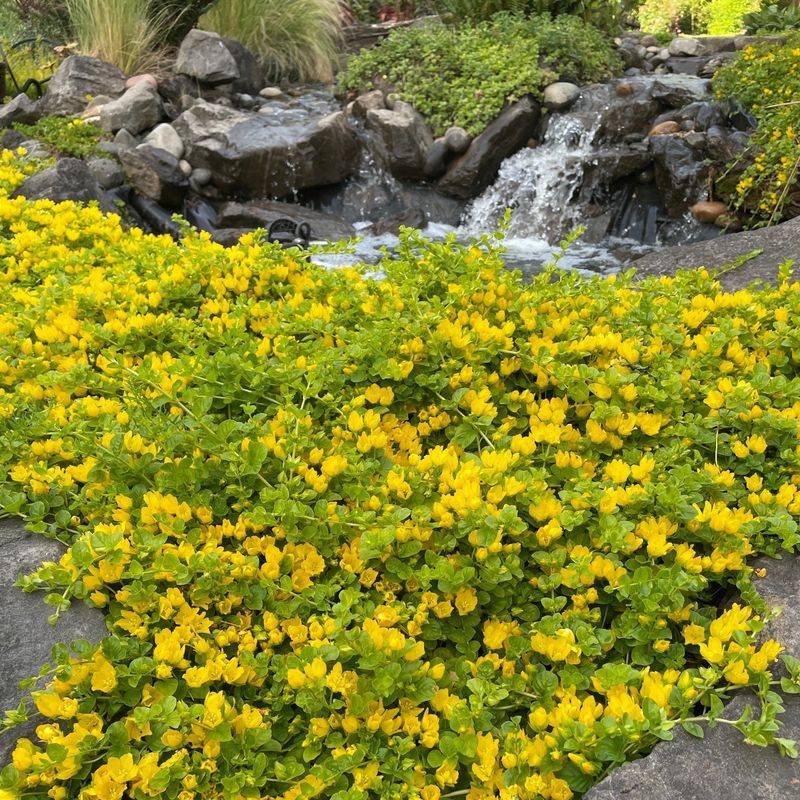
Bright yellow flowers and round leaves make creeping Jenny popular as an ornamental groundcover. However, this perennial quickly escapes cultivation and invades natural areas throughout Michigan.
It forms dense mats that exclude native plants and reduce biodiversity. Stems root at every node, allowing rapid spread across moist soil.
The plant thrives in wet areas along streams, pond edges, and poorly drained garden spots. It tolerates both sun and shade, adapting to various conditions.
Fragments broken off by foot traffic or maintenance equipment establish new colonies downstream or in new locations. Seeds also contribute to spread.
Manual removal requires extracting every stem and rooted node to prevent regrowth. Work systematically through infested areas, checking carefully for missed fragments.
Bag and dispose of all removed material rather than composting. Even small pieces can root and establish if left on moist soil.
Restricting planting to containers prevents escape into garden areas and natural habitats. Use creeping Jenny in hanging baskets or pots where it cannot spread.
Replace it with native groundcovers that provide similar visual appeal without invasive tendencies. Repeated cutting weakens plants by preventing photosynthesis.
Covering infested areas with landscape fabric or thick mulch for an entire season smothers plants. Monitor previously infested areas for several years, as seeds may germinate from the soil seed bank.
13. Horsetail (Equisetum Arvense)
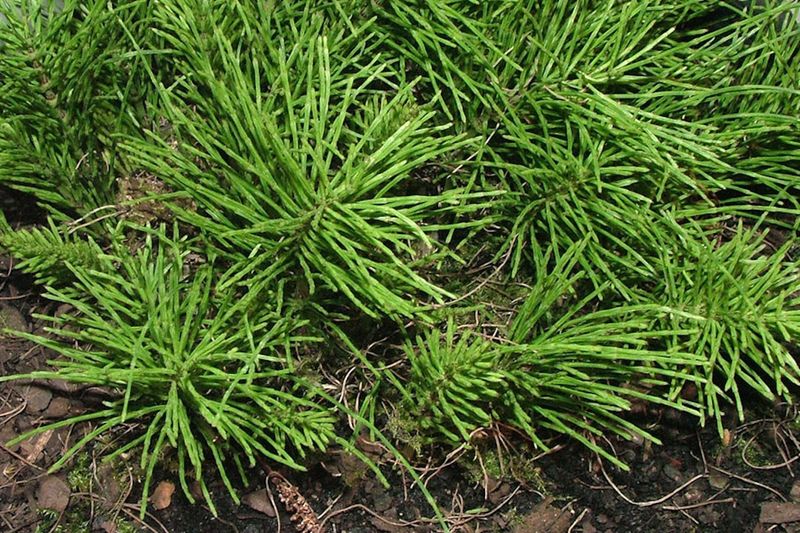
Prehistoric appearance and incredible persistence make horsetail one of Michigan’s most challenging weeds to control. This perennial spreads through extensive underground rhizomes that can extend six feet deep.
Hollow, jointed stems contain silica, making them feel rough and abrasive. The plant reproduces through spores rather than seeds.
Horsetail thrives in moist, acidic soil with poor drainage. It often indicates compacted earth or areas where water collects.
The plant emerges in spring, first producing fertile stems topped with cone-like spore structures. Later, sterile green stems with whorled branches appear and persist through summer.
Mechanical removal proves extremely difficult due to deep, brittle rhizomes. Digging often leaves fragments that quickly regenerate new plants.
Breaking rhizomes can actually stimulate more vigorous growth. Physical barriers like landscape fabric must extend several feet deep to prevent rhizome penetration.
Improving drainage reduces conditions favorable for horsetail establishment. Add organic matter to heavy clay soil and install drainage systems in perpetually wet areas.
Raising soil pH through lime applications creates less favorable conditions. Repeated cutting of above-ground growth over multiple seasons gradually weakens rhizomes.
Systemic herbicides show limited effectiveness due to the plant’s waxy coating and deep root system. Multiple applications throughout the growing season provide better results than single treatments.
Patience and persistence over several years are essential.
14. Velvetleaf (Abutilon Theophrasti)
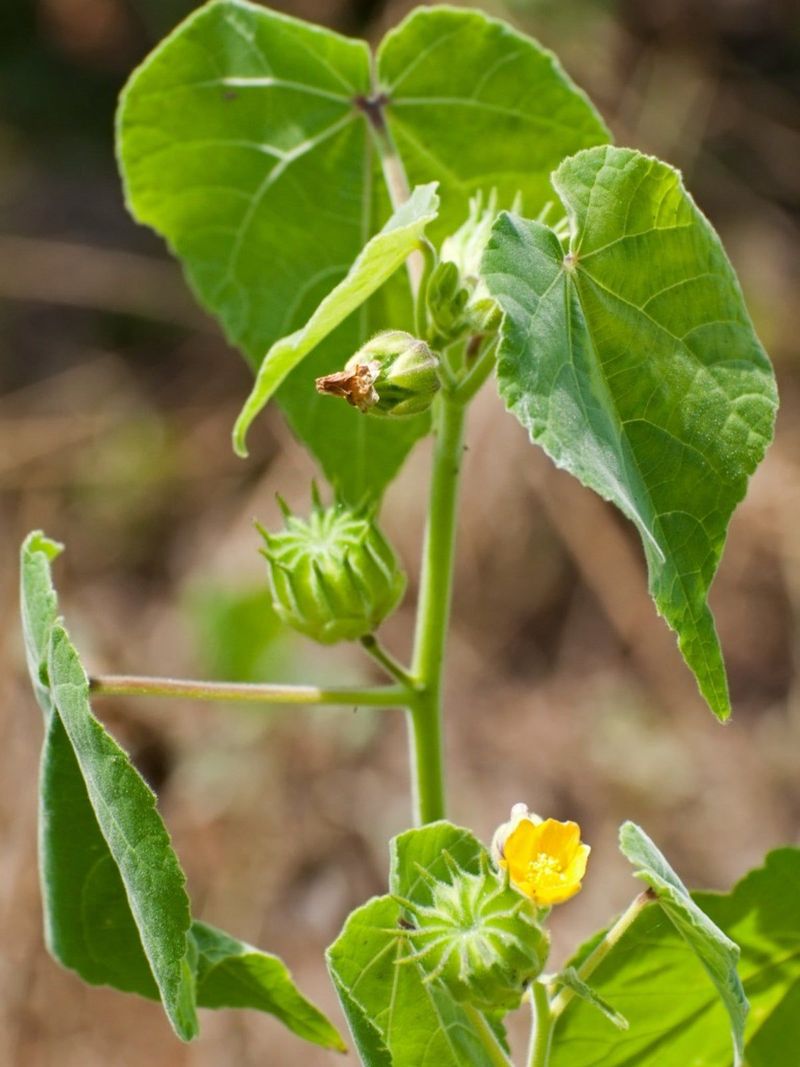
Large, heart-shaped leaves covered in soft hairs give velvetleaf its distinctive name and texture. This summer annual grows rapidly in Michigan vegetable gardens, sometimes reaching six feet tall.
The plant’s broad leaves cast dense shade over crops, reducing yields significantly. A single mature plant can produce thousands of seeds that remain viable for decades.
Seeds germinate when soil warms in late spring and early summer. Velvetleaf emerges slightly later than many other summer annuals.
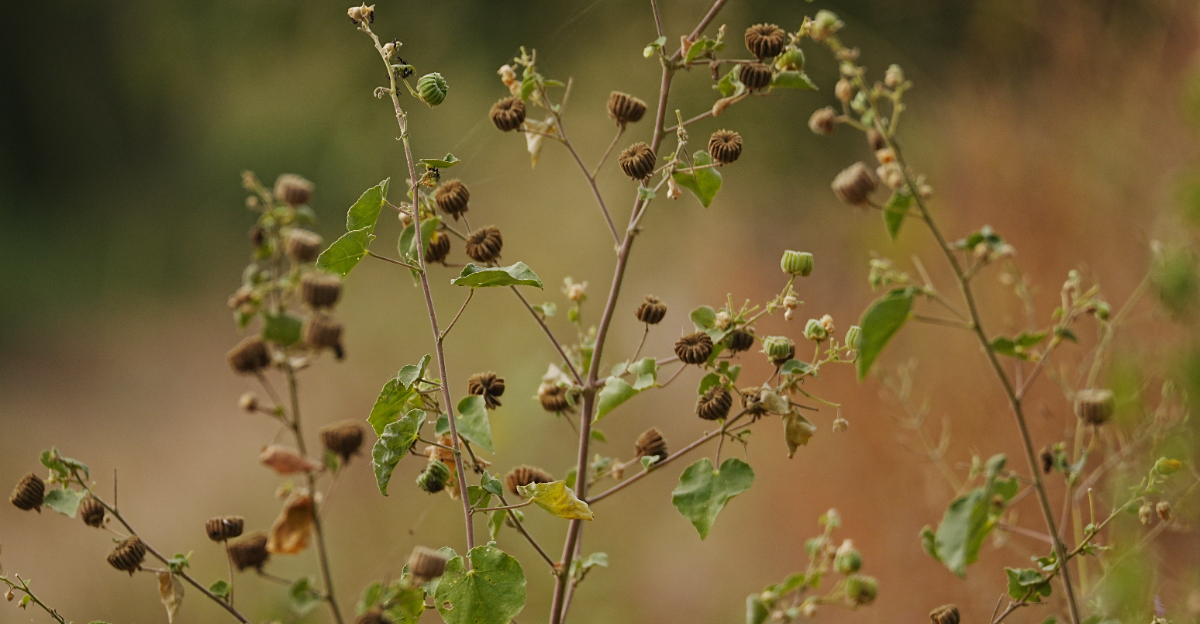
The plant develops a strong taproot that makes pulling difficult once established. Yellow flowers appear in mid-summer, followed by seed capsules arranged in a ring.
Early removal prevents velvetleaf from reaching problematic sizes and producing seeds. Pull or hoe seedlings when they’re small and roots haven’t developed extensively.
The distinctive velvety leaves make young plants easy to identify. Work after rain when soil is soft for easier, more complete removal.
Mulching heavily around vegetables suppresses velvetleaf germination throughout the growing season. Apply organic mulch three to four inches deep.
Cultivate between rows regularly to catch new seedlings before they mature. Pre-emergent herbicides applied before seeds germinate provide effective control.
Post-emergent herbicides work on small plants but become less effective as velvetleaf matures. Scout gardens regularly during early summer to catch and remove this weed before it produces its abundant, long-lasting seeds.