8 Unlucky Plants You Should Avoid Bringing Indoors In Texas
Bringing plants indoors can add beauty, freshness, and a calming touch to any Texas home, but not every plant is considered a good choice for indoor spaces.
Some plants have long been linked with negative symbolism, difficult care, or unexpected issues that make them less welcome inside.
Others may struggle in indoor conditions, dropping leaves, attracting pests, or creating extra maintenance instead of enjoyment.
While many houseplants bring comfort and positive energy, a few are often avoided by homeowners who want a more harmonious and easygoing indoor environment.
Understanding which plants might cause problems can help you make better choices when decorating your space. Choosing wisely keeps your home feeling balanced, comfortable, and inviting.
With the right selections, your indoor garden can remain beautiful, stress free, and full of positive, refreshing energy throughout the year.
1. Cactus Plants
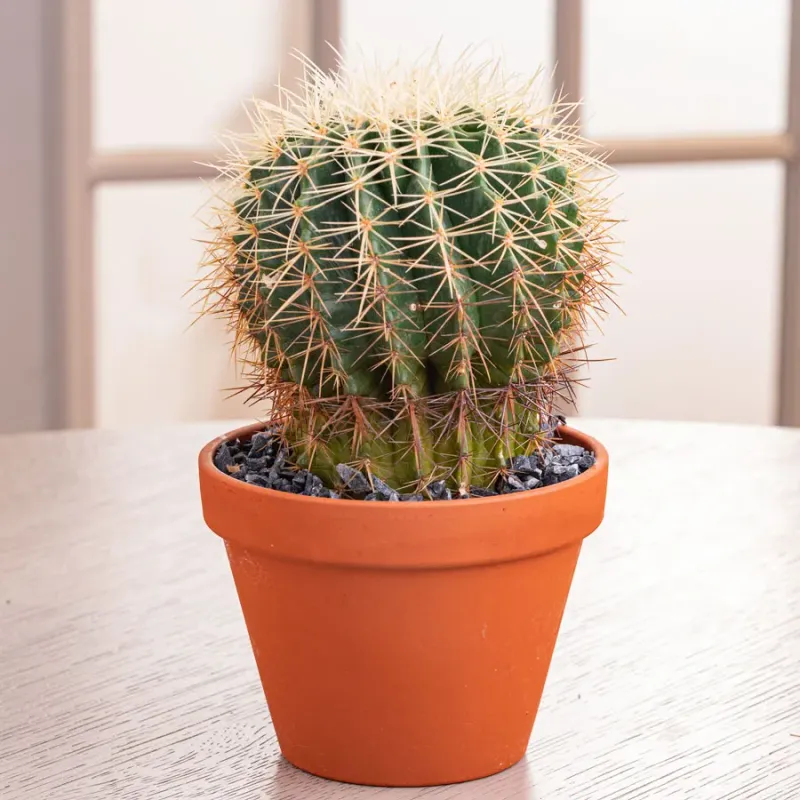
Bringing a cactus indoors might seem like a natural choice for Texas residents, but many cultures consider these spiky plants bad luck inside the home. The sharp needles are believed to create negative energy and disrupt the peaceful flow of your living space.
Instead of inviting calm and comfort, cacti can make a room feel hostile and unwelcoming to guests and family members alike.
Beyond superstition, cacti present practical problems for indoor spaces across Texas. Their sharp spines pose a real danger to children and pets who might accidentally brush against them.
One wrong move near a cactus can lead to painful pricks that are difficult to remove and can cause infections if not treated properly.
Cacti also require very specific care conditions that most Texas homes cannot easily provide. They need intense, direct sunlight for many hours each day, which is hard to achieve indoors even in sunny Texas.
Without proper light, these desert dwellers become weak and stretched out, losing their compact shape and healthy appearance.
The watering needs of cacti are equally tricky for indoor growing. Too much moisture in your air-conditioned Texas home can lead to root rot and fungal problems.
Most people end up either overwatering or underwatering these finicky plants, leading to disappointment and wasted effort in your indoor garden.
2. Tamarind Tree Seedlings
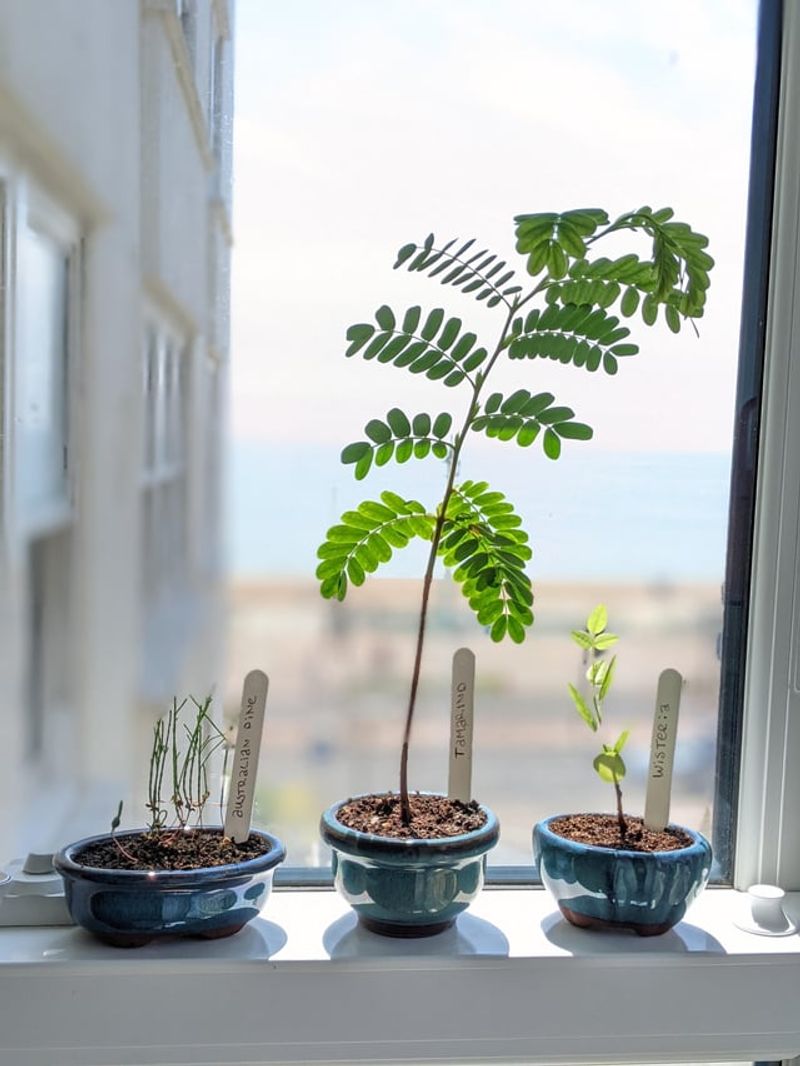
Many folks in Texas might not know that tamarind seedlings carry a heavy burden of superstition when grown indoors. These tropical trees are considered extremely unlucky in several cultures, believed to attract negative spirits and dark energy into your home.
People who follow these traditions say that tamarind trees can bring financial troubles and family disputes when kept inside living spaces.
Tamarind seedlings quickly outgrow any indoor space you might provide in your Texas home. These trees naturally reach heights of 60 to 80 feet in their native environment, and even young plants grow rapidly with vigorous root systems.
Keeping them contained in pots stunts their growth and creates an unhealthy, stressed plant that struggles to thrive in confined quarters.
The compound leaves of tamarind trees drop frequently, creating a constant mess on your floors and furniture.
This shedding increases when the plant experiences stress from being kept indoors, which happens often in Texas homes where temperature and humidity fluctuate with air conditioning cycles.
Your Texas Garden Changes Every Week. Your Plan Should Too.
Gardening in Texas changes quickly throughout the season. Every Friday you’ll receive a simple weekly plan showing exactly what to plant, prune, fertilize, harvest, and protect so you never miss the right timing.
You will find yourself constantly sweeping up fallen leaflets and dealing with the cleanup.
Indoor tamarind seedlings also attract various pests that can spread to your other houseplants. Spider mites, scale insects, and aphids love these trees and multiply quickly in the warm indoor environment common in Texas homes.
Managing these pest problems becomes an ongoing battle that most indoor gardeners would rather avoid completely.
3. Cotton Plants
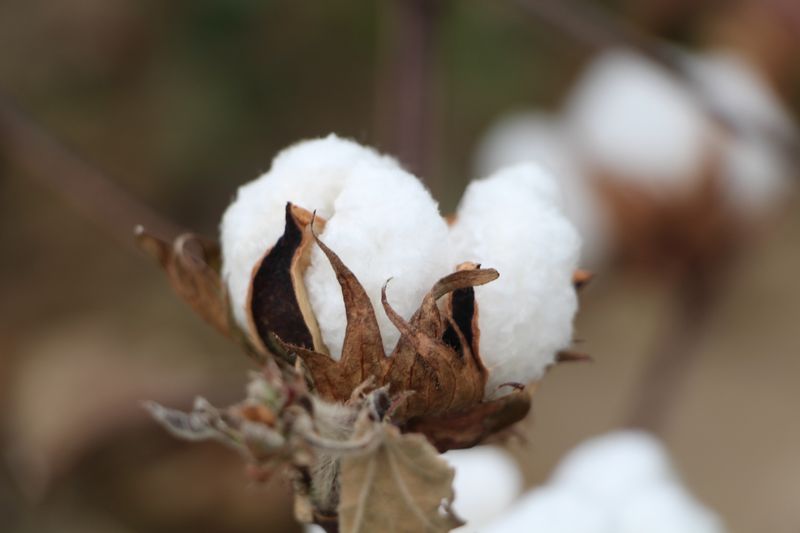
Cotton plants hold a complicated place in Texas history, and many believe they should never be grown indoors as decorative plants. The association with difficult times and hard labor makes cotton an uncomfortable choice for home decor in the Lone Star State.
Some folks feel that bringing cotton indoors invites memories of struggle and hardship rather than prosperity and peace.
Growing cotton indoors presents serious challenges that make it impractical for most Texas homes. These plants need extremely bright light for at least eight hours daily, which is nearly impossible to achieve indoors without expensive grow lights.
Without adequate illumination, cotton plants become leggy and weak, producing few if any of the fluffy white bolls that make them recognizable.
Cotton plants are also magnets for common indoor pests that plague Texas houseplants. Whiteflies, aphids, and spider mites find cotton irresistible and can quickly infest your entire indoor garden.
Once these pests establish themselves on your cotton plant, they spread rapidly to nearby plants and become extremely difficult to eliminate from your home.
The space requirements for cotton plants make them unsuitable for indoor growing in Texas residences. These plants can reach three to six feet in height and spread almost as wide, taking up valuable floor space in your home.
They also require consistent warmth and cannot tolerate the cool temperatures that many Texans prefer for sleeping comfort during hot summer months.
4. Mehendi Plants
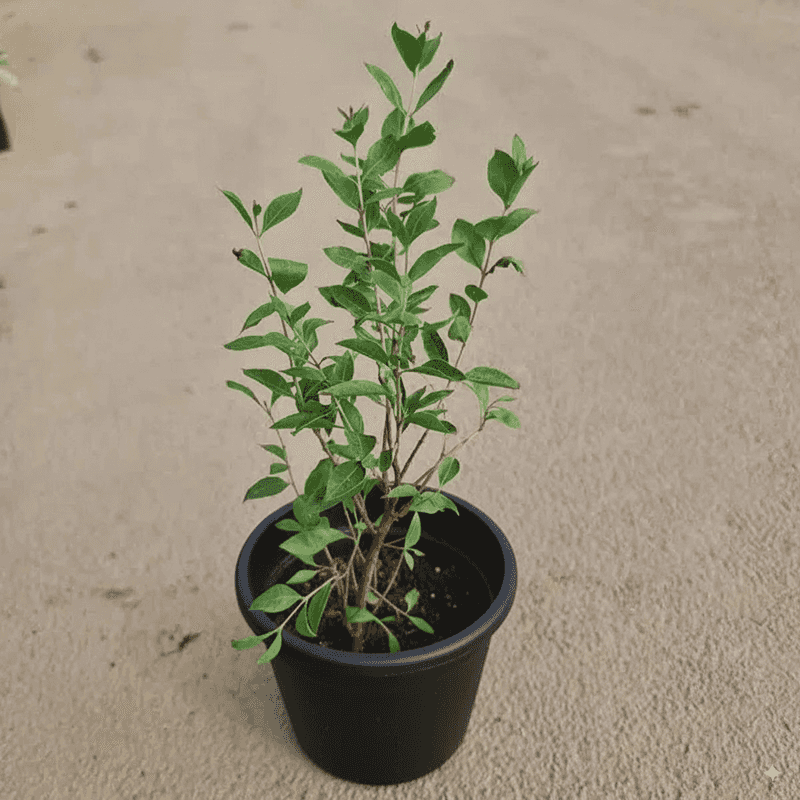
Mehendi plants, also known as henna, carry strong superstitions about placement within the home according to various cultural traditions.
Many believe these plants should never be kept indoors because they attract supernatural entities and create disturbances in the household.
Families who follow these beliefs say that indoor mehendi plants can cause arguments, restless sleep, and general unease among residents.
The practical challenges of growing mehendi indoors in Texas are substantial and frustrating. These shrubby plants require intense, direct sunlight for most of the day to stay healthy and produce the leaves used for traditional dye.
Texas homes rarely provide enough natural light indoors to meet these demanding requirements, even with south-facing windows.
Mehendi plants also need specific temperature ranges that conflict with typical Texas indoor climate control.
They prefer consistently warm conditions without the sudden temperature drops that happen when air conditioning kicks on during scorching Texas summers.
These fluctuations stress the plant and cause leaf drop and poor growth that leaves your mehendi looking sad and unhealthy.
Water management becomes tricky with indoor mehendi plants in Texas homes. These plants need well-draining soil and careful watering schedules that prevent both drought stress and root rot.
The dry indoor air created by air conditioning makes it difficult to maintain the slight humidity these plants prefer, leading to crispy leaf edges and overall decline in plant health and appearance.
5. Bonsai Trees
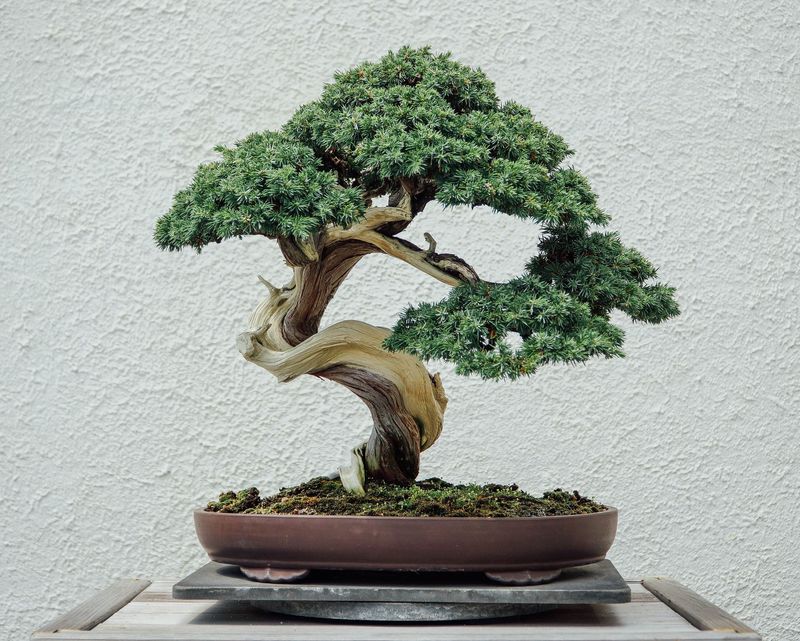
Bonsai trees might look elegant and peaceful, but some traditions warn against keeping them indoors in your Texas home.
The practice of restricting a tree’s natural growth is considered by some to symbolize stunted progress and limited opportunities for household members.
People who follow feng shui principles often say that bonsai trees can block the flow of positive energy and create obstacles in your career and personal growth.
Maintaining bonsai trees indoors across Texas presents numerous difficulties that frustrate even experienced plant lovers. These miniature trees need very specific light conditions that change with the seasons, making it hard to find the right spot in your home.
Most bonsai varieties require outdoor growing for at least part of the year to stay healthy and vigorous.
The precise watering and humidity needs of bonsai trees clash with typical Texas indoor environments. Air conditioning removes moisture from the air, creating desert-like conditions that stress these delicate trees.
You must constantly monitor soil moisture and provide supplemental humidity through misting or pebble trays, which becomes a time-consuming daily chore.
Bonsai trees also require regular pruning, wiring, and root trimming to maintain their miniature size and artistic shape. These specialized care tasks demand knowledge, skill, and dedication that most casual plant owners in Texas simply cannot provide.
Without proper maintenance, bonsai trees quickly lose their carefully crafted appearance and become unbalanced or overgrown, defeating the entire purpose of growing them.
6. Babul Trees
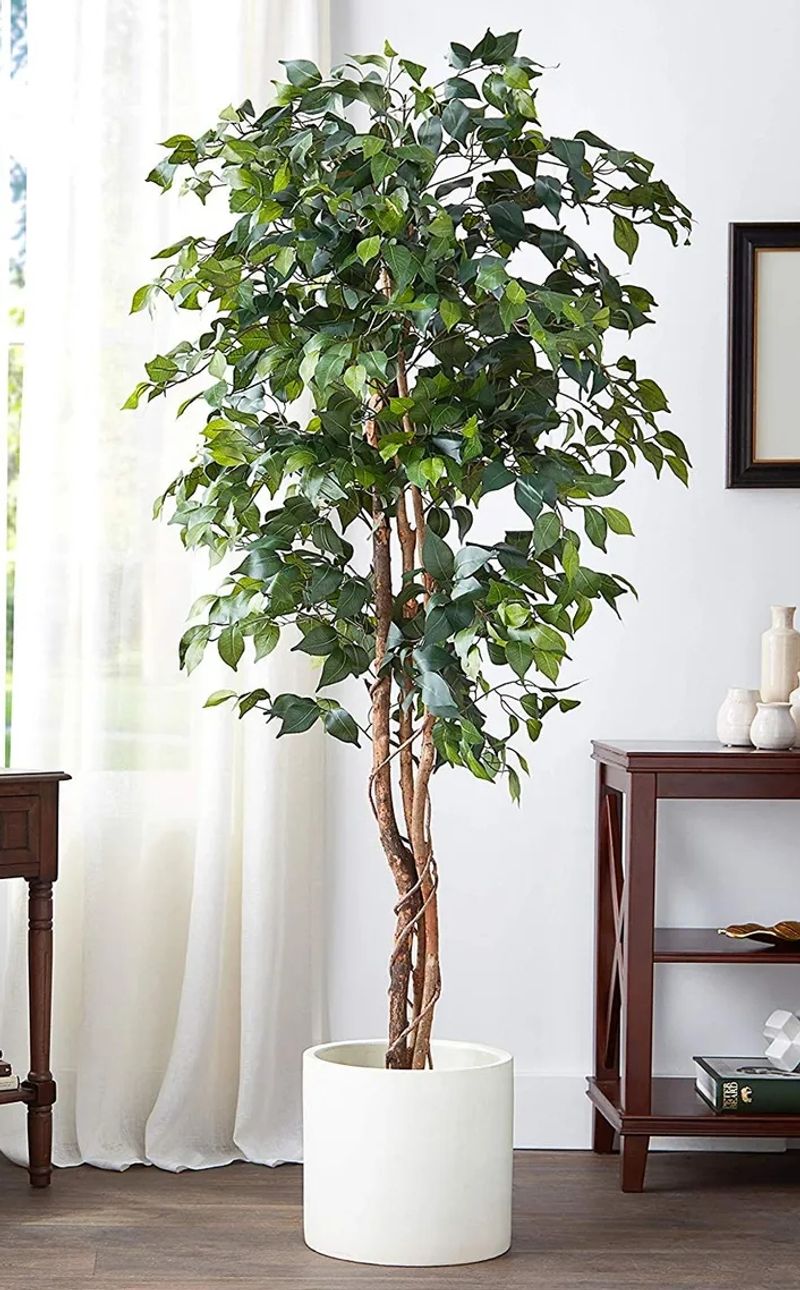
Babul trees, also called thorny acacia, are considered highly inauspicious for indoor growing according to traditional beliefs followed by many communities.
The fierce thorns covering these trees are thought to generate aggressive energy and invite conflicts into your household.
Keeping babul indoors is believed to cause misunderstandings between family members and create an atmosphere of tension rather than harmony in your Texas home.
From a practical standpoint, babul trees are completely unsuitable for indoor cultivation anywhere in Texas. These trees grow rapidly and can reach heights of 20 to 40 feet in natural conditions, with spreading branches that need substantial space.
Even young specimens quickly become too large for indoor spaces and their root systems will crack and damage containers as they expand.
The thorns on babul trees pose serious safety hazards for everyone in your household. These sharp spines can easily puncture skin and cause painful injuries, especially dangerous for children and pets who might not recognize the threat.
Having such a hazardous plant indoors creates unnecessary risk in your living space where people should feel safe and comfortable.
Babul trees also drop leaves, seed pods, and thorn-covered twigs constantly, creating a messy and potentially dangerous situation on your floors.
The cleanup becomes endless and the risk of stepping on fallen thorns makes walking barefoot in your own Texas home uncomfortable and risky. These trees simply belong outdoors where their natural defenses serve a purpose.
7. Wilted Plants
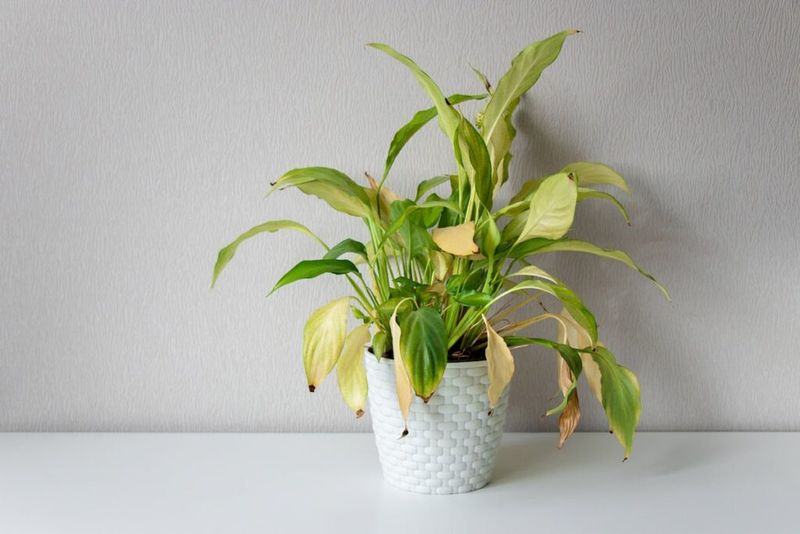
Keeping plants that have passed their prime or are clearly struggling sends the wrong message about your home’s energy and vitality. Wilted plants are universally considered bad luck across virtually every culture and belief system.
They represent stagnation, neglect, and decline rather than the growth and life that healthy plants symbolize in your Texas living space.
The visual impact of unhealthy plants affects your mood and the atmosphere of your home more than you might realize. Walking past brown, drooping foliage every day creates subtle feelings of sadness and failure that accumulate over time.
Your home should be a place of comfort and renewal, not a reminder of things that have withered and faded away from lack of care.
Wilted and struggling plants also attract pests and diseases that can spread to your healthy houseplants throughout your Texas home. Fungus gnats breed in the constantly damp soil of overwatered plants, while spider mites and other insects target stressed plants as easy victims.
These problems multiply and migrate to nearby plants, creating an infestation that could have been prevented by removing the original unhealthy specimen.
The practical solution is simple but important for maintaining positive energy in your Texas home. Remove any plant that shows signs of serious decline or has clearly passed beyond recovery.
Replace it with a fresh, healthy plant that brings life and vitality to your space, or simply enjoy the empty spot until you find the perfect new addition.
8. Prickly Pear Cactus
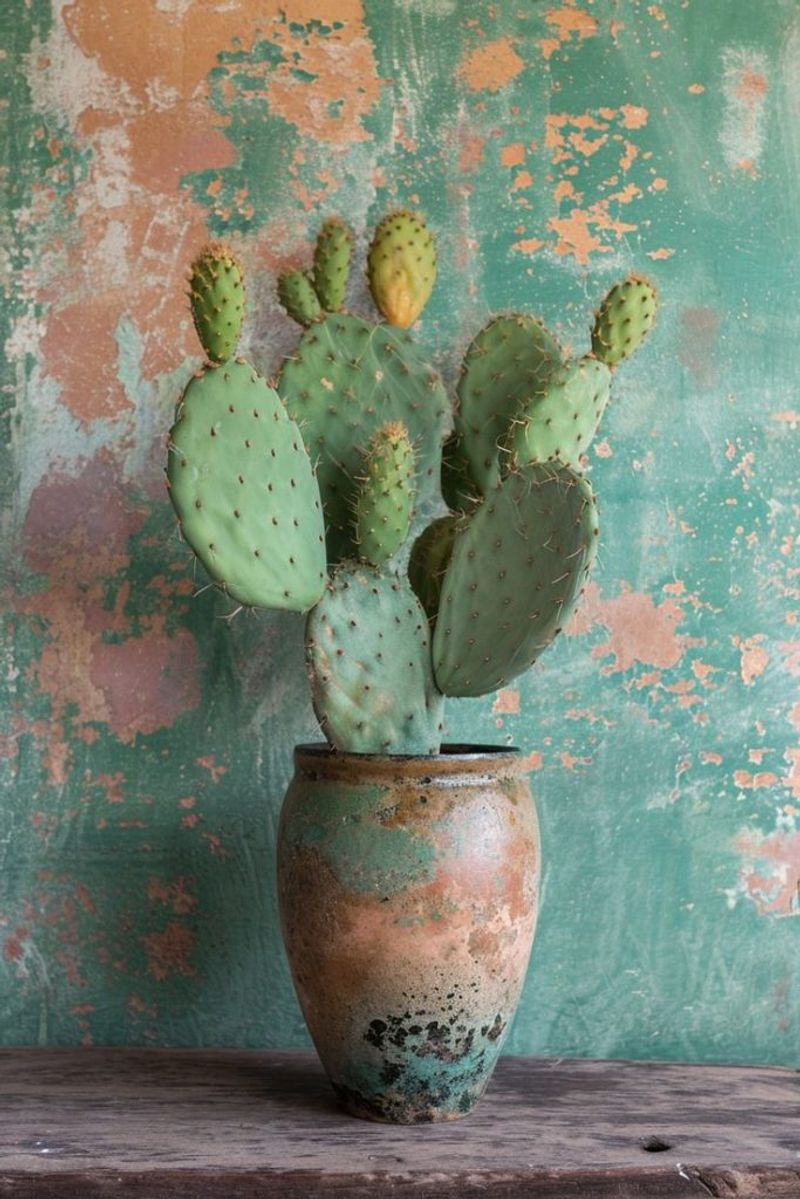
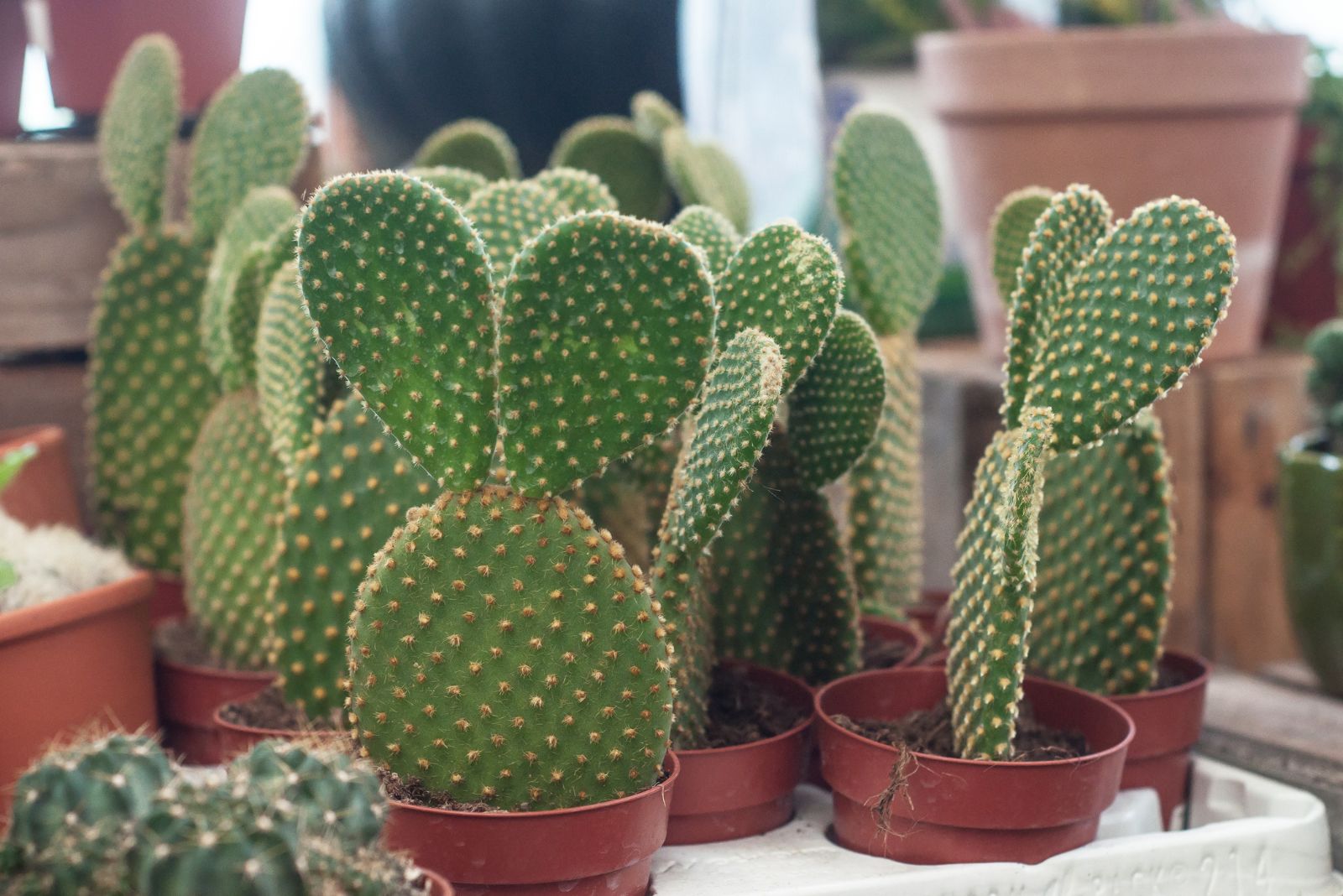
Prickly pear cactus might be iconic to Texas landscapes, but bringing these spiny plants indoors invites trouble according to widespread superstitions.
The aggressive thorns and glochids covering every surface are believed to create hostile energy that repels good fortune and friendly visitors.
Many traditions teach that thorny plants near your entrance or inside your home push away opportunities and positive relationships.
The tiny hair-like glochids on prickly pear pads are even more problematic than regular cactus spines for indoor growing in Texas homes.
These nearly invisible barbed hairs detach easily and embed themselves in skin, clothing, and furniture with the slightest contact.
They cause intense itching and irritation that can last for days, making them genuinely dangerous to have in living spaces where people relax and move around freely.
Prickly pear cacti grow much larger than most people expect when given even minimal care. The paddle-shaped segments multiply and spread, creating sprawling plants that quickly outgrow their designated space in your Texas home.
The weight of mature plants can topple containers and the spreading growth habit makes them awkward and difficult to position anywhere indoors without blocking pathways or windows.
These cacti also require intense, direct sunlight that is difficult to provide consistently indoors across Texas. Without adequate light, prickly pear segments become pale and etiolated, losing their characteristic robust appearance.
The plant becomes weak and more susceptible to pests and rot, creating an unhealthy specimen that contradicts the entire purpose of indoor gardening.