Top 10 Set-And-Forget Shrubs For Pennsylvania Yards In 2026
Not every gardener has the time or patience for constant pruning, watering, and upkeep, especially when life gets busy. That is why many Pennsylvania homeowners are turning to dependable shrubs that practically take care of themselves.
These set and forget favorites thrive with minimal attention, adapting well to changing seasons while still delivering structure, greenery, and seasonal interest.
Once established, they handle cold winters, warm summers, and occasional dry spells without demanding much effort.
Many also maintain their shape naturally, reducing the need for frequent trimming or maintenance. Choosing reliable, low fuss shrubs can simplify yard care while keeping your landscape looking full and attractive throughout the year.
With smart plant choices, your Pennsylvania yard can stay vibrant, balanced, and easy to manage. Enjoy a beautiful outdoor space that looks well maintained without requiring constant work or complicated care routines.
1. Boxwood
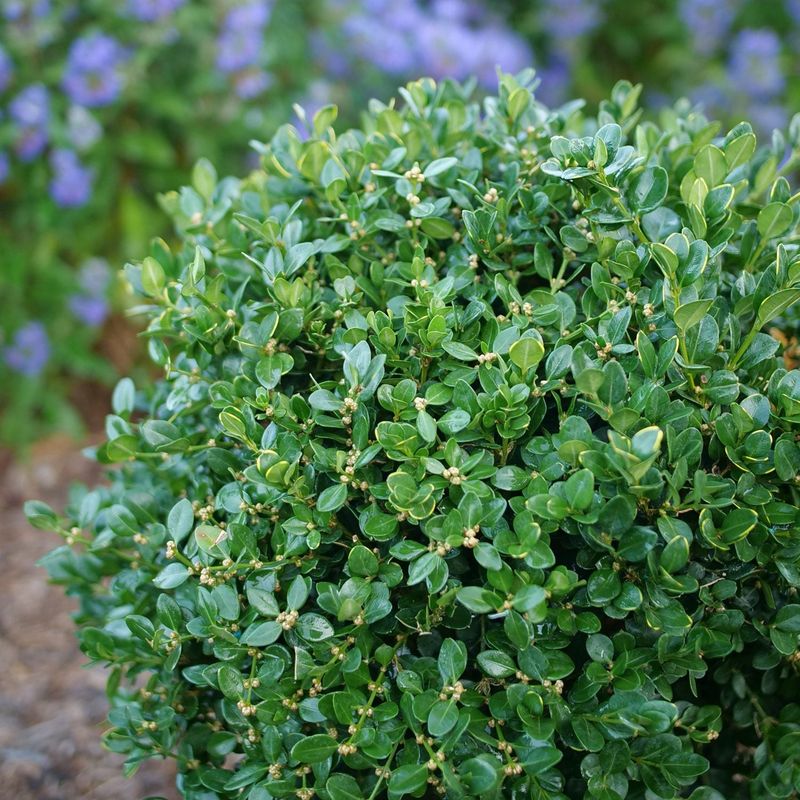
Boxwood has been a garden favorite for centuries, and there’s a good reason it keeps showing up in Pennsylvania landscapes.
This evergreen shrub maintains its rich green color all year long, giving your yard structure even when everything else has gone dormant for winter.
The small, dense leaves create a full, tidy appearance that works beautifully along foundations, walkways, or as low hedges.
What makes boxwood truly set-and-forget is its ability to handle whatever Pennsylvania throws at it. Cold winters don’t faze this tough plant.
It grows well in both full sun and partial shade, which means you can tuck it into spots where other shrubs might struggle. The roots are fairly shallow, so it doesn’t compete aggressively with nearby plants.
Pruning is completely optional with boxwood. If you like the formal look, you can shape it into neat balls or hedges.
If you prefer a more relaxed style, just let it grow naturally into a rounded mound. Either way, it won’t get out of control or demand constant trimming.
Boxwood adapts to various soil types common in Pennsylvania yards. It doesn’t need frequent watering once established, and pests rarely bother it.
Plant it once, and you’ll enjoy its evergreen beauty for decades without much effort on your part.
2. Panicle Hydrangea
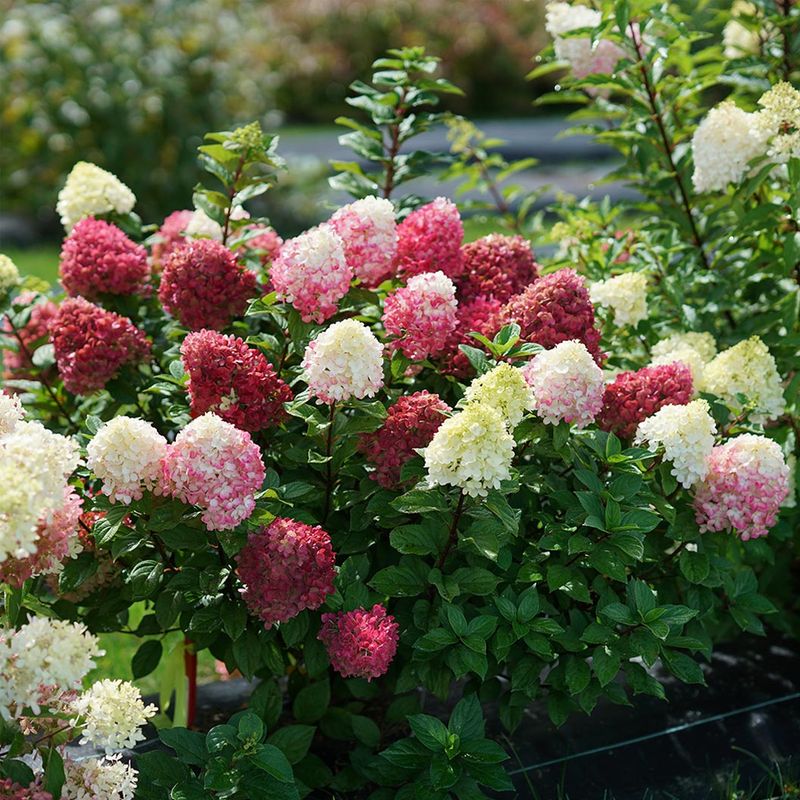
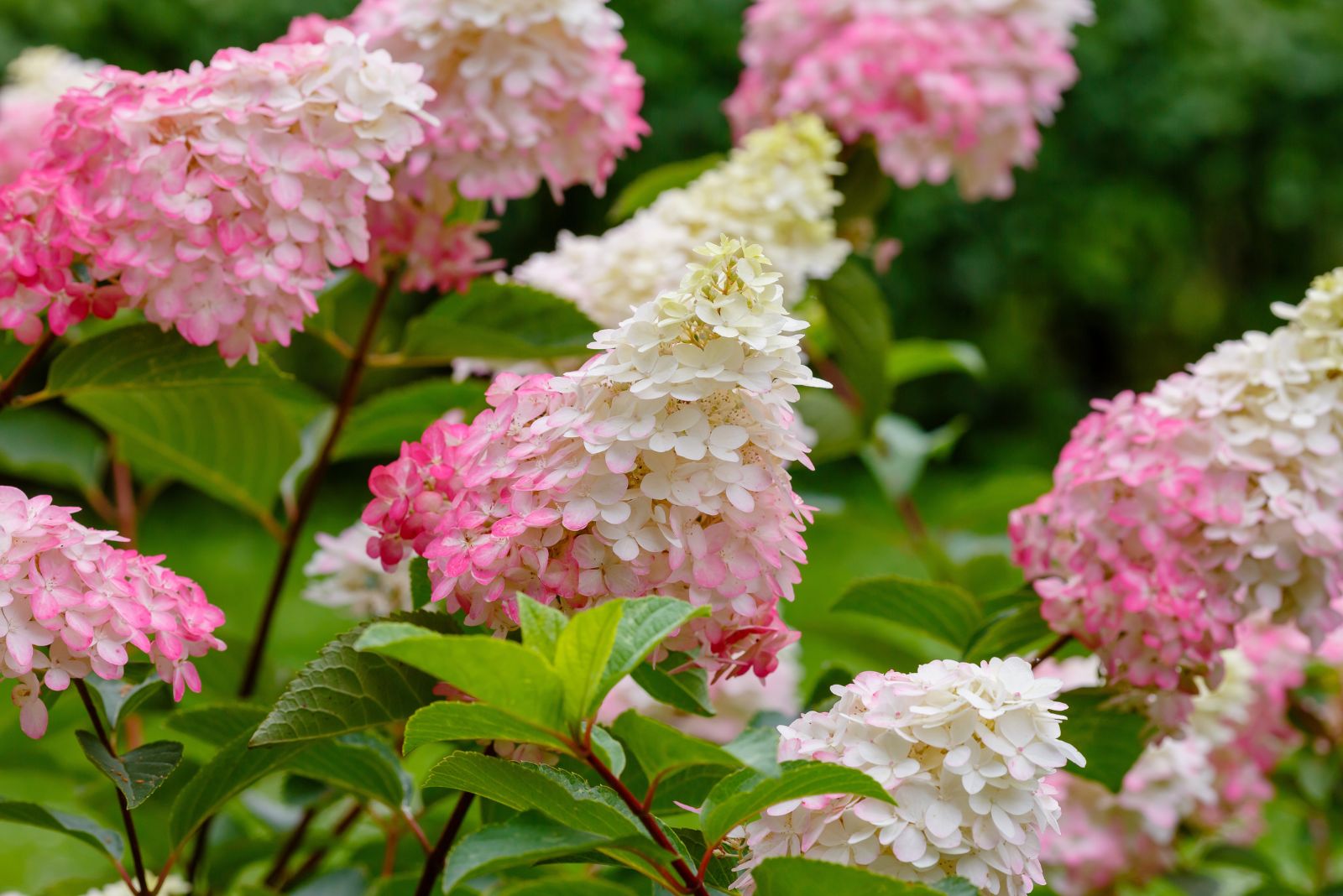
If you’ve ever been disappointed by hydrangeas that refuse to bloom, panicle hydrangea will change your mind about this plant family. Unlike its fussier cousins, this variety blooms reliably every single year without special treatment.
The large, cone-shaped flower clusters start out white in mid-summer, then gradually shift to pink and eventually a rusty rose color as fall approaches.
Pennsylvania’s climate suits panicle hydrangea perfectly. It handles our cold winters without any protection, and unlike mophead hydrangeas that prefer shade, this one actually loves full sun.
More sun means more flowers. The blooms appear on new wood, which means late spring frosts won’t ruin your flower show.
Maintenance is refreshingly simple. You can prune it back hard in early spring if you want to control its size, or you can leave it alone and let it grow into a large, showy specimen.
Your Pennsylvania Garden Changes Every Week. Your Plan Should Too.
Gardening in Pennsylvania changes quickly throughout the season. Every Friday you’ll receive a simple weekly plan showing exactly what to plant, prune, fertilize, harvest, and protect so you never miss the right timing.
Either approach works fine. The plant bounces back quickly and blooms regardless of your pruning schedule.
Once established, panicle hydrangea tolerates dry spells better than most hydrangeas. It grows in average Pennsylvania soil without amendments or fertilizer.
The dried flower heads look attractive through winter, adding interest to your yard when most plants look bare. This shrub delivers maximum visual impact with minimal effort.
3. Spirea
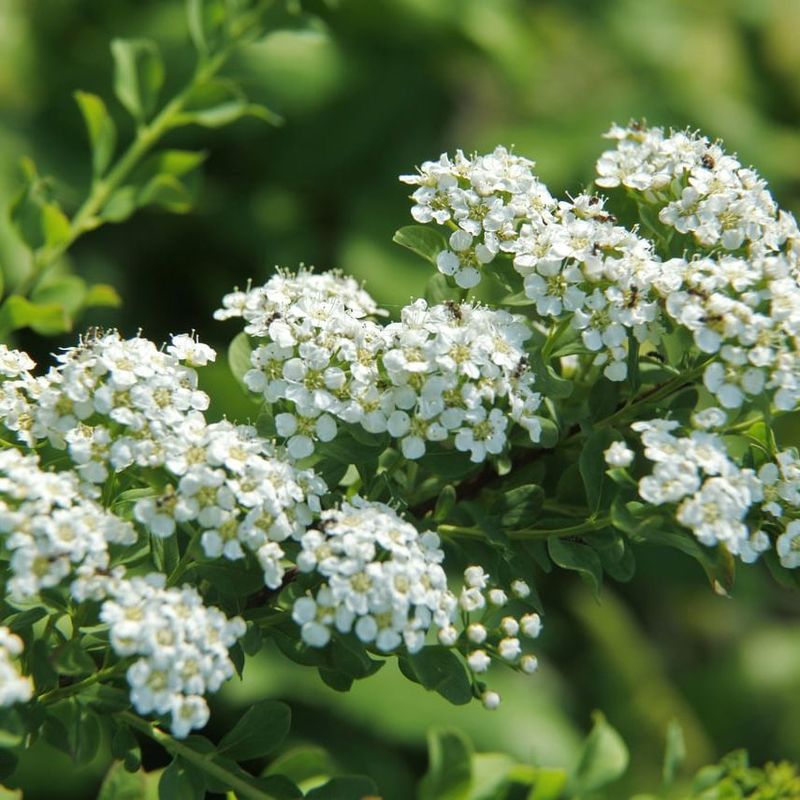
Garden centers in Pennsylvania always stock spirea for one simple reason: it’s nearly impossible to mess up. This adaptable shrub blooms generously whether you pamper it or completely ignore it.
The cascading branches get covered in clusters of tiny flowers that attract butterflies and other pollinators to your yard.
Different spirea varieties offer different bloom colors and times. Some produce white flowers in spring, while others show off pink or red blooms in summer.
The foliage can range from bright green to golden yellow or burgundy, giving you options to match your landscape design. All varieties share the same easygoing nature.
Pennsylvania’s temperature swings don’t bother spirea at all. It handles freezing winters, hot summers, and everything in between without complaint.
The plant grows well in clay, loam, or sandy soil. It doesn’t need rich, amended earth to thrive. Average rainfall usually provides enough moisture once the roots are established.
Pruning is optional and forgiving. You can shear it into a neat mound, trim it lightly after flowering, or skip pruning altogether.
The plant stays compact naturally and won’t take over your garden. Pests and diseases rarely cause problems.
Spirea just keeps growing and blooming year after year, making it perfect for busy homeowners who want beauty without constant maintenance.
4. Inkberry Holly
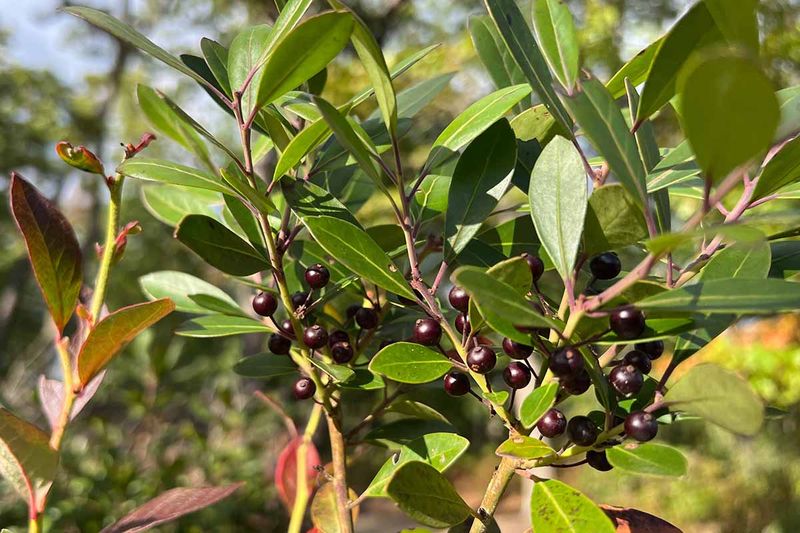
Pennsylvania gardeners looking for a native evergreen that actually stays green all winter should consider inkberry holly.
This North American native keeps its dark, glossy leaves through the coldest months, providing year-round structure without the bronze discoloration some evergreens develop.
The compact growth habit creates a neat, rounded shape that fits well in smaller yards.
Inkberry holly tolerates conditions that would stress many other shrubs. Wet spots in your yard where water tends to collect?
Inkberry handles that just fine. Its roots don’t mind soggy soil during spring thaws or after heavy rain.
It also adapts to drier conditions once established, making it versatile for different areas of your Pennsylvania landscape.
As a native plant, inkberry holly supports local wildlife without becoming invasive. Female plants produce small black berries that birds enjoy in winter.
The dense foliage provides shelter for small animals. You’re not just adding a pretty shrub; you’re contributing to the local ecosystem.
Maintenance requirements are minimal. Inkberry holly grows slowly and stays compact without regular pruning.
It doesn’t suffer from the common diseases that affect other hollies. Deer generally leave it alone, which is a huge bonus in many Pennsylvania neighborhoods.
The plant thrives in sun or partial shade and doesn’t need fertilizer or special soil. Plant it, water it occasionally the first season, then forget about it.
5. Ninebark
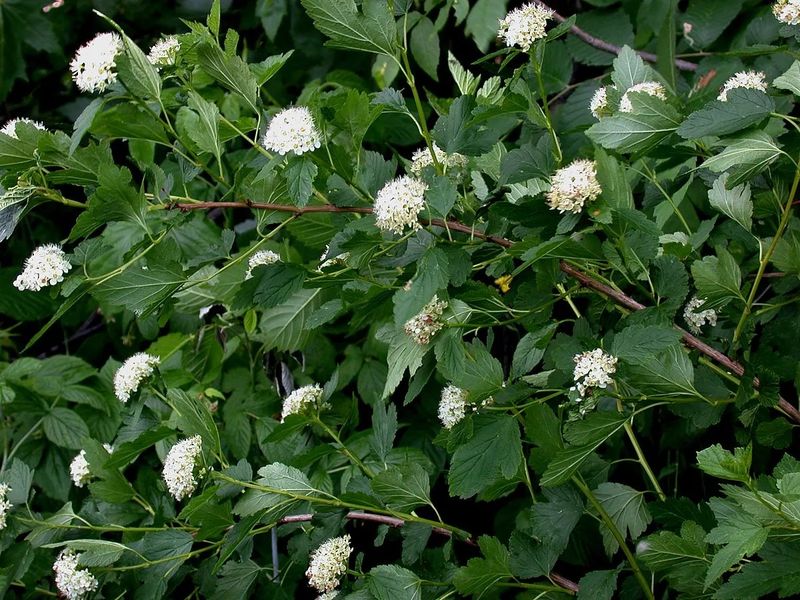
Ninebark gets its unusual name from the way its bark peels off in thin layers, revealing multiple colors underneath. This native Pennsylvania shrub offers visual interest through all four seasons, which is rare among deciduous plants.
The foliage comes in varieties ranging from deep burgundy to bright chartreuse, giving you colorful options that last from spring through fall.
Once ninebark settles into your Pennsylvania yard, it becomes remarkably self-sufficient. The deep root system seeks out moisture during dry periods, so you won’t need to drag out the hose every time we go a week without rain.
It tolerates clay soil, rocky soil, and pretty much any soil type found across Pennsylvania. The plant also handles urban pollution well, making it suitable for city gardens.
White or pink flower clusters appear in late spring, attracting beneficial insects to your yard. The blooms give way to interesting seed pods that provide winter food for birds.
The peeling bark adds texture and color to your winter landscape when most shrubs look plain.
Ninebark grows quickly into a substantial shrub without becoming invasive. You can prune it to control size, but it’s not necessary.
The plant naturally forms an attractive, vase-shaped habit. Pests ignore it, diseases don’t affect it, and deer walk right past it.
For a tough, attractive native shrub that requires zero fussing, ninebark delivers consistently.
6. Potentilla
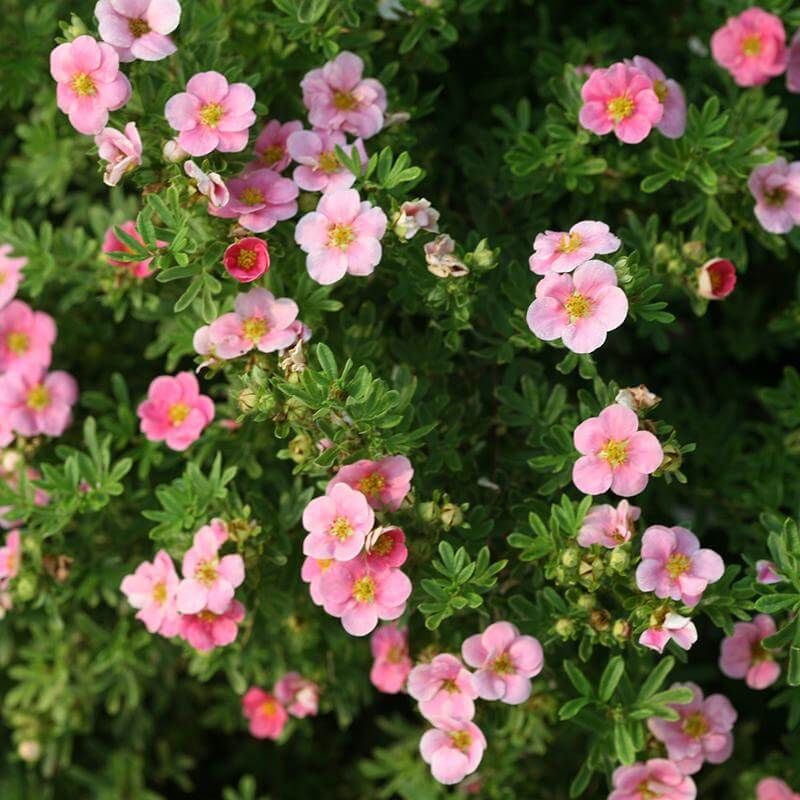
Few shrubs bloom as long and as reliably as potentilla. From late spring through fall, this compact plant produces cheerful flowers in yellow, white, pink, or orange, depending on the variety you choose.
The blooms keep coming without deadheading, feeding, or any special attention from you. Butterflies and bees visit regularly, adding movement and life to your Pennsylvania yard.
Potentilla handles Pennsylvania winters without any protection or special care. It’s one of the hardiest flowering shrubs you can plant, surviving temperatures well below zero without damage.
The small, fine-textured leaves give the plant a soft, delicate appearance, but don’t let that fool you. This shrub is tough as nails.
Poor soil doesn’t discourage potentilla. It grows in lean, rocky ground where other plants struggle.
It tolerates drought once established, making it perfect for sunny spots that dry out quickly. The plant stays compact naturally, usually reaching only two to three feet tall and wide, so it fits well in small spaces or at the front of borders.
Maintenance is almost nonexistent. You can trim it lightly in spring if you want to shape it, but many gardeners never touch it and the plant still looks great. Diseases and pests leave it alone. Deer don’t find it appetizing.
Potentilla just keeps blooming and looking good year after year with zero effort required from you.
7. Virginia Sweetspire
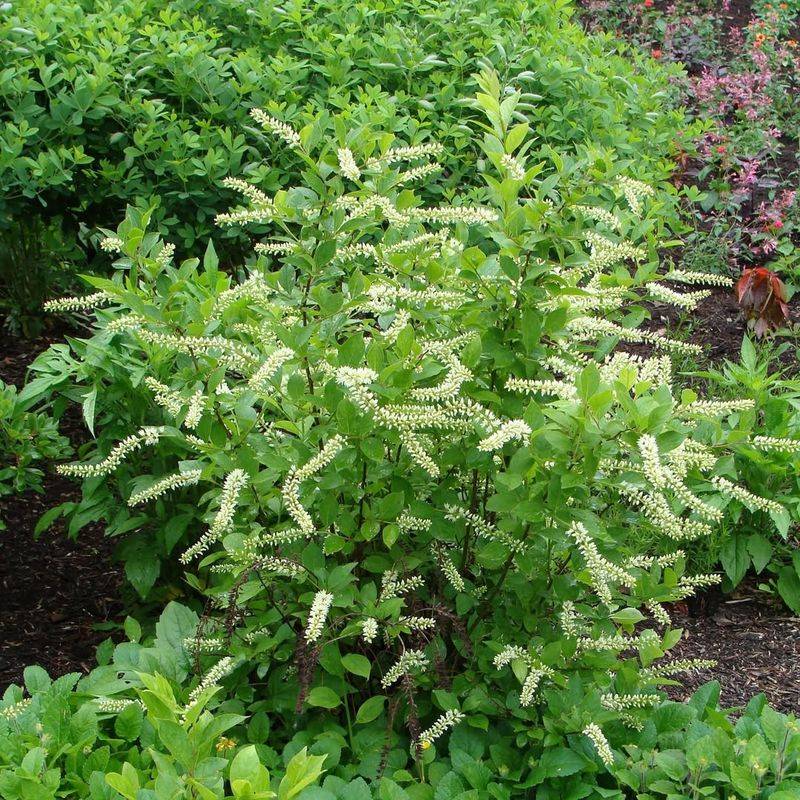
When Virginia sweetspire blooms in early summer, its fragrant white flower spikes perfume the entire area with a sweet, honey-like scent. This Pennsylvania native produces drooping clusters of flowers that arch gracefully from the branches, creating a waterfall effect.
The fragrance attracts butterflies and hummingbirds, turning your yard into a mini nature sanctuary.
Virginia sweetspire adapts to just about any conditions Pennsylvania yards can offer. Wet area near a downspout or drainage path? It thrives there. Dry slope in full sun? It handles that too. Shady spot under trees where nothing else grows?
Sweetspire will fill in beautifully. This flexibility makes it useful for problem areas where other shrubs fail.
Fall brings another show when the leaves turn brilliant shades of red, orange, and purple. The color display rivals any burning bush but without the invasive tendencies.
The fall color lasts for weeks, extending the season of interest in your Pennsylvania landscape.
As a native plant, Virginia sweetspire requires no special care once established. It doesn’t need fertilizer, regular watering, or pest control.
The plant spreads slowly by suckers to form a colony, but it’s not aggressive or invasive. You can easily remove any shoots that pop up where you don’t want them.
Deer generally avoid it, which is helpful in suburban Pennsylvania neighborhoods where deer pressure is high.
8. Arborvitae
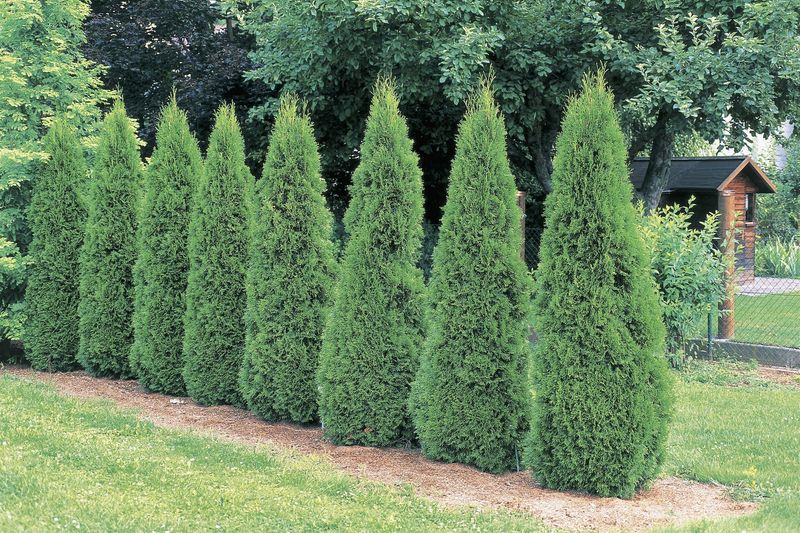
Need privacy screening that won’t require constant maintenance? Arborvitae delivers exactly that for Pennsylvania homeowners.
This evergreen shrub grows naturally into a narrow, upright column that blocks views and creates living walls without taking up much horizontal space. The dense, soft foliage stays green year-round, providing privacy even in winter when deciduous plants are bare.
Pennsylvania’s climate suits arborvitae perfectly. It handles our cold winters without browning or damage.
Snow loads slide off the flexible branches without breaking them. The plant tolerates both full sun and partial shade, though it grows fuller and denser with more light. It adapts to various soil types common in Pennsylvania yards.
Once arborvitae establishes itself, it grows steadily without much help from you. Young plants need regular watering their first season, but after that, natural rainfall usually provides enough moisture.
The plant doesn’t need fertilizer to grow well. It naturally maintains its columnar shape without constant pruning or shearing.
Mature arborvitae rarely needs trimming. You can prune it lightly if you want to control height, but many homeowners never touch it.
The plant grows at a moderate pace, adding about a foot per year, so it won’t suddenly outgrow its space. Deer do browse arborvitae in winter when other food is scarce, but established plants usually recover quickly.
For reliable evergreen screening with minimal maintenance, arborvitae remains a Pennsylvania favorite.
9. Summersweet
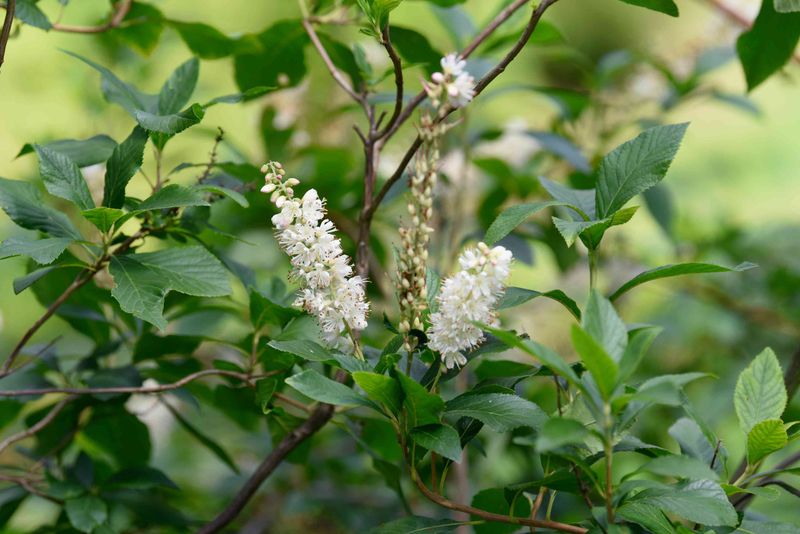
Summersweet blooms during the hottest part of summer when many other shrubs have finished flowering. The fragrant white or pink flower spikes appear in July and August, filling your Pennsylvania yard with a sweet, spicy scent that carries on warm breezes.
Bees, butterflies, and hummingbirds visit constantly, making your garden buzz with activity during the dog days of summer.
This Pennsylvania native thrives in conditions that challenge many landscape plants. Shady spots where grass won’t grow? Summersweet flourishes there. Moist areas that stay damp after rain?
Perfect for this shrub. It naturally grows along stream banks and woodland edges in Pennsylvania, so it’s perfectly adapted to our climate and soil conditions.
The glossy green leaves turn bright yellow in fall, adding seasonal color before they drop. The seed heads persist through winter, providing food for birds and visual interest when the landscape looks bare.
Summersweet spreads slowly by suckers to form colonies, but it’s not aggressive or invasive like some imported shrubs.
Maintenance requirements are practically zero. Summersweet doesn’t need pruning, feeding, or regular watering once established. Pests and diseases ignore it. Deer don’t find it appetizing.
The plant tolerates air pollution and salt, making it suitable for urban and roadside plantings. You can cut it back hard if it gets too large, and it will bounce back quickly. For a native shrub that blooms beautifully with zero effort, summersweet is hard to beat.
10. Dwarf Korean Lilac
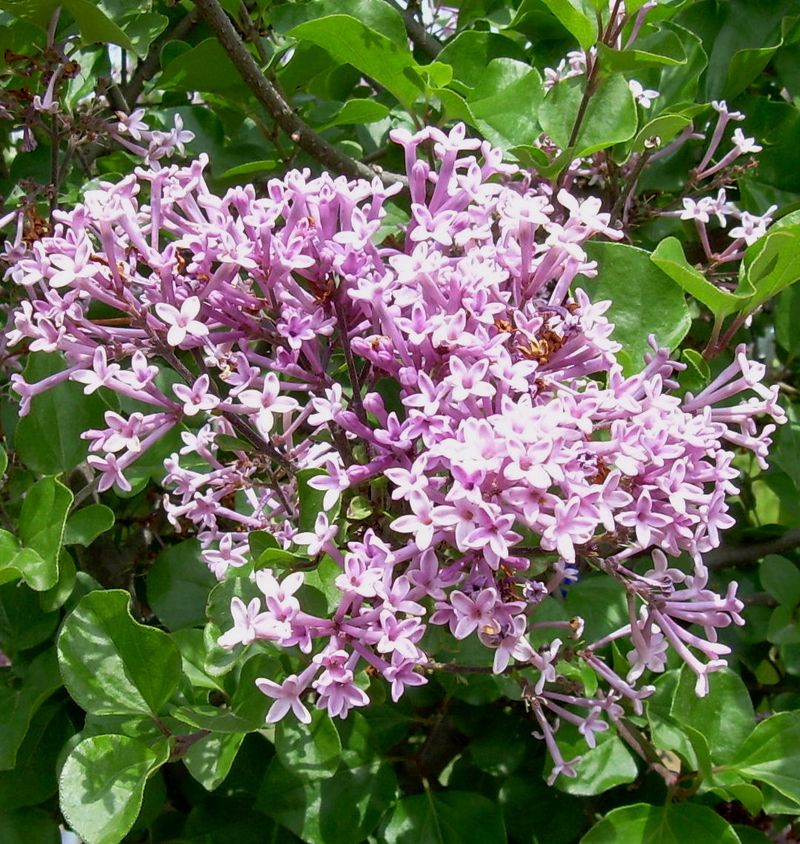
Traditional lilacs can grow enormous and require significant space, but dwarf Korean lilac stays compact and manageable. This smaller version delivers all the fragrance and beauty of standard lilacs in a package that fits perfectly in modern Pennsylvania yards.
The purple-pink flowers bloom reliably every spring, filling the air with that classic lilac scent that signals warmer weather has arrived. Cold hardiness is never a concern with this shrub. Pennsylvania winters don’t faze it at all.
The plant blooms on old wood, but the flower buds are so hardy that late spring frosts rarely damage them. You’ll get flowers year after year without worrying about timing or weather conditions.
Unlike common lilacs that grow tall and leggy, dwarf Korean lilac naturally forms a dense, rounded mound that looks attractive even when not in bloom.
The small leaves stay healthy and green through summer without developing the powdery mildew that plagues some lilac varieties.
The plant stays under five feet tall and wide, so it never outgrows its space or requires constant pruning. Maintenance is minimal. You don’t need to deadhead spent flowers or prune regularly.
The plant blooms heavily without fertilizer or special soil amendments. It tolerates Pennsylvania’s clay soil just fine.
Once established, it handles dry periods without supplemental watering. Deer occasionally nibble it but rarely cause serious damage.
For fragrant spring blooms with zero fuss, dwarf Korean lilac is the perfect set-and-forget choice for Pennsylvania yards.