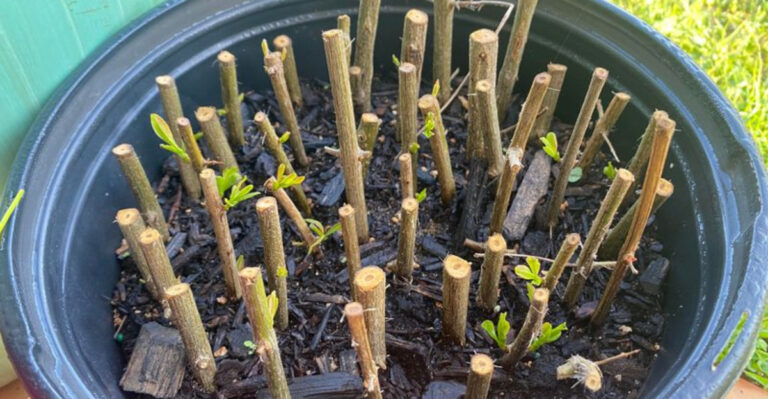
7 Plants You Should Prune In Pennsylvania Before May Ends
May in Pennsylvania moves fast, and the pruning window for certain plants closes quicker than most gardeners realize.
One week you’re catching up on spring cleanup, the next you’re already looking at Memorial Day weekend, and some of the most important pruning opportunities of the entire year have quietly slipped by without getting done.
It’s the kind of thing that doesn’t feel urgent until the consequences show up later in the season. Pruning at the right time in May isn’t just about keeping plants looking tidy.
For certain shrubs, perennials, and flowering plants, timing is everything. Cut too late and you sacrifice blooms.
Skip it entirely and you end up with overgrown, unproductive plants that spend the rest of the growing season underperforming when they could be putting on a genuinely impressive show.
Knowing exactly which plants need attention before May ends, and why the timing matters so much, keeps your Pennsylvania garden on track for the best possible summer.
1. Forsythia
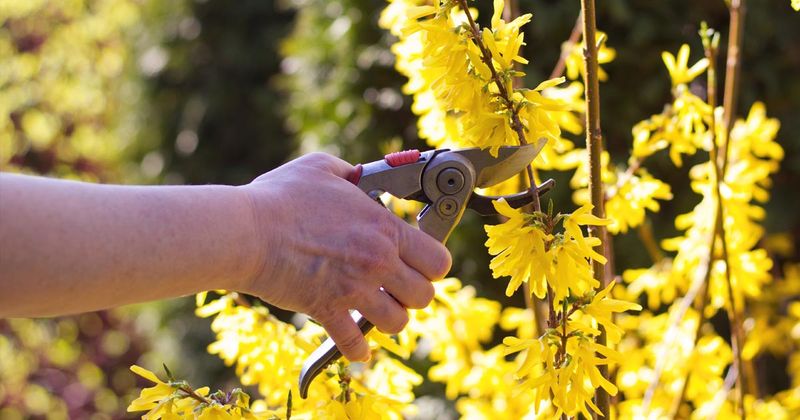
Few plants announce spring quite like forsythia. Those bold yellow blooms light up Pennsylvania yards before most other plants even wake up. Once the flowers fade, though, it is time to get your pruning shears ready.
Forsythia blooms on old wood, which means it sets next year’s flower buds on the branches it grows this season. If you wait too long to prune, you risk cutting off those new buds and ending up with far fewer blooms next spring.
The sweet spot is right after the flowers drop, ideally before the end of May. Start by removing any dry or crossing branches first. Then cut back about one-third of the oldest, thickest stems all the way to the ground.
This encourages fresh, young growth from the base, which is exactly what produces those stunning yellow flowers year after year.
Do not just give it a flat haircut across the top. Forsythia looks best when it has a natural, arching shape rather than a boxy look. Shaping it gently while removing the old wood gives you the best of both worlds.
Pennsylvania gardeners who skip this step often notice their forsythia getting leggy and producing fewer flowers over time. A little pruning now keeps the plant vigorous and full.
Think of it as a reset button for one of spring’s most cheerful shrubs. With the right cut, your forsythia will come back even stronger and more colorful next April.
2. Lilac
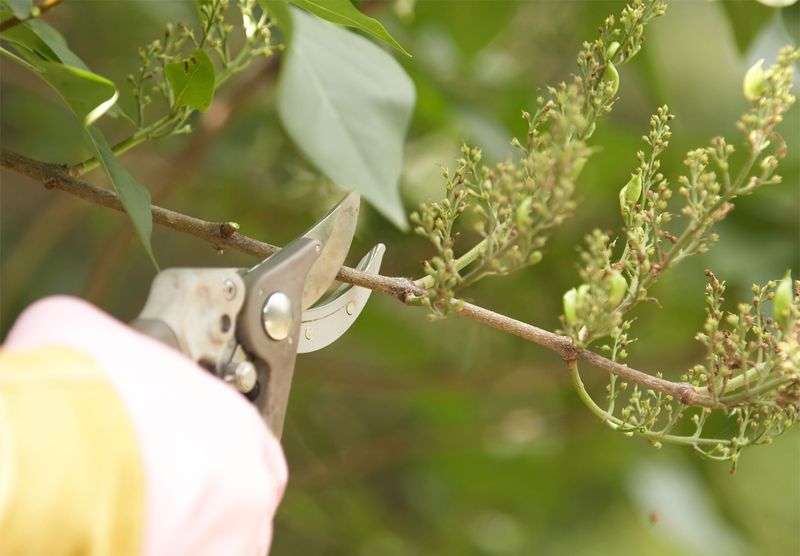
Lilacs are one of those plants that make people stop and breathe in deeply. Their sweet, purple blooms are a classic sign of spring across Pennsylvania, and almost every older neighborhood has at least one massive lilac bush tucked into a corner yard.
Here is the thing about lilacs: they are picky about when you prune them. Lilacs bloom on old wood, just like forsythia.
That means the flower buds for next year start forming on this year’s new growth almost immediately after blooming. If you prune too late in the season, you will be cutting off next spring’s flowers before they even get a chance.
Your Pennsylvania Garden Changes Every Week. Your Plan Should Too.
Gardening in Pennsylvania changes quickly throughout the season. Every Friday you’ll receive a simple weekly plan showing exactly what to plant, prune, fertilize, harvest, and protect so you never miss the right timing.
The goal is to remove the spent flower clusters, called deadheads, as soon as the blooms fade. Snip them off just above the first set of leaves below the flower.
This small step redirects the plant’s energy away from making seeds and toward growing strong new branches.
You can also do light shaping at this time. Remove any weak, thin branches and open up the center of the shrub to let in more light and air.
Avoid heavy pruning unless the plant is very overgrown, because too much cutting can reduce blooming for a year or two.
Pennsylvania gardeners with older lilac bushes that have stopped blooming well can do a gradual renewal prune over three years. Remove one-third of the oldest stems each spring. By year three, you will have a completely refreshed plant ready to bloom beautifully again.
3. Azalea
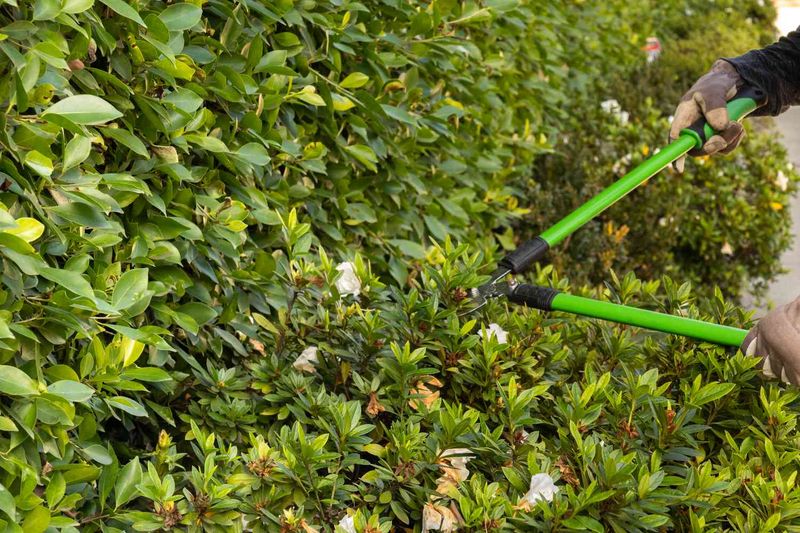
Walk through almost any Pennsylvania neighborhood in May and you will spot azaleas in full glory. Hot pinks, soft whites, and deep reds burst from these low-growing shrubs, making them one of the most popular landscaping plants in the region.
Azaleas are actually pretty forgiving when it comes to pruning, but timing still matters. Like forsythia and lilac, azaleas bloom on old wood.
That means the flower buds for next year are already being set on the new growth that appears right after blooming. Prune too late, and you lose those buds. Keep pruning light and simple. You do not need to do a major overhaul every year.
Just focus on removing any dry branches, trimming back any stems that are sticking out awkwardly, and shaping the overall plant so it looks tidy and balanced.
Use sharp, clean hand pruners for smaller branches and loppers for anything thicker. Always make clean cuts just above a leaf node or bud. Ragged cuts can invite disease and slow down healing.
One thing many Pennsylvania gardeners overlook is the importance of removing any branches that are rubbing against each other. These friction points can cause damage over time and create openings for pests and disease. A quick check each spring keeps the plant healthier overall.
Azaleas do not need much to thrive in Pennsylvania’s climate. A light trim right after blooming, some mulch around the base, and consistent watering during dry spells will keep them looking full and vibrant for many seasons ahead.
4. Weigela
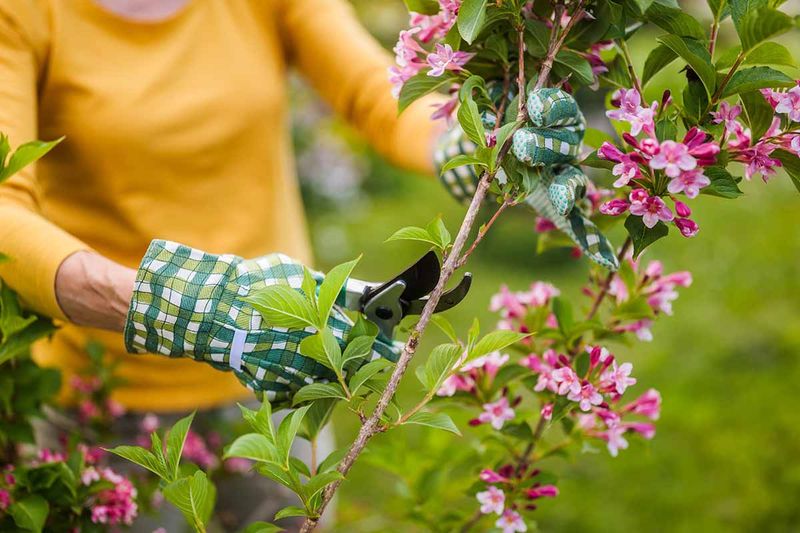
Weigela might not be as famous as lilac or forsythia, but Pennsylvania gardeners who have grown it know just how rewarding it can be. This shrub produces trumpet-shaped flowers in shades of pink, red, and white, and it tends to bloom heavily in late spring.
Right after the main bloom cycle wraps up in late May, it is the perfect time to pull out your pruning shears. Cutting weigela back after flowering encourages the plant to push out fresh new growth, which often leads to a second, lighter round of blooms later in summer.
That bonus flush of color is one of the reasons weigela has become such a popular choice in Pennsylvania landscapes.
Start by removing about one-third of the oldest, thickest stems right at the base. This opens up the center of the plant and lets light and air reach the inner branches.
Then trim back the remaining stems by about one-third to encourage bushier, more compact growth.
Avoid shearing weigela into a tight ball shape. It looks much more natural and attractive when allowed to maintain its slightly arching, fountain-like form. Work with the plant’s natural habit rather than against it.
One fun fact: weigela was named after German botanist Christian Ehrenfried Weigel in the 1700s. It has been a garden staple for centuries, and for good reason.
With just a little attention each spring, this tough, cheerful shrub keeps giving back season after season, making it a true Pennsylvania garden workhorse.
5. Spirea
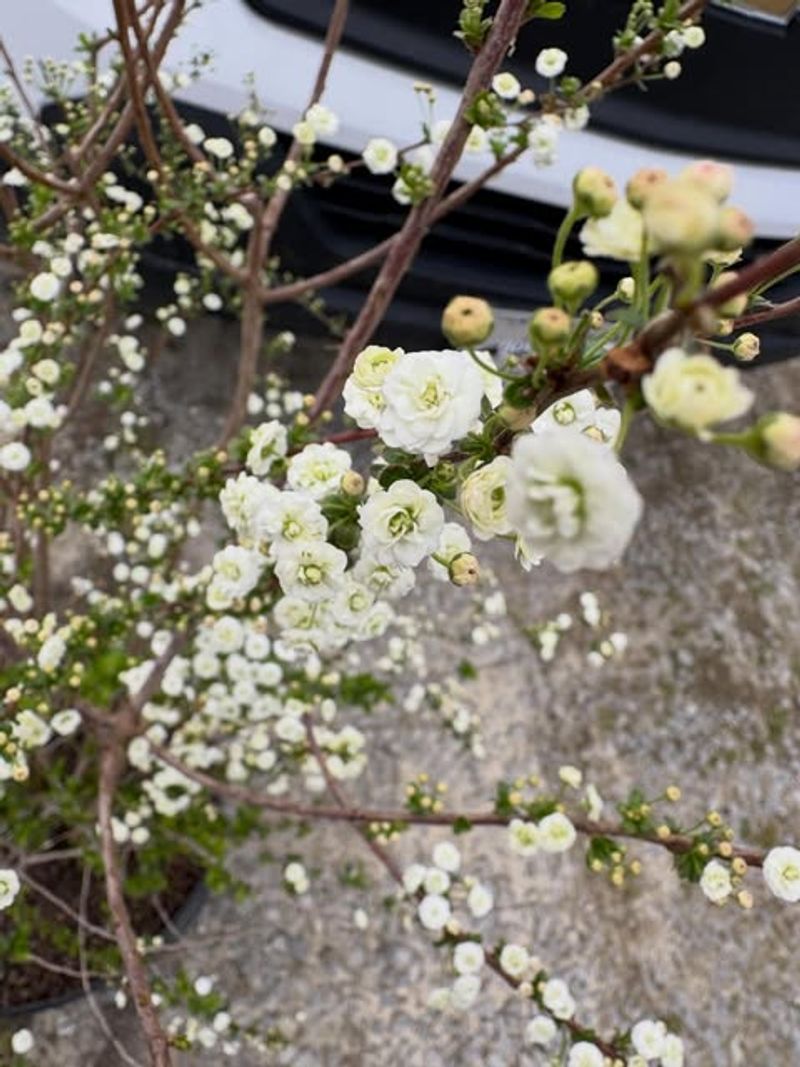
Spirea is one of those shrubs that earns its place in any Pennsylvania yard. It is tough, low-maintenance, and produces gorgeous clusters of white or pink flowers that look almost like tiny snowballs covering the branches in spring.
Pruning spirea early in the season, right after its first bloom or even as it finishes blooming, does something really exciting. It wakes the plant up and pushes it to produce a brand-new flush of growth.
That fresh growth often brings another round of flowers later in the season, which means more color and more beauty for your yard well into summer.
For spring-blooming spirea varieties, cut the stems back by about one-third right after flowering. Remove any dry or crossing branches while you are at it.
This keeps the plant looking tidy and encourages strong, healthy new growth from the base.
One common mistake Pennsylvania gardeners make is shearing spirea into a tight, rounded ball shape. While it might look neat at first, this approach actually reduces flowering over time because it removes the natural branching pattern that produces the most blooms.
A more selective, hand-pruning approach gives better results. Spirea is also incredibly forgiving if you make a mistake. Even if you cut it back pretty hard, it almost always bounces back quickly and vigorously.
That makes it a great plant for beginner gardeners in Pennsylvania who are just starting to learn the basics of pruning. Give it a try and watch how fast it responds.
6. Boxwood
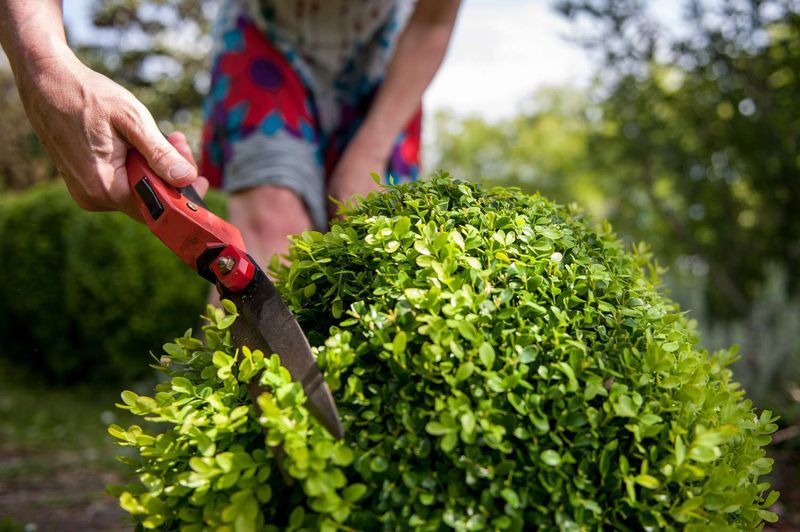
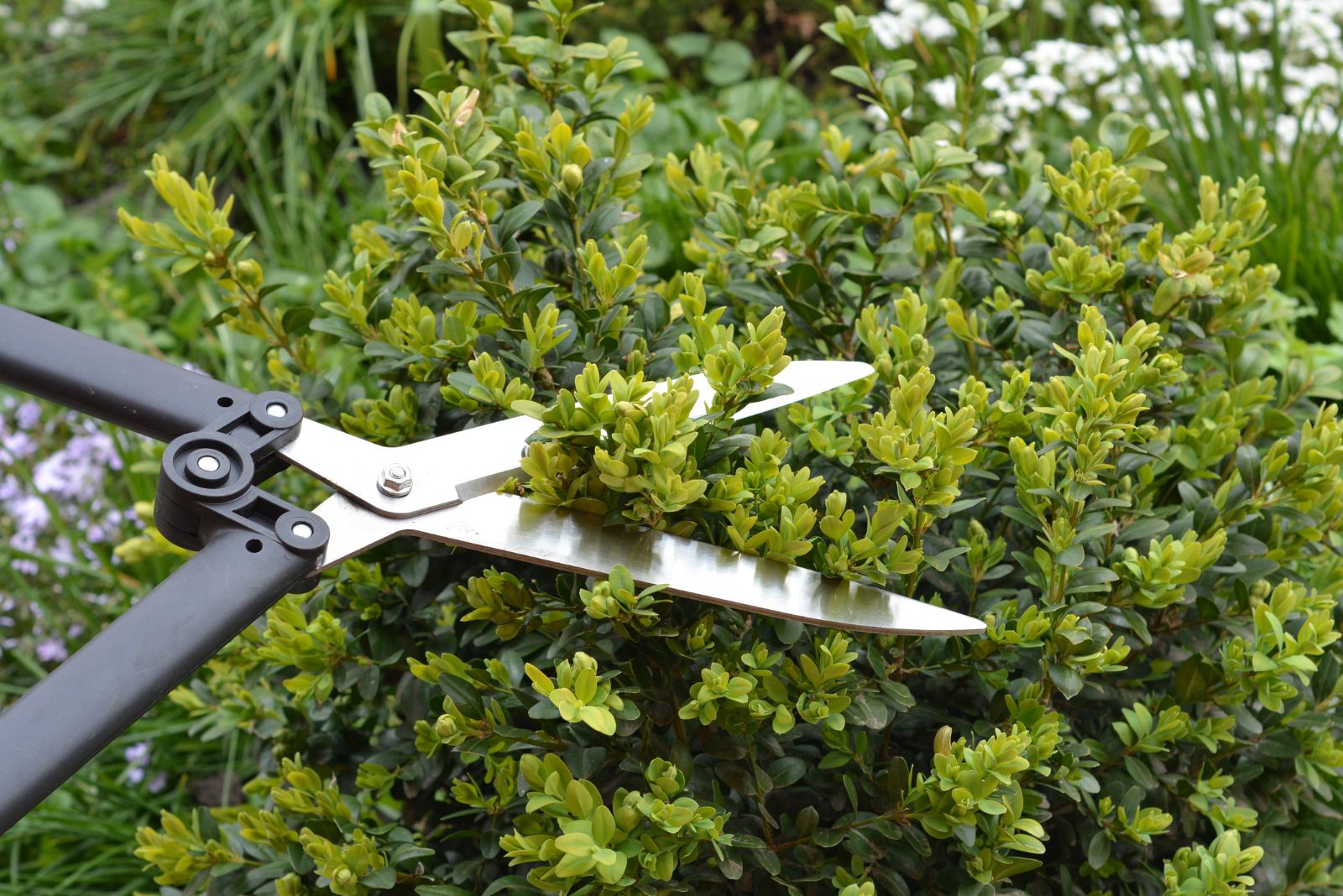
Boxwood is the backbone of countless Pennsylvania gardens. From formal hedges lining driveways to neatly clipped topiaries framing front doors, this evergreen shrub is everywhere.
And for good reason: boxwood holds its shape beautifully and stays green all year long. Late spring is actually the ideal time to shape boxwood in Pennsylvania. By the time May rolls around, the plant has pushed out a fresh layer of bright green new growth.
Lightly trimming that new growth helps the shrub maintain its clean, polished look without removing too much material at once.
Keep your cuts shallow. You only want to trim the outermost layer of new growth, not cut back deep into the older wood.
Cutting too deep can expose bare, brown inner branches that take a long time to fill back in. Light, frequent shaping keeps boxwood looking full and lush.
Always use clean, sharp pruning tools when working with boxwood. This shrub is somewhat vulnerable to a fungal disease called boxwood blight, which can spread through dirty tools.
Wipe your blades with rubbing alcohol between plants to avoid spreading any potential problems.
Pennsylvania gardeners should also avoid pruning boxwood during very hot, dry stretches in summer. Late spring pruning, before the heat sets in, gives the plant time to recover and harden off before summer stress arrives.
A well-maintained boxwood can last for decades. With just a little shaping each spring and some basic care throughout the year, this classic shrub will keep your Pennsylvania yard looking sharp and structured for many years to come.
7. Hydrangea Macrophylla
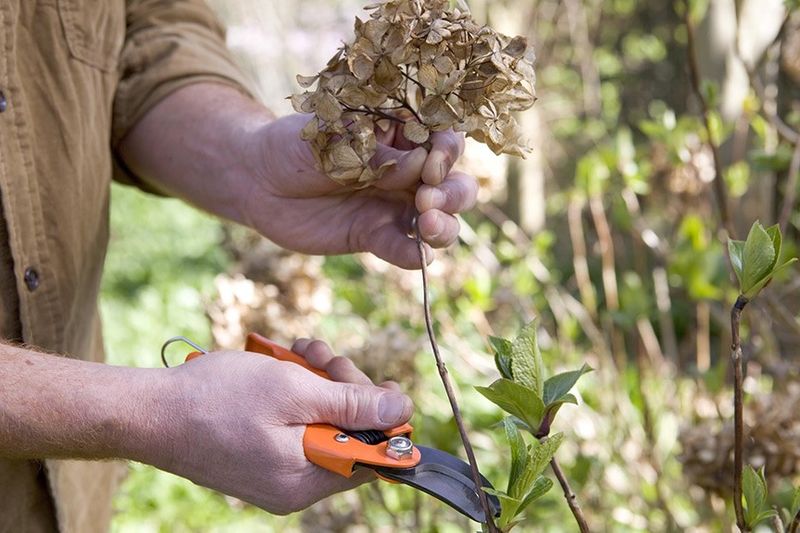
Bigleaf hydrangeas, known scientifically as Hydrangea macrophylla, are some of the most beloved flowering shrubs in Pennsylvania. Their big, round flower heads in shades of blue, pink, and purple make them a showstopper in any yard.
But they are also one of the most misunderstood plants when it comes to pruning. Most varieties of Hydrangea macrophylla bloom on old wood. That means the flower buds are already sitting on last year’s stems, just waiting to open.
If you prune those stems in fall or even in late spring, you are cutting off the very buds that would have become this summer’s flowers.
The safest approach is to prune as little as possible, and only do it early in spring or right at the start of May. At that point, you can see which stems survived winter and which ones did not.
Remove only the clearly damaged or non-viable stems, and leave everything else alone. Pennsylvania winters can be tough on Hydrangea macrophylla. Cold snaps sometimes zap the flower buds even on stems that look perfectly healthy from the outside.
If you are not sure whether a stem is alive, scratch the bark gently with your fingernail. Green underneath means it is alive; brown means it is not.
Some newer varieties, like Endless Summer, bloom on both old and new wood, giving them a better chance of flowering even after a harsh Pennsylvania winter.
If you struggle with your bigleaf hydrangea blooming, consider switching to one of these more reliable repeat-blooming types for a more rewarding garden experience.