These 9 Native Florida Plants Will Help Wildlife Recover After Cold
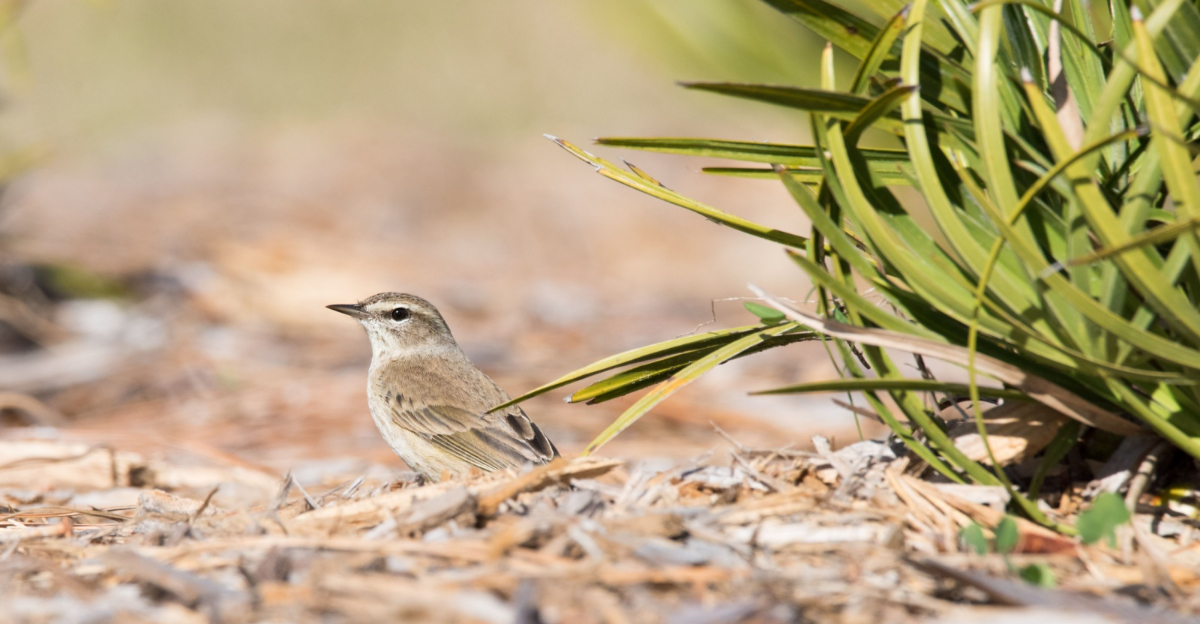
After a cold spell in Florida, wildlife often struggles to find food, shelter, and safe places to recover. Native plants play a key role in helping ecosystems bounce back because they are adapted to local weather and support birds, pollinators, and small animals.
As temperatures warm, the right plants quickly provide nectar, seeds, berries, and protective cover.
This early recovery helps stabilize food sources and encourages wildlife to return sooner. Choosing native species also strengthens habitats long term, making landscapes more resilient to future cold events.
Home gardens, community spaces, and natural areas can all contribute to this process with smart planting. Supporting wildlife recovery does not require large changes, just the right plant choices in the right places.
With thoughtful selection, Florida landscapes can help restore balance, rebuild food chains, and provide reliable resources that birds, butterflies, and beneficial insects depend on after cold weather stress.
1. Firebush Restores Nectar For Pollinators
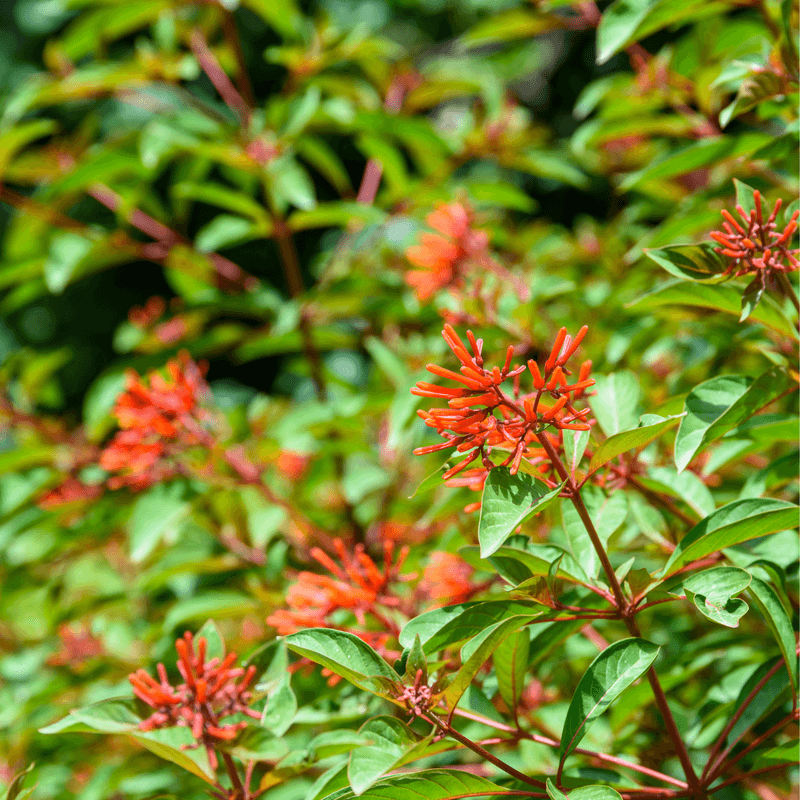
Few plants rebound as fast as firebush after a cold snap moves through Florida. Even when temperatures drop low enough to damage tender growth, the roots often survive and push out fresh stems once warm weather returns.
Those new stems waste no time producing clusters of bright orange tubular flowers that hummingbirds and butterflies find irresistible.
Firebush blooms nearly year round in warmer parts of Florida and rebounds quickly even in central regions where frost occurs. The nectar rich flowers provide critical energy for pollinators recovering from cold stress.
Ruby-throated hummingbirds returning in spring often use firebush as an important nectar source. Zebra longwings, gulf fritillaries, and other butterflies visit constantly once blooms appear.
This shrub grows fast in full sun and tolerates a wide range of soils including sandy and rocky conditions. It handles drought well once established but grows more vigorously with occasional watering.
Firebush can reach six to eight feet tall and wide, making it perfect for hedges, borders, or standalone specimens. Regular light pruning keeps it compact and encourages more flowering.
Wildlife value extends beyond nectar. Birds eat the small dark berries that follow flowers.
Dense branching provides shelter and nesting sites. Firebush belongs in every Florida wildlife garden because it delivers consistent support for pollinators and birds throughout the year, especially during recovery periods after cold weather passes through.
2. Beautyberry Provides Critical Food For Birds
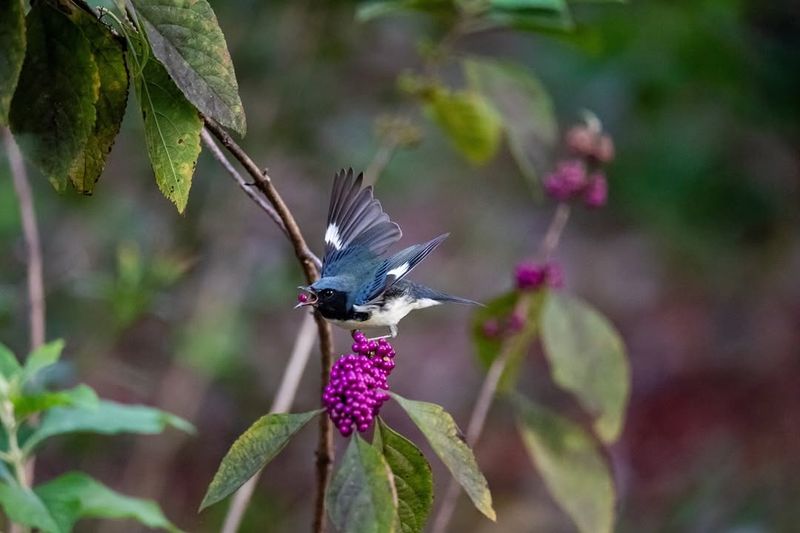
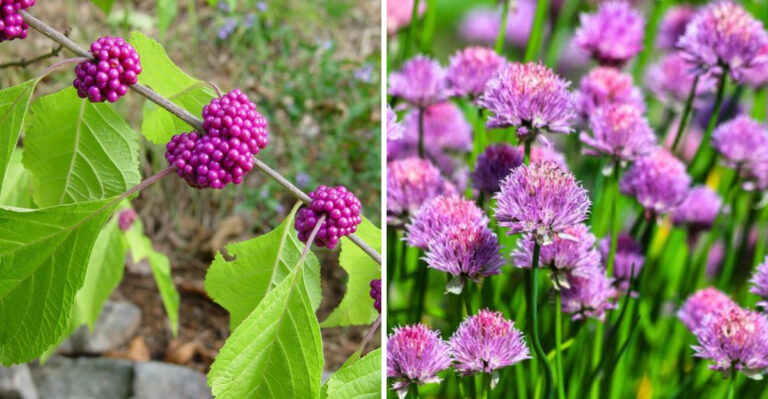
Beautyberry earns its name with stunning clusters of bright purple berries that appear in fall and persist well into winter. These berries become essential food for birds when cold weather limits other food sources across Florida.
More than forty bird species including mockingbirds, cardinals, catbirds, and woodpeckers feed heavily on beautyberry fruit during lean times.
The shrub handles cold weather remarkably well. While top growth may suffer damage during hard freezes, the root system remains vigorous and sends up new growth rapidly.
Berries often cling to branches even after leaves drop, remaining available to hungry birds throughout winter months. This persistence makes beautyberry invaluable when insects are scarce and other fruit sources have been depleted.
Beautyberry thrives in partial shade to full sun and adapts to various soil types common in Florida. It grows four to six feet tall and wide with an open, arching habit.
Your Florida Garden Changes Every Week. Your Plan Should Too.
Gardening in Florida changes quickly throughout the season. Every Friday you’ll receive a simple weekly plan showing exactly what to plant, prune, fertilize, harvest, and protect so you never miss the right timing.
Spring brings small pink flowers that attract early season pollinators. By late summer, the signature purple berries begin forming in tight clusters along the stems.
Plant beautyberry in naturalized areas, woodland edges, or mixed native borders. It spreads slowly by seeds dropped by birds, creating informal colonies over time.
The shrub requires little maintenance beyond occasional shaping. Beautyberry stands out as one of the most important native plants for supporting bird populations during and after cold weather events in Florida landscapes.
3. Walters Viburnum Offers Shelter And Early Blooms
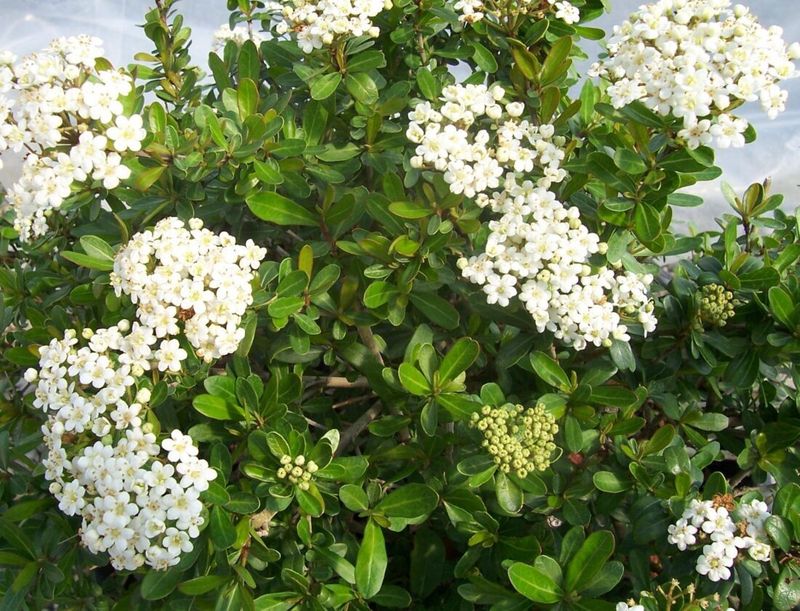
Walters viburnum combines evergreen foliage, early flowers, and dense growth into one exceptional wildlife plant. The thick branching structure provides safe shelter for birds and small animals seeking protection during and after cold periods.
Cardinals, thrashers, and wrens nest in its secure interior while other birds use it as a daytime refuge from predators.
Flowers appear in late winter and early spring just as pollinators begin emerging from cold weather dormancy. Flat topped clusters of small white blooms attract early bees, flies, and other beneficial insects desperate for nectar after weeks of limited food availability.
This early bloom timing fills a critical gap when few other plants are flowering in Florida.
Small black berries follow the flowers and ripen in late spring and summer. Birds devour these fruits quickly, spreading seeds and establishing new plants naturally.
The berries provide protein and fat that help birds rebuild strength after the stress of cold weather and migration.
Walters viburnum grows six to twelve feet tall in sun to partial shade. It tolerates various soil types and handles both wet and dry conditions once established.
The evergreen leaves stay attractive year round, making this shrub valuable for screening and privacy while supporting wildlife. Cold hardy throughout Florida, Walters viburnum recovers quickly from any frost damage and continues providing shelter and food without interruption.
4. Simpsons Stopper Provides Fruit And Cover
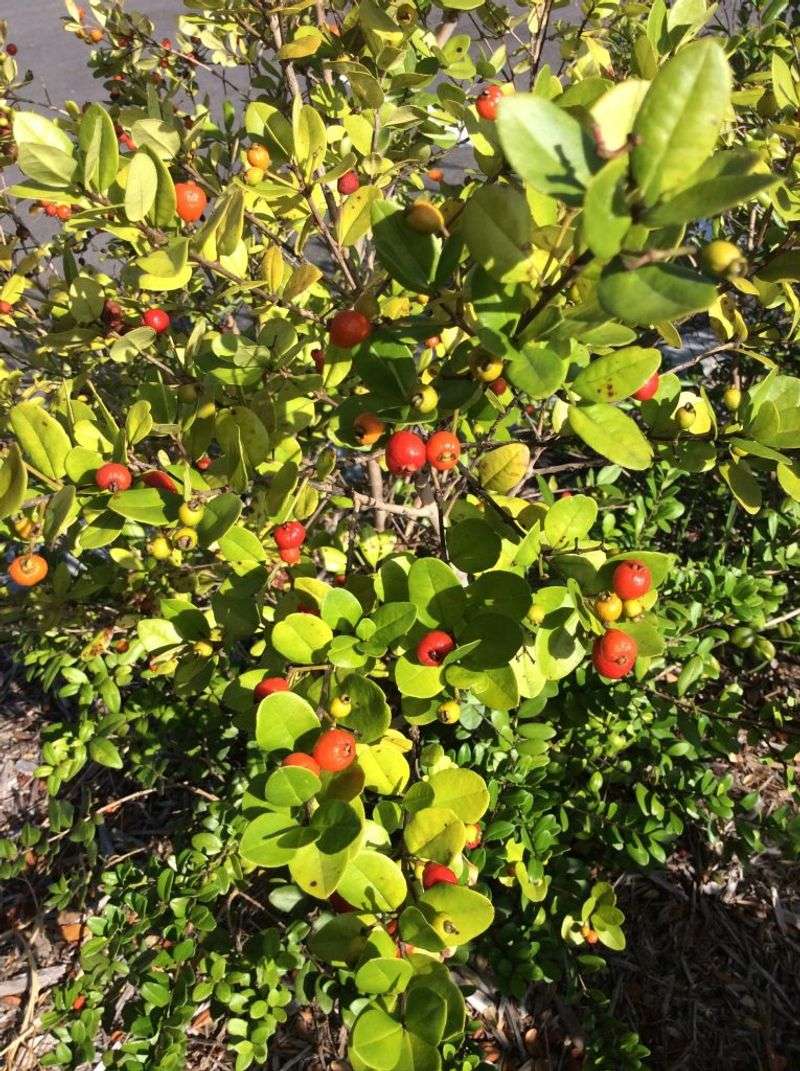
Simpsons stopper delivers year round wildlife support with evergreen foliage, abundant berries, and dense branching that creates safe shelter. The shrub maintains its structure through cold weather, offering consistent protection for birds and small animals when they need it most.
Mockingbirds, robins, and cedar waxwings feed on the berries, which typically ripen after spring flowering, often in late summer and early fall.
Flowers appear in spring and sporadically through summer, producing small white blooms that attract bees and butterflies. The real wildlife value comes from the steady production of berries that follow flowering.
These fruits provide essential nutrition for birds recovering from cold stress and migrating species passing through Florida.
The dense evergreen canopy serves multiple purposes. Birds nest safely within the protected interior.
Small mammals find shelter among the branches. The thick foliage buffers cold winds and creates warmer microclimates that help wildlife conserve energy during temperature drops.
Simpsons stopper adapts to full sun or partial shade and tolerates sandy, rocky, or clay soils. It grows six to fifteen feet tall depending on growing conditions and pruning.
The shrub handles salt spray, making it valuable for coastal properties. Drought tolerance develops quickly after establishment, though occasional watering encourages faster growth and heavier fruiting.
Plant Simpsons stopper as a hedge, screen, or specimen shrub. Its reliable performance and constant wildlife support make it essential for Florida landscapes focused on helping animals recover after cold weather events.
5. Coontie Rebuilds Butterfly Habitat
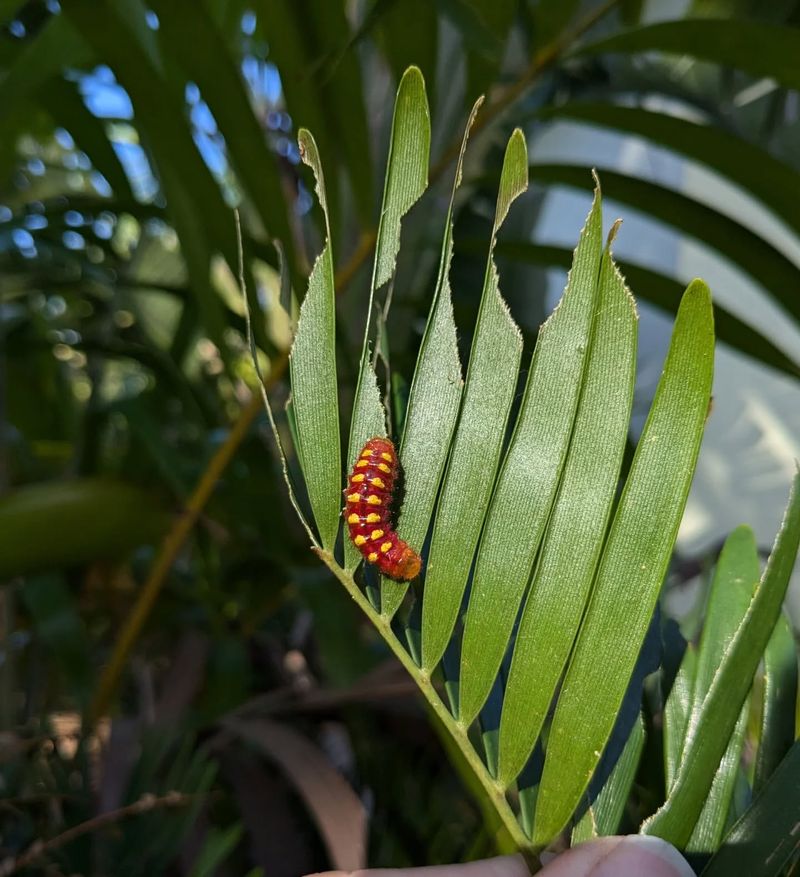
Coontie stands alone as the only host plant for the stunning Atala butterfly in Florida. Without coontie, this beautiful blue and orange butterfly cannot complete its life cycle.
Female Atalas lay eggs exclusively on coontie leaves, and the caterpillars feed only on this ancient cycad. Cold weather slows butterfly activity, but coontie remains evergreen and ready to support new generations once temperatures rise.
The plant’s toughness after cold weather makes it especially valuable. Coontie tolerates freezes that would damage or eliminate many other plants.
Its underground stem, called a caudex, stores energy and sends up fresh fronds quickly when warmth returns. This resilience ensures that Atala butterflies always find suitable host plants available for egg laying and caterpillar development.
Coontie grows slowly but steadily in sun to shade, reaching two to three feet tall and wide. The dark green fronds create attractive groundcover or accent plantings.
It adapts to various soil types and handles drought well once established. Coontie thrives in containers, rock gardens, and understory plantings beneath taller native trees and shrubs.
Beyond supporting Atala butterflies, coontie’s dense fronds offer shelter for ground-dwelling wildlife. Plant coontie generously throughout your landscape to ensure strong Atala butterfly populations that can recover quickly after every cold period passes through Florida.
6. Coral Honeysuckle Feeds Returning Hummingbirds
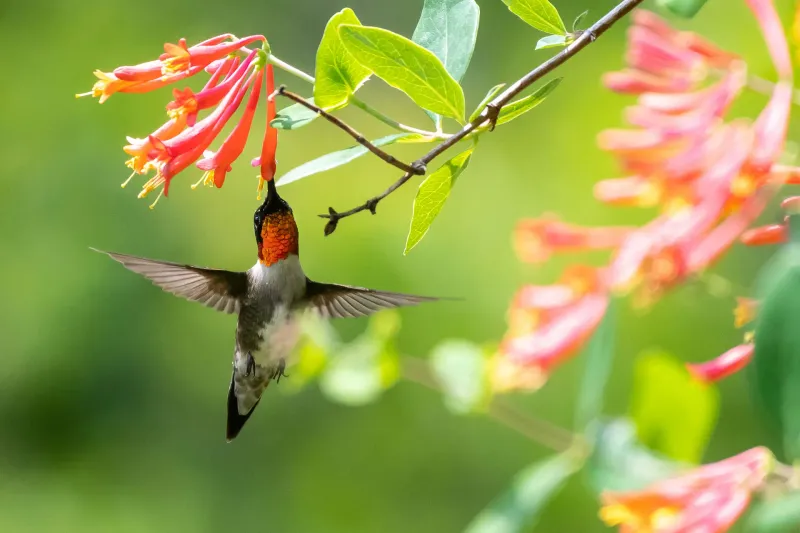
Coral honeysuckle vines explode with tubular red flowers in spring just as ruby throated hummingbirds return to Florida or pass through during migration. These nectar rich blooms provide essential energy for birds that have traveled hundreds of miles and need to rebuild fat reserves quickly.
Unlike invasive exotic honeysuckles, coral honeysuckle behaves well in Florida landscapes and delivers superior wildlife value.
The vine handles cold weather without major setbacks. Evergreen in South Florida and semi evergreen in central regions, coral honeysuckle maintains enough foliage to photosynthesize and produce flowers rapidly when warm weather returns.
Blooming peaks in spring but continues sporadically through fall, offering nectar during multiple recovery periods after cold fronts.
Hummingbirds visit constantly while flowers are present. Butterflies and native bees also feed on the nectar.
Small red berries follow the flowers and attract songbirds including mockingbirds and robins. The berries ripen in summer and persist into fall, providing food when other sources become scarce.
Coral honeysuckle grows best in full sun to partial shade. It climbs fences, trellises, and arbors or sprawls as groundcover if left unsupported.
The vine reaches ten to twenty feet long and tolerates various soil types. Established plants handle drought but bloom more heavily with occasional watering.
Plant coral honeysuckle near windows or patios where you can watch hummingbirds feed. Its reliable performance and wildlife support make it essential for Florida gardens focused on helping pollinators recover after cold weather.
7. Muhly Grass Creates Safe Wildlife Shelter
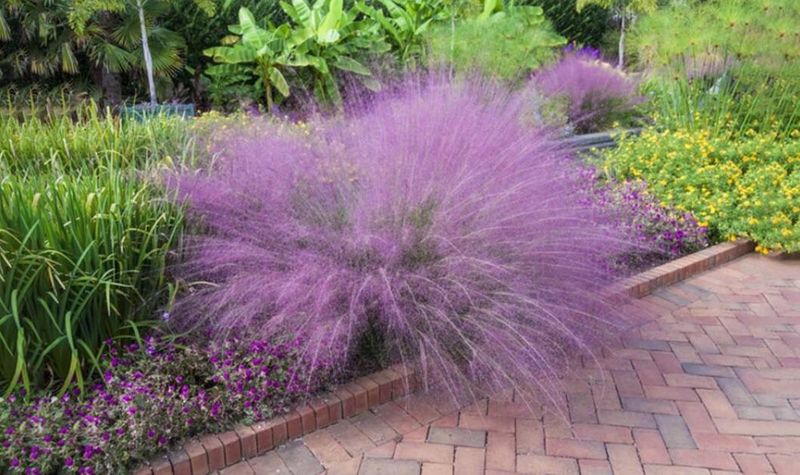
Muhly grass forms dense clumps that provide critical shelter for ground dwelling birds, small mammals, and beneficial insects. The thick tussocks create protected microclimates that buffer cold winds and retain warmth during temperature drops.
Towhees, sparrows, and wrens forage around the base and retreat into the grass when threatened. Small animals use the clumps as safe corridors for moving through open areas.
The grass stays semi evergreen through winter in most of Florida, maintaining structure that wildlife depends on for cover. New growth emerges quickly when warm weather returns, creating fresh nesting material and additional shelter.
Birds pull dried grass blades to line nests, making muhly grass valuable beyond just protective cover.
Spectacular pink or white plumes appear in fall, creating stunning displays that last for weeks. These seed heads attract seed eating birds including goldfinches and sparrows.
The seeds provide nutrition during fall and winter when insects are scarce and other food sources have declined.
Muhly grass thrives in full sun and well drained sandy soils common across Florida. It tolerates drought, salt spray, and occasional flooding.
Clumps reach three to four feet tall and wide. Plant muhly grass in masses for maximum wildlife impact.
The repetition creates safe habitat corridors that help animals move through landscapes while staying protected.
Cut back old foliage in late winter before new growth begins. This maintenance keeps plants vigorous and attractive while preserving wildlife shelter through the coldest months when animals need it most.
8. Saw Palmetto Sustains Birds And Small Animals
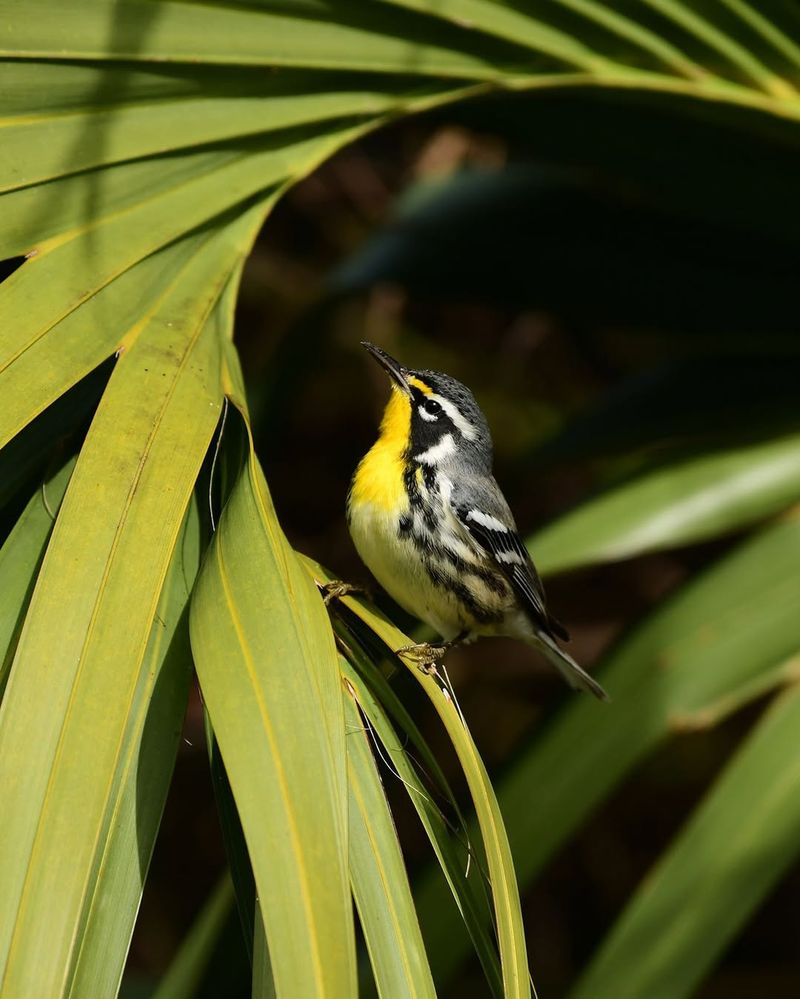
Saw palmetto dominates understory habitats throughout Florida, providing year round food and shelter that countless wildlife species depend on. The dark berries ripen in fall and persist through winter, offering high fat nutrition when animals need extra calories to maintain body heat during cold weather.
More than one hundred bird species and numerous mammals feed on saw palmetto fruits.
The dense fan shaped fronds create impenetrable thickets that protect ground nesting birds, gopher tortoises, and small mammals from predators. Cold winds cannot penetrate the thick foliage, creating warmer microclimates underneath that help wildlife conserve energy.
Many animals shelter in saw palmetto during and after cold fronts, using the protective cover until temperatures moderate.
Flowers appear in spring on tall stalks rising above the fronds. Bees and other pollinators visit heavily, gathering pollen and nectar.
This early season food source helps pollinators rebuild populations after winter dormancy and cold weather stress.
Saw palmetto grows slowly but steadily in sun to shade. It adapts to dry sandy soils, wet flatwoods, and everything in between.
The palm spreads by underground stems, forming colonies over time. Height ranges from two to seven feet depending on growing conditions.
Plant saw palmetto in naturalized areas, woodland edges, or as understory beneath native trees. Its unmatched wildlife value and cold hardiness make it essential for Florida landscapes.
Saw palmetto supports more species than almost any other native plant, helping entire ecosystems recover after every cold weather event.
9. Goldenrod Revives Late Season Pollinators
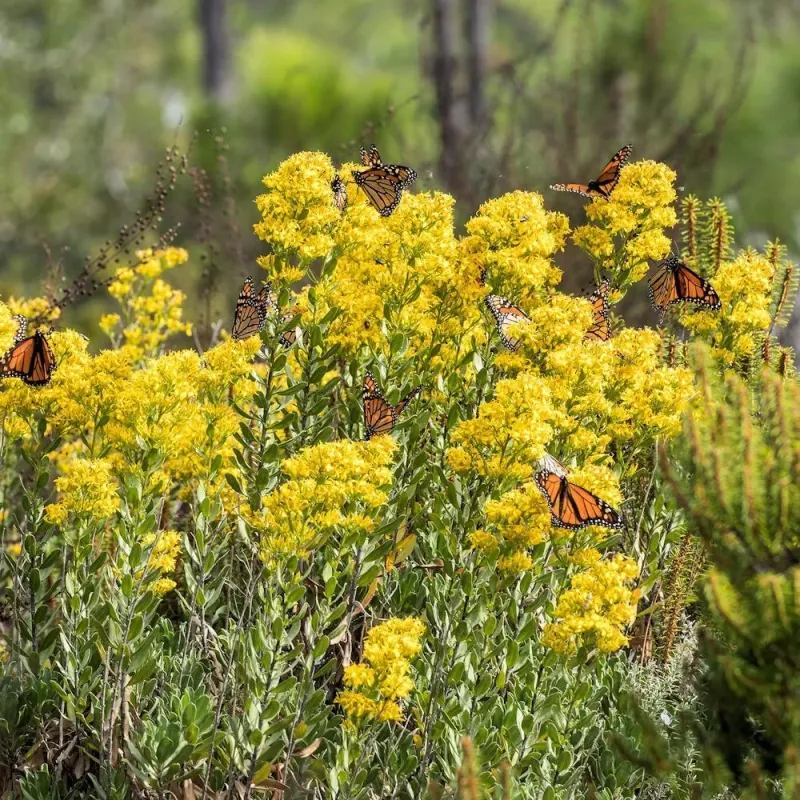
Goldenrod blooms explode in fall just when pollinators need abundant nectar to prepare for winter or complete migration. The bright yellow flower clusters attract dozens of bee species, butterflies, beneficial wasps, and flies.
This late season nectar bonanza helps rebuild pollinator populations after summer heat and provides essential energy before and after fall cold fronts move through Florida.
Several goldenrod species native to Florida bloom at slightly different times, extending the flowering period from late summer through fall. This succession ensures consistent nectar availability during the critical transition period when temperatures fluctuate and insects face increased stress.
Monarchs migrating through Florida feed heavily on goldenrod nectar to fuel their journey south.
The plants handle cold weather remarkably well. While flowers may pause during cold snaps, blooming resumes quickly when temperatures rise.
This reliability makes goldenrod essential for supporting pollinator recovery after each cold event. Native bees especially depend on goldenrod nectar and pollen for late season reproduction and food storage.
Goldenrod grows three to six feet tall in full sun. It tolerates poor sandy soils, drought, and occasional flooding.
The plants spread slowly by rhizomes, creating natural drifts over time. Contrary to popular myth, goldenrod does not cause allergies.
Ragweed, which blooms simultaneously, produces the allergenic pollen wrongly blamed on goldenrod.
Plant goldenrod in meadows, borders, or naturalized areas. Cut back spent flower stalks in late winter.
The seeds provide food for goldfinches and other small birds through winter, adding another layer of wildlife support to this essential Florida native plant.