Can Your Florida HOA Ban Vegetable Gardens (And What Usually Happens In Practice)
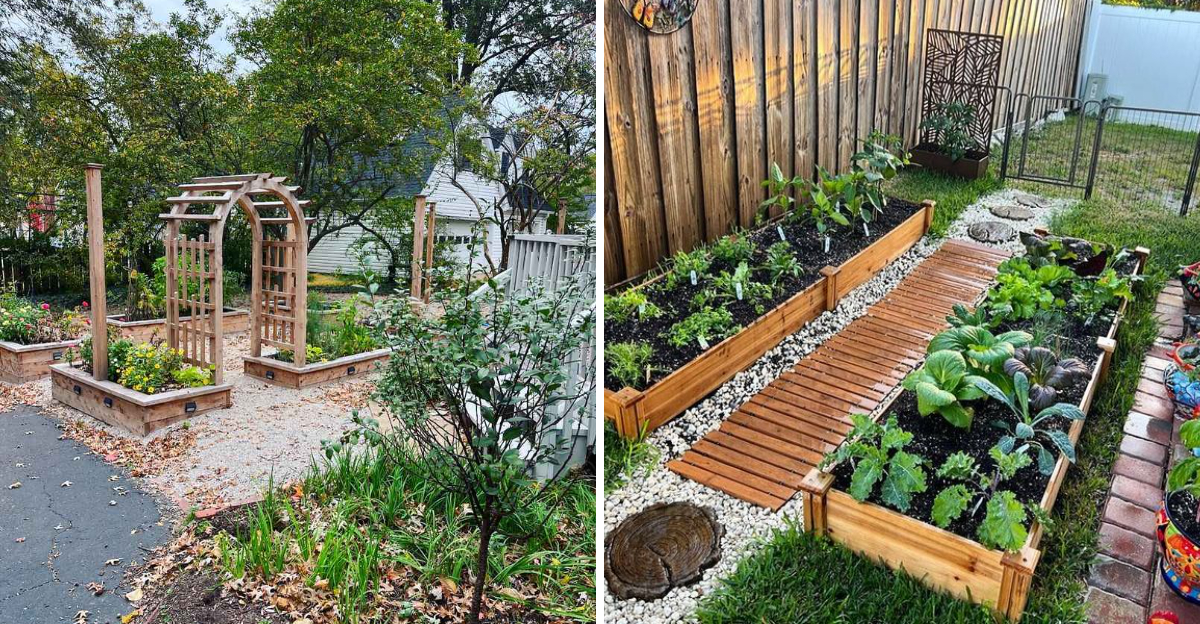
You plan a simple vegetable garden, fresh tomatoes, herbs, maybe a few raised beds. Then the letter arrives.
A notice from your HOA questioning what you planted and where. Many Florida homeowners run into this exact situation and wonder: can an HOA actually ban vegetable gardens?
The answer is not always simple, and what happens in real neighborhoods often looks very different from what rules suggest on paper. Some associations try to restrict visibility, placement, or structure, while others quietly allow gardens once they blend into the landscape.
Enforcement can vary, and outcomes often depend on wording, persistence, and community pressure. Homeowners across Florida have challenged, negotiated, or adapted their gardens with surprising results.
Understanding how these situations usually unfold can help you avoid conflict, understand your options, and choose a lower-conflict path forward before your first seed even goes into the soil.
1. Florida Law Limits HOA Control Over Food Gardens
State law in Florida has evolved over the years to address homeowner rights in planned communities. Some statutes place boundaries on what associations can prohibit, especially when it comes to activities that serve practical household purposes.
The protection for vegetable gardens specifically is not always clear-cut or universal across all situations.
Homeowners often assume that any state law automatically overrides all HOA rules. That’s not quite how it works.
The interaction between state statutes, local codes, and community covenants can be complex and fact-specific.
Certain provisions in Florida law do limit HOA authority in defined areas such as solar panels, drought-tolerant landscaping, and other environmental features. Whether vegetable gardens fall squarely under these protections depends on how the statute is written and how courts or regulators interpret it.
Details matter, and the law can change as new legislation passes.
Rather than relying on secondhand summaries, homeowners should verify current Florida statutes directly from the official Florida Legislature website or consult a qualified attorney familiar with community association law. This ensures the information is accurate, up to date, and applicable to your specific community and circumstances.
2. What Florida Statutes Actually Protect
Florida Statutes contain numerous provisions that govern homeowners associations and the rights of property owners within them. Chapter 720 of the Florida Statutes covers homeowners associations in detail, outlining their powers, duties, and limitations.
Some sections protect specific homeowner activities from being banned outright.
For example, Florida Statute 720.3045 includes vegetable gardens, but protection generally applies only when the garden is not visible from the street, neighboring property, or common areas. Other statutes protect the installation of solar collectors and clotheslines.
However, finding a statute that explicitly and comprehensively protects vegetable gardens in all contexts is not straightforward.
Legal language can be technical, and statutory protection often comes with conditions or exceptions. A statute might allow an activity but still permit the HOA to regulate its location, appearance, or maintenance standards.
Reading the full text of any relevant statute is essential before drawing conclusions.
Homeowners should access the official Florida Legislature website to review the current version of any statute they believe applies. Legal interpretations can also vary, so consulting an attorney with experience in Florida HOA law provides clarity.
Your Florida Garden Changes Every Week. Your Plan Should Too.
Gardening in Florida changes quickly throughout the season. Every Friday you’ll receive a simple weekly plan showing exactly what to plant, prune, fertilize, harvest, and protect so you never miss the right timing.
University of Florida IFAS Extension offices can provide guidance on gardening and landscape practices, but they do not provide legal interpretation of HOA rules or statutes.
3. HOA Rules Still Influence Garden Placement
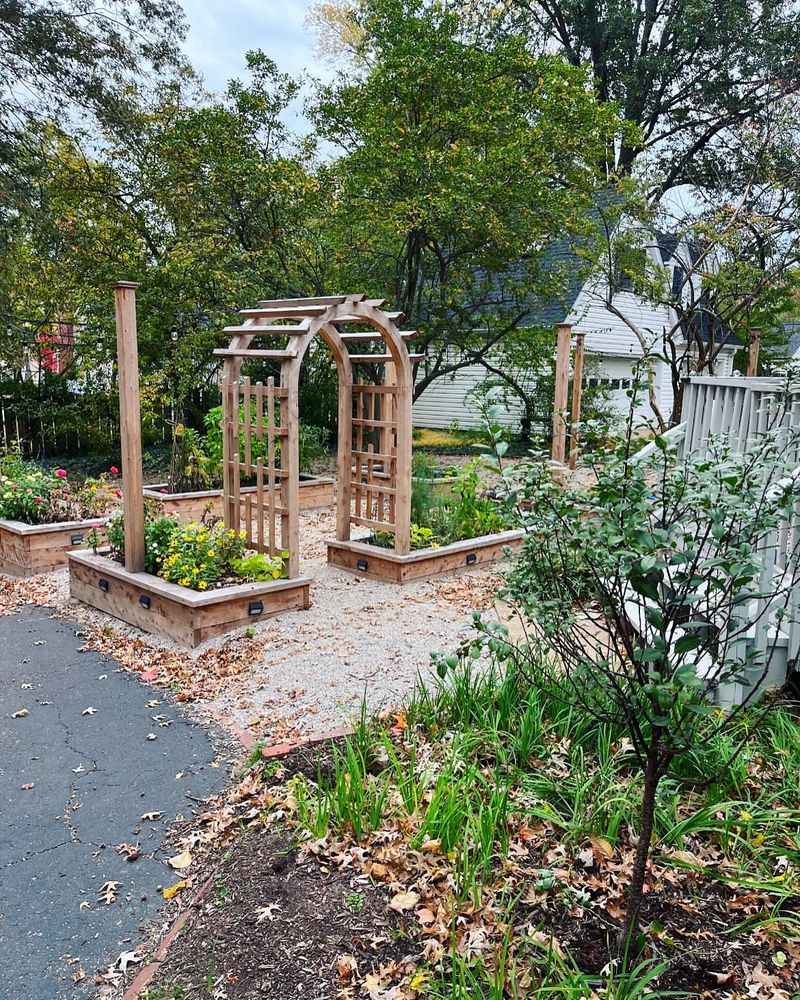
Even when state law allows vegetable gardens, your HOA’s governing documents still play a major role in determining where and how you can grow food. Declarations, bylaws, and architectural guidelines typically include detailed landscaping standards.
These rules often specify what can be placed in front yards, side yards, and backyards.
Many Florida HOAs prohibit any structures or plantings in front yards that don’t match the community’s aesthetic vision. This can include raised garden beds, trellises, or anything that looks different from traditional ornamental landscaping.
Side yards may have setback requirements or rules about visibility from neighboring properties.
Florida’s vegetable-garden preemption law mainly limits cities and counties, while HOA restrictions are addressed separately under Chapter 720, including the visibility standard in Statute 720.3045.
Backyard gardens usually face fewer restrictions, but even there, some communities regulate fencing, irrigation systems, and the height of plants. Architectural review committees often require written approval before any changes to landscaping.
Submitting a detailed plan with photos or sketches improves approval chances.
Homeowners should carefully read the recorded covenants and any amendments, along with current architectural guidelines. These documents outline what requires approval and what the approval process involves.
Ignoring these rules can lead to violation notices, fines, or required removal of the garden.
4. Front Yard Restrictions Often Cause Conflict
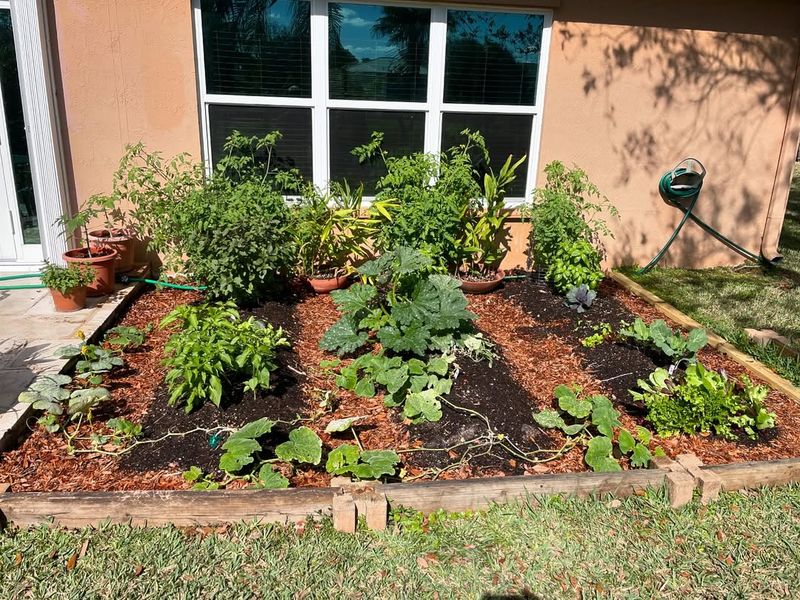
The most heated disputes between Florida homeowners and their HOAs usually involve what’s visible from the street. Front yards are considered the face of the community, and many associations enforce strict standards to maintain uniform curb appeal.
Vegetable gardens in front yards often trigger complaints from neighbors or board members.
Tomatoes, peppers, and squash plants can look lush and productive, but they don’t always match the tidy, ornamental appearance that HOAs prefer. Some communities view vegetables as messy or agricultural rather than decorative.
Even neatly maintained gardens can face pushback if they differ from surrounding landscapes.
Homeowners who plant vegetables in highly visible areas without approval often receive violation letters quickly. The notice typically requests removal or relocation within a set timeframe.
Ignoring the notice can lead to fines that accumulate daily.
Avoiding front yard gardens altogether is often the simplest way to prevent conflict. If front yard space is all you have, consider submitting a detailed proposal that emphasizes neat design, matching materials, and ornamental companion plants.
Some associations approve edible landscaping if it looks intentional and well-maintained. Polite communication and patience can make a difference.
5. Aesthetic Rules Shape What Gets Approved
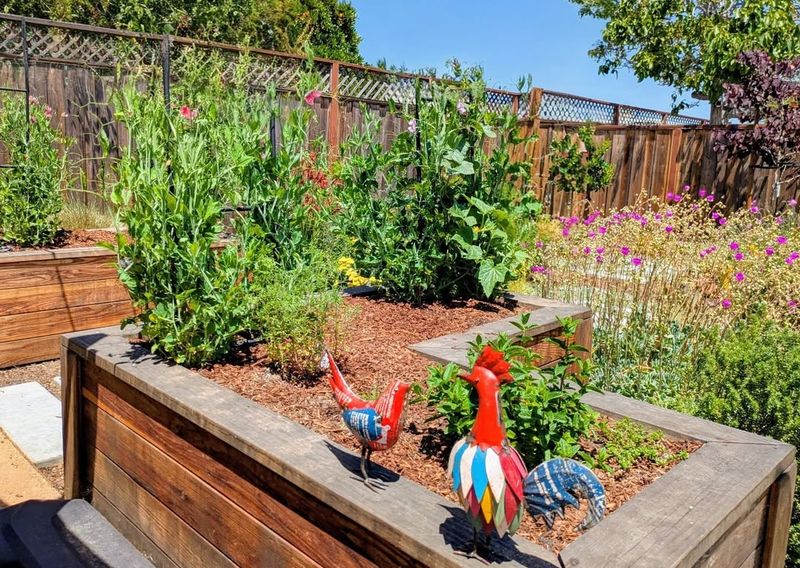
Appearance standards are central to most HOA landscaping rules in Florida. Associations want yards to look intentional, tidy, and consistent with the neighborhood’s overall character.
Vegetable gardens that meet these standards have a much better chance of approval or acceptance.
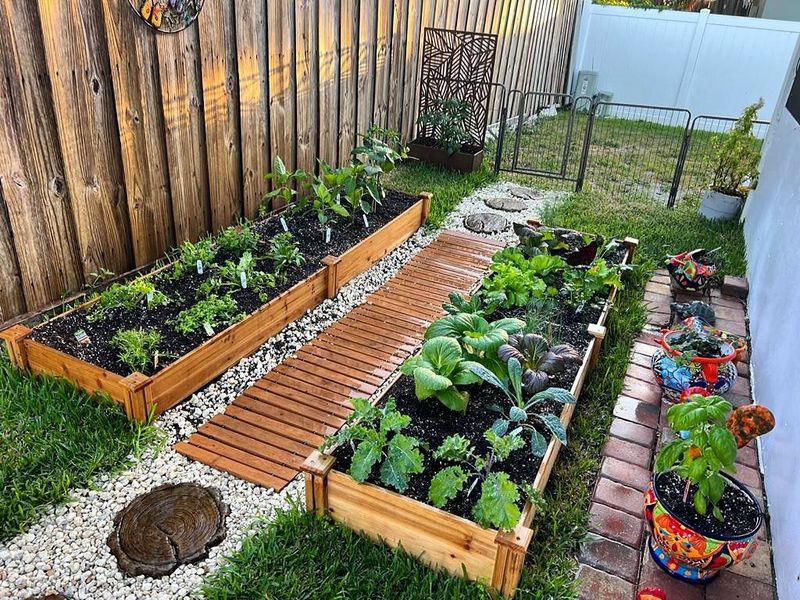
Common aesthetic requirements include clean bed edges, weed-free soil, consistent mulch, and uniform materials. Raised beds should be built from matching lumber or composite materials rather than mismatched pallets or scrap wood.
Pathways should be clearly defined and covered with gravel, pavers, or mulch.
Overgrown plants, bare soil, and haphazard layouts often attract complaints. Seasonal upkeep matters too.
Gardens that look productive in spring but turn weedy and neglected by summer can violate maintenance rules. Regular weeding, pruning, and replanting keep the space looking purposeful.
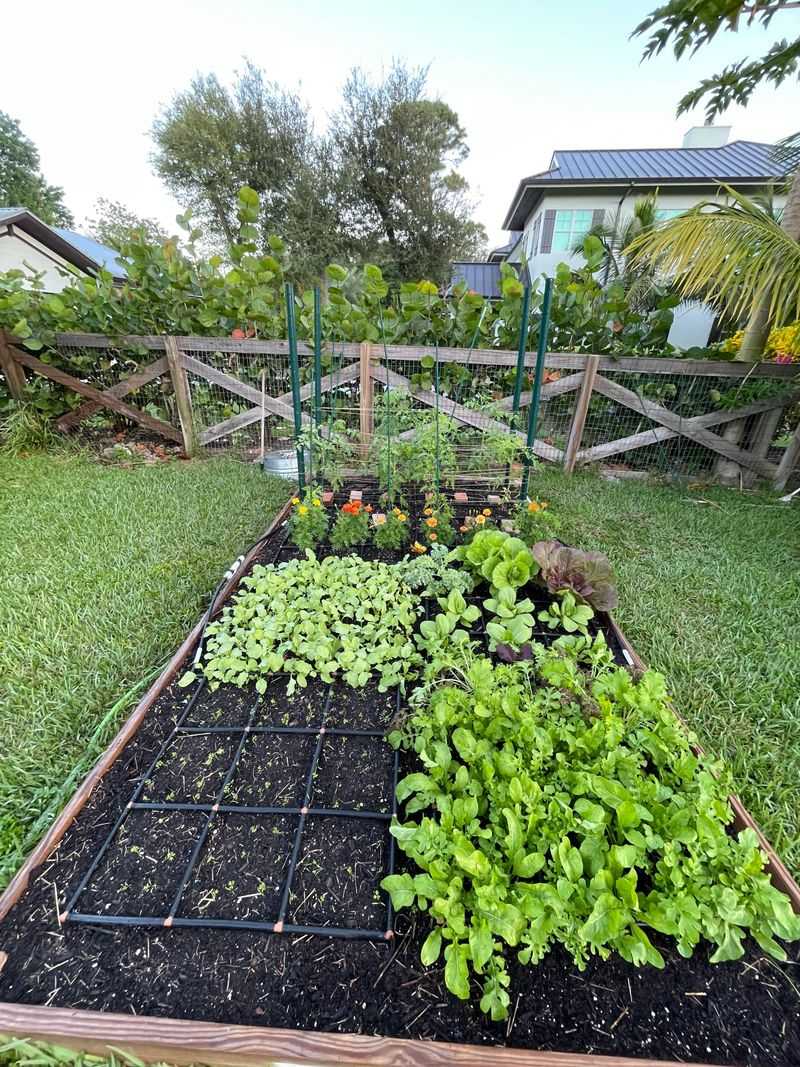
Using ornamental edging plants like herbs, marigolds, or compact flowers around vegetable beds softens the appearance and blends the garden into the landscape. Drip irrigation systems are neater than sprinklers and reduce visible hoses.
Containers on patios or decks offer flexibility and often require no approval at all. Thoughtful design communicates respect for community standards.
6. Enforcement Varies From Strict To Flexible
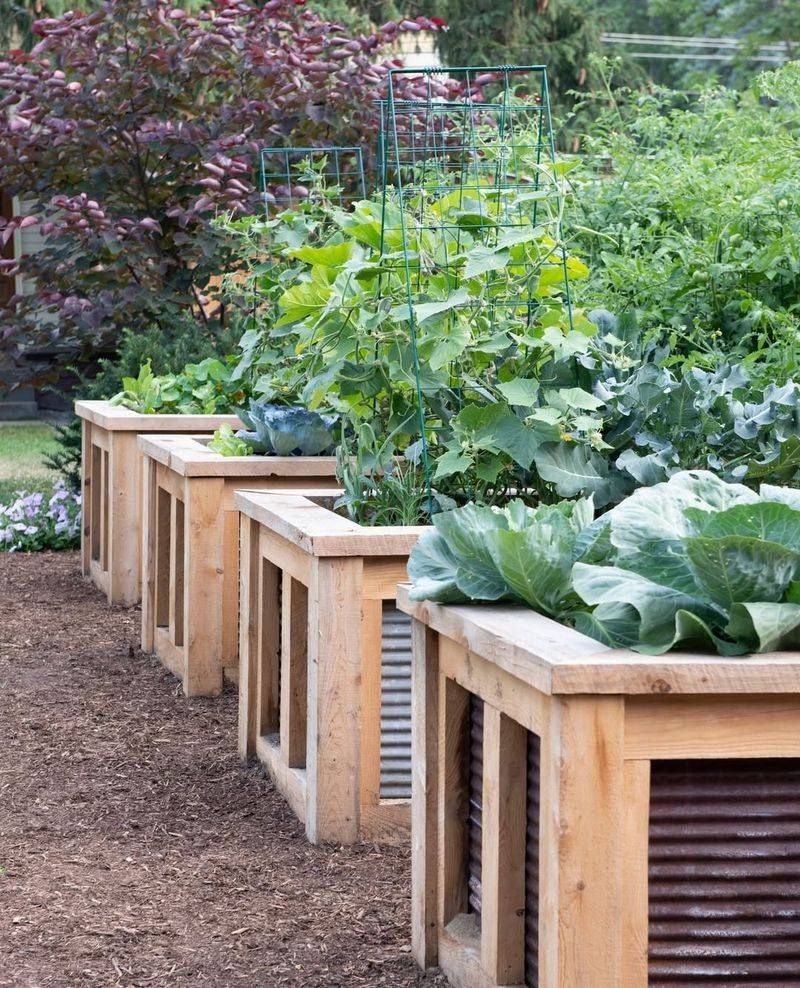
How strictly your HOA enforces landscaping rules depends on several factors. Some boards take a hands-on approach and inspect properties regularly.
Others respond mainly to complaints from neighbors. Management companies also influence enforcement, as they often handle day-to-day rule violations and send initial notices.
In communities with active architectural committees, any visible change to landscaping may trigger a request for documentation or approval. Other neighborhoods operate more informally, with enforcement happening only when someone complains.
Complaint-driven enforcement means gardens that don’t bother neighbors may go unnoticed for years.
Typical enforcement starts with a written notice describing the issue and giving a deadline to correct it, often around 10 to 30 days, depending on the HOA’s documents and procedures. If the homeowner doesn’t respond, the HOA may send follow-up letters and eventually impose fines.
Some associations have hearing processes where homeowners can explain their situation.
Understanding your HOA’s enforcement style helps you assess risk. Reading past board meeting minutes can reveal how the board has handled similar issues.
Talking informally with board members or neighbors provides insight into what’s tolerated. Keeping written records of all communications protects you if disputes escalate.
7. Most Disputes End In Compromise
Real-world outcomes for vegetable garden disputes rarely escalate to lawsuits or dramatic showdowns. Most situations resolve through practical compromise once both sides communicate.
Homeowners often adjust their plans, and HOAs sometimes grant conditional approval with specific requirements.
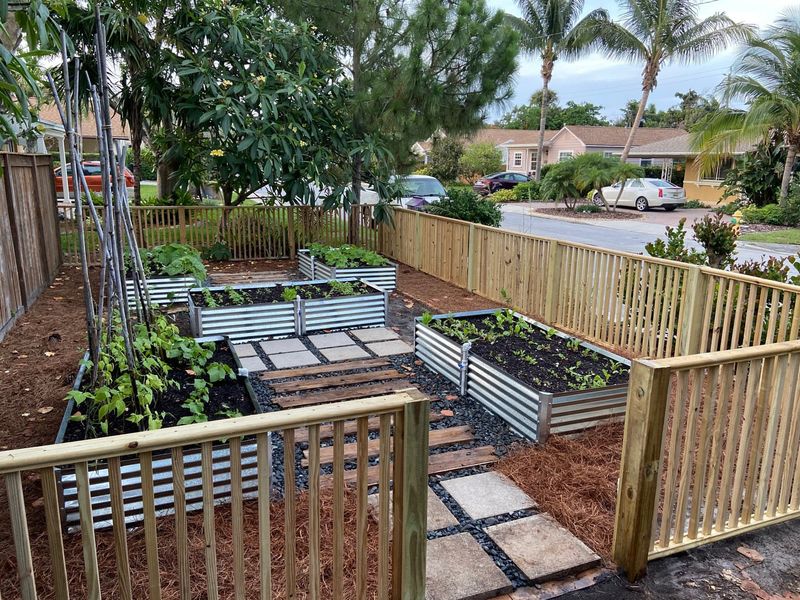
Common compromises include relocating garden beds from front yards to backyards or side yards. Adding privacy screening with shrubs or fencing can satisfy visibility concerns.
Switching from in-ground beds to attractive containers on patios reduces the perceived impact on common landscaping aesthetics.
Some homeowners agree to reduce garden size, use matching materials, or commit to regular maintenance schedules. Others replace certain vegetables with ornamental edibles like colorful chard, decorative kale, or herb borders that blend better with traditional landscaping.
These adjustments often satisfy both the homeowner’s desire to grow food and the HOA’s aesthetic standards.
Polite, solution-focused communication works better than adversarial approaches. Attending board meetings, submitting written proposals with photos, and demonstrating willingness to cooperate build goodwill.
Most board members are neighbors too, and they appreciate homeowners who respect community standards while pursuing their gardening goals. Flexibility on both sides leads to outcomes everyone can live with.
8. Smart Garden Design Avoids HOA Problems
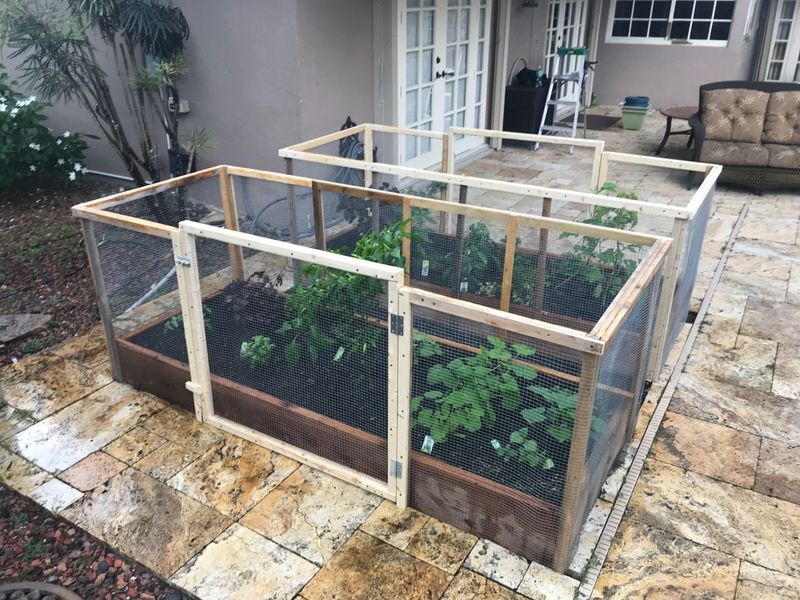
Planning your garden with HOA rules in mind from the start prevents headaches later. Choose locations that are less visible from the street and neighboring properties.
Backyards and side yards behind fences are usually safer choices than front yards or open areas.
Use high-quality materials that look intentional and permanent. Cedar or composite raised beds appear more polished than repurposed crates.
Brick or stone edging adds a finished look. Clean pathways covered with mulch, gravel, or pavers make the garden look designed rather than improvised.
Container gardens offer maximum flexibility and often require no approval. Large pots on patios or decks can grow tomatoes, peppers, herbs, and greens without altering the yard’s footprint.
Drip irrigation systems keep watering tidy and efficient, avoiding messy hoses draped across lawns.
Combining vegetables with ornamental plants softens the garden’s appearance. Planting basil next to marigolds, or lettuce alongside pansies, creates a landscape that looks decorative and purposeful.
Regular maintenance keeps everything tidy and shows respect for community standards. Before starting, review your HOA documents, submit any required applications, and keep copies of all approvals.
Consulting a Florida attorney or local extension office provides guidance tailored to your situation.