This Botanical Garden In North Carolina Is One Of The Best For Garden Lovers
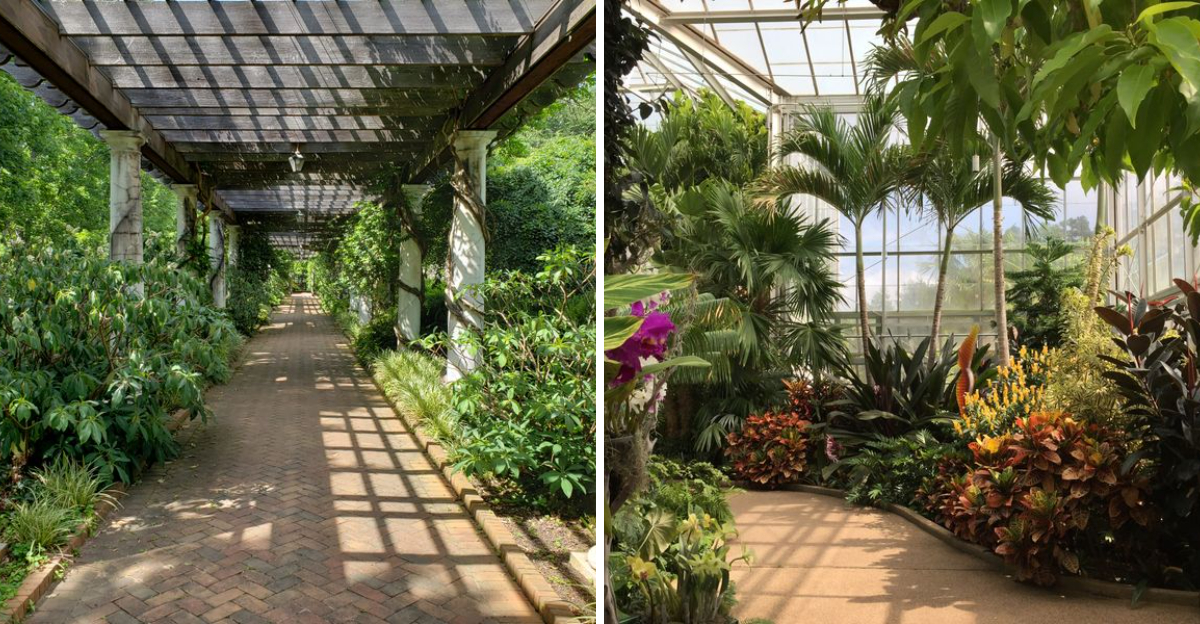
Just outside Charlotte lies a place where color, calm, and natural beauty come together in a truly refreshing way. Daniel Stowe Botanical Garden is more than a collection of plants.
It is a peaceful escape where winding paths, vibrant blooms, and thoughtfully designed landscapes invite you to slow down and enjoy the moment. From seasonal flower displays to themed garden spaces, every visit offers something new to see and experience.
The setting feels both inspiring and relaxing, making it perfect for plant lovers, families, photographers, and anyone needing a break from busy daily life.
Beyond the beauty, the garden also shares knowledge through workshops, exhibits, and hands on learning for all ages.
Whether you come for a quiet walk, fresh inspiration, or a memorable day outdoors, this remarkable garden leaves a lasting impression and keeps visitors coming back again and again.
Discover One Of North Carolina’s Most Beautiful Botanical Gardens

Daniel Stowe Botanical Garden, i.e. Conservancy, sits on 380 acres in Belmont, North Carolina, offering visitors a carefully designed landscape that showcases both native and exotic plant species.
The garden opened to the public in 1999, fulfilling the vision of retired textile executive Daniel J.
Stowe, who wanted to create a space where people could appreciate horticultural beauty. This public garden serves as both a recreational destination and an educational resource for the surrounding community.
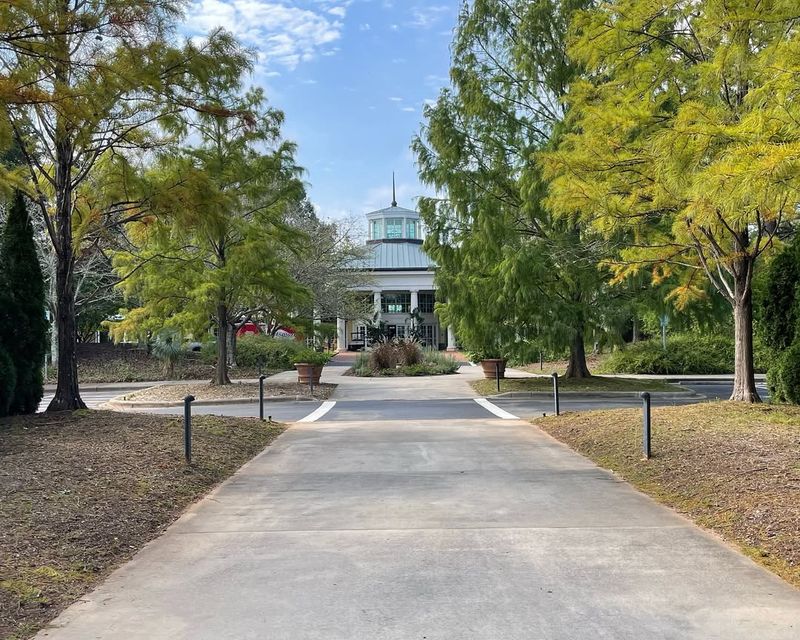
The location at 6500 S New Hope Rd, Belmont, NC 28012, United States provides easy access for visitors from Charlotte and neighboring areas.
The garden’s mission focuses on displaying plants in thoughtfully arranged settings that highlight their natural beauty while teaching visitors about plant diversity.
Each area within the garden follows specific design principles that create visual interest throughout the property.
Visitors can expect to find well-maintained grounds with clear signage and accessible pathways. The garden employs professional horticulturists who maintain the plant collections and ensure the landscape remains healthy and attractive year-round.
This attention to detail makes the garden a standout destination among North Carolina’s public gardens.
The combination of size, professional management, and diverse plant collections makes this botanical garden a significant regional attraction.
Whether you’re a serious gardener or simply enjoy natural beauty, the garden provides an environment designed for exploration and appreciation of the plant world.
Explore Stunning Themed Gardens Designed To Inspire Visitors
The garden features multiple themed sections, each designed with specific plant palettes and landscape styles that create distinct visual experiences. These curated areas allow visitors to see how different plants work together in designed settings.
Each themed garden demonstrates particular horticultural concepts, from color theory to texture combinations, giving visitors ideas they might apply in their own yards.
The Cottage Garden showcases informal planting styles with mixed perennials and annuals that create a relaxed, abundant feel.
Meanwhile, the Lost Hollow children’s garden provides interactive elements designed specifically for younger visitors to engage with plants and nature.
These specialized areas ensure that different types of visitors find spaces that match their interests and needs.
Your North Carolina Garden Changes Every Week. Your Plan Should Too.
Gardening in North Carolina changes quickly throughout the season. Every Friday you’ll receive a simple weekly plan showing exactly what to plant, prune, fertilize, harvest, and protect so you never miss the right timing.
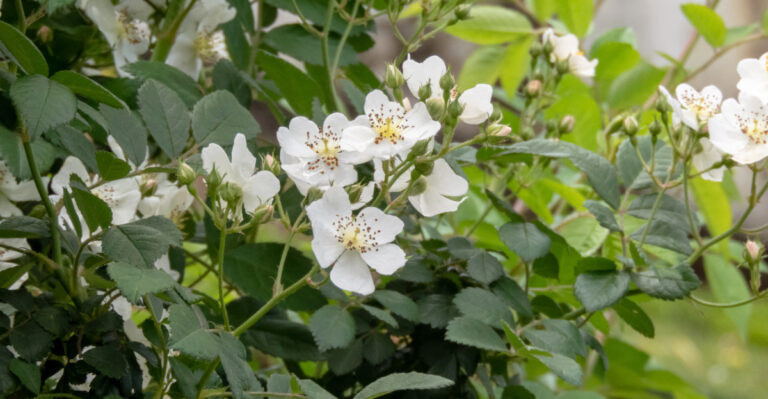
The White Garden presents a sophisticated monochromatic design using plants with white flowers and silvery foliage. This themed area demonstrates how limiting color choices can create dramatic visual impact.
The Four Seasons Garden displays plants selected for their year-round interest, showing visitors how to maintain garden beauty throughout all seasons.
Each themed section includes identification labels that help visitors learn plant names and growing requirements. The thoughtful organization of these spaces makes it easier for guests to understand design principles and plant combinations.
This educational approach transforms a simple garden visit into a learning experience that visitors can take home with them.
Step Inside The Orchid Conservatory And Tropical Plant World

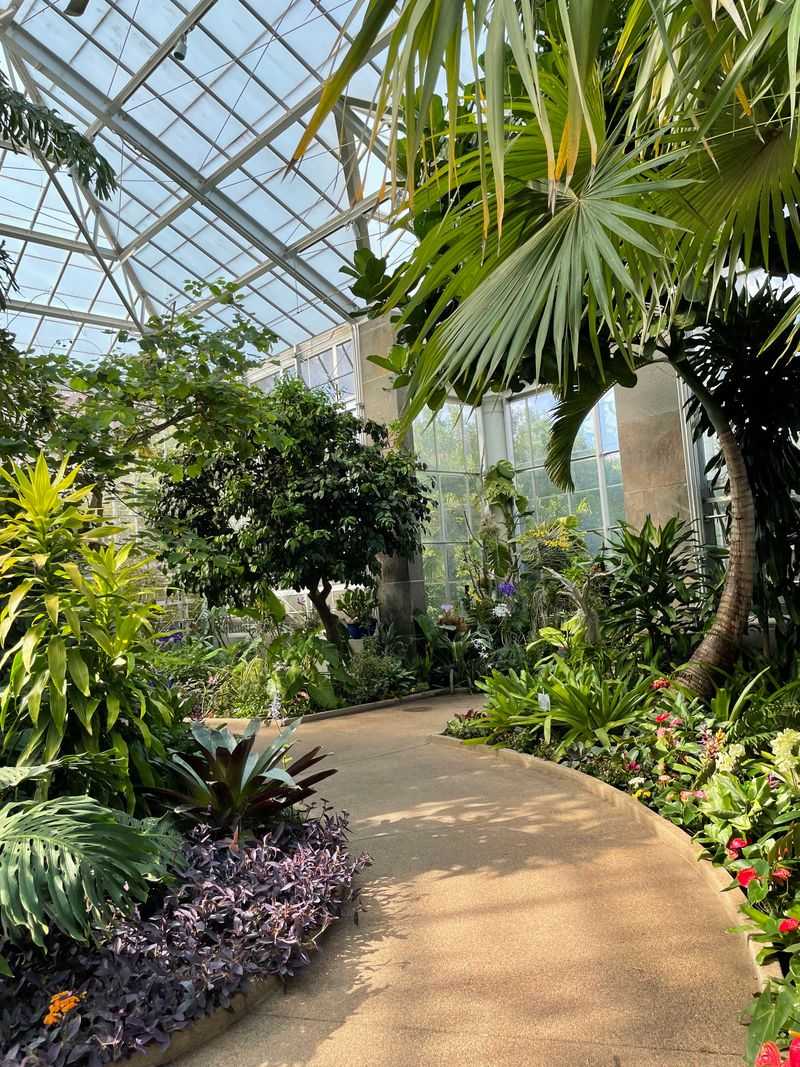
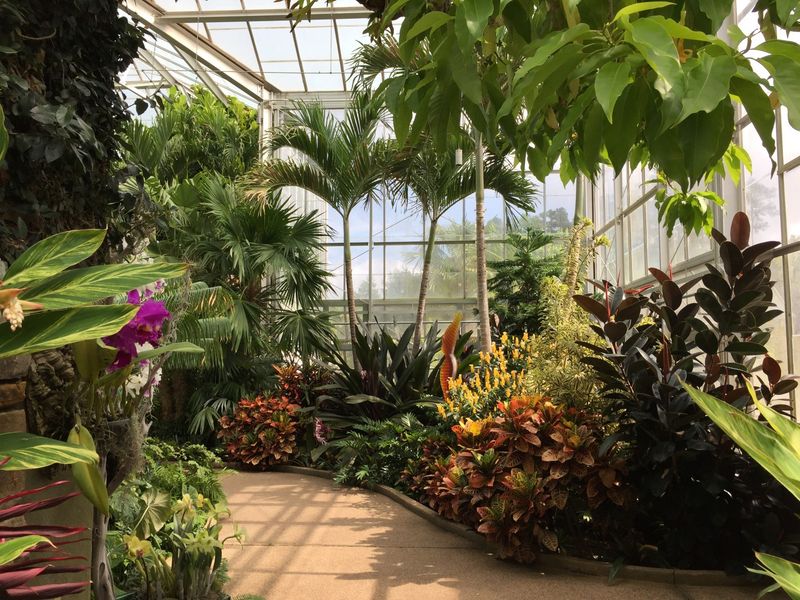
The Orchid Conservatory houses an impressive collection of orchids and tropical plants that thrive in the controlled climate environment.
This glass structure maintains the warm, humid conditions these plants require, allowing visitors to experience tropical vegetation regardless of outdoor weather.
The conservatory serves as both a display space and a growing facility where staff cultivate and care for delicate plant species.
Orchids represent one of the largest plant families on Earth, with thousands of species displaying incredible variety in flower shape, color, and size.
The conservatory’s collection includes examples from different orchid groups, showing visitors the remarkable diversity within this plant family. Rotating displays ensure that something is usually blooming, providing visual interest throughout the year.
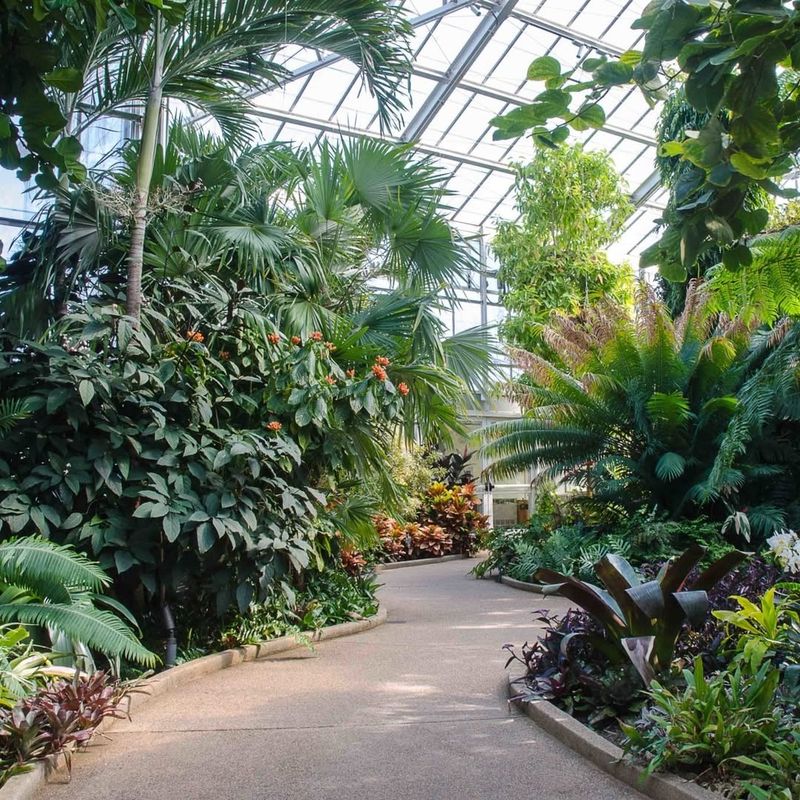
Beyond orchids, the conservatory features other tropical plants including palms, ferns, and flowering species from warm climates around the world. These plants create a lush, jungle-like atmosphere that contrasts with the temperate outdoor gardens.
The space offers a climate-controlled environment where visitors can enjoy plants year-round, making it especially valuable during cold winter months.
Educational signage throughout the conservatory explains plant origins, care requirements, and interesting botanical facts.
This information helps visitors understand the specialized needs of tropical plants and appreciate the complexity of maintaining such collections.
The conservatory experience adds an important dimension to the garden visit by showcasing plants that cannot survive outdoors in North Carolina’s climate.
Enjoy Scenic Views Along The Natural Beauty Of Lake Wylie
The garden’s location along Lake Wylie provides visitors with water views that enhance the overall landscape experience. Lake Wylie is a reservoir created by the Catawba River, forming a border between North Carolina and South Carolina.
The garden’s position on the lake’s shoreline adds a natural water element that complements the cultivated garden areas.
Walking paths near the lake allow visitors to enjoy waterfront scenery while exploring the garden grounds. These areas feature native vegetation adapted to lakeside conditions, demonstrating how plants naturally colonize water edges.
The combination of designed gardens and natural lake habitat creates varied environments within a single visit.
The lake views provide opportunities for wildlife observation, as water bodies attract birds, insects, and other animals. Visitors might spot waterfowl, herons, or other species that use the lake habitat.
This wildlife presence adds an ecological dimension to the garden experience, showing how cultivated landscapes can coexist with natural ecosystems.
The open water creates a sense of spaciousness and tranquility that enhances the garden’s peaceful atmosphere. The reflective surface of the lake adds visual interest through changing light conditions and weather patterns.
This natural feature distinguishes the garden from purely landlocked botanical gardens, offering visitors a unique combination of horticultural displays and natural waterfront scenery that makes each visit memorable and refreshing.
Walk Peaceful Garden Paths Surrounded By Nature

The garden features several miles of walking paths that wind through different landscape areas, providing visitors with opportunities for gentle exercise in beautiful surroundings.
These paths vary in length and difficulty, accommodating different fitness levels and time constraints. The well-maintained surfaces make walking comfortable and accessible for most visitors.
Paths lead through both formal garden areas with structured plantings and more naturalistic sections where native vegetation predominates. This variety gives visitors different experiences within a single walk.
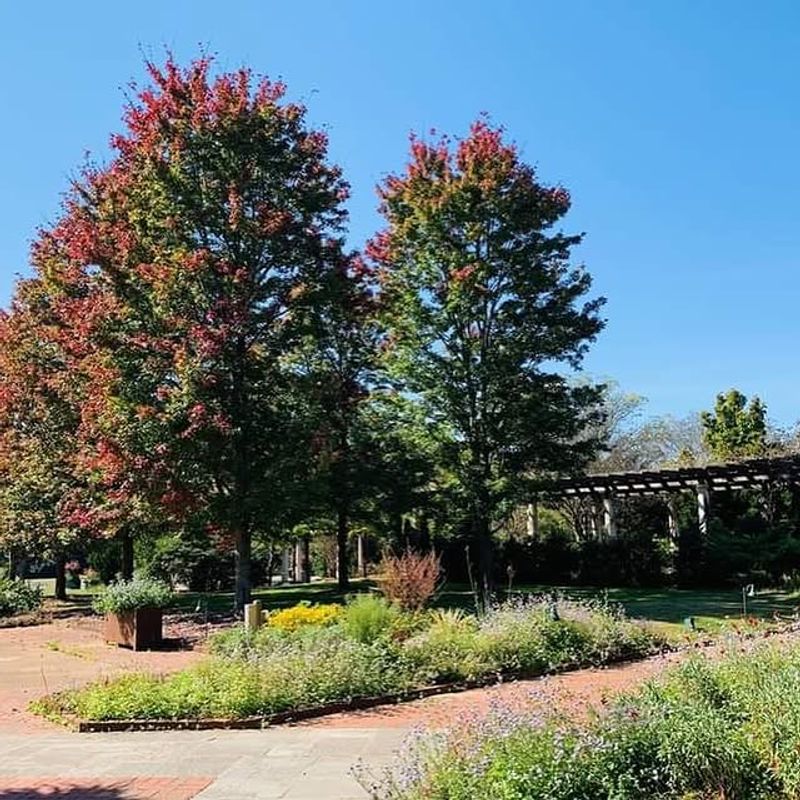
Some paths offer shade under tree canopies, while others pass through open sunny areas with colorful flower displays.
The garden’s layout encourages exploration at a relaxed pace, allowing visitors to stop and observe plants, read interpretive signs, or simply rest on benches placed along the routes.
This unhurried approach to garden visiting promotes stress reduction and mindful observation of natural details. The paths connect different themed areas, creating a logical flow through the property.
Seasonal changes transform the walking experience throughout the year as different plants bloom, leaves change color, or snow occasionally dusts the landscape.
Regular visitors notice these cyclical changes, developing a deeper appreciation for natural rhythms.
The paths provide a framework for repeated visits, as the garden’s appearance shifts constantly. This combination of consistent routes and changing scenery keeps the walking experience fresh and engaging regardless of how many times you visit.
Experience Changing Seasonal Beauty Throughout The Year
Botanical gardens showcase the natural cycle of plant life through seasonal changes that transform the landscape throughout the year. Spring brings bulbs and early flowering trees, creating waves of color after winter dormancy.
This season demonstrates plant renewal and growth, offering visitors a sense of optimism and fresh beginnings.
Summer displays feature perennials and annuals at peak bloom, with the garden reaching maximum color intensity and fullness. The warm season showcases plants that thrive in heat and sunshine.
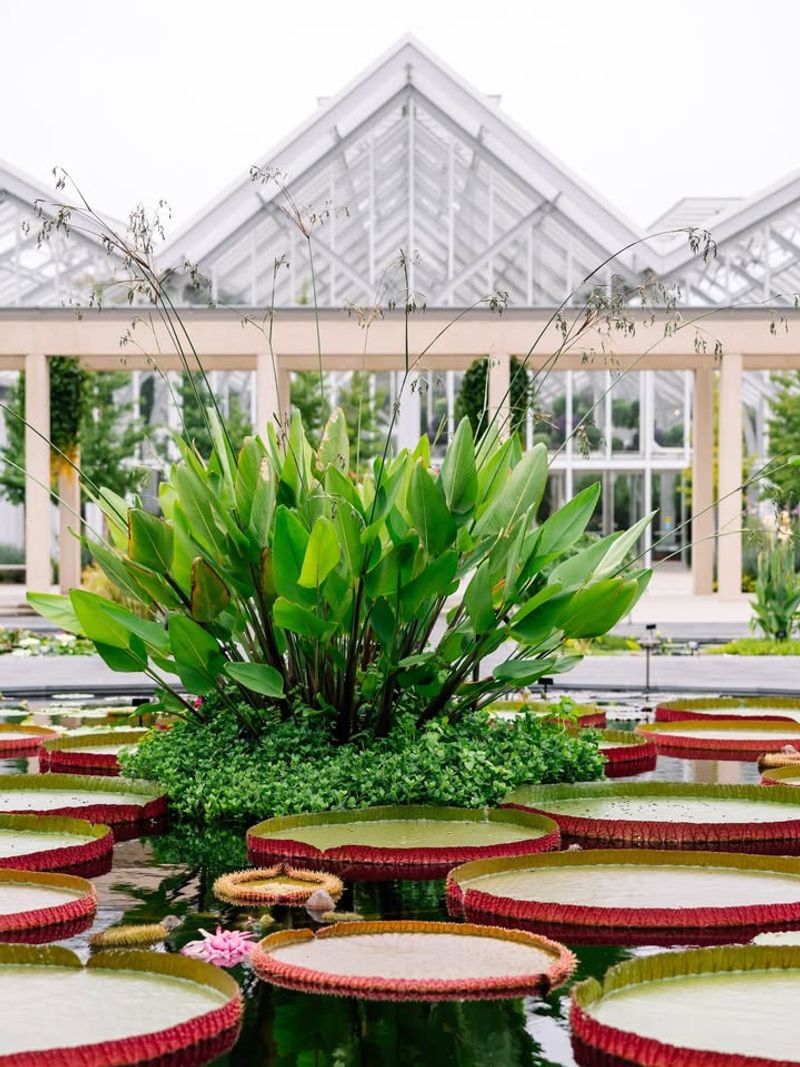
Water features become especially appealing during summer months, and the conservatory offers a cool retreat when outdoor temperatures climb.
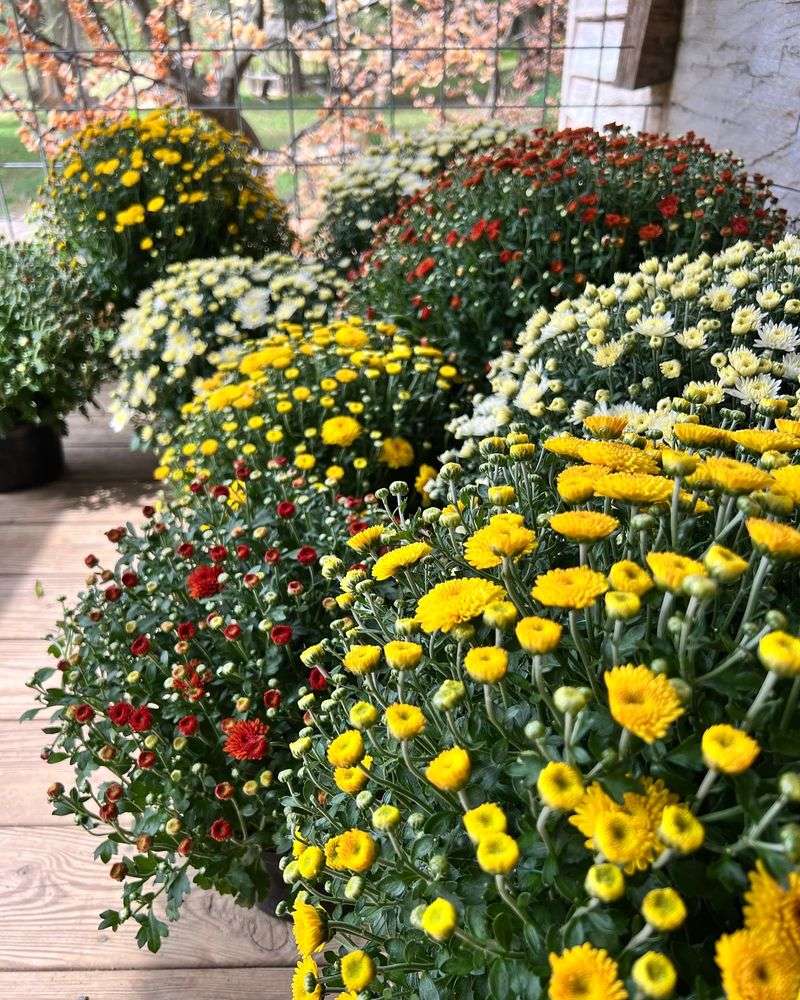
Fall introduces changing foliage colors as deciduous trees and shrubs prepare for winter. This season offers a different color palette dominated by warm tones of yellow, orange, and red.
Late-blooming plants like asters and chrysanthemums extend the flowering season, while ornamental grasses reach their prime display period.
Winter reveals garden structure through bare branches and evergreen plants that maintain color year-round. This quieter season allows visitors to appreciate garden design elements not visible when plants are in full growth.
Hardy plants like hellebores and witch hazels provide unexpected winter blooms. The seasonal progression gives returning visitors new experiences with each visit, making the garden a destination worth exploring multiple times throughout the year rather than just once.
A Relaxing Destination For Nature Lovers And Garden Enthusiasts
Botanical gardens provide environments specifically designed to promote relaxation and stress reduction through contact with plants and natural settings.
Research shows that spending time in green spaces can lower blood pressure, reduce anxiety, and improve overall mood. The garden offers a readily accessible location where visitors can experience these benefits without traveling to remote natural areas.
The combination of visual beauty, fresh air, and quiet surroundings creates conditions that encourage mental rest and recovery from daily pressures.
Unlike more active outdoor recreation, garden visiting requires minimal physical exertion while still providing health benefits associated with outdoor activity.
This makes botanical gardens suitable for people with various mobility levels and fitness capabilities.
Garden enthusiasts find particular value in observing professionally maintained plant collections and landscape designs. The garden serves as inspiration for home gardeners while demonstrating techniques and plant combinations that work in the regional climate.
Visitors can observe plants they’re considering for their own yards growing in actual conditions before making purchasing decisions.
The peaceful atmosphere attracts people seeking quiet contemplation or a break from screen time and urban noise. The garden provides a socially acceptable space for solitude without the isolation of staying home.
Whether you visit alone for personal reflection or with others for shared enjoyment, the garden accommodates different social preferences while maintaining its calm, restorative character.
Learn More About Plants, Gardening, And Natural Landscapes
Botanical gardens function as outdoor classrooms where visitors can learn about plant biology, ecology, and horticulture through direct observation.
The garden’s collections include plants from different regions and climate zones, providing opportunities to compare growth habits and environmental requirements.
This living library of plants offers educational value beyond what books or online resources can provide.
Plant labels throughout the garden provide scientific and common names along with origin information and growing tips. This identification system helps visitors learn to recognize plants and understand their characteristics.
The labeling approach supports self-directed learning, allowing visitors to explore at their own pace while gathering information about plants that interest them.
The garden demonstrates landscape design principles through its themed areas and plant arrangements. Visitors can observe how professionals use color, texture, form, and seasonal interest to create appealing compositions.
These real-world examples provide practical lessons for home gardeners working on their own landscape projects.
Seasonal changes in the garden teach about plant life cycles, dormancy periods, and the relationship between climate and plant growth. Observing which plants thrive in local conditions helps visitors make informed choices for their own gardens.
The garden essentially serves as a testing ground showing what works in the regional climate, saving home gardeners from costly trial-and-error experiments with unsuitable plants.
A Memorable Garden Experience Near The Charlotte Area
The garden’s location approximately 15 miles west of Charlotte makes it easily accessible for both local residents and visitors to the metropolitan area.
This proximity to a major city means the garden serves a large population base while still maintaining a peaceful, removed-from-urban-life atmosphere.
The relatively short drive from Charlotte allows for convenient half-day or full-day visits without extensive travel time.
Regional visitors often combine a garden trip with other activities in the Charlotte area, making it part of a larger outing or vacation itinerary.
The garden provides a nature-focused contrast to Charlotte’s urban attractions, shopping districts, and entertainment venues.
This diversity of nearby options appeals to groups with varied interests who want different types of experiences during their visit.
The garden has become a recognized regional destination that attracts visitors from throughout North and South Carolina as well as neighboring states.
Its reputation for quality displays and well-maintained grounds makes it a worthwhile destination for serious garden enthusiasts willing to travel specifically to visit.
The garden’s size and scope justify making it a primary destination rather than just a brief stop. For Charlotte area residents, the garden offers a nearby escape that feels far removed from city life despite the short distance.
This accessibility encourages repeat visits throughout the year as seasons change and new displays appear, making it a valuable community resource rather than a one-time tourist attraction.
A Garden That Encourages Appreciation For Nature And Conservation
Botanical gardens play important roles in plant conservation by maintaining collections of rare and endangered species, preserving genetic diversity outside natural habitats. These living collections serve as backup populations for plants threatened in the wild.
The garden’s conservation work happens largely behind the scenes but contributes to broader efforts protecting plant biodiversity.
Displaying native plants alongside cultivated varieties helps visitors understand regional ecology and the importance of preserving natural plant communities.
Native plant gardens demonstrate how these species support local wildlife, including pollinators, birds, and beneficial insects.
This educational approach encourages visitors to consider conservation in their own gardening practices.
The garden promotes sustainable horticultural practices through its maintenance methods and plant selection. Visitors can observe water-wise gardening techniques, appropriate plant choices for local conditions, and organic pest management approaches.
These demonstrations provide practical examples of environmentally responsible gardening that visitors can adapt to their own situations.
By creating positive experiences with plants and natural settings, the garden fosters emotional connections that support conservation values.
People who develop appreciation for plant beauty and diversity become more likely to support environmental protection efforts.
The garden serves as a gateway experience that can deepen visitors’ relationships with the natural world, potentially influencing their choices and behaviors in ways that benefit environmental conservation beyond the garden’s boundaries.