Box Turtles Do Not Wander Into North Carolina Garden Beds By Chance, Here Is What Their Arrival Reveals
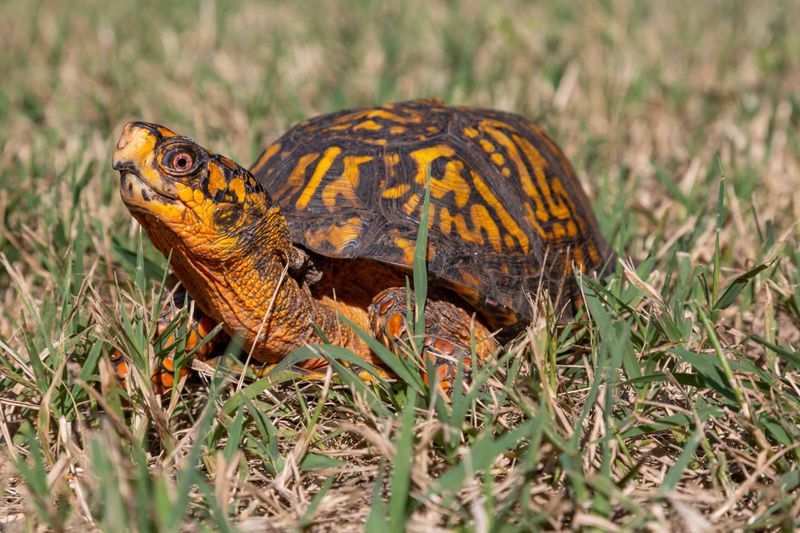
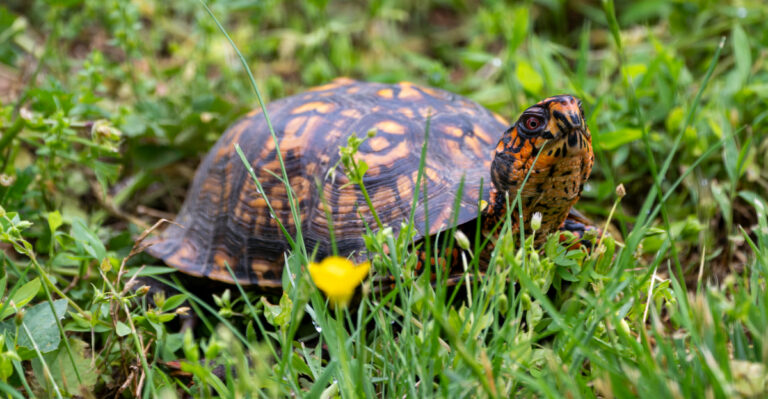
You are pulling weeds along your tomato bed on a muggy July afternoon when something moves near the pepper plants, slow and deliberate, painted in orange and brown. It is an eastern box turtle, and your first instinct is probably right: this visit is not random. Box turtles in North Carolina tend to move through landscapes they already know, following routes shaped by years of habit, hunger, and seasonal rhythms. Understanding what that visit may and may not tell you can help you protect the turtle and tend your yard with a little more intention.
A Garden Visit May Connect to a Familiar Landscape
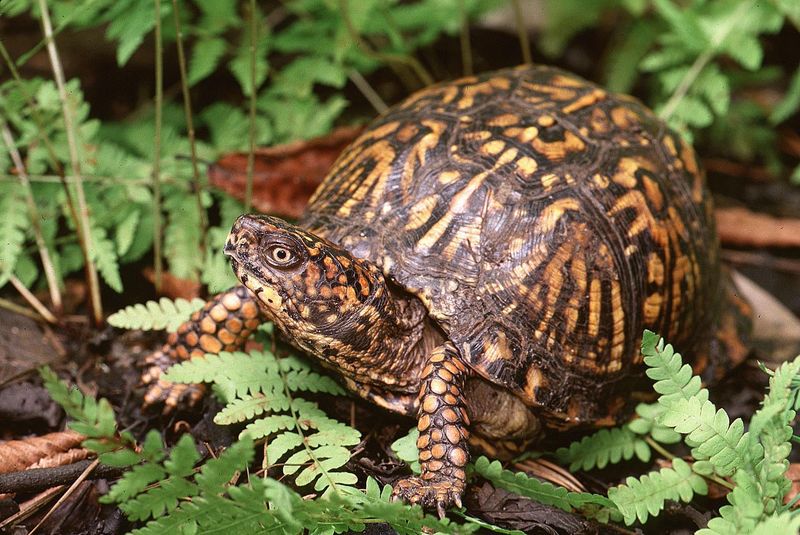
Picture your backyard as one small patch inside a much larger map the turtle has been memorizing for years. North Carolina box turtles, specifically the eastern box turtle (Terrapene carolina carolina), tend to stay within a relatively small territory, and NC Wildlife Resources Commission guidance notes that home ranges are commonly under 2 acres, though a Piedmont telemetry study found an average closer to 6.6 acres with considerable spread among individual turtles. Your garden bed may simply fall inside that established territory, making the visit a routine stop rather than a surprising detour.
Eastern box turtles turn up across the full range of North Carolina habitats: hardwood forests, field edges, floodplains, dry ridgetops, Sandhills longleaf pockets, and suburban neighborhoods where patches of cover still connect. A yard that backs up to a wooded buffer, a creek margin, or even an overgrown fence line can sit right along a path the turtle has used for years. The animal is not inspecting your raised beds for measurable qualities; it may simply be passing through territory it already knows.
One sighting cannot confirm which explanation applies to your turtle. Food, shelter, moisture, a mate, a nesting site, or a recent change in the yard could all be factors, and
Savannah River Ecology Laboratory’s species account describes strong site fidelity alongside a wide range of movement triggers. The honest reading is that the visit may reflect a familiar landscape connection, not that the turtle consciously evaluated your soil or chose your garden over another for a specific, provable reason.The Yard May Offer Food and Ground-Level Cover
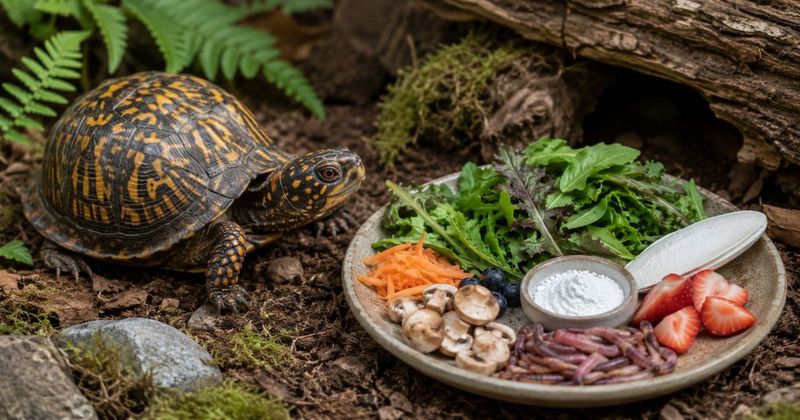
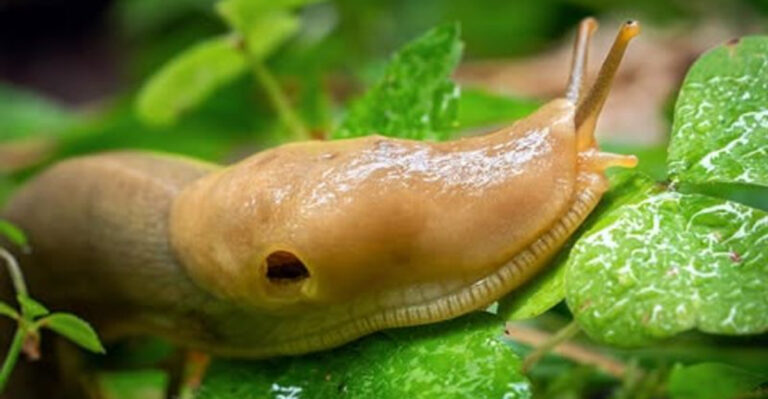
Many Piedmont gardeners are surprised to learn how varied a box turtle’s diet actually is. The Smithsonian’s National Zoo species profile describes eastern box turtles as opportunistic omnivores that eat fungi, berries, fallen fruit, insects, earthworms, slugs, snails, carrion, and plant material depending on what is available. A garden with ripe strawberries dropping to the ground, a shady corner thick with earthworms after rain, or a log hosting a flush of shelf mushrooms can genuinely offer accessible food at ground level.
Cover matters just as much as calories. The U.S. Forest Service species review for Terrapene carolina links eastern box turtles with moist, structurally diverse habitats: deciduous forest patches, field edges, wetlands, stream corridors, and areas with leaf litter and shelter objects. A garden bed with mulch, low-growing plants, or a border of taller herbs gives the turtle places to pause, regulate temperature, and feel less exposed.
Your North Carolina Garden Changes Every Week. Your Plan Should Too.
Gardening in North Carolina changes quickly throughout the season. Every Friday you’ll receive a simple weekly plan showing exactly what to plant, prune, fertilize, harvest, and protect so you never miss the right timing.
Sandy Coastal Plain yards and mountain properties with intact forest edges can offer similar conditions in very different soils.
None of this means the turtle selected your yard because it scored well on some invisible habitat checklist. The more accurate read is that your garden may provide useful conditions, shade, moisture, accessible food, some cover, and the turtle encountered them while moving through a landscape it already uses. A broad, opportunistic diet also means the turtle is not a dependable pest-control service; it may eat a slug today and a ripe blueberry tomorrow, so do not count on one turtle to balance any particular pest population in your beds.
The Timing Does Not Reveal One Certain Cause
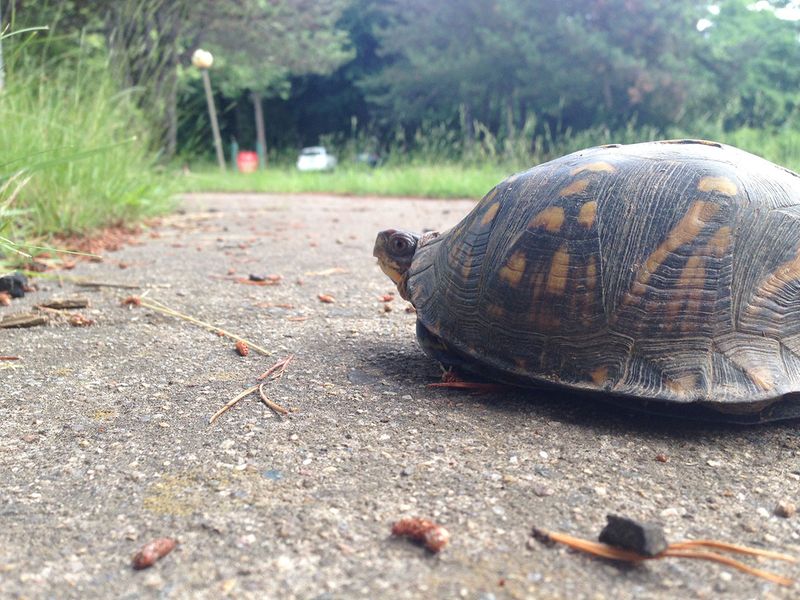
Seeing a turtle in the garden after a summer thunderstorm feels like an obvious connection, and rain genuinely can increase visible movement in eastern box turtles. But increased visibility and the reason the turtle moved are two different things. The animal may have been following a routine route it travels every few weeks, and the rain simply made it easier for you to notice.
Research on eastern box turtle movement documents a range of triggers: food availability, shelter-seeking, mating activity in spring and early summer, nesting behavior in females from late spring through July, and responses to disturbance such as mowing, construction, or sudden changes in vegetation. Any of these could apply on a given afternoon, and the sighting alone cannot sort them out. A female moving with purpose through a sunny patch of loose soil in June may be looking for a place to lay eggs, not commenting on your compost.
Box turtles also occupy a surprisingly wide range of moisture conditions. North Carolina Parks reptile records show the species using habitats from fairly dry ridgetops to bottomland floodplains. A damp garden bed after an afternoon storm may be comfortable for the turtle at that moment, but it does not prove the soil holds ideal moisture or that the whole visit was driven by water. Cooler air temperatures following a storm, a shaded bed, and the smell of earthworms near the surface could all be part of the same pull, and the turtle is responding to the whole picture, not just one variable.
A Turtle Is Not a Soil Test
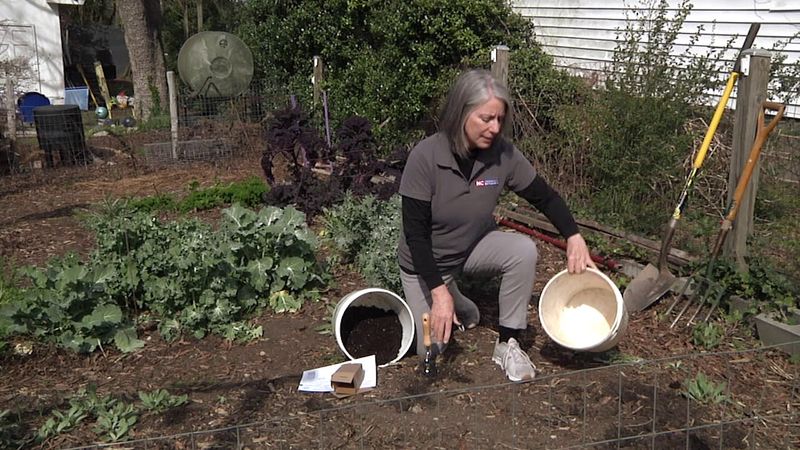
The headline on this article uses the word “reveals,” and that framing deserves a direct response: a box turtle walking through your beds cannot diagnose soil pH, nutrient levels, humic matter, organic matter content, compaction, drainage, contamination, microbial activity, or pest balance. Those are measurable soil properties, and measuring them requires a laboratory, not a reptile. The turtle may be using your yard because it falls inside a familiar landscape, but its presence is not evidence that your soil is fertile, loose, biologically active, or correctly watered.
For actual soil answers, NC State Extension’s guide to soil testing walks North Carolina gardeners through submitting samples to the North Carolina Department of Agriculture and Consumer Services lab. That test measures pH, phosphorus, potassium, calcium, magnesium, humic matter, and related properties, and it returns specific lime and fertilizer recommendations based on what you are growing. A typical vegetable garden in the Piedmont might target a pH around 6.0 to 6.5, but the right number depends on the crop, the soil class, and the site, so the lab result matters more than any general guideline.
Box turtles use habitats from the sandy Coastal Plain to red clay Piedmont hills to mountain slopes, and North Carolina Parks species records confirm that wide geographic range. A turtle may wander into a bed with poor drainage and low fertility just as readily as one with well-amended loam, because it is navigating a home range, not evaluating your amendments. NC State Extension’s guidance on soil acidity and liming explains that correcting pH requires knowing your baseline, which only a test can give you. Wildlife habitat and soil quality can overlap in a well-managed yard, but they are separate questions that need separate tools to answer.
Protect the Turtle Before You Improve the Yard
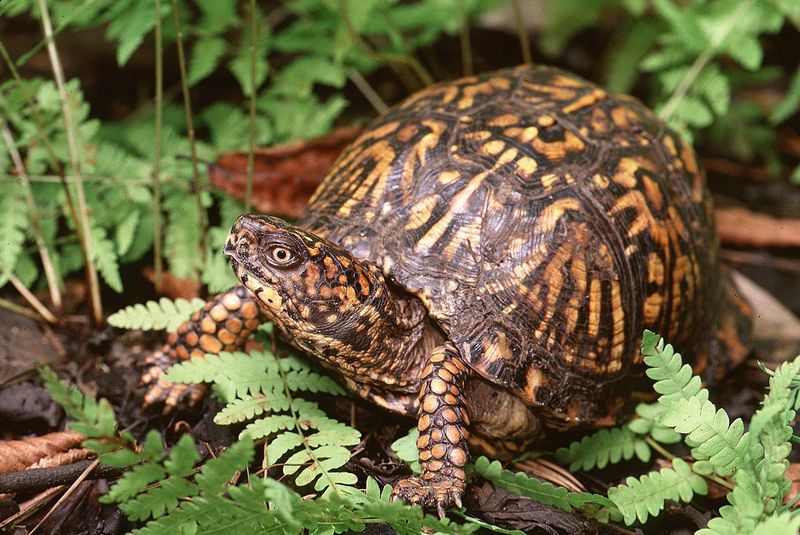
Before anything else, give the turtle room. Step back, call the dog inside, and pause whatever you were doing with the mower or string trimmer. Eastern box turtles pull into their shells when startled, and a spinning trimmer line can cause serious injury before you realize the turtle is there. Most of the time, the right response is simply to watch and let the animal move on at its own pace.
Do not pick the turtle up, feed it, paint its shell with nail polish or paint, or bring it indoors. NC Wildlife Resources Commission guidance is clear: do not keep box turtles as pets and do not relocate them to a park, a wooded area, or any spot outside their home range. Moving a turtle more than a short distance can cause it to spend weeks or months trying to return, crossing roads and entering unfamiliar territory in the process. If the turtle is in immediate danger, say it has wandered onto a driveway with traffic nearby, move it the shortest distance necessary, ideally less than 50 feet, in the direction it was already traveling.
For a road crossing, carry it straight across in that direction, then step away.
NC State Extension’s guide to backyard reptiles and amphibians recommends limiting pesticide use around reptile habitat and following product labels carefully. EPA guidance on pesticide labels reinforces that label instructions exist for safety reasons and should be followed precisely. Pause any planned pesticide application in the immediate area while the turtle is present, then return to the label for timing and rate guidance before you proceed.
If the turtle is bleeding, has a cracked or crushed shell, or has clearly been struck by a vehicle, contact a licensed wildlife rehabilitator rather than attempting treatment yourself. NC Wildlife’s injured wildlife page can help you find a rehabilitator near you. Normal slow movement, a pulled-in head, or a brief pause in the shade are not signs of injury; they are just turtle behavior on a hot afternoon.
Support Habitat Without Trying to Keep a Turtle
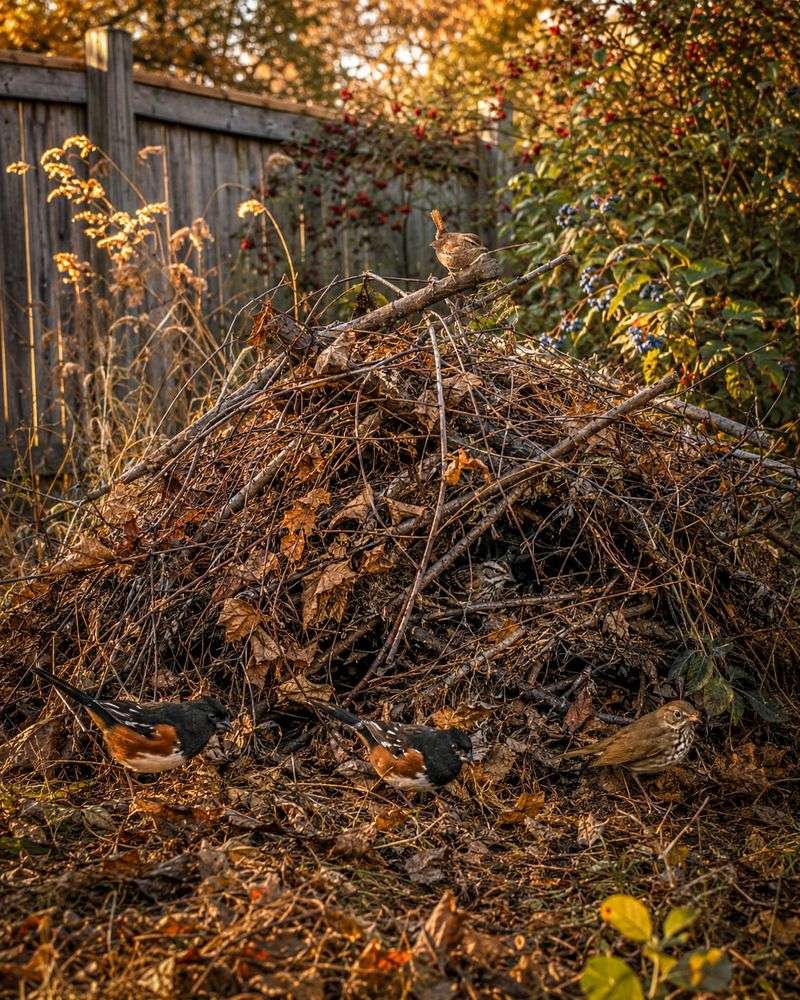
Improving your yard for wildlife is worth doing on its own terms, even if no turtle ever returns. The goal is not to engineer a turtle magnet; it is to make the yard a more functional piece of the broader landscape it sits inside. A few low-effort changes can help a range of ground-level wildlife, including box turtles if they happen through again.
Start by leaving some leaf litter in place along borders and under shrubs. NC State Extension’s wildlife habitat chapter identifies leaf litter, dead stumps, untreated logs, rock piles, brush piles, taller herbaceous plants, and native groundcover as useful cover for reptiles and amphibians. Any wood you add to a brush pile should be untreated; pressure-treated lumber introduces chemicals you do not want at ground level. Native plants such as wild ginger, green-and-gold, or low-growing asters give ground-level cover without demanding much maintenance.
A shallow water source can help, but size and design matter. The same Extension wildlife chapter recommends water features with nonslip surfaces and easy exits, and notes that birdbaths should be no more than 3 inches deep. A wide, shallow saucer set at ground level with a rough surface or a few small stones for traction is safer than a steep-sided container. Adding water will not guarantee a box-turtle visit or return, and an unnecessary pond can bring mosquito, runoff, and maintenance problems you do not want.
Mulch is genuinely useful for moisture retention and soil protection, and NC State Extension’s woody ornamentals guidance recommends roughly 2 to 3 inches around woody plants and about 3 inches for many perennial beds. Avoid piling mulch against trunks or stems, and do not go much deeper than 3 inches, because excessive mulch traps moisture against bark and can cause rot. NC State Extension’s low-cost habitat improvements page offers additional practical options for yards across the state. Think of these changes as setting the table for the local wildlife community, with no promise of who shows up for dinner.
Record the Visit and Keep Its Meaning Modest
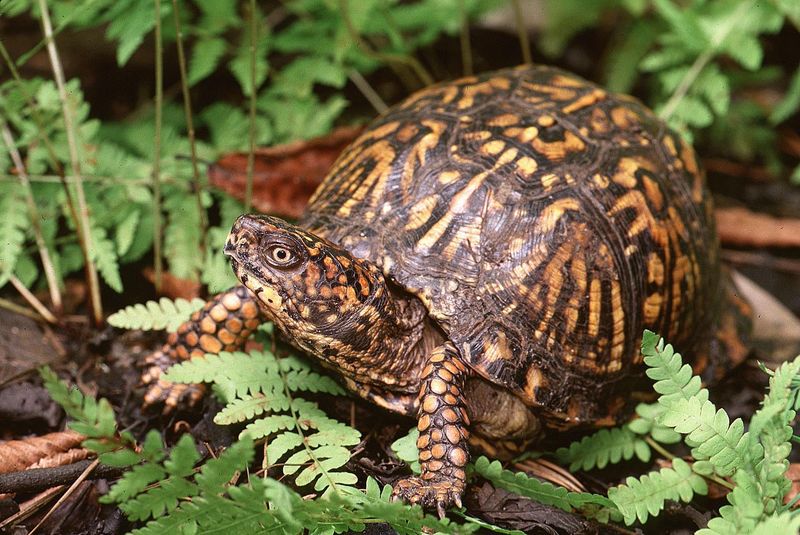
Grab your phone and take a photograph before the turtle moves on. Note the date, the approximate location in your yard, and any details you notice, such as the shell pattern, the eye color (orange or red eyes typically indicate a male), and the direction the turtle was heading. These details cost you nothing and may be genuinely useful to people tracking the species across North Carolina.
NC Wildlife Resources Commission encourages gardeners to log box turtle sightings through HerpMapper, a free app that sends location records to wildlife biologists. A single report cannot establish the turtle’s exact home range, estimate the local population size, or confirm a population trend in your area. But it adds one more data point to a statewide picture that researchers genuinely need, especially as a statewide study of eastern box turtle population trends in North Carolina found that roads, development, habitat fragmentation, and other pressures create real challenges for the species across the state. One sighting is encouraging, not proof that the local population is thriving.
The most useful interpretation of a box turtle in your garden beds is also the most honest one: your yard may connect to living habitat in a way that still supports wildlife moving through the landscape. Soil tests and sustained observation will tell you far more about what your garden actually needs. The turtle, for its part, will be gone before you finish your coffee, carrying nothing back to report except that the earthworms near the pepper plants were worth the detour.