8 Tomato Varieties That Grow Strong In Arizona’s Desert
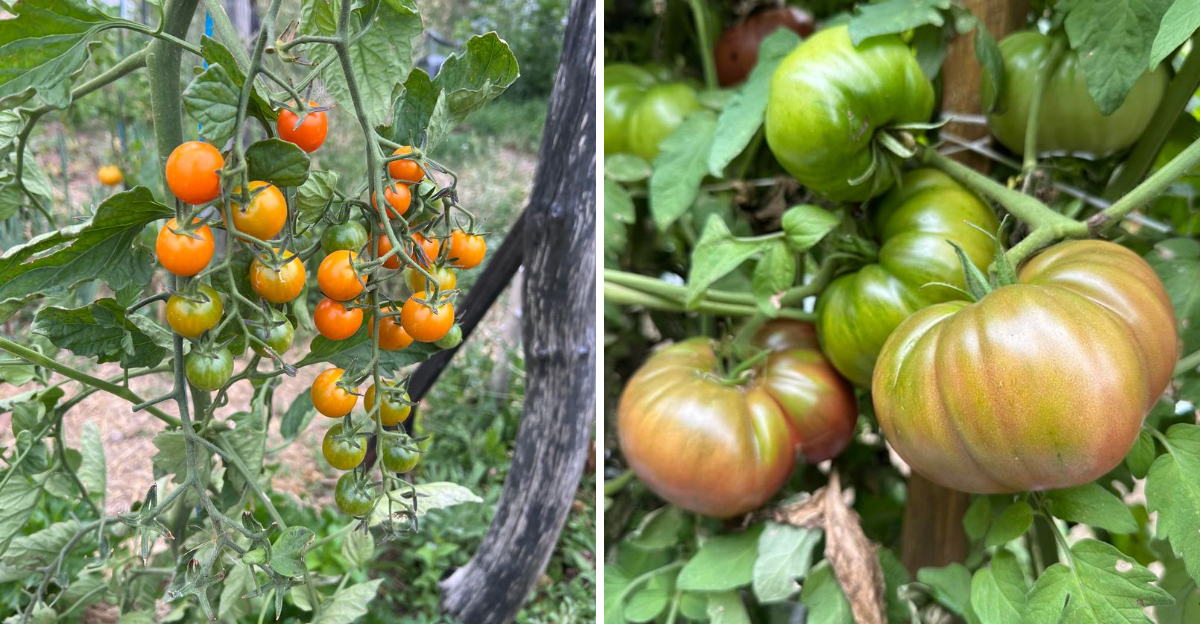
Your tomato plants look healthy one morning, and by midday the leaves are drooping, stems are straining, and fruit is showing signs of sun stress under Arizona’s relentless sun. It can feel like all your careful planning is unraveling in a single day.
The natural reaction is to water more, fertilize aggressively, or try to shield every plant. Rushing rarely fixes the problem and often worsens stress on roots and foliage.
Some tomato varieties simply handle Arizona’s heat and dry conditions better than others, producing steady growth and fruit without constant intervention.
Choosing the right types now can mean stronger plants, more consistent harvests, and a garden that finally thrives despite extreme desert conditions.
1. Sungold Keeps Producing Even When Arizona Heat Spikes
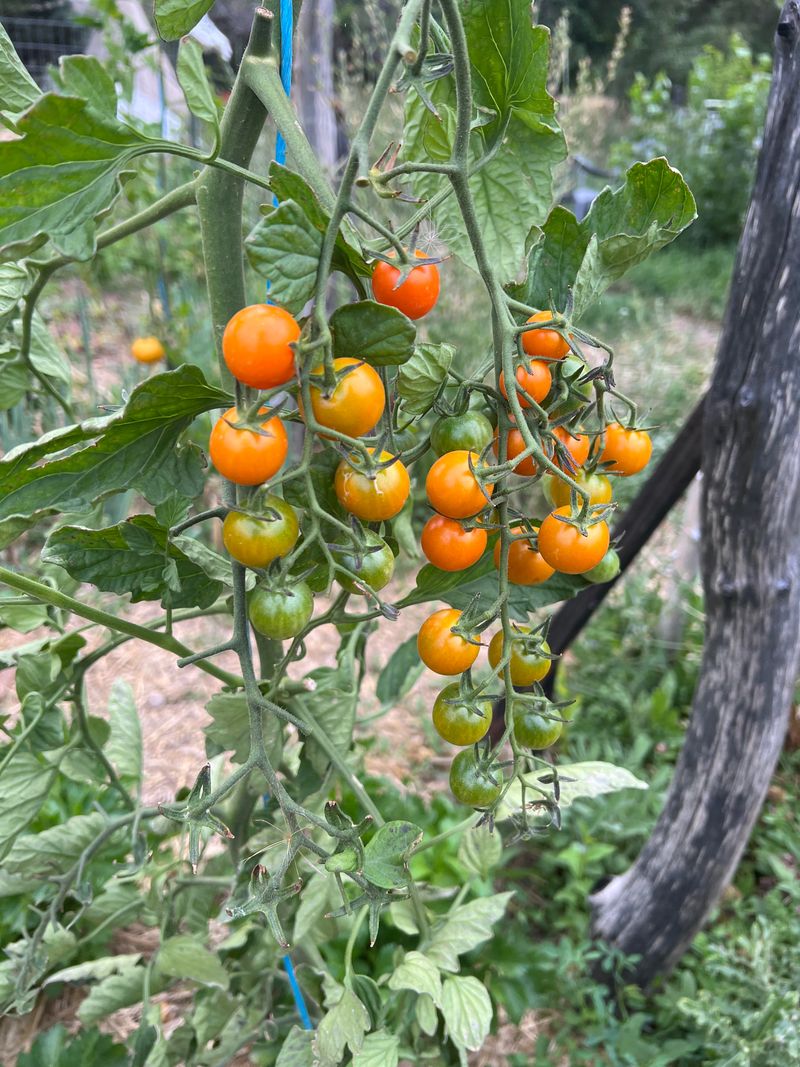
Sungold stands out as one of the sweetest cherry tomatoes you can grow, and it handles Arizona heat better than most gardeners expect.
These golden-orange gems pack an incredible burst of sugary flavor that kids and adults alike can’t resist eating straight off the vine.
What makes Sungold special in Arizona gardens is its ability to keep flowering and setting fruit even when temperatures climb above 95 degrees. While many tomato varieties shut down production during the hottest weeks, Sungold continues pushing out new clusters.
You’ll find yourself picking handfuls of these bite-sized tomatoes well into summer.
Plant Sungold early in Arizona, around mid-February to early March, to get established before peak heat arrives. The vines grow tall and vigorous, so sturdy cages or trellises work best for support.
Give them consistent water since the fast-growing plants and heavy fruit production demand steady moisture.
Expect your first ripe Sungolds about 55 to 65 days after transplanting. The tomatoes ripen to a deep orange color and practically glow in the sunlight.
Pick them regularly because they produce so abundantly that you’ll have plenty to share with neighbors.
Afternoon shade helps Sungold perform even better during Arizona’s brutal summer months. A shade cloth providing 30 to 50 percent coverage keeps the plants happier without reducing production.
These tomatoes truly earn their place in desert gardens by delivering sweet rewards when other varieties struggle.
2. Sweet 100 Loads Up With Clusters Before Summer Slows It Down
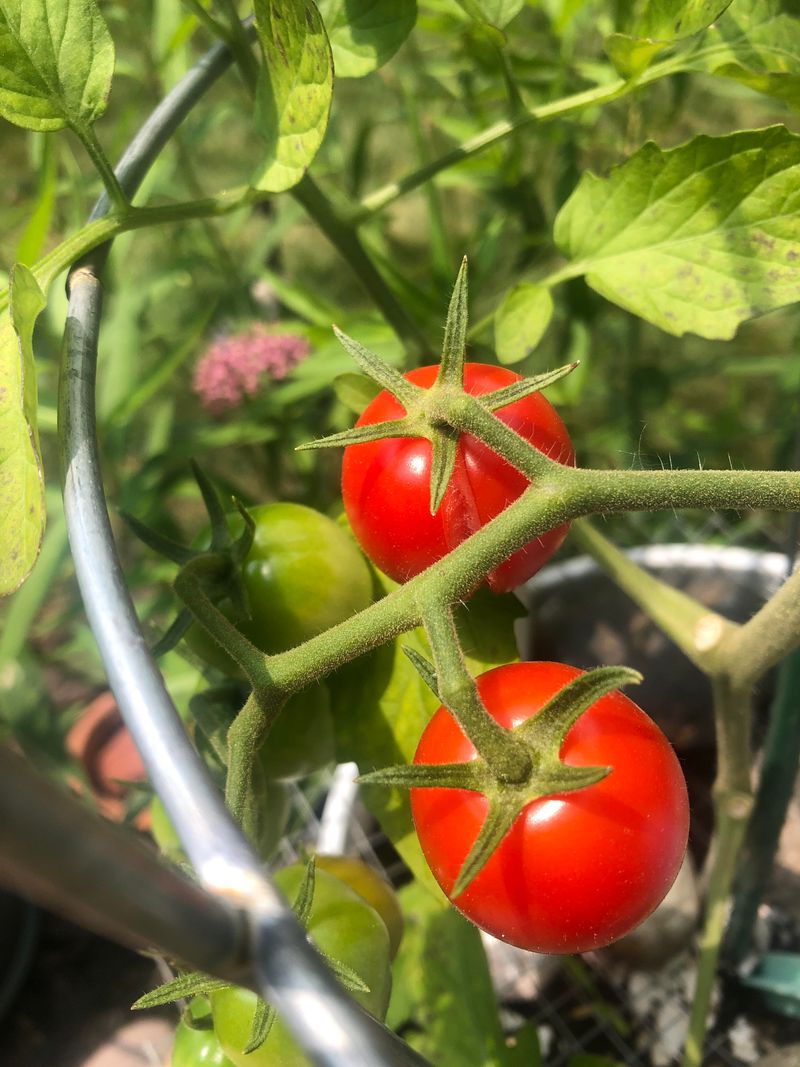
Sweet 100 produces massive clusters of small red cherry tomatoes that hang like grape bunches from sprawling vines. Each cluster can hold 15 to 25 tomatoes, creating an impressive display that fills your harvest basket quickly.
Timing matters greatly with Sweet 100 in Arizona. Get transplants into the ground by late February or early March at the latest.
This variety needs time to establish strong roots and start producing before summer temperatures reach their peak. Early planting gives you the best harvest window.
The plants grow incredibly tall, often reaching six to eight feet when given proper support. Use heavy-duty cages or stake them firmly because the weight of all those tomato clusters can bend or break weaker supports.
Regular pruning of lower branches improves air circulation and keeps the plant’s energy focused on fruit production.
Sweet 100 tomatoes taste wonderfully balanced, with good sweetness and just enough acidity to keep them interesting. They’re perfect for salads, snacking, or roasting.
Your Arizona Garden Changes Every Week. Your Plan Should Too.
Gardening in Arizona changes quickly throughout the season. Every Friday you’ll receive a simple weekly plan showing exactly what to plant, prune, fertilize, harvest, and protect so you never miss the right timing.
The firm texture holds up well, and they store better than many other cherry varieties.
Production typically slows when Arizona temperatures consistently stay above 100 degrees, though the plants don’t quit entirely. Providing afternoon shade extends the harvest period.
Deep watering every few days works better than frequent shallow watering, encouraging stronger root systems that handle heat stress more effectively. This variety rewards early planters with abundant harvests throughout spring.
3. Celebrity Stays Reliable When Desert Conditions Get Tough
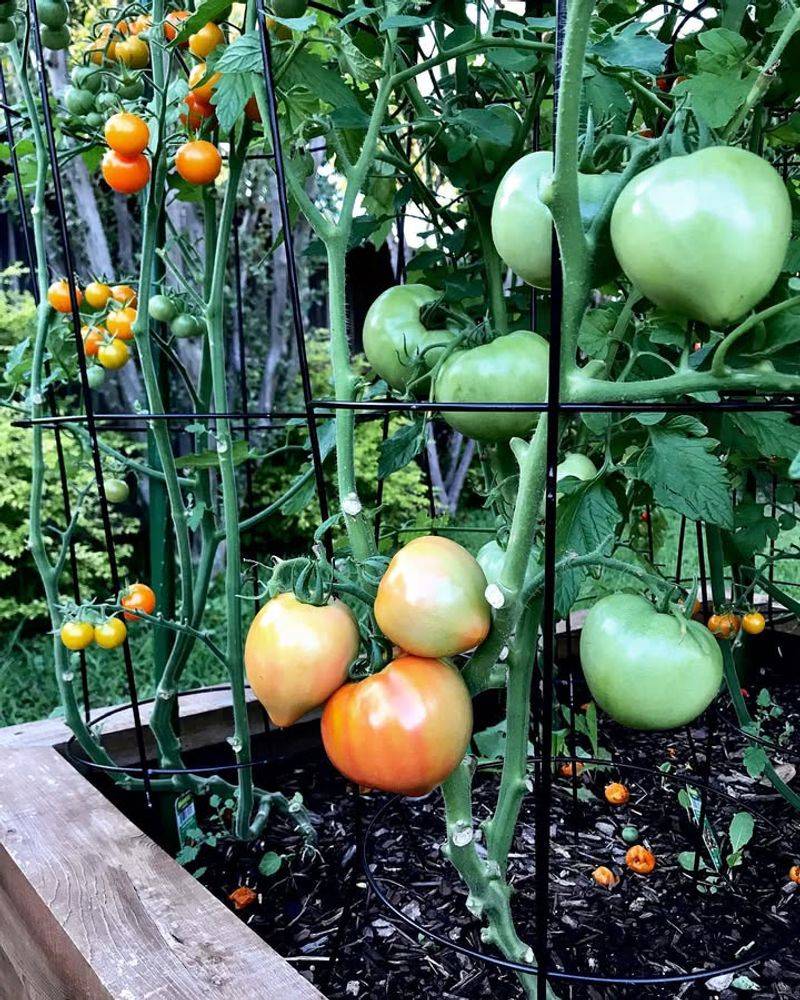
Celebrity earned its popularity among Arizona gardeners through consistent performance year after year. This variety doesn’t promise anything fancy, but it delivers solid, dependable harvests even when growing conditions aren’t perfect.
These medium-sized slicing tomatoes grow on compact, determinate plants that stay manageable in size. Celebrity typically reaches about four feet tall, making it easier to support and maintain than sprawling indeterminate varieties.
The controlled growth habit works perfectly for Arizona gardeners dealing with limited space or extreme weather.
Heat tolerance ranks as Celebrity’s strongest feature for desert growing. The plants continue setting fruit during warm periods that shut down more sensitive varieties.
You’ll notice fewer dropped blossoms and better fruit development even when temperatures push into the upper 90s.
Fruit quality remains excellent throughout the harvest season. Celebrity tomatoes weigh about seven to eight ounces each, with smooth skin and firm flesh that slices beautifully for sandwiches.
The balanced flavor works well for fresh eating or cooking, making them versatile kitchen staples.
Plant Celebrity in Arizona gardens from mid-February through March for spring harvests. The variety matures in roughly 70 days, giving you time to gather plenty of tomatoes before summer’s worst heat arrives.
Consistent watering prevents blossom end rot, a common problem in Arizona’s dry climate. Adding mulch around plants helps retain moisture and keeps roots cooler during hot afternoons.
Celebrity proves that reliable performance often beats flashy promises in desert gardening.
4. Chocolate Cherry Holds Strong Under Full Arizona Sun
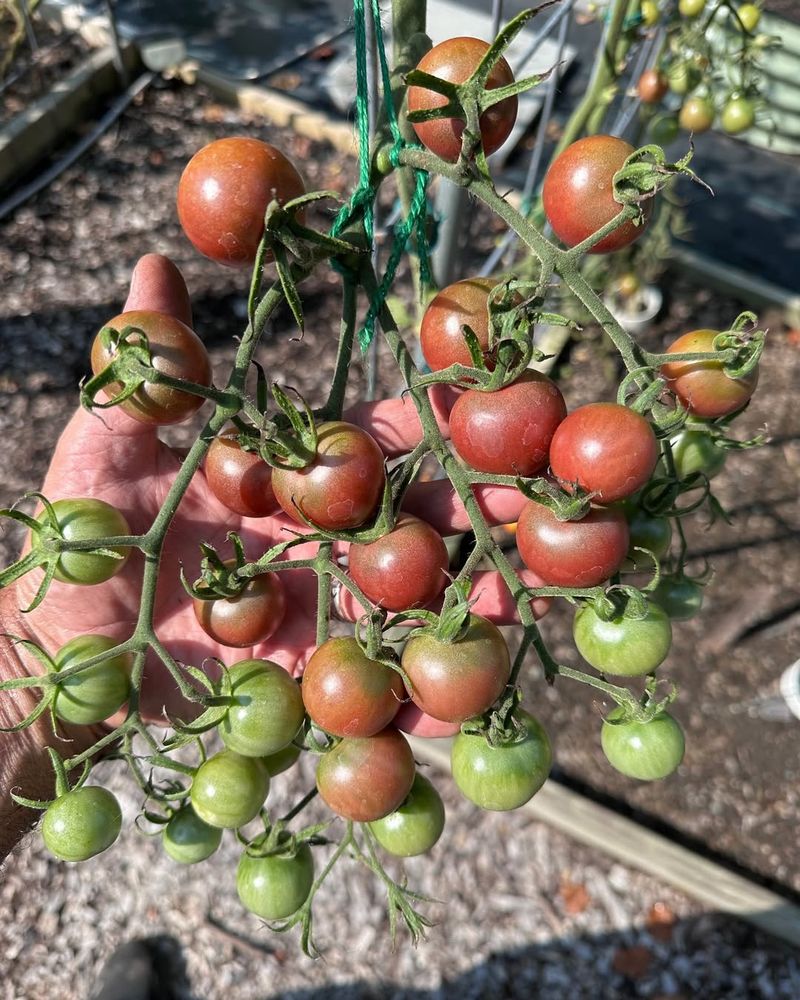
Chocolate Cherry brings unexpected color to Arizona gardens with its distinctive dark purple-brown fruits. These unusual tomatoes look almost black when fully ripe, creating visual interest that makes your garden stand out from typical red tomato patches.
Flavor sets this variety apart from standard cherry tomatoes. Chocolate Cherry delivers complex, rich taste with smoky undertones and perfect sweetness.
Many gardeners describe the flavor as more sophisticated than regular cherry tomatoes, making them ideal for impressing guests or adding gourmet touches to salads.
Sun tolerance makes Chocolate Cherry particularly valuable in Arizona. These plants handle full desert sun without the leaf curl or sunscald that affects many tomato varieties.
The dark pigmentation in the fruits actually helps protect them from sun damage, allowing them to ripen beautifully even in intense light.
Vines grow vigorously and produce heavily throughout the season. Support them well because the abundant fruit clusters add significant weight.
Chocolate Cherry typically starts producing about 65 days after transplanting, with harvests continuing for several weeks.
Watch for color changes to determine ripeness. The tomatoes shift from green to mahogany-brown with purple shoulders when ready to pick.
They feel slightly soft when gently squeezed, similar to regular cherry tomatoes. The fruits hold well on the vine without splitting, giving you flexibility in harvest timing.
Arizona’s intense sunlight actually enhances the deep coloring and complex flavors that make Chocolate Cherry special. This variety proves that heat-tolerant tomatoes can be both beautiful and delicious.
5. Black Krim Brings Bold Flavor But Demands Early Planting
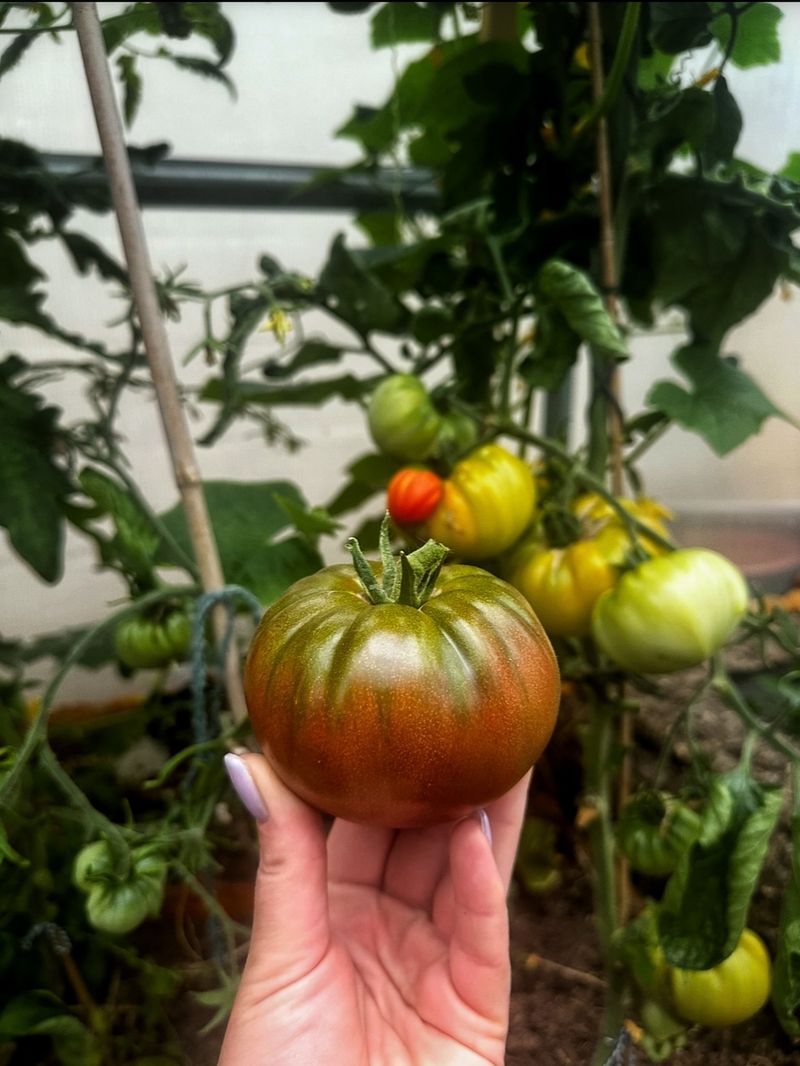
Black Krim ranks among the most flavorful tomatoes you can grow in Arizona, but it requires careful timing to succeed. This Russian heirloom produces large, dusky purple-black fruits with incredibly rich, complex taste that tomato enthusiasts rave about.
Getting Black Krim into the ground early makes or breaks your harvest in Arizona. Plant by mid-February at the latest, giving the plants maximum time to develop and set fruit before extreme heat arrives.
This variety struggles more than others when temperatures consistently exceed 95 degrees, so early planting captures the best production window.
The tomatoes themselves are showstoppers. Black Krim fruits typically weigh 10 to 12 ounces, with dark coloring that ranges from deep purple to brownish-black.
The flesh inside shows green shoulders and deep red centers, creating beautiful slices. The flavor tastes bold and slightly salty, with perfect balance between sweet and savory notes.
Indeterminate vines grow tall and need strong support throughout the season. Prune suckers regularly to keep plants manageable and focus energy on fruit production.
Black Krim takes about 80 days to mature, longer than many varieties, which is why early planting matters so much.
Provide consistent moisture to prevent cracking, a common issue with large heirloom tomatoes. Mulch heavily around plants to maintain even soil moisture and keep roots cooler.
Morning sun with afternoon shade helps Black Krim handle Arizona conditions better. While this variety demands more attention than others, the exceptional flavor rewards dedicated gardeners who meet its needs.
6. Roma Delivers Steady Harvests In Hot, Dry Weather
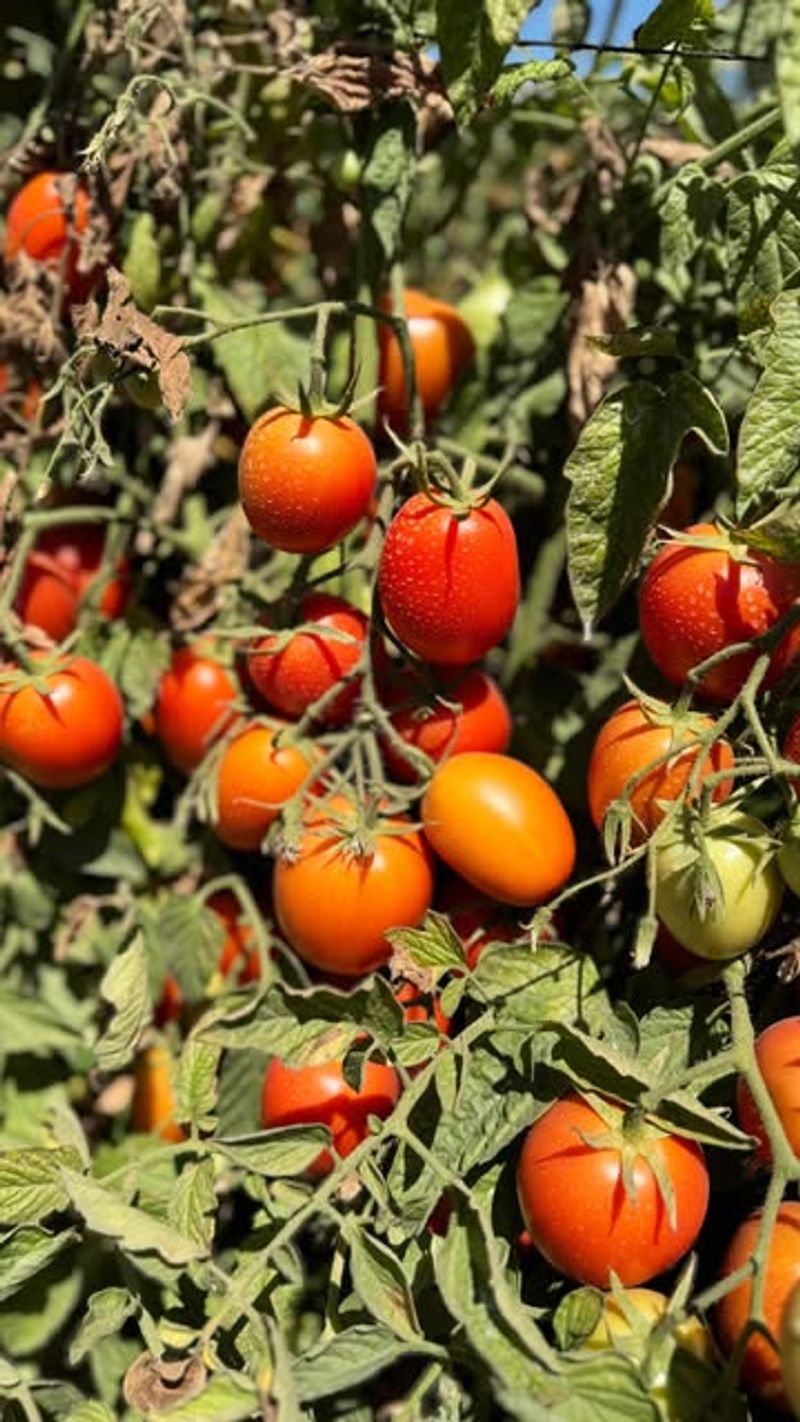
Roma tomatoes have earned their reputation as workhorses in Arizona gardens through decades of reliable performance.
These classic paste tomatoes produce abundantly even when growing conditions turn challenging, making them favorites among gardeners who want guaranteed harvests.
The compact, determinate plants stay relatively small, usually reaching three to four feet tall. This manageable size makes Roma perfect for Arizona gardeners working with limited space or container gardens.
The plants put their energy into producing fruit rather than excessive foliage, which actually helps them handle heat better.
Roma tomatoes excel in hot, dry conditions that stress out many other varieties. The thick-walled fruits contain less water than slicing tomatoes, making them naturally more drought-tolerant.
You’ll notice fewer problems with splitting or blossom end rot compared to juicier varieties.
Each tomato weighs about two to three ounces and features the characteristic elongated shape perfect for sauces and canning. The meaty flesh contains fewer seeds and less juice, concentrating the tomato flavor.
Fresh Romas taste good in salads too, though most gardeners grow them specifically for cooking.
Plant Roma in Arizona from late February through early March. The variety matures quickly, usually within 75 to 80 days, giving you time for substantial harvests before peak summer heat.
Most plants produce their main crop over a concentrated two to three week period, ideal for batch processing into sauce or salsa. Deep watering twice weekly keeps Roma plants healthy without encouraging excessive leafy growth.
This variety proves that simple, dependable performers often work best in Arizona’s demanding climate.
7. Cherokee Purple Rewards Gardeners Who Plant Early
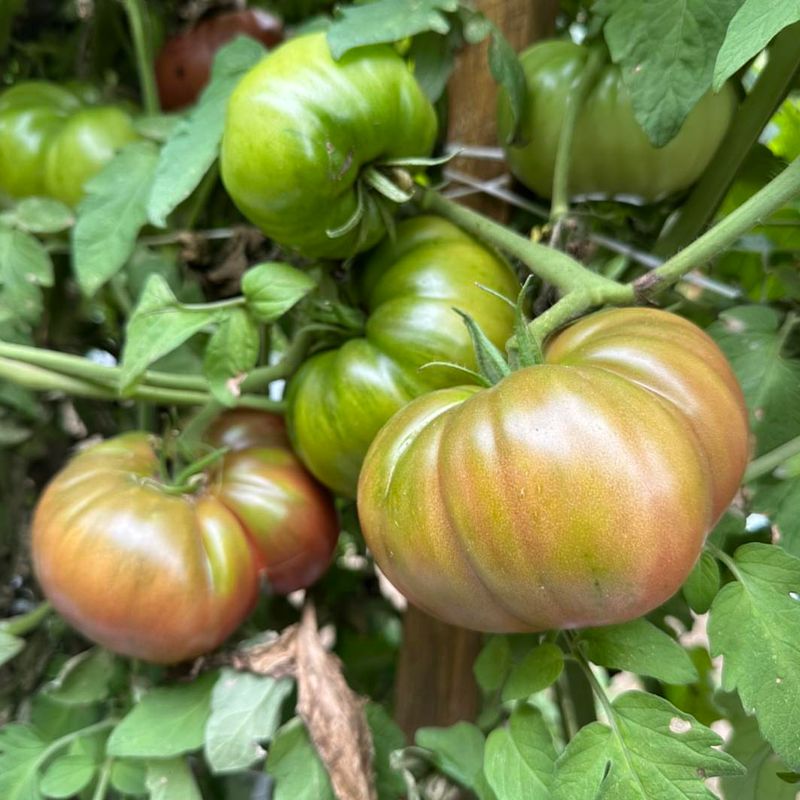
Cherokee Purple stands as one of the most beloved heirloom tomatoes, and Arizona gardeners can grow it successfully with proper timing.
This variety produces stunning dusky pink-purple fruits with flavor that converts people who claim they don’t like tomatoes.
Early planting is absolutely essential for Cherokee Purple in Arizona. Get transplants into the ground by mid-February, earlier if possible.
This heirloom needs cooler temperatures for best fruit set, and it produces most heavily before temperatures climb into the high 90s consistently. Late planting almost guarantees disappointment.
The tomatoes themselves are gorgeous, ranging from eight to twelve ounces with irregular shapes that add rustic charm. Skin color varies from dusty rose to deep purple-brown, often with green shoulders that add character.
Inside, the flesh shows deep pink to purple coloring with exceptional juice content.
Flavor makes Cherokee Purple worth the extra effort. These tomatoes taste incredibly sweet with complex undertones and perfect acidity.
The texture is smooth and almost creamy, making them ideal for fresh eating. Many consider Cherokee Purple among the best-tasting tomatoes available.
Indeterminate vines grow vigorously and produce over an extended period when conditions suit them. Provide sturdy support and prune regularly to manage growth.
The variety takes about 80 days to mature, so early planting gives you several weeks of harvest before summer heat slows production. Afternoon shade becomes crucial as temperatures rise, helping extend the harvest window.
Cherokee Purple demands attention to timing and care, but the incredible flavor makes every effort worthwhile for Arizona gardeners willing to plan ahead.
8. Punta Banda Surprises With Impressive Heat Tolerance
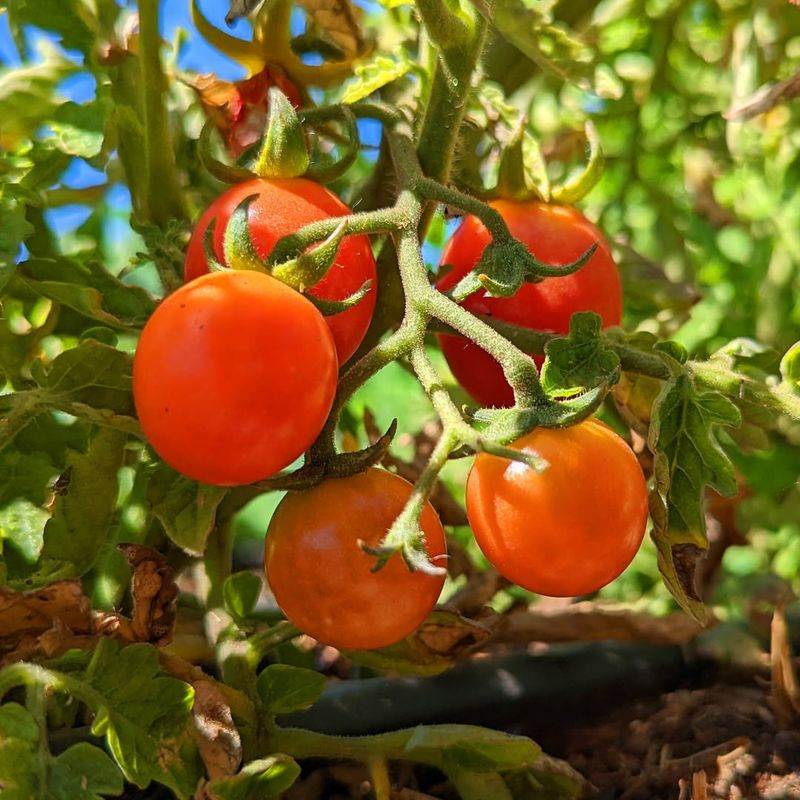
Punta Banda remains relatively unknown among Arizona gardeners, but this variety deserves much wider recognition for its exceptional heat tolerance.
Originally from Baja California, Mexico, this tomato evolved in hot, dry conditions similar to Arizona’s climate, giving it natural advantages over varieties bred in cooler regions.
Heat performance truly impresses with Punta Banda. The plants continue flowering and setting fruit even when temperatures soar above 100 degrees, a feat that shuts down most tomato varieties.
You’ll see new fruit developing throughout summer while other plants sit dormant waiting for cooler weather.
The tomatoes themselves are medium-sized, typically weighing four to six ounces with round to slightly flattened shapes. Skin color develops to deep red when fully ripe.
The flavor tastes good and balanced, though not as complex as some heirlooms. What Punta Banda lacks in gourmet appeal, it makes up for with reliable production during Arizona’s toughest growing conditions.
Indeterminate vines grow vigorously and need strong support throughout the long growing season. The plants show excellent disease resistance, another trait that helps them thrive in challenging environments.
Punta Banda typically matures in about 75 days but continues producing much longer than most varieties.
This variety works perfectly for Arizona gardeners who want fresh tomatoes throughout summer rather than just spring harvests. Plant Punta Banda alongside early-producing varieties to ensure continuous supplies.
The plants handle full sun without problems, though some afternoon shade during the absolute hottest weeks helps maintain production.
Punta Banda proves that sometimes the best varieties for extreme climates come from similar environments rather than traditional breeding programs.