These 7 Flowering Perennials Thrive With Neglect In Arizona
Some Arizona yards look like they take constant work, yet a closer look shows certain plants hold everything together without much attention. Even through dry stretches and strong sun, they keep their color and do not fall apart the way others do.
That kind of plant changes the whole feel of a garden. Less time spent fixing, more time spent enjoying how it looks day after day.
Not every perennial can handle that, especially once conditions get tougher. Many start strong, then lose their shape or stop blooming when the season pushes back.
The ones that do well under neglect stand out for a reason, and once they are in place, the garden stops feeling like a job and starts to feel like something that takes care of itself.
1. Lantana Thrives With Little Water And Constant Sun
Lantana laughs at the Arizona sun. Seriously, the hotter it gets, the more flowers this plant tends to push out.
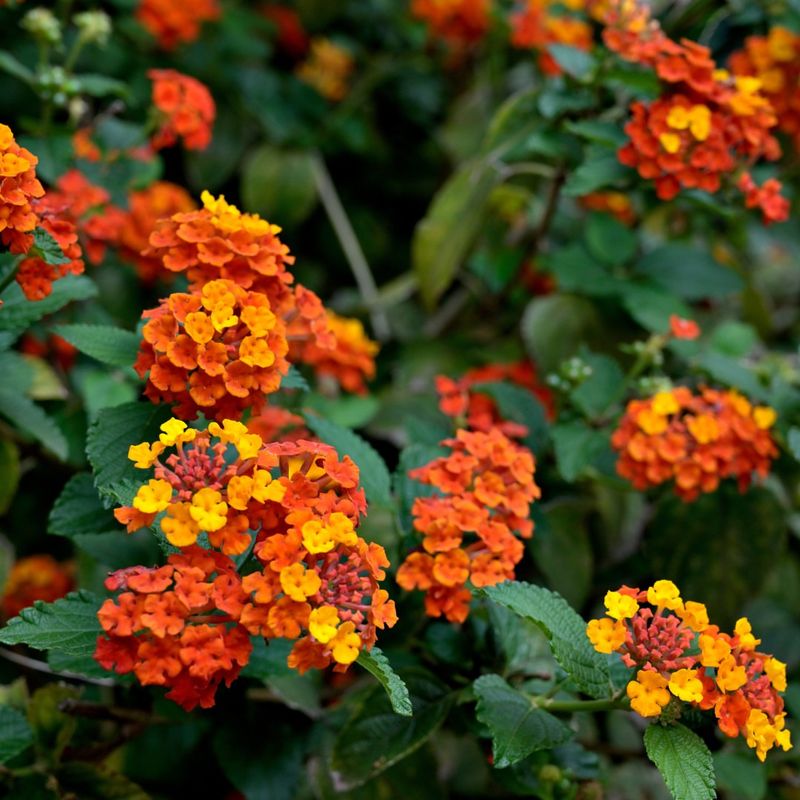
Most plants slow down in the peak of summer, but lantana keeps going, covering itself in tight clusters of tiny blooms in shades of orange, yellow, red, and pink all at once.
You can find it growing along roadsides and in front yards all over the Phoenix metro area and down through Tucson. It spreads wide and fills in fast, which makes it useful for covering bare, dry patches of ground where nothing else wants to grow.
Sandy, rocky, or clay-heavy soil — lantana handles it without complaint.
Watering every week or two during summer is usually enough. In cooler months, you can cut back even further.
Overwatering is actually more of a problem than underwatering with this plant, so if you’re tempted to give it extra water during a heat wave, hold back. Too much moisture leads to fewer blooms and soggy roots.
Pollinators absolutely swarm lantana. Butterflies especially seem to love it, and you’ll often see several species visiting at the same time on a warm afternoon.
Hummingbirds also stop by regularly. Trimming it back in late winter helps keep the shape tidy and encourages fresh growth in spring.
Beyond that, it doesn’t need much. Lantana is one of those plants that genuinely thrives on being left alone in Arizona’s tough conditions.
It quickly turns harsh, sunbaked ground into a nonstop wave of color that keeps pushing blooms even through Arizona’s hottest stretches.
2. Red Yucca Produces Tall Blooms With Minimal Care
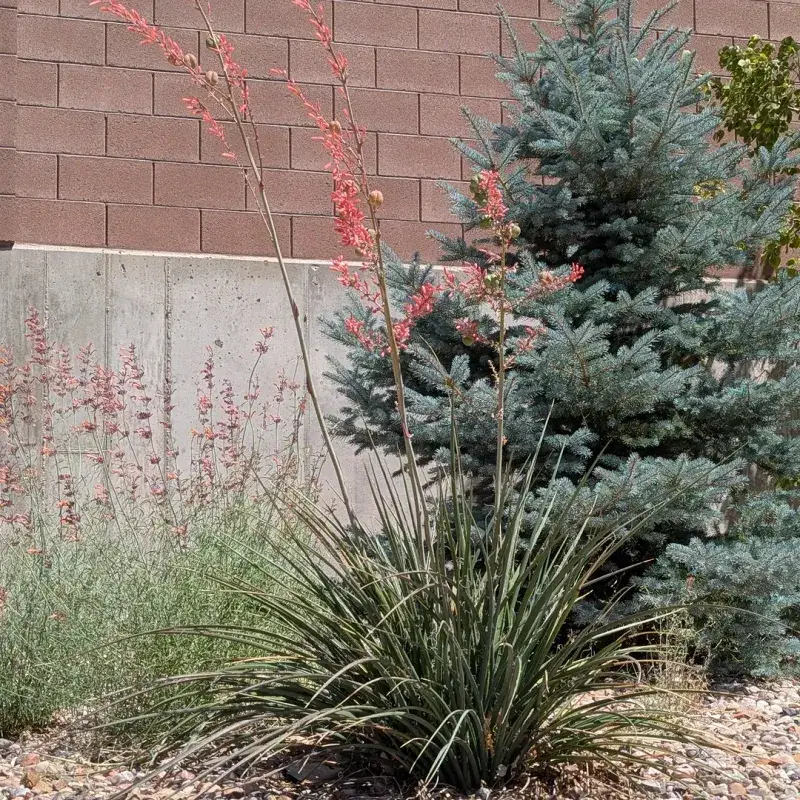
Red yucca doesn’t look like most flowering plants, and that’s exactly what makes it stand out in an Arizona yard.
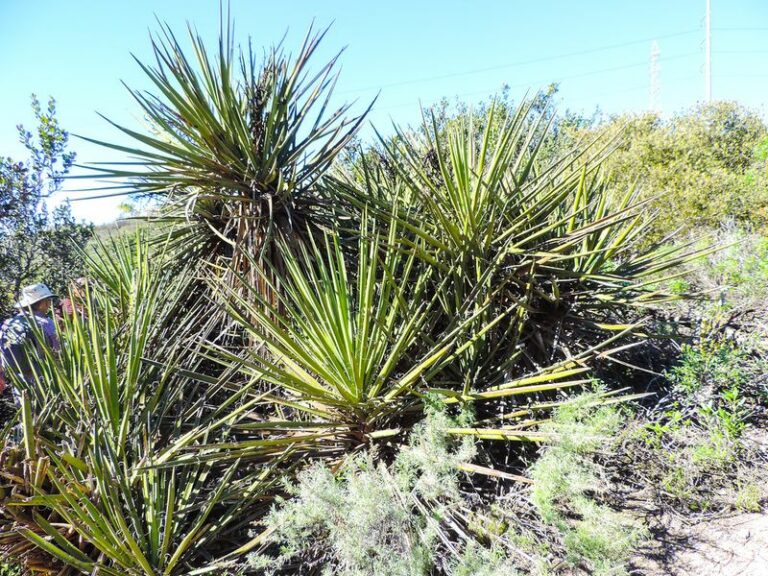
It grows in a low, grassy clump with long, narrow leaves that arch outward, and from late spring through summer, it sends up tall, graceful spikes covered in tubular coral-pink flowers.
The whole thing looks almost sculptural.
Despite the name, red yucca isn’t actually a true yucca — it’s in a different plant family entirely. But it shares the same toughness.
It handles the blazing sun in Scottsdale, the rocky slopes in Sedona, and the dry desert soil across most of low-elevation Arizona without needing much from you. Plant it in a spot with good drainage and full sun, and it mostly handles the rest.
Your Arizona Garden Changes Every Week. Your Plan Should Too.
Gardening in Arizona changes quickly throughout the season. Every Friday you’ll receive a simple weekly plan showing exactly what to plant, prune, fertilize, harvest, and protect so you never miss the right timing.
Watering once a week during the hottest stretch of summer is reasonable when the plant is young. After the first full growing season, it can get by on far less.
Established plants in many Arizona yards survive on rainfall alone during cooler months, though a deep soak every couple of weeks in summer helps keep the flower spikes coming.
Hummingbirds absolutely rely on red yucca as a nectar source, and watching them hover around those tall spikes is one of the better perks of growing it. Seed pods form after blooming and add visual interest into fall.
Remove old flower stalks if you want a cleaner look, but the plant will do fine either way.
Tall flower spikes rise above the clumping foliage, turning red yucca into a bold focal point that draws hummingbirds while staying almost maintenance-free in Arizona heat.
3. Blackfoot Daisy Keeps Flowering In Dry Soil
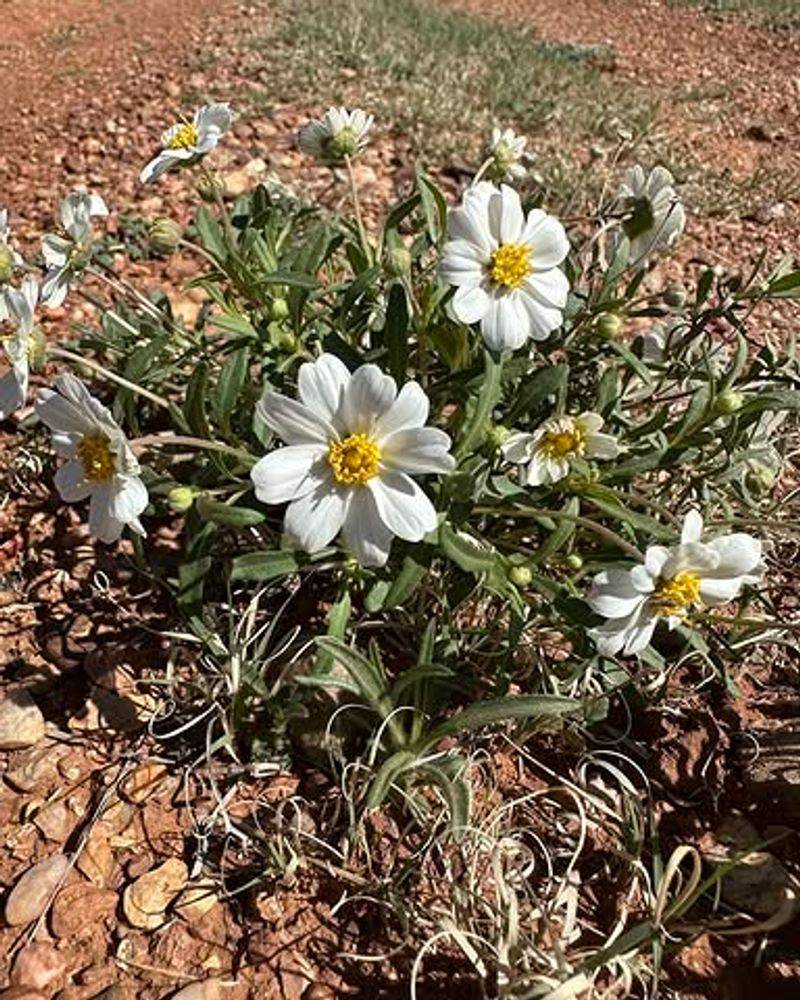
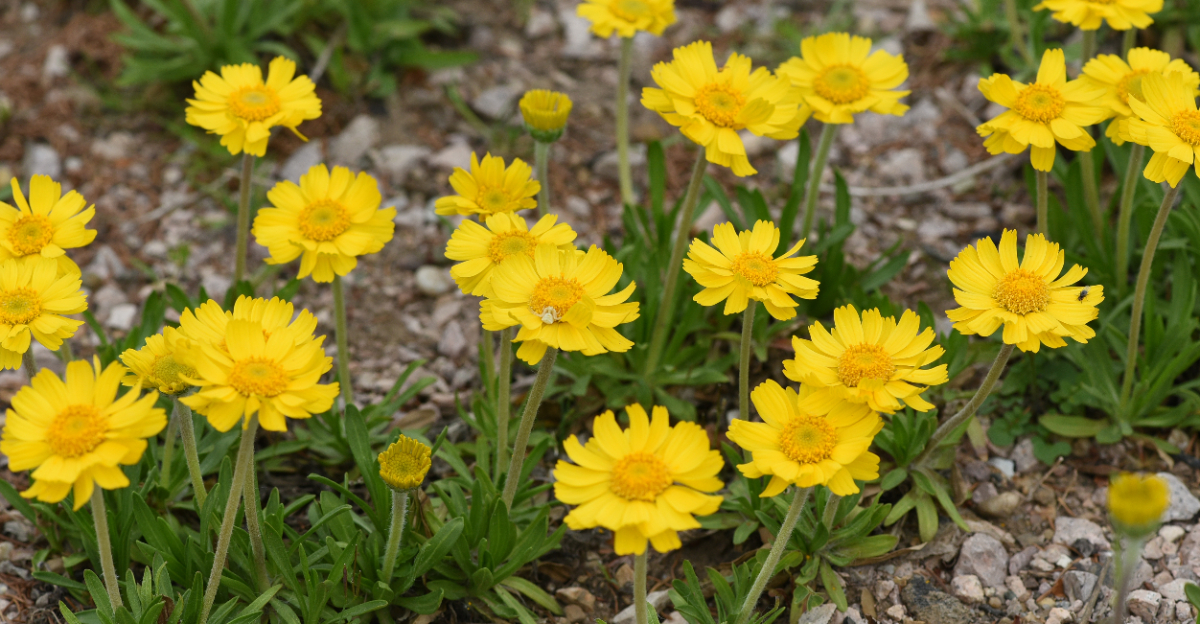
Small but relentless, blackfoot daisy keeps producing flowers even when the soil is bone dry and the sun is brutal. It’s a compact little plant, usually staying under a foot tall, but it blooms heavily and often surprises people with how long it keeps going.
Spring through fall, and sometimes even into winter in lower elevations of Arizona, you can expect flowers.
Rocky, fast-draining soil is where blackfoot daisy does best. If your yard has that caliche-heavy, hard Arizona ground that drains quickly after rain, this plant is right at home.
It actually struggles in rich, amended soil with a lot of moisture — that kind of environment tends to cause root problems and shortened bloom time.
Water it sparingly. During the hottest part of summer, once a week is usually plenty.
In spring and fall, you can stretch that to every ten days or two weeks without issue. Rainfall alone often carries it through the cooler months in southern Arizona.
The less you fuss over watering, the better it tends to perform.
One thing worth knowing: blackfoot daisy is native to the Chihuahuan Desert, which means it evolved in conditions very similar to much of Arizona. That background matters.
Plants native or adapted to desert environments tend to behave more predictably in Arizona gardens than ornamentals bred for wetter climates. Trim it back lightly after heavy bloom periods to keep it looking tidy and encourage another round of flowers.
Beyond that, just let it do its thing.
Spreading naturally in rocky, sun-baked ground, blackfoot daisy brings steady waves of white blooms through the long Arizona season while asking for very little in return.
4. Damianita Stays Compact And Blooms With Almost No Upkeep
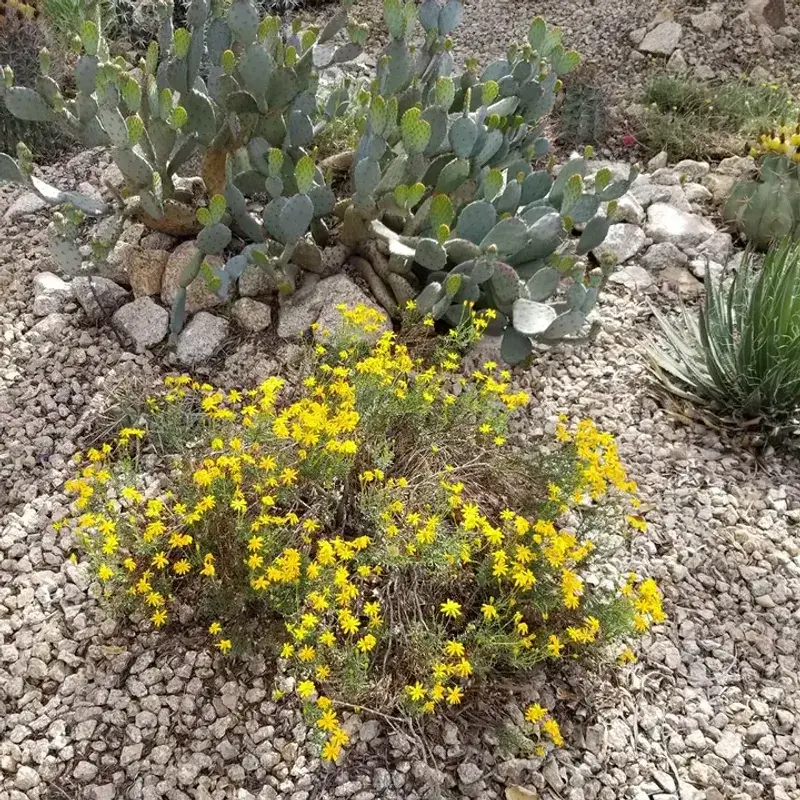
Walk past a damianita in full bloom and the bright yellow flowers hit you before anything else. It forms a dense, rounded mound and covers itself in small, cheerful blooms from spring well into summer.
In mild Arizona winters, it sometimes flowers on and off through the cooler months too, especially in the lower desert regions around Phoenix and Yuma.
Damianita stays naturally compact, usually reaching about two feet tall and wide. That makes it useful in spots where you want color without a plant that sprawls or takes over.
It fits well along pathways, at the edges of gravel beds, or in rock gardens where space is limited. The fine, needle-like foliage has a faintly herby scent when brushed, which some people enjoy and others find a bit sharp.
Drainage is the main thing this plant needs. Standing water or overly moist soil causes more problems than drought ever will.
Sandy or gravelly soil with full sun is the ideal setup. In those conditions, damianita can get by on very little supplemental water after the first year in the ground.
During summer, watering every ten to fourteen days is usually sufficient.
Pruning isn’t strictly necessary, but a light trim after the main bloom period helps keep the shape neat and can encourage a second flush of flowers. Fertilizer is rarely needed and can actually reduce blooming if overdone.
Damianita is genuinely one of the easier plants to keep looking good in an Arizona yard, largely because it prefers to be left alone.
5. Autumn Sage Handles Heat While Blooming Repeatedly
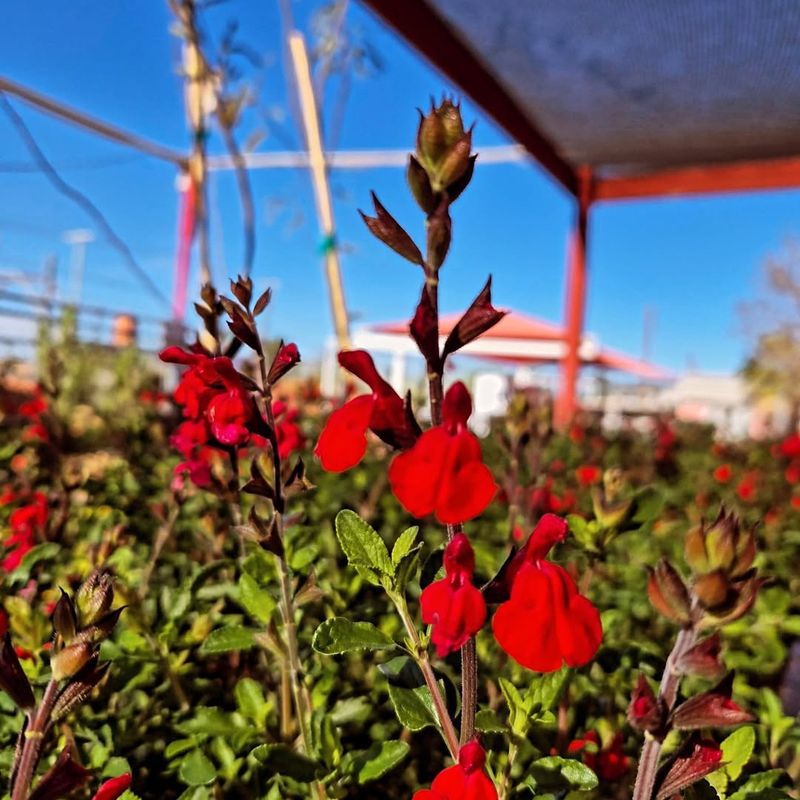
Autumn sage blooms in spring, slows down a bit in the peak of summer heat, then comes back with another strong flush in fall — and that fall bloom is often the best one.
In many parts of Arizona, the plant keeps some color going well into November, which is longer than most flowering perennials manage in the desert heat.
Red is the most common flower color, but you can find cultivars in coral, pink, and white as well.
The tubular flower shape is perfectly designed for hummingbirds, and once your plant is established and blooming, expect regular visits from them, especially during the fall migration period through Arizona.
It’s one of the more reliable hummingbird plants for desert gardens.
Well-drained soil and full sun are the main requirements. Autumn sage tolerates reflected heat from walls and pavement, which makes it practical for spots near driveways or south-facing walls in Arizona yards — places where many plants struggle.
Water deeply but infrequently. During summer, once a week is reasonable.
In cooler months, stretch that out to every two or three weeks.
Cutting the plant back by about a third after each bloom cycle encourages it to rebound with fresh growth and more flowers. Without any trimming, it can get a little woody and open in the center over time.
A light prune in late winter before new growth starts helps reset the shape. Autumn sage is genuinely tough, handling the kind of heat that shuts down less adapted plants across much of Arizona.
6. Desert Marigold Produces Bright Blooms With Little Attention
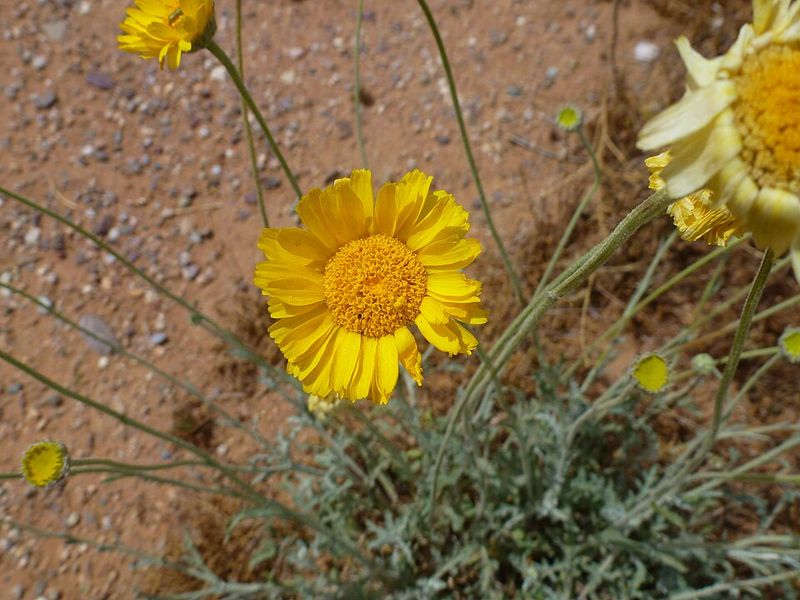
Bright yellow flowers on silvery stems, blooming across sandy flats and rocky roadsides all over Arizona — desert marigold is practically a symbol of the state’s wild landscapes.
It grows naturally across the Sonoran and Chihuahuan Deserts, which tells you a lot about how well it handles the heat and dry conditions that challenge most ornamental plants.
In a garden setting, desert marigold behaves much the same way it does in the wild. Give it a spot with full sun and soil that drains well, and it will bloom heavily from spring through fall.
The flowers are cheerful and daisy-like, sitting on long stems above the gray-green foliage. Cutting off spent blooms can extend the flowering season, though the plant will continue blooming at its own pace even without deadheading.
Watering needs are low. During summer, a deep soak once a week is usually enough for plants in the ground.
In fall and spring, you can water less frequently. Avoid planting it in heavy clay or soil that holds moisture — that’s where desert marigold runs into trouble.
Good drainage is more important than soil quality with this plant.
One thing to be aware of: the foliage can cause mild skin irritation for some people, so wearing gloves when trimming is a reasonable precaution. Beyond that, desert marigold is straightforward to grow and maintain in Arizona.
It reseeds itself readily, so you may find new plants popping up nearby over time, gradually filling in open areas with more color each season.
7. Angelita Daisy Keeps Flowering In Tough Dry Conditions
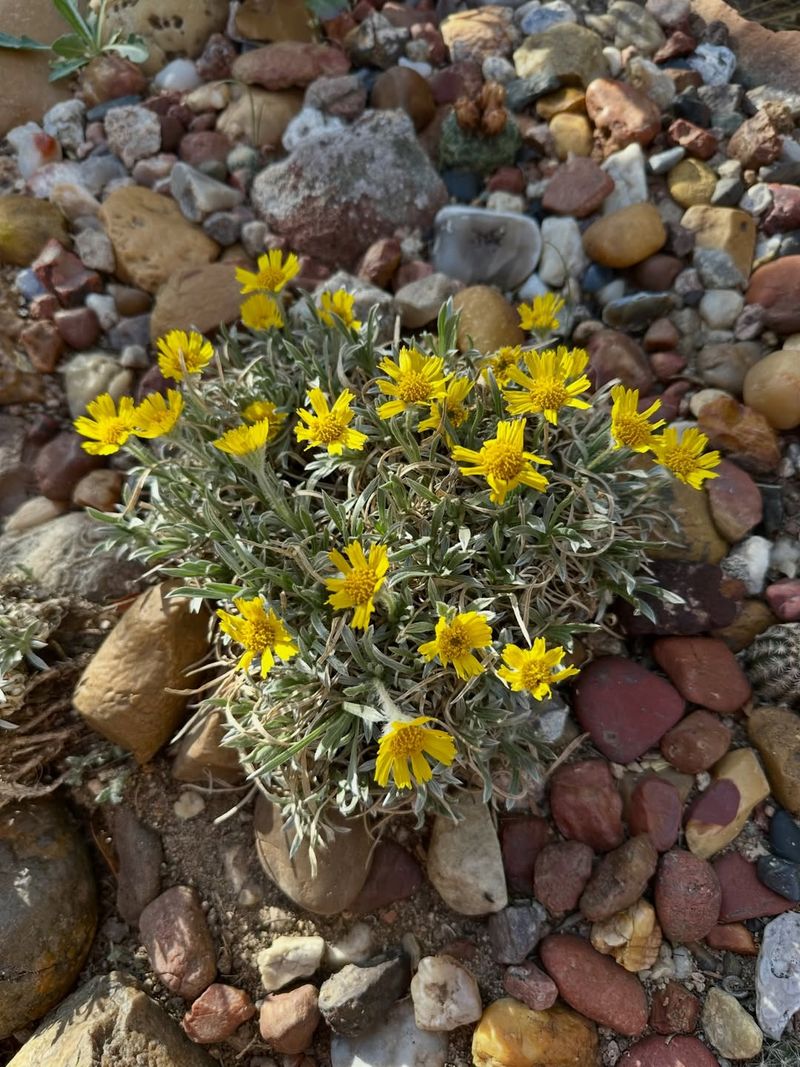
Angelita daisy earns its place in Arizona gardens by doing something most plants can’t — it flowers reliably through some of the harshest conditions the desert throws out.
Peak summer heat, extended dry spells, and poor rocky soil are basically the conditions it was built for.
The flowers are small, bright yellow, and cheerful, sitting above dense, fine-textured dark green foliage that stays looking good even when rainfall is scarce.
It’s a compact plant, typically reaching about a foot tall and spreading to around eighteen inches wide. That size works well along borders, in rock gardens, or as a ground cover in areas with gravel mulch.
Unlike some desert plants that look scraggly or sparse, angelita daisy stays full and tidy without much intervention from you.
Watering once a week during the intense summer heat in Arizona is a reasonable starting point. As temperatures cool in fall and spring, you can reduce that to every couple of weeks.
The plant is more tolerant of drought than of overwatering, so when in doubt, hold off. Too much water in heavy soil is the most common way people run into problems with it.
Bloom time stretches from early spring through fall in most Arizona locations, and in warmer low-elevation areas like the Phoenix valley, it often pushes out flowers through much of the winter as well.
A light trim every few months keeps it looking neat and encourages fresh growth from the base.
Angelita daisy is one of those dependable plants that rarely disappoints in a desert garden.