These Fairy Garden Plants Are Georgia’s Top Picks For 2026
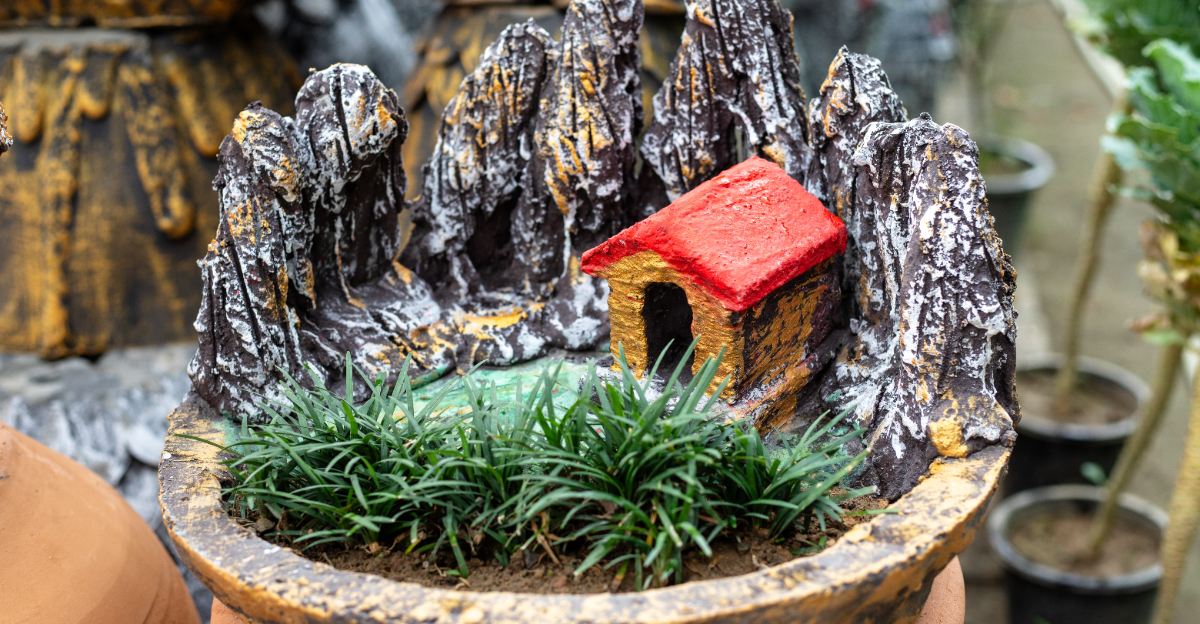
Fairy gardens are fun to build, but the plants you choose decide whether they stay neat and healthy or turn into a mess after a few weeks.
In Georgia, heat, humidity, and fast growth can quickly ruin the look of small, delicate plants that are not suited for local conditions.
What starts out cute can become overgrown, wilted, or patchy without the right choices.
Compact plants that tolerate Georgia’s climate hold their shape, keep their color, and stay manageable in tight spaces. The best options grow at a steady pace and do not demand constant trimming or replacement.
These top picks for 2026 perform well in Georgia and keep fairy gardens looking tidy, balanced, and easy to maintain throughout the season.
1. Creeping Thyme Creates A Living Carpet That Looks Straight Out Of A Storybook
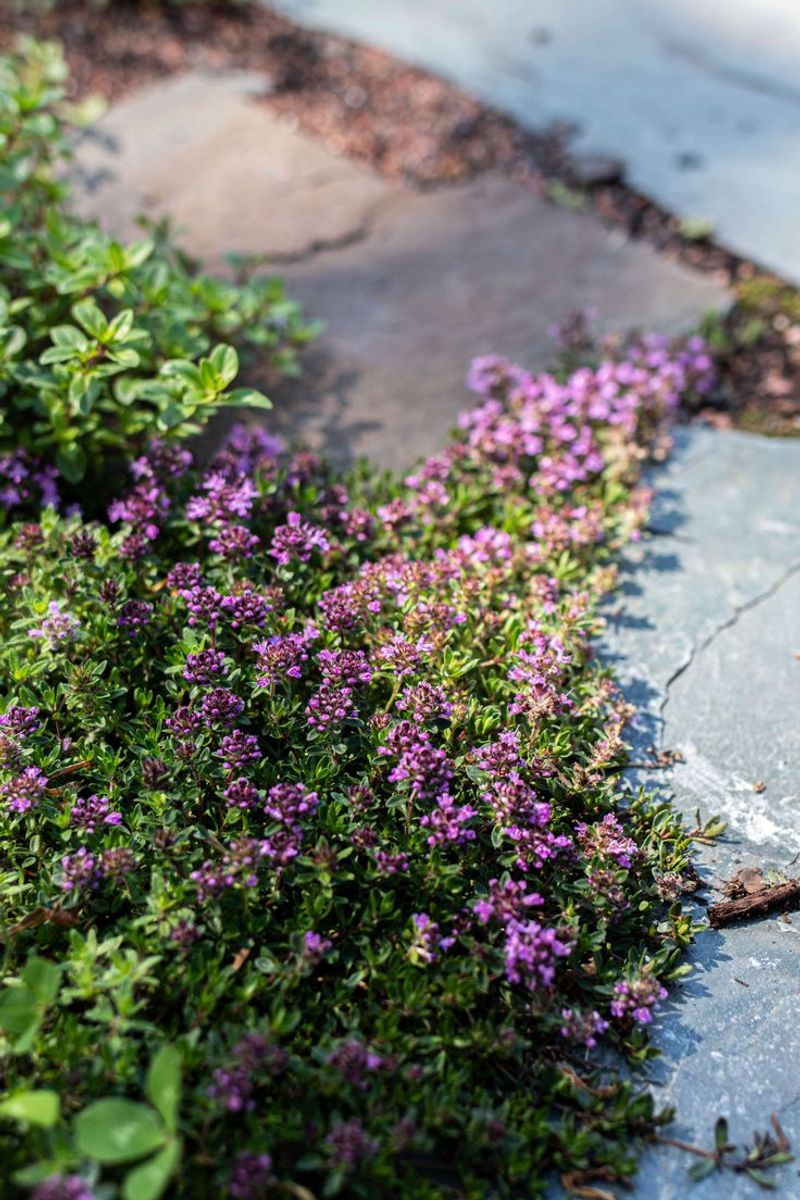
Walking paths need something magical underfoot. Creeping thyme spreads across bare ground like nature’s own carpet, releasing a wonderful herbal scent whenever you brush against it.
Georgia gardeners love how this plant handles foot traffic while keeping that delicate, miniature appearance perfect for fairy gardens.
The tiny leaves create incredible texture at small scale. Each stem stays low to the ground, rarely reaching more than three inches tall even at full maturity.
During late spring and early summer, thousands of miniature purple or pink flowers blanket the entire plant, turning your fairy garden into a blooming wonderland.
Heat tolerance makes this plant a Georgia superstar. Unlike many ground covers that struggle during our humid summers, creeping thyme actually thrives in full sun and well-drained soil.
It handles drought remarkably well once established, meaning less watering and more time enjoying your miniature landscape.
Planting couldn’t be simpler for Georgia conditions. Space small plugs about six inches apart in spring or early fall, and they’ll fill in within a single growing season.
The plant naturally weaves between stepping stones and around fairy houses, creating that lived-in storybook look everyone wants. Just make sure your soil drains well, because soggy roots are the only real enemy this tough little plant faces in our state.
2. Green And Gold Creates A Soft Native Carpet That Survives Georgia Summers
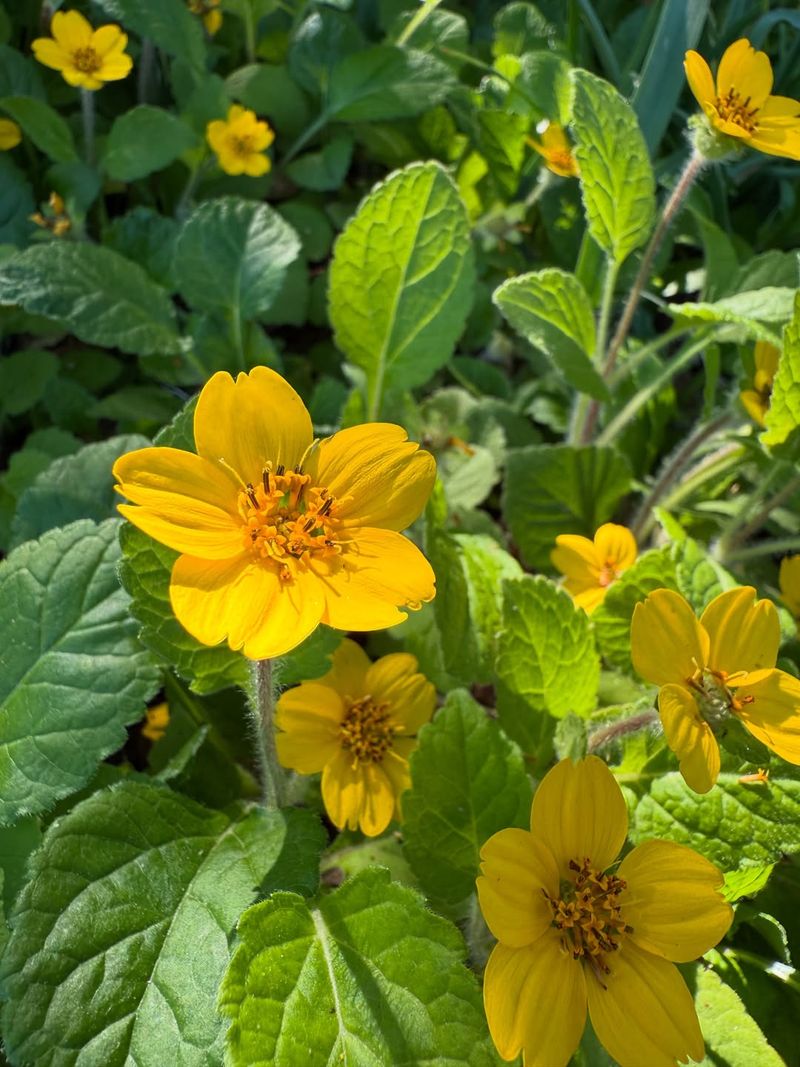
Green and gold is a practical choice for Georgia fairy gardens because it stays low, spreads evenly, and handles local conditions without constant attention.
This native groundcover forms a dense mat of small green leaves that typically stays under three inches tall.
It fills open soil areas quickly, helping fairy gardens look finished instead of patchy.
In spring, small yellow flowers appear across the foliage. The blooms add color, but the plant’s main value is its consistent structure.
It does not grow aggressively or overtake nearby plants, which makes it easier to manage in tight spaces.
Green and gold performs well in part shade, especially in areas with morning sun and afternoon protection. It tolerates Georgia clay soil better than many small groundcovers and adapts well to humid summers.
Once established, it requires moderate watering and does not need frequent trimming to maintain its shape.
Your Georgia Garden Changes Every Week. Your Plan Should Too.
Gardening in Georgia changes quickly throughout the season. Every Friday you’ll receive a simple weekly plan showing exactly what to plant, prune, fertilize, harvest, and protect so you never miss the right timing.
Because it spreads at a steady pace, it works well between stepping stones, around small decorative pieces, or along the edges of containers. It stays compact and does not stretch or collapse during summer heat when planted in appropriate light conditions.
For Georgia gardeners who want a low maintenance base plant that remains controlled and dependable, green and gold provides reliable coverage without creating extra work throughout the season.
3. Blue Star Creeper Fills Small Spaces With Delicate Color
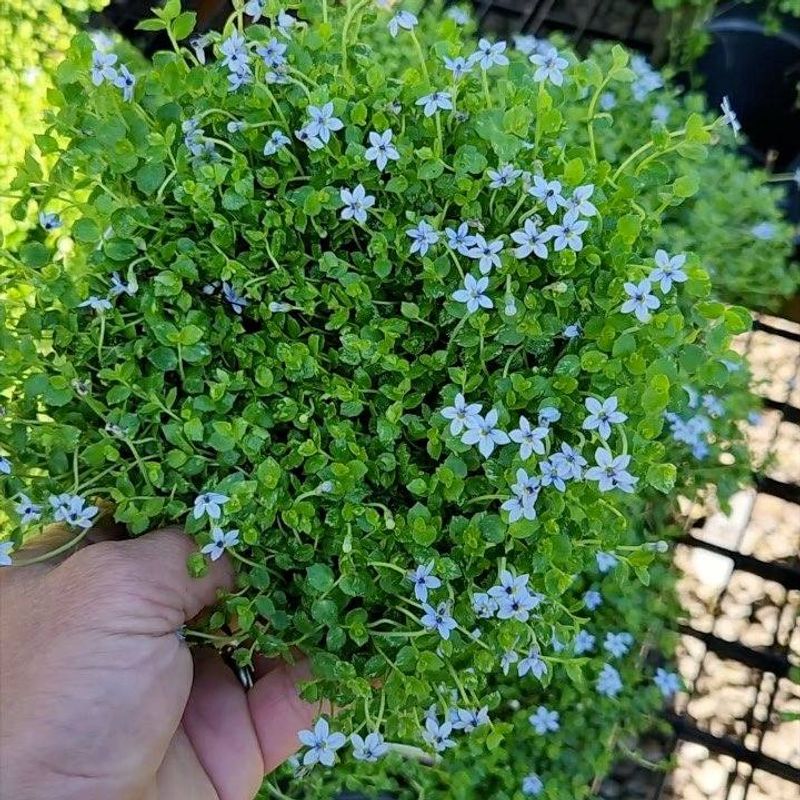
Gaps between stones feel empty without the right filler. Blue star creeper rushes in to save the day, tucking itself into every available nook while producing hundreds of star-shaped blue flowers.
This plant brings both practical ground coverage and visual interest to Georgia fairy gardens throughout spring and summer.
The flowers really steal the show here. Each bloom measures barely a quarter-inch across but appears in such abundance that the entire plant seems to glow with soft blue light.
The effect is absolutely magical in miniature settings, especially when planted around fairy doors or tiny benches where the scale makes the flowers look even more impressive.
Spreading habits work perfectly for Georgia fairy gardens. Blue star creeper grows outward rather than upward, staying under three inches tall while reaching across soil surfaces.
It tolerates light foot traffic surprisingly well, making it useful for creating pathways or open areas where your fairy garden residents might theoretically walk.
Georgia’s climate suits this plant remarkably well. It prefers partial shade and consistent moisture, conditions easily achieved in many spots around our state.
The plant stays evergreen through mild Georgia winters, meaning your fairy garden maintains its lush appearance year-round.
Just keep it slightly damp during hot spells, and it’ll reward you with continuous blooms and dense, healthy foliage that makes everything around it look more intentional and designed.
4. Dwarf Mondo Grass Keeps Everything Neat And Perfectly Scaled
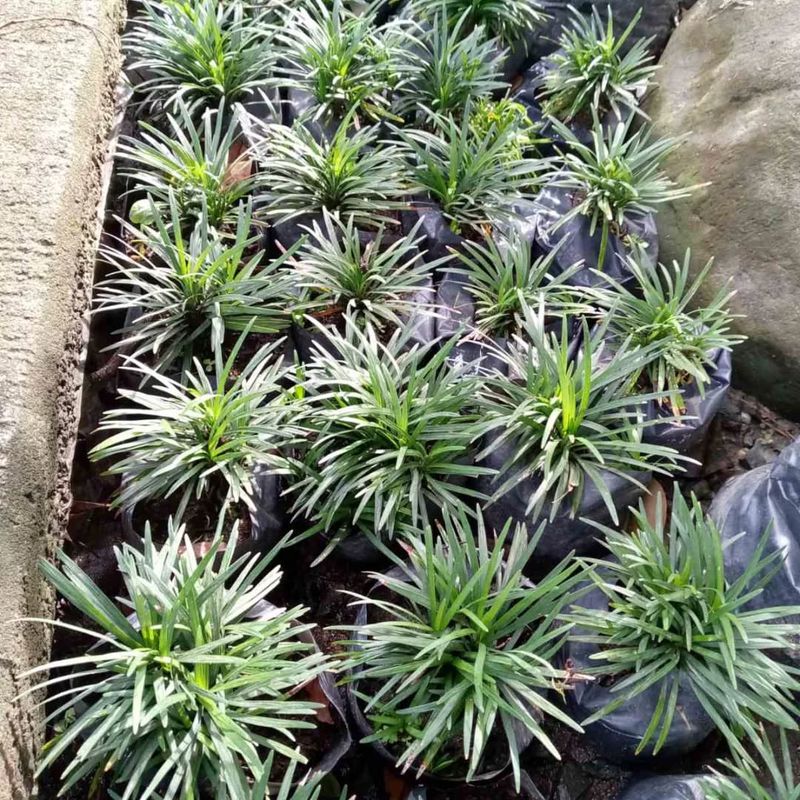
Grass at normal scale ruins fairy garden proportions instantly. Dwarf mondo grass fixes this problem by providing grass-like texture that actually matches your miniature scene.
The dark green, blade-like foliage grows in neat clumps that look like perfectly maintained lawns when viewed at fairy scale.
Georgia gardeners value its low-maintenance personality. This plant practically takes care of itself once established, requiring minimal watering, no mowing, and very little attention throughout the year.
The foliage stays evergreen even during our winters, ensuring your fairy garden looks intentional and cared-for in every season.
Clumping growth creates natural definition in designs. Unlike spreading ground covers, dwarf mondo grass grows in distinct tufts that you can space according to your vision.
This makes it perfect for creating borders, defining pathways, or establishing separate garden rooms within your larger fairy garden layout. Each clump reaches about four inches tall and wide, maintaining that ideal miniature proportion.
Shade tolerance makes it incredibly versatile across Georgia properties. The plant actually prefers partial to full shade, thriving in spots where many other fairy garden plants would struggle.
It handles our humid summers without complaint and adapts to various soil types as long as drainage is reasonable. Plant it in spring or fall, water regularly during the first few weeks, and then step back and let it do its thing with minimal intervention required.
5. Creeping Phlox Brings That Eye-Catching Spring Cascade
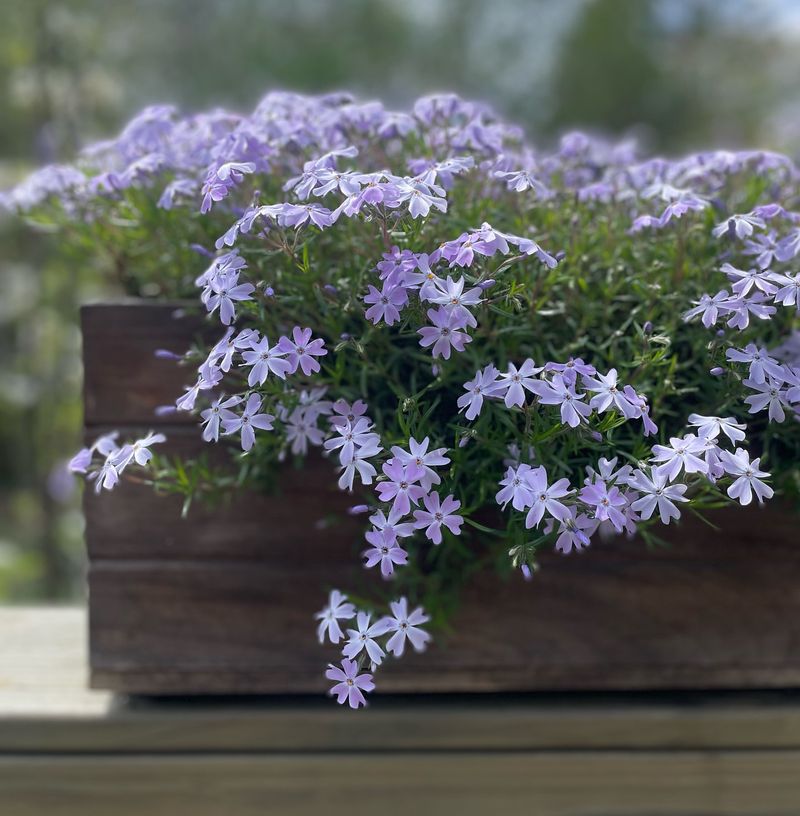
Spring needs drama in your fairy garden. Creeping phlox delivers exactly that, exploding into sheets of vibrant flowers that cascade over edges and tumble across slopes.
Georgia gardeners time their fairy garden tours around this plant’s peak bloom period because the display is simply that spectacular.
Color options let you customize your miniature world. Varieties come in pink, purple, white, and even red, allowing you to create color schemes that match your fairy garden’s story.
The flowers appear so densely that they completely hide the foliage beneath, creating solid carpets of color that look almost unreal in their intensity.
After blooming, the plant stays useful. The evergreen foliage forms attractive mats that provide year-round structure and texture in your fairy garden.
Georgia’s full sun areas are where this plant excels. It needs at least six hours of direct sunlight daily to produce those famous flower displays, making it perfect for fairy gardens on sunny patios or in open garden beds.
The plant tolerates our summer heat well and handles drought once established. Just make sure your soil drains quickly, because soggy conditions can cause problems.
Plant in fall for the best establishment, and you’ll have a show-stopping display by the following spring that makes your fairy garden the talk of the neighborhood.
6. Dwarf Ajuga Brings Deep Color Without Falling Apart In Humid Heat
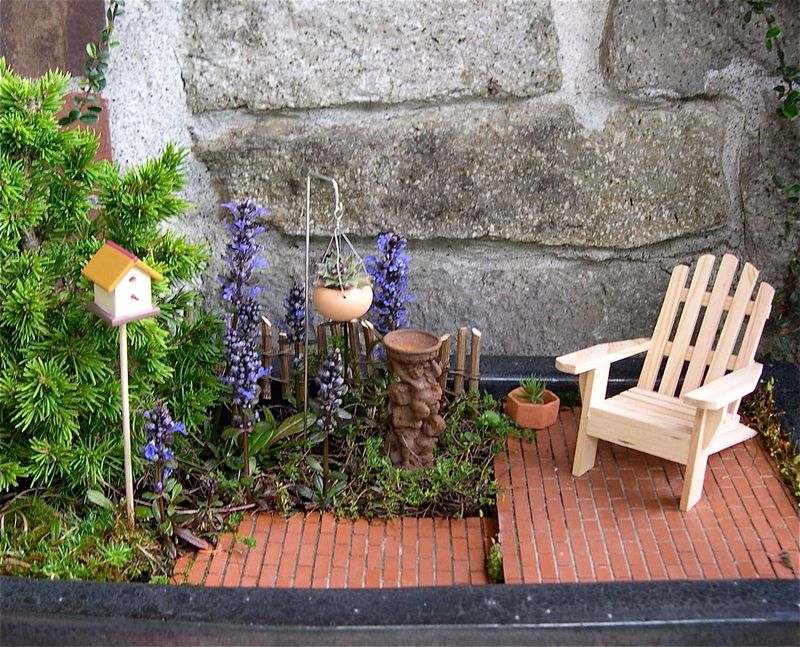
Dwarf ajuga is one of the most reliable low growing plants for fairy gardens in Georgia. It stays compact, spreads evenly, and keeps strong leaf color even during humid summer weather.
Unlike many small groundcovers that stretch or thin out in heat, dwarf ajuga holds its shape and continues to look full.
The foliage is what makes this plant stand out. Depending on the variety, leaves can be deep green, bronze, or rich purple.
That darker color creates contrast in fairy gardens and helps miniature features stand out instead of blending into plain greenery. In spring, short spikes of blue or violet flowers rise above the leaves, adding seasonal interest without overwhelming the scale of the design.
Dwarf ajuga performs well in part shade and can tolerate some sun, especially with consistent moisture. It adapts to Georgia clay soil better than many delicate groundcovers, as long as drainage is reasonable and the soil does not stay waterlogged.
Once established, it requires only moderate watering and minimal trimming to stay tidy.
The growth pattern is steady but manageable. It fills in open spaces around stepping stones, small structures, or decorative elements without quickly taking over the entire area.
If it spreads beyond its intended space, it is easy to edge back into place.
For Georgia fairy gardens that need reliable color, controlled growth, and strong summer performance, dwarf ajuga offers structure and durability without adding extra maintenance throughout the season.
7. Partridgeberry Adds Evergreen Charm And Winter Berries In Shady Fairy Gardens
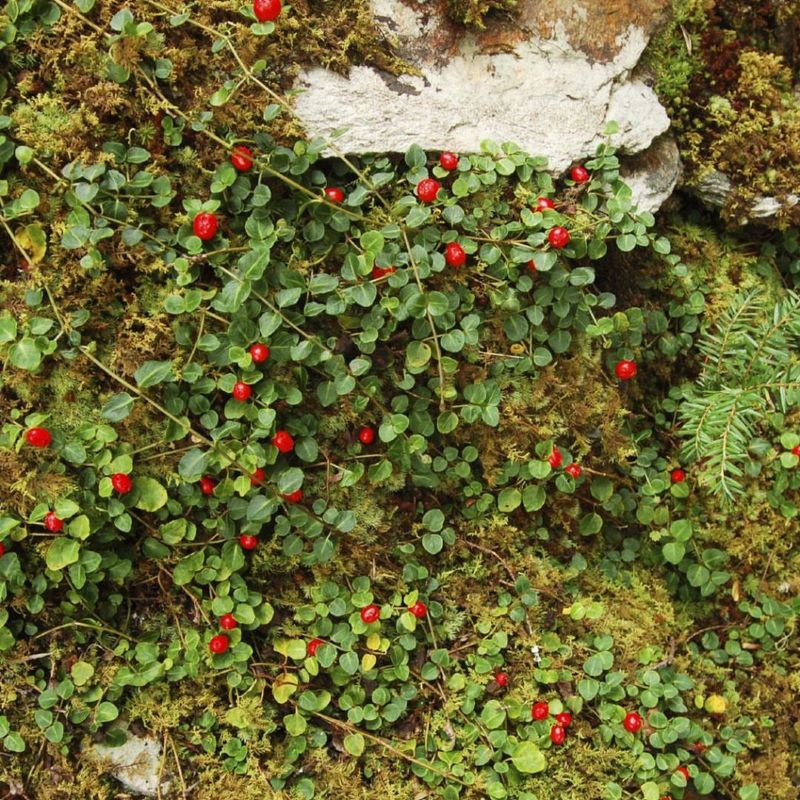
Partridgeberry is a strong choice for shaded fairy gardens in Georgia because it stays low, evergreen, and controlled throughout the year. This native groundcover forms a tight mat of small, glossy green leaves that rarely grow more than two inches tall.
It creates a smooth, finished base in miniature landscapes without requiring constant trimming.
The plant performs best in partial to full shade, making it ideal for fairy gardens placed under trees, along north facing walls, or in naturally shaded corners of the yard.
Georgia’s humidity does not bother it, and once established, it adapts well to local soil conditions as long as drainage is decent and the area is not constantly saturated.
In late summer, small white flowers appear close to the foliage. By fall and winter, bright red berries develop and remain on the plant for months.
Those berries add visible color during seasons when many other plants look dull or dormant. Because the plant stays evergreen, it keeps fairy gardens structured even in winter.
Partridgeberry spreads slowly and predictably. It fills in around miniature houses, stones, and pathways without becoming invasive or overwhelming nearby plants.
The slow growth makes it easy to manage in tight spaces where scale matters.
For Georgia gardeners who want a low maintenance, shade tolerant groundcover with year round structure and seasonal interest, partridgeberry provides dependable coverage and consistent performance without creating extra work.
8. Small Sedum Handles Georgia Heat Without Losing Its Magic
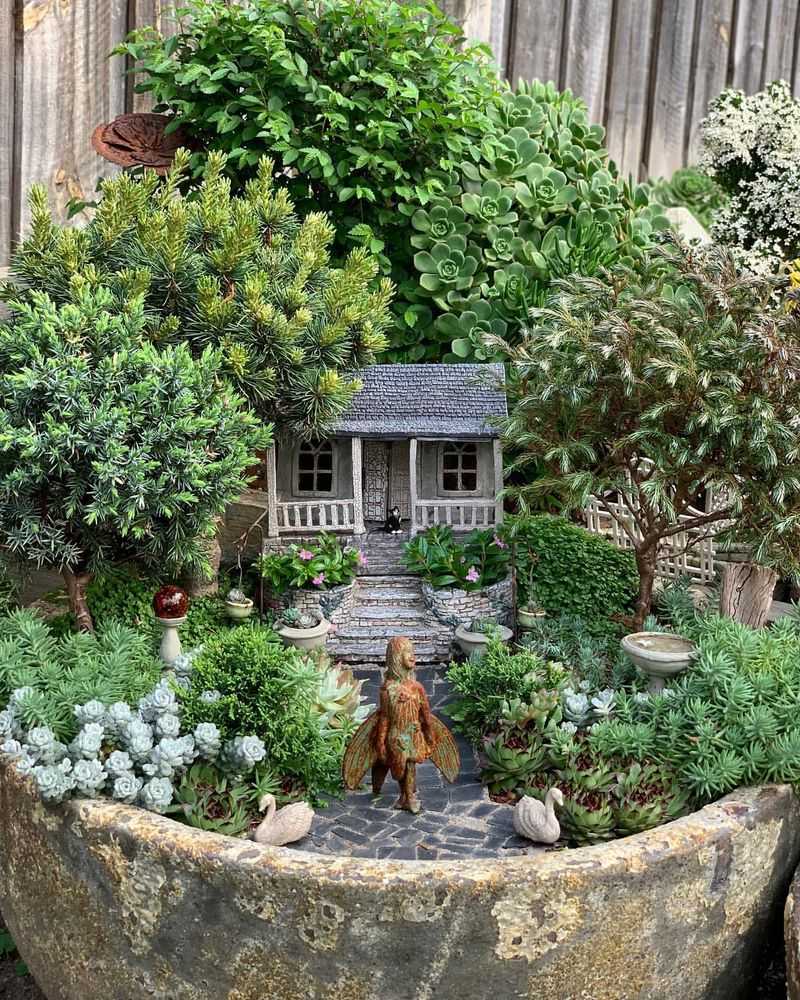
Georgia summers test every plant’s limits. Small sedum varieties laugh at our heat and humidity, continuing to look fresh and attractive when other fairy garden plants start showing stress.
These tiny succulents bring both practical toughness and visual charm to miniature landscapes across our state.
Texture variety keeps designs interesting. Different sedum varieties offer colors ranging from bright green to deep burgundy, with leaf shapes from round and plump to needle-thin and delicate.
This diversity lets you create contrast and focal points within your fairy garden without introducing plants that require different care routines.
Drought tolerance means less maintenance during busy summers. Once established, small sedums need minimal watering even during Georgia’s driest spells.
This makes them perfect for fairy gardens in full sun locations or for gardeners who travel frequently and can’t maintain constant watering schedules.
Growth habits stay manageable in miniature settings. Unlike larger sedum varieties that can overwhelm small spaces, miniature types grow slowly and stay compact, rarely exceeding four to six inches in height.
Many form tight rosettes or creeping mats that look intentional and designed rather than wild and overgrown. Plant them in well-drained soil with full sun exposure for best results.
They’ll tolerate partial shade but may stretch and lose their compact form.
In Georgia, these tough little plants prove that fairy gardens can be both magical and practical, combining enchanting appearance with real-world durability that makes long-term success much easier to achieve.