The 8 Fastest Growing Trees That Actually Survive Ohio Winters
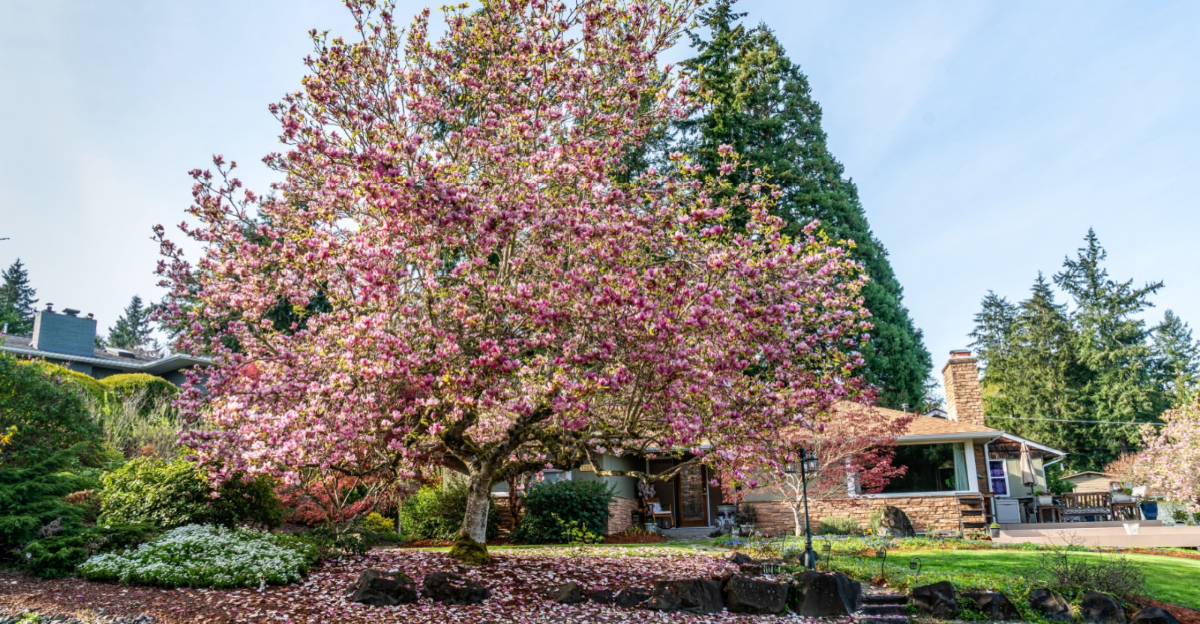
Cold winds, heavy snow, and sudden temperature drops destroy many fast growing trees before they ever mature in Ohio landscapes. Speed alone means nothing without true winter strength.
The right trees grow quickly, establish deep roots, and withstand brutal freezes year after year without dieback or constant care. Many homeowners plant for fast shade or privacy, only to watch weak varieties struggle once the first harsh winter arrives.
Smart choices make the difference between fragile growth and long lasting success. With the proper selection, your yard can gain height, structure, and beauty while standing strong through Ohio’s toughest seasons.
Rapid growth and cold resilience can exist together when you choose wisely. The following trees have earned a reputation for fast development and dependable survival, making them powerful additions to landscapes that demand both speed and strength.
1. Grow Hybrid Poplar For Rapid Height
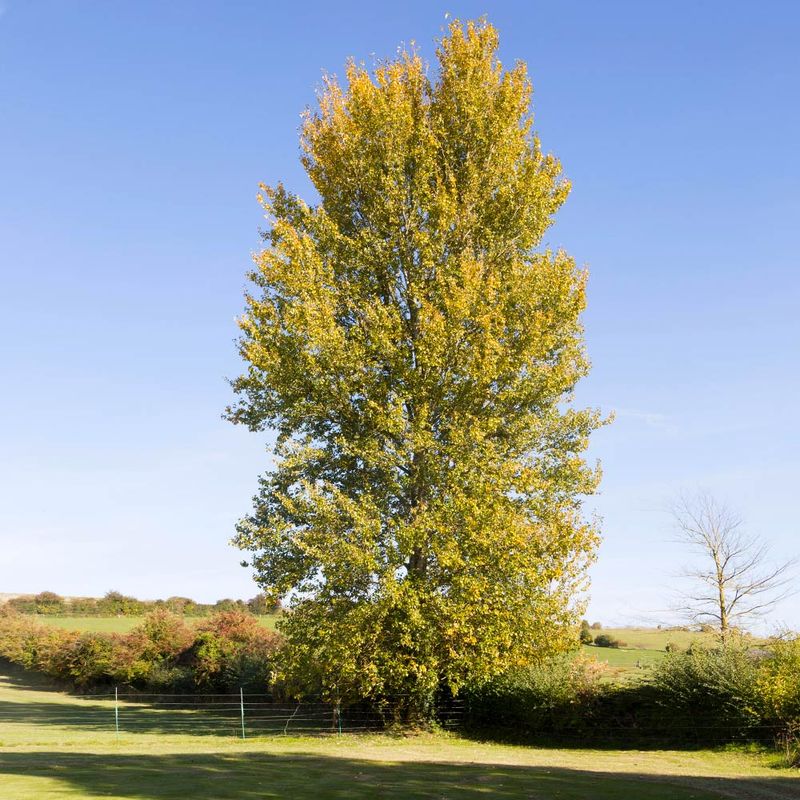
Hybrid poplars shoot up faster than almost any other tree you can plant in Ohio. These vigorous growers can grow several feet per year under good conditions, making them perfect when you need quick screening along property lines or a fast windbreak for exposed areas.
Their upright form and dense branching fill in gaps rapidly.
Hybrid poplars are generally hardy in Ohio, though extreme ice or wind events can occasionally cause branch damage. They handle temperatures well below zero and bounce back reliably each spring.
Plant them where you have room for their spreading root systems, keeping them away from foundations, septic systems, and underground utilities.
Expect a typical lifespan of 30 to 50 years, shorter than oaks or maples but reasonable given their rapid establishment. Use hybrid poplars strategically for temporary screening while slower, longer-lived trees mature, or plant them where fast growth matters more than longevity.
They adapt to various Ohio soils and tolerate wet conditions better than many alternatives.
Space them properly to avoid overcrowding. These trees work best in larger yards or rural settings where their size and growth habit fit naturally into the landscape without causing maintenance headaches down the road.
2. Add Shade With Tough Silver Maple
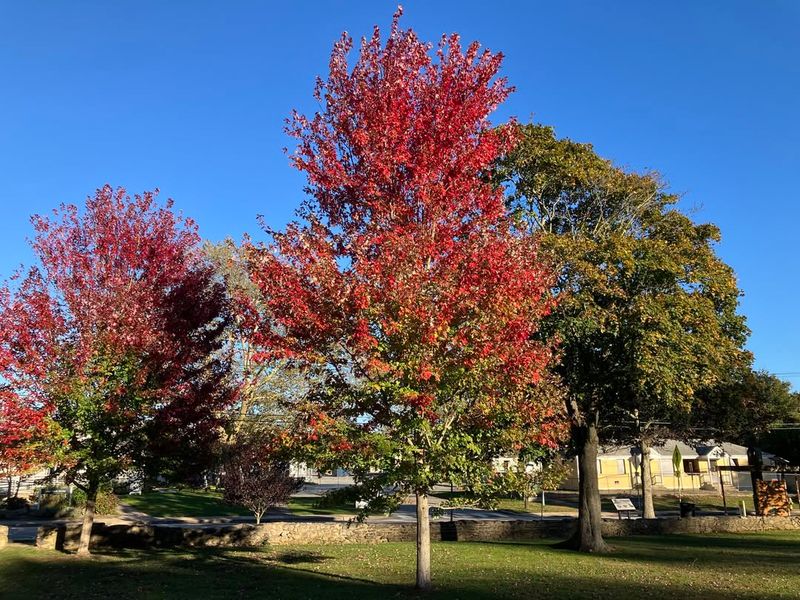
Silver maples earn their reputation as one of the most adaptable shade trees for Ohio landscapes. They establish quickly and grow three to five feet annually in their early years, creating substantial shade within a decade.
Their tolerance for wet soils and tough urban conditions makes them reliable performers where other trees struggle.
Cold hardiness is never a concern with silver maples throughout Ohio. They handle our coldest winters without damage and leaf out dependably each spring.Their extensive, shallow root systems help them tolerate wet soils and urban stress, though they are less drought tolerant than some species.
Plant silver maples away from structures and underground utilities, giving them space to spread naturally. They work well in low spots that stay wet or in areas where soil quality is poor.
Their rapid growth provides quick results for homeowners wanting shade without a long wait.
Branch structure requires occasional attention as trees mature. Regular pruning during their early years helps develop stronger form and reduces storm damage risk.
Your Ohio Garden Changes Every Week. Your Plan Should Too.
Gardening in Ohio changes quickly throughout the season. Every Friday you’ll receive a simple weekly plan showing exactly what to plant, prune, fertilize, harvest, and protect so you never miss the right timing.
Silver maples adapt to most Ohio soil types and thrive in full sun, making them straightforward additions to larger properties needing fast shade coverage.
3. Plant Native Red Maple For Reliable Growth
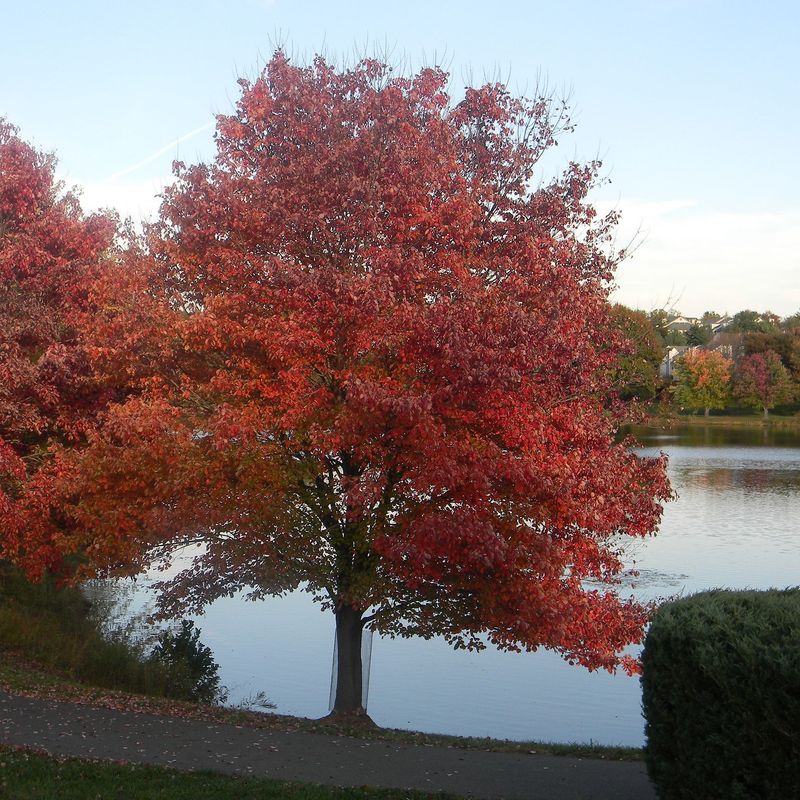
Red maples belong in Ohio landscapes. As a native species, they evolved alongside our climate and handle winter cold with complete reliability.
Their moderate to fast growth rate provides steady progress without the structural weaknesses that sometimes accompany extremely fast growth.
Adaptability defines red maples. They tolerate wet soils and adjust to drier conditions once established.
Ohio gardeners appreciate their dependability across different soil types and landscape situations. Their moderate growth speed means they develop stronger wood and better branch structure than some faster alternatives.
Seasonal interest makes red maples particularly valuable. Spring flowers appear before leaves emerge, fall color ranges from yellow to brilliant red depending on genetics and growing conditions, and their winter silhouette adds structure to dormant landscapes.
They provide consistent performance year after year without demanding special care.
Red maples fit comfortably in medium to large yards. They reach 40 to 60 feet at maturity with a rounded canopy that provides excellent shade.
Their native status means they support local wildlife and integrate naturally into Ohio ecosystems. Choose red maples when you want reliable growth, true winter hardiness, and long-term landscape value without gambling on more temperamental species.
4. Use River Birch For Cold Hardy Beauty
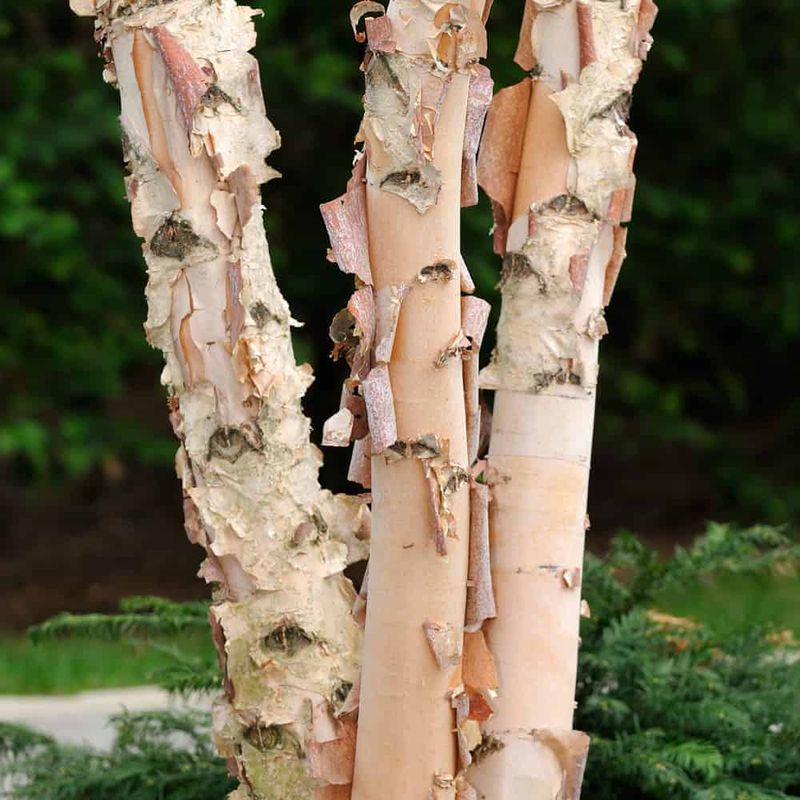
River birch brings unique visual appeal to Ohio landscapes while growing quickly and handling tough conditions. Its distinctive peeling bark in shades of salmon, cream, and cinnamon provides year-round interest that few other fast-growing trees can match.
Expect growth rates of two to three feet annually once established.
Wet soils never bother river birch. It naturally grows along streams and in bottomlands, making it perfect for low spots in your yard that stay damp.
This tolerance extends to typical Ohio clay soils that challenge many other species. River birch is very cold hardy and performs well across Ohio winters.
Multiple trunks create an attractive form that works well as a specimen tree or in groupings. The exfoliating bark becomes more pronounced as trees mature, adding texture and visual interest during winter months when deciduous trees lose their leaves.
River birch establishes quickly and begins showing its characteristic bark within just a few years.
Place river birch where you can appreciate its ornamental qualities up close. It works beautifully near patios, along property borders, or as a focal point in landscape beds.
Its moderate mature size of 40 to 70 feet fits comfortably in most Ohio residential settings without overwhelming smaller properties.
5. Grow Tulip Tree For Tall Structure
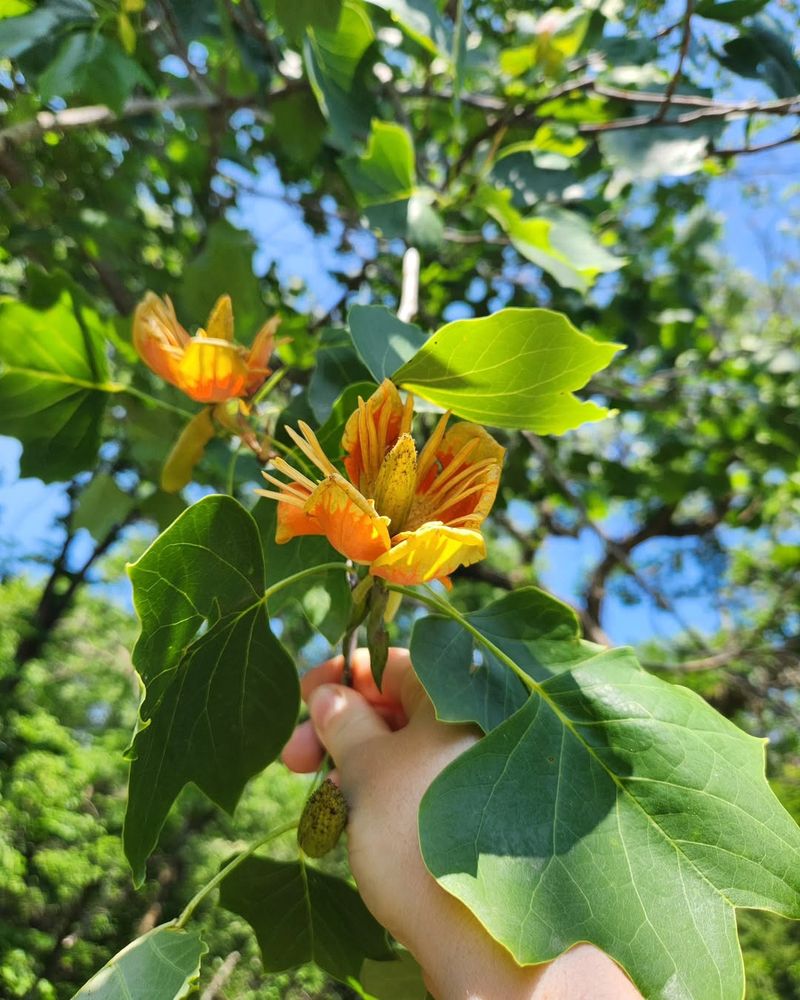
Tulip trees develop tall, straight trunks that create impressive vertical structure in Ohio landscapes. Their growth rate of two to three feet per year combines with an eventual height of 70 to 90 feet, making them excellent choices for large properties needing substantial shade trees.
Their unique tulip-shaped flowers in late spring add ornamental value.
Native to Ohio, tulip trees handle our winters without any concerns. They evolved in this climate and survive extreme cold reliably.
Their preference for deep, moist, well-drained soils means they perform best when planted in quality soil with adequate moisture during establishment.
Long-term value defines tulip trees. While they take a few years to reach significant size, their ultimate height and canopy spread provide shade and presence that few other trees match.
Their relatively narrow canopy compared to their height makes them suitable for properties with limited width but adequate vertical space.
Plan for the future when planting tulip trees. They need room to grow and work best away from power lines and structures.
Their deep root systems make them stable in storms once established. Tulip trees reward patience with decades of performance, creating legacy trees that define landscapes for generations in Ohio communities.
6. Add Dawn Redwood For Strong Form
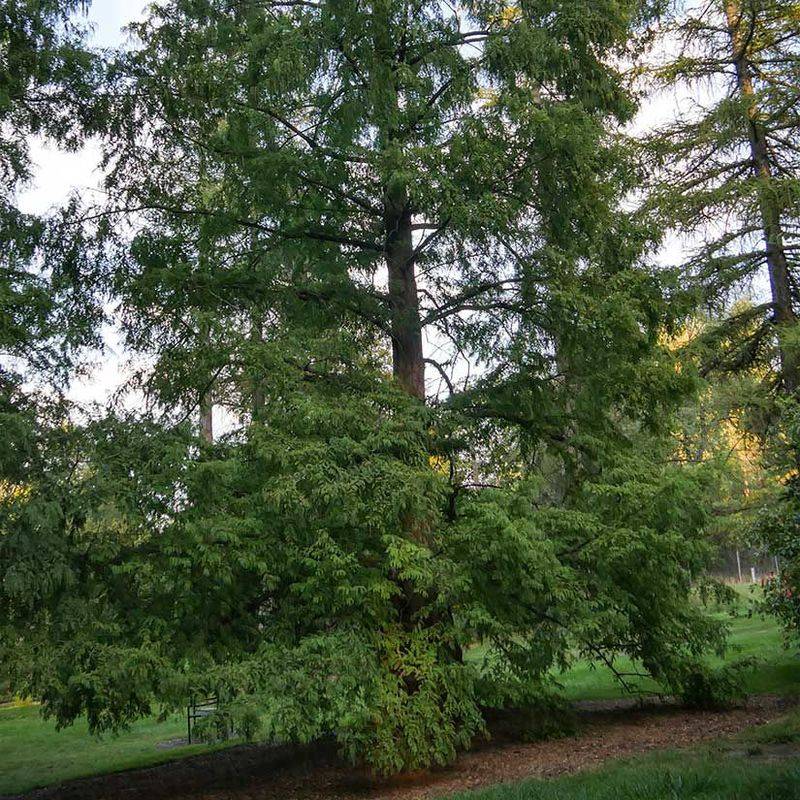
Dawn redwoods surprise people with their deciduous conifer habit, dropping their needles each fall despite looking like an evergreen during summer. This unique characteristic combines with rapid vertical growth of three to four feet annually, creating striking pyramidal specimens that stand out in Ohio landscapes.
Their straight trunks and strong central leaders develop impressive form quickly.
Winter hardiness exceeds expectations for a tree that looks tropical during the growing season. Dawn redwoods handle Ohio’s coldest temperatures without damage, leafing out reliably each spring with fresh, bright green foliage.
They tolerate wet soils and adapt to various landscape conditions better than many conifers.
Landscape presence comes naturally to dawn redwoods. Their fine-textured foliage creates soft visual appeal during summer, while their architectural winter silhouette provides structure after leaves drop.
They work beautifully as specimen trees or in groupings, and their moderate spread relative to height fits well in medium to large yards.
Dawn redwoods need moisture during establishment but tolerate typical Ohio conditions once their roots develop. They prefer full sun and well-drained soil for best growth.
Their relatively recent introduction to American landscapes means they remain uncommon, giving your property a distinctive look that neighbors will notice and ask about.
7. Plant Green Giant Arborvitae For Privacy
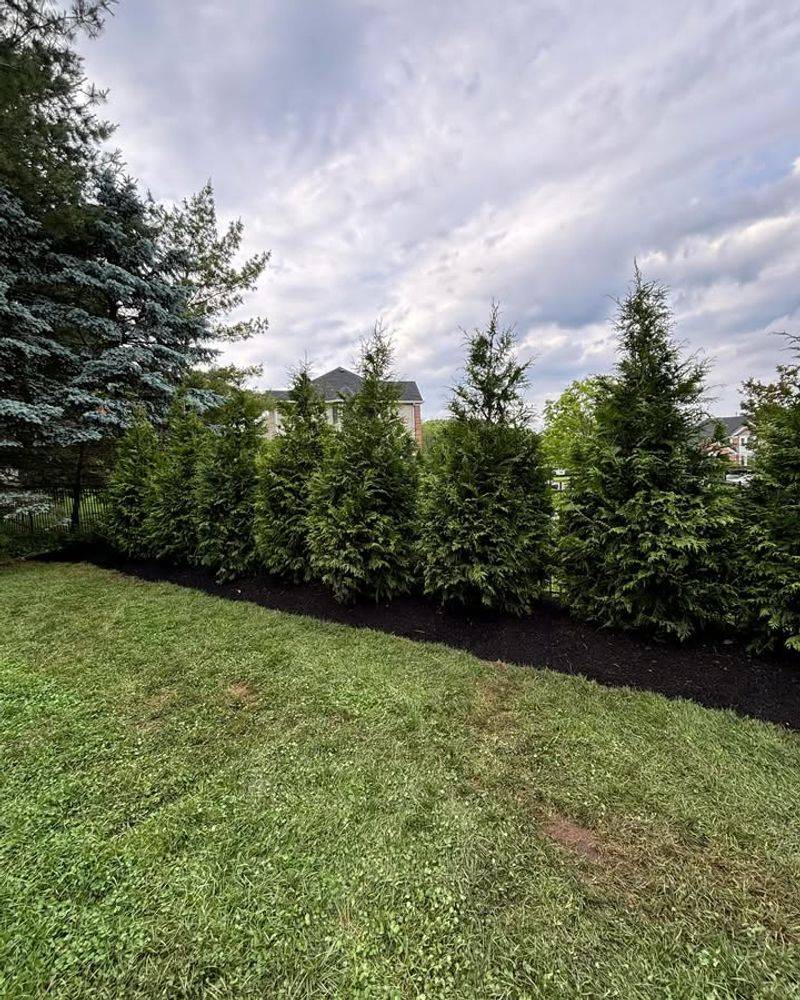
Green Giant arborvitae delivers fast evergreen screening that survives Ohio winters without browning or damage. These vigorous growers add three to five feet annually in their early years, quickly forming dense privacy barriers that block views and reduce wind.
Their natural pyramidal shape requires minimal pruning to maintain attractive form.
Winter performance sets Green Giant apart from many arborvitae varieties. While some cultivars suffer winter burn or snow damage, Green Giant handles Ohio’s cold temperatures, ice, and heavy snow loads reliably.
Its dense branching structure sheds snow better than looser evergreens, reducing breakage risk during winter storms.
Privacy screening becomes effective within just a few years of planting. Space Green Giants 5 to 8 feet apart for hedges, or use them as individual specimens where their full form can develop.
They tolerate various soil types and adapt to both sun and partial shade, though full sun produces the densest growth.
Green Giants reach 30 to 40 feet tall with a 12 to 15 foot spread at maturity, creating substantial screening without taking up excessive horizontal space. They work perfectly along property lines, around outdoor living areas, or anywhere you need year-round privacy combined with rapid growth and dependable winter survival throughout Ohio.
8. Grow American Sycamore For Massive Shade
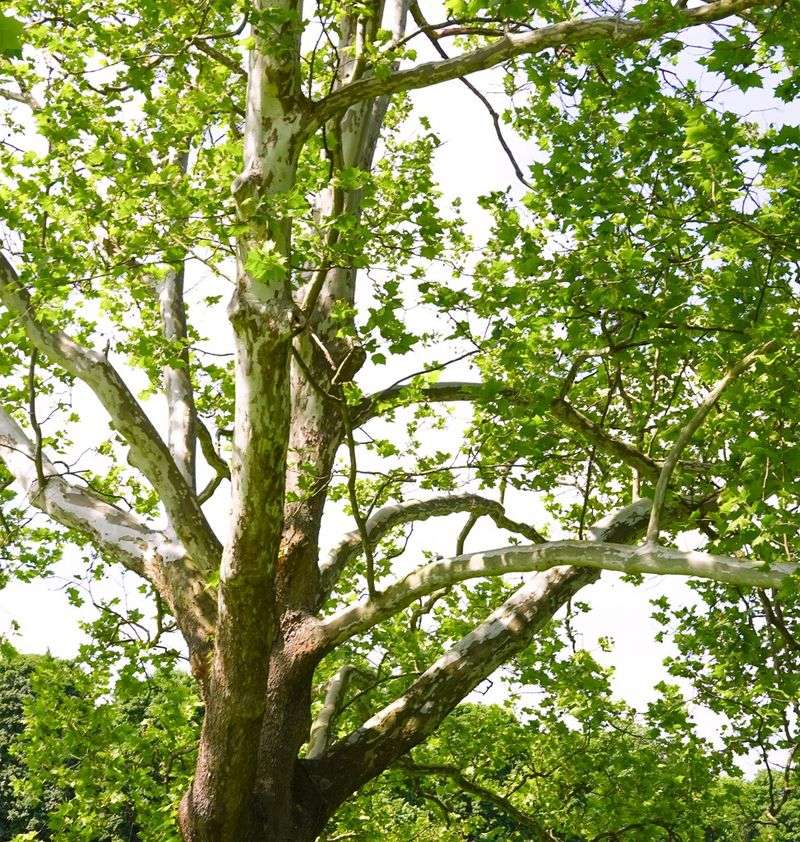
American sycamores grow into massive shade trees that dominate large Ohio landscapes. Their growth rate of three to five feet per year in good conditions means they reach substantial size quickly, eventually spreading 60 to 80 feet wide with heights approaching 100 feet.
Their distinctive mottled bark in white, gray, and brown creates year-round visual interest.
Toughness defines sycamores. They handle urban pollution, compacted soils, and tough growing conditions that defeat less adaptable species.
Ohio winters never threaten sycamores, as they evolved in this climate and survive extreme cold reliably. They tolerate wet soils and periodic flooding better than most large shade trees.
Scale matters when planting sycamores. These trees belong on large properties, parks, or rural settings where their ultimate size enhances rather than overwhelms the landscape.
Their aggressive root systems and massive canopies make them poor choices near structures, but perfect for open areas needing substantial shade.
Long-term value comes from sycamores’ durability and longevity. They live for centuries under good conditions, creating legacy trees that define properties for generations.
Their rapid early growth provides shade relatively quickly for such a large tree, while their tough nature means minimal maintenance once established across Ohio’s diverse landscape conditions.