Smart Tricks Ohio Gardeners Should Use To Prevent Weeds In New Garden Beds
Nothing takes the excitement out of a brand new garden bed quite like watching weeds move in before your actual plants do. And in Ohio, they will absolutely try.
Warm spells, spring rain, and freshly worked soil are basically a welcome mat for every weed seed that has been sitting in the ground just waiting for its moment.
Here’s the frustrating part: most of those seeds were already there, buried and dormant, right up until you turned the soil and gave them exactly the light and moisture they needed.
Classic. The good news is that a few smart moves made early in the season can seriously cut down on the weeding you’ll be doing all summer long.
New beds are vulnerable, but they don’t have to stay that way.
1. Remove Existing Weeds And Grass Before Planting
Bare soil looks clean and ready, but what hides just beneath the surface often tells a different story. Grass roots, dandelion taproots, and creeping weeds left behind during bed prep will regrow quickly once the ground warms up.
Skipping this step in Ohio, where spring moisture fuels fast regrowth, can mean fighting a full weed invasion just weeks after planting.
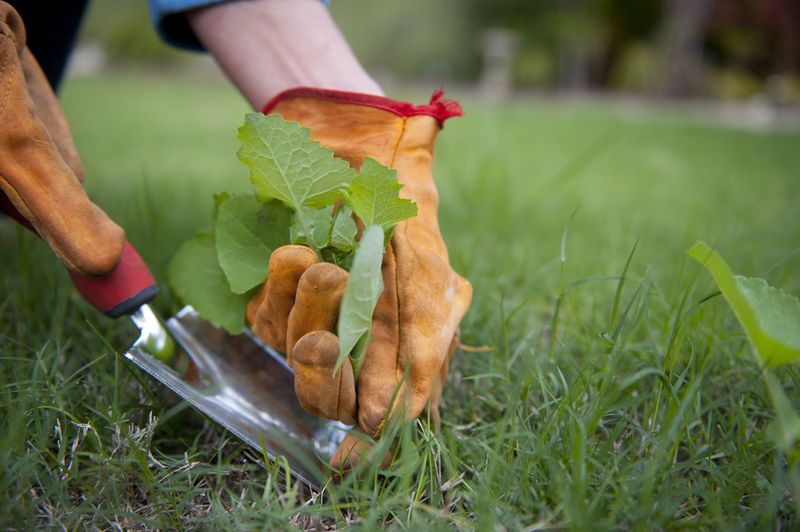
Hand-pulling works well for small beds, especially when soil is moist after rain. For larger Ohio beds with heavy turf coverage, a flat spade or sod cutter can help remove grass and roots more efficiently.
Getting the roots out, not just the tops, is what makes removal effective.
Perennial weeds like bindweed or ground ivy can be particularly stubborn. If you see them, remove as much of the root system as possible and plan to check back regularly.
Leaving even small root fragments behind gives these plants a chance to recover.
Taking the time to clear the bed thoroughly before planting gives your new garden a much cleaner starting point and reduces how much weeding you will need to do once plants are in the ground.
2. Use Sheet Mulching To Smother Turf Before Creating The Bed
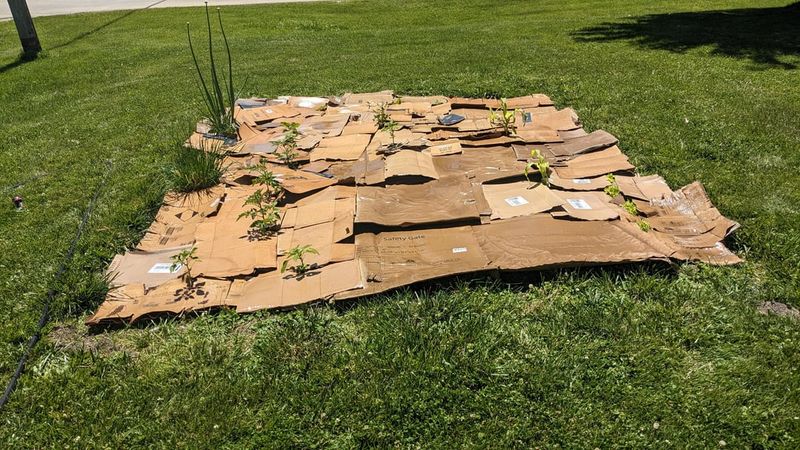
Turning a patch of lawn into a garden bed does not have to mean hours of digging. Sheet mulching, sometimes called lasagna mulching, uses overlapping layers of cardboard or newspaper to block light from reaching the grass and weed seeds below.
Over time, the smothered turf breaks down and the cardboard decomposes, adding organic matter to your Ohio soil.
The process starts by mowing or trimming the area as short as possible. Wet cardboard is then laid over the entire area with edges overlapping by at least six inches to prevent gaps where weeds could sneak through.
A thick layer of compost or wood chip mulch goes on top to hold everything in place and begin building the planting bed.
One of the biggest advantages of sheet mulching in Ohio is that it can be set up in fall and left to break down over winter, leaving a planting-ready bed by spring.
It also reduces soil disturbance, which means fewer buried weed seeds get brought to the surface.
Your Ohio Garden Changes Every Week. Your Plan Should Too.
Gardening in Ohio changes quickly throughout the season. Every Friday you’ll receive a simple weekly plan showing exactly what to plant, prune, fertilize, harvest, and protect so you never miss the right timing.
For gardeners who want to expand beds without heavy digging, this method offers a practical, lower-effort approach that genuinely reduces early weed pressure in new planting spaces.
3. Apply Organic Mulch 2 To 3 Inches Deep
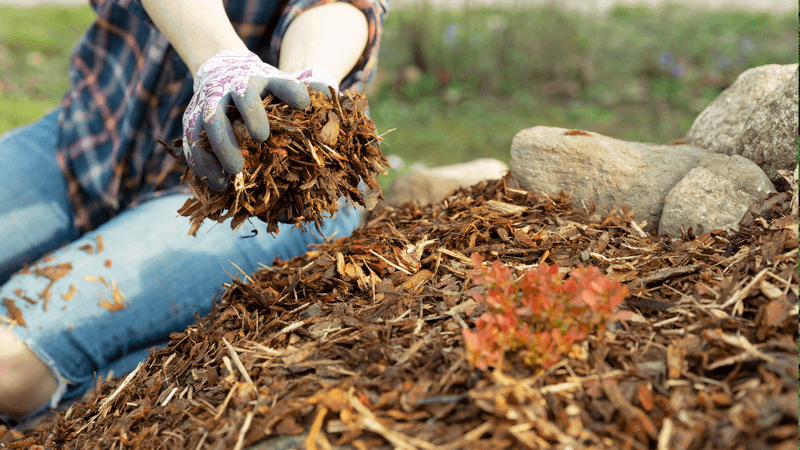
Fresh mulch is one of the most effective tools an Ohio gardener has for keeping new beds cleaner throughout the growing season.
A layer two to three inches deep blocks sunlight from reaching the soil, which prevents many weed seeds from germinating in the first place.
That one step alone can dramatically reduce how many weeds show up in a newly planted garden bed.
Shredded hardwood bark, wood chips, and shredded leaves are all solid choices for Ohio gardens. They break down gradually, improving soil structure and feeding beneficial soil organisms over time.
Straw can also work well in vegetable beds, though it sometimes carries its own weed seeds, so source it carefully.
Applying mulch right after planting gives you the best head start before weed seeds have a chance to find bare soil.
A two-to-three-inch layer hits a practical sweet spot, deep enough to suppress weeds but not so deep that it creates moisture or root problems for your plants.
Going deeper than four inches can cause issues, so more is not always better here. Consistent mulch coverage across the entire bed, not just around individual plants, is what gives gardeners the most reliable weed suppression throughout the season.
4. Keep Mulch Away From Stems And Trunks
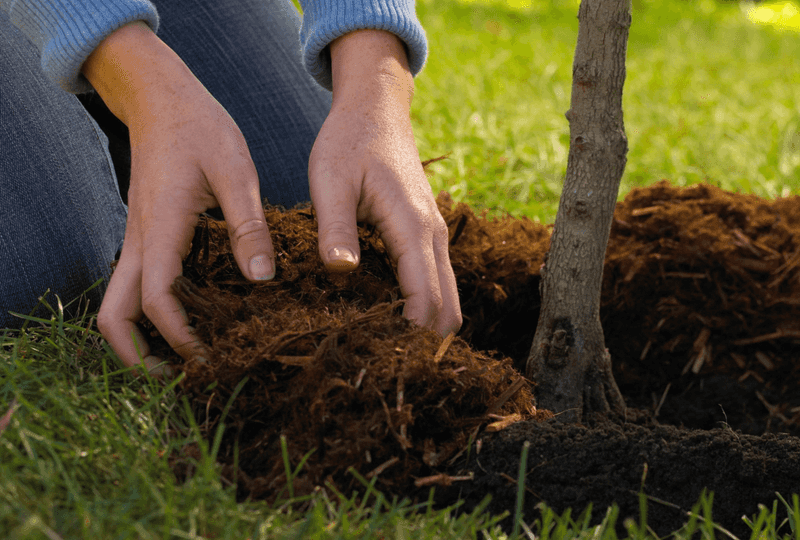
Piling mulch directly against plant stems and tree trunks is one of the most common mulching mistakes seen in Ohio home landscapes. What looks tidy from a distance can actually cause real harm to plants over time.
Mulch pushed up against bark traps moisture, creates a habitat for insects and fungal problems, and can gradually weaken even healthy shrubs and trees.
Keeping mulch pulled back two to three inches from the base of stems and trunks allows air circulation and helps the crown of the plant stay dry.
For trees, leaving a ring of bare soil right around the flare of the trunk is a much healthier setup than the volcano-style mounding seen on many Ohio properties.
This tip matters especially in new beds where plants are still getting established. Young shrubs and perennials are more sensitive to stress, and excess moisture held against their stems can slow root development.
Pulling mulch slightly away from each plant as you spread it takes only a few extra seconds per plant but supports long-term plant health.
Keeping that small gap consistent is a habit worth building early in any new garden bed, whether you are working with annuals, perennials, or newly planted shrubs and ornamental trees.
5. Mulch Before Weeds Emerge, Or Weed First If You Are Late
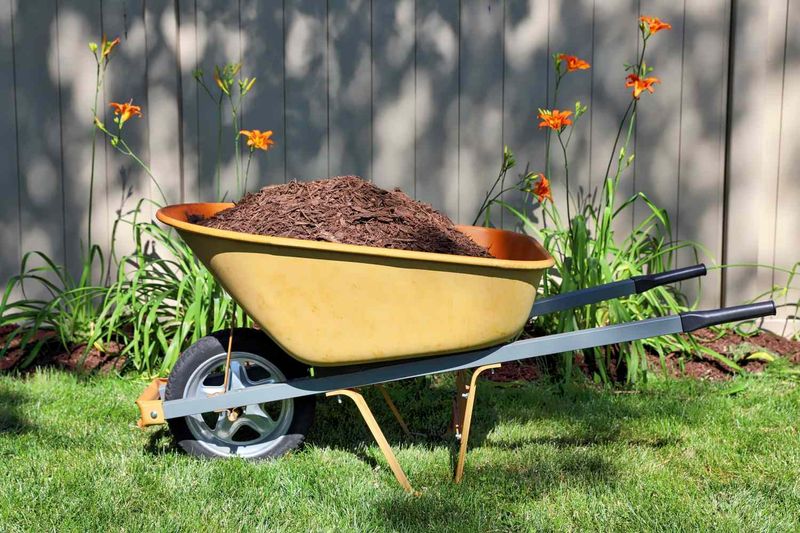
Timing makes a noticeable difference when it comes to mulching for weed control in Ohio. Getting mulch down before weed seeds have a chance to germinate means the layer is in place to block light right from the start of the growing season.
In Ohio, that window often falls in early to mid-spring, before consistent warm temperatures trigger the first big flush of weed seedlings.
If spring gets busy and mulching gets delayed, weeds can get a head start. In that case, it makes more sense to do a quick hand-weeding pass first before laying mulch down.
Covering small weeds with mulch does not stop them from growing through, especially vigorous ones like chickweed or hairy bittercress that are common in spring gardens.
Waiting too long to mulch is a pattern many gardeners recognize after their first season with a new bed. A little urgency in spring pays off through much less weeding in summer.
Even a thin layer of mulch applied early is more helpful than a thick layer applied after weeds are already up and growing.
Checking Ohio’s forecast and planning a mulching day soon after planting is a simple habit that keeps new beds looking cleaner for longer throughout the season.
6. Use Pre-Emergent Carefully In Ornamental Beds Only
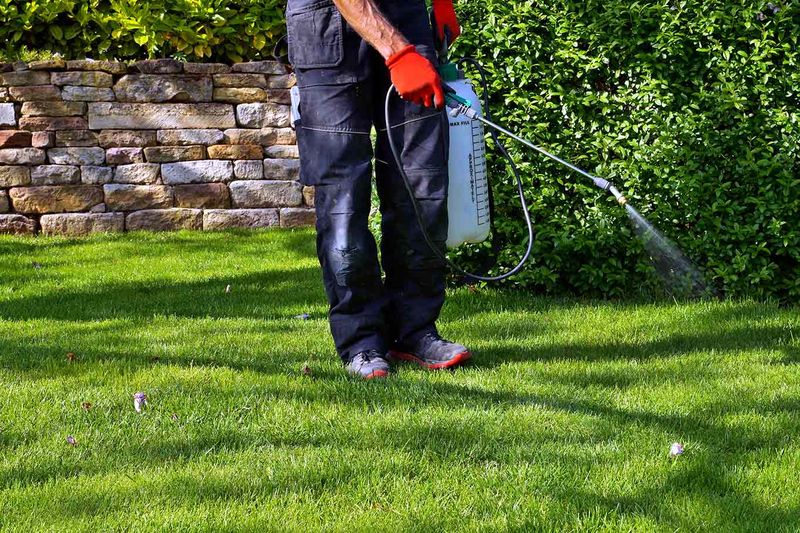
Granular pre-emergent herbicides work by creating a chemical barrier in the soil that prevents weed seeds from successfully germinating.
When used correctly in established ornamental beds, they can reduce the number of annual weed seedlings that emerge each season.
For gardeners with shrub borders or perennial beds, this can be a useful part of a broader weed management plan.
The key word here is carefully. Pre-emergent products are not a fit for every situation.
They should not be used in areas where you plan to sow seeds directly, whether flower seeds or vegetable seeds, because they will interfere with germination of desirable plants just as they do with weeds.
Reading the product label thoroughly before applying is essential, as different formulations have different rules for use around specific plants.
Timing also matters with pre-emergent applications in Ohio. Most are most effective when applied in early spring before soil temperatures consistently reach around 50 degrees Fahrenheit, which is roughly when crabgrass and many annual weeds begin germinating.
Applying after weeds are already up provides little benefit.
Pre-emergent is one piece of a weed prevention strategy in Ohio ornamental beds, not a standalone solution, and it works best when combined with mulch, good plant spacing, and regular monitoring throughout the growing season.
7. Pull Or Hoe Tiny Weed Seedlings Early
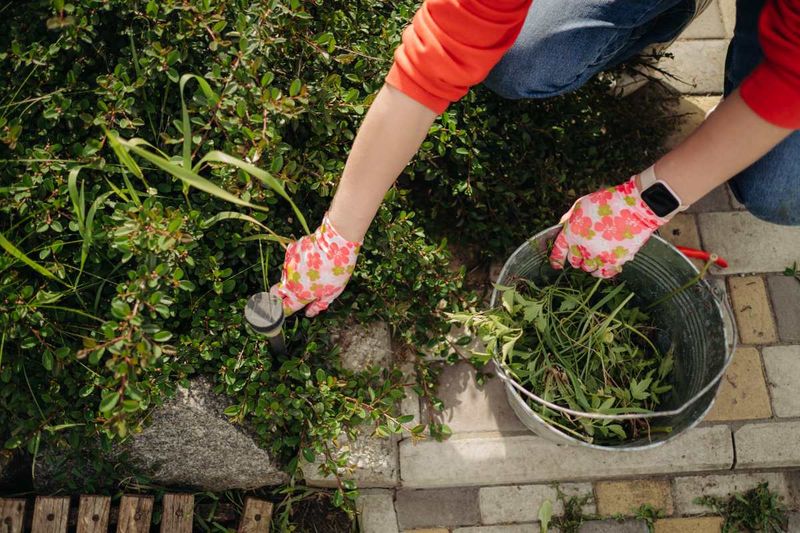
Catching weeds when they are small is one of the most practical habits any Ohio gardener can build. A tiny weed seedling with just a few leaves and shallow roots takes seconds to pull or hoe out of the soil.
That same weed left for two more weeks can develop a deep root system, set seed, and spread across the bed before you notice how far things have gotten.
A stirrup hoe, sometimes called a hula hoe or scuffle hoe, is especially useful for cutting small weed seedlings just below the soil surface with a back-and-forth motion.
It works quickly across mulched beds and disturbs soil minimally, which helps avoid bringing more weed seeds to the surface.
For tight spaces around plants, hand-pulling remains the most precise option.
In Ohio, weed seedlings tend to emerge in flushes tied to rainfall and warming soil temperatures. Checking new beds every week or so during spring and early summer makes it much easier to stay ahead of the problem.
A ten-minute walk-through with a hand tool can cover a lot of ground and keep a new bed looking tidy. Letting small weeds go because they seem harmless is a trade-off that almost always leads to more work later in the season.
8. Watch Bed Edges For Creeping Weeds
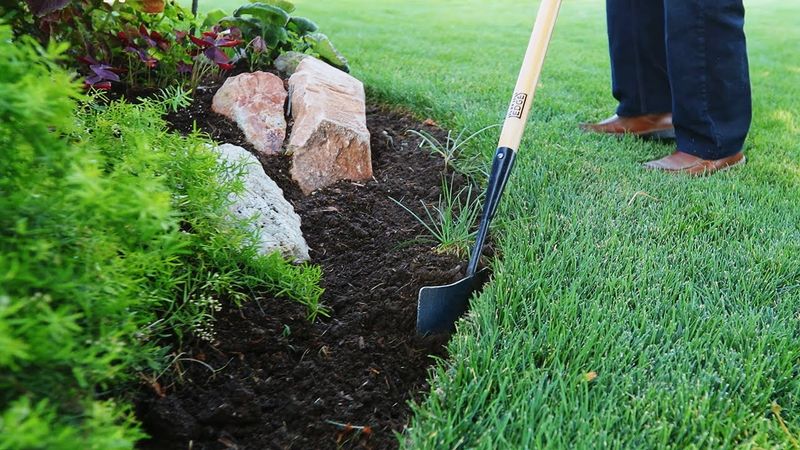
Creeping grasses and spreading ground-level weeds often enter a garden bed from the edges rather than popping up in the middle.
Lawn grasses like tall fescue, Kentucky bluegrass, and especially creeping bentgrass can send runners or rhizomes into a new bed fairly quickly during the growing season.
Once these grasses get established under mulch, they can be much harder to remove than they were at the edge.
Keeping a clean, defined edge between lawn and bed is one of the most effective ways to slow this kind of encroachment.
A manual edging tool or half-moon edger used regularly keeps the boundary sharp and makes it easier to spot and remove any grass that has started creeping inward.
Some gardeners also use a plastic or metal edging product to create a physical barrier, though no edging system stops every runner indefinitely.
Checking bed edges every few weeks during the active growing season takes very little time but prevents a lot of frustration.
Creeping Charlie, which is common in many Ohio lawns, is another plant that moves into beds along the ground and can spread quickly if not caught early.
Staying attentive to what is happening at the margins of a new bed is just as important as managing what is growing in the center of it.
9. Be Careful With Landscape Fabric As A Long-Term Fix
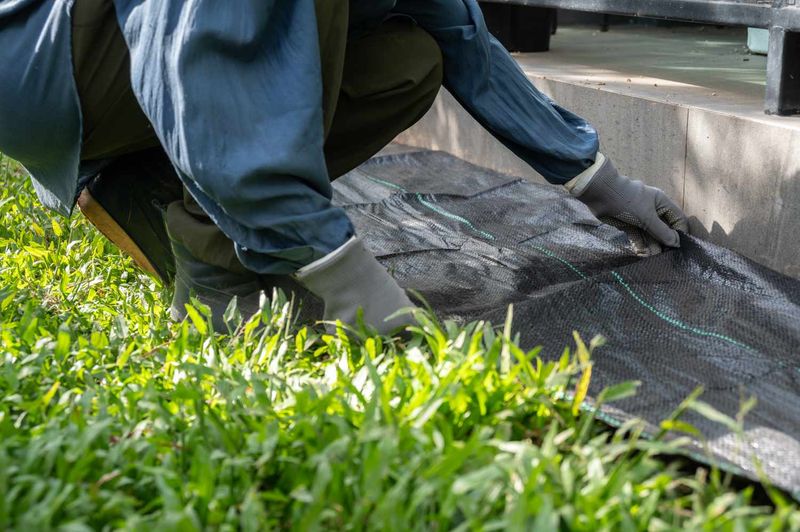
Landscape fabric gets marketed as a permanent weed solution, and that reputation leads many Ohio homeowners to layer it under mulch in new beds with high expectations. In practice, results tend to be more mixed over time.
Fabric can work reasonably well in the short term, especially in low-maintenance areas like around large shrubs or along foundations, but it has real limitations that show up after a few seasons.
One common issue is that organic matter, including decomposing mulch, builds up on top of the fabric over time.
Weed seeds that land in that layer of organic material can germinate and root right into the fabric surface, making them harder to pull than weeds growing in bare soil.
The fabric also breaks down over years, especially under heavy mulch or foot traffic, and can become difficult to remove cleanly when you want to replant or refresh the bed.
For mixed ornamental beds in Ohio where gardeners expect to add plants, divide perennials, or change things up over the years, landscape fabric can create more complications than it solves.
Mulch alone, refreshed annually, tends to be a more flexible and manageable long-term approach.
If fabric appeals to you, reserving it for specific low-traffic, low-change areas is a more realistic way to use it in an Ohio home landscape.