These 7 Vegetables Keep Growing Even In Texas Heat
Texas summers can feel relentless. The sun beats down day after day, and many garden plants struggle to keep up.
Leaves wilt, soil dries fast, and some vegetables stop producing altogether. It can be discouraging to watch your hard work slow down just when the season should be in full swing. Still, not every plant gives up when temperatures rise.
Some vegetables actually thrive in the heat. They keep growing, flowering, and producing even during long stretches of hot weather.
These tough growers are built for warm soil, strong sun, and dry conditions. With the right choices, your garden can stay productive while others fade out.
Picking heat loving vegetables also means less stress and fewer losses during peak summer. When you grow plants suited for Texas conditions, you get steady harvests, healthier growth, and a garden that keeps going strong no matter how high the temperature climbs.
1. Okra Thrives In Extreme Heat
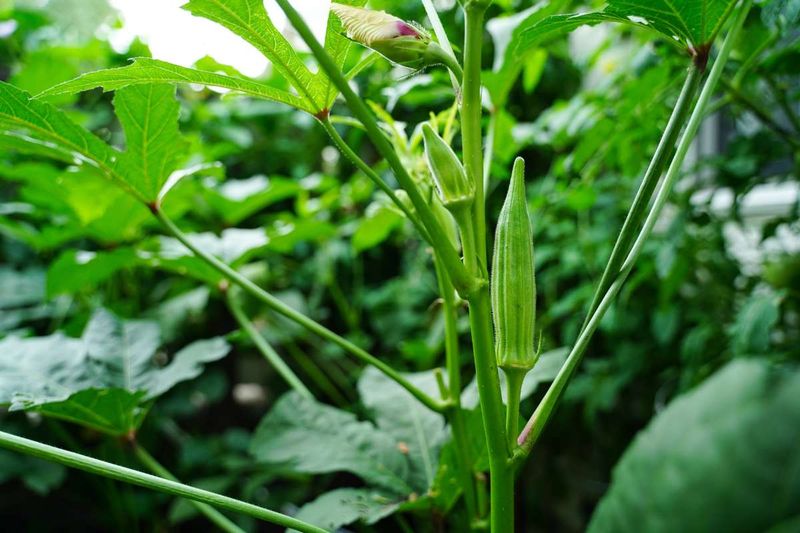
Nothing loves Texas heat quite like okra. This Southern favorite actually grows better when temperatures rise above 90 degrees.
The hotter it gets, the faster okra produces those tender green pods that are perfect for frying, grilling, or adding to gumbo.
Okra plants can reach five feet tall in Texas gardens, creating an impressive display while pumping out pods every few days.
You’ll need to harvest regularly because the pods grow quickly in the heat. Pick them when they’re about three to four inches long for the best flavor and texture.
Plant okra after the last frost when soil temperatures reach at least 65 degrees. Space plants about 12 to 18 inches apart in full sun.
Texas gardeners often plant okra in late spring and enjoy harvests straight through September or October.
The plants need consistent watering, especially during the hottest weeks, but they handle drought better than most vegetables.
A layer of mulch helps keep roots cool and moisture in the soil. Okra rarely suffers from pests in Texas, making it an easy choice for beginning gardeners.
Some popular varieties for Texas include Clemson Spineless, Burgundy, and Cajun Delight. These cultivars produce abundantly even when other vegetables slow down.
The beautiful hibiscus-like flowers are a bonus, adding ornamental value to your vegetable garden.
If you’ve never grown okra before, Texas heat provides the perfect conditions to start. This vegetable practically grows itself once established, rewarding you with fresh pods throughout the entire summer season.
2. Armenian Cucumber Beats The Heat
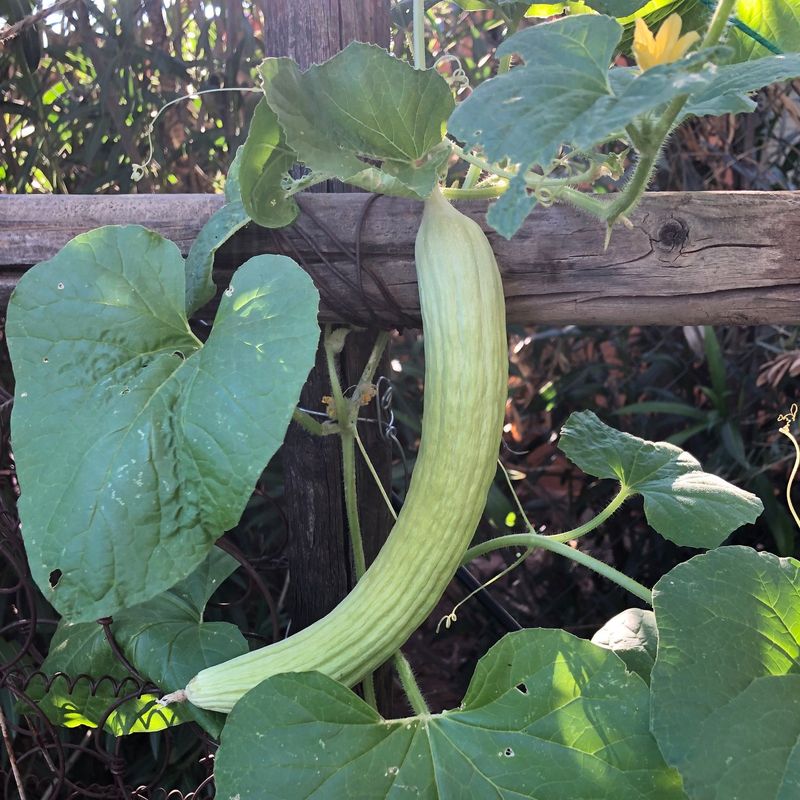
Armenian cucumber isn’t technically a cucumber at all. It’s actually a type of melon, but it tastes and cooks just like a cucumber.
This matters because Armenian cucumber handles Texas heat far better than regular cucumbers, which often struggle when temperatures stay above 95 degrees for weeks.
The fruits grow long and slender, sometimes reaching 18 inches or more. They have a mild, sweet flavor without any bitterness. The thin skin doesn’t need peeling, and there are fewer seeds than regular cucumbers.
Armenian cucumber vines grow vigorously in hot weather, climbing trellises or sprawling across the ground. Growing them vertically saves space and keeps the fruits cleaner. The vines produce continuously from early summer through fall in most Texas locations.
Your Texas Garden Changes Every Week. Your Plan Should Too.
Gardening in Texas changes quickly throughout the season. Every Friday you’ll receive a simple weekly plan showing exactly what to plant, prune, fertilize, harvest, and protect so you never miss the right timing.
Plant seeds directly in the garden after all danger of frost passes. These heat-lovers need full sun and regular water to produce well.
The plants resist many diseases that affect regular cucumbers, including powdery mildew that plagues Texas gardens in humid conditions.
Harvest the cucumbers when they’re young and tender, about 12 to 15 inches long. Older fruits can become tough and seedy.
Check plants every two or three days during peak production because the fruits grow quickly in Texas heat.
This vegetable works perfectly for fresh salads, pickling, or adding to summer drinks. Texas gardeners appreciate how Armenian cucumber keeps producing even during the dog days of August when other cucumber varieties have long since stopped.
The reliability and heat tolerance make it a smart choice for any Texas vegetable garden.
3. Southern Peas Love Hot Weather
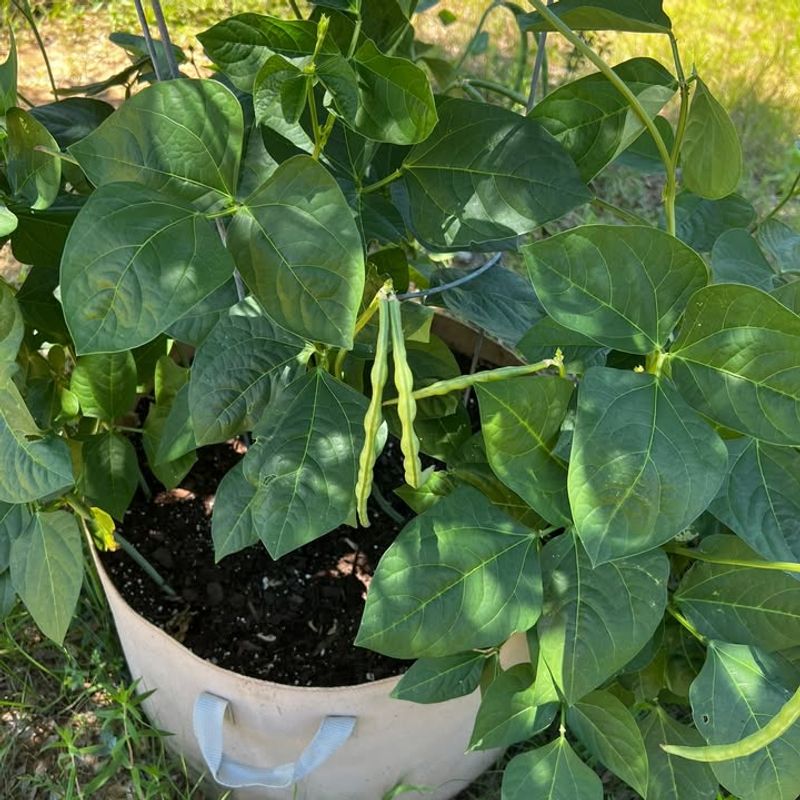
Southern peas go by many names including cowpeas, field peas, and black-eyed peas. Whatever you call them, they’re champions at handling Texas summer conditions.
These legumes actually prefer temperatures between 80 and 95 degrees, making them ideal for Texas gardens from June through September.
The plants fix nitrogen in the soil, improving your garden for future crops. This means you don’t need to add as much fertilizer, saving money and effort.
Southern peas grow as either bush or vine types, giving you options based on your garden space.
Plant southern peas in late spring or early summer when the soil is thoroughly warm. Cold soil will cause seeds to rot before sprouting. Space bush types about four inches apart and vine types six to eight inches apart in rows.
Popular varieties for Texas include Purple Hull, Cream, Pinkeye, and Zipper Cream. Each type has a slightly different flavor and cooking quality.
Purple Hull is especially popular because the pods turn purple when ready to harvest, making picking easier.
The plants need regular water but handle short dry spells better than most vegetables. They rarely suffer from serious pest problems in Texas. You can harvest the peas fresh for shelling or let them dry on the plant for storage.
Fresh southern peas taste completely different from dried ones, with a sweet, almost nutty flavor. Many Texas gardeners plant successive crops every two weeks to ensure a continuous harvest.
The heat tolerance and productivity make southern peas a must-grow vegetable for any serious Texas gardener looking to eat fresh food all summer long.
4. Sweet Potato Vines Flourish In Heat
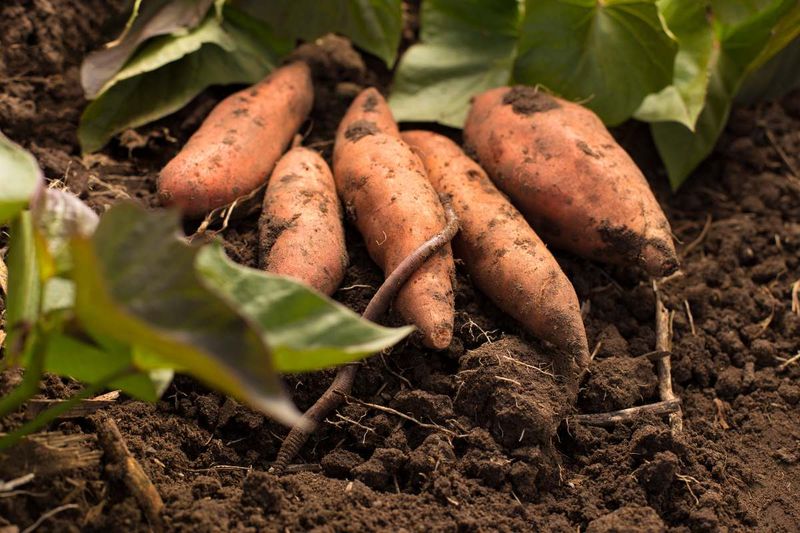
Sweet potatoes might surprise you as a summer crop, but they absolutely love Texas heat. The vines grow vigorously when temperatures soar, creating dense ground cover while the tubers develop underground.
You won’t harvest until fall, but the growing happens during the hottest months.
Plant sweet potato slips in late spring after the soil warms to at least 60 degrees. These aren’t seeds but small plants grown from sprouted sweet potatoes. Space them 12 to 18 inches apart in loose, well-drained soil.
The sprawling vines can cover a large area, so give them plenty of room or train them to grow in a specific direction. Some gardeners grow sweet potatoes in raised beds or mounds to improve drainage and make harvesting easier.
The plants need consistent moisture, especially right after planting and during tuber formation.
Sweet potatoes actually prefer poor to average soil. Too much nitrogen causes excessive vine growth with smaller tubers.
Sandy Texas soil works perfectly for this crop. The vines handle drought better than most vegetables once established, though production improves with regular watering.
Popular varieties for Texas include Beauregard, Centennial, and Vardaman. Beauregard produces well in most Texas regions and stores excellently. The plants rarely suffer from serious pest problems, though deer love the tender vine tips.
The beautiful heart-shaped leaves create an attractive display while the tubers develop below ground. Some gardeners even grow sweet potatoes as ornamental plants.
Harvest in fall before the first frost, typically 100 to 120 days after planting. The heat of Texas summer creates the perfect conditions for developing sweet, flavorful tubers.
5. Swiss Chard Handles High Temperatures
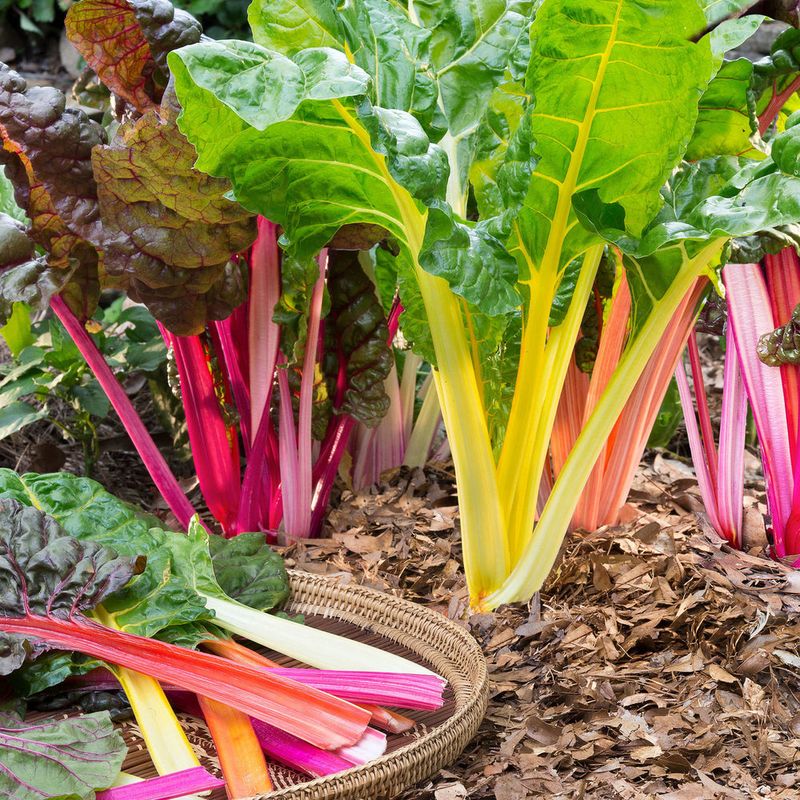
Most leafy greens bolt and turn bitter in Texas heat, but Swiss chard keeps producing tender leaves all summer long.
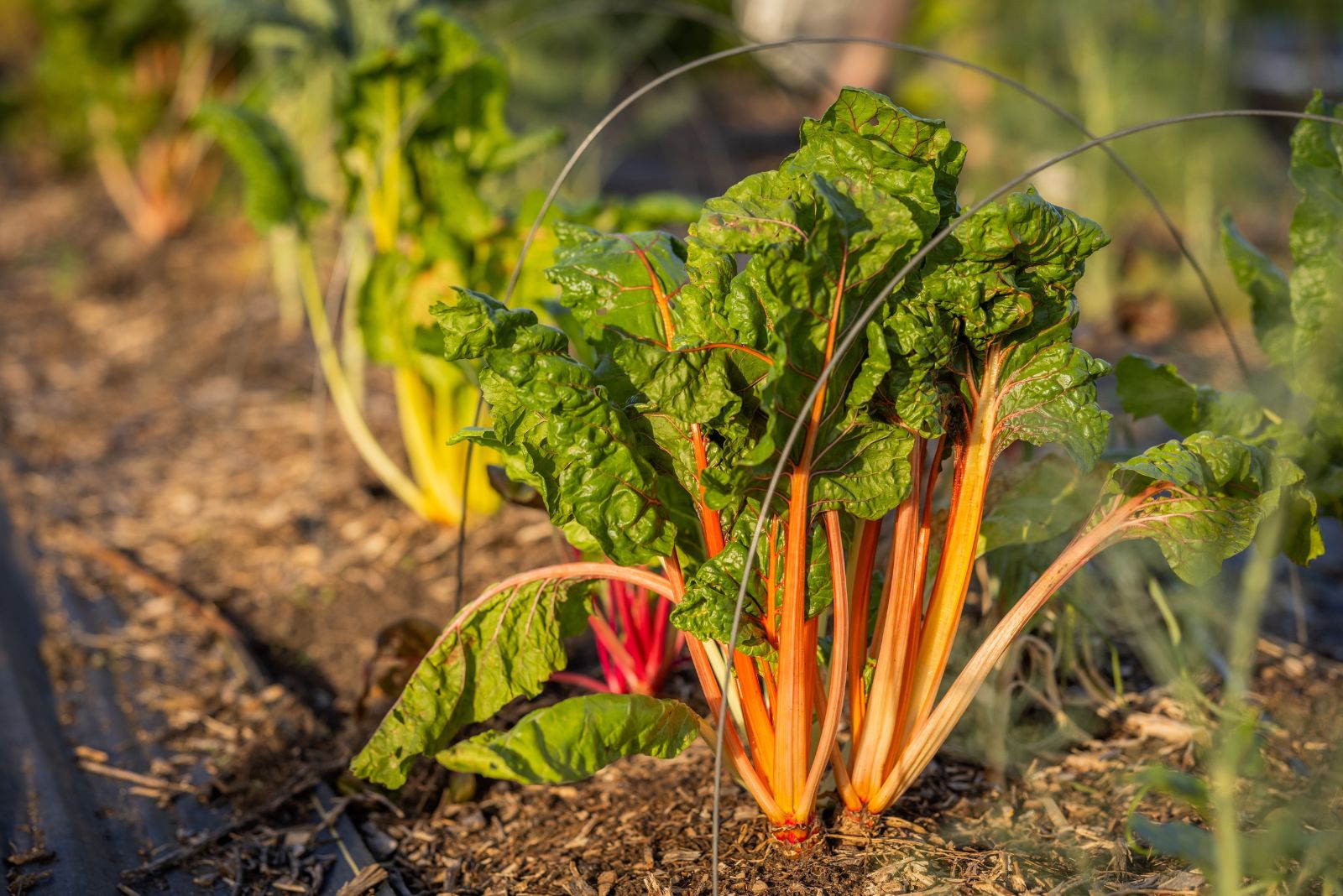
The colorful stems add beauty to your garden while providing nutritious greens for cooking. Varieties come in rainbow colors including red, yellow, white, and pink.
Swiss chard tolerates heat better than lettuce, spinach, or most other salad greens. The plants slow down slightly during the hottest weeks but rarely stop producing entirely.
With some afternoon shade, chard continues growing vigorously even when temperatures exceed 100 degrees.
Plant Swiss chard seeds in early spring or late summer for best results, but it survives through Texas summers with proper care. Space plants eight to ten inches apart in rich soil. The plants grow about 18 inches tall and wide at maturity.
Harvest outer leaves first, leaving the center growing point intact. This allows the plant to continue producing new leaves for months.
Young leaves work well in salads, while larger leaves are perfect for sautéing or adding to soups and stews.
Swiss chard needs consistent moisture and benefits from mulch to keep roots cool. The plants grow well in containers, making them perfect for patios or small spaces.
Feed lightly every few weeks with a balanced fertilizer to encourage continued leaf production.
Popular varieties include Bright Lights, Fordhook Giant, and Ruby Red. Bright Lights offers the most color variety with stems in multiple shades.
The plants rarely suffer from serious pest problems in Texas, though aphids occasionally appear during spring and fall.
This vegetable provides vitamins and minerals throughout the summer when fresh greens are hard to find. Texas gardeners appreciate how Swiss chard bridges the gap between spring and fall crops.
6. Eggplant Produces Through Summer
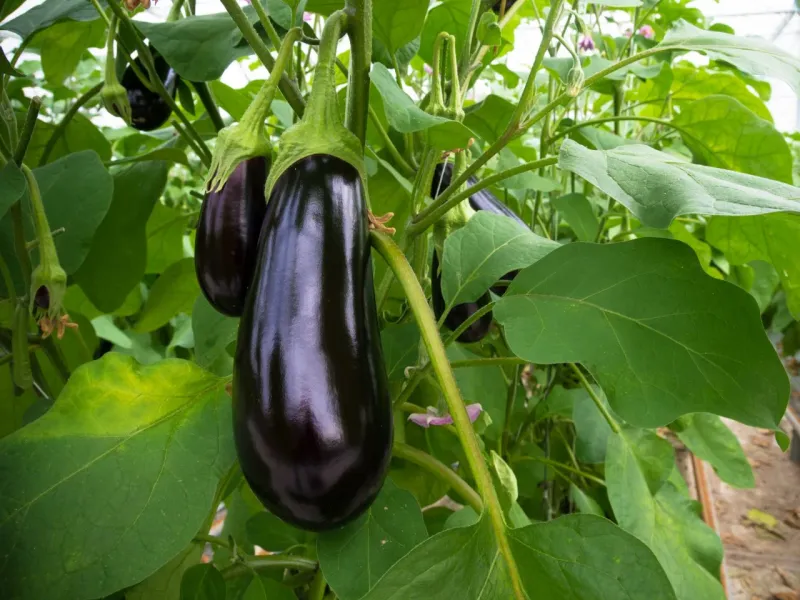
Eggplant is a heat-loving member of the nightshade family that produces beautifully in Texas summers. The plants need warm temperatures to set fruit and actually struggle in cool weather.
Once summer heat arrives, eggplant really takes off, producing glossy fruits in various shapes and colors.
Start eggplant from transplants rather than seeds for best results in Texas. Plant after all frost danger passes and soil temperatures reach at least 60 degrees. Space plants 24 to 30 inches apart in full sun with rich, well-drained soil.
The plants grow two to three feet tall and produce fruits continuously once they start. Popular varieties for Texas include Black Beauty, Ichiban, and Rosa Bianca.
Asian varieties often produce more prolifically in Texas heat than traditional large-fruited types.
Eggplant needs consistent moisture and feeding throughout the growing season. Mulch heavily to keep roots cool and conserve water.
The plants handle Texas heat well but suffer if allowed to dry out completely. Water deeply once or twice weekly depending on rainfall and temperature.
Flea beetles can damage young plants, so protect transplants with row covers for the first few weeks. Once established, eggplant rarely suffers from serious pest problems. Harvest fruits when they’re glossy and firm, before the skin becomes dull.
The fruits taste best when picked young and tender. Overripe eggplant becomes bitter and seedy.
Check plants every few days during peak production. Regular harvesting encourages the plant to produce more fruits.
Texas gardeners enjoy eggplant from June through September or October. The reliable production and heat tolerance make it a valuable addition to summer gardens across the state.
Fresh eggplant tastes completely different from store-bought, with a creamy texture perfect for grilling or roasting.
7. Peppers Keep Producing In Heat
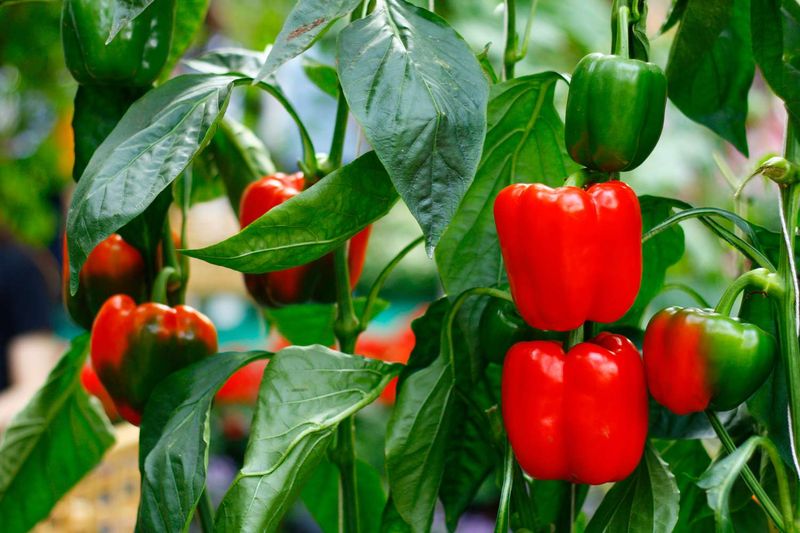
Peppers are perfectly suited for Texas summer gardens. Both sweet bell peppers and hot chile peppers thrive in temperatures that send other vegetables into decline.
The plants actually need heat to develop the best flavor and produce abundantly from early summer through fall.
Start with transplants for quicker harvests in Texas. Plant peppers after the last frost when nighttime temperatures stay above 55 degrees consistently. Space plants 18 to 24 inches apart in full sun with well-drained soil.
Pepper plants grow slowly at first but explode with growth once summer heat arrives. The flowers appear continuously, developing into fruits over several weeks.
Hot peppers generally produce more prolifically than sweet peppers in Texas conditions, but both types do well.
Popular varieties for Texas include jalapeño, serrano, cayenne, and bell peppers in various colors. Jalapeños are especially well-suited to Texas, producing heavily even during the hottest weeks.
Many Texas gardeners plant multiple pepper varieties to ensure a range of heat levels and flavors.
The plants need regular watering, especially during fruit development. Inconsistent moisture causes blossom end rot, a common problem in Texas. Mulch helps maintain even soil moisture and keeps roots cooler during extreme heat.
Peppers rarely suffer from serious pest problems in Texas gardens. Occasional aphids or hornworms appear but are easily controlled.
The plants continue producing until frost, which rarely arrives before November in most Texas locations.
Harvest peppers at any stage from green to fully ripe. Green peppers have a sharper taste, while fully colored peppers are sweeter.
Regular picking encourages more fruit production. Texas heat creates ideal conditions for developing the compounds that give hot peppers their signature burn.