Why More Texans Are Growing Sage By Their Front Door?
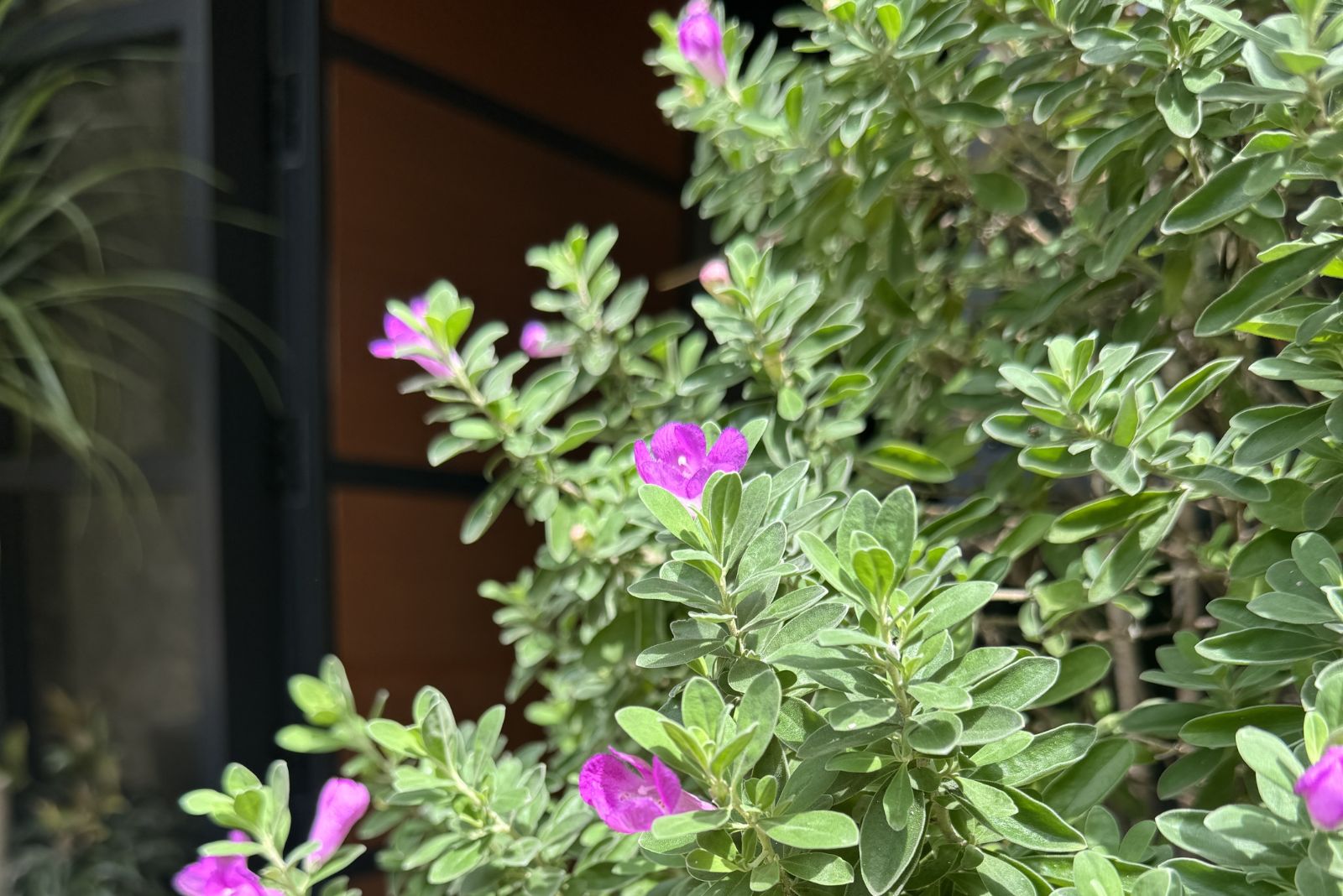
Walk through many Texas neighborhoods and you may notice a familiar silvery green plant near the front door. It is not there by accident.
More homeowners are choosing sage as a simple way to add beauty, fragrance, and purpose right at their entrance. The soft leaves and gentle scent create a warm, welcoming feel the moment you step outside.
Sage is tough enough for Texas weather. It handles heat, dry soil, and long sunny days without much trouble.
Once established, it needs little care, making it perfect for busy gardeners who still want a lively, attractive space. The plant also brings small pollinators, adding movement and life near your doorway.
There is also a practical side. Fresh sage is useful in the kitchen, and many people enjoy having it within easy reach.
With its hardy nature and everyday value, it is easy to see why more Texans are planting sage right by their front door.
1. Sage Thrives In Texas Heat And Sun
Texas summers can feel like living inside an oven. Temperatures climb past 100 degrees and the sun beats down relentlessly for months.
Most plants wilt and struggle when faced with these harsh conditions. Sage actually loves it.
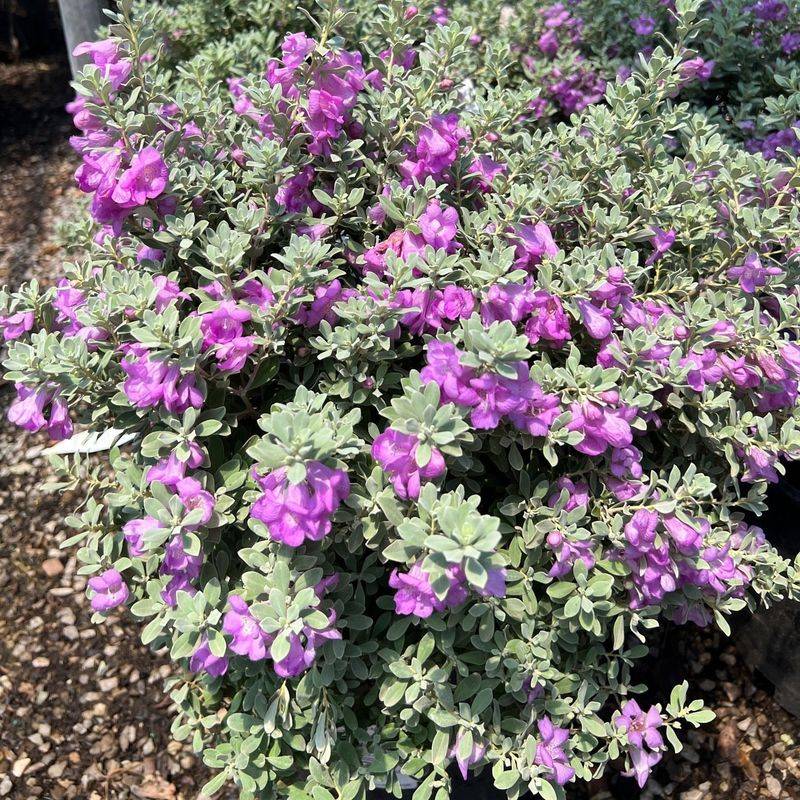
This tough plant was born for hot, sunny climates. It soaks up direct sunlight all day long without burning or fading.
While your neighbors are watching their petunias droop and their impatiens shrivel, your sage will stand tall and keep blooming. The intense Texas sun that damages so many ornamental plants actually helps sage produce more flowers and stronger growth.
Front yards in Texas get hit with the strongest afternoon sun. That south or west-facing exposure that makes other plants suffer is exactly what sage prefers.
You don’t need to worry about providing shade or moving containers around to protect your plants. Just plant sage where the sun shines brightest and watch it flourish.
Heat tolerance goes beyond just surviving. Sage actually performs better when temperatures rise.
The plant’s leaves are designed to handle heat stress, with a slightly fuzzy texture that helps reduce water loss. Many Texas gardeners report that their sage looks best during July and August, the very months when most garden plants look tired and stressed.
From El Paso to Beaumont, across every region of Texas, sage handles the heat. No special care needed.
No afternoon watering required. Just pure, reliable toughness that makes gardening in Texas so much easier and more rewarding for homeowners everywhere.
2. Very Drought-Tolerant
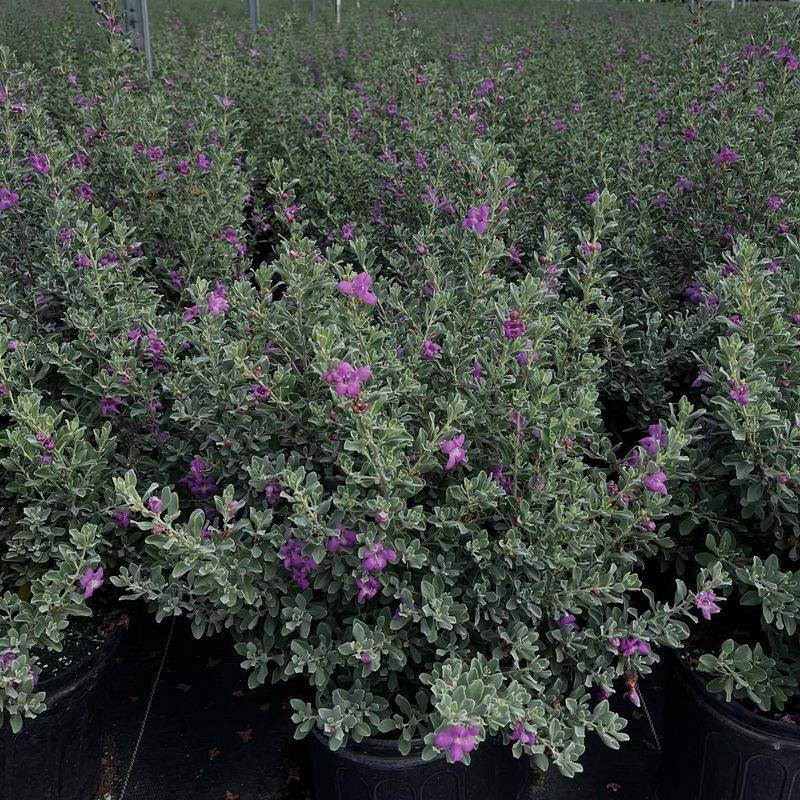
Water bills in Texas can skyrocket during summer. Many cities have implemented watering restrictions to conserve this precious resource.
Finding plants that don’t need constant irrigation has become essential for Texas homeowners. Sage answers this challenge perfectly.
After its first growing season, sage develops a deep root system that seeks out moisture far below the surface. This means you can cut way back on watering once the plant gets established.
Some Texas gardeners report watering their mature sage plants only once or twice a month during summer. Others rely entirely on natural rainfall.
Your Texas Garden Changes Every Week. Your Plan Should Too.
Gardening in Texas changes quickly throughout the season. Every Friday you’ll receive a simple weekly plan showing exactly what to plant, prune, fertilize, harvest, and protect so you never miss the right timing.
Compare that to thirsty annuals that need daily watering or perennials that demand attention several times per week. The difference in water usage is dramatic.
Over a full summer, one sage plant can save hundreds of gallons of water compared to traditional landscaping choices. Multiply that by several plants in your front yard and the savings really add up.
Front door plantings often suffer because people forget to water them regularly. Life gets busy and those containers or beds get neglected.
Sage forgives this neglect. It bounces back quickly even after the soil gets completely dry.
The leaves might look a little tired, but give it one good soaking and the plant perks right back up.
Texas homeowners appreciate plants that match their lifestyle. Nobody wants to spend every evening dragging hoses around or watching their water meter spin.
Sage fits perfectly into a low-water landscape while still delivering the color and presence that makes a front entrance welcoming and attractive to visitors and family alike.
3. Long Bloom Season
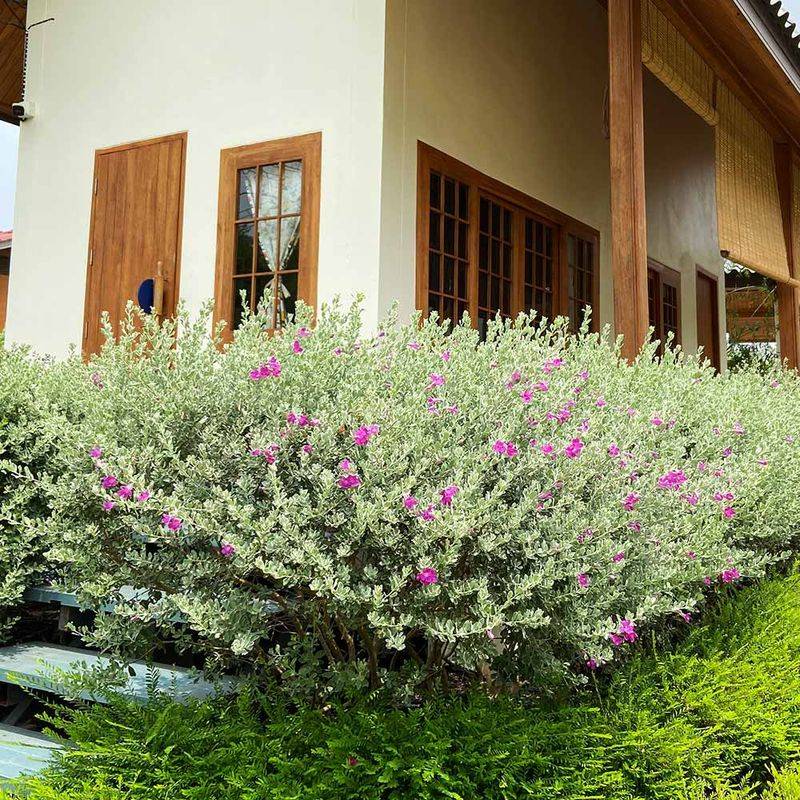
Most flowering plants give you a brief show and then fade away. You get two or three weeks of blooms if you’re lucky.
Then you’re left staring at plain green leaves for the rest of the year. Sage breaks this disappointing pattern completely.
Many sage varieties start blooming in April or May across Texas. The flowers keep coming through June, July, and August.
They continue into September and October. Some types even bloom into November in warmer parts of the state.
That’s six to seven months of continuous color right by your front door.
Imagine walking up to your house and seeing fresh flowers from spring through fall. Your neighbors plant new annuals every few months trying to maintain color.
You just let your sage do its thing. The plant keeps producing new flower spikes without any special effort on your part.
This extended blooming period means your front yard looks intentional and cared for throughout the growing season. No bare spots.
No gaps between plantings. Just steady, reliable color that greets everyone who visits your home. The curb appeal stays strong month after month.
Different sage varieties offer different bloom colors too. Red, pink, purple, blue, and white options let you match your home’s exterior or create pleasing color combinations.
Mix several types together and you get even more visual interest. The blooms appear in upright spikes that stand above the foliage, making them highly visible from the street.
Texas gardeners value plants that work hard for their space. Sage delivers more flowering days than almost any other perennial option.
That reliability makes it a smart investment for anyone wanting lasting beauty without constant replanting or seasonal changeovers throughout the year.
4. Attracts Pollinators
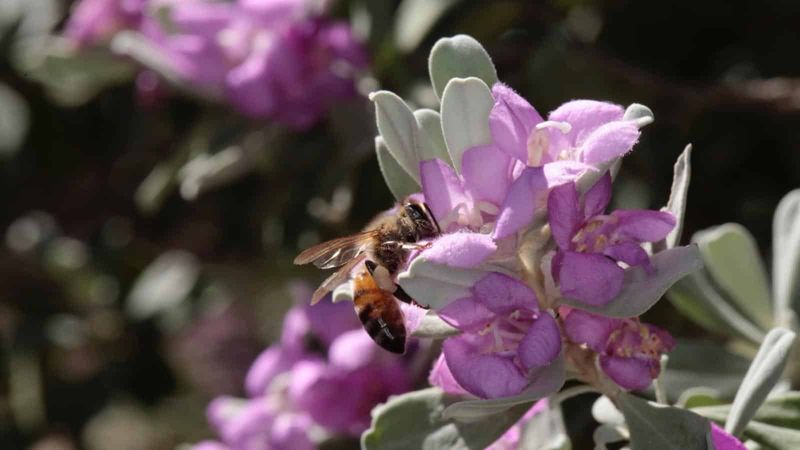
Something magical happens when you plant sage by your front door. Within days, your yard comes alive with movement and activity.
Hummingbirds appear out of nowhere, hovering at the flowers. Bees buzz from bloom to bloom. Butterflies float through on their way to gather nectar.
Sage flowers are like magnets for pollinators. The tubular shape of many sage blooms is perfectly designed for hummingbird beaks.
These tiny birds can visit the same plants dozens of times each day. Watching them dart and hover becomes free entertainment for anyone sitting on the porch.
Bees need all the help they can get these days. Providing them with nectar-rich flowers supports these essential insects.
Native bees, honeybees, and bumblebees all visit sage regularly. The steady supply of nectar from spring through fall gives them reliable food sources when other plants have finished blooming.
Butterflies add another layer of beauty to your front yard. Species like Gulf Fritillaries, Painted Ladies, and Swallowtails all visit sage flowers.
Some butterflies use sage plants as host plants for their caterpillars too. You might notice small caterpillars munching on leaves occasionally.
They rarely cause serious damage and they turn into beautiful butterflies.
Kids love watching pollinators work. Having sage by your front door turns your entrance into an outdoor classroom.
Children can observe hummingbirds up close and learn about how bees collect pollen. These experiences create lasting memories and teach important lessons about nature.
Texas homeowners increasingly want to support local wildlife. Sage makes this goal easy and beautiful.
You get gorgeous flowers for yourself while providing essential resources for creatures that keep ecosystems healthy and functioning properly across the entire state.
5. Low Maintenance And Easy To Grow
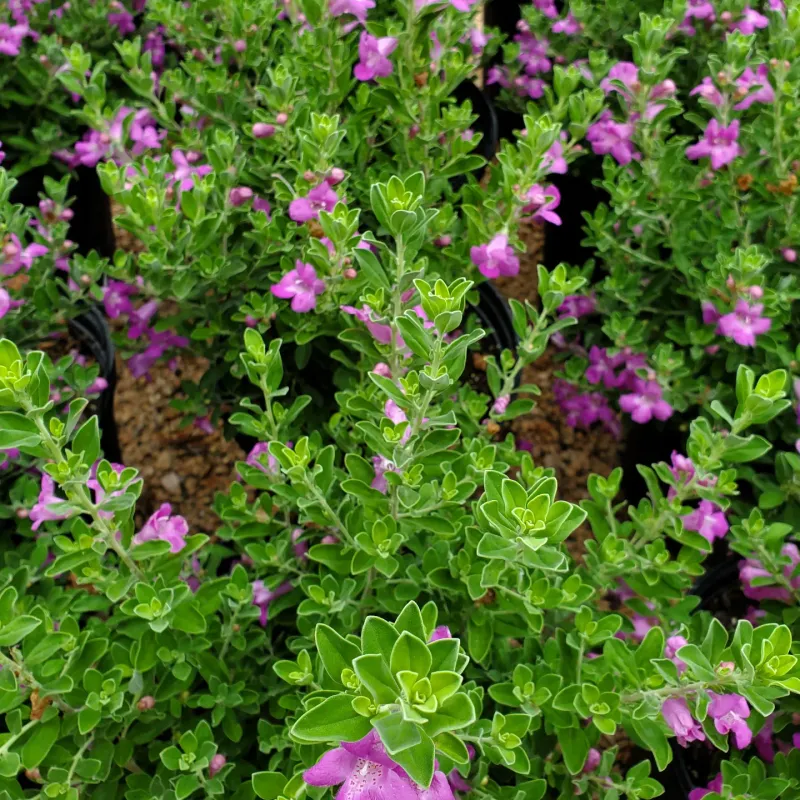
Gardening shouldn’t feel like a second job. Texas homeowners already have enough to do without spending every weekend fussing over complicated plants.
Sage respects your time and energy by basically taking care of itself.
Fertilizer companies would prefer you didn’t know this, but sage needs very little feeding. Most Texas soils provide enough nutrients for healthy sage growth.
You might add a light application of compost once a year if you feel generous. That’s it. No monthly feeding schedules. No special formulas. No measuring and mixing.
Pruning requirements are minimal too. Trim sage back by about one-third in late winter before new growth starts.
This light shearing keeps plants compact and encourages better flowering. The entire job takes maybe five minutes per plant. You can skip a year if life gets busy and the plant will forgive you.
Pests rarely bother sage. The aromatic oils in the leaves naturally repel many insects that attack other garden plants.
Deer usually leave sage alone too. Rabbits might nibble occasionally but they prefer tastier options.
Diseases are uncommon because sage doesn’t like wet conditions where fungal problems develop.
This reliability matters tremendously when you’re planting by your front door. That’s the first thing people see when they visit.
You can’t let it look scraggly. Sage maintains its appearance without constant intervention. It looks good consistently, which means your home looks welcoming consistently.
New gardeners often feel intimidated by perennial plants. Sage builds confidence because it’s so forgiving. Plant it in a sunny spot with decent drainage and step back. The plant handles the rest.
Even experienced Texas gardeners appreciate having reliable performers that don’t require weekly attention or troubleshooting throughout the growing season.
6. Many Native Texas Varieties
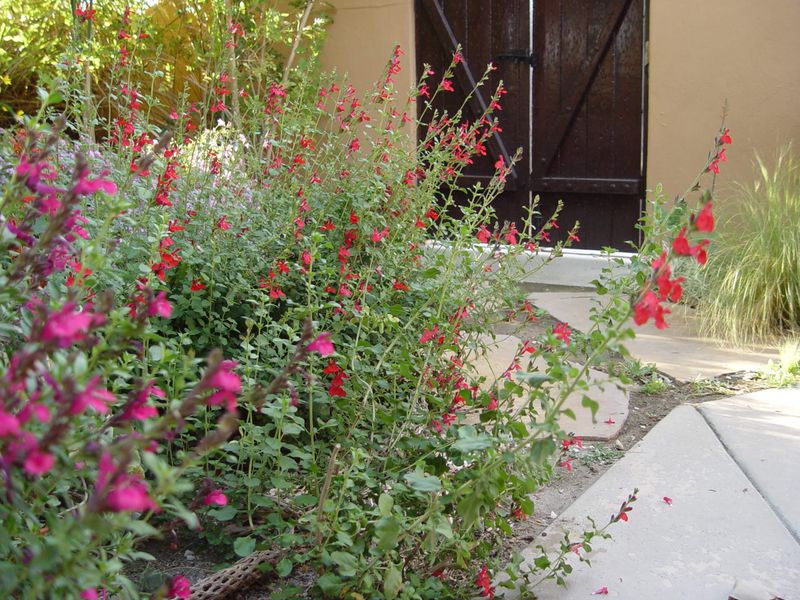
Here’s something many gardeners don’t realize. Several sage species are actually native to Texas.
These plants evolved here over thousands of years. They’re perfectly adapted to local conditions in ways that imported plants can never match.
Autumn Sage, known scientifically as Salvia greggii, grows wild across central and west Texas. This tough native produces red, pink, white, or coral flowers depending on the variety.
It handles alkaline soils, temperature extremes, and drought with ease because those challenges are written into its genetic code.
Mealy Blue Sage, or Salvia farinacea, is another Texas native that’s become a landscape favorite. Its blue-purple flower spikes create stunning displays from late spring through fall.
This species naturally occurs in Texas meadows and prairies. Planting it by your front door brings a piece of authentic Texas landscape right to your doorstep.
Using native plants makes environmental sense. These species support native insects and wildlife that evolved alongside them.
They require fewer inputs because they’re already suited to Texas rainfall patterns and soil chemistry. Native sages also tend to be more resistant to local pests and diseases than plants from other regions.
Local nurseries across Texas now carry excellent selections of native sage varieties. You can find cultivars that have been selected for specific flower colors or growth habits while maintaining the toughness of their wild ancestors.
This gives homeowners the best of both worlds: native plant benefits with improved ornamental qualities.
Growing native plants connects you to the Texas landscape in a meaningful way. These same species that bloom by your front door also bloom in Hill Country meadows and Trans-Pecos canyons.
You’re participating in a living heritage that stretches across the state and back through time.