This Nighttime Pest Is Destroying Seedlings Across Florida
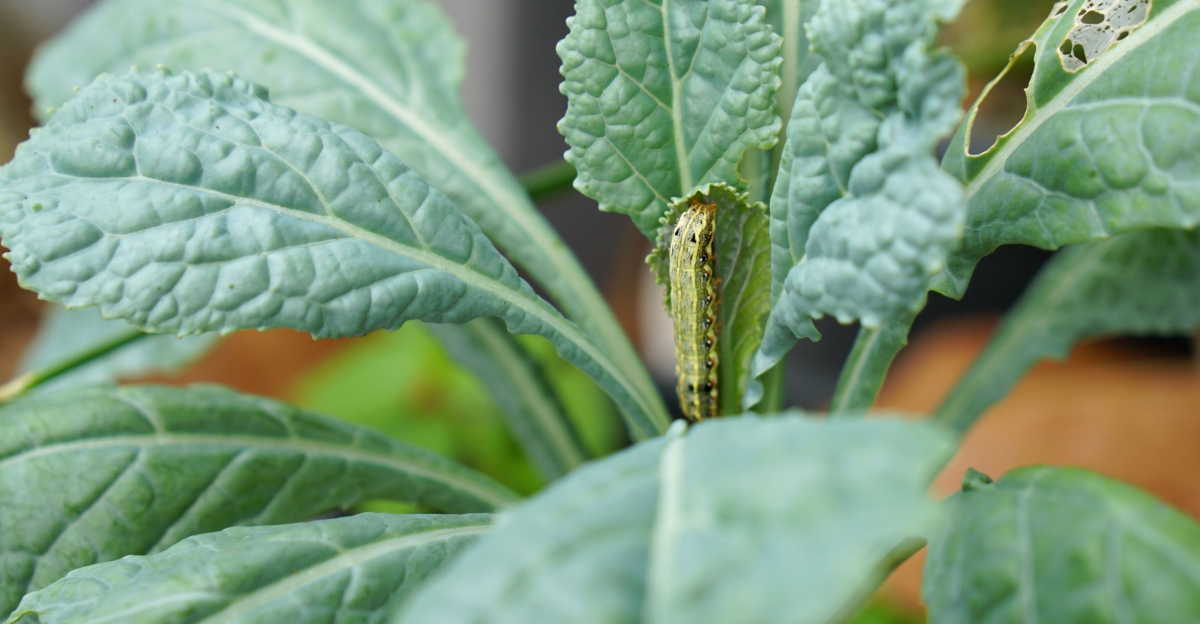
You check your seedlings in the evening and everything looks perfect. By morning, stems lie severed, tiny plants collapsed, and whole rows seem to vanish overnight.
No footprints, no obvious damage to leaves, just clean cuts right at the soil line. It feels sudden and confusing, especially after days of careful watering and protection.
Many Florida gardeners face this quiet destruction every season, often before they even realize something is wrong. The damage happens fast, usually under cover of darkness, and young plants rarely recover once hit.
Finding the cause early can mean the difference between replanting everything or saving what remains.
In most cases, the hidden culprit behind these overnight losses is a small, soil dwelling caterpillar known as the cutworm.
1. Cutworms Strike At Night And Destroy Seedlings Fast
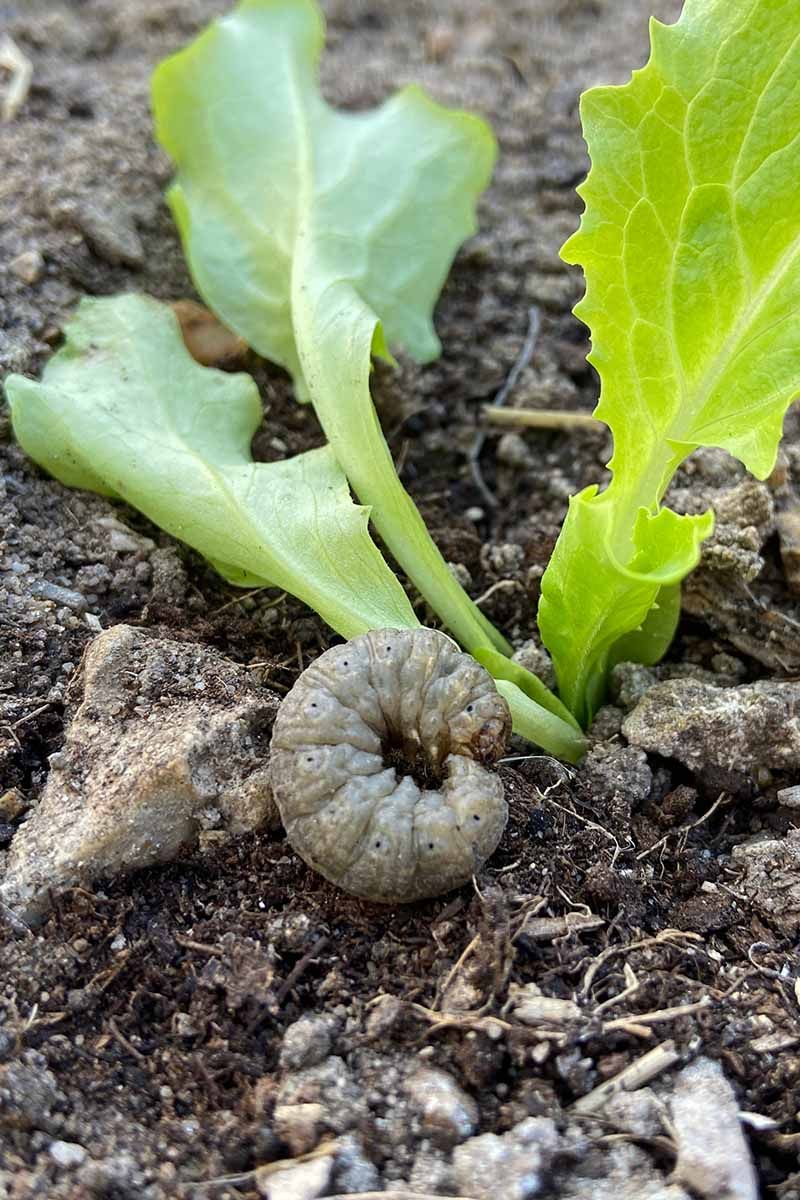
Cutworms are the larval stage of several species of dull-colored moths that flutter around outdoor lights on warm Florida evenings. These caterpillars earned their name from their destructive feeding habit of cutting through plant stems right at or just below the soil surface.
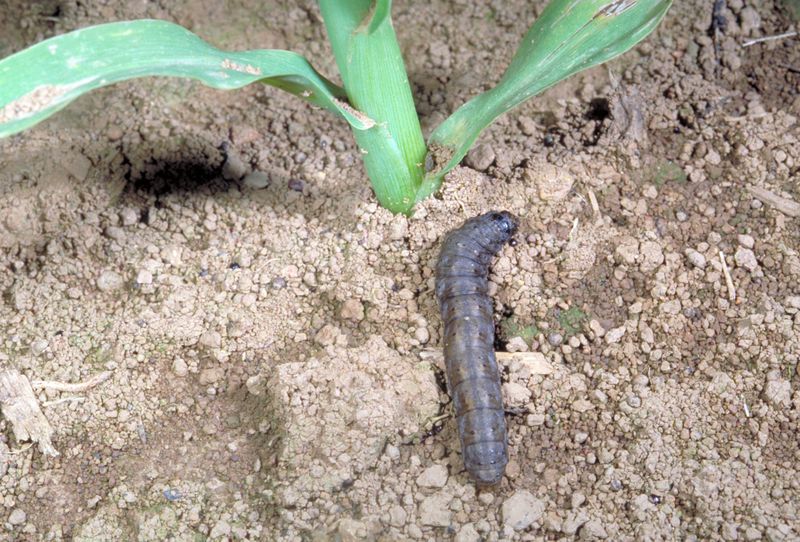
Most species are plump, smooth-bodied larvae that range from gray to brown or even greenish, typically measuring one to two inches long when fully grown.
What makes cutworms so damaging is their strictly nocturnal behavior. They emerge after sunset to feed on tender seedling stems, often severing an entire plant in a single night.
By dawn, they retreat underground or beneath garden debris, making them nearly impossible to spot during routine daytime garden checks.
Florida’s warm climate allows cutworm activity to extend longer than in northern states, with peak damage occurring during spring and fall planting seasons. A single cutworm may damage multiple seedlings in a single night, moving from plant to plant along a row.
This rapid destruction explains why gardeners often discover extensive damage that seems to appear suddenly.
The moths lay eggs on soil, weeds, or plant debris, and the emerging larvae immediately begin feeding. Understanding this life cycle helps explain why freshly tilled garden beds sometimes experience worse cutworm problems shortly after planting.
2. Cleanly Cut Seedlings Are The Classic Warning Sign
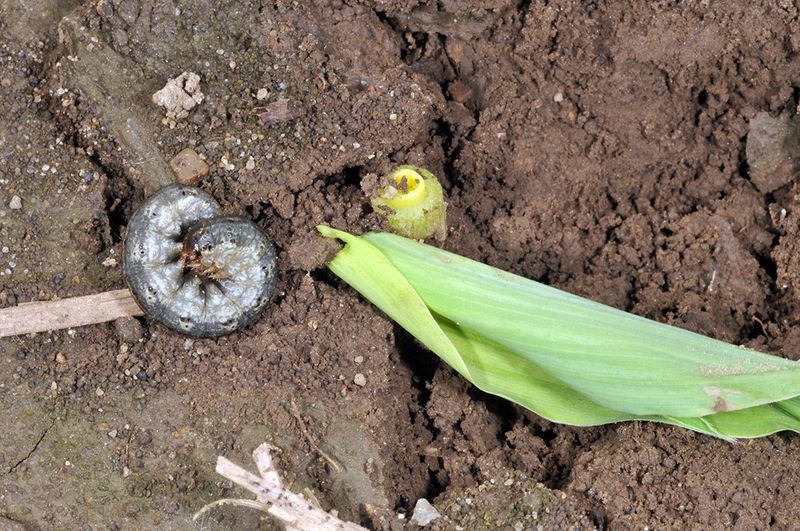
Walking into your garden and finding seedlings toppled over with stems severed cleanly near the soil line is the unmistakable signature of cutworm damage. Unlike other pests that nibble leaves or create ragged tears, cutworms make precise cuts that look almost surgical.
The seedling often remains intact but completely detached from its roots, lying beside the stem stub still anchored in the ground.
Sometimes you’ll notice the top portion of the plant has disappeared entirely, with only the severed stem base remaining visible. Other times, multiple plants in a row show identical damage patterns, creating a trail of destruction across your garden bed.
This systematic cutting distinguishes cutworm activity from wind damage, animal browsing, or disease problems.
Fresh damage appears overnight, so plants that looked perfect yesterday suddenly lie flat by morning. The cut surface typically appears clean rather than shredded, and there’s usually no sign of leaf feeding or other above-ground damage.
Your Florida Garden Changes Every Week. Your Plan Should Too.
Gardening in Florida changes quickly throughout the season. Every Friday you’ll receive a simple weekly plan showing exactly what to plant, prune, fertilize, harvest, and protect so you never miss the right timing.
In Florida gardens, this pattern repeats night after night until the cutworm population is addressed.
Young transplants show this damage most dramatically because their stems are at the perfect diameter for cutworms to wrap around and sever completely. Larger plants may show partial cutting or girdling where the caterpillar couldn’t finish the job before dawn arrived.
3. Young Seedlings Face The Highest Risk
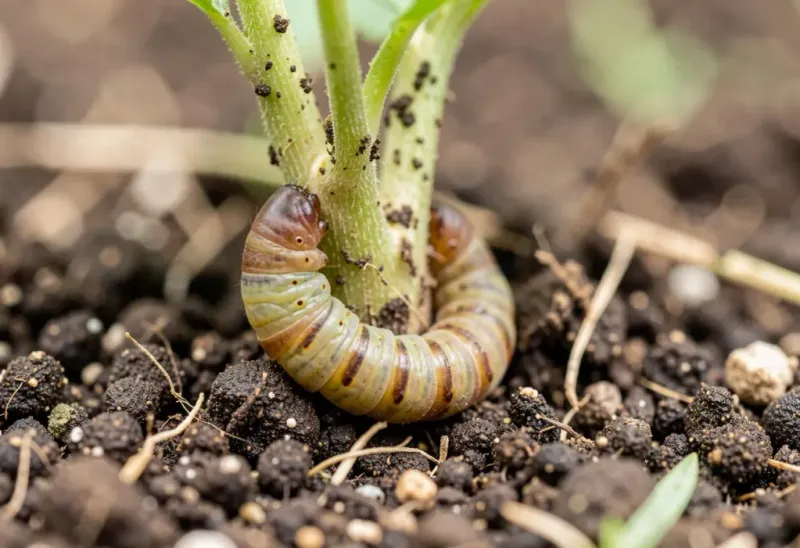
Seedlings in their first few weeks after transplanting or emergence face the greatest danger from cutworms. Their stems remain tender, thin, and easy to cut through, making them ideal targets for hungry larvae.
The soft tissue offers little resistance, allowing a single cutworm to topple multiple young plants during one night of feeding.
Newly established garden beds in Florida attract cutworms because freshly worked soil often contains eggs or larvae that were already present. When you prepare a bed and add young transplants, you’re essentially providing a buffet of vulnerable plants right where cutworm populations are concentrated.
Timing makes this vulnerability worse since spring and fall planting seasons coincide with peak cutworm activity in Florida’s climate.
Transplants suffer particularly severe damage because the stress of being moved makes them less able to recover from injury. A cutworm doesn’t need to sever the entire stem to cause plant loss.
Even partial girdling can interrupt water and nutrient flow enough to cause the seedling to wilt and fail.
As plants mature and their stems thicken and toughen, they become less appealing and more difficult for cutworms to cut. This explains why damage typically concentrates on the youngest plantings while older, established plants in the same garden remain untouched.
Protecting seedlings during this critical early growth window determines whether your crop thrives or fails.
4. Cutworms Hide Just Below The Soil Surface
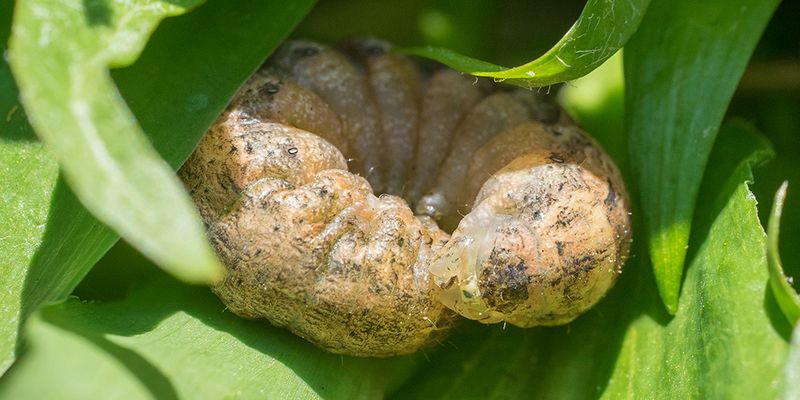
Cutworms spend daylight hours concealed in the top inch or two of soil, usually within a few inches of the plants they damaged the previous night. They curl into a tight C-shape when disturbed, a defensive posture that helps identify them if you uncover one during inspection.
Their hiding behavior makes them frustratingly difficult to detect without deliberate searching.
Garden debris, mulch, and clumps of soil provide additional shelter where cutworms rest during the day. They prefer staying close to their food source rather than traveling long distances, so the area immediately surrounding damaged seedlings usually harbors the responsible larvae.
Florida’s sandy soils make it relatively easy for cutworms to burrow and hide, but also make them easier to find when you know where to look.
This concealment strategy explains why many gardeners never see the pest causing their seedling losses. Without digging around damaged plants, you might assume the problem is disease, weather damage, or some other mysterious cause.
The cutworms remain hidden until darkness returns and they emerge to feed again.
Different cutworm species show slight variations in hiding depth and location. Some prefer loose soil right at the base of plants, while others hide under debris or in cracks in the soil surface.
All share the pattern of nocturnal feeding followed by daytime concealment, making nighttime or early morning the best times for detection.
5. Simple Checks Confirm Cutworms Quickly
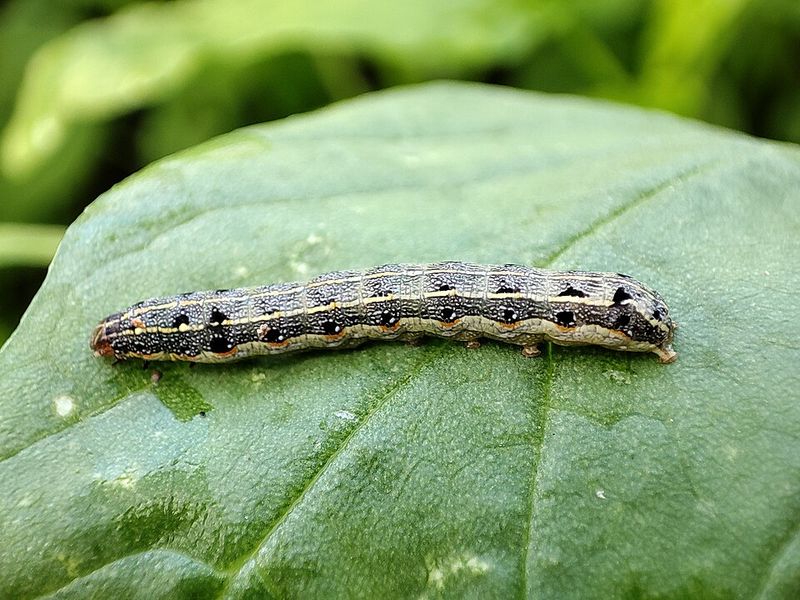
Confirming cutworm presence requires checking at the right time and knowing where to look. Early morning inspections work well because cutworms may still be active or haven’t yet buried themselves deeply.
Evening checks around dusk can catch them as they begin emerging to feed. Bringing a flashlight allows you to spot these gray or brown caterpillars against the soil.
Start by examining the ground immediately around freshly damaged seedlings. Gently brush away loose soil or mulch within a three-inch radius of the cut stem.
Cutworms often rest within this zone during daylight hours. Look for plump, smooth caterpillars that curl into a C-shape when exposed or touched.
If you don’t find anything on the surface, use your fingers or a small trowel to carefully disturb the top inch of soil around the plant base. Work slowly and watch for movement.
Cutworms may try to burrow deeper when disturbed, but their size makes them fairly easy to spot in loose Florida garden soil.
Another effective technique involves placing small boards or pieces of cardboard on the soil surface near damaged plants in the evening. Check underneath these traps the following morning.
Cutworms often gather beneath these shelters overnight, making collection simple.
This monitoring approach helps you assess population levels and determine whether control measures are working effectively over time.
6. Fast Protection Stops Overnight Damage
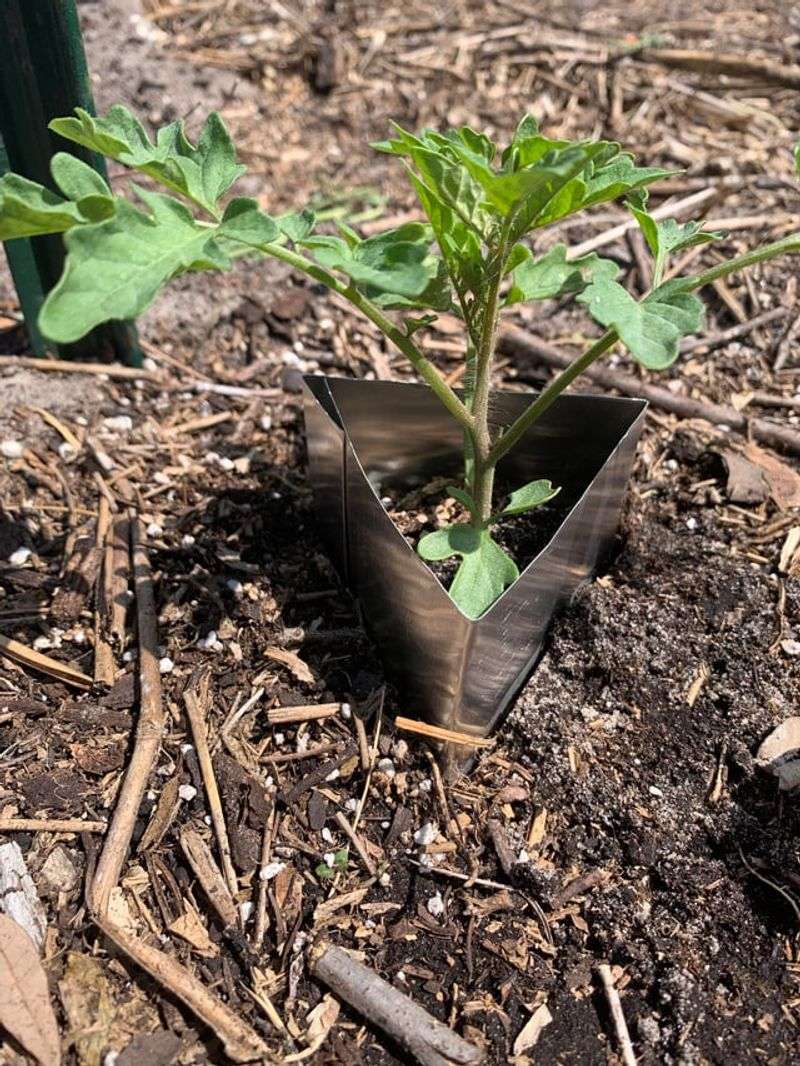
Physical barriers provide immediate protection for vulnerable seedlings without requiring pesticides or complex preparations. Collars made from cardboard, plastic cups with the bottoms removed, or even aluminum foil create a protective shield around each plant stem.
Push these barriers into the soil so they extend about an inch below the surface and rise two to three inches above ground level.
This simple barrier prevents cutworms from reaching the stem while allowing the plant to grow normally. The collar needs to fit loosely enough that it doesn’t constrict the growing stem but closely enough that cutworms cannot squeeze between the barrier and the plant.
Florida gardeners often make dozens of these collars quickly using toilet paper tubes, which work perfectly for tomatoes, peppers, and similar transplants.
Clearing debris and weeds from around seedlings removes hiding places that cutworms use during the day. A clean zone of at least six inches around each plant makes the area less attractive to these pests.
Removing this shelter also makes hand-picking more effective since cutworms have fewer places to conceal themselves.
For row plantings, consider creating a shallow trench around the planted area and filling it with diatomaceous earth or wood ash. These materials can help deter cutworms in dry conditions, though effectiveness decreases after rain.
Reapply after rain since moisture reduces effectiveness. These immediate protection steps buy time for seedlings to grow past their most vulnerable stage.
7. Proven Control Methods That Actually Work
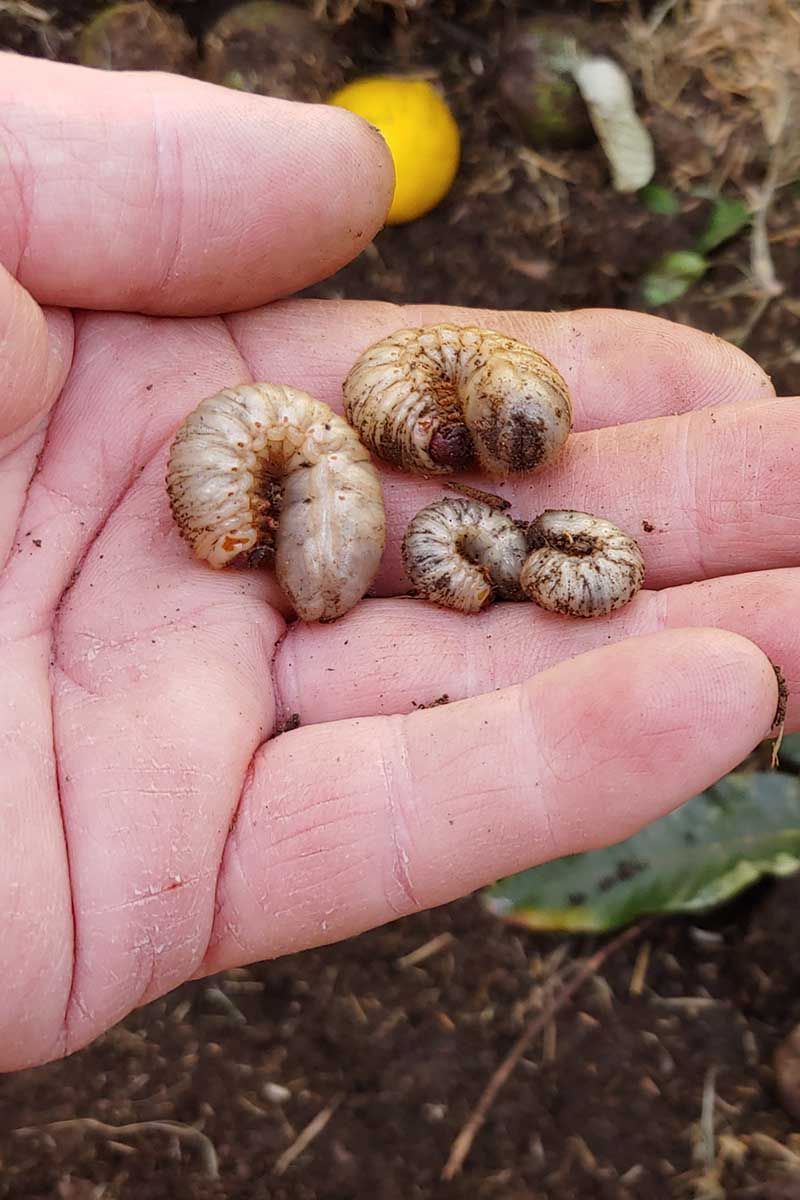
Hand-picking remains one of the most effective control methods for cutworms in home gardens. Check plants at dusk or early morning, dig around damaged seedlings, and physically remove any cutworms you find.
Drop them into soapy water to prevent their return. This approach works especially well in smaller Florida gardens where you can inspect plants regularly.
Encouraging natural predators helps manage cutworm populations over time. Ground beetles, parasitic wasps, and birds all feed on cutworms.
Maintaining diverse plantings, providing habitat for beneficial insects, and avoiding broad-spectrum pesticides allows these helpers to establish and control pests naturally. Florida’s climate supports year-round populations of many beneficial species when given the opportunity.
Beneficial nematodes offer a biological control option that targets soil-dwelling larvae. These microscopic organisms infect and control cutworms without harming plants, people, or other beneficial insects.
Apply nematodes to moist soil in the evening according to package directions, typically during the growing season when soil temperatures allow nematode activity.
For severe infestations, products containing Bacillus thuringiensis var. kurstaki provide targeted control consistent with integrated pest management principles recommended by University of Florida extension specialists. Apply in the evening when cutworms are active, as Bt breaks down quickly in sunlight.
Apply in the evening when cutworms are active, following label directions carefully. Rotating control methods and combining approaches provides the most reliable long-term management in Florida gardens.
8. Prevent Cutworms Before The Next Planting
Prevention starts weeks before you plant by eliminating the conditions that allow cutworm populations to build. Remove weeds, grass, and plant debris from garden areas at least two weeks before planting.
Cutworm moths lay eggs on these materials, so clearing them reduces the number of larvae that will be present when you add seedlings. Florida’s extended growing seasons make year-round garden sanitation especially important.
Till or turn the soil several times before planting to expose cutworms, pupae, and eggs to predators and weather. This mechanical disruption can help reduce populations when done thoroughly.
Allow the soil to rest between tilling sessions so birds and other predators can find and consume exposed larvae.
Delaying transplanting until seedlings are slightly larger and more robust helps them withstand or outgrow cutworm damage. While this doesn’t eliminate the threat, sturdier plants with thicker stems are less vulnerable than the youngest, most tender transplants.
In Florida, timing plantings to avoid peak cutworm activity periods can reduce damage naturally.
Monitor new plantings closely during the first two weeks after transplanting. Early detection allows you to implement controls before widespread damage occurs.
Check plants every morning for signs of cutting, and inspect the soil around any damaged seedlings immediately.
Keeping records of when and where cutworm problems occur helps you anticipate issues in future seasons and adjust your prevention strategies accordingly for better results in Florida’s unique growing conditions.