What To Do If You Find Snake Eggs In Your Georgia Yard
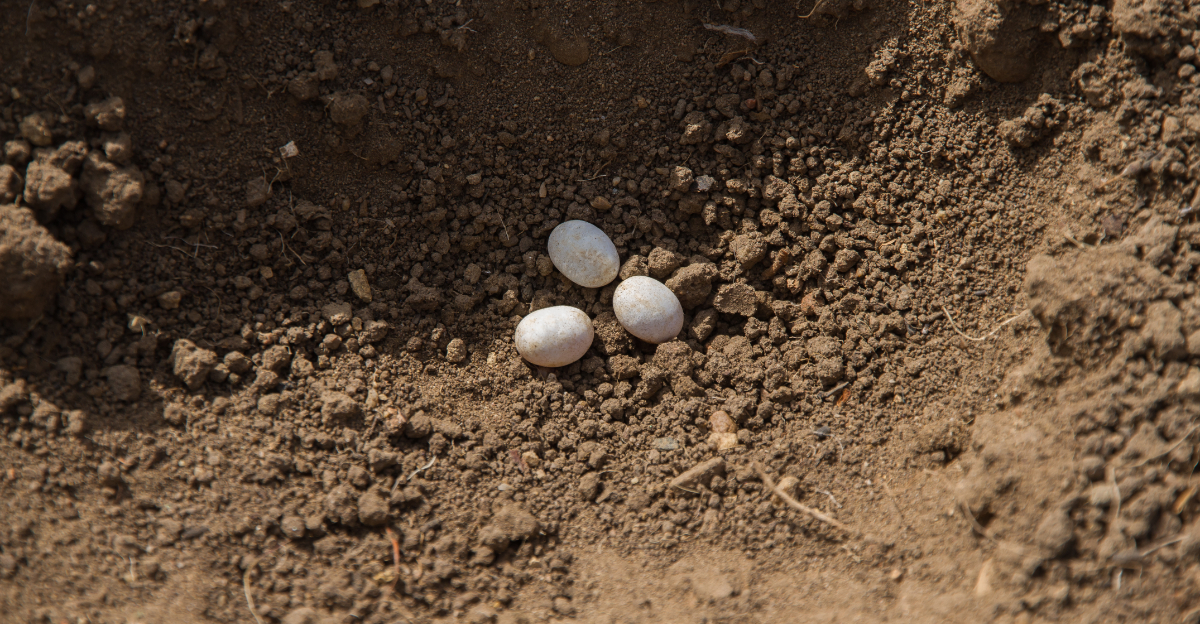
Snake eggs in your Georgia yard can stop you in your tracks. One minute everything looks normal, and the next you are staring at something you did not expect to see tucked under mulch or near a quiet corner of the property.
Panic feels natural, but the next move matters more than the surprise itself.
Georgia’s climate creates ideal nesting conditions in warm, hidden spots, which means this situation is not as rare as it may seem. A quick reaction without clear information can turn a simple discovery into a bigger issue.
A steady, informed response keeps the situation under control and prevents unnecessary problems. With the right approach, you can handle it confidently and move forward without second-guessing your decision.
1. Identify The Eggs Before Taking Action
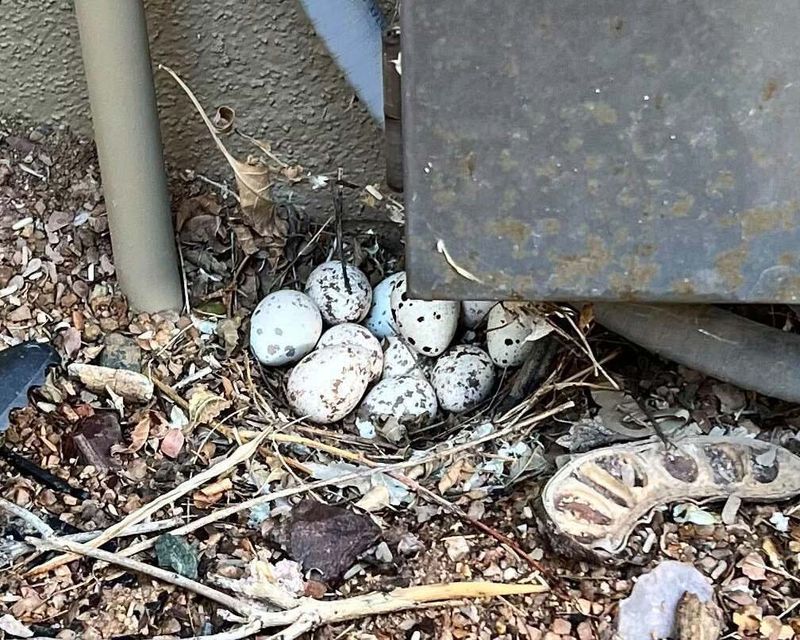
Snake eggs look nothing like bird eggs. Instead of hard shells, they feel soft and leathery, almost like tiny deflated footballs.
Most measure between one to two inches long and appear white or cream-colored, though some might have a slight yellow tint depending on the species.
Georgia snake eggs typically show up in warm, hidden spots around your property. You might discover them under piles of leaves, inside compost heaps, beneath stacks of firewood, or tucked away in garden mulch.
Snakes choose these locations because they stay moist and maintain steady temperatures needed for eggs to develop properly.
Count how many eggs you see if possible. Clutch sizes vary widely across species, with some Georgia snakes laying just a few eggs while others deposit twenty or more at once.
The number won’t definitively tell you what species laid them, but it provides helpful information if you contact wildlife experts later.
Look for any identifying features nearby. Shed snake skin near the nest might offer clues about the parent snake’s size and pattern.
Fresh tracks in soft soil or disturbed vegetation around the eggs can also indicate recent activity in that area.
Take photos from several angles without getting too close. These pictures will help wildlife professionals identify the species remotely if you decide to reach out for guidance.
Good documentation proves valuable whether you choose to leave the eggs alone or need assistance removing them from your Georgia property.
Never attempt to crack open an egg to see what’s inside. This destroys developing snakes and provides no useful identification information anyway since embryos look similar across many species until they’re nearly ready to hatch.
2. Keep Children And Pets Safely Away
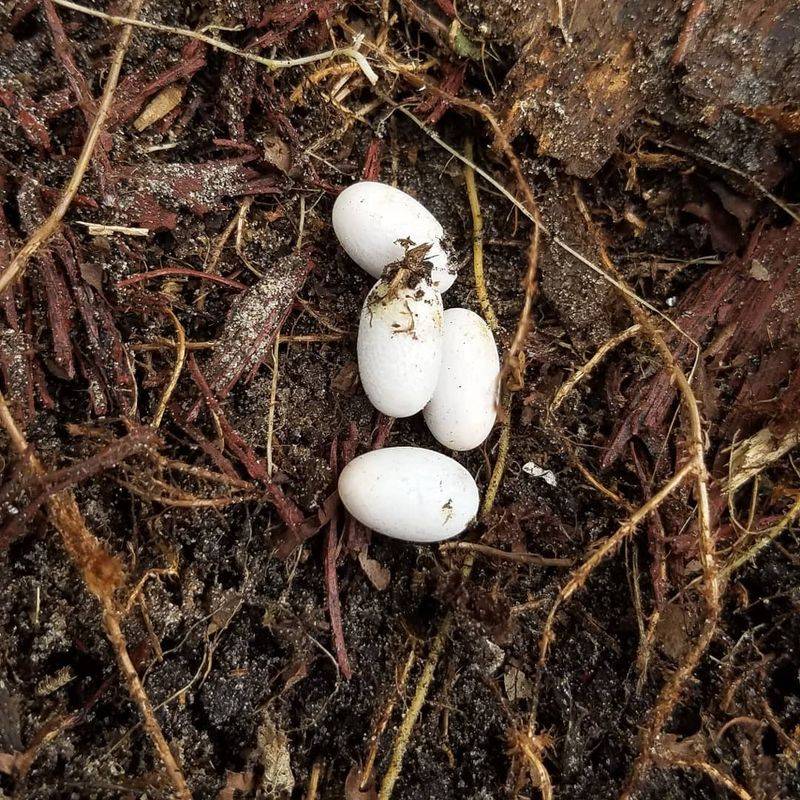
Your first instinct after spotting snake eggs should be creating a safety perimeter. Children naturally feel curious about unusual discoveries in the yard, and dogs or cats might try to dig up or play with the eggs.
Neither scenario ends well for anyone involved.
Set up a simple barrier around the nest site immediately. Garden stakes with bright ribbon or caution tape work perfectly for marking the area.
Place these markers at least six feet away from the eggs in all directions, giving both the nest and any adult snakes plenty of space.
Your Georgia Garden Changes Every Week. Your Plan Should Too.
Gardening in Georgia changes quickly throughout the season. Every Friday you’ll receive a simple weekly plan showing exactly what to plant, prune, fertilize, harvest, and protect so you never miss the right timing.
Explain to your kids why the area is off-limits without creating unnecessary fear. Tell them that baby snakes might be developing inside those eggs, and disturbing them could be dangerous.
Georgia children should learn early that respecting wildlife from a distance keeps everyone safer and healthier.
Keep pets on leashes when they’re outside until you’ve resolved the snake egg situation. Dogs especially love investigating new smells and might dig up the nest out of pure curiosity.
Cat scratches or dog bites can damage eggs, potentially causing defensive behavior from any parent snakes guarding nearby.
Check your yard daily for any signs that animals or people have disturbed your safety perimeter. Knocked-over stakes or moved tape suggests someone didn’t get the message about staying back.
Reinforce barriers as needed and remind family members about the temporary no-go zone.
Remember that Georgia law protects many snake species, including some that might lay eggs in residential areas.
3. Avoid Touching Or Moving The Eggs
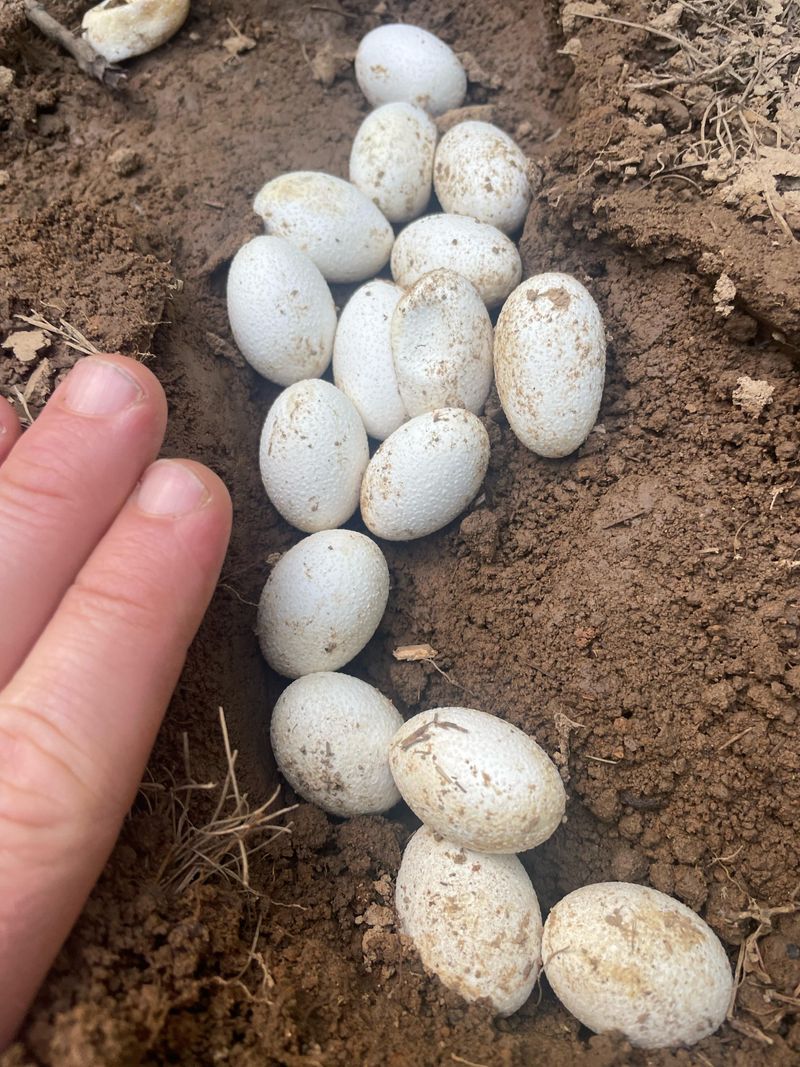
Those eggs might look harmless sitting there in your mulch bed, but resist every urge to pick them up. Snake eggs are surprisingly delicate despite their leathery appearance, and handling them incorrectly causes serious problems for developing embryos inside.
Temperature fluctuations harm snake eggs more than most people realize. Rotating an egg even slightly from its original position can disorient the embryo and prevent proper development.
What seems like careful handling to you might actually doom the entire clutch through well-meaning interference.
Adult snakes sometimes remain near their eggs even though most Georgia species don’t actively guard nests like birds do. Reaching toward eggs might bring you uncomfortably close to a defensive parent snake you didn’t notice hiding in nearby vegetation.
Moving eggs to a different location rarely improves the situation anyway. Snakes choose nest sites based on specific moisture levels, temperature ranges, and protection from predators.
Relocating eggs to what you consider a better spot usually just places them in conditions where they can’t survive properly.
Think about the legal implications too. Georgia wildlife regulations restrict handling or relocating many native species without proper permits.
Even non-venomous snake eggs fall under these protections in certain circumstances, and violations can result in significant fines.
If eggs are located somewhere truly problematic like inside your garage or directly against your home’s foundation, contact wildlife professionals rather than attempting DIY relocation.
Experts have the training and legal authorization to move eggs safely when absolutely necessary for human safety or property protection.
4. Contact Georgia Wildlife Professionals For Guidance
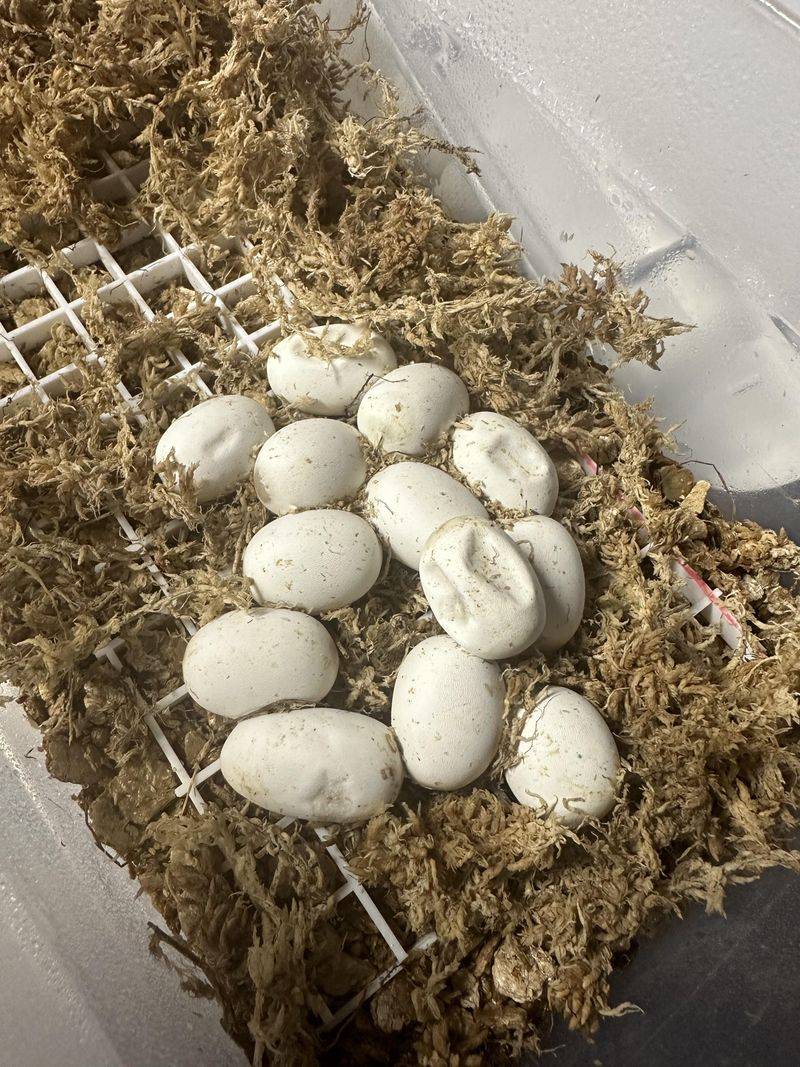
Professional help costs less than you might think and provides peace of mind worth far more than the fee. Georgia has numerous wildlife management companies and naturalists who specialize in snake identification and nest assessment.
Many offer free phone consultations where you can describe your situation and receive expert advice without anyone visiting your property.
Start by calling your county extension office or local animal control department. These government resources often provide free identification services using photos you send via email or text message.
Extension agents throughout Georgia are trained to recognize local snake species and can tell you whether your eggs likely belong to harmless or venomous snakes.
Private wildlife removal companies offer more comprehensive services if you need hands-on assistance. These professionals can visit your property, positively identify the eggs, assess any risks to your family, and recommend appropriate next steps.
Some companies even offer monitoring services where they check on the nest periodically until eggs hatch and young snakes disperse naturally.
Georgia Department of Natural Resources maintains a list of licensed wildlife rehabilitators and removal experts on their website.
Using state-approved professionals ensures you’re working with someone who follows legal guidelines and ethical practices when dealing with native wildlife.
These experts understand Georgia-specific regulations about which species receive protection and how to handle them properly.
Document everything before calling for help. Write down when you discovered the eggs, exactly where they’re located, how many you counted, and any snake sightings in your yard recently.
This information helps professionals assess your situation more accurately and provide better guidance over the phone.
Ask about costs upfront and get quotes from multiple companies if extensive work seems necessary.
Prices vary widely depending on services needed, but knowing your options helps you make informed decisions about managing snake eggs on your Georgia property.
5. Watch The Nest From A Safe Distance
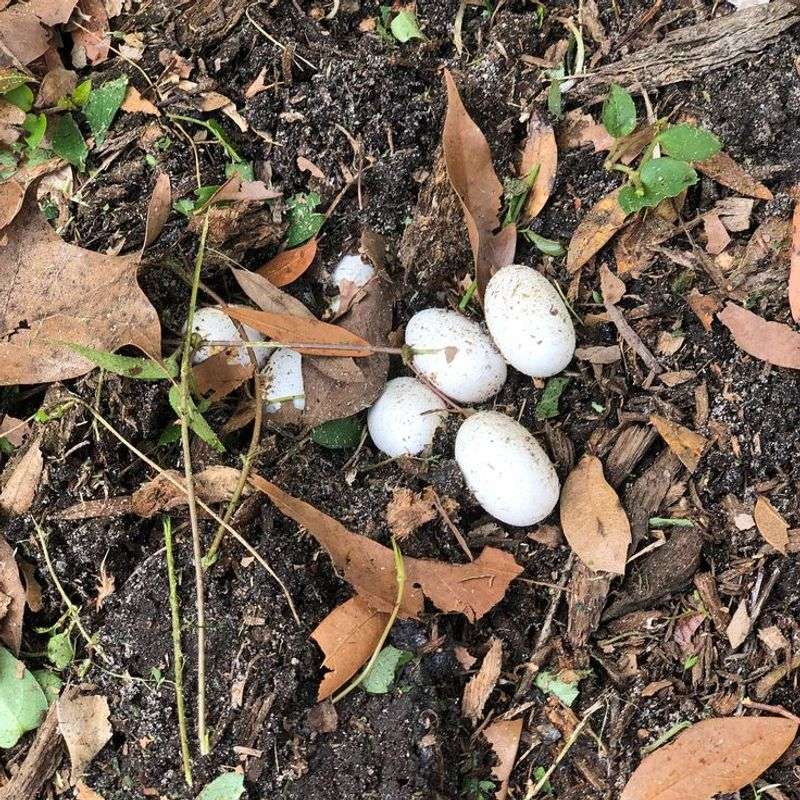
Observation beats intervention in most snake egg situations. Watching from your deck or through a window lets you monitor the nest without causing disturbance.
You’ll learn fascinating things about local wildlife while ensuring the eggs develop safely away from interference.
Set up a simple observation schedule if you’re genuinely interested in the process. Check the nest area once daily, preferably at the same time each day.
Morning observations work best since Georgia’s summer heat makes afternoon yard time uncomfortable anyway, and snakes are often more active during cooler hours.
Bring binoculars for a closer look without actually getting closer. Quality optics let you see details like whether eggs appear healthy, if any have hatched, or whether parent snakes are visiting the area.
This hands-off monitoring satisfies curiosity while respecting the wildlife using your property.
Keep a simple journal documenting changes you notice over time. Note the date you discovered eggs, any size changes you observe, when hatching occurs, and when young snakes finally leave the area.
These records create a memorable experience and help you understand snake breeding cycles in Georgia’s climate.
Watch for signs of hatching as weeks pass. Snake eggs typically take between one and three months to hatch depending on species and weather conditions.
You might notice eggs looking slightly collapsed or see small slits where baby snakes are beginning to emerge. Georgia’s warm summers mean eggs laid in late spring often hatch by mid to late summer.
Expect baby snakes to scatter quickly after hatching. Unlike birds that remain in nests while parents bring food, young snakes are independent immediately.
They’ll disperse into surrounding vegetation within hours or days of emerging, seeking shelter and beginning to hunt for appropriately sized prey.
6. Clear Debris And Brush Around The Area
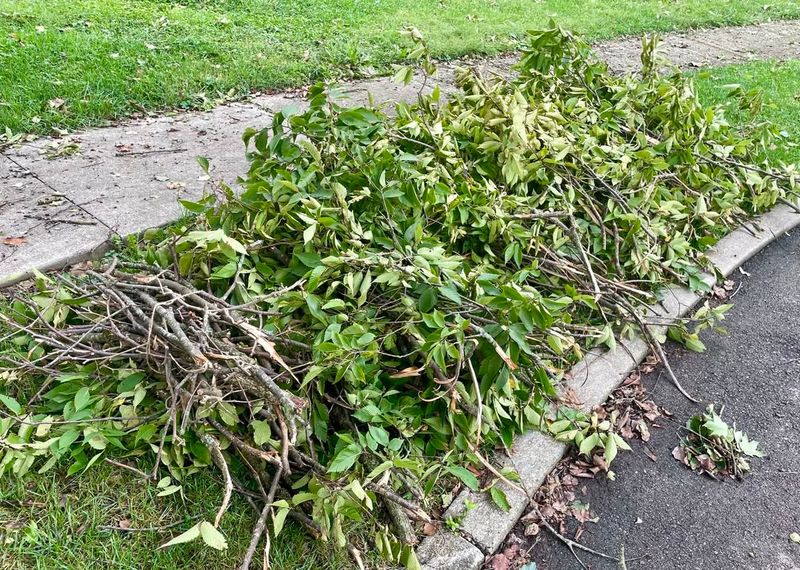
Strategic cleanup reduces future snake attractions without disturbing current nests. Wait until eggs hatch and young snakes disperse before doing major work near the nest site itself, but you can still improve other parts of your Georgia yard immediately.
Focus on areas away from the eggs first. Remove leaf piles, stack firewood off the ground on racks, and clear overgrown vegetation along fence lines.
Snakes love these hiding spots because they provide cover from predators and access to rodent prey. Eliminating unnecessary clutter makes your property less appealing for future nesting.
Trim bushes and shrubs so their branches don’t touch the ground. This simple landscaping change removes the protected pathways snakes use when moving through yards.
Georgia’s humid climate encourages dense plant growth, so regular trimming becomes essential for maintaining less snake-friendly landscaping.
Store building materials, lawn equipment, and garden supplies in sheds or garages rather than leaving them scattered around your property. That stack of old boards or pile of unused flower pots creates perfect snake habitat.
Organized storage protects your belongings while making your yard less attractive to egg-laying snakes.
Consider installing gravel borders around your home’s foundation. Snakes prefer areas with cover and moisture, so a three-foot-wide gravel strip creates an uncomfortable barrier they’re less likely to cross.
This approach works especially well in Georgia where foundation plantings often grow dense enough to hide snake activity.
Keep grass mowed short throughout your property. Tall grass provides cover that snakes find appealing when hunting or moving between areas.
Regular mowing exposes snakes to predators and makes them feel vulnerable, encouraging them to seek shelter elsewhere instead of settling into your Georgia yard long-term.
7. Keep Your Yard Tidy To Prevent Future Nests

Prevention beats dealing with surprise snake eggs every season. Once you’ve handled your current situation, implementing long-term strategies keeps snakes from choosing your Georgia property as their preferred nesting site year after year.
Eliminate rodent problems immediately since mice and rats attract snakes better than anything else. Seal gaps around your home’s exterior, store pet food in airtight containers, and use trash cans with secure lids.
Fewer rodents mean fewer snakes hunting them, which means fewer snakes laying eggs in your yard.
Inspect your property monthly for new snake attractions. Walk your entire yard looking for fresh debris piles, overgrown areas, or items that could provide snake shelter.
Georgia’s growing season lasts most of the year, so vegetation management requires consistent attention rather than occasional effort.
Install proper drainage to eliminate standing water and overly moist areas. Snakes need moisture for their eggs, so soggy spots in your yard become prime nesting real estate.
French drains, grading improvements, or simply fixing leaky outdoor faucets can make significant differences in how attractive your property appears to egg-laying snakes.
Create a maintenance schedule and stick to it. Weekly mowing, monthly debris removal, and seasonal deep cleanups of storage areas should become routine habits.
Georgia homeowners who maintain tidy properties consistently report fewer snake encounters than neighbors with cluttered, overgrown yards.
Educate your family about ongoing prevention efforts so everyone contributes to keeping the yard less snake-friendly. When kids understand why you’re removing that brush pile or why firewood stays stacked neatly, they’re more likely to help maintain those standards.
Community effort makes prevention sustainable long-term rather than a temporary fix that gradually deteriorates.