Why Some Georgia Gardens Turn Into Mosquito Magnets In May
Every spring, many gardeners in Georgia invest their time, money, and passion into their yards. The azaleas burst into bloom, the soil has a rich scent after the rain, and everything appears just right.
But then May arrives, and all of a sudden, your backyard feels unbearable after 6pm. You light up the citronella candles. You purchase the sprays.
You can’t help but wonder why your neighbor two doors down seems totally unaffected while you’re swatting at your arms every thirty seconds just to water your tomatoes.
The difference rarely boils down to luck or where you live. It’s usually about a few specific factors in your garden that you probably pass by every day without giving them a second thought.
The good news is that addressing these issues is inexpensive and doesn’t take much time. But first, you need to understand what you’re actually facing.
Your garden might be holding water in more places than you realize, but it usually comes back to one main mosquito problem.
It can show up in several small ways across the yard, from low spots in the lawn to compacted soil that drains too slowly. Each one can hold just enough water to give mosquitoes exactly what they need.
Standing Water Lets Mosquitoes Breed Fast
Just a bottle cap. That’s all it takes for female mosquitoes to lay their eggs. In warm conditions, those larvae can turn into full-grown mosquitoes in just seven to ten days.
In Georgia, May is like a buffet for them. The daytime temps soar into the upper 70s and low 80s, and with spring rains coming in frequently, it speeds up the mosquito life cycle.
That puddle left over from a Tuesday storm can start producing adult mosquitoes by the weekend.
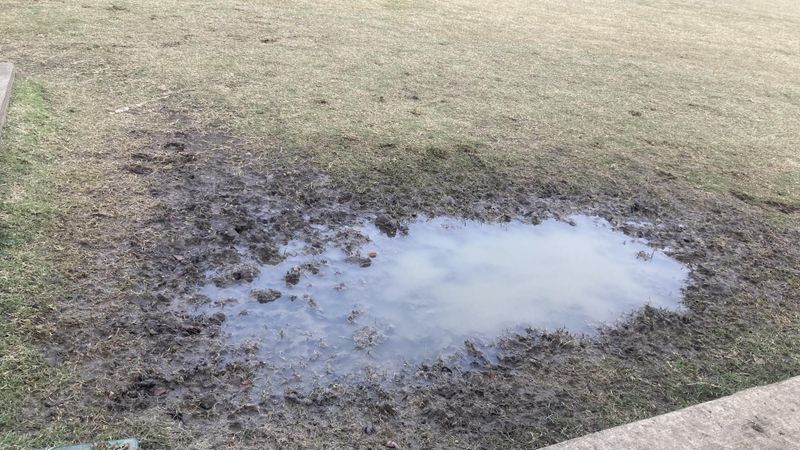
Your garden might be holding water in more places than you realize, but it usually comes back to one main problem.
You do not need to spot it right away to feel its effects. It can show up in several small ways across the yard, from low spots in the lawn to compacted soil that drains too slowly.
Those hidden pockets may look harmless at first. A shallow dip here. A soggy patch there. A container edge you forgot to check.
But each one can hold just enough water to give mosquitoes exactly what they need. Luckily, the solution is simple. However, it does need one habit to stick.
After every rain, take a stroll around your yard and check for anything that’s holding rain water, no matter how small. Just dump it out. You wouldn’t believe where all that water can be found.
It’s not usually the big puddle that catches your eye first. The real issue often lies in the small, overlooked areas around your garden.
That’s why this habit is so helpful. A quick check can reveal those concealed spots before mosquitoes have a chance to make themselves at home.
Mosquitoes don’t travel far from where they hatch, so getting rid of nearby breeding spots really makes a difference.
Your Georgia Garden Changes Every Week. Your Plan Should Too.
Gardening in Georgia changes quickly throughout the season. Every Friday you’ll receive a simple weekly plan showing exactly what to plant, prune, fertilize, harvest, and protect so you never miss the right timing.
Flowerpot Saucers Hold Water Mosquitoes Need
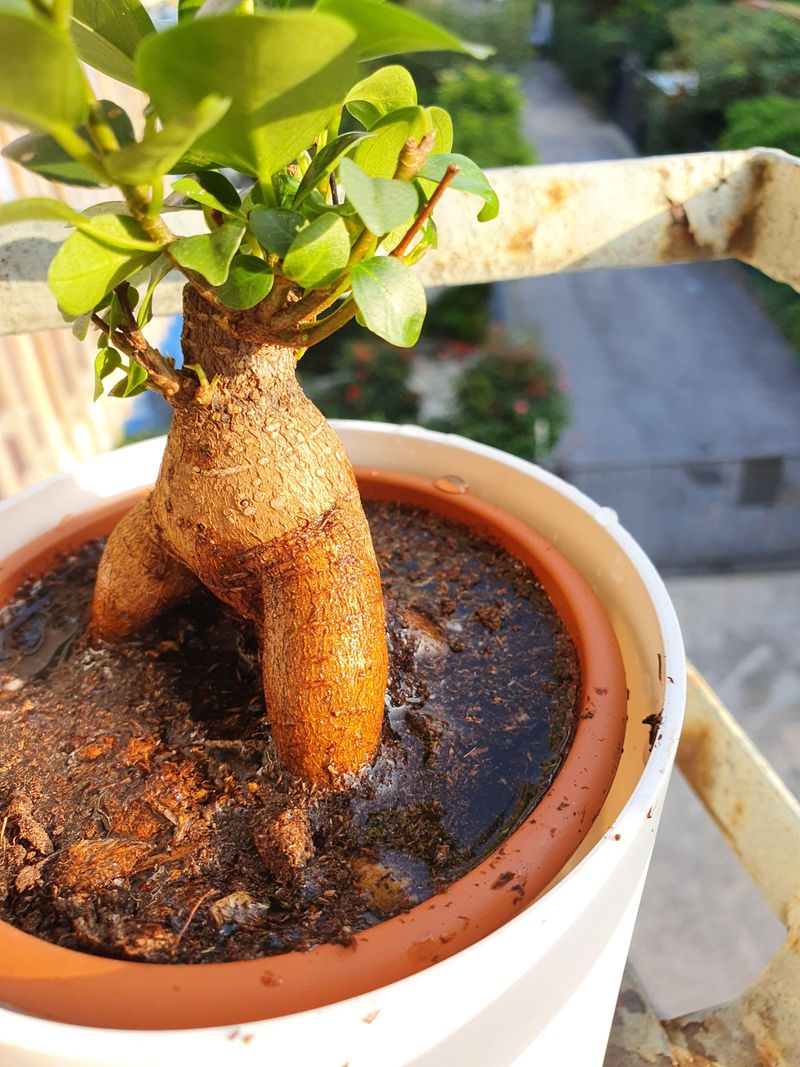
Your favorite row of potted plants on the back porch? They look amazing. Now, turn one of those saucers upside down.
You’ll probably see a little pool of water that’s been hanging around for days. Flowerpot saucers and drip trays are some of the biggest mosquito hotspots in Georgia, and the issue gets worse quickly when you have a lot of pots.
Every time you water or it rains, those saucers gather more water. The pot above keeps it in the shade, the water stays calm and cool, and mosquito larvae find the perfect environment to thrive.
The good news? You don’t have to give up on container gardening. Just make sure to empty those saucers within a day or two after watering or rain.
For plants that like consistent moisture, consider using self-watering containers with sealed reservoirs instead of open trays.
Clogged Gutters Create Hidden Mosquito Nurseries
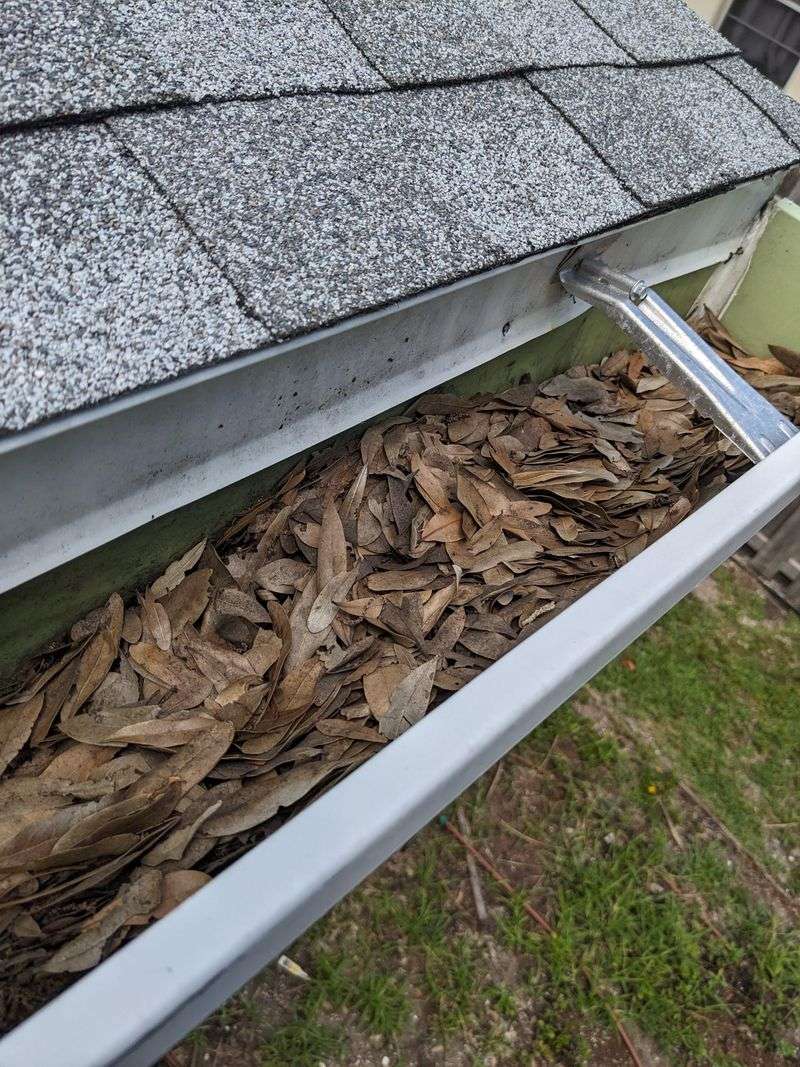
Many people don’t consider their gutters as part of their garden. However, they are positioned right above it.
During May, they can turn into some of the worst places for mosquitoes to breed on your property.
When gutters clog with leaves, pine needles, oak pollen, and spring debris, water can sit there for days. That slow-draining channel becomes a shallow pool mosquitoes can use just like any ground puddle.
The worst part is that you can’t see it from the ground. It just sits up there, unnoticed, creating mosquitoes above.
Springs in Georgia can be tough on gutters. A gutter that worked perfectly in March might be half-blocked by May after heavy storms.
The usual recommendation is to clean gutters twice a year, but homeowners in Georgia should consider a third check in late April or early May.
If water is spilling over the front edge instead of flowing through the downspout, that’s a clear indication of a blockage. Gutter guards can help minimize buildup, and directing downspouts away from garden beds can also prevent pooling at ground level.
Birdbaths Attract Mosquitoes When Water Sits Too Long
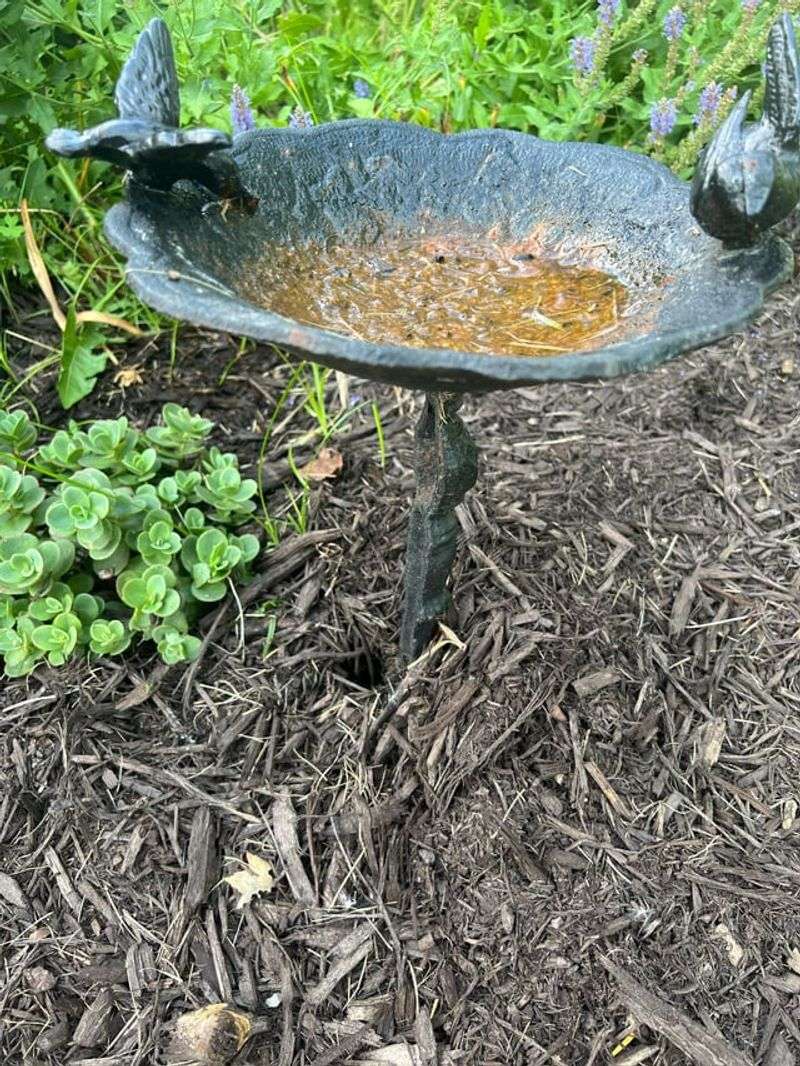
Birdbaths are truly amazing for gardens. They attract songbirds, enhance visual appeal, and support wildlife. No doubt about it.
However, if you let that water sit unchanged for a week in May, you’re giving mosquitoes a prime breeding ground in your yard.
Mosquitoes thrive in still, warm water. These conditions are nearly perfect for them, and a neglected birdbath is right in the middle of your outdoor space. Luckily, the solution is simple. Change the water every two to three days.
This one habit alone prevents mosquitoes from completing the early stages of their life cycle. Make sure to scrub the basin each time you refill it, as eggs and early larvae stick to the surface.
For even better results, consider adding a small solar-powered fountain or water wiggler. Moving water discourages egg-laying between changes, and birds actually prefer it.
Two issues resolved with one small addition. There’s no need to take out the birdbath. It has a place in your garden.
A small, regular routine keeps it just as it was meant to be, without turning it into a mosquito nursery right outside your back door.
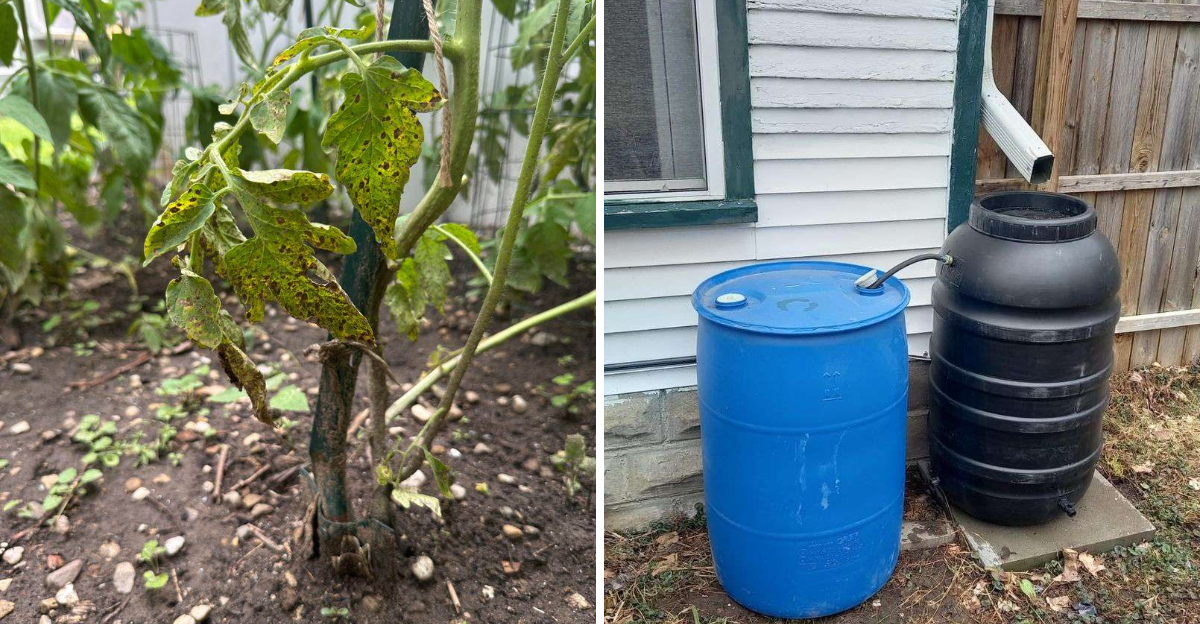
Rain Barrels Invite Mosquitoes Without Tight Screens
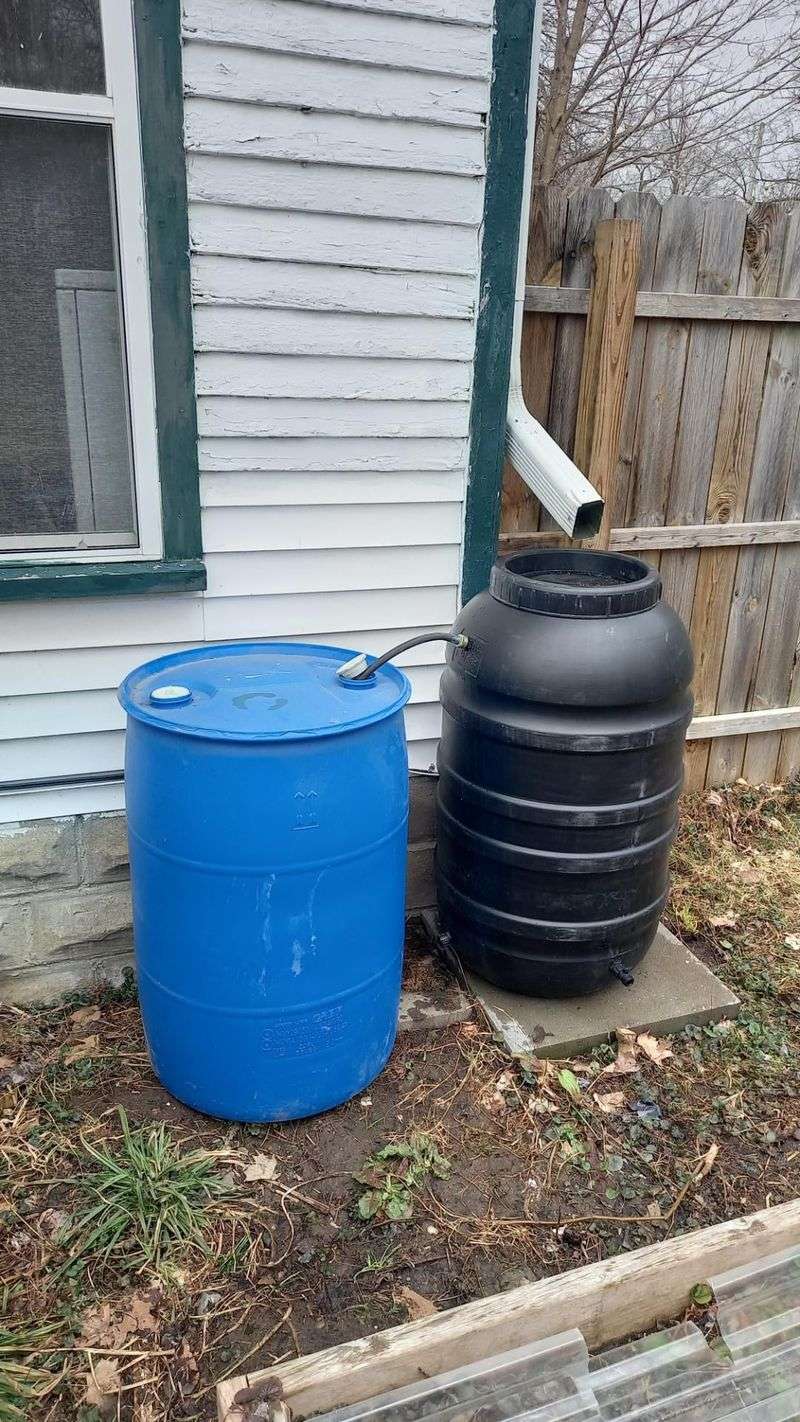
Rain barrels are a clever and environmentally friendly addition to any garden in Georgia. They help minimize runoff, decrease water expenses, and make the most of plentiful spring rains.
It’s hard to find a reason to disagree with them. However, the issue arises when a barrel is left open or has a poorly fitted screen. It becomes a large, sheltered pool of stagnant water.
This situation creates an ideal breeding ground for mosquitoes. Without a snug lid or fine mesh over every opening, mosquitoes can reach a lot of water fast.
Common entry points like overflow tubes and spigot connections are easy to overlook once the barrel is set up and forgotten.
It’s important to check every screen and seal at least once a month, especially after storms that might have shifted the cover. Replace any screens that have tears or gaps, and ensure the mesh is fine enough to keep out even the tiniest insects.
The overflow outlet should channel water to a drainage area that doesn’t collect, such as a gravel bed or a sloped lawn. While shade can help slow evaporation and limit algae growth, it does nothing to prevent mosquitoes from breeding inside the barrel.
A well-sealed barrel is truly a fantastic tool for the garden. Even a small opening in May can quietly lead to a mosquito population explosion for weeks without anyone realizing it. We don’t want that, right?
Dense Garden Growth Gives Mosquitoes Cool Resting Spots
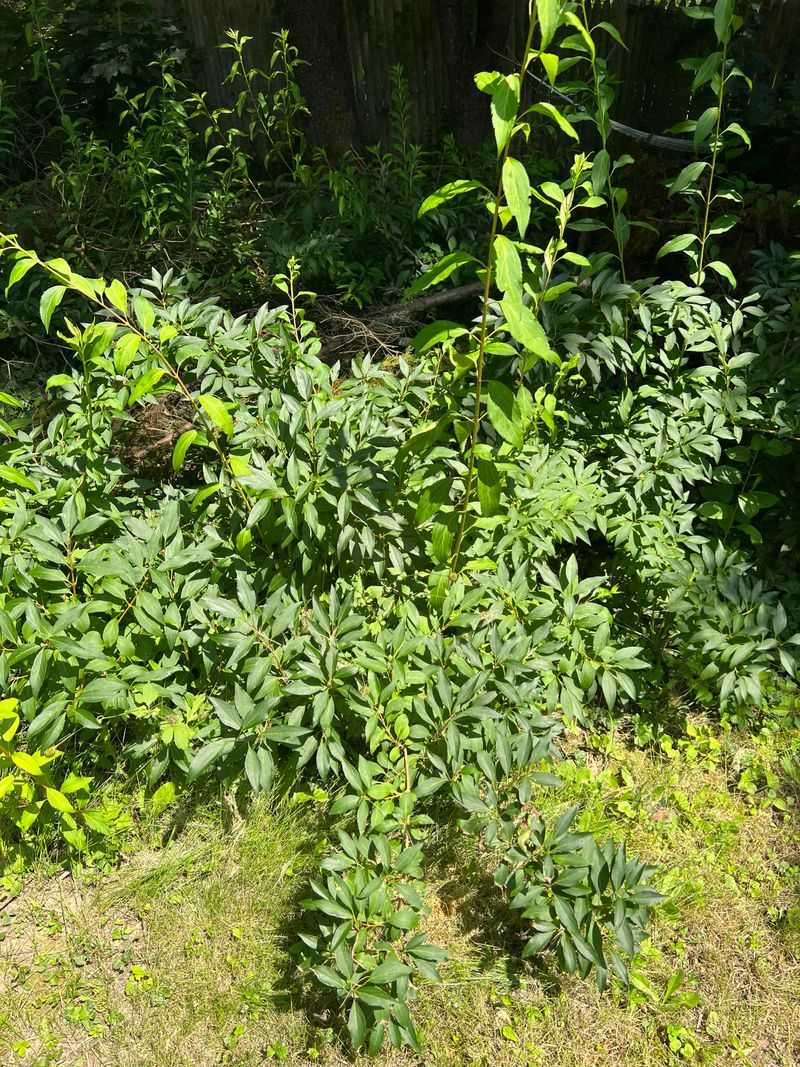
Not every mosquito issue in your garden is just about standing water. Adult mosquitoes like to chill out, and they have specific preferences for where they do it.
They prefer cool, shaded, and humid areas that protect them from wind and direct sunlight. A lush Georgia garden in May provides just that, and a lot of it.
Thick shrubs, tall weeds along the fence, and shady corners under decks and porches all serve as perfect hangouts for adult mosquitoes. When the afternoon heat kicks in, they hide in these spots.
As it cools down at dusk, they come back out. This is why you often see more mosquitoes buzzing around in the evening, especially in gardens with lots of plants nearby.
Trimming back overgrown shrubs and keeping the grass at a reasonable height can cut down on their cozy resting spots. Pay special attention to areas around patios, seating, and garden paths since those are where you spend your time.
Improving airflow in the garden also helps. Thinning out dense plantings and giving new plants some space makes it less inviting for resting mosquitoes.
Regularly clearing weeds along fences and back borders is a good idea, too. They grow quickly and can create large shaded areas in no time.
The goal isn’t to have a perfectly manicured yard, but to reduce the most sheltered spots near your outdoor living areas.
Overwatering Leaves Damp Areas Mosquitoes Favor
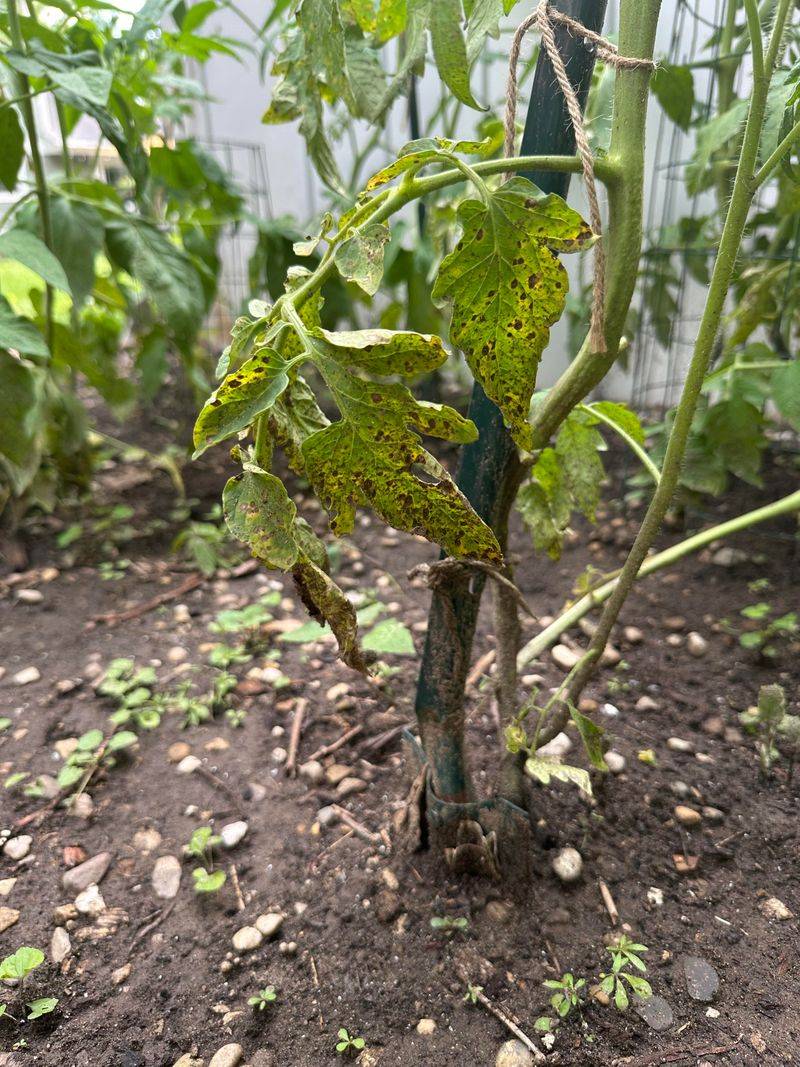
Soggy soil doesn’t attract mosquitoes like a container of standing water does, but it creates conditions that really help them thrive.
Constantly damp ground, especially in shaded or low-lying areas, can stay wet long enough to form small pools. Add nearby containers or plant saucers, and the moisture builds up even faster.
Overwatering is one of the most common ways gardeners create this problem. In May, it turns into a mosquito issue too. The clay-heavy soil in Georgia, which covers much of the state, drains slowly.
Water on top of already saturated soil from rain has nowhere to go, so it rises to the surface and lingers. Shaded beds dry out even slower, making the problem worse during a month filled with frequent rain. Luckily, the fix is easy.
Water deeply but less often. This encourages roots to grow deeper and allows the soil surface to dry out between watering.
Always check the soil moisture before watering instead of following a strict schedule. This simple habit can prevent a lot of unnecessary water buildup.
For areas that stay wet, adding organic matter, building raised beds, or regrading can greatly improve drainage.
Making small adjustments to how and when you water can dry out the garden, making it a less inviting place for mosquitoes. Now, go take your yard back.