8 Biggest Mistakes Florida Gardeners Make After A Frost
A rare Florida frost can flip a lush yard into a scene of wilted leaves, blackened stems, and sudden panic. Many gardeners rush outside at sunrise, ready to fix everything at once, yet quick moves often cause deeper damage than the cold itself.
Browning does not always mean death, and silent roots may still hold strong life beneath the soil. Wrong cuts, heavy water, extra fertilizer, and harsh sun exposure can turn a short cold snap into months of loss.
Experienced growers stay calm, read the signs, and protect recovery with smart, simple steps. One careless choice can cost an entire season of color, fruit, and growth.
Before you touch a single branch or reach for the hose, learn the most common errors that ruin post frost recovery across Florida landscapes each year and save your garden from avoidable setbacks.
1. Assessing Plant Damage Too Soon
Your garden looks rough after a cold snap, and the temptation to immediately judge which plants survived is overwhelming. But patience becomes your most valuable tool during this critical waiting period.
University of Florida IFAS Extension experts consistently recommend holding off on final assessments until new growth emerges in spring. What appears completely destroyed may actually be alive and well beneath the surface.
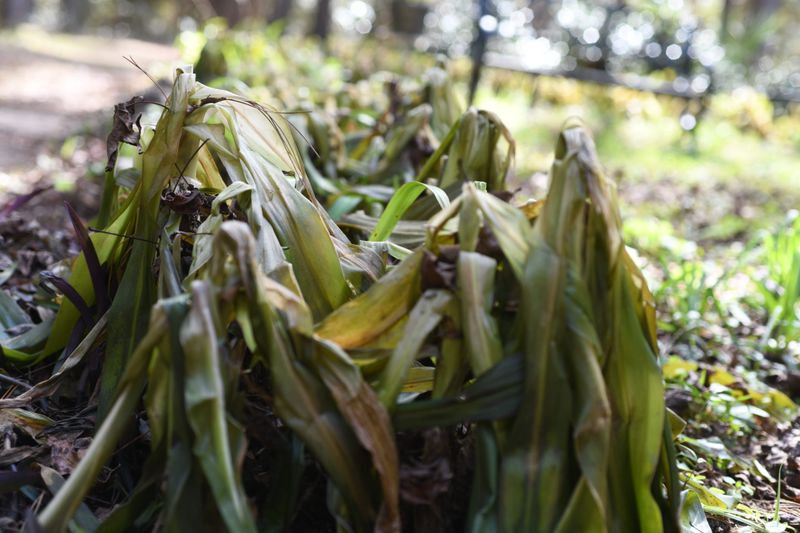
Frost damage often looks dramatically worse than the actual harm done to the plant’s core systems.
The timeline for evaluation depends on your specific Florida location and the plants involved. In Central and South Florida, you might see new growth within three to four weeks as temperatures warm.
North Florida gardeners may need to wait until late March or even April before making final decisions.
Check your plants weekly by gently scratching small sections of bark near the base. Green tissue underneath means the plant is still alive and capable of recovery.
Brown or gray tissue suggests that particular section has been compromised, but don’t give up on the entire plant yet.
Many tropical and subtropical species common in Florida gardens can regenerate from roots or lower stems even when everything above ground looks finished. Patience during assessment prevents you from removing plants that would have recovered beautifully with time.
2. Pruning Frost Damaged Plants Too Soon
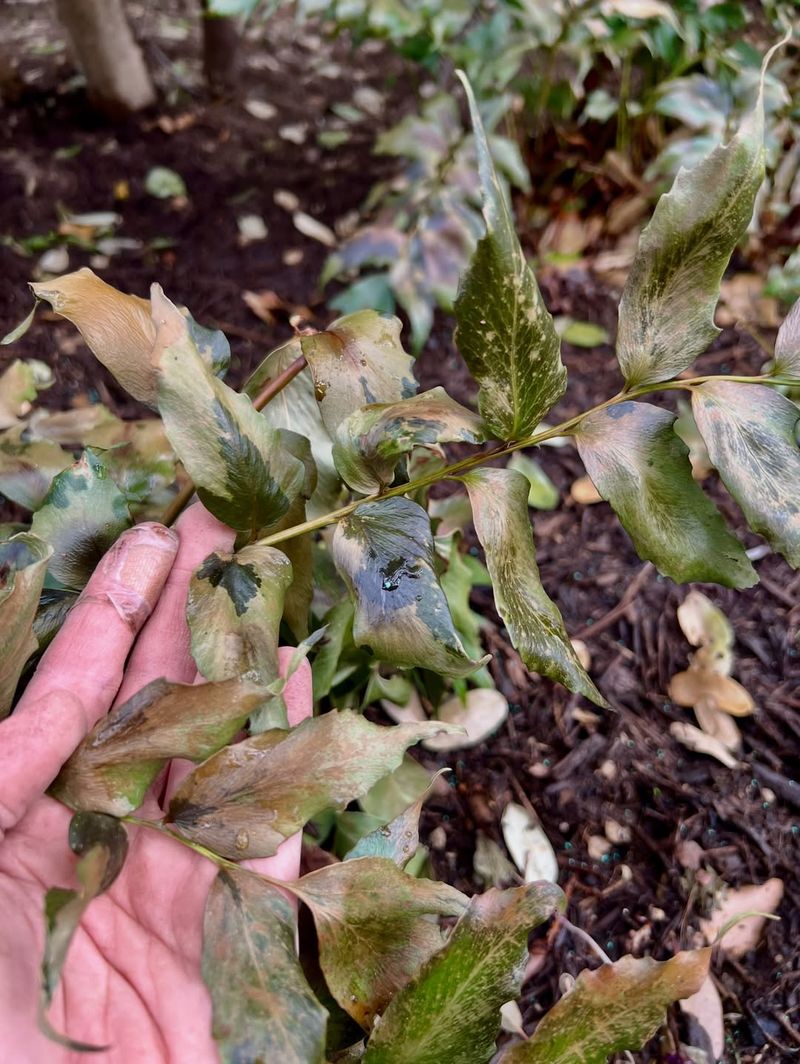
Grabbing your pruning shears the morning after a frost feels like the right move, but this impulse can seriously harm your plants. Those damaged leaves and stems actually serve an important protective function.
Damaged foliage can help protect inner tissue from additional cold exposure. When you remove this protective layer too early, you expose tender inner growth to potential damage from subsequent cold snaps.
Florida’s winter weather patterns often bring multiple cold events, not just one isolated frost.
IFAS guidelines specifically recommend waiting until all danger of frost has passed before pruning cold-damaged plants. For most of Florida, this means waiting until late February in the south, March in central areas, and potentially early April in northern counties.
The exact timing varies with each season’s weather patterns.
When you do finally prune, work carefully and gradually. Start by removing only the obviously damaged portions, cutting back to healthy green tissue.
Your Florida Garden Changes Every Week. Your Plan Should Too.
Gardening in Florida changes quickly throughout the season. Every Friday you’ll receive a simple weekly plan showing exactly what to plant, prune, fertilize, harvest, and protect so you never miss the right timing.
Make clean cuts just above a node or bud to encourage proper healing and new growth.
Some plants like citrus, palms, and tropical ornamentals need especially careful pruning approaches. Removing too much too soon forces the plant to expend energy on wound healing rather than root recovery and new growth development, significantly extending the overall recovery timeline.
3. Watering Too Much After A Frost
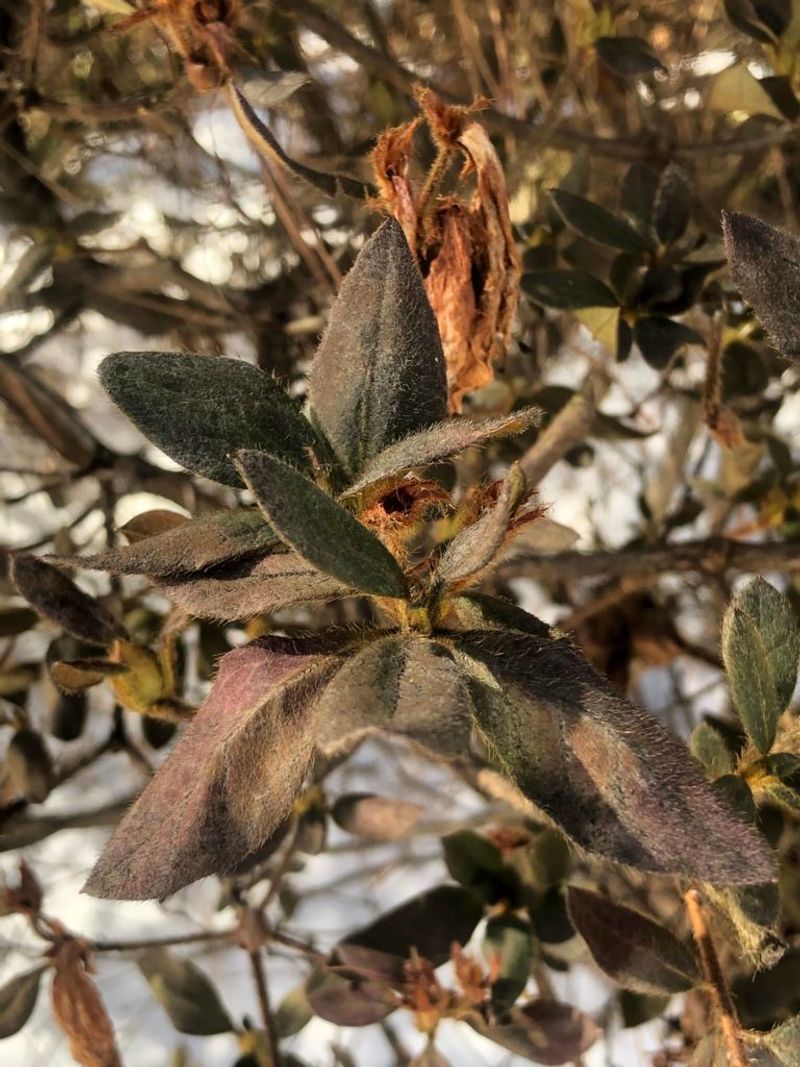
Cold-stressed plants often take up water more slowly, yet many gardeners respond to frost by increasing irrigation. This well-intentioned mistake creates more problems than it solves.
When plant tissues experience frost damage, their cellular structure becomes compromised. Roots affected by cold stress lose efficiency in taking up moisture and nutrients.
Adding excessive water to already struggling roots can lead to root rot, fungal problems, and further decline.
Florida’s sandy soils behave differently after cold weather compared to heavier clay soils found in other regions. Our soil drains quickly under normal circumstances, but cold temperatures slow evaporation and reduce plant water uptake simultaneously.
This combination means soil stays wetter longer than you might expect.
Light irrigation may be appropriate if several dry days follow the frost event and temperatures warm up significantly. Check soil moisture by feeling the soil several inches down before watering.
If it feels moist, wait. Plants in a semi-dormant recovery state need far less water than actively growing plants.
Pay special attention to container plants, which can develop root problems more quickly than in-ground plantings. Their confined root systems are more vulnerable to both cold damage and moisture imbalances.
Adjust your watering schedule based on actual plant needs rather than your pre-frost routine.
4. Fertilizing Stressed Plants At The Wrong Time
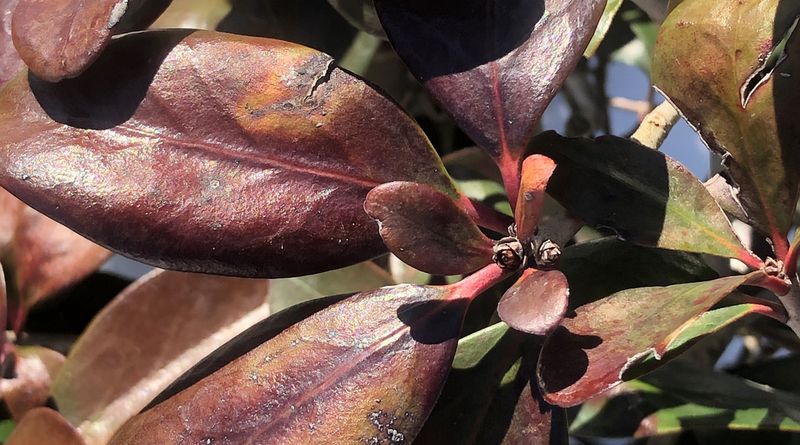
Seeing your damaged plants struggling makes you want to help them recover quickly, and fertilizer seems like an obvious solution. But feeding stressed plants too soon actually forces them into a vulnerable position.
Fertilizer stimulates new growth, and that’s exactly what frost-damaged plants cannot support yet. Their root systems need time to heal before they can effectively absorb nutrients and support fresh foliage.
Pushing weak plants to produce new growth diverts energy away from essential root recovery.
IFAS recommendations emphasize waiting until plants show clear signs of natural recovery before resuming fertilization. This typically means waiting until danger of frost has passed and healthy new growth is visible.
When you do begin fertilizing again, start with reduced amounts rather than your normal application rates. A half-strength feeding allows you to support recovery without overwhelming the plant’s still-healing system.
Gradually return to regular feeding schedules as plants demonstrate vigorous growth.
Consider using a balanced, slow-release fertilizer formulated for Florida conditions when you resume feeding. These products provide steady nutrition over time rather than a sudden burst that stressed plants cannot process efficiently.
Your patience with fertilization timing significantly impacts how well your garden recovers.
5. Removing Plants That Could Recover
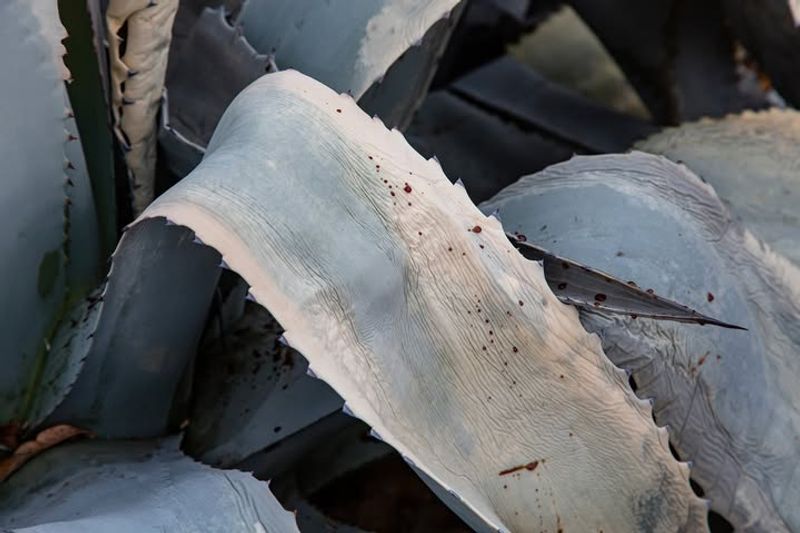
That hibiscus looks completely finished, and the banana plants have turned to brown mush. Your instinct screams to rip everything out and start fresh.
But many Florida plants possess remarkable regenerative abilities that gardeners often underestimate.
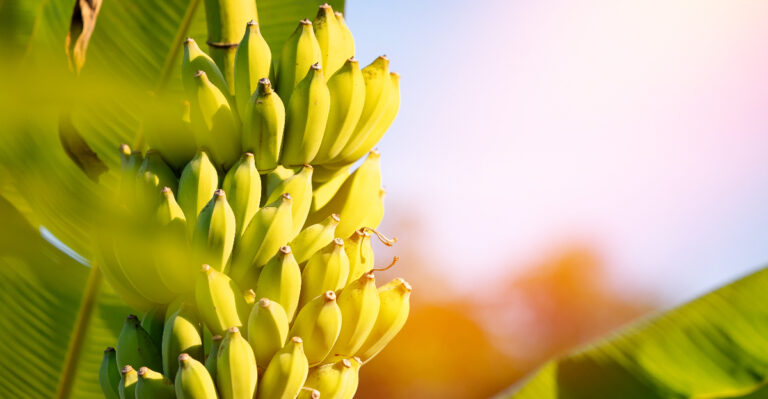
Tropical and subtropical species adapted to Florida’s climate frequently survive cold events by going dormant above ground while maintaining living root systems. Bananas, gingers, cannas, and many perennials will send up entirely new growth from underground rhizomes once warm weather returns.
Removing these plants prematurely eliminates specimens that would have recovered completely.
The scratch test remains your most reliable assessment tool. Use your fingernail or a small knife to gently scrape away a tiny section of bark near the plant’s base.
Green tissue underneath indicates living cambium that can support new growth. Work your way up the stem, checking every few inches to determine how much of the plant survived.
Even woody shrubs and small trees that look completely brown may have living tissue at ground level. Many will resprout from the base or develop new shoots along lower portions of the trunk.
These plants may lose their original shape but can be retrained over time.
Give questionable plants at least two to three months of warm weather before making final removal decisions. The recovery timeline surprises many gardeners who assumed their plants were beyond saving.
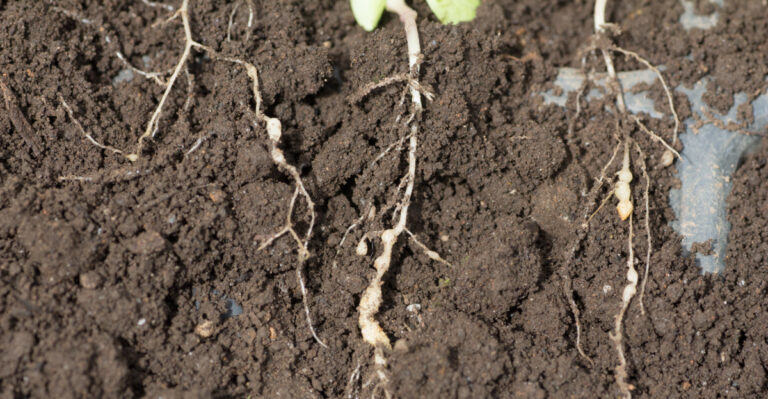
6. Ignoring Root And Soil Health After Cold Stress
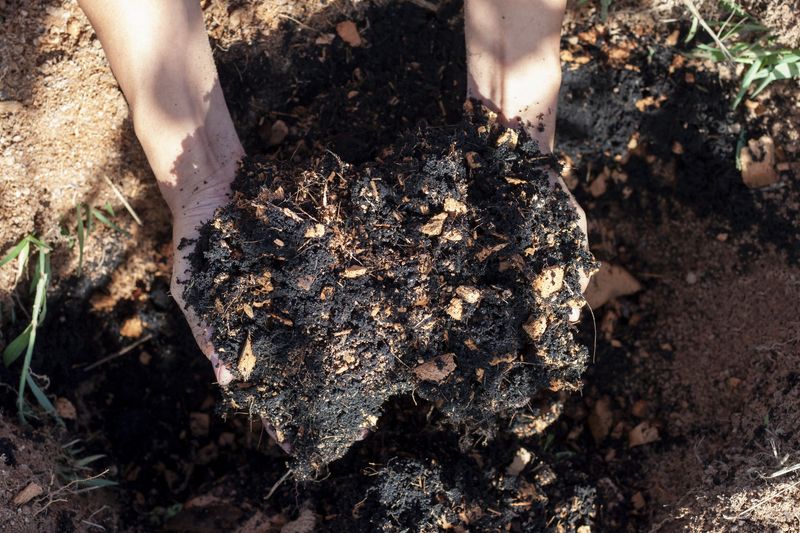
Everyone focuses on the dramatic visible damage to leaves and stems, but the real recovery happens underground where you cannot see it. Root health determines whether your plants bounce back or continue struggling.
Soil temperature affects root function more than most gardeners realize. Cold soil slows all biological activity, including root growth and nutrient uptake.
Florida’s sandy soils warm faster than clay soils, which generally works in our favor, but they also lose heat quickly during cold snaps. This temperature fluctuation stresses root systems.
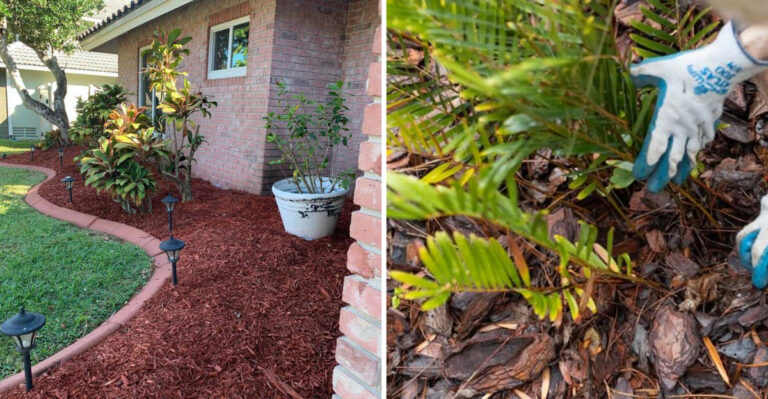
Adding a fresh layer of mulch after frost danger passes helps stabilize soil temperature and retain moisture at appropriate levels. A two to three inch layer of quality mulch insulates roots, moderates temperature swings, and gradually adds organic matter to our typically nutrient-poor sandy soils.
Keep mulch a few inches away from plant stems to prevent rot issues.
Avoid disturbing the soil around cold-stressed plants. Their roots are already compromised, and digging or cultivating near them causes additional damage.
Let the soil and root zone rest and recover naturally without interference.
Consider the mycorrhizal relationships that help Florida plants access nutrients in our challenging soils. Cold temperatures can temporarily slow beneficial soil activity.
Supporting overall soil health through organic matter and minimal disturbance helps these partnerships recover along with your plants.
7. Cutting Back Palms And Tropical Plants Incorrectly
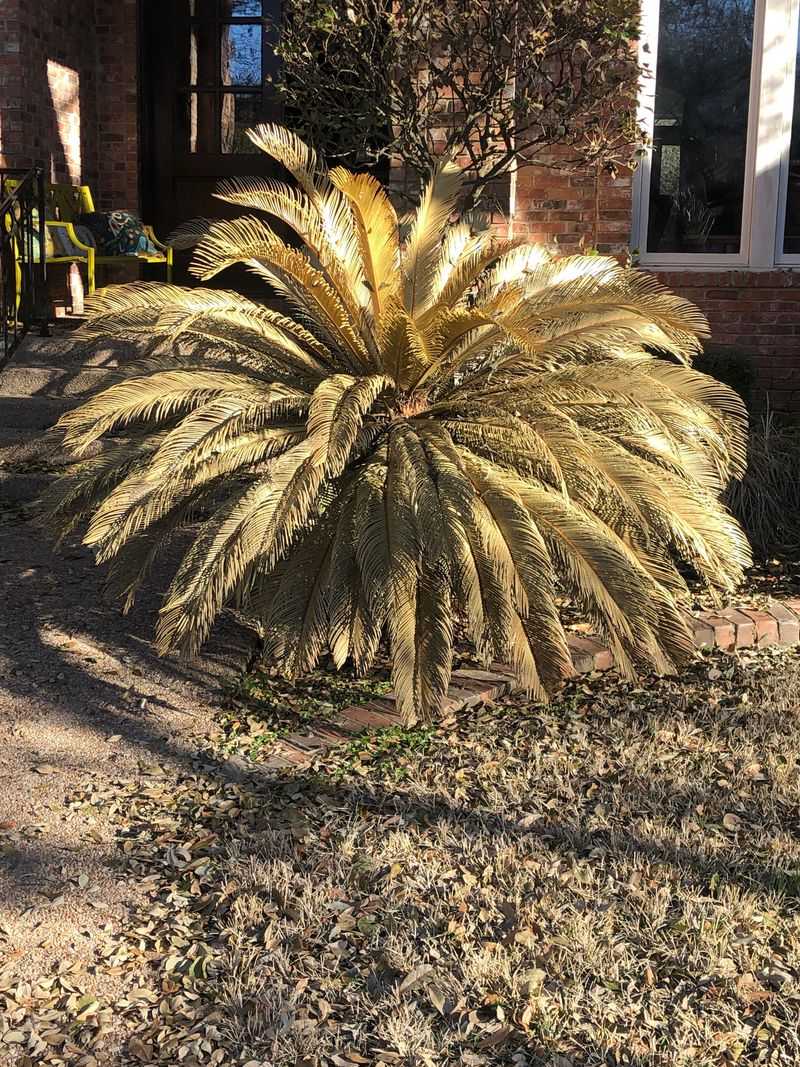
Palms require special consideration after cold weather, and the pruning rules that apply to other plants can seriously harm these iconic Florida landscape features. Understanding proper palm care after frost prevents long-term damage.
IFAS guidance on palm pruning is very specific and often contradicts what seems intuitive. Remove only fronds that are completely brown and withered.
Any frond with green tissue remaining, even if partially damaged, should stay on the tree. These partially green fronds continue photosynthesis and provide energy the palm needs for recovery.
The growing point of a palm sits at the very top of the trunk in the bud or heart. If the bud is destroyed, the palm will not survive.
But if the heart remains firm and shows any green color, the palm will likely survive. Wait several months before making final judgments about palm survival.
Never cut into the trunk itself or remove the green boot material at the base of fronds. This tissue protects the trunk and removing it creates entry points for diseases and pests.
Clean, sharp tools prevent ragged cuts that heal slowly.
Other tropical plants like bird of paradise, ginger, and heliconia benefit from similar patience. Leave damaged foliage in place until new growth begins emerging, then carefully remove only the deceased material without disturbing new shoots.
8. Failing To Protect Plants From The Next Cold Snap
Florida’s winter weather rarely delivers just one isolated cold event. Our climate patterns typically bring multiple cold fronts throughout winter, and plants weakened by initial frost damage become even more vulnerable to subsequent cold snaps.
Monitoring weather forecasts becomes essential after the first frost. Plants that survived the initial cold may not withstand another freeze in their weakened condition.
Having protection materials ready allows you to act quickly when forecasts predict dropping temperatures.
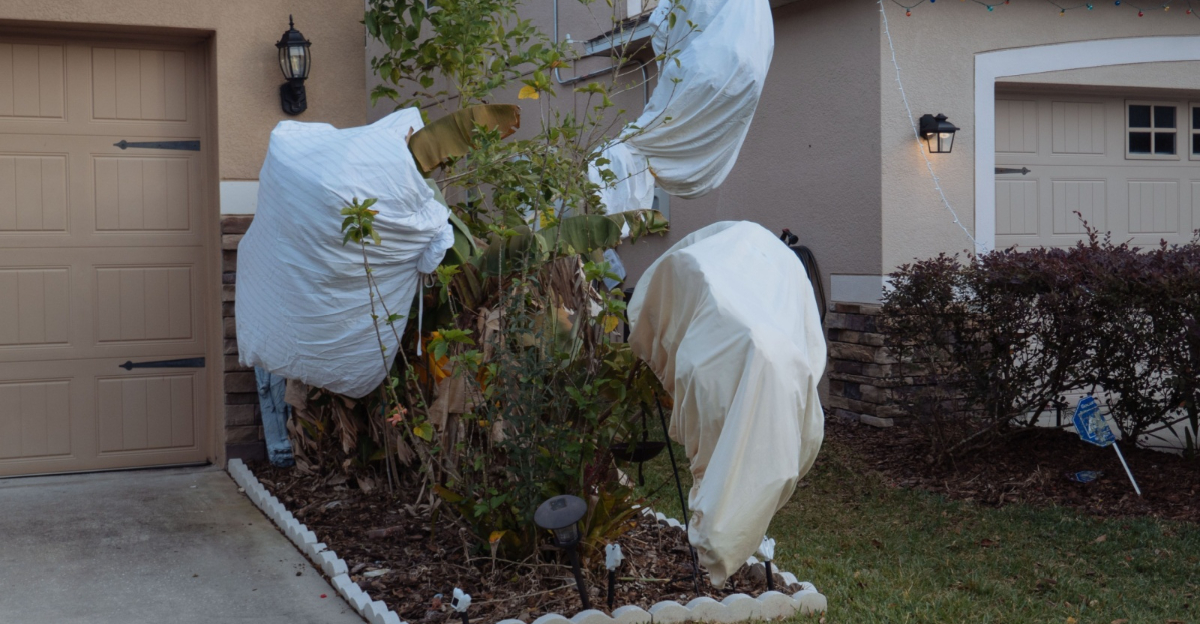
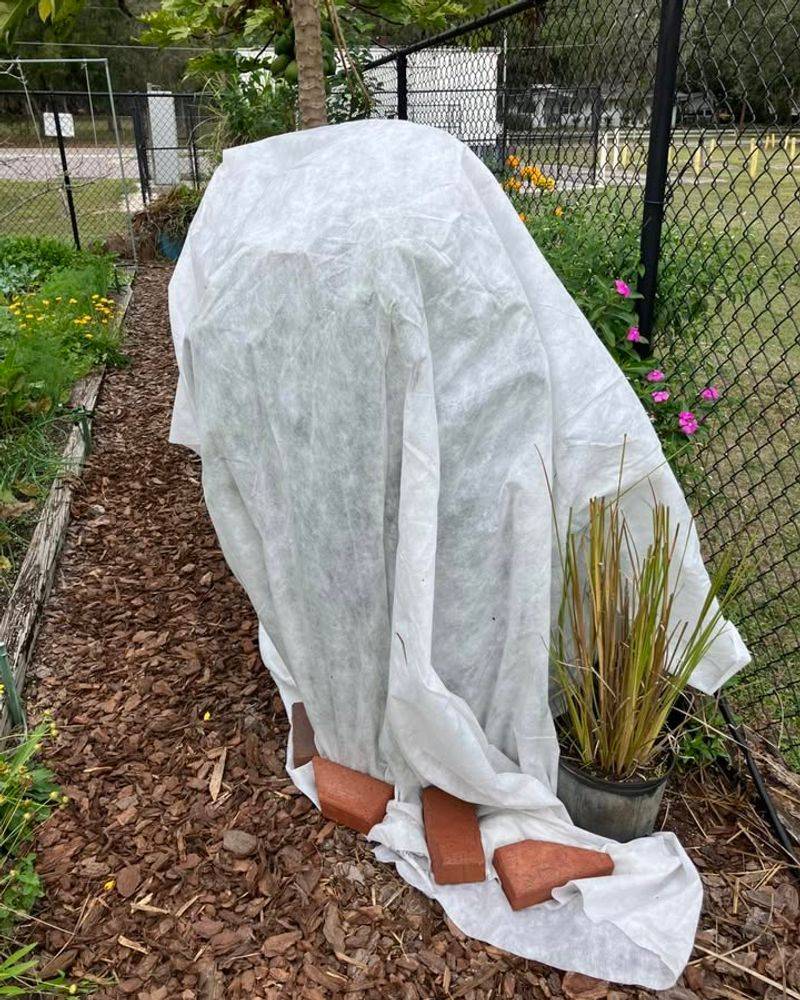
Frost cloth or frost blankets provide excellent protection and can be reused throughout the season. These breathable fabrics trap heat radiating from the soil while allowing moisture to escape, preventing the fungal problems that plastic sheeting can cause.
Drape fabric over plants in late afternoon before temperatures drop, ensuring it reaches the ground to trap maximum warmth.
Watering plants thoroughly the day before an expected frost helps protect roots. Moist soil retains and releases heat better than dry soil.
But avoid watering frozen or frosted plants, as this can cause additional damage.
Take advantage of microclimates in your yard. Areas near south-facing walls, under eaves, or surrounded by other plants stay warmer than exposed locations.
Moving container plants to protected spots or temporarily relocating tender specimens can save significant recovery time and prevent additional stress to already compromised plants.