What Freeze Crack Looks Like On Florida Shrubs (And How To Help Them Recover)
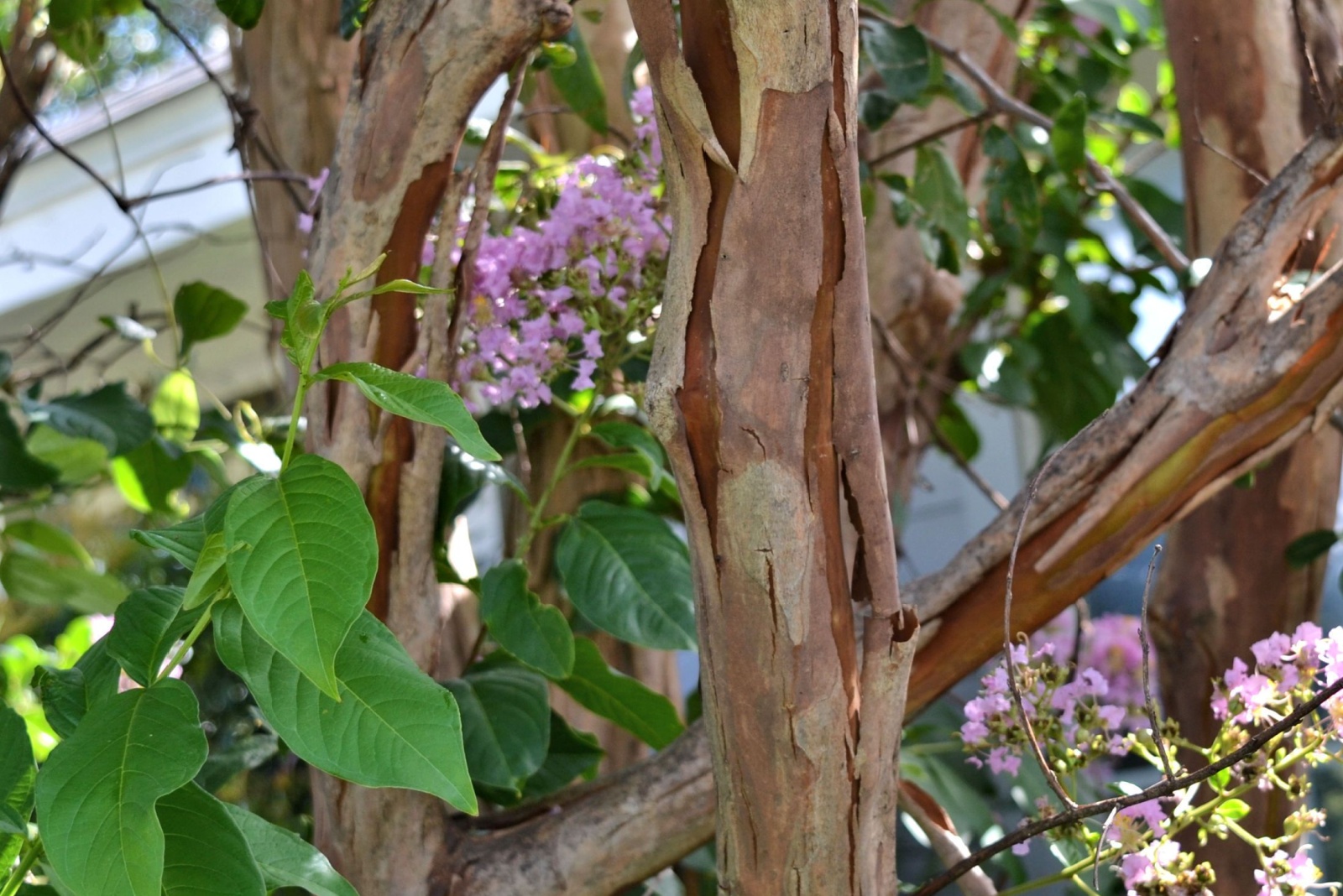
A silent winter night can leave Florida shrubs marked by damage few gardeners expect. Morning light reveals deep, jagged splits running through bark and stems, as though the plant cracked under invisible pressure.
Leaves droop, color fades, and once healthy growth seems suddenly fragile. Many assume the shrub faces certain decline, yet the real story hides beneath the surface.
Panic, quick cuts, and harsh treatments often make the wound worse, turning a single cold event into long term struggle. Experienced gardeners know this moment demands patience, sharp observation, and the right response at the right time.
One overlooked detail can decide survival or loss. Before you step in with tools or treatments, take a closer look at the warning signs freeze damage leaves behind and uncover the truth your shrubs quietly reveal after the cold passes.
1. Vertical Splits Along The Bark Surface
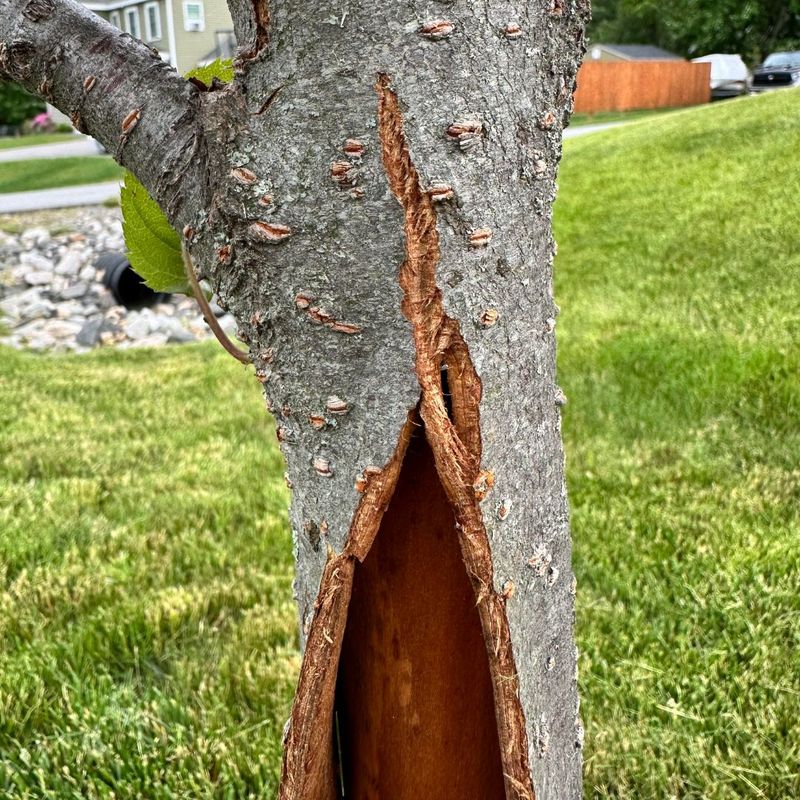
Rapid temperature drops during Florida winter nights can cause one of the most visible signs of cold stress on shrubs. When the outer bark cools and contracts faster than the inner wood, tension builds until the bark splits apart.
These vertical separations often run several inches along the stem, creating straight or gently zigzagging lines that expose the layers beneath.
Florida shrubs with smooth, thin bark are particularly vulnerable to this type of damage. Gardenias, hibiscus, and crotons commonly show these symptoms after sudden freezes.
The splits typically appear on the south or southwest side of stems, where afternoon sun warms the bark before nighttime temperatures plummet.
Most gardeners notice these cracks within a day or two after a cold event. The good news is that many shrubs can seal these wounds naturally over time.
Resist the urge to cover the crack with paint or sealant, as UF IFAS guidance indicates that plants heal better when left exposed to air.
Monitor the affected stems over the following weeks. Keep the plant properly watered and avoid fertilizing immediately after cold damage.
Patience allows you to see which stems retain healthy tissue and which may need removal later in spring.
2. Long Narrow Cracks That Expose Inner Wood
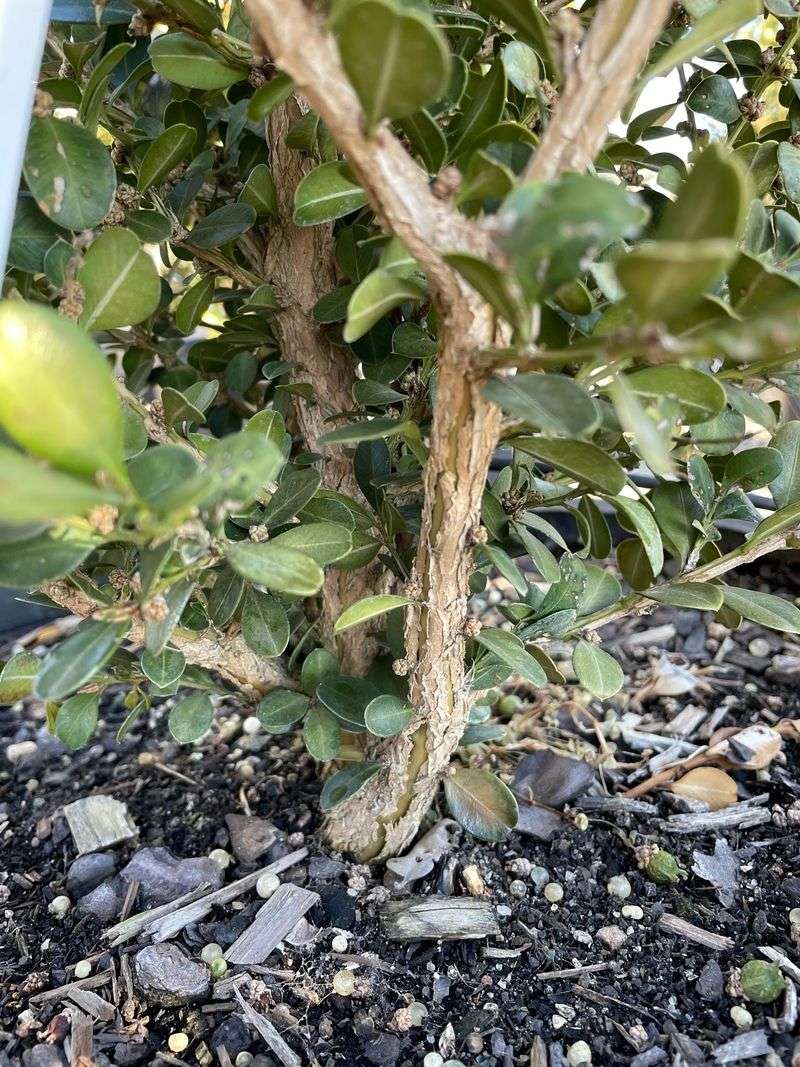
Some freeze cracks extend deeper than surface splits, creating narrow openings that reveal the wood beneath the bark. When you look into these cracks, you might see pale or cream-colored tissue if the inner wood remains healthy.
This exposure happens when temperature stress causes more significant separation between bark layers.
The width and depth of these cracks vary depending on how quickly temperatures dropped and how mature the shrub is. Younger stems with thinner bark often show shallower cracks, while older, established branches may develop deeper separations.
Florida gardeners should inspect these cracks gently without pulling bark away or probing the wound.
Healthy inner wood typically appears light in color and feels firm to gentle touch. If the exposed tissue looks brown, mushy, or has an off odor, the damage may be more extensive.
Even deeper cracks can heal if enough cambium tissue remains functional.
Avoid applying wound dressings or tree paint to these cracks. Research from Florida horticultural experts confirms that exposed wounds actually heal faster when air can reach them.
Your Florida Garden Changes Every Week. Your Plan Should Too.
Gardening in Florida changes quickly throughout the season. Every Friday you’ll receive a simple weekly plan showing exactly what to plant, prune, fertilize, harvest, and protect so you never miss the right timing.
Keep the plant adequately watered and watch for signs of new growth in the weeks following the freeze.
3. Peeling Or Lifting Bark After Cold Nights
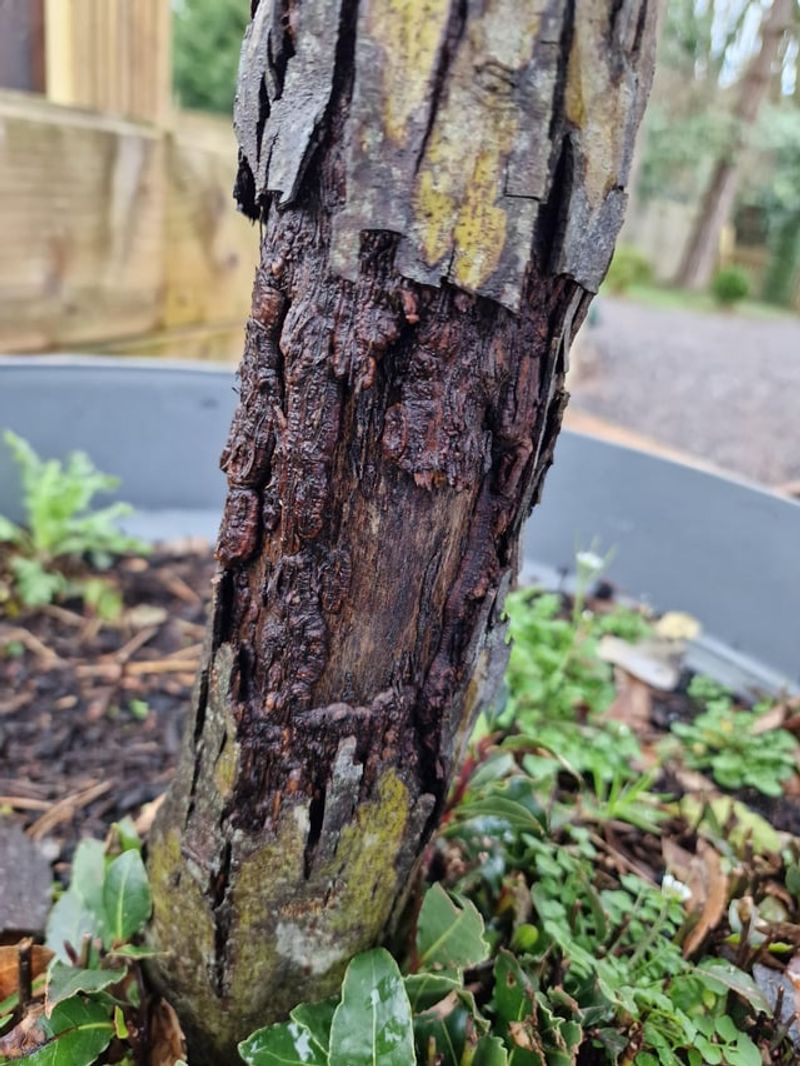
After experiencing freeze and thaw cycles, some shrub bark begins to loosen and lift away from the stem. This happens because the expansion and contraction process disrupts the connection between bark layers and the wood underneath.
You might notice edges of bark curling outward or entire sections that feel spongy when touched lightly.
In Florida landscapes, this symptom often appears a few days after the initial cold event rather than immediately. Plants like azaleas, ixoras, and firebush sometimes show this delayed response.
The loosening occurs as damaged cells begin to break down and moisture moves through compromised tissue.
Some bark peeling is part of the natural healing process. The shrub may shed damaged outer bark to protect healthy tissue beneath.
However, if large sections of bark slip off easily when touched, the damage may be more serious. Wait several weeks before making decisions about pruning.
Resist the temptation to pull away loose bark, even if it looks unsightly. Let the plant determine which bark to shed naturally.
Continue normal watering practices and avoid fertilizing until you see clear signs of new growth.
Many Florida shrubs recover fully even when bark peeling looks concerning initially.
4. Darkened Bark Around The Damaged Area
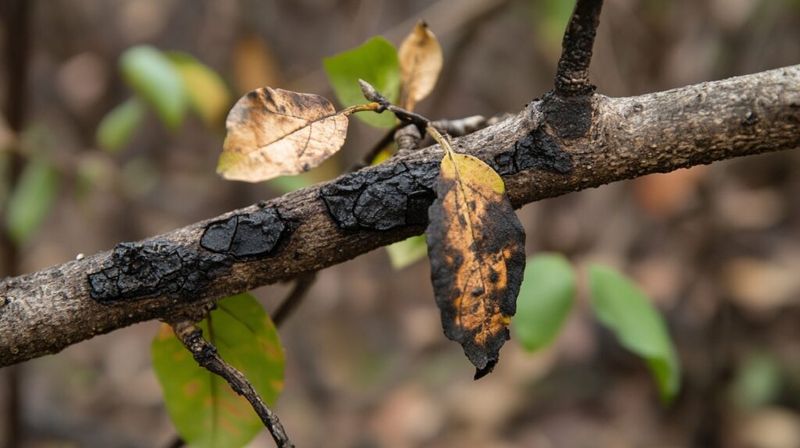
Discoloration around freeze cracks is a common response as damaged bark loses moisture and undergoes chemical changes. The tissue surrounding splits often turns darker brown, gray, or even black as cells break down and dry out.
This color change can spread several inches beyond the original crack over the course of days or weeks.
Florida’s intense sunshine can accelerate this darkening process. When bark splits open, the exposed tissue loses its protective outer layer and becomes vulnerable to sun damage and moisture loss.
South-facing stems often show more pronounced discoloration because they receive stronger afternoon sun exposure.
The darkened appearance doesn’t always mean the entire stem has lost viability. Beneath the discolored surface, healthy tissue may still be functioning normally.
UF IFAS guidance recommends waiting to assess true damage until new growth appears in spring, as external appearance can be misleading.
Keep an eye on how far the discoloration spreads. If it remains localized around the crack, the plant is likely compartmentalizing the damage successfully.
If darkening continues to expand rapidly, that stem section may have more extensive injury. Maintain consistent watering and avoid stressing the plant further with heavy pruning or fertilization during the recovery period.
5. Sunken Or Dry Patches On The Stem
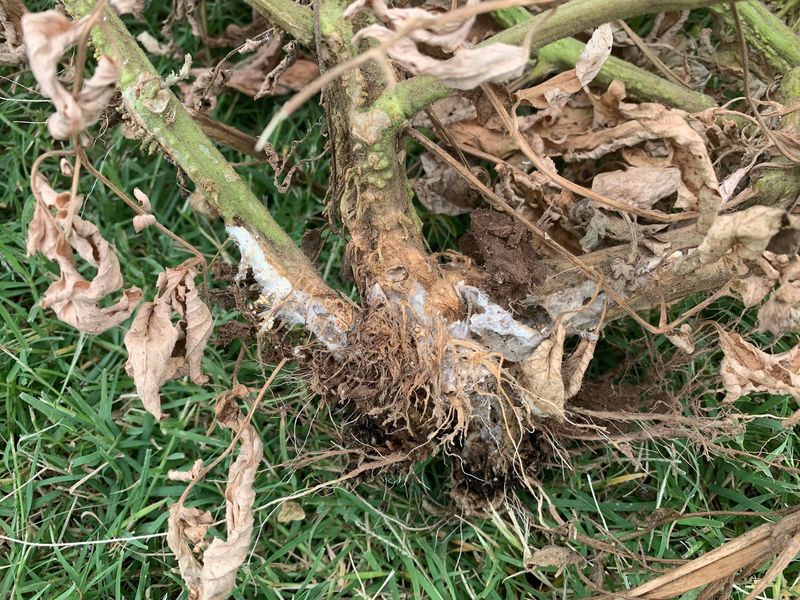
Damaged tissue sometimes shrinks slightly as cells lose moisture and structural integrity, creating subtle depressions along the stem. These sunken areas might feel different in texture compared to healthy bark nearby.
When you run your finger gently along the stem, you can often detect these slight indentations even if they’re not immediately visible.
This symptom develops gradually rather than appearing right after a freeze. As damaged cells break down, they lose turgor pressure and the tissue collapses inward slightly.
Florida shrubs with succulent or water-filled stems, like certain tropical varieties, may show this symptom more prominently than woody plants.
Distinguishing between surface damage and deeper injury takes careful observation. If only the outer bark appears sunken but the stem remains firm underneath, the damage is likely superficial.
If the entire stem feels soft or hollow in the sunken area, the injury may extend through more tissue layers.
Patience is essential when evaluating these patches. Many shrubs successfully route water and nutrients around damaged areas while healing tissue slowly fills in the depression.
Avoid cutting into sunken areas to investigate, as this can introduce disease.
Instead, maintain proper care and wait for spring growth to reveal the plant’s true condition.
6. Delayed Leaf Drop Near The Crack
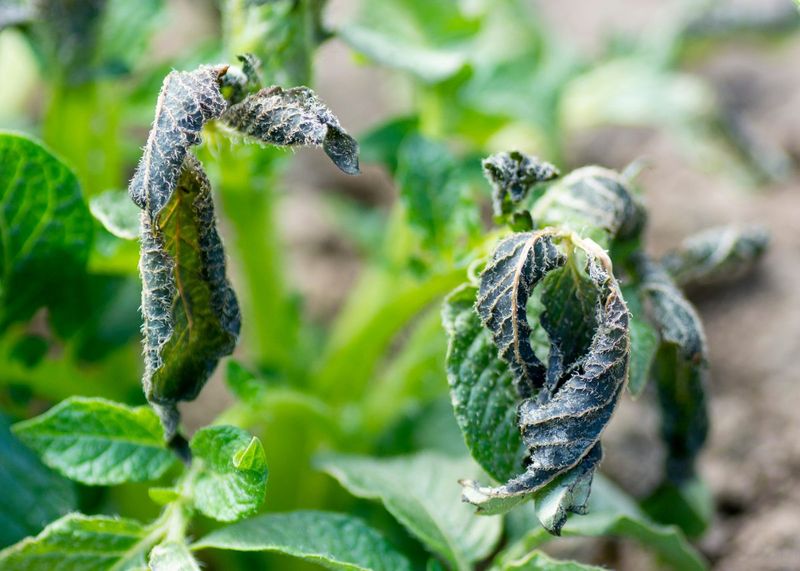
Sometimes leaves near damaged stems remain green for days or even weeks after a freeze before suddenly turning yellow and falling. This delayed response occurs because the shrub needs time to assess which stems can continue supporting foliage.
As the plant redirects energy and resources away from compromised areas, leaves in those zones eventually decline.
Florida gardeners often notice this pattern on azaleas, ligustrum, and pittosporum after cold snaps. The leaves may look perfectly healthy initially, leading to false hope that the stem escaped damage.
However, as the plant seals off damaged tissue to protect itself, it stops sending water and nutrients to foliage above the injury.
This leaf drop is actually a protective mechanism rather than a sign of complete failure. The shrub is conserving resources by shedding leaves it can no longer support efficiently.
Watch for new buds forming below the damaged area, which indicates the plant is redirecting growth to healthy tissue.
Resist the urge to prune stems just because leaves are dropping. Many Florida shrubs will push new growth from lower buds once temperatures stabilize.
Wait until late spring to evaluate which stems are truly non-viable.
Early pruning can remove stems that might have recovered with patience.
7. New Growth Appearing Below The Injury
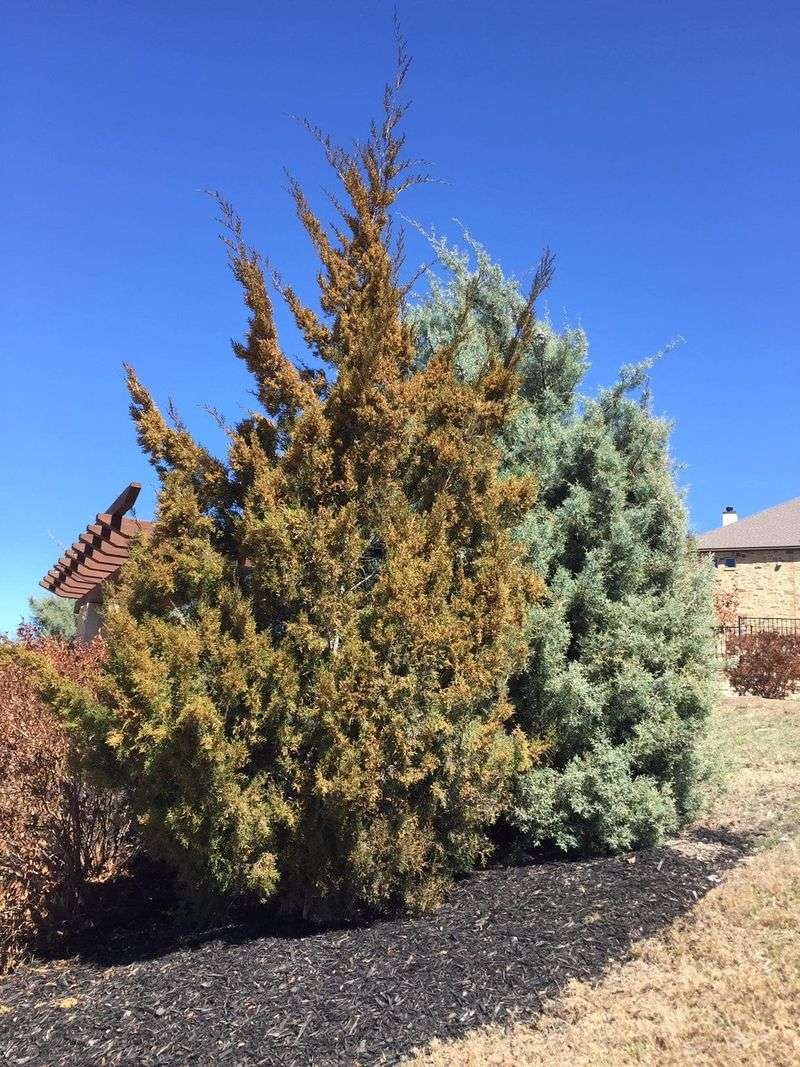
One of the most encouraging signs after freeze damage is fresh green growth emerging from buds below the cracked area. This new foliage indicates that the root system remains healthy and the plant is actively recovering.
You might notice tiny leaf buds swelling or small shoots pushing out from nodes along the lower stem.
This regrowth pattern is common in Florida shrubs because the damage typically affects only the exposed portions of stems while roots and lower branches remain protected. Plants like hibiscus, plumbago, and lantana frequently show this recovery response.
The new growth often appears more vigorous than the original foliage, as the plant channels energy into rebuilding.
When you see this regrowth starting, it’s tempting to prune away damaged portions immediately. However, University of Florida IFAS Extension recommends waiting until the full extent of recovery is clear.
The damaged stem above new growth might still be transporting some nutrients, and early removal can stress the plant unnecessarily.
Once frost danger has passed and new shoots are actively growing, light fertilization can support recovery. Avoid heavy nitrogen applications that might push excessive soft growth vulnerable to future cold.
Let the plant’s natural recovery process guide your pruning decisions, which should ideally wait until late spring when all new growth has emerged.
8. Gradual Healing And Bark Closing Over Time
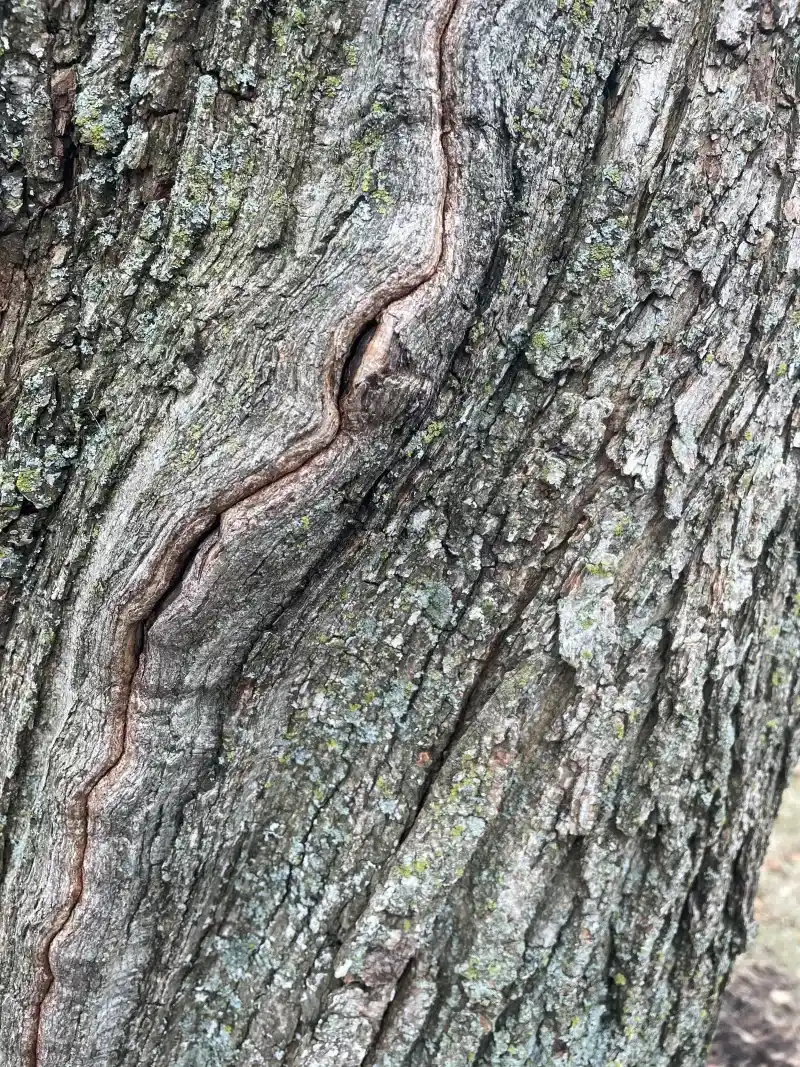
As weeks and months pass after a freeze event, healthy shrubs begin the remarkable process of sealing damaged bark. The cambium layer, which sits just beneath the bark, produces new tissue that gradually grows over cracks and splits.
This callus tissue appears as slightly raised, often lighter-colored material forming along the edges of wounds.
The healing timeline varies considerably depending on the shrub species, the extent of damage, and growing conditions. In Florida’s warm climate, healing often progresses faster than in northern states, with visible callus formation sometimes appearing within four to six weeks.
However, complete closure of larger cracks may take an entire growing season or longer.
During this healing period, proper care makes a significant difference. Adequate water helps the plant produce new cells, while avoiding fertilizer stress prevents the plant from being pushed to grow faster than it can support.
Mulching around the base helps maintain even soil moisture and temperature.
UF IFAS guidance notes that most freeze cracks heal without intervention when plants receive proper care. The sealed bark may look slightly different in texture or color than surrounding tissue, but the stem regains full function.
Trust in this natural process and resist applying wound dressings that can actually slow healing by trapping moisture and preventing air circulation.