What Gardeners Should Know About Illegal Plants Spreading Across Texas
Gardening in Texas often feels like a race against the elements, but sometimes the real challenge comes from unexpected plants creeping into the landscape. At first glance, they may look harmless or even attractive.
Some grow fast, cover bare spots, and seem like an easy way to fill space. Over time, though, these plants can spread aggressively and create serious problems for yards, local ecosystems, and even nearby properties.
Across Texas, certain species are considered illegal because of how quickly they take over and push out native plants. Once established, they are difficult to control and can damage soil balance, wildlife habitats, and surrounding vegetation.
Many gardeners do not realize they are dealing with restricted plants until the spread is already underway.
Knowing how to recognize these plants and why they are regulated can help you protect your garden and the natural environment. A little awareness goes a long way in keeping your outdoor space healthy and responsible.
1. The Growing Problem In Texas Gardens
Invasive plants are spreading through Texas faster than most homeowners realize. What started as a few decorative pond plants or pretty flowering vines has turned into a statewide ecological crisis.
Many of these aggressive species were originally sold as ornamental additions to water gardens and landscapes.
Texas weather creates ideal conditions for these invaders to thrive. Hot summers, mild winters, and periodic flooding give fast-growing plants every advantage they need.
When heavy rains flood neighborhoods and waterways, plant fragments and seeds travel miles from their original locations.
Human activity speeds up the problem considerably. Gardeners unknowingly share cuttings of banned plants with friends and neighbors.
Online plant sales sometimes include species that shouldn’t cross state lines. Even discarded aquarium plants tossed into ponds can establish new invasive colonies within weeks.
This matters to everyday home gardeners more than you might think. Having illegal plants on your property can result in fines and mandatory removal costs.
Beyond legal trouble, these plants damage your local environment by crowding out native species that birds, butterflies, and beneficial insects depend on for survival.
The scale of this issue continues growing each year. State agencies spend millions trying to control just a few problematic species.
Meanwhile, new invasive plants keep arriving through various channels. Understanding this problem represents the first step toward protecting your garden and your community from these aggressive invaders that threaten Texas ecosystems.
2. What Makes A Plant Illegal In Texas?
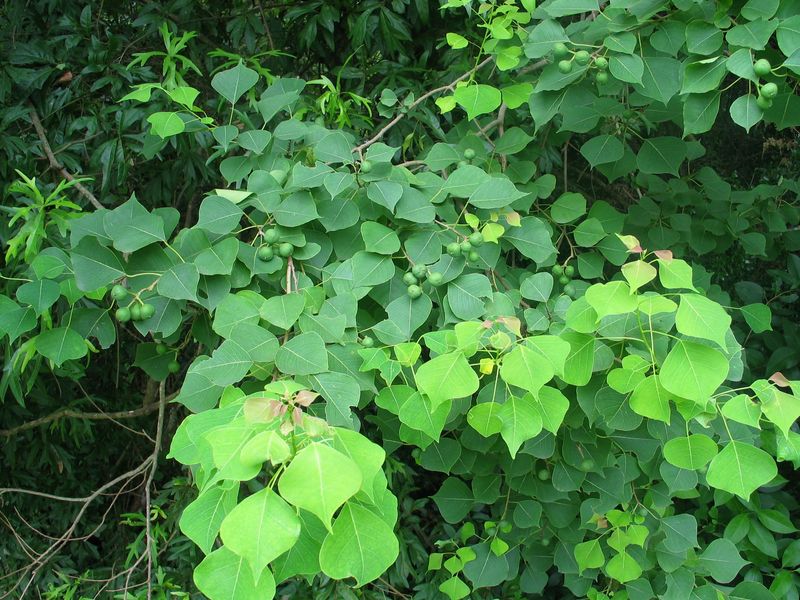
Not all troublesome plants fall into the same legal category in Texas. The state classifies problem plants as illegal, invasive, or restricted based on the threat they pose. Each classification comes with different rules about what gardeners can and cannot do.
Illegal plants cannot be sold, transported, or grown anywhere in Texas. These represent the most dangerous species that cause severe ecological or economic damage.
Possessing them on your property violates state law even if you planted them years ago when they were still legal.
Invasive plants spread aggressively but might not carry criminal penalties for homeowners. However, they’re strongly discouraged and often banned from sale.
Your Texas Garden Changes Every Week. Your Plan Should Too.
Gardening in Texas changes quickly throughout the season. Every Friday you’ll receive a simple weekly plan showing exactly what to plant, prune, fertilize, harvest, and protect so you never miss the right timing.
Restricted plants have limitations on where they can be grown or how they can be transported within Texas borders.
These laws exist to protect three critical areas. Agriculture suffers when invasive plants compete with crops or harbor pests.
Water resources become unusable when aggressive aquatic plants clog irrigation systems and reservoirs. Native ecosystems collapse when invasive species push out plants that local wildlife needs for food and shelter.
Most gardeners break these rules completely by accident. Someone inherits a property with banned plants already growing.
Another person accepts free plants from a neighbor without checking their legal status. Others buy plants online from out-of-state sellers who don’t follow Texas regulations.
Understanding plant classifications helps you avoid unintentional violations that could result in expensive consequences down the road.
3. The Most Problematic Illegal Plants Right Now
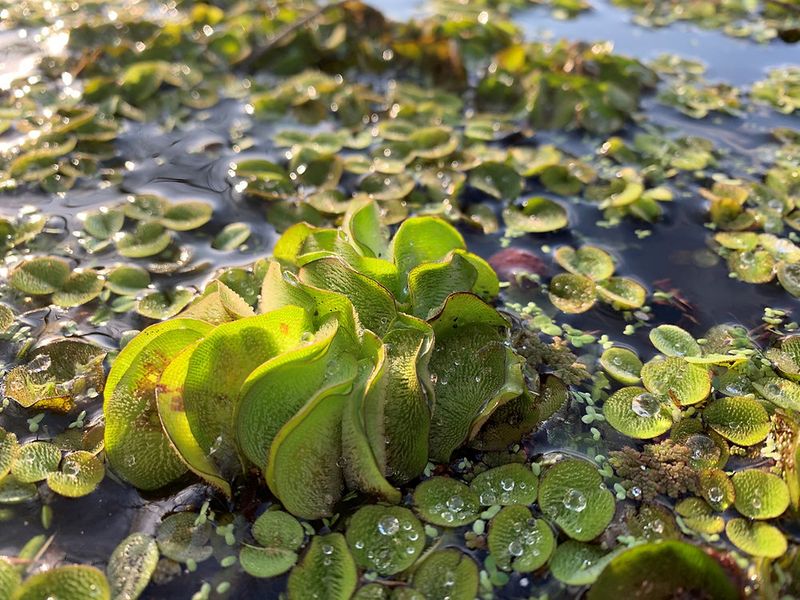
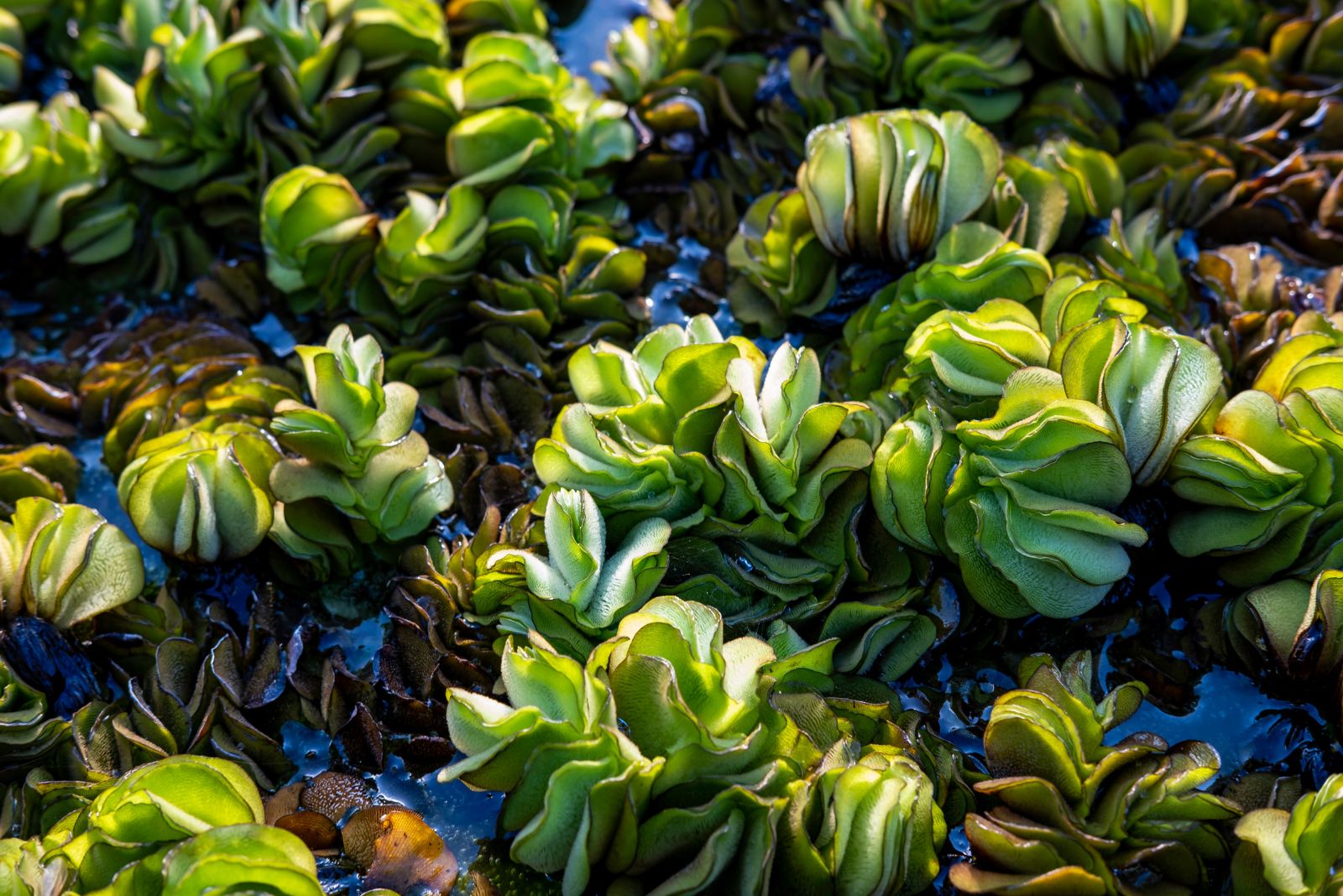
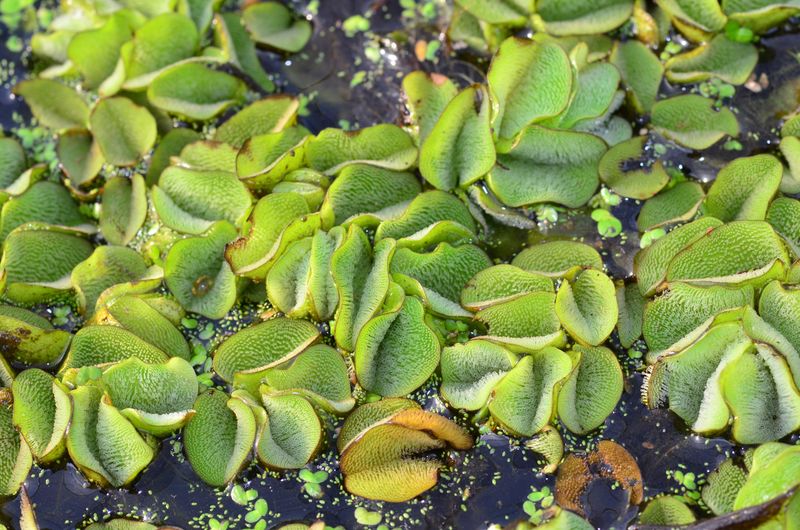
Giant salvinia tops the list of Texas’s most wanted invasive plants. This floating fern forms thick mats across lakes and ponds that block sunlight from reaching underwater plants.
Fish populations crash when their habitats suffocate under layers of this aggressive species that doubles its coverage in just days.
Water hyacinth looks beautiful with its lavender flowers but spreads faster than almost any other aquatic plant. A single plant can produce thousands of offspring in one season.
It clogs boat launches, blocks irrigation pipes, and creates stagnant water where mosquitoes breed.
Hydrilla grows completely underwater and creates dense tangles that make swimming impossible. This plant fragments easily, meaning every tiny piece can start a new colony.
It chokes out native underwater vegetation that provides oxygen and food for fish and other aquatic creatures.
Giant reed, also called Arundo, towers up to 20 feet tall along Texas rivers and streams. It spreads through underground stems that form impenetrable thickets.
These dense stands increase wildfire danger because dry canes accumulate and burn intensely. The plant also guzzles groundwater and provides poor habitat for native wildlife.
Each of these species causes specific, measurable harm to Texas environments. They don’t just look messy or grow too fast.
Giant salvinia has closed entire lakes to recreation. Water hyacinth costs agricultural operations thousands in pump repairs.
Hydrilla reduces property values on waterfront homes. Giant reed contributes to erosion and flood damage across the state.
4. How These Plants Are Spreading Into Home Gardens?
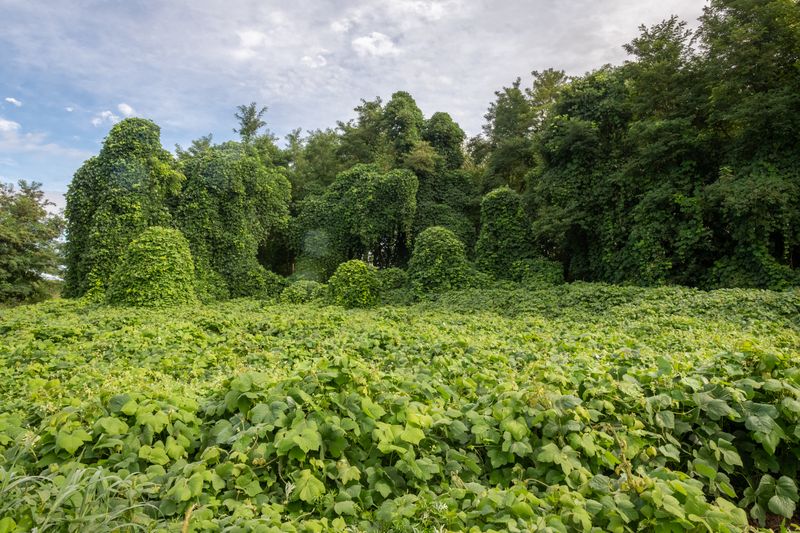
Floodwaters serve as nature’s delivery system for invasive plants across Texas. When rivers overflow their banks or heavy storms flood neighborhoods, plant fragments travel in the current.
Even tiny pieces of plants like hydrilla or giant salvinia can establish new populations wherever floodwater deposits them.
Birds and other wildlife inadvertently transport aquatic plant seeds between water bodies. Ducks and geese carry seeds stuck to their feathers or in their digestive systems.
They land in your backyard pond and introduce invasive species without anyone noticing until the plants take over months later.
Garden enthusiasts often share plant cuttings as acts of friendship. Someone admires a neighbor’s pond plants and receives a handful of stems to start their own.
Nobody realizes those pretty floating plants are actually banned water hyacinth. The recipient plants them in good faith and unknowingly breaks the law.
Online plant sales create another pathway for illegal species to enter home gardens. Sellers in other states might legally offer plants that Texas has banned.
Buyers don’t always check their state’s restricted plant lists before clicking the purchase button. The plants arrive in the mail ready to plant.
Social media plant swaps and local trading groups compound the problem. People post photos of plants they want to trade without identifying the species correctly.
Others respond and arrange pickups without verifying what they’re actually getting. This informal plant economy moves restricted species around Texas communities faster than any natural spreading mechanism could achieve on its own.
5. Real Damage Caused By Illegal Plants
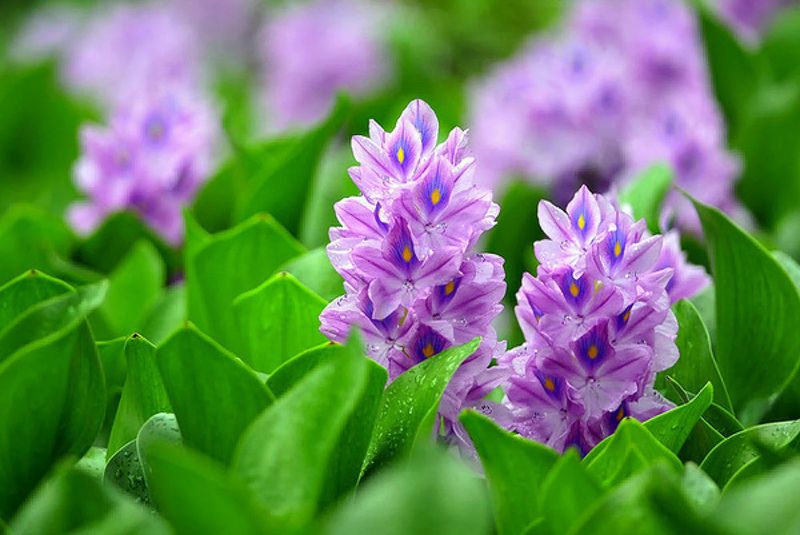
Invasive plants turn Texas waterways into dangerous zones. Lakes and ponds covered in giant salvinia or water hyacinth lose the oxygen that fish need to survive.
Thick plant mats block sunlight from reaching underwater vegetation that forms the foundation of aquatic food chains. Recreation becomes impossible when boats can’t navigate through dense plant growth.
Native plants and wildlife lose critical habitat when aggressive invaders take over. Texas has unique ecosystems that support species found nowhere else.
When invasive plants crowd out native vegetation, birds lose nesting sites and food sources. Pollinators can’t find the native flowers they’ve evolved to depend on for thousands of years.
Wildfire danger increases dramatically in areas where giant reed and other invasive plants dominate. These species accumulate massive amounts of dry plant material that ignites easily.
Fires burn hotter and spread faster through stands of invasive plants compared to native vegetation. Communities near infested areas face higher risks during Texas’s increasingly severe fire seasons.
The financial cost of controlling invasive plants drains Texas resources every year. State and local agencies spend millions on herbicide treatments, mechanical removal, and biological control programs.
Property owners pay thousands to clear their ponds and waterfront areas. Agricultural operations lose income when irrigation systems clog or when invasive plants compete with crops for water and nutrients.
These damages compound over time as invasive populations expand. A small patch of hydrilla in one pond can spread to an entire lake system within a few years.
The longer these plants remain uncontrolled, the more expensive and difficult removal becomes for everyone involved.
6. How Gardeners Can Avoid Trouble?
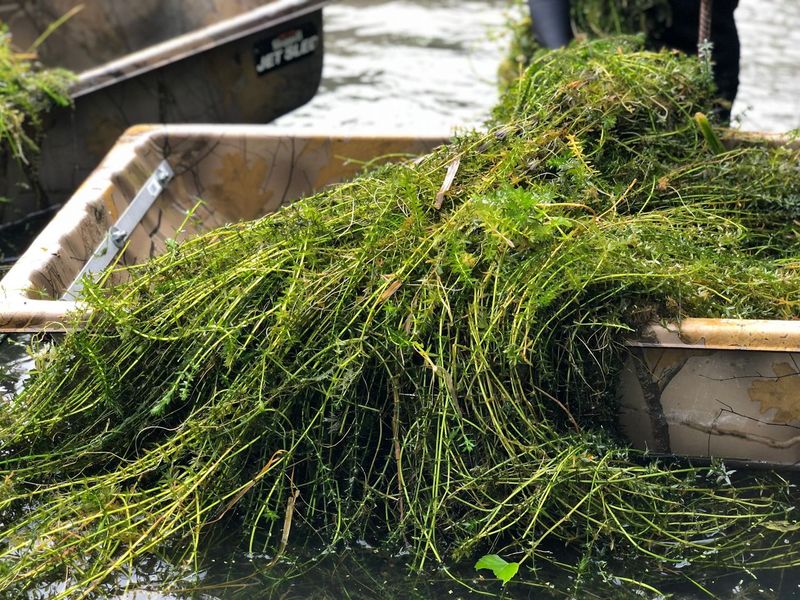
Check official Texas invasive and illegal plant lists before adding anything new to your garden. The Texas Parks and Wildlife Department maintains updated lists on their website.
Spend five minutes researching any unfamiliar plant before you buy or accept it from someone else.
Never release pond or aquarium plants into natural water bodies. This includes streams, rivers, lakes, and wetlands.
Even plants that seem harmless in your controlled water garden can become invasive nightmares in natural settings. Dispose of unwanted water plants by composting them on dry land or bagging them for trash pickup.
Avoid sharing plant cuttings unless you’re absolutely certain about the species identity. Just because a plant grows well in your yard doesn’t mean it’s legal or safe to spread around.
When friends ask for cuttings, take time to properly identify the plant first using reliable resources or extension office help.
Buy plants exclusively from reputable nurseries that follow Texas regulations. Local garden centers usually screen their inventory for banned species.
Be cautious with online sellers, especially those shipping from other states where different plants might be legal. Ask questions about plant origins before completing purchases.
Remove suspicious fast-spreading plants from your property as soon as you notice them. Plants that double in size every few weeks or spread aggressively into areas you didn’t plant them probably deserve closer investigation.
Early removal prevents small problems from becoming major infestations. Contact your county extension office if you need help identifying concerning plants in your Texas garden before they establish deeper roots.
7. Safe Beautiful Alternatives For Texas Gardens
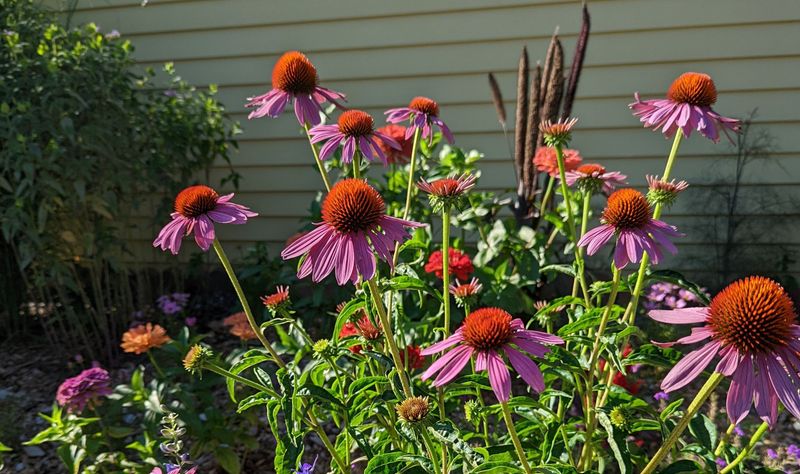
Native Texas plants offer beauty without the risks that come with invasive species. These plants evolved in Texas conditions over thousands of years.
They handle heat, drought, and local pests better than most imports while supporting the wildlife that belongs in Texas ecosystems.
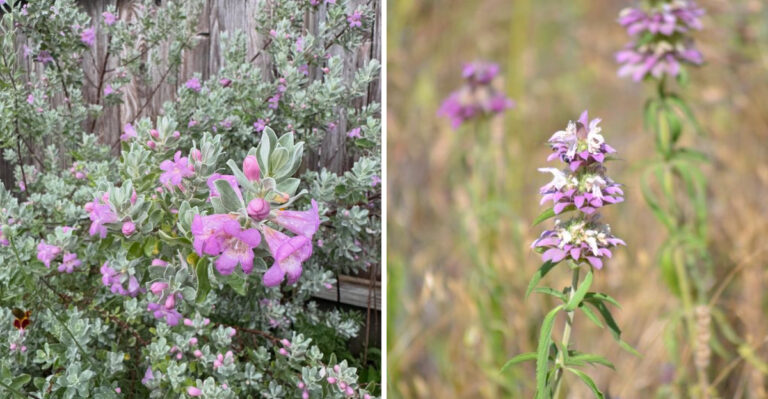
Texas sage produces stunning purple, pink, or white flowers after summer rains. This tough shrub needs minimal water once established and attracts hummingbirds throughout the growing season.
It thrives in full sun and poor soil where many other ornamentals struggle or fail completely.
Native grasses like Gulf muhly and lindheimer muhly create beautiful texture in landscapes. These ornamental grasses develop pink or purple plumes in fall that catch the light beautifully.
They require almost no maintenance beyond an annual trim and provide important food and shelter for songbirds year-round.
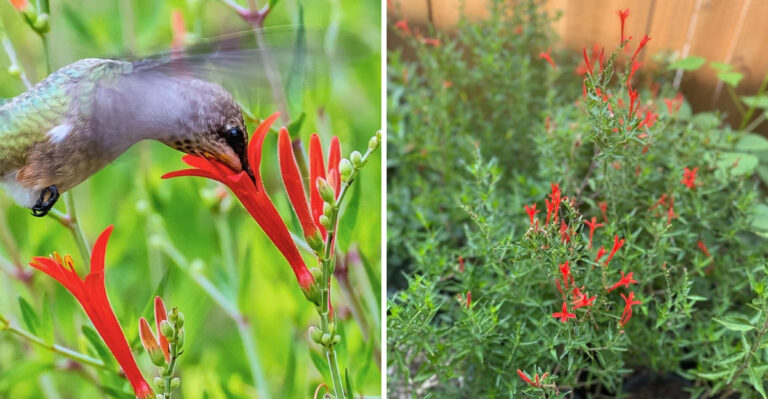
Turk’s cap brings bright red flowers to shady Texas gardens from spring through fall. Hummingbirds cannot resist these tubular blooms.
The plant spreads slowly through underground stems but never becomes invasive or problematic like non-native alternatives that gardeners often choose instead.
Choosing native plants reduces your garden maintenance workload significantly. These species need less water, fertilizer, and pest control compared to plants from other regions.
They support beneficial insects, butterflies, and birds that help control garden pests naturally. Responsible gardening with native plants protects Texas landscapes while creating beautiful outdoor spaces that connect your property to the broader ecosystem.
Your garden becomes part of the solution rather than contributing to the invasive plant crisis spreading across the state.