What To Do If You Find Snake Eggs In Your Texas Yard?
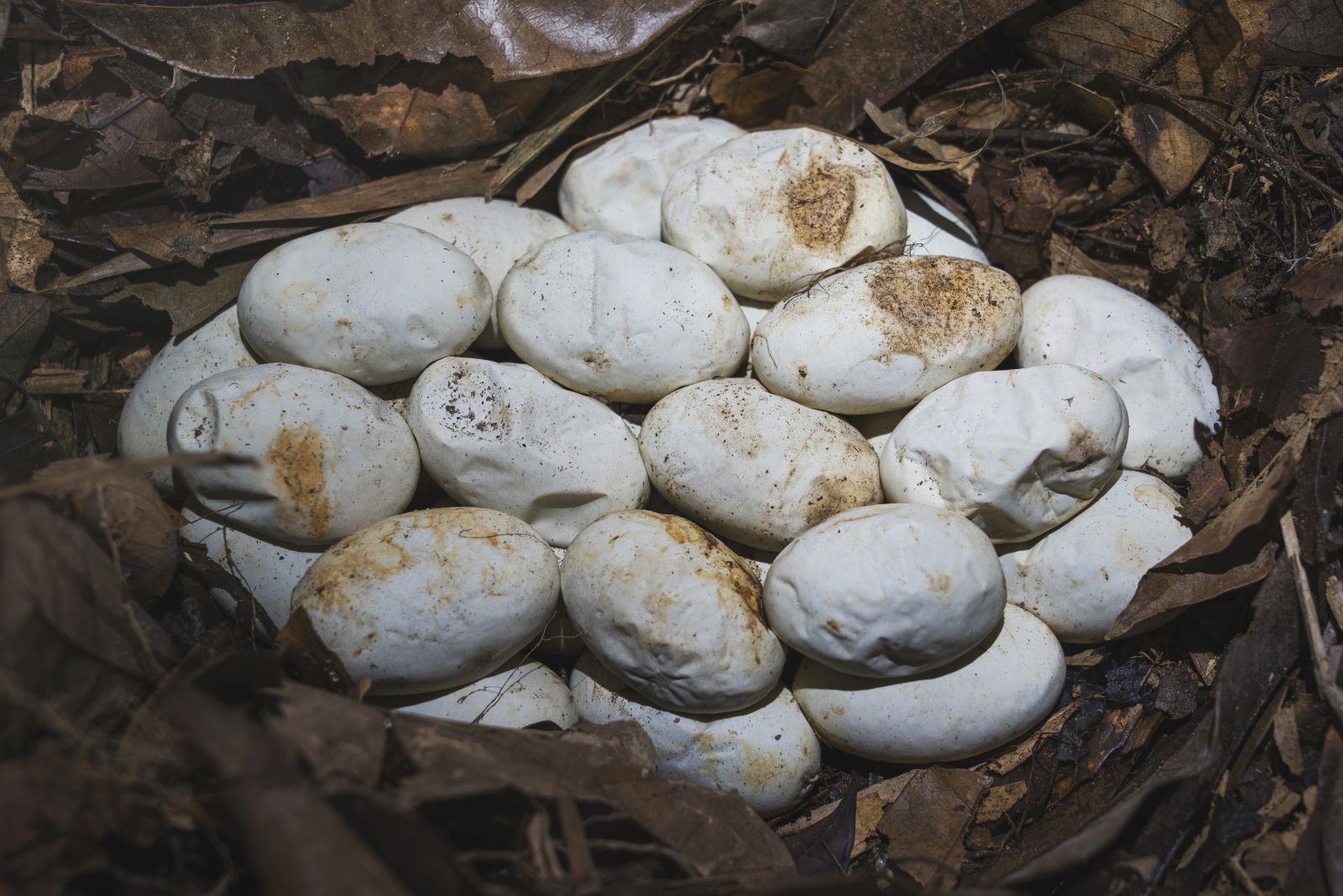
Finding a small cluster of soft, oval eggs in your Texas yard can stop you in your tracks. Your first reaction might be worry, confusion, or even a little fear.
Before jumping to conclusions, it helps to stay calm and take a closer look. Not every discovery in the garden is a threat, and understanding what you are seeing makes all the difference.
Snake eggs sometimes appear in warm, hidden spots such as loose soil, mulch piles, or under debris.
Texas provides ideal conditions for many native snake species, most of which are harmless and play an important role in controlling pests. Knowing how to respond safely protects both you and the wildlife around your home.
Handling the situation the right way can prevent unnecessary risk and avoid disturbing the local ecosystem. With a little knowledge and a steady approach, you can manage the discovery calmly and keep your yard safe and balanced.
1. Don’t Touch The Eggs
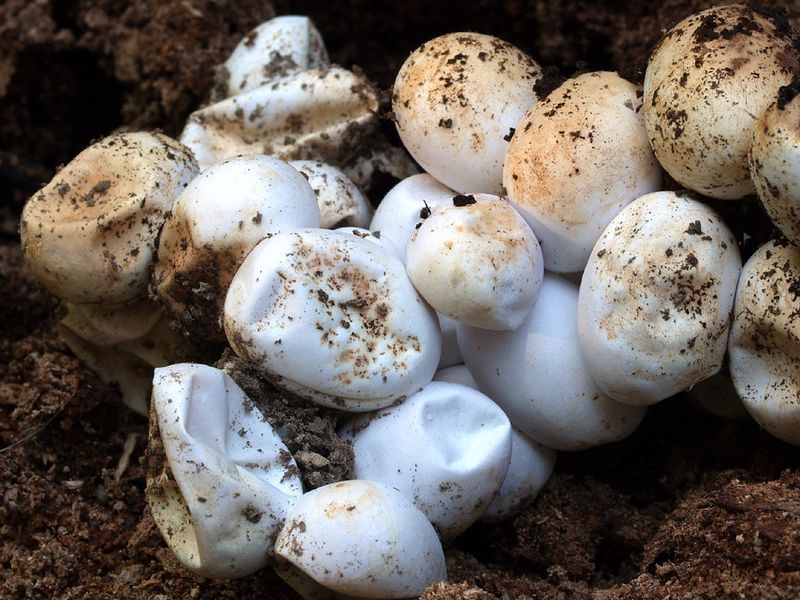
Your immediate instinct might be to pick up those strange eggs and examine them closely. Resist that urge completely.
Snake eggs have delicate shells that damage easily, and disturbing them can harm developing babies inside. More importantly, you cannot tell from looking whether the eggs belong to a harmless species or something more concerning.
Children and pets should stay away from the area right away. Mark the spot with garden stakes or bright tape so everyone in your household knows to avoid it.
Curious dogs might try to sniff or dig around the eggs, and young kids often want to touch interesting things they find outdoors.
Observing from several feet away is the safest approach for everyone involved. Grab your phone and take a few clear photos from different angles without getting too close.
These pictures will help if you decide to contact wildlife experts later. Notice the location, how many eggs you see, and whether they appear stuck together in a cluster.
Texas law protects many snake species, so handling eggs without proper knowledge could create legal issues beyond safety concerns. Even non-venomous snake bites hurt and can become infected.
Mother snakes sometimes stay near their eggs, though this behavior varies by species. Keeping your distance prevents startling any protective parent that might be hiding nearby.
Your careful observation from afar provides valuable information without putting anyone at risk during those first critical moments after discovery.
2. Are They Really Snake Eggs?
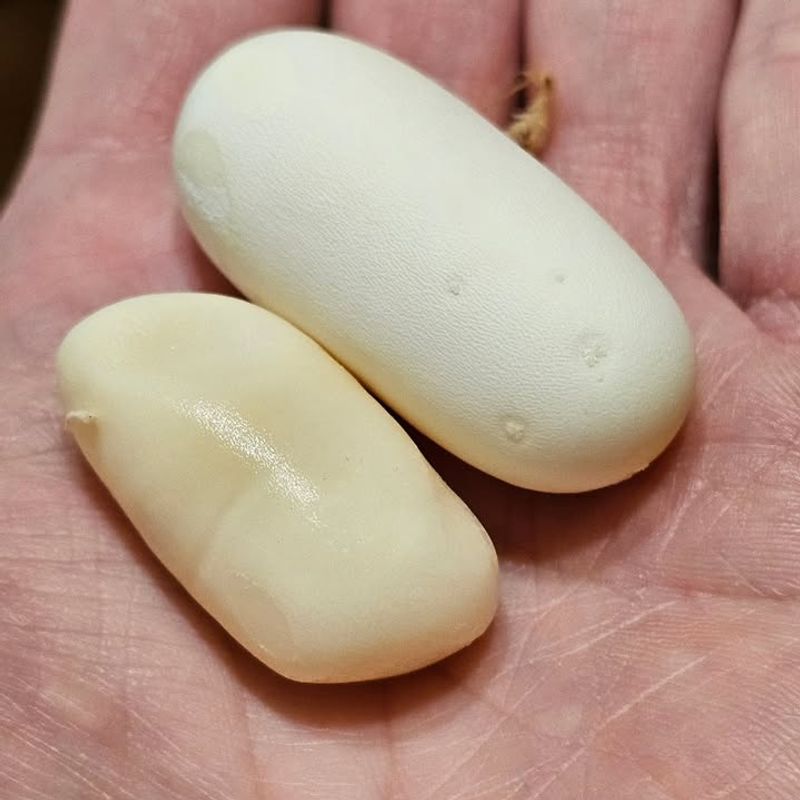
Bird eggs have hard, brittle shells that crack when pressed. Snake eggs feel completely different.
Their shells are soft and leathery, almost like tough leather or thick paper. This texture is your first major clue.
Press very gently with a stick if you must test, but remember the no-touch rule from earlier. Color offers another hint. Most snake eggs in Texas yards appear white or cream-colored.
They rarely show spots or patterns like many bird eggs do. Snake eggs also tend to stick together in small clusters rather than sitting separately in a neat nest.
You might find anywhere from three to twenty eggs depending on the species and the mother’s size.
Your Texas Garden Changes Every Week. Your Plan Should Too.
Gardening in Texas changes quickly throughout the season. Every Friday you’ll receive a simple weekly plan showing exactly what to plant, prune, fertilize, harvest, and protect so you never miss the right timing.
Location matters when identifying eggs. Snakes prefer warm, hidden spots with some moisture.
Check under boards, inside wood piles, beneath thick mulch layers, or in compost heaps. Garden sheds, crawl spaces, and areas under decks are common nesting sites across Texas. These protected spots maintain steady temperatures that help eggs develop properly.
Lizard eggs look similar but usually measure smaller than snake eggs. Turtle eggs have harder shells than snake eggs but softer than bird eggs, creating confusion sometimes.
Turtle eggs are typically round while snake eggs are more oval or elongated. Size comparison helps too.
Most Texas yard snake eggs measure one to two inches long. Taking measurements and photos helps experts identify the species if you need professional advice later. Context clues like nearby snake sightings or shed skins also support your identification.
3. Are Venomous Snakes Involved?
Here comes the good news that surprises most Texas homeowners. The three most dangerous venomous snakes in Texas do not lay eggs at all.
Rattlesnakes, copperheads, and cottonmouths all give live birth to baby snakes. If you found eggs, you can relax knowing these particular species are not involved.
Coral snakes do lay eggs, but they are extremely rare in residential areas. These shy snakes avoid human contact and prefer undisturbed wild habitats.
The chances of finding coral snake eggs in a typical Texas yard are incredibly slim. Most eggs you discover will belong to completely harmless species.
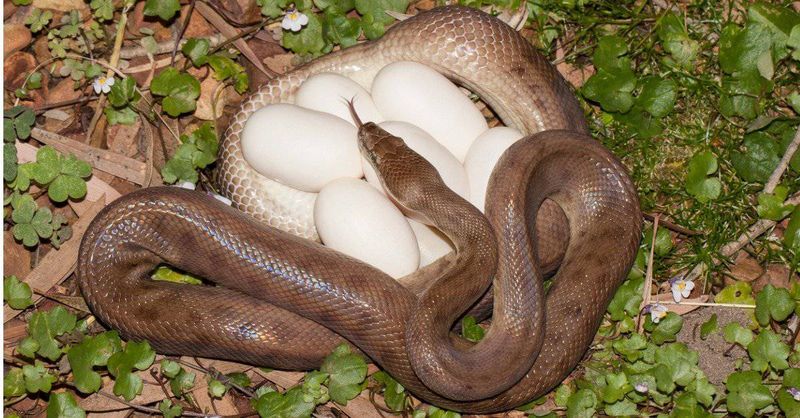
Rat snakes, king snakes, and various garden snakes commonly nest in Texas yards. These beneficial creatures help control rodent populations around your property.
Rat snakes are especially helpful because they eat mice, rats, and other pests that damage homes and gardens. King snakes even eat other snakes, including venomous ones, making them valuable neighbors.
Despite this reassuring information, you should still avoid touching or moving the eggs. Even harmless snakes can bite when threatened, and bites from any snake can become infected.
Mother snakes might be nearby protecting their eggs. Respecting wildlife means keeping safe distances regardless of species.
Your best approach is appreciating that these eggs likely represent helpful pest control that will hatch and move on quickly. Texas ecosystems depend on these non-venomous snakes to maintain healthy balance.
Learning to coexist with beneficial wildlife makes your property healthier and reduces actual pest problems over time.
4. Your Options: Leave, Monitor, Or Call For Help
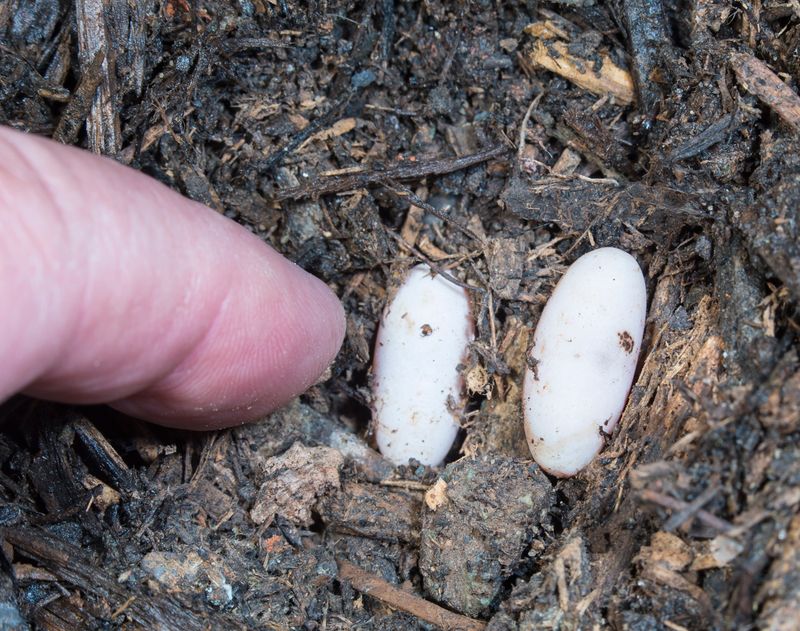
Leaving eggs completely undisturbed is usually the best choice. If the eggs are in a low-traffic area like a back corner of your yard or under a rarely-used shed, simply let nature take its course.
Baby snakes will hatch in several weeks and leave the nest quickly. This option requires no effort and causes zero disruption to your property or the wildlife.
Monitoring the area makes sense when eggs sit in spots you use occasionally. Mark the location clearly with bright tape or small flags.
Check on the eggs every few days from a safe distance. Watch for changes like hatching or movement.
Keep a simple log noting dates and observations. This approach balances caution with curiosity.
Calling for professional help becomes necessary in certain situations. If eggs are directly in a high-traffic walkway, near your front door, or inside your home, contact Texas Parks and Wildlife or a licensed wildlife control service.
These experts can safely relocate eggs when absolutely needed. Never attempt to move eggs yourself because you might damage them or encounter the mother snake.
Some situations demand immediate professional attention. Large numbers of eggs, repeated nesting in the same spot, or eggs found inside living spaces all require expert assessment.
Wildlife professionals understand Texas snake species and local regulations. They can identify the eggs accurately and recommend appropriate actions.
Many Texas counties offer free wildlife services or can refer you to licensed specialists. Document everything with photos and notes before calling.
This information helps professionals respond effectively and ensures everyone’s safety throughout the process.
5. What Happens If They Hatch?
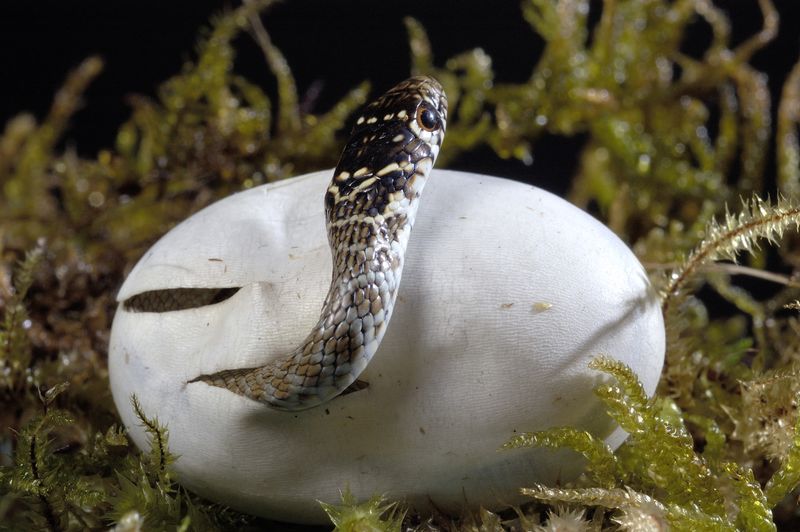
Baby snakes instinctively leave their nest shortly after hatching. They do not stay together as a family or return to the nest site.
Within hours or a few days, the hatchlings scatter in different directions seeking food and shelter. This natural behavior means any concerns about dozens of snakes taking over your yard are unfounded.
Most Texas yard snakes are shy and avoid human contact completely. Hatchlings are especially nervous and will hide or flee when they sense people nearby.
These tiny snakes focus on finding small prey like insects, worms, and small rodents. They pose no threat to humans or pets. In fact, you might never see them even though they hatched on your property.
Snakes provide valuable pest control services without any cost to you. A single rat snake can consume dozens of mice throughout a season.
King snakes help reduce populations of other snakes, including potentially dangerous species. Garden snakes eat slugs, insects, and other garden pests.
Allowing these beneficial creatures to live around your Texas property creates natural balance and reduces reliance on chemical pest control.
Professional help becomes appropriate if you notice large numbers of baby snakes, repeated sightings inside structures, or signs that snakes are entering your home.
A wildlife expert can assess whether you have conditions attracting snakes and suggest habitat modifications.
Most situations resolve naturally without intervention. Understanding that snakes play important roles in Texas ecosystems helps homeowners appreciate rather than fear these common neighbors.
Education and observation usually prove more valuable than removal or relocation efforts.
6. How To Stop Snakes From Nesting In Your Yard Again?
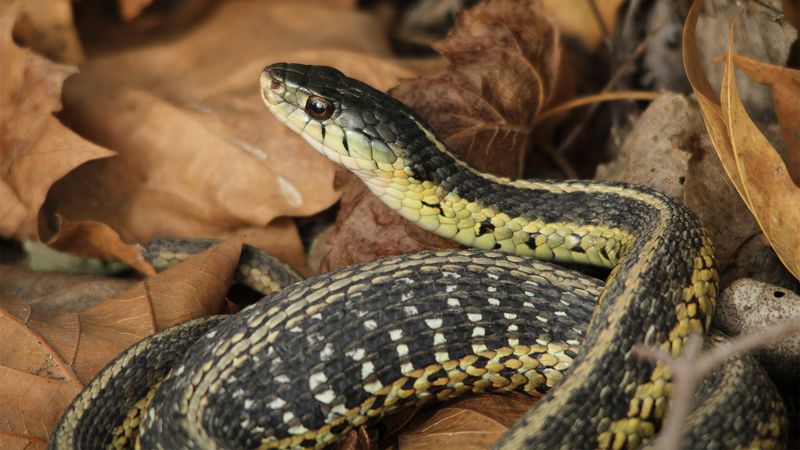
Wood piles, old lumber, and garden debris create perfect snake nesting sites. Remove these items or stack wood neatly on raised platforms away from your house.
Check under boards, tarps, and stored materials regularly. Snakes love undisturbed areas with cover and warmth. Keeping your Texas yard tidy eliminates many attractive nesting spots naturally.
Thick mulch layers trap heat and moisture that snakes find ideal for eggs. Reduce mulch depth to two inches or less around your home’s foundation and in garden beds.
Turn compost piles frequently to discourage nesting. Snakes seek stable, warm environments, and regularly disturbed areas do not meet their needs.
Gaps under sheds, decks, and home foundations provide protected spaces where snakes nest repeatedly. Inspect these areas carefully and seal openings with hardware cloth or concrete.
Pay special attention to crawl space vents and utility entry points. Even small gaps allow snakes to enter and establish nesting sites.
Proper sealing protects your home while directing snakes toward more appropriate wild habitats.
Rodent control is the single most effective snake deterrent. Snakes follow food sources, and mice or rats around your property attract them consistently.
Use proper food storage, secure garbage cans, and eliminate standing water. Consider professional rodent control if you notice signs of infestation. Removing the food source removes the snake attraction.
Maintaining short grass and open yard spaces makes your Texas property less appealing to snakes. Tall grass and overgrown areas provide cover that snakes need for hunting and nesting.
Regular mowing and trimming create environments where snakes feel exposed and vulnerable. This simple maintenance discourages nesting without harming wildlife.