What Texas Homeowners Should Know Before Hiring A Lawn Service
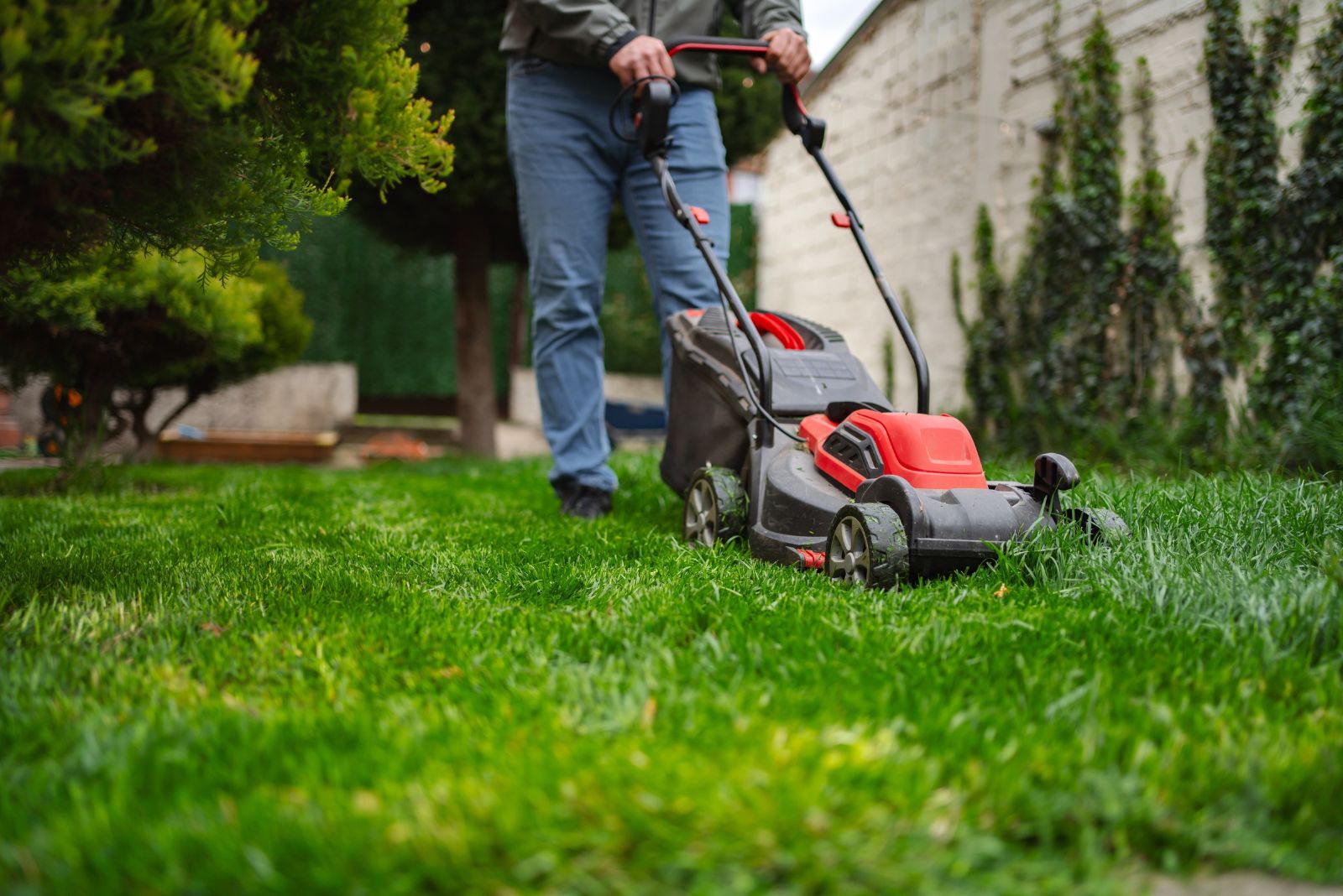
A great looking lawn in Texas does not happen by accident, especially with scorching summers, sudden storms, and fast growing grass that seems to need constant attention.
Hiring a lawn service can save time and effort, but not all companies deliver the same level of care.
Before signing a contract, it helps to understand what quality service really includes, how pricing works, and which questions reveal whether a provider truly knows Texas lawns.
Soil conditions, grass types, watering needs, and seasonal timing all play a role in keeping your yard healthy and attractive.
Choosing the right team can mean thicker grass, fewer weeds, and a lawn that stays green even during tough weather. Taking a little time to research and compare options can prevent costly mistakes and frustration later.
With the right knowledge, Texas homeowners can hire confidently and enjoy a well maintained, beautiful lawn without the stress of doing it all themselves.
1. Why Choosing The Right Lawn Service Matters In Texas?
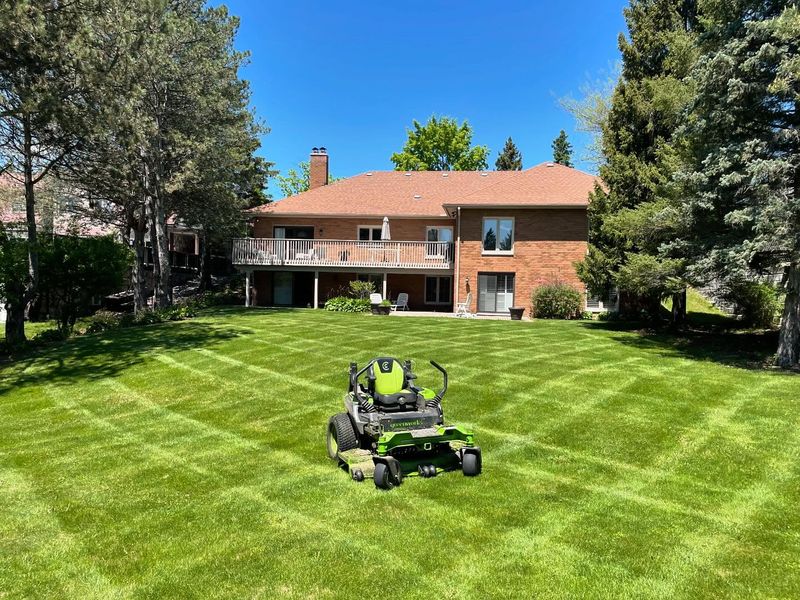
Texas lawns face challenges that many other states don’t deal with. The intense heat during summer months can stress grass to the point where it struggles to survive.
Droughts are common, and water restrictions can make it even harder to keep your yard looking good. On top of that, Texas has different soil types depending on where you live, from clay-heavy soil in some areas to sandy soil in others.
Because of these unique conditions, you can’t just hire any lawn service and expect great results. You need a company that understands how to work with Texas weather and soil.
A service that knows the difference between St. Augustine and Bermuda grass will do a much better job than one that treats every lawn the same way. The right company will know when to fertilize, how much water your grass needs, and what pests to watch out for.
Choosing the wrong service can lead to serious problems. Your grass might turn brown or develop disease.
You could waste money on treatments that don’t work. Some companies use too many chemicals, which can harm your lawn and the environment. Others might not show up when they’re supposed to, leaving your yard neglected.
A reliable, knowledgeable lawn service will save you time, money, and stress. They’ll keep your lawn healthy through every season, adjusting their care based on weather conditions and your grass type.
They’ll also catch problems early, before they become expensive to fix. When you choose the right service, you’re investing in the long-term health and beauty of your property.
Your lawn will be the envy of the neighborhood, and you’ll have more time to enjoy your outdoor space instead of worrying about it.
2. Understanding Lawn Care Needs For Texas Lawns

Not all grass is created equal, especially in Texas. The type of grass in your yard determines how you should care for it.
Bermuda grass is one of the most popular choices because it handles heat and drought well. It grows fast and can recover quickly from damage.
Your Texas Garden Changes Every Week. Your Plan Should Too.
Gardening in Texas changes quickly throughout the season. Every Friday you’ll receive a simple weekly plan showing exactly what to plant, prune, fertilize, harvest, and protect so you never miss the right timing.
However, it needs full sun and regular mowing during the growing season. St. Augustine is another common Texas grass. It has wider blades and creates a thick, lush carpet.
This grass tolerates shade better than Bermuda, making it a good choice if you have trees in your yard. However, it needs more water and is more prone to certain pests and diseases. St. Augustine also doesn’t handle cold as well, so it can struggle during harsh winters.
Zoysia grass is gaining popularity in Texas. It’s tough, drought-resistant, and stays green longer in cooler weather.
Zoysia grows slower than Bermuda, which means less mowing, but it takes longer to establish and repair itself. Each grass type has different fertilization needs throughout the year.
Bermuda typically needs more frequent feeding during its active growing season. St. Augustine benefits from slow-release fertilizers that won’t burn its sensitive blades.
Watering schedules vary too. Bermuda can survive with less water once established, while St. Augustine needs consistent moisture. Mowing height is also important. Cut Bermuda too high, and it becomes weak.
Cut St. Augustine too low, and you expose it to stress and disease. A good lawn service will know these differences and adjust their care accordingly.
They’ll also understand seasonal changes. Spring is the time for pre-emergent treatments to prevent weeds.
Summer requires careful watering and pest monitoring. Fall is ideal for fertilization and aeration. Winter is mostly a rest period, though some maintenance is still needed.
3. Questions To Ask Potential Lawn Services
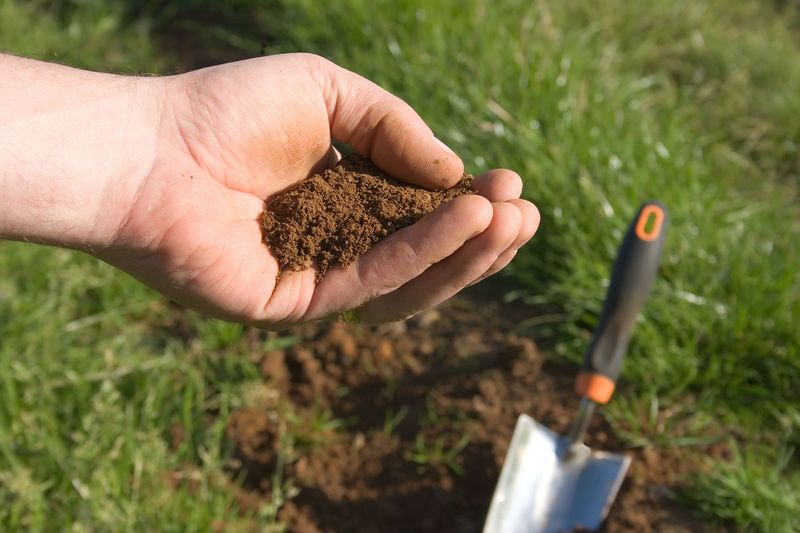
Before you hire any lawn service, you need to ask the right questions. Start with licensing and insurance.
A legitimate company should have proper business licenses and liability insurance. This protects you if someone gets hurt on your property or if equipment damages your home.
Don’t be shy about asking for proof of insurance. Any reputable company will gladly provide it.
Experience matters, especially with Texas lawns. Ask how long they’ve been in business and if they have experience with your specific grass type.
A company that’s worked with Texas lawns for years will understand the challenges you face. They’ll know how to handle chinch bugs, brown patch disease, and other common Texas lawn problems.
Find out exactly what services they offer. Some companies only mow and edge.
Others provide comprehensive care including fertilization, weed control, pest management, aeration, and irrigation system maintenance. Make sure their services match your needs.
If your lawn has specific problems, ask if they have solutions. Do they offer soil testing? Can they adjust pH levels? Will they treat fungal infections?
Ask about their treatment methods and products. Some homeowners prefer organic or low-chemical options, especially if they have kids or pets.
A good company will explain what they use and why. They should also be willing to adjust their approach based on your preferences. Timing is another important question. How often will they visit?
What’s their schedule during different seasons? Will the same crew come each time, or will you see different people? References and reviews matter too. Ask for contact information from current customers.
Check online reviews on multiple platforms. Pay attention to how the company responds to complaints.
Do they take responsibility and fix problems, or do they make excuses? These questions will help you separate professional, reliable services from those you should avoid.
4. Cost Considerations And Value
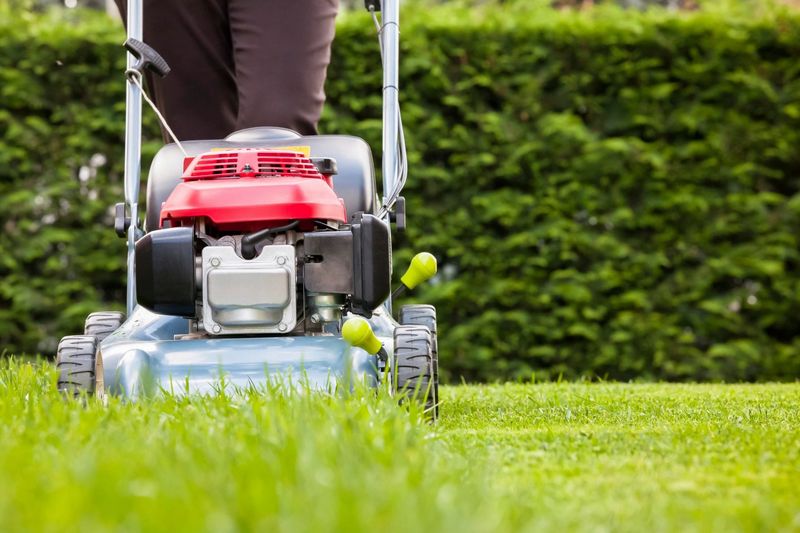
Lawn care costs in Texas vary widely depending on your location, yard size, and the services you need. Basic mowing and edging for an average-sized yard might cost between fifty and one hundred dollars per visit.
Comprehensive care packages that include fertilization, weed control, and pest management can range from one hundred fifty to three hundred dollars per month or more.
Prices in major cities like Dallas, Houston, and Austin tend to be higher than in smaller towns.
Many companies offer different pricing structures. Some charge per visit, while others offer monthly or seasonal packages.
Package deals often provide better value if you need regular, ongoing care. However, make sure you understand what’s included.
A cheap monthly rate might not cover everything your lawn needs. You could end up paying extra for services you thought were included.
Seasonal plans are common in Texas. Spring packages might focus on pre-emergent weed control and fertilization.
Summer plans emphasize pest control and drought management. Fall services often include aeration and winterization.
Some companies require annual contracts, while others work month-to-month. Long-term contracts sometimes offer discounts, but they also lock you in. If the service is poor, you might be stuck paying for work you’re not happy with.
Watch out for hidden fees. Some companies charge extra for things like treating fire ant mounds, applying fungicide, or making additional visits.
Others might have fuel surcharges or service fees that aren’t mentioned upfront. Always get a detailed written estimate that breaks down all costs.
Ask what happens if your lawn needs extra attention. Will they charge more, or is it included?
Remember that the cheapest option isn’t always the best value. A company that charges less but does poor work or uses inferior products will cost you more in the long run.
Your lawn might suffer damage that’s expensive to repair. Quality service from a reputable company is worth paying a fair price for.
5. Red Flags To Watch Out For
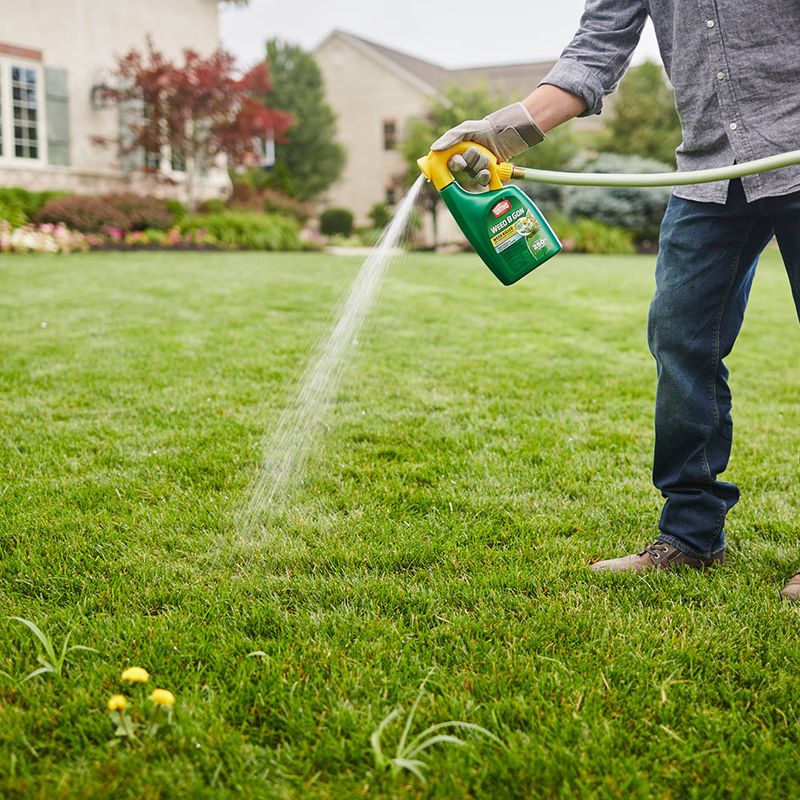
Some lawn services look good on the surface but have serious problems underneath. One major red flag is aggressive chemical use.
Companies that spray heavy chemicals on every lawn without testing or considering specific needs can cause more harm than good. Overuse of fertilizers can burn your grass and contaminate groundwater.
Too many pesticides can harm beneficial insects and create chemical-resistant pests. A good company will use chemicals carefully and only when necessary.
Another warning sign is a one-size-fits-all approach. If a company offers the same treatment plan for every lawn regardless of grass type, soil condition, or specific problems, they’re not doing their job properly.
Your lawn is unique and needs customized care. A company that doesn’t take time to assess your yard before recommending services is cutting corners.
Poor reviews and lack of references should make you cautious. Check multiple review sites, not just the company’s website.
Look for patterns in complaints. Do customers mention missed appointments, poor communication, or ineffective treatments?
If the company can’t or won’t provide references from satisfied customers, that’s a bad sign. Established, reputable companies have plenty of happy clients who will vouch for their work.
Unclear or confusing service agreements are another red flag. If the contract is vague about what services are included, how often they’ll be performed, or what the total cost will be, don’t sign it.
Some companies use confusing language to hide unfavorable terms. Others make verbal promises that aren’t in the written contract.
Always get everything in writing and make sure you understand every term before agreeing.
Unrealistic promises should also raise concerns. No company can guarantee a perfect lawn overnight or promise results that seem too good to be true.
Lawn care takes time, and results depend on many factors including weather and soil conditions. A company that makes big promises without explaining how they’ll achieve them is likely to disappoint you.
6. Tips For Maintaining Your Lawn Alongside A Service

Hiring a lawn service doesn’t mean you can ignore your yard completely. Your involvement makes a big difference in achieving and maintaining a healthy lawn.
Watering is one area where homeowners play a crucial role. Even if your service handles fertilization and pest control, you’re usually responsible for irrigation.
Most Texas lawns need about one inch of water per week during the growing season. Water deeply but less frequently to encourage strong root growth.
Early morning is the best time to water. This reduces evaporation and gives grass time to dry before evening, which helps prevent fungal diseases.
If your city has watering restrictions, follow them carefully. Your lawn service can advise you on the best watering schedule for your grass type and current weather conditions.
Mowing is another homeowner responsibility unless you specifically pay for that service. Keep your mower blades sharp and never cut more than one-third of the grass height at once.
Different grasses have different ideal heights. Bermuda does well at one to two inches, while St. Augustine prefers two and a half to three inches. Your lawn service can tell you the right height for your grass.
Monitor your lawn between service visits. Look for signs of problems like brown patches, unusual discoloration, or increased weed growth.
The sooner you spot issues, the easier they are to fix. If you notice something concerning, contact your lawn service right away.
Take photos to show them what you’re seeing. Good communication with your service provider is essential.
Let them know if you’re going on vacation or if there are areas of your yard that need special attention.
Ask questions and learn from the professionals. Find out why they’re doing certain treatments and what you can do to help.
Many lawn services are happy to educate their customers. The more you understand about your lawn’s needs, the better you can support the professional care you’re paying for.