7 Chicken-Friendly Groundcovers That Thrive In Pennsylvania Gardens
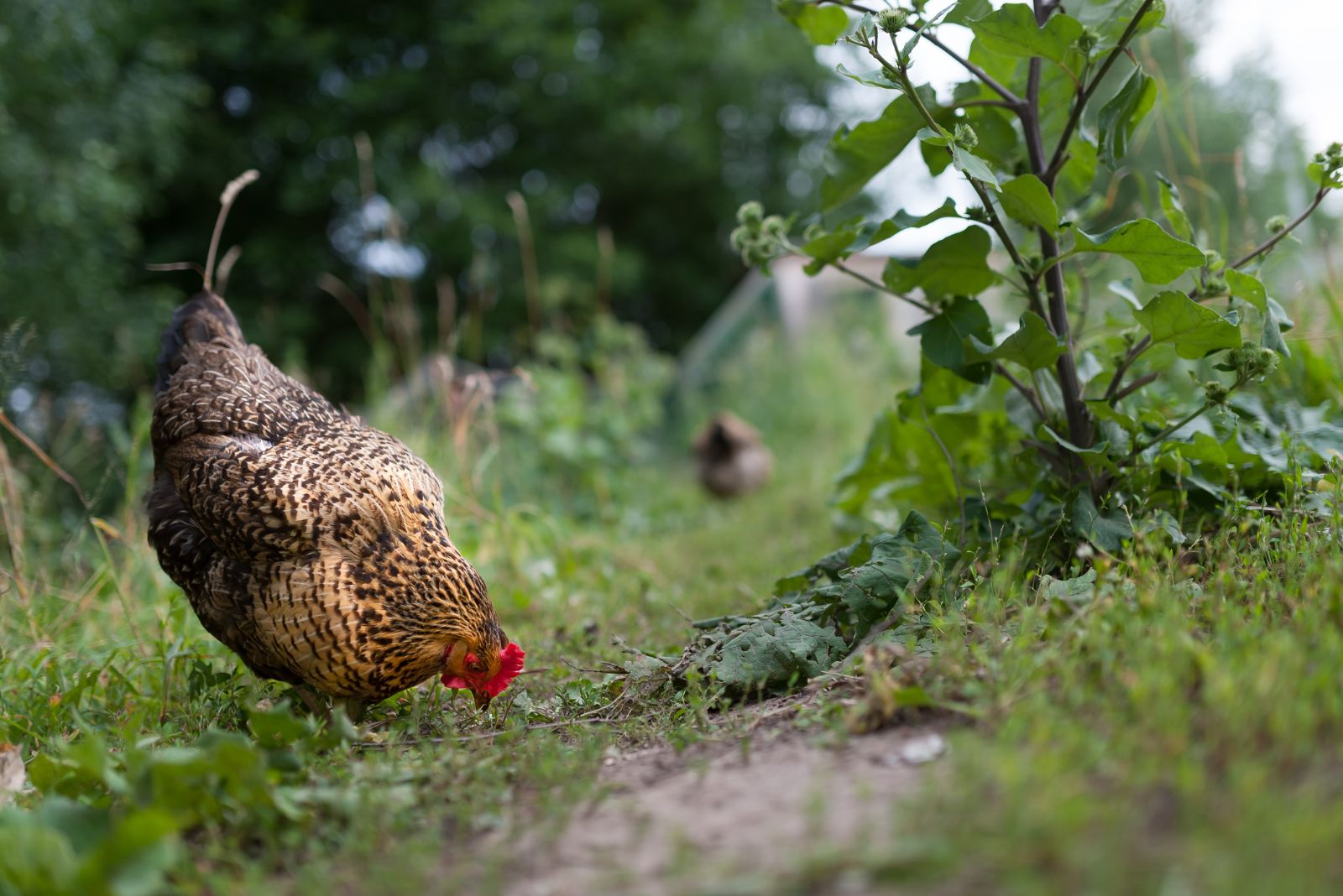
Sharing your Pennsylvania garden with a flock of curious chickens brings plenty of charm, but it can also be tough on your lawn and planting areas. Constant scratching, pecking, and wandering can wear down grass, create dusty patches, and leave soil exposed.
The secret to a greener, healthier yard is choosing groundcovers that can handle chicken traffic while still thriving in Pennsylvania’s changing seasons.
Some low growing plants bounce back quickly after scratching, help reduce mud, and even offer safe nibbling spots for your birds.
Others spread gently to cover bare areas, keeping your garden looking lush without constant repair. With the right groundcovers, you can create a space that looks beautiful, stays practical, and keeps your flock happy.
A well planned chicken friendly garden supports healthy soil, happier hens, and a landscape that remains vibrant, green, and full of life throughout the growing season with less maintenance overall.
1. Creeping Thyme
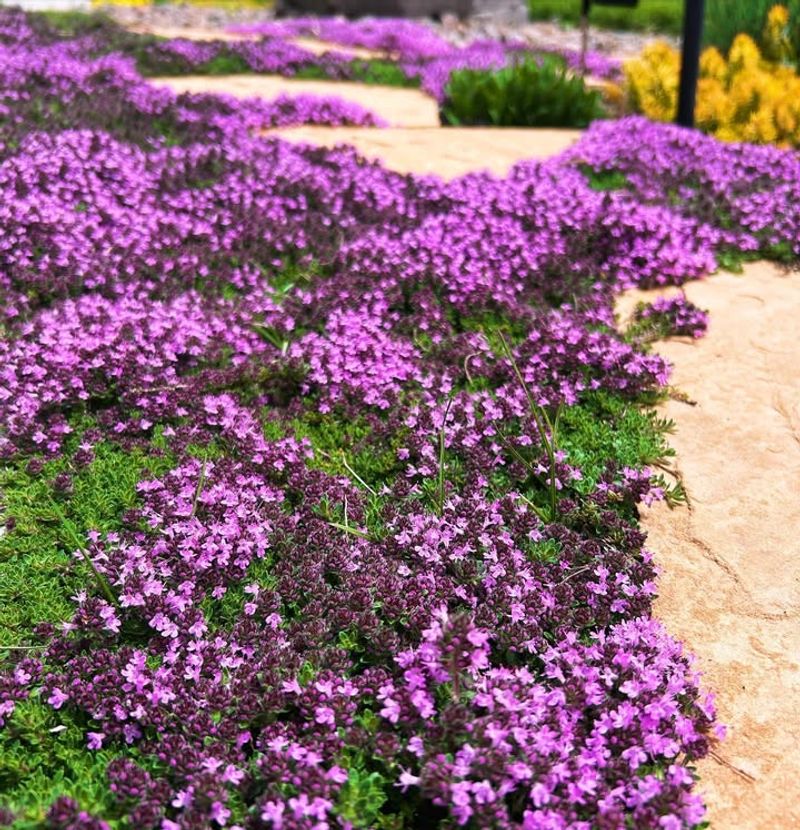
Walking barefoot across creeping thyme releases an aromatic cloud that transforms any Pennsylvania garden into a sensory experience.
This Mediterranean native adapts beautifully to our state’s variable weather, handling both summer heat and winter freezes with remarkable resilience.
Chickens adore nibbling on the tiny leaves, which contain beneficial oils that support their respiratory health naturally.
The plant forms dense, low-growing mats that rarely exceed three inches in height. During late spring and early summer, Pennsylvania gardeners witness carpets of purple, pink, or white flowers that attract pollinators by the dozens.
Your chickens will scratch around these blooms without causing significant damage since the woody stems bounce back quickly.
Creeping thyme thrives in Pennsylvania’s well-drained soils and full sun locations. It tolerates drought once established, making it perfect for sloped areas near coops where water runs off quickly.
The plant spreads steadily without becoming invasive, filling gaps between stepping stones or covering bare patches in chicken runs.
This groundcover requires minimal maintenance throughout the growing season. Simply trim back any dry growth in early spring before new shoots emerge.
The aromatic oils naturally deter many garden pests while remaining completely safe for your flock to consume. Pennsylvania chicken keepers appreciate how creeping thyme suppresses weeds while providing edible forage.
Your birds will spend hours pecking at insects hiding beneath the fragrant foliage, engaging in natural behaviors that keep them healthy and entertained throughout the year.
2. Wild Ginger
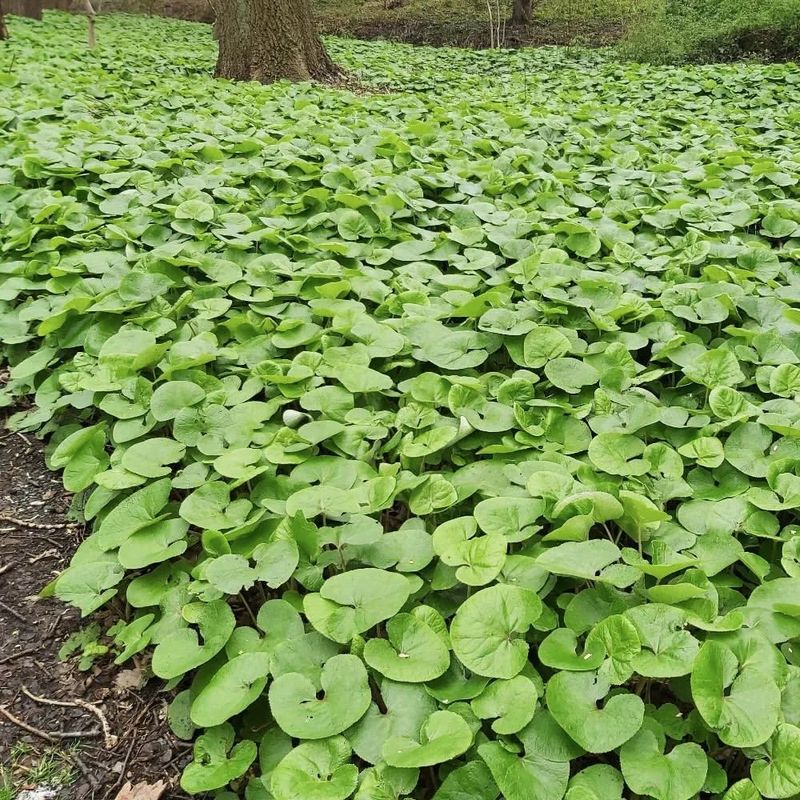
Pennsylvania’s native wild ginger brings woodland charm to shaded chicken areas where most groundcovers struggle. The heart-shaped leaves create lush green carpets beneath trees and along north-facing coop walls.
Chickens respect this plant’s presence, occasionally sampling leaves without causing lasting damage to established colonies.
This perennial spreads through underground rhizomes that smell faintly of ginger when crushed. The plant reaches about six inches tall, providing ground-level coverage that protects soil from erosion during Pennsylvania’s heavy spring rains.
Wild ginger blooms in April with unusual maroon flowers hidden beneath the foliage, though chickens rarely disturb these ground-hugging blossoms.
Growing wild ginger succeeds best in Pennsylvania’s moist, humus-rich soils with partial to full shade. The plant tolerates the dense shade found under mature oaks and maples where grass refuses to grow.
Your Pennsylvania Garden Changes Every Week. Your Plan Should Too.
Gardening in Pennsylvania changes quickly throughout the season. Every Friday you’ll receive a simple weekly plan showing exactly what to plant, prune, fertilize, harvest, and protect so you never miss the right timing.
Once established, colonies expand steadily without requiring division or special care.
Wild ginger serves as an excellent companion plant for chicken runs located in wooded areas across Pennsylvania. The thick leaf coverage keeps soil cool during summer heat while preventing mud formation during wet seasons.
Chickens appreciate the insects and earthworms that congregate in the moist environment beneath the leaves. Pennsylvania gardeners value this native species for its ability to naturalize in challenging spots.
The plant remains evergreen in mild winters, providing year-round coverage.
Your flock will benefit from the diverse habitat wild ginger creates, supporting healthy foraging behaviors while maintaining attractive garden aesthetics in shaded locations throughout your property.
3. Sweet Woodruff
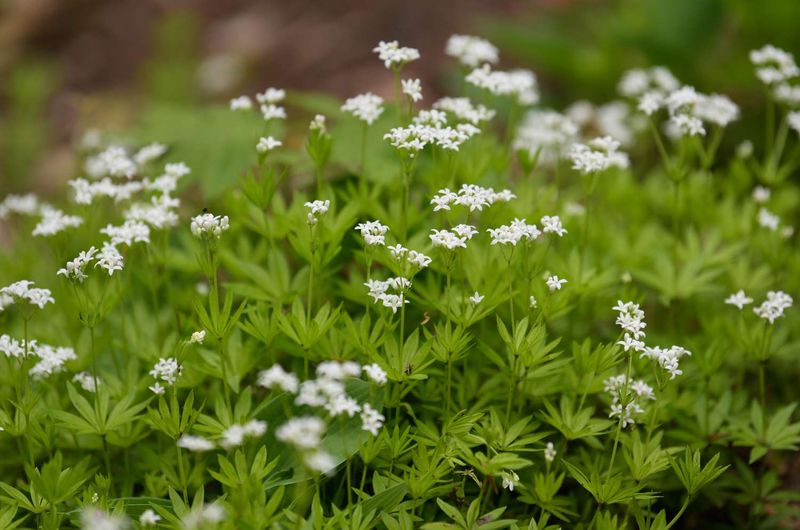
Imagine a groundcover that smells like fresh-cut hay when dried and creates emerald carpets in Pennsylvania’s shadiest garden spots. Sweet woodruff delivers exactly that magic while tolerating moderate chicken traffic better than most shade-loving plants.
The whorled leaves arranged like tiny green stars make identification easy even for beginning gardeners.
This European native naturalizes beautifully in Pennsylvania’s climate, particularly in zones 5 through 7. White star-shaped flowers appear in May, creating a delicate display that chickens navigate carefully while foraging.
The plant reaches eight inches tall, forming dense mats that suppress weeds effectively throughout the growing season.
Sweet woodruff prefers Pennsylvania’s moist, acidic soils found beneath evergreens and in woodland settings. It tolerates dry shade once established, though growth remains more vigorous with consistent moisture.
The plant spreads through creeping stems that root at nodes, gradually filling bare areas without aggressive invasion.
Pennsylvania chicken keepers appreciate sweet woodruff’s ability to thrive where other groundcovers fail. The plant remains green from early spring through late fall, providing extended foraging opportunities for your flock.
Chickens consume small amounts of foliage without harming plant colonies, and the bitter compounds in leaves discourage overconsumption naturally. The dried leaves contain coumarin, which gives them that characteristic sweet scent.
Your birds will enjoy scratching through the loose leaf litter that accumulates beneath established plantings.
This groundcover pairs beautifully with wild ginger and ferns in shaded Pennsylvania chicken runs, creating layered habitats that support beneficial insects and earthworms your flock loves to hunt.
4. Creeping Phlox
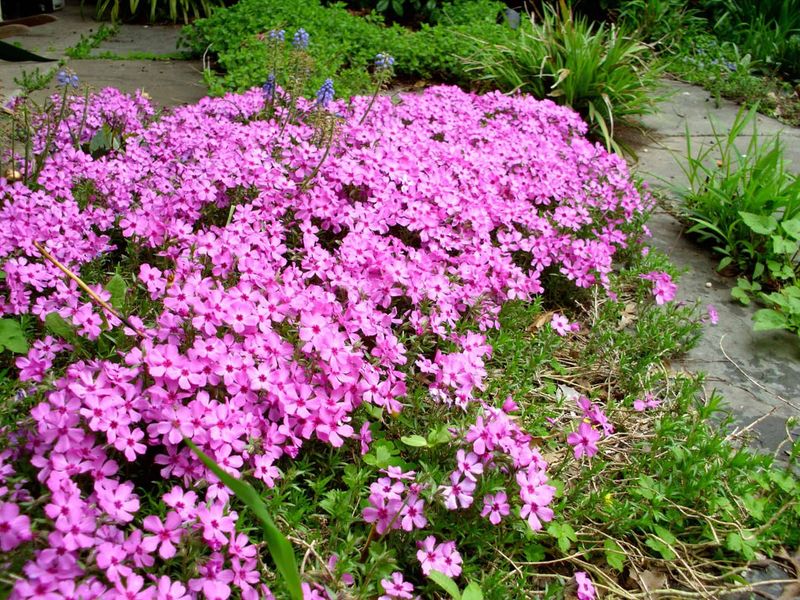
Few sights rival the spectacular spring display when creeping phlox transforms Pennsylvania hillsides into rivers of pink, purple, white, and blue.
This native groundcover handles chicken traffic remarkably well, especially when planted on slopes where birds naturally spend less time scratching. The needle-like evergreen foliage provides year-round interest even after the blooms fade.
Creeping phlox thrives in Pennsylvania’s full sun locations with excellent drainage. Rocky slopes, raised beds, and berms near chicken coops become ideal planting sites.
The plant forms dense mats only six inches tall that cascade beautifully over walls and edges. Chickens typically walk over established plantings without causing significant damage to the tough, wiry stems.
This groundcover blooms prolifically in April and May across Pennsylvania, attracting early-season pollinators when few other flowers are available.
The vibrant colors create stunning backdrops for chicken photography and add curb appeal to coop areas. After flowering, the foliage remains attractive and requires minimal maintenance.
Pennsylvania gardeners value creeping phlox for its drought tolerance once established. The plant needs little water during summer months, making it perfect for sunny chicken runs where irrigation is impractical.
Your flock will appreciate the insects that visit the flowers and hide beneath the dense foliage. The plant spreads moderately through rooting stems, filling gaps without becoming weedy.
Trim back any dry patches in early spring to encourage fresh growth. Creeping phlox pairs beautifully with creeping thyme in sunny Pennsylvania chicken gardens, creating colorful tapestries that withstand moderate foot traffic while providing safe foraging environments throughout the growing season.
5. Ajuga
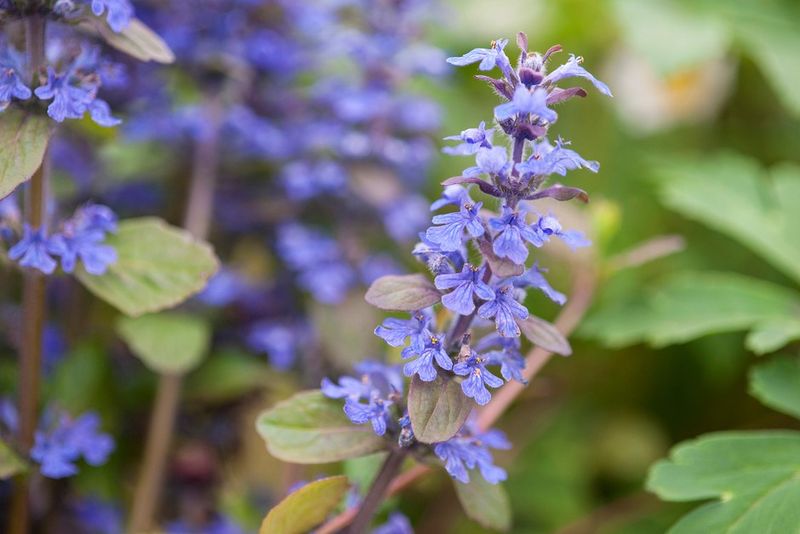
Glossy leaves in shades of green, burgundy, and bronze make ajuga one of Pennsylvania’s most versatile groundcovers for chicken areas. The plant tolerates both sun and shade, adapting to various microclimates around coops and runs.
Chickens generally leave established ajuga alone, though they may sample young leaves occasionally without causing lasting harm.
Ajuga spreads quickly through above-ground runners, creating dense carpets that suppress weeds effectively. The plant reaches six inches tall, with flower spikes adding another three inches in late spring.
Blue, purple, or white blooms attract bees and butterflies, adding life to Pennsylvania chicken gardens during May and June.
This groundcover performs best in Pennsylvania’s moist, well-drained soils with morning sun and afternoon shade. However, it adapts to full sun if given adequate moisture during summer heat.
Ajuga tolerates heavy clay soils common in many Pennsylvania locations, making it useful where other groundcovers struggle to establish.
Pennsylvania chicken keepers value ajuga’s evergreen foliage that provides year-round coverage in mild winters. The plant remains attractive even under snow, emerging fresh in early spring.
Your flock will benefit from the insects that hide beneath the dense leaf cover, providing natural protein sources during foraging. Ajuga requires minimal care once established, though you may need to trim spreading runners to keep plants within bounds.
The cultivar ‘Chocolate Chip’ offers smaller leaves perfect for tight spaces, while ‘Burgundy Glow’ provides colorful variegation. Your chickens will navigate through ajuga patches easily, and the plant recovers quickly from occasional trampling.
This groundcover works beautifully in Pennsylvania’s transition zones between sun and shade, creating seamless coverage throughout your chicken-friendly landscape.
6. Strawberry
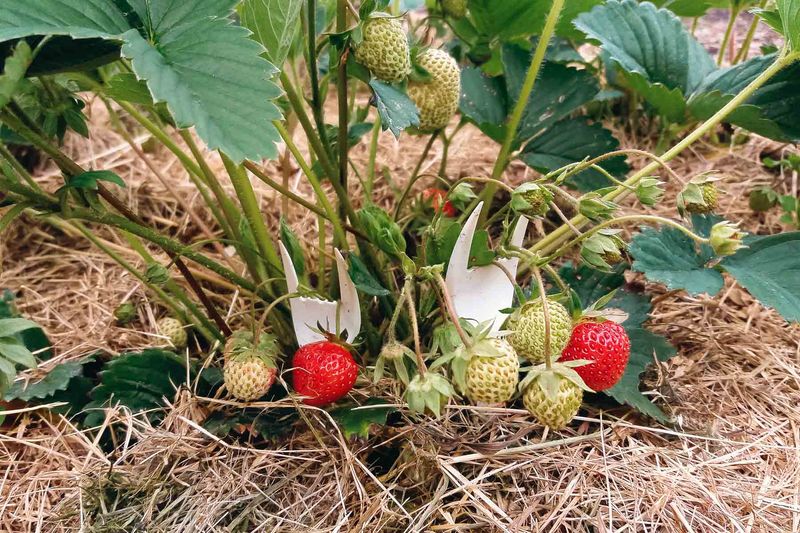
Pennsylvania’s native wild strawberry offers the ultimate dual-purpose groundcover for chicken keepers. Your flock gets nutritious berries while you enjoy watching their excitement during harvest season.
The plants spread through runners, creating dense mats that handle moderate chicken traffic while producing fruit from May through June across Pennsylvania.
Wild strawberries grow only six inches tall, forming attractive groundcovers with glossy green leaves that turn reddish-bronze in fall. White flowers appear in April, followed by small but intensely flavored berries.
Chickens adore these fruits, which provide vitamin C and antioxidants beneficial to their health and egg production.
This native species thrives in Pennsylvania’s full sun to partial shade locations with average moisture. The plants tolerate various soil types, though they produce more fruit in amended, well-drained beds.
Wild strawberries spread more slowly than cultivated varieties, making them easier to manage in chicken runs.
Pennsylvania gardeners appreciate how wild strawberries naturalize in meadow-like settings around coops. The plants require minimal maintenance beyond occasional watering during drought.
Your chickens will fertilize the plants naturally while foraging, creating a sustainable cycle that benefits both birds and berries. The runners root easily wherever they touch soil, gradually expanding coverage without becoming invasive.
Wild strawberries attract beneficial insects that your flock enjoys hunting, supporting natural pest control. The plants remain semi-evergreen in mild Pennsylvania winters, providing some coverage year-round.
Your chickens will learn to check strawberry patches daily during fruiting season, engaging in natural foraging behaviors that reduce boredom and support optimal health.
This groundcover transforms ordinary chicken runs into productive landscapes that serve multiple purposes throughout the growing season.
7. Lamb’s Ear
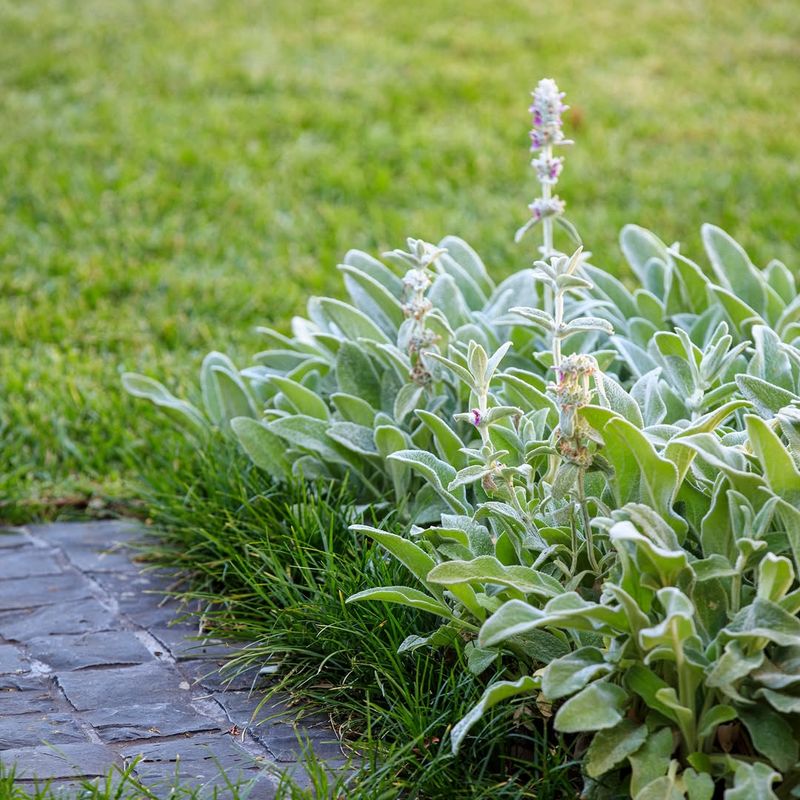
Soft as velvet and silvery as moonlight, lamb’s ear brings unique texture to Pennsylvania chicken gardens. The fuzzy leaves feel delightful to touch and create striking visual contrast against green groundcovers.
Chickens typically avoid eating the woolly foliage, making this plant remarkably durable in areas where birds spend significant time.
Lamb’s ear forms low rosettes of gray-green leaves that reach eight inches tall. In June and July, purple flower spikes emerge on stems reaching eighteen inches, though many Pennsylvania gardeners remove these to maintain compact growth.
The plant spreads moderately through offsets, creating dense colonies without aggressive invasion.
This Mediterranean native thrives in Pennsylvania’s full sun locations with excellent drainage. It tolerates drought exceptionally well once established, making it perfect for dry slopes and sandy soils near coops.
Lamb’s ear struggles in heavy clay and wet conditions, so avoid low-lying areas that collect water during Pennsylvania’s rainy seasons.
Pennsylvania chicken keepers value lamb’s ear for its year-round presence and low maintenance requirements. The silvery foliage brightens shaded corners and contrasts beautifully with darker groundcovers like ajuga.
Your flock will appreciate the insects that visit the flowers and shelter beneath the leaves. The fuzzy texture deters most chickens from eating the foliage, though they may scratch around plants while foraging.
Lamb’s ear requires minimal care beyond removing damaged leaves in spring. The plant tolerates trampling better than expected, with leaves bouncing back after chickens walk across them.
Pairing lamb’s ear with creeping thyme creates stunning textural combinations in sunny Pennsylvania chicken gardens, offering both visual appeal and practical durability throughout the growing season.