7 Reasons Why You Should Plant Sunflowers In Your Pennsylvania Garden
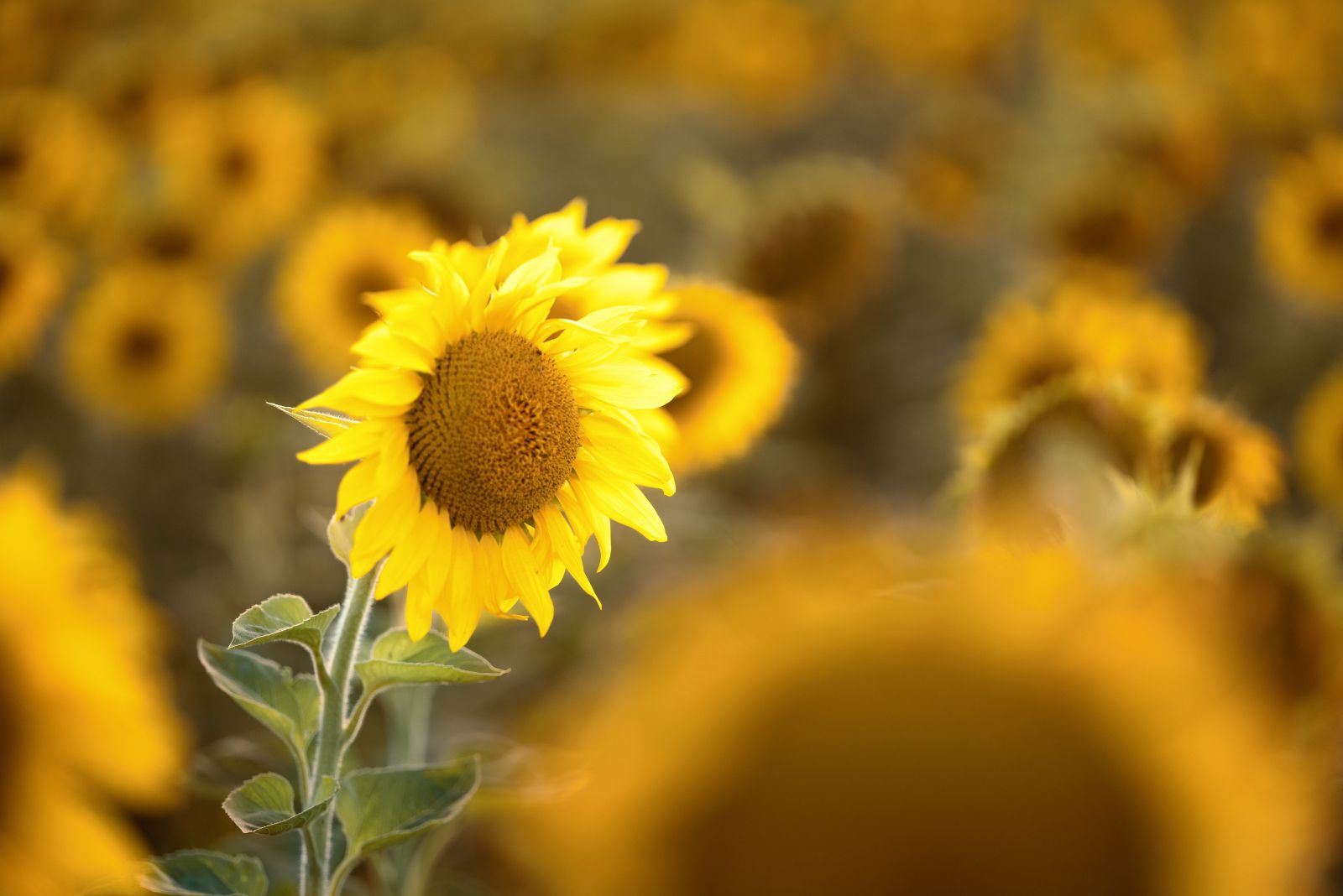
Sunflowers have a reputation for being simple, cheerful, and a little bit unfussy, and all of that is completely accurate.
But it’s also a description that undersells what these plants actually bring to a Pennsylvania garden when you go beyond the obvious visual appeal and start looking at the full picture.
There’s a lot happening with a sunflower that most gardeners never fully appreciate because the flower itself is so attention-grabbing that everything else gets overlooked. Pennsylvania’s growing season suits sunflowers remarkably well.
The warm summers, the reliable rainfall in most parts of the state, and the long stretch of bright days between June and September give sunflowers exactly the conditions they need to perform at their best.
They respond to that compatibility by delivering more than just a striking flower – they support wildlife, improve soil, attract beneficial insects, and bring a kind of effortless joy to a garden that very few other plants can match.
1. Sunflowers Attract Pollinators
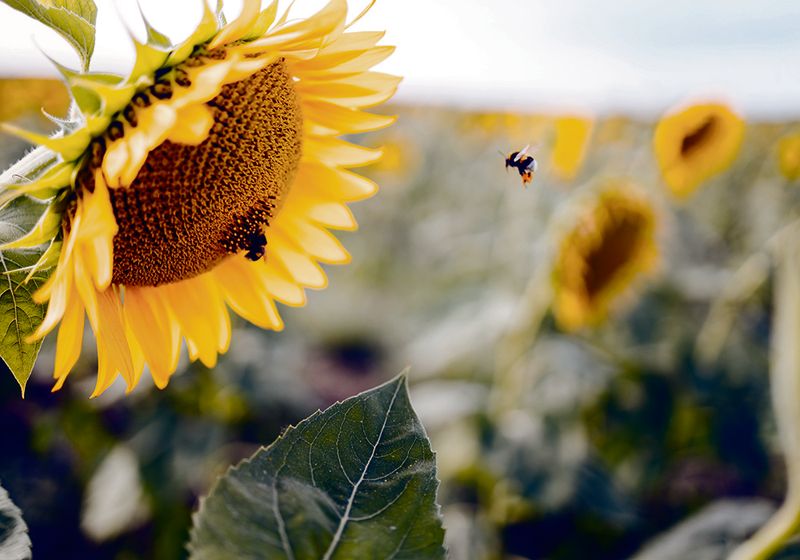
Picture your garden buzzing with life on a warm Pennsylvania summer afternoon. Bees hover from flower to flower, butterflies flutter through the air, and everything feels alive.
Sunflowers are one of the best plants you can grow to make that happen. Sunflowers produce a huge amount of pollen and nectar. That makes them like a buffet for pollinators.
Honeybees, bumblebees, and native bee species are especially drawn to their large, flat flower heads. The open disc at the center of a sunflower makes it easy for pollinators to land and feed.
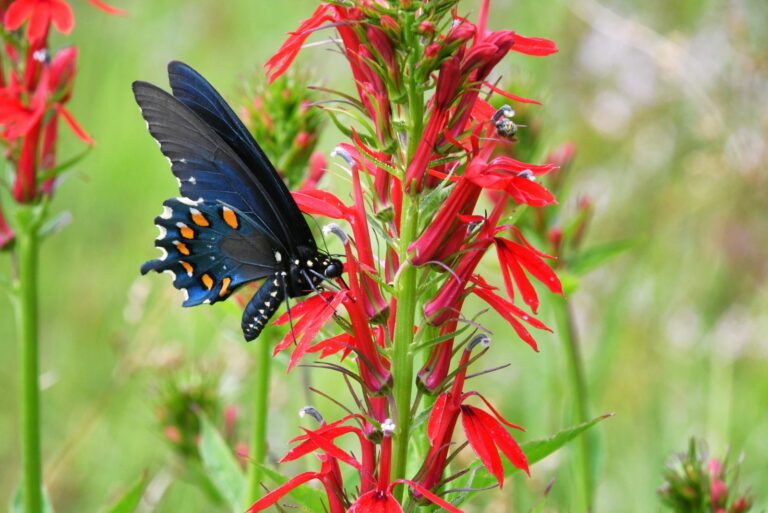
Butterflies such as monarchs and swallowtails also love visiting sunflowers throughout the season.
Why does this matter for your Pennsylvania garden? Pollinators do not just visit sunflowers.
Once they are in your yard, they move on to your vegetables, fruit trees, and other flowering plants. More pollinators means better harvests and healthier plants all around.
Studies show that gardens with pollinator-friendly plants produce significantly more fruits and vegetables than those without.
Planting a row or cluster of sunflowers near your vegetable beds is a smart strategy. You are essentially inviting free garden helpers to do the work for you.
In Pennsylvania, pollinator populations have been under pressure due to habitat loss. By planting sunflowers, you are giving local bees and butterflies a safe place to feed and thrive.
Even a small patch of sunflowers can make a real difference for your local ecosystem and your entire garden.
2. Sunflowers Support Local Birds
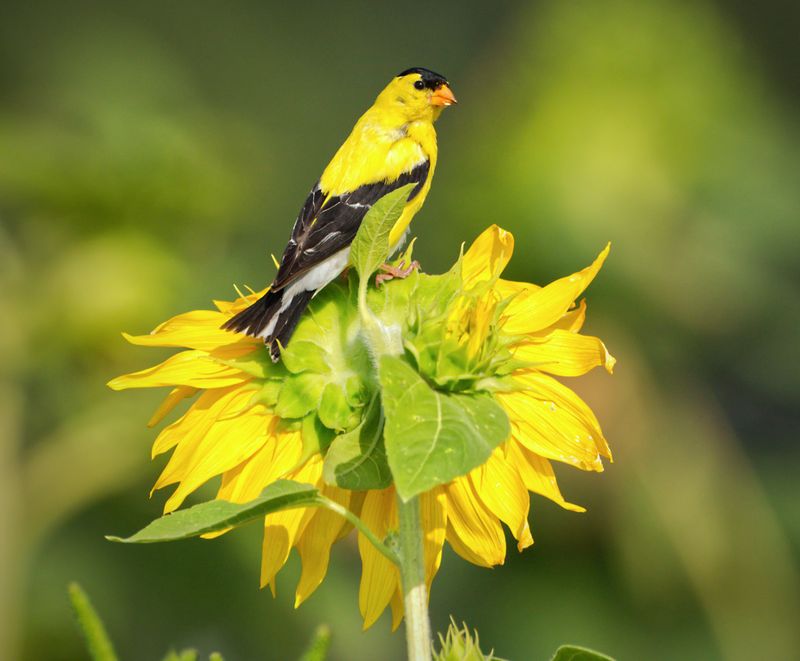
Goldfinches are one of Pennsylvania’s most beloved backyard birds, and sunflowers are basically their favorite restaurant.
Once sunflower heads dry out in late summer and early fall, they become packed with nutritious seeds. Birds flock to them from all over the neighborhood.
American goldfinches, house finches, chickadees, and even nuthatches will visit sunflower seed heads regularly. Instead of buying expensive bird seed and filling feeders every week, you can simply let your sunflowers go to seed naturally.
The birds do the harvesting themselves, and it is a beautiful thing to watch. Leaving the dried seed heads standing in your garden through fall gives birds a reliable food source right when natural resources start getting harder to find.
Your Pennsylvania Garden Changes Every Week. Your Plan Should Too.
Gardening in Pennsylvania changes quickly throughout the season. Every Friday you’ll receive a simple weekly plan showing exactly what to plant, prune, fertilize, harvest, and protect so you never miss the right timing.
In Pennsylvania, fall migration brings many bird species through the region. A garden full of mature sunflowers can attract species you might not normally see in your yard.
That is exciting for any backyard bird watcher. Even if you are not a birder, watching colorful finches hang upside down on a sunflower head is entertaining and completely free.
If you want to encourage even more birds, try planting a mix of sunflower varieties with different seed sizes. Larger seeds attract bigger birds, while smaller seeds bring in tiny finches and sparrows.
You can also leave a few stalks standing all winter long as shelter for birds during cold Pennsylvania nights. Sunflowers give back long after the blooms have faded, making them a gift that truly keeps on giving throughout the season.
3. Sunflowers Thrive In Pennsylvania Summers
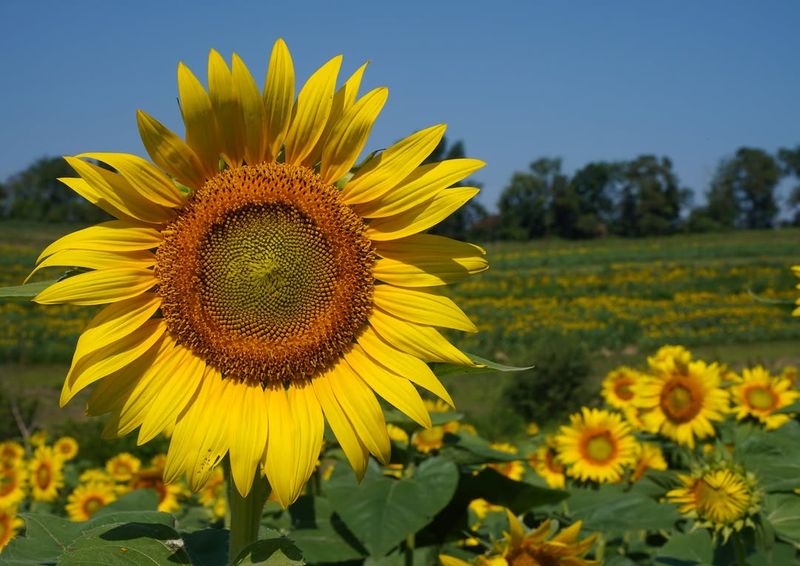
Pennsylvania summers are warm, sunny, and just humid enough to make most flowering plants very happy. Sunflowers fit right in.
They are sun-loving plants that need at least six hours of direct sunlight per day, and Pennsylvania delivers that in abundance from late May through early September.
One of the great things about sunflowers is how well they handle heat. On those hot July days when other plants start to wilt, sunflowers just keep growing.
They are drought-tolerant once established, which means they can handle dry spells without needing constant watering. That is a big plus for busy Pennsylvania gardeners who do not always have time to babysit their plants.
Pennsylvania soil varies quite a bit across the state, but sunflowers are not picky. They grow well in sandy soil, loamy soil, and even slightly clay-heavy ground.
As long as the soil drains reasonably well and gets plenty of sun, sunflowers will do their thing. Adding a bit of compost before planting can help boost growth, but it is not required.
The growing season in Pennsylvania typically runs from late May through October. Sunflowers planted in late May or early June will bloom beautifully by mid to late summer, right when your garden needs the most color.
Succession planting every two to three weeks can keep blooms coming from July all the way through September. Pennsylvania gardeners have a solid growing window, and sunflowers make the most of every sunny day available to them throughout the season.
4. Sunflowers Add Fast Garden Color
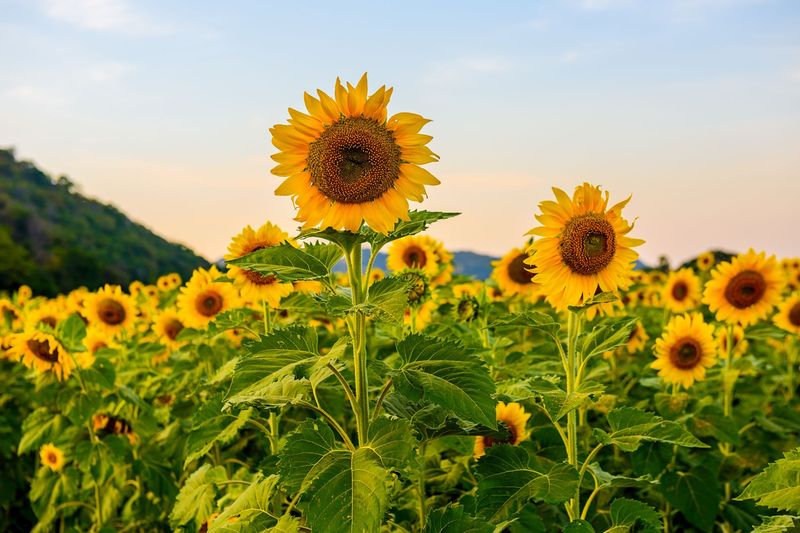
Some plants take forever to show results. Sunflowers are not one of them. From seed to full bloom, many sunflower varieties take only 70 to 85 days. That means if you plant them in late May, you could be looking at a wall of golden color by mid-August.
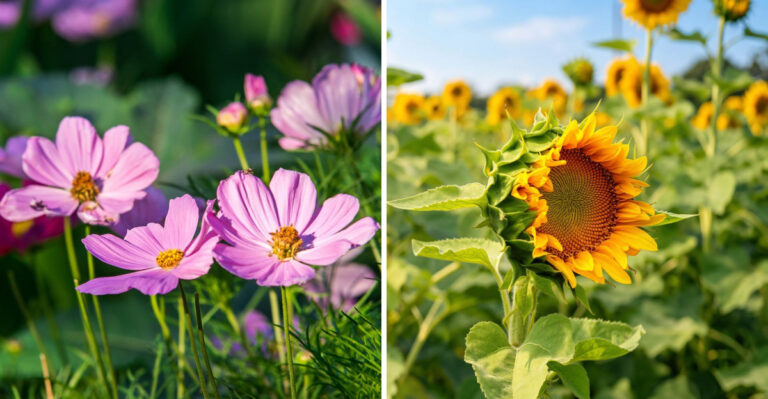
Few garden plants can match that kind of speed The color range in sunflowers is surprisingly wide. Most people think of the classic bright yellow, but sunflowers also come in deep orange, burgundy, chocolate brown, and creamy white.
Mixing varieties creates a stunning display that looks like it took a professional landscaper to plan. In reality, you just dropped some seeds in the ground and let Pennsylvania sunshine do the rest.
Bold, tall sunflowers create a dramatic focal point in any yard. They draw the eye immediately and make even a plain garden look intentional and well-designed.
Shorter varieties work perfectly in containers or along borders, while tall varieties can reach six to twelve feet and become a real showstopper. Either way, the visual impact is undeniable.
Pennsylvania gardens can sometimes look a little tired in late summer when spring flowers have faded and fall plants have not kicked in yet. Sunflowers fill that gap perfectly.
They peak right in the middle of the season, bringing energy and brightness to a yard that might otherwise feel dull.
Planting them in clusters or long rows along a fence or garden bed creates a bold, cheerful statement that neighbors and visitors will absolutely notice and admire.
5. Sunflowers Help Create Natural Privacy
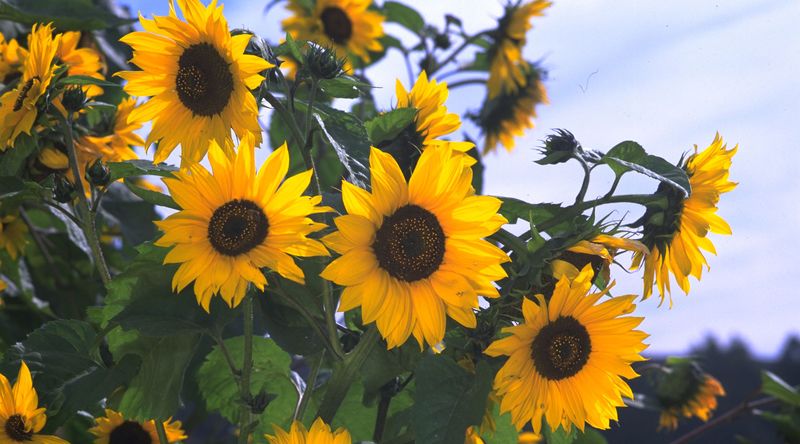
Not everyone wants to build a wooden fence or install a trellis for privacy. Sometimes the simplest solution is also the most beautiful one.
Tall sunflower varieties can grow anywhere from six to twelve feet high, creating a living wall that blocks unwanted views and adds serious charm to your outdoor space.
Planting a dense row of tall sunflowers along the edge of your patio or garden bed gives you a temporary privacy screen that goes up fast.
Varieties like Mammoth Russian and American Giant are popular choices for Pennsylvania gardeners looking to create that natural barrier.
They grow thick and tall, and when planted close together, they form a lush green and yellow wall that feels more like a garden feature than a privacy fix.
The best part is that this living screen costs almost nothing compared to fencing or landscaping. A packet of sunflower seeds runs just a few dollars, and with a little water and sunshine, those seeds become a towering privacy border in a matter of weeks.
Pennsylvania summers give sunflowers plenty of time to reach their full height before the season ends.
Sunflower privacy screens work especially well around patios, fire pit areas, compost bins, or garden beds you want to separate from the rest of the yard. They also muffle some noise from nearby streets or neighbors, which is a nice bonus.
When fall arrives and the plants wind down, you simply cut them back and plan where to plant them again next year. It is seasonal, flexible, and genuinely lovely to look at all summer long.
6. Sunflowers Are Easy For Beginners To Grow
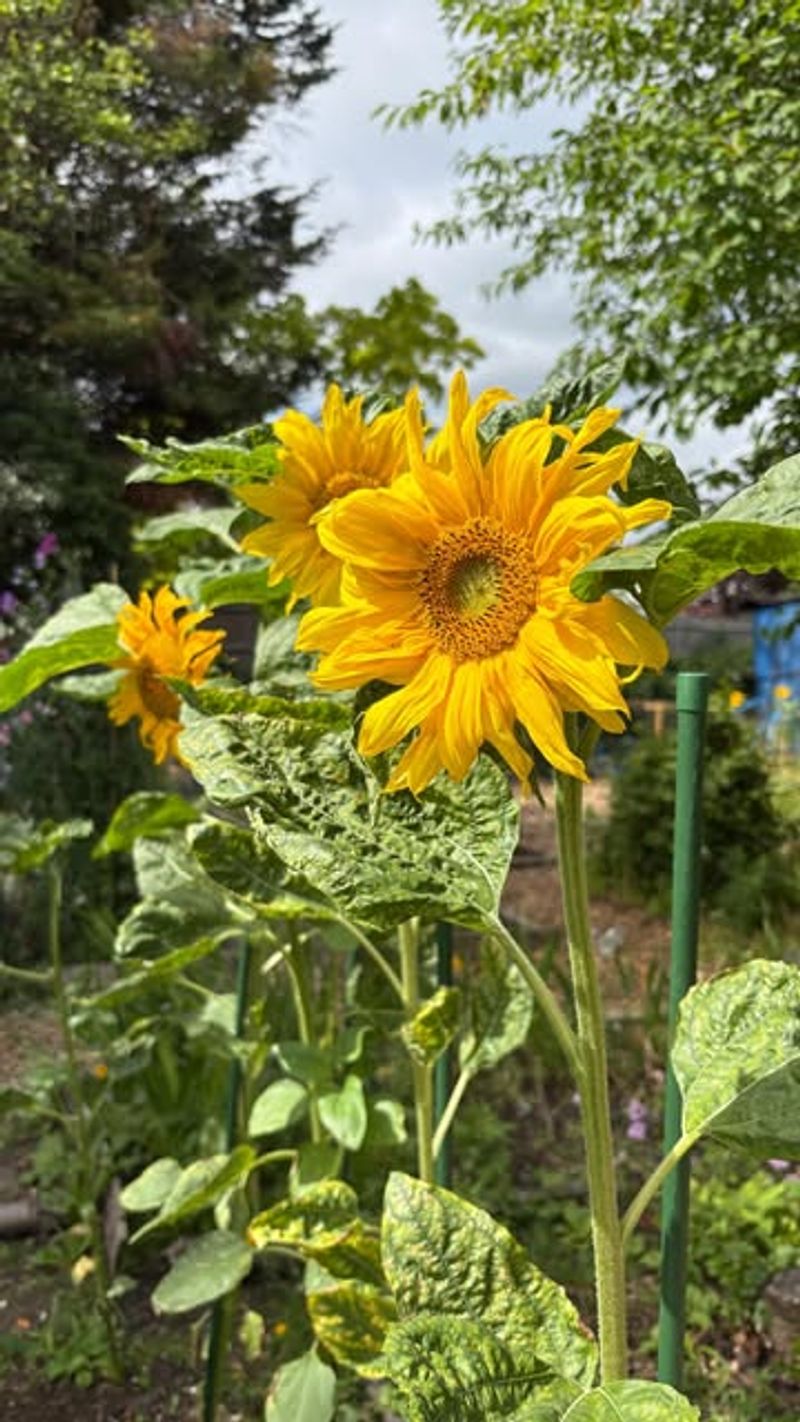
Gardening should feel fun, not frustrating. Sunflowers are one of those rare plants that almost always cooperate, no matter your experience level.
If you have never grown anything before, sunflowers are the perfect starting point. They are forgiving, fast-growing, and genuinely hard to mess up.
All you really need is a sunny spot, decent soil, and water. Sunflower seeds are large enough for small hands to handle easily, which makes them a fantastic choice for kids.
Many Pennsylvania elementary schools and summer programs use sunflowers as a first gardening project because children can see results quickly. Watching a tiny seed become a towering flower in just a few months is magical for young gardeners.
You do not need to start sunflowers indoors or worry about complicated transplanting schedules. Just direct sow the seeds into your garden after the last frost, which in Pennsylvania typically falls between late April and mid-May depending on where you live.
Push the seed about an inch into the soil, water it in, and step back. Within a week or two, you will see little sprouts pushing up through the ground.
Sunflowers do not need much fertilizer, and they rarely have serious pest problems. Occasional watering during dry spells is usually enough to keep them happy.
They are also surprisingly resistant to common garden challenges like wind and brief periods of drought.
For new Pennsylvania gardeners who want a confidence-boosting win right away, there is no better plant to start with than a sunflower. Success feels great, and sunflowers deliver it reliably every single season.
7. Sunflowers Improve Garden Biodiversity
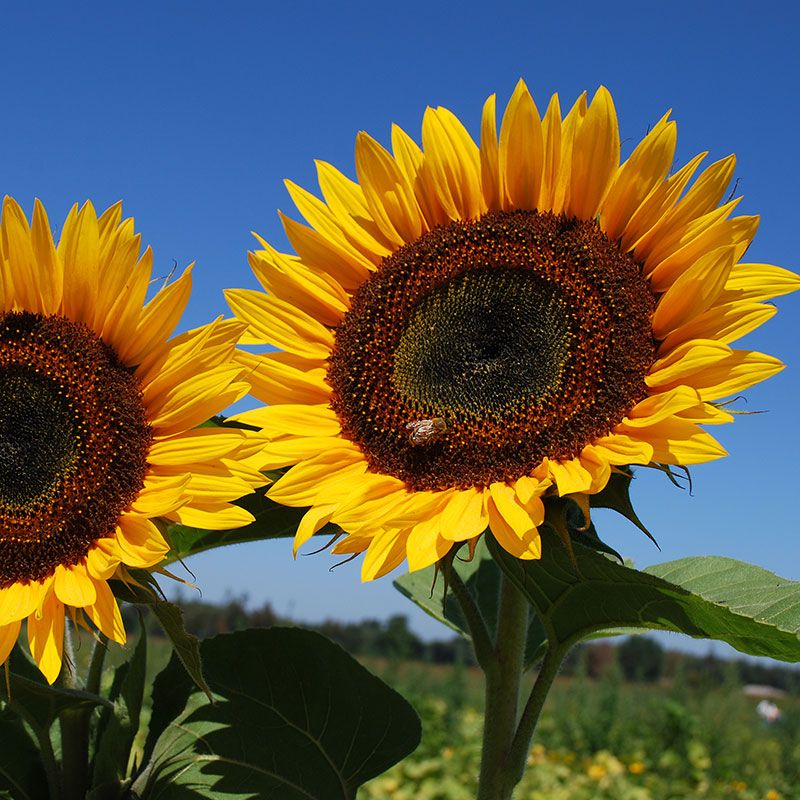
A garden full of only one or two types of plants is like a neighborhood with only one type of store. It works, but it is missing a lot.
Biodiversity means having a wide variety of plants, insects, and wildlife working together, and sunflowers are one of the easiest ways to boost that balance in your Pennsylvania yard.
Sunflowers attract far more than just bees and butterflies. Beneficial insects like ladybugs, lacewings, and parasitic wasps are drawn to sunflowers as well.
These insects are natural helpers. Ladybugs eat aphids, and lacewings feed on mites and other small pests that can damage your garden plants.
By bringing these insects in, sunflowers help keep your garden healthier without the need for chemical sprays.
The roots of sunflowers also play a quiet but important role underground. They help loosen compacted soil and draw up nutrients from deeper layers, which can benefit surrounding plants.
Some gardeners in Pennsylvania use sunflowers as a companion plant in vegetable gardens for exactly this reason. Cucumbers, squash, and corn all seem to benefit from having sunflowers nearby.
After the season ends, sunflower stalks and leaves break down and add organic matter back into the soil. Over time, this improves soil structure and fertility, making your garden more productive year after year.
The more biodiversity you build into your Pennsylvania garden, the more resilient it becomes to weather changes, pest pressure, and seasonal challenges.
Sunflowers are a simple, affordable, and beautiful way to start building that kind of healthy, balanced outdoor space right in your own backyard.