Start Spring Early In Georgia With These 8 Container Plants
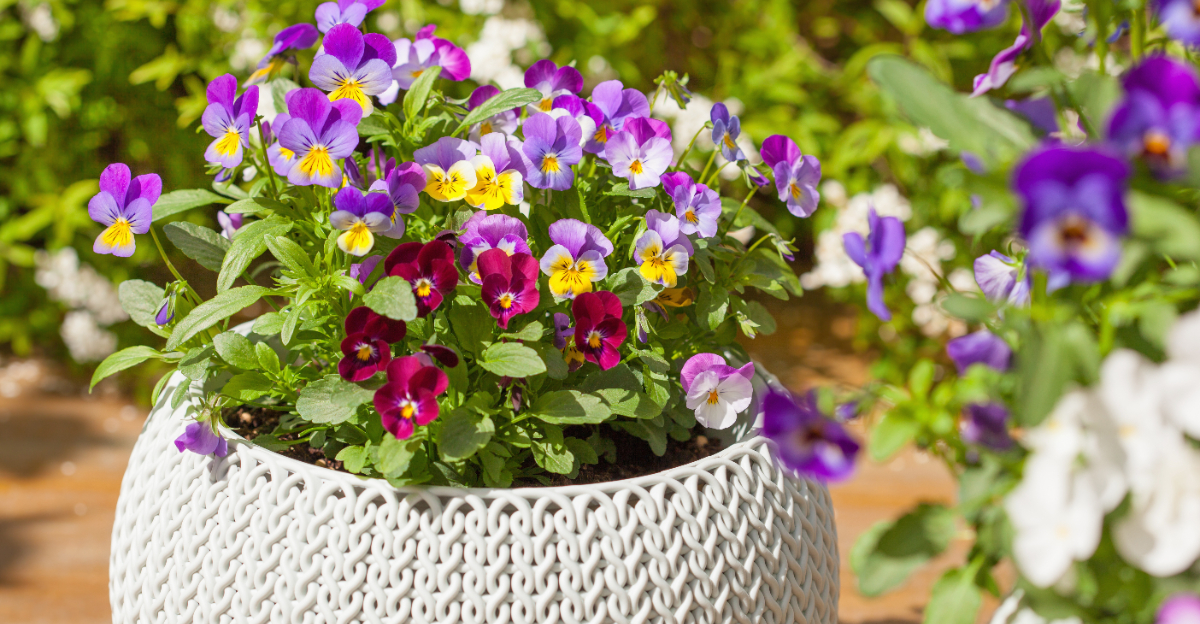
Georgia spring has that awkward phase where everything looks half awake. The trees are thinking about leafing out, the lawn is uneven, and your porch still feels like it belongs to winter.
That is usually the moment when containers make the biggest difference.
A few well-chosen plants in pots can wake up an entryway almost overnight. Color shows up fast.
Texture softens hard edges. Even one strong container near the front door can make the whole space feel more put together.
The key is using plants that can handle cool nights without stalling the moment temperatures dip.
Start early with the right container picks, and your Georgia home will look like it is ready for spring while everything else is still catching up.
1. Snapdragons Tolerate Light Frost And Add Height
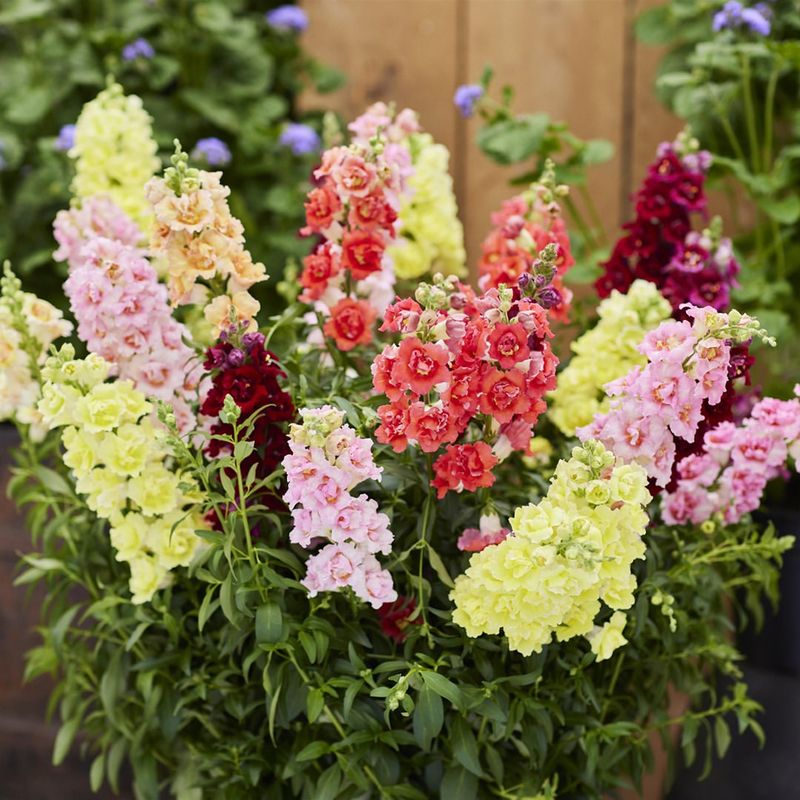
Vertical spikes reach skyward from containers, bringing much-needed height to flat arrangements. Snapdragons create dramatic focal points that draw the eye upward, making small spaces feel larger and more interesting.
Their unusual flowers look like tiny dragon mouths that children love to pinch open and closed.
Georgia’s cool spring mornings suit these flowers perfectly. They actually produce more blooms and stronger stems when temperatures stay between 40 and 70 degrees, which describes most of March and early April in our state.
Plant them in deep containers because their root systems need room to support those tall flower spikes.
Dwarf varieties work better for windy locations or smaller pots. Taller types need staking sometimes, especially in exposed areas around Marietta or Roswell where spring breezes can be strong.
Either way, snapdragons bring vertical interest that most other cool-season flowers can’t match in container arrangements.
Cutting flowers for indoor bouquets actually helps the plant. Each time you snip a stem, the plant responds by producing more flowering shoots from lower on the stem.
This means more blooms for your containers and fresh flowers for your kitchen table. Water consistently and fertilize weekly with a balanced liquid feed to keep those towers of color coming strong until Georgia’s summer heat finally slows them down.
2. Pansies Keep Blooming Through Georgia’s Cool Weather
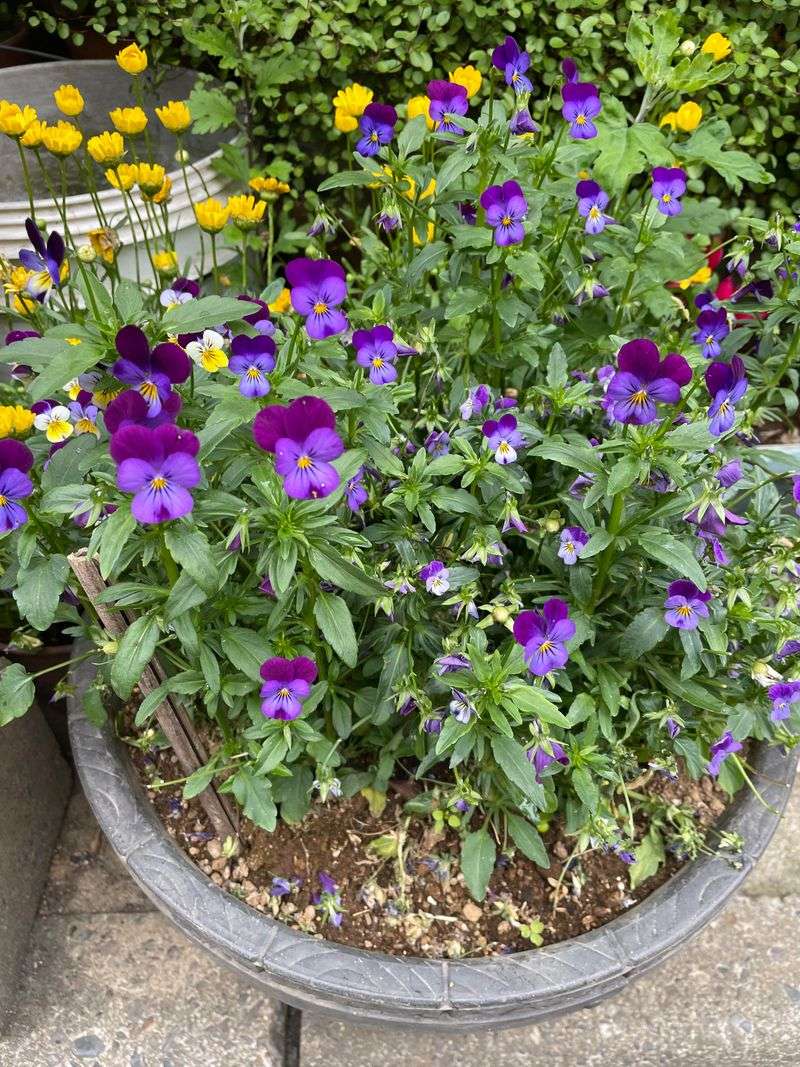
Bright faces turn toward the sun even when temperatures dip into the 30s at night. Pansies laugh at Georgia’s fickle February weather, producing cheerful blooms that keep coming no matter what the thermometer says.
Garden centers across Atlanta, Savannah, and Athens stock these cold-loving favorites as early as January because they know local gardeners can’t resist their charm.
Plant them in containers with good drainage and watch them fill out quickly. They prefer rich potting soil mixed with a slow-release fertilizer to keep those blooms coming strong.
Water regularly but don’t let the soil stay soggy, especially during those surprise warm spells we get in March.
Colors range from deep purple and bright yellow to soft pastels and dramatic near-blacks. Mix several shades in one large container for maximum impact on your front porch.
Deadheading spent flowers encourages more blooms, though these plants are so vigorous they’ll keep flowering even if you forget.
Your Georgia Garden Changes Every Week. Your Plan Should Too.
Gardening in Georgia changes quickly throughout the season. Every Friday you’ll receive a simple weekly plan showing exactly what to plant, prune, fertilize, harvest, and protect so you never miss the right timing.
Georgia’s spring sunshine makes pansies incredibly happy. Position your containers where they’ll get morning sun and afternoon shade once April arrives.
That combination keeps them blooming longer as temperatures start climbing. Feed them every two weeks with liquid fertilizer diluted to half strength for continuous color that lasts well into May across most of Georgia.
3. Dianthus Blooms Early And Tolerates Late Cold Snaps
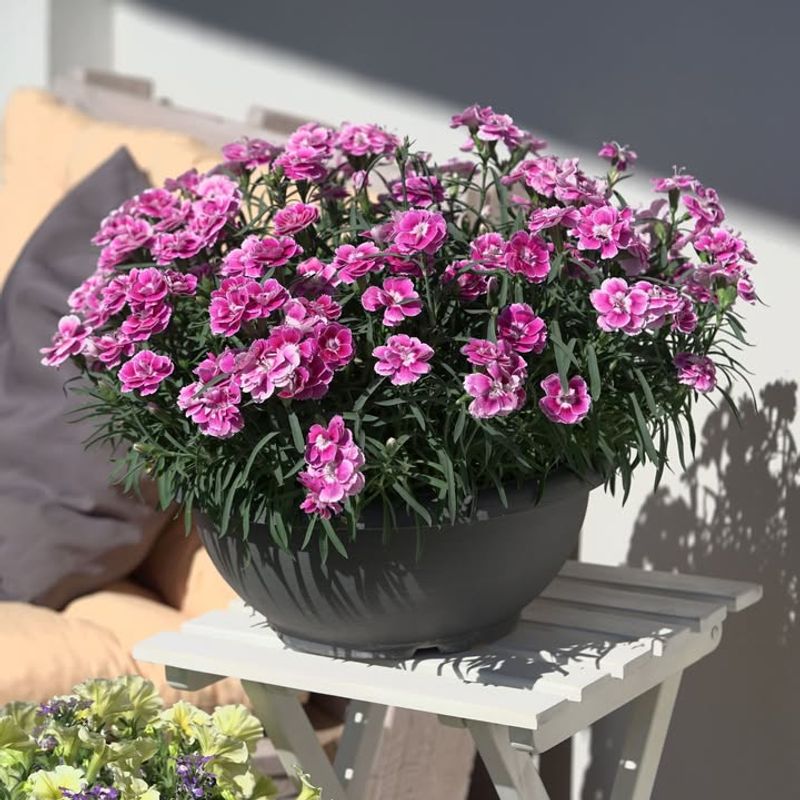
Spicy fragrance stops people in their tracks when they walk past containers filled with dianthus. These flowers smell like cloves mixed with cinnamon, adding a sensory dimension that most other plants can’t offer.
Their ruffled, fringed petals look almost Victorian in their delicate complexity.
Blooming starts incredibly early across Georgia. Dianthus often shows color in late February when planted in containers that can be moved to protected locations during the coldest nights.
Athens and Decatur gardeners appreciate how these plants bridge the gap between winter and true spring with reliable flowers.
Alkaline soil preferences set dianthus apart from most container plants. Add a handful of lime to your potting mix before planting to create the slightly sweet soil these flowers prefer.
Good drainage is absolutely essential because wet roots cause more problems than cold temperatures ever will in Georgia’s climate.
Compact varieties stay tidy in pots without constant trimming. Taller types benefit from pinching back early growth to encourage bushier plants with more flower stems.
Deadhead regularly by snapping off spent blooms just above the next set of leaves to keep fresh flowers coming.
Dianthus continues blooming well into May across most of Georgia before summer heat finally convinces them to rest, giving you months of color and fragrance from a single planting.
Full sun keeps plants compact and flowering heavily, though light afternoon shade can help in warmer parts of Georgia. Avoid overwatering, especially during cool stretches when soil stays damp longer than expected.
Once intense summer heat settles in, growth slows naturally until cooler weather returns.
4. Violas Handle Chilly Nights And Continue Flowering
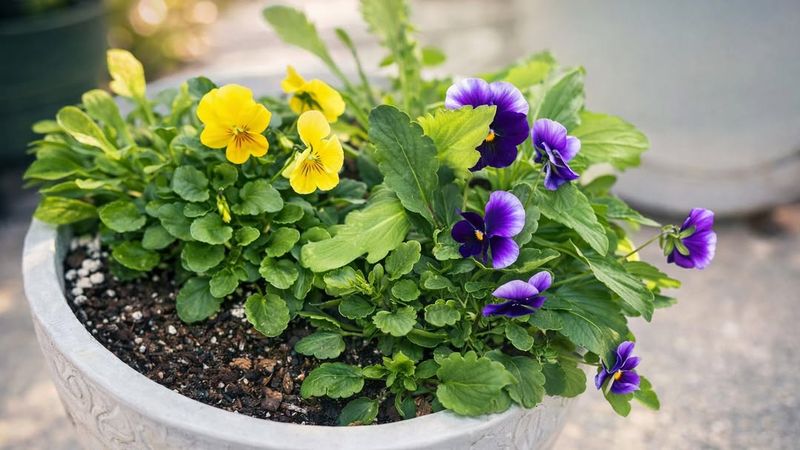
Smaller cousins to pansies pack just as much punch in containers throughout Georgia. Violas produce dozens of dainty flowers that cover the plant completely, creating a carpet of color that looks stunning spilling over pot edges.
Their compact size makes them perfect for smaller spaces on apartment balconies or narrow windowsills.
Cold tolerance is their superpower. While other flowers sulk when frost threatens, violas keep right on blooming through temperatures that would damage more tender plants.
Macon and Columbus gardeners often plant them in late January, knowing these tough little flowers will handle whatever winter throws their way.
Soil requirements are simple and forgiving. Use standard potting mix and make sure your containers have drainage holes to prevent waterlogging during Georgia’s frequent spring rains.
Violas actually prefer cooler, slightly moist conditions over hot and dry, making them ideal for our unpredictable early season weather patterns.
Combining violas with taller plants creates beautiful layered container arrangements. Try pairing them with snapdragons or dusty miller for contrasting heights and textures.
Their prolific blooming habit means you’ll have constant color from planting time straight through until summer heat arrives. Pinch back leggy stems occasionally to encourage bushier growth and even more flowers throughout the season.
Morning sun with light afternoon shade helps them perform longer as temperatures begin to rise in Georgia. Once consistent heat sets in, they naturally slow down, making room for warm-season replacements in your containers.
5. Dusty Miller Handles Cool Temperatures With Ease
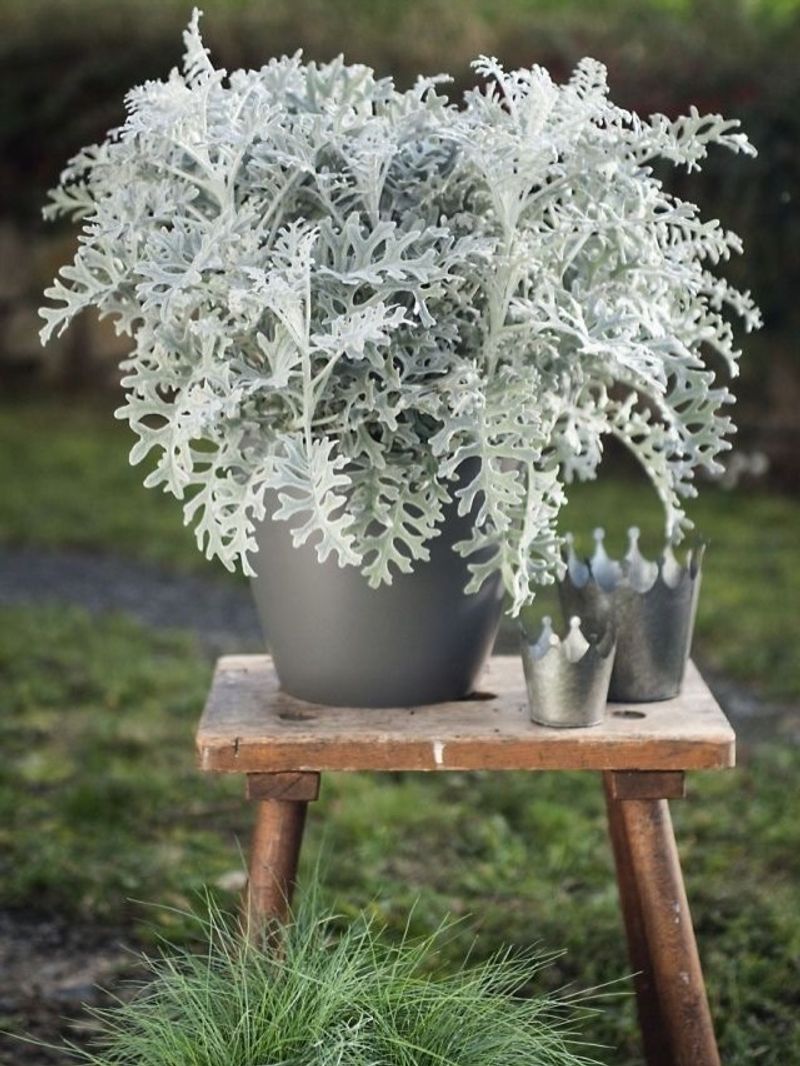
Silver foliage glows against darker colors in mixed container plantings. Dusty miller doesn’t rely on flowers for its appeal, instead offering soft, fuzzy leaves that look almost frosted.
This makes it invaluable for creating contrast and visual interest in early spring containers throughout Georgia.
Forget about frost damage with this tough plant. Dusty miller shrugs off cold snaps that would blacken tender annuals, continuing to look perfect even after overnight temperatures drop into the low 30s.
Augusta and Warner Robins gardeners use it as insurance in their containers, knowing it will still look good even if other plants suffer.
Texture matters as much as color in great container designs. The velvety leaves of dusty miller provide a soft counterpoint to glossy pansies or spiky ornamental grasses.
Its neutral silver tone makes every color around it appear more vibrant and helps tie together plantings that might otherwise clash.
Low maintenance describes this plant perfectly. Water when the soil feels dry an inch down, and skip the fertilizer almost entirely since too much feeding reduces that beautiful silver coloring.
Pinch back any flower stalks that appear because the blooms are unremarkable and take energy away from foliage production. Dusty miller thrives on benign neglect, making it perfect for busy Georgia gardeners who want beautiful containers without constant fussing.
Full sun keeps the foliage compact and brightest in color, especially during Georgia’s cooler months. As temperatures rise toward late spring, it continues performing well until intense summer heat signals the shift to warm-season plantings.
6. Ornamental Kale Thrives In Cool Spring Containers
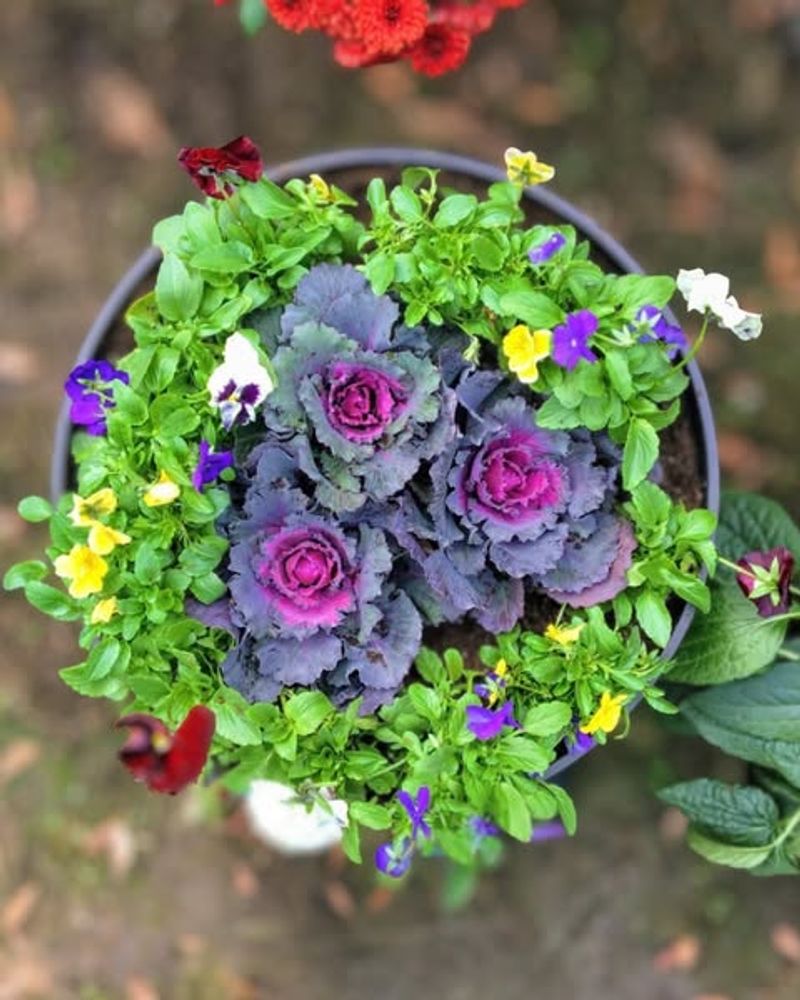
Ruffled leaves create living bouquets that improve as temperatures drop. Ornamental kale actually gets more colorful when nights turn chilly, developing deeper purples, pinks, and creams that make it look almost artificial in its perfection.
Unlike flowering plants, this foliage superstar delivers months of consistent beauty.
Cold brings out the best colors in ornamental kale. What starts as mostly green in mild weather transforms into stunning rosettes of purple, pink, and white once Georgia temperatures dip into the 40s at night.
This makes it perfect for containers that need to look good from January through April in locations like Sandy Springs and Alpharetta.
Size varies considerably between varieties. Some ornamental kale types stay compact at eight inches across, while others can reach two feet in diameter, so choose based on your container size and design needs.
The larger types make dramatic single-specimen plantings, while smaller varieties work well in mixed arrangements.
Edible leaves surprise many gardeners. While grown primarily for looks, ornamental kale tastes just like regular kale and can be harvested for cooking.
The outer leaves are tougher and best for soups, while inner leaves are tender enough for salads.
Water regularly and fertilize monthly to keep plants vigorous and colorful throughout Georgia’s unpredictable spring weather patterns.
These plants laugh at cold and deliver reliable beauty when many other options struggle.
Drainage matters more than rich soil, especially during stretches of heavy Georgia rain. Remove yellowing outer leaves occasionally to keep the rosettes looking fresh and tidy through the season.
7. Alyssum Spreads Quickly In Mild Temperatures
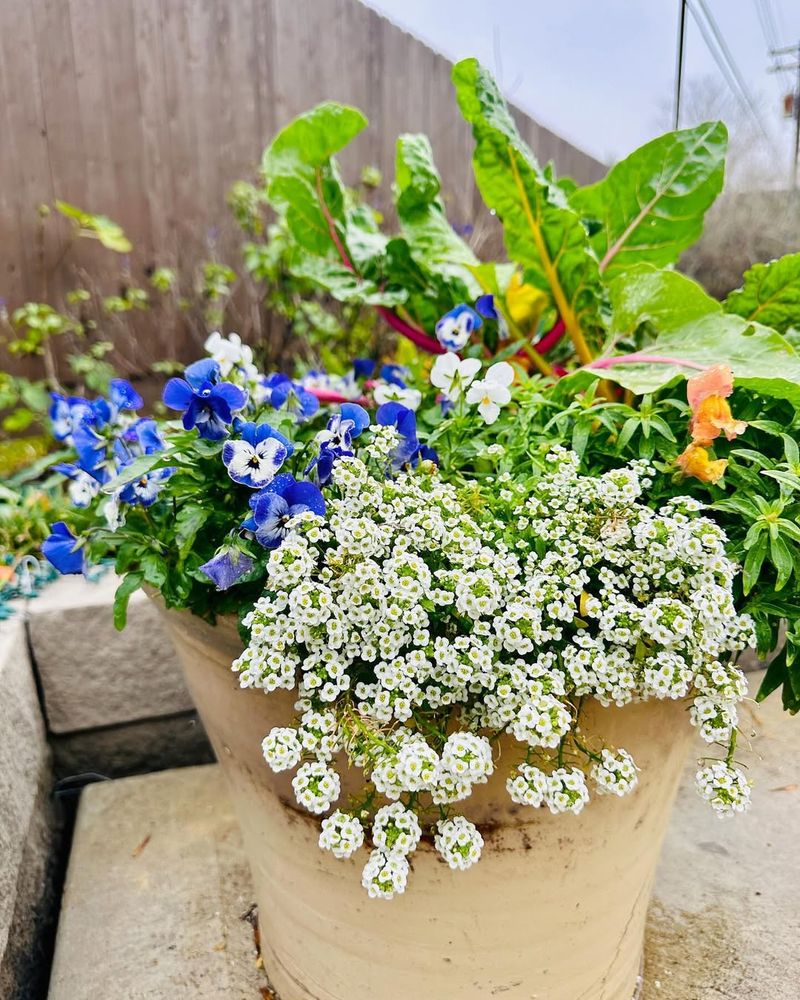
Honey-scented clouds spill over container edges within weeks of planting. Alyssum grows fast in Georgia’s mild spring weather, quickly covering soil and creating the appearance of established plantings even when they’re brand new.
Its tiny flowers pack together so densely that the plant looks like it’s covered in snow.
Spreading habit makes alyssum perfect for filling gaps in mixed containers. Plant it around the edges where it can cascade down the sides, softening hard container lines and creating a more natural, overflowing look.
Columbus and Valdosta gardeners love how quickly it fills in bare spots between slower-growing plants.
Fragrance intensifies on warm afternoons. Walk past a container full of alyssum when the sun hits it, and you’ll smell the sweet honey scent from several feet away.
This makes it wonderful for planting near seating areas, doorways, or anywhere people gather on patios and porches.
Reseeding happens readily in Georgia gardens. Alyssum often comes back year after year from seeds dropped the previous season, popping up in containers and nearby garden beds without any effort on your part.
Shear plants back by half if they get leggy in late spring to encourage fresh growth and renewed blooming.
Water regularly during dry spells and skip fertilizer entirely since too much feeding produces leaves instead of flowers throughout the growing season.
8. Petunias Grow Well Once The Risk Of Hard Freeze Passes
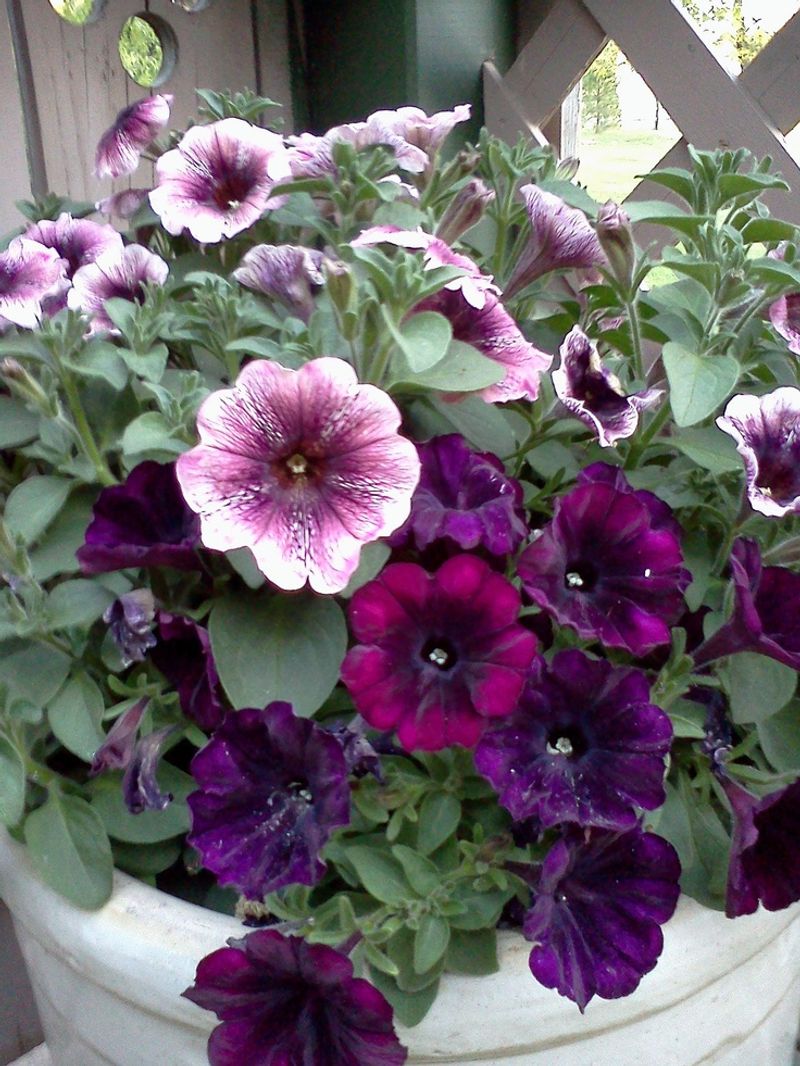
Wait until mid-March in most Georgia locations before adding petunias to containers. These popular flowers can’t handle hard freezes like the previous plants on this list, but they’re too good to skip once temperatures stabilize above freezing at night.
Their enormous color range and vigorous growth make them worth the short wait.
Modern varieties bloom nonstop without deadheading. Wave petunias and similar types have been bred to drop spent flowers on their own and keep producing new blooms continuously.
This makes them perfect for busy gardeners who want beautiful containers without daily maintenance throughout the spring and summer months.
Sun requirements are high for maximum flowering. Petunias need at least six hours of direct sunlight daily to bloom their best, making them ideal for sunny patios, decks, and balconies across Gainesville and Dalton.
Shadier locations will result in leggy plants with fewer flowers and disappointing performance.
Fertilizer needs are higher than most container plants. Feed petunias weekly with a bloom-boosting fertilizer high in phosphorus to keep flowers coming strong.
Water deeply when the top inch of soil feels dry, which might mean daily watering once Georgia’s heat arrives in May.
Pinch back stems by a third in late spring to encourage bushier growth and prevent that stretched-out look that can develop as plants mature and temperatures rise steadily.
Good drainage prevents root rot, especially during Georgia’s heavy spring rains. As summer heat intensifies, afternoon shade can help containers stay hydrated and blooming longer.