10 Compact Native Plants That Outperform Big Shrubs In Florida
Florida yards often drown in oversized shrubs that swallow space, suck water, and demand constant trims. Smart gardeners now flip the script with compact native plants that stay small, fight heat, laugh at drought, and fuel local wildlife.
This fresh wave of landscape design delivers bold color, rich texture, and year round life without the bulk. Picture vibrant blooms, glossy leaves, and butterflies crowd every corner while your maintenance list shrinks.
Native choices evolved for Florida soil, storms, and sun, so they thrive where imported giants struggle. Landscapes look cleaner, wilder, and more alive at the same time.
Homeowners save water, cut costs, and boost curb appeal in one move. The real surprise comes from power packed natives that outperform traditional shrubs in beauty, resilience, and ecological value.
Get ready to rethink size, rethink effort, and discover compact Florida natives that transform small spaces into high impact, low stress showcases.
1. Dwarf Firebush Brings Big Color
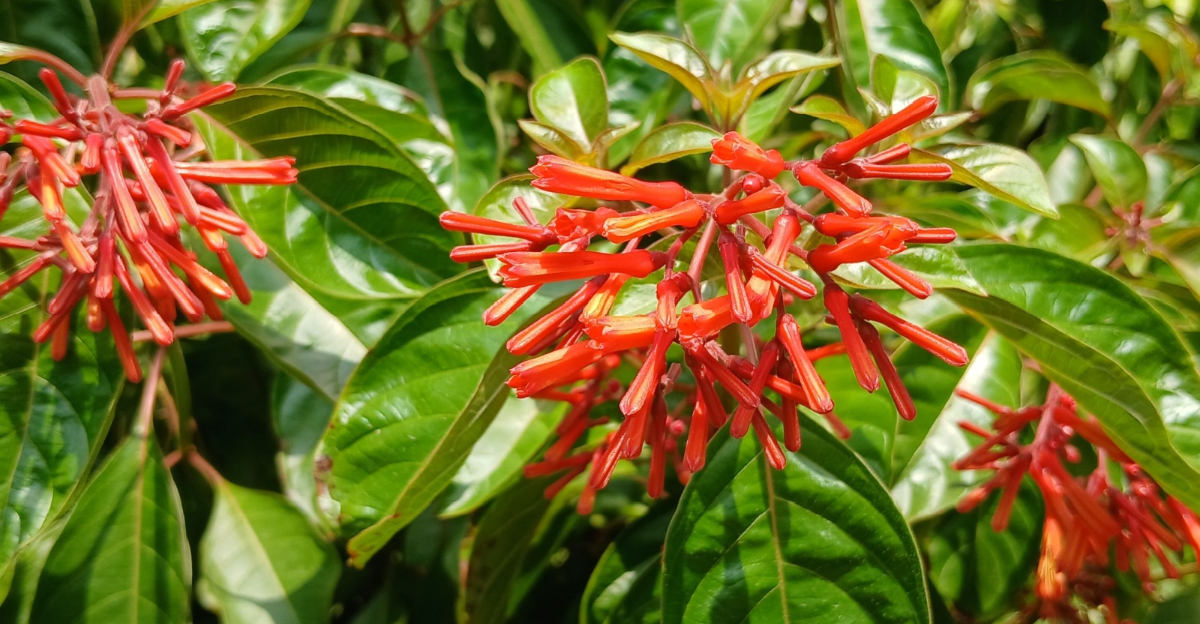
Picture a plant that practically glows in the Florida summer sun, drawing hummingbirds right to your window while you sip your morning coffee. Dwarf Firebush, known botanically as Hamelia patens, delivers exactly that kind of front-row garden drama in a tidy, manageable package.
Unlike the full-size species that can reach eight feet or more, the dwarf form typically stays between three and four feet tall, making it perfectly suited for foundation plantings, borders, and small yard designs.
Florida heat does not slow this plant down at all. In fact, it seems to perform better as temperatures climb, pushing out clusters of red-orange tubular flowers almost continuously from spring through fall.
Pollinators absolutely love it, and the small dark berries that follow the blooms are a favorite snack for mockingbirds and other native Florida birds. University of Florida IFAS Extension recommends it as one of the most reliable pollinator plants for Florida landscapes.
Plant Dwarf Firebush in full sun to partial shade with well-drained soil. Once established, it is remarkably drought tolerant, needing little supplemental irrigation.
Pruning once a year in early spring keeps it looking clean and encourages fresh, flowering growth throughout the warm season.
2. Simpsons Stopper Stays Naturally Neat
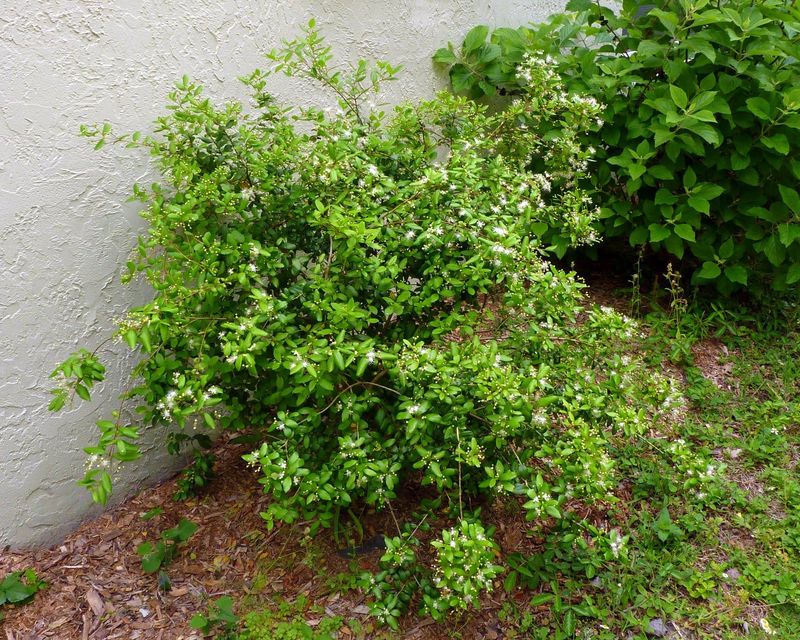
Some shrubs need constant coaxing to look presentable, but Simpsons Stopper seems to have its own built-in sense of tidiness. Myrcianthes fragrans is a slow-growing Florida native that rarely needs shaping to maintain a clean, attractive form.
Its naturally dense branching and glossy green foliage make it a standout choice for homeowners who want a polished look without spending every weekend with a hedge trimmer in hand.
The fragrant white flowers that appear in spring and early summer are a genuine treat, filling the air with a sweet, spicy scent that draws in native bees and butterflies. What follows is equally impressive: clusters of small orange-red berries that ripen through fall and winter, attracting mockingbirds, cedar waxwings, and other birds that visit Florida landscapes during the cooler months.
This plant earns its place in any wildlife-friendly yard.
Simpsons Stopper grows well in full sun to partial shade and adapts to a range of soil types, including the sandy, nutrient-poor soils common across much of Florida. It handles light drought once established and tolerates salt spray reasonably well, which makes it a smart choice for coastal Florida properties.
Your Florida Garden Changes Every Week. Your Plan Should Too.
Gardening in Florida changes quickly throughout the season. Every Friday you’ll receive a simple weekly plan showing exactly what to plant, prune, fertilize, harvest, and protect so you never miss the right timing.
It can reach 10 feet or more over time, though it is easily maintained at a smaller size with light pruning.
3. Dwarf Fakahatchee Grass Adds Soft Texture
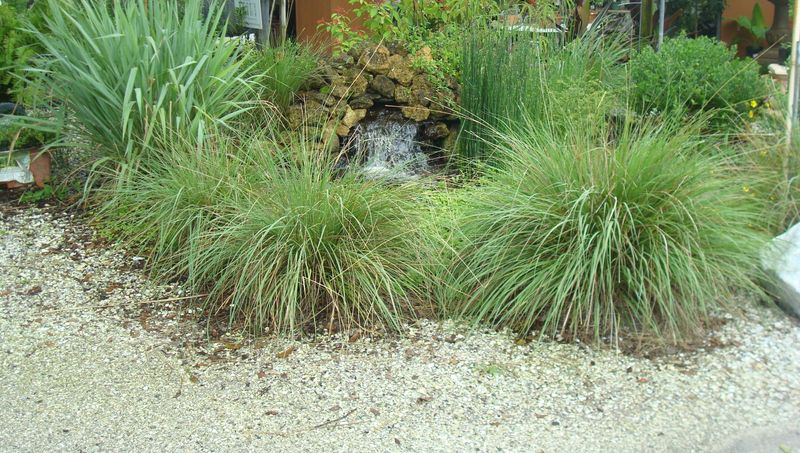
There is something calming about watching ornamental grass move in a breeze, and Dwarf Fakahatchee Grass brings exactly that kind of relaxed, flowing energy to Florida gardens without overwhelming the space. A dwarf form of Tripsacum dactyloides is a compact relative of the larger Fakahatchee Grass, growing to about two or three feet tall and wide.
Its fine-textured, arching blades create a soft, layered look that contrasts beautifully with broader-leaved Florida natives nearby.
Beyond its visual appeal, this grass plays a practical role in the landscape. Its fibrous root system helps stabilize sandy Florida soils and reduces erosion along slopes, garden edges, and retention areas.
It also provides structure and year-round presence in beds that might otherwise look bare between flowering seasons. Planted in groupings, it creates a naturalistic rhythm that feels right at home in Florida’s native plant communities.
Dwarf Fakahatchee Grass thrives in full sun to partial shade and is well-adapted to the poor, sandy soils found throughout much of the state. It is highly drought tolerant once established and requires almost no fertilization.
Simply cut it back by about half in late winter to encourage fresh new growth in spring. Florida Native Plant Society lists it as an excellent choice for low-maintenance naturalistic landscapes across the peninsula.
4. Coontie Is A Tough Florida Native
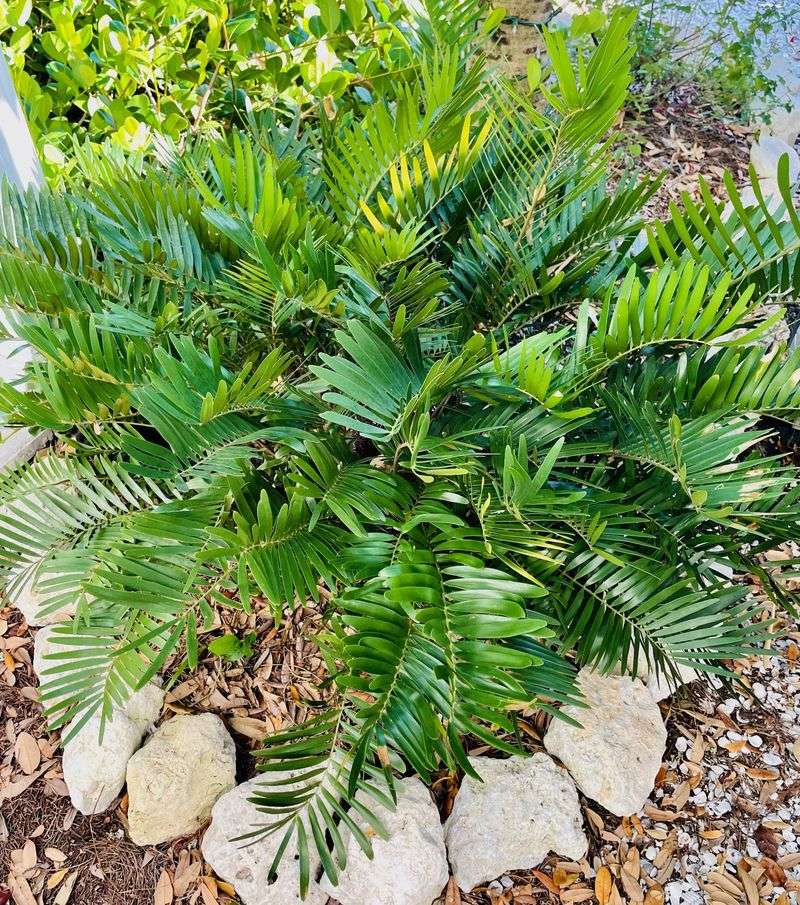
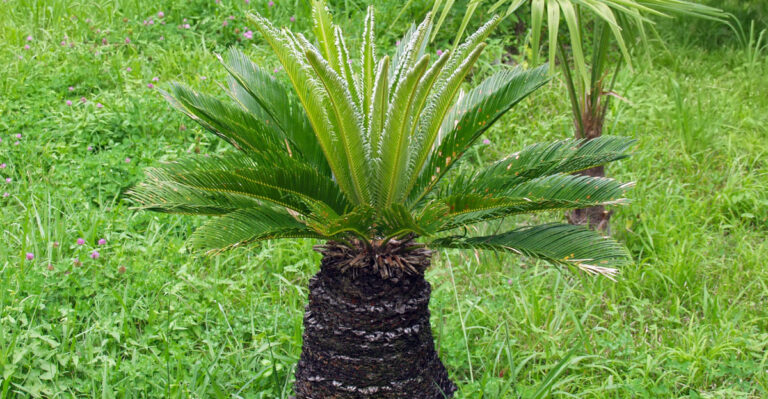
Long before Florida became a state, Coontie was already thriving here. Zamia integrifolia is Florida’s only native cycad, a living fossil that has grown in Florida’s sandy soils for thousands of years.
Seminole and other Indigenous peoples used the starchy roots as a food source, and early Florida settlers milled it into flour. The roots required careful processing to remove naturally occurring toxins before being consumed.
Today it earns its place in modern landscapes not just for its history but for its extraordinary toughness and versatility.
Coontie grows in a low, mounding form, typically reaching one to three feet tall, with dark glossy fronds that look lush even during Florida’s driest months. It thrives in full sun to deep shade and is one of the most drought-tolerant native plants available for Florida yards.
Sandy, infertile soil is no obstacle at all. In fact, Coontie performs best when left alone, without heavy fertilization or irrigation once it is established.
One of its most important ecological roles is serving as the sole host plant for the Atala butterfly, a striking native species that was nearly lost from Florida in the twentieth century. Planting Coontie in your yard directly supports Atala butterfly populations across South and Central Florida.
University of Florida IFAS Extension recommends it enthusiastically for low-maintenance foundation plantings, borders, and xeriscape designs throughout the state.
5. Scarlet Sage Brings Native Color And Pollinators
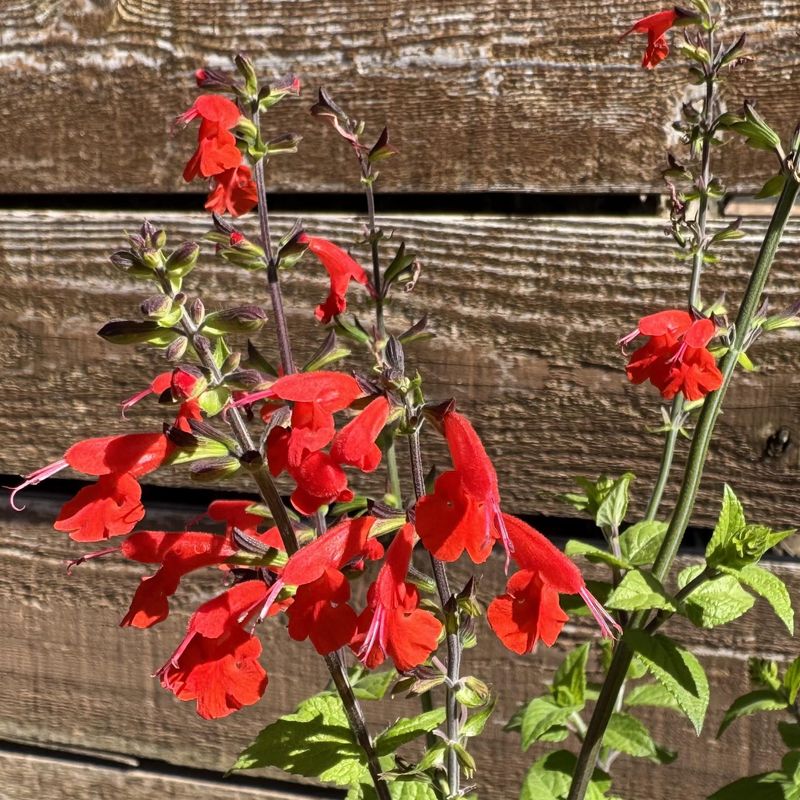
Bright color in a Florida garden does not need to come from oversized shrubs or high maintenance ornamentals. Scarlet Sage, botanically known as Salvia coccinea, delivers vivid red blooms on a compact plant that fits beautifully into smaller landscapes while supporting local wildlife in meaningful ways.
This Florida native wildflower typically grows one to three feet tall with an airy, natural form that works well in borders, cottage style plantings, and pollinator gardens. Flower spikes appear in shades of red, and sometimes pink or white, rising above soft green foliage and blooming repeatedly from spring through fall across much of Florida.
Even during intense summer heat, this plant continues producing nectar rich flowers that attract hummingbirds, butterflies, and native bees.
Scarlet Sage thrives in full sun to partial shade and adapts well to Florida sandy soils. Once established, it tolerates dry periods and often reseeds gently, creating a relaxed, natural look without becoming aggressive.
Occasional trimming of spent flower spikes can encourage additional blooms, though the plant performs well with minimal care.
Because it is truly native to Florida ecosystems, it supports pollinators more effectively than many imported ornamentals. University of Florida IFAS and the Florida Native Plant Society both recognize Scarlet Sage as a reliable, low maintenance wildflower suited for home landscapes, restoration plantings, and water wise Florida gardens.
6. Dwarf Walters Viburnum Grows Compact And Clean
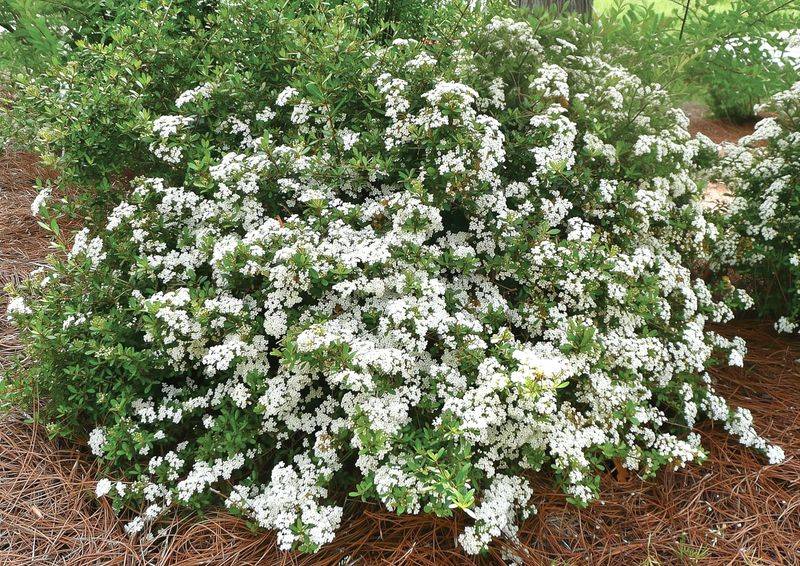
Walk past a well-grown Dwarf Walters Viburnum and you might do a double take, wondering how something so polished could require so little effort. Viburnum obovatum in its dwarf form is a Florida native evergreen shrub that naturally maintains a dense, rounded shape without aggressive pruning.
It is the kind of plant that looks intentional and well-tended even when you have not touched it in months, which is a rare quality in any landscape plant.
Small white flower clusters appear in late winter to early spring, attracting early-season pollinators at a time when few other Florida plants are blooming. The tiny dark berries that follow are eaten by a range of native birds, adding wildlife value across multiple seasons.
Its dense evergreen structure also provides excellent nesting cover for songbirds throughout the year, making it a genuinely functional addition to any Florida wildlife garden.
Dwarf Walters Viburnum adapts well across Florida’s varied regions, performing reliably from the Panhandle through Central Florida and into parts of South Florida. It tolerates a wide range of soil conditions, including clay, sand, and occasionally wet soils.
Plant it in full sun to partial shade. Mature height typically falls between two and four feet, making it an ideal low hedge, foundation plant, or mass planting for Florida yards of any size.
7. Twinflower Brings Bold Purple Color
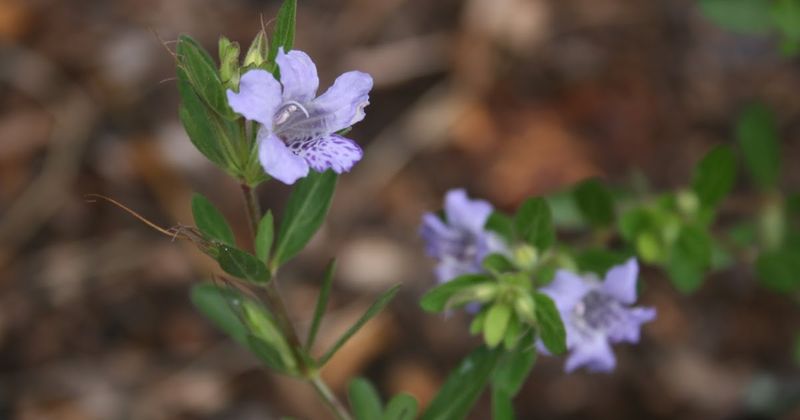
Purple flowers have a way of making a garden feel alive, and Twinflower delivers that pop of color at a scale that works beautifully in smaller Florida landscapes. Dyschoriste oblongifolia is a low-growing native groundcover that spreads gently across the soil surface, rarely exceeding twelve inches in height.
Its lavender-purple blooms appear in pairs along the stems, which is how the plant earned its common name, and they keep appearing across an impressively long season.
In Florida, Twinflower typically blooms from spring through fall, with peak flowering during the warmer months. That extended bloom period makes it one of the more reliable sources of nectar for native bees, skippers, and small butterflies throughout the growing season.
It works especially well beneath open-canopy trees where light filters through, filling in shady spots that many flowering groundcovers struggle to inhabit.
Twinflower is native to Florida’s scrub, flatwoods, and disturbed sandy areas, so it is fully adapted to the poor soils and periodic drought conditions that challenge so many ornamental plants in Florida yards. Once established, it needs very little supplemental water and no fertilizer to perform well.
It spreads gradually by rhizomes, slowly filling in bare areas without becoming invasive. Florida Native Plant Society recognizes it as an excellent, underused groundcover for naturalistic and pollinator-focused Florida landscapes.
8. Sunshine Mimosa Turns Lawns Into Blooms
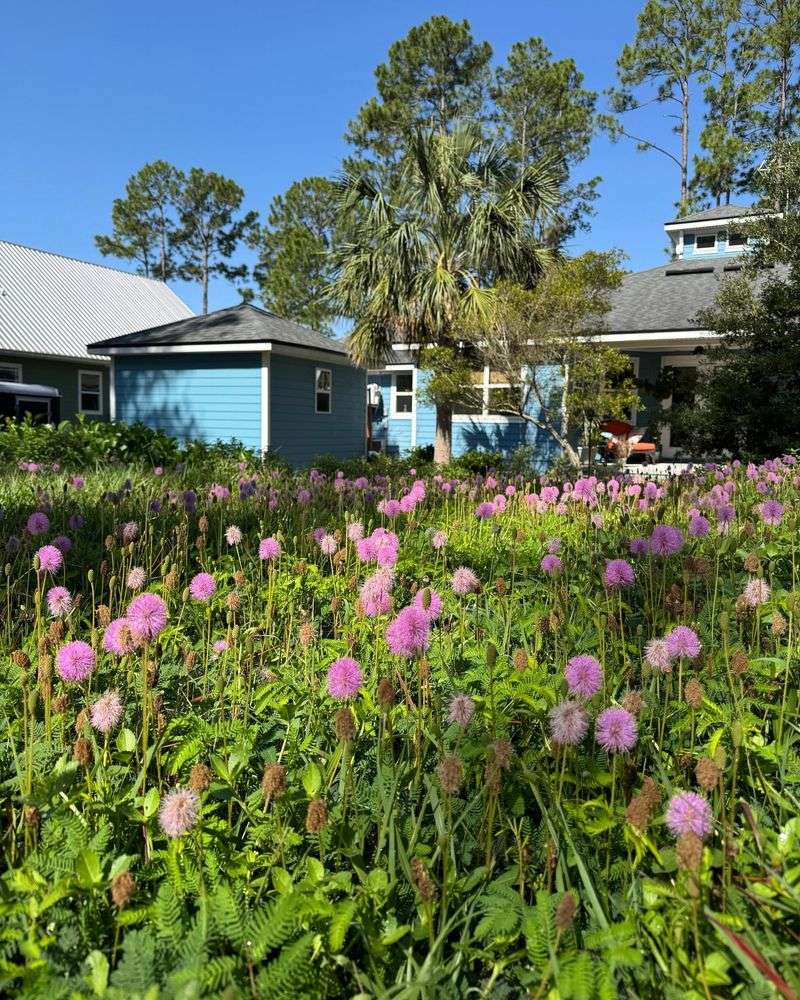
Imagine stepping outside on a Florida morning and finding your yard covered in soft pink powder-puff blooms just a few inches off the ground. Mimosa strigillosa makes that scene possible, and it does it while fixing nitrogen in the soil, reducing the need for fertilizer.
This creeping native groundcover grows flat and dense, forming a living mat that can replace sections of thirsty, high-maintenance turf grass in sunny Florida yards.
The feathery, fern-like foliage is part of the appeal, giving the plant a delicate appearance that contrasts with its surprisingly tough nature. Sunshine Mimosa handles full Florida sun with ease and is notably drought tolerant once its roots are established in well-drained soil.
It does not mind the occasional foot traffic of a casual path, though it is best suited for low-traffic areas where it can spread freely and bloom without interruption.
Pollinators are strongly attracted to the pink blooms, which appear reliably from spring through summer. Bumblebees and native bees visit frequently, making this plant a quiet but meaningful contributor to Florida’s pollinator populations.
Because it fixes atmospheric nitrogen through root bacteria, it naturally enriches the soil over time. University of Florida IFAS Extension recommends it as a sustainable turf alternative for sunny, well-drained Florida landscapes where water conservation is a priority.
9. Dwarf Yaupon Holly Stays Small And Strong
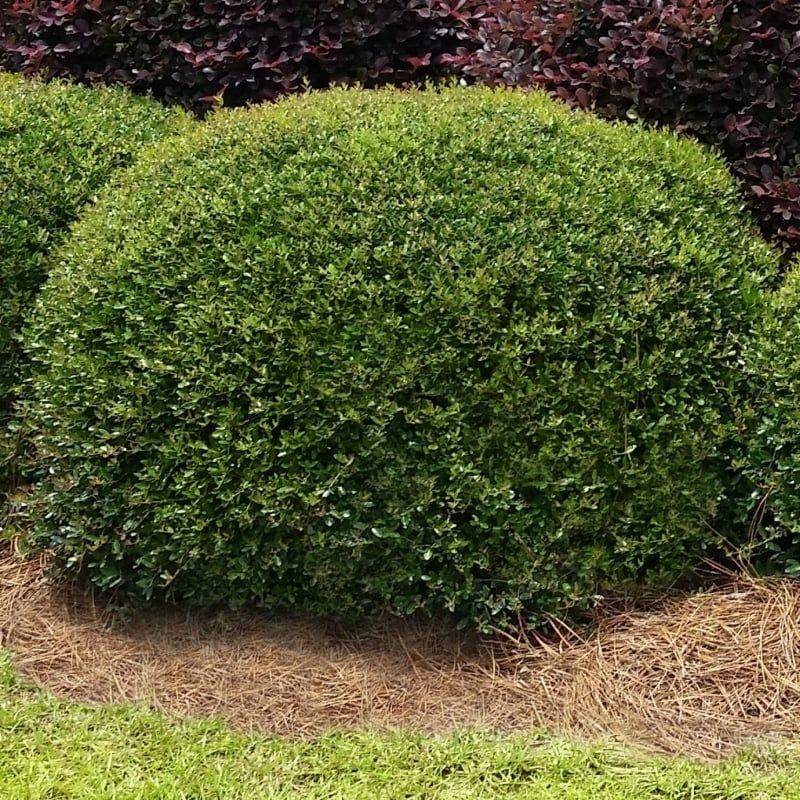
Coastal Florida gardeners know how hard it is to find a plant that laughs at salt spray, tolerates sandy soil, and still looks sharp year-round. Dwarf Yaupon Holly, Ilex vomitoria Nana, checks every one of those boxes without complaint.
This compact evergreen native stays naturally rounded and dense, typically growing two to four feet tall and wide, making it a practical and attractive choice for foundation plantings, low hedges, and mass plantings across Florida’s diverse landscapes.
Its small, dark green leaves are tough and leathery, holding up well against wind, heat, and salt exposure along Florida’s coastlines. Female plants produce small red berries in fall and winter that are eagerly consumed by birds including robins, mockingbirds, and cedar waxwings during their Florida stays.
Having a male plant nearby is needed for berry production, so planting them in groups of mixed plants is a smart approach for maximum wildlife benefit.
Dwarf Yaupon Holly adapts to a wide range of Florida soils, from wet flatwoods conditions to very dry, sandy uplands. It tolerates both full sun and partial shade, making it one of the most versatile native shrubs available for Florida homeowners.
Once established, it requires minimal irrigation and no regular shaping to maintain its naturally tidy form. Few plants match its combination of toughness, wildlife value, and year-round good looks in Florida yards.
10. Blanket Flower Brings Color In Heat
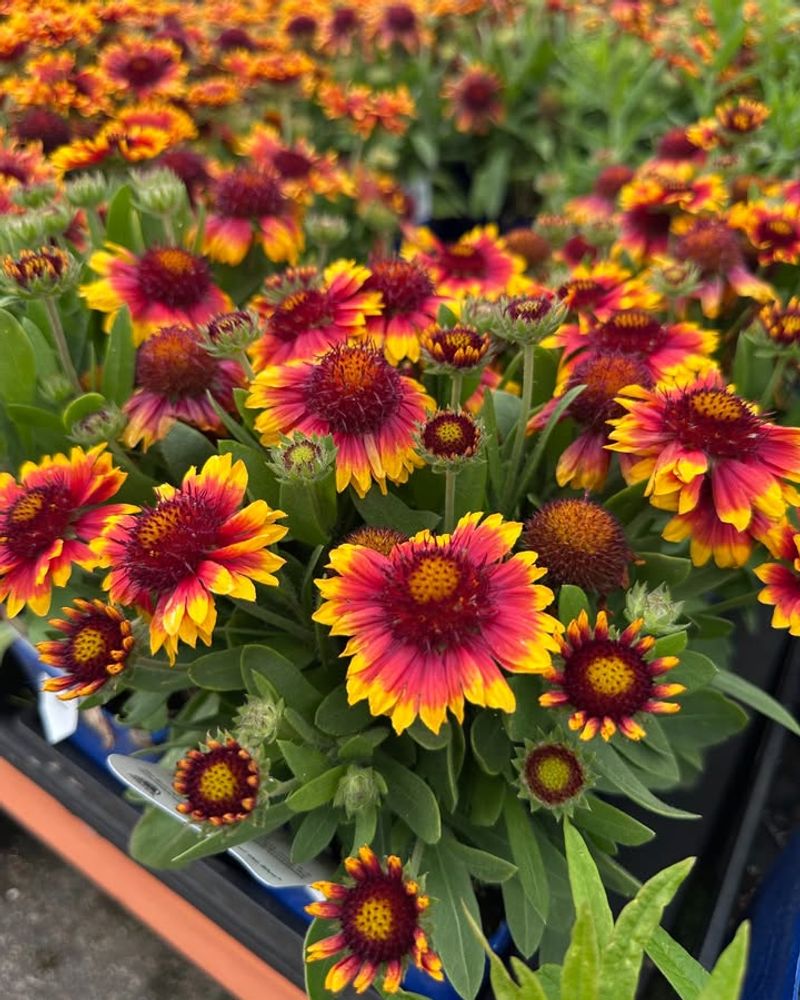
Few wildflowers say Florida summer quite like Blanket Flower. Gaillardia pulchella produces bold, daisy-like blooms in fiery combinations of red, orange, and yellow that seem to intensify rather than fade as temperatures climb through July and August.
It is a plant that genuinely thrives on neglect, asking for nothing more than sunshine and sandy, well-drained soil to put on a show that runs from spring all the way through fall in most parts of Florida.
Sandy, nutrient-poor soil is not a problem for Blanket Flower. In fact, rich or heavily amended soil can actually reduce its performance and longevity.
This is a plant perfectly matched to Florida’s native soil conditions, which is one of the reasons it naturalizes so readily in beach dunes, roadsides, and open sunny spaces across the state. It grows about one to two feet tall, spreading loosely in a way that looks relaxed and natural rather than stiff or formal.
Pollinators are drawn to the flowers in impressive numbers. Bees, butterflies, and skippers visit constantly throughout the blooming season, and the seed heads that follow attract small songbirds looking for a quick snack.
Deadheading spent blooms encourages continued flowering, though allowing some seed heads to mature helps the plant reseed naturally. University of Florida IFAS Extension highlights Blanket Flower as one of the most reliable and low-maintenance native wildflowers for Florida xeriscape and pollinator gardens.