The Most Beautiful Garden In North Carolina You Will Wish You Discovered Sooner
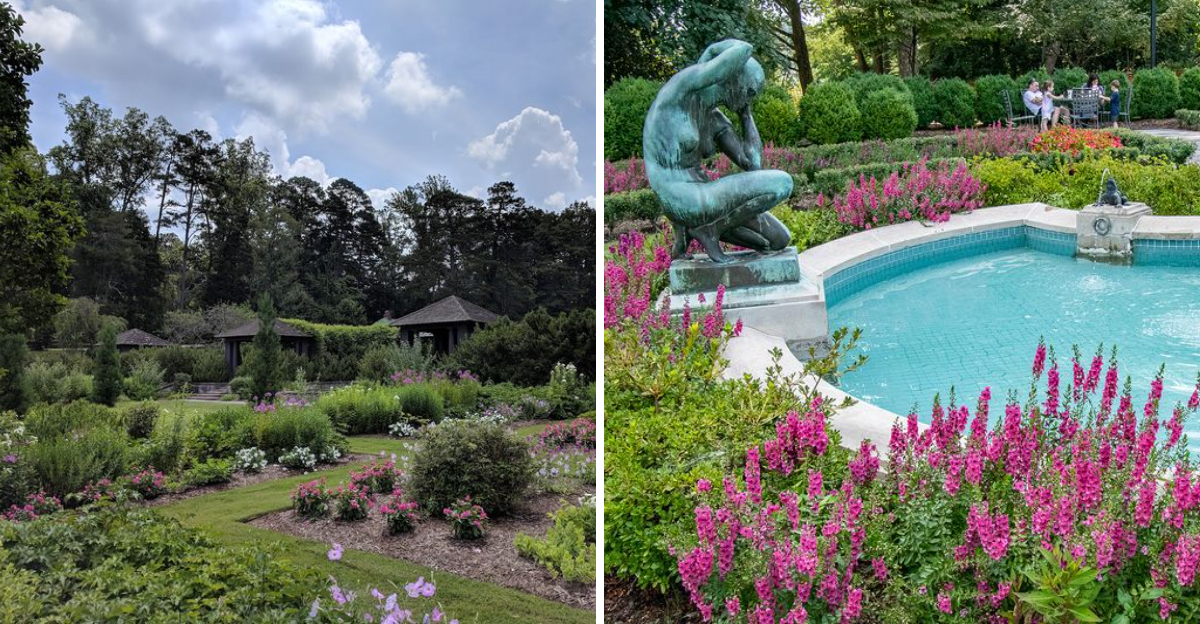
Step through the gates and you enter a landscape where time slows, colors deepen, and nature tells a story shaped by history and care.
In Winston Salem, Reynolda Gardens stands as one of North Carolina’s most peaceful and inspiring green spaces, blending historic charm with beautifully maintained horticultural design.
Spanning 134 acres, this remarkable garden welcomes visitors with free access to vibrant seasonal blooms, quiet walking trails, and a greenhouse conservatory filled with lush plant life.
Every path invites exploration, from formal garden rooms to open natural areas that reflect the vision of an early twentieth century estate.
Visitors come to relax, photographers find endless beauty, and plant lovers discover inspiration in every season. Reynolda Gardens offers more than a simple walk outdoors.
It provides a refreshing escape where history, landscape, and living beauty come together, making it one of North Carolina’s most rewarding destinations for anyone seeking calm, color, and connection with nature.
Historic Gardens Set On The Reynolda Estate Grounds
Reynolda Gardens sits on the grounds of the historic Reynolda Estate, a remarkable property that reflects the vision and grandeur of early twentieth-century American garden design.
Built by R.J. Reynolds and his wife Katharine, the estate originally served as their country home and featured elaborate formal gardens that showcased the family’s appreciation for beauty and horticulture.
Today, the gardens maintain that same spirit, preserving design elements that transport visitors back to an era when estate gardens represented both artistry and status.
Walking through these historic grounds at 100 Reynolda Vlg Wy, Winston-Salem, NC 27106, United States, you can still see the original layout and many of the structural features that defined the estate’s landscape.
The gardens reflect careful planning and attention to detail that was characteristic of wealthy estates during that period.
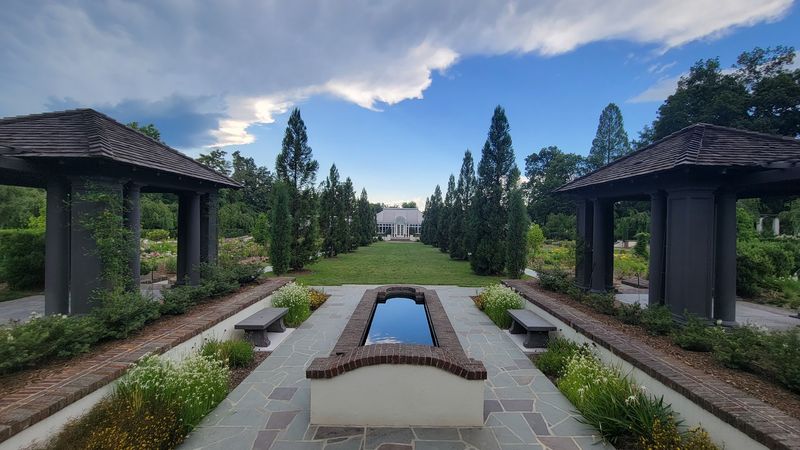
Stone pathways, elegant borders, and thoughtfully placed plantings create an atmosphere that honors the past while remaining vibrant and accessible.
Visitors appreciate how the gardens connect them to local history and the legacy of the Reynolds family. The estate’s transformation into a public garden ensures that this important piece of North Carolina heritage remains preserved and celebrated.
Every corner tells a story about early twentieth-century horticulture, making each visit both educational and inspiring for history enthusiasts and garden lovers alike.
Beautiful Seasonal Blooms From Spring Through Fall
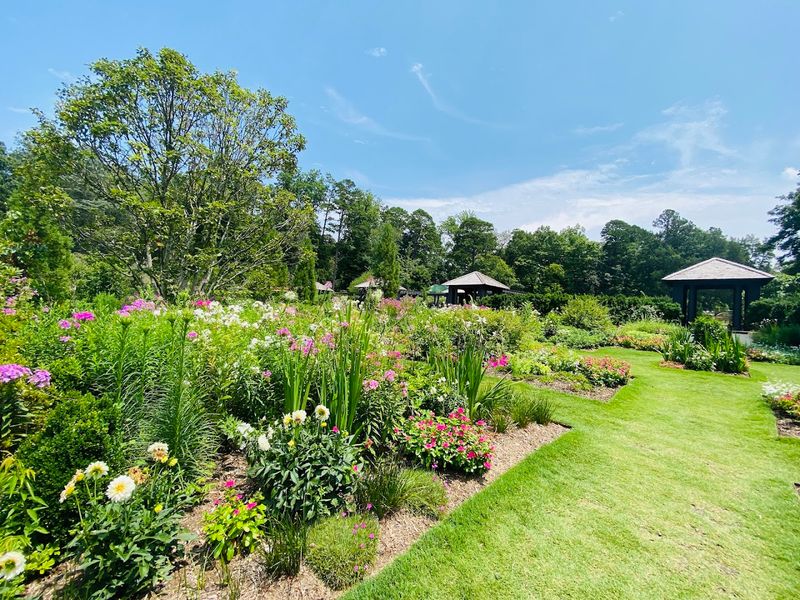
One of the most captivating reasons to visit Reynolda Gardens is the ever-changing display of seasonal blooms that paint the landscape with fresh colors from spring through fall.
Each season brings its own palette and personality to the gardens, ensuring that no two visits feel quite the same.
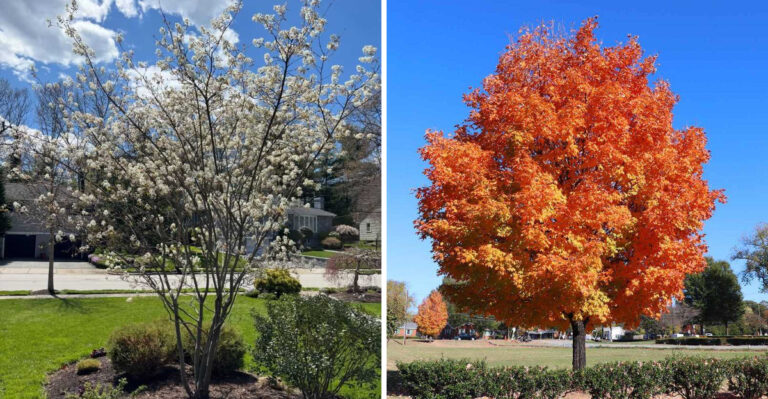
Spring bursts forth with tulips, daffodils, and flowering trees that signal the end of winter and the return of warmth. These early bloomers create a cheerful welcome for visitors eager to shake off the cold months.
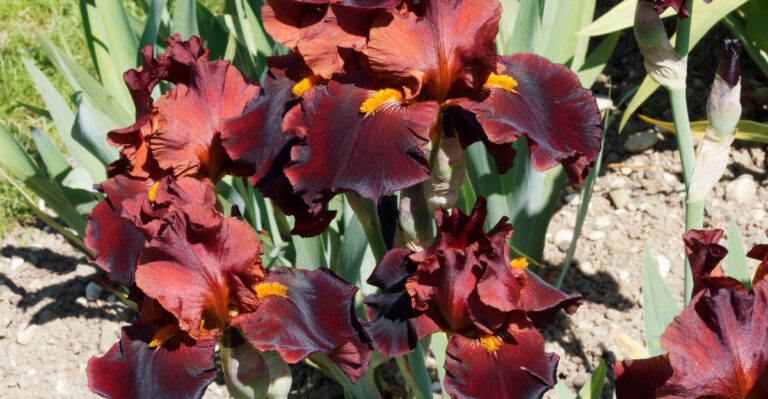
Summer transforms the gardens into a riot of color with roses, perennials, and annuals reaching their peak performance. The warm months showcase the full diversity of the plant collection, with blooms opening in waves throughout June, July, and August.
Your North Carolina Garden Changes Every Week. Your Plan Should Too.
Gardening in North Carolina changes quickly throughout the season. Every Friday you’ll receive a simple weekly plan showing exactly what to plant, prune, fertilize, harvest, and protect so you never miss the right timing.
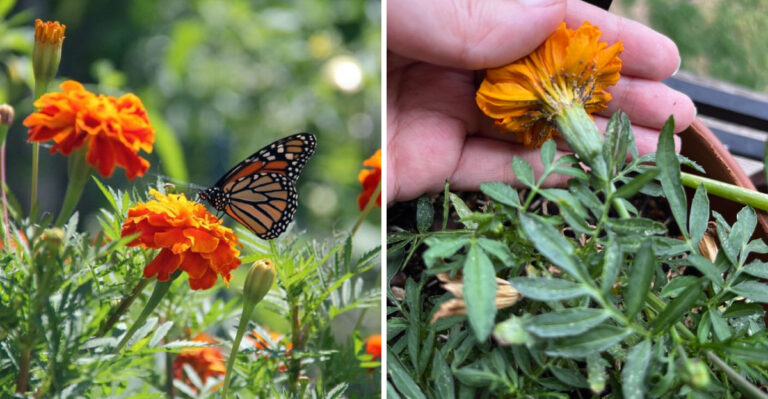
Butterflies and bees become regular visitors, adding movement and life to the already vibrant displays.
Fall brings a different kind of beauty as chrysanthemums, asters, and ornamental grasses take center stage alongside changing foliage colors. The cooler temperatures make walking through the gardens particularly pleasant during September and October.
This succession of blooms means that whether you visit in April or October, you’ll find something flowering and beautiful.
The gardens’ careful plant selection ensures that color and interest remain constant throughout the growing season, giving visitors endless reasons to return.
A Free Public Garden Open To Visitors Year Round
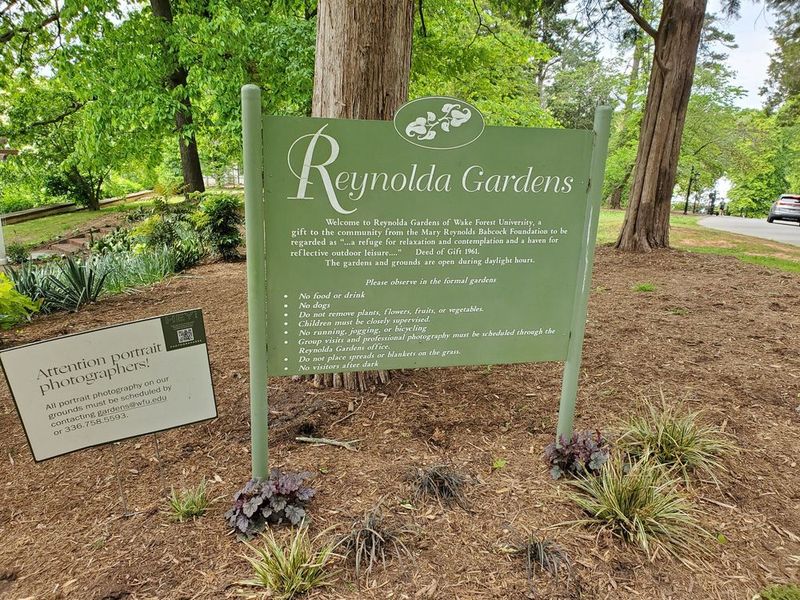
Reynolda Gardens stands out as a generous community resource by offering completely free admission to the public throughout the entire year. This accessibility makes the gardens a welcoming destination for everyone, regardless of budget or background.
Unlike many botanical gardens that charge entrance fees, Reynolda Gardens removes financial barriers, allowing families, students, photographers, and nature lovers to enjoy the grounds without worrying about ticket costs.
The commitment to free access reflects the gardens’ educational mission and dedication to community enrichment.
The gardens maintain year-round operating hours, though specific times vary by day. Tuesday through Saturday, visitors can explore from 9:30 AM to 4:30 PM, while Sunday hours run from 1:30 PM to 4:30 PM.
The gardens close on Mondays, giving staff time for maintenance and care. Even during winter months when fewer plants are actively blooming, the grounds remain open for those who appreciate the quiet beauty of dormant gardens and evergreen plantings.
Free parking adds to the convenience, though the lot is relatively small and can fill during peak times. The gardens’ location in Reynolda Village means visitors can easily combine their garden visit with shopping or dining nearby.
This combination of free admission, convenient hours, and accessible location makes Reynolda Gardens an exceptional value and a frequently visited treasure in Winston-Salem’s cultural landscape.
Formal Gardens Designed With Classic Structure And Symmetry
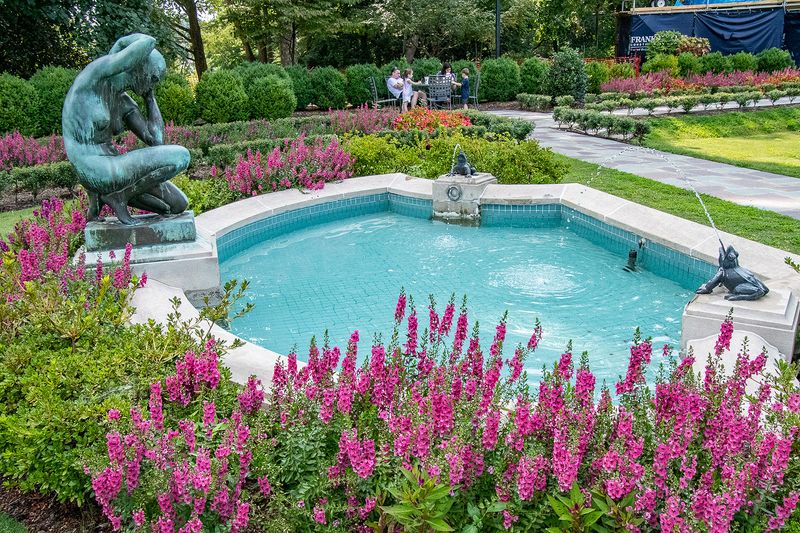
Reynolda Gardens showcases the timeless appeal of formal garden design through its carefully structured layouts and symmetrical plantings.
These formal areas reflect traditional European garden principles that emphasize balance, order, and geometric precision.
Walking through these spaces, you immediately notice how paths align, how beds mirror each other across central axes, and how hedges create defined outdoor rooms.
This classical approach to garden design creates a sense of calm and intentionality that contrasts beautifully with more naturalistic garden areas.
The formal sections feature boxwood borders, precisely trimmed edges, and plantings arranged in repeating patterns that highlight the garden’s architectural bones.
Even when flowers fade, the underlying structure remains visually interesting and demonstrates the importance of design fundamentals in creating lasting garden beauty.
These areas serve as outdoor classrooms where visitors can study the principles of formal garden design that have influenced landscape architecture for centuries.
Seasonal plantings within the formal beds change throughout the year, but the overall structure stays constant. Spring bulbs give way to summer annuals, which are later replaced by fall displays, all within the same formal framework.
This combination of permanent structure and seasonal variety shows how classic design principles can accommodate changing plant displays.
Garden enthusiasts often photograph these formal areas because the symmetry and structure create naturally pleasing compositions that capture the essence of traditional garden artistry.
A Living Collection Of Plants Suited To The Carolina Climate
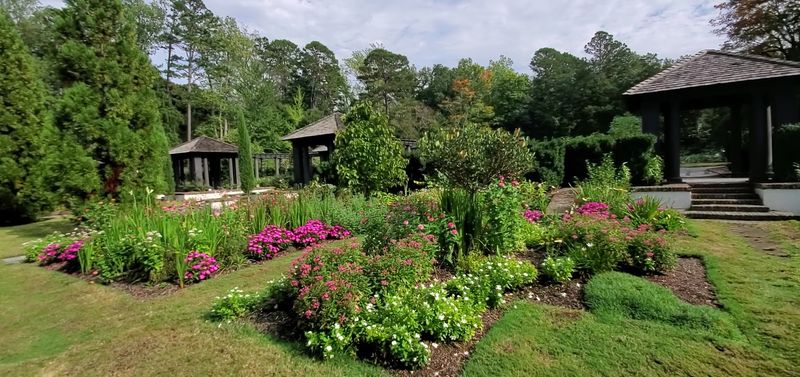
Reynolda Gardens functions as a living library of plants that thrive in the Carolina Piedmont climate, offering visitors a chance to see what grows well in this specific region.
The collection includes both native species and adapted plants from similar climate zones around the world, all carefully selected to perform well in North Carolina’s hot summers, moderate winters, and variable rainfall patterns.
This regional focus makes the gardens particularly valuable for local gardeners seeking inspiration and practical plant ideas for their own landscapes.
The plant collection demonstrates which species can handle the clay soils, summer humidity, and occasional drought conditions typical of the Winston-Salem area.
Visitors see firsthand how different plants respond to local growing conditions, observing which ones flourish and which require extra care.
Many plants are labeled with botanical and common names, allowing curious visitors to identify species they might want to try at home. This educational aspect transforms a casual garden stroll into a practical learning experience.
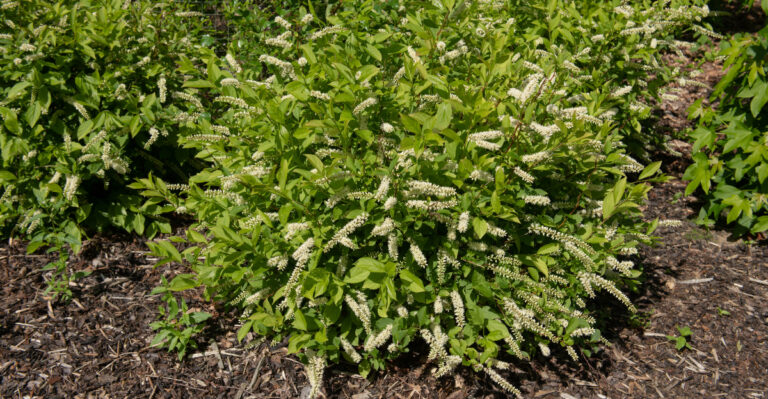
The gardens also showcase seasonal interest plants that provide color or texture during different times of year, helping visitors plan gardens with year-round appeal.
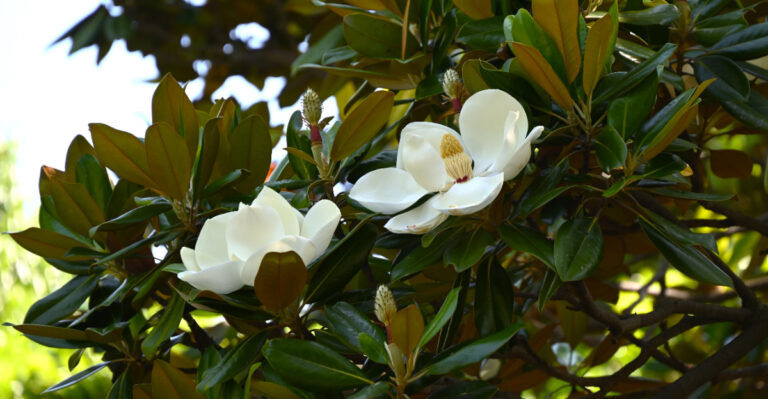
Native azaleas, flowering dogwoods, and southern magnolias represent classic Carolina plants, while the collection also includes newer cultivars and lesser-known species suited to the region.
This combination of familiar and unusual plants makes every visit an opportunity to discover something new while appreciating the horticultural possibilities available to Carolina gardeners.
Peaceful Walking Paths Through Natural And Cultivated Spaces
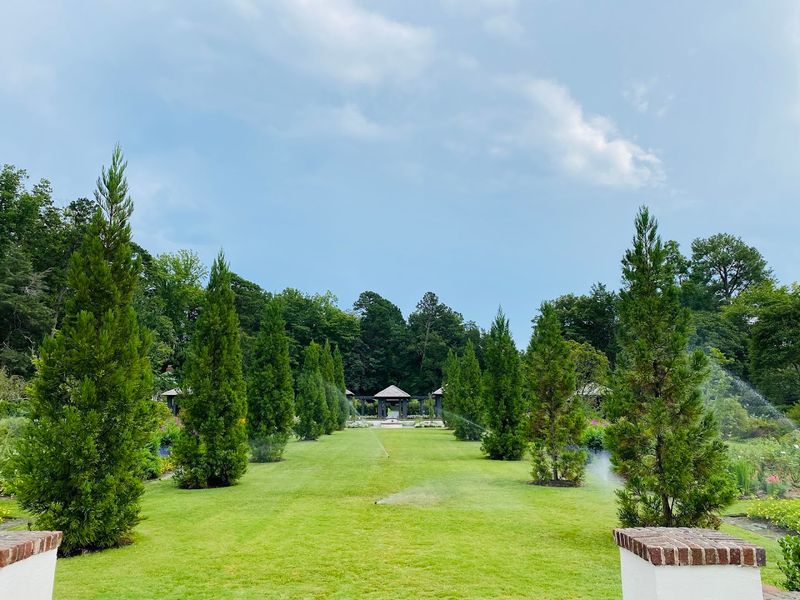
Reynolda Gardens offers an extensive network of walking paths that wind through both carefully cultivated garden beds and more natural woodland areas, creating diverse experiences for visitors seeking peaceful outdoor time.
These paths accommodate different interests and energy levels, from short strolls through formal gardens to longer walks that explore the property’s natural areas.
The variety means that whether you have fifteen minutes or two hours, you can find a walking route that suits your schedule and mood.
The cultivated sections feature paved or well-maintained pathways that meander past seasonal displays, rose gardens, and ornamental plantings.
These routes provide easy walking with frequent opportunities to pause and admire particular plants or compositions.
Benches placed throughout the gardens offer rest spots where visitors can sit and soak in the peaceful atmosphere. Many people use these paths for gentle exercise, meditation, or simply as a break from daily stress.
Natural areas include trails through wooded sections and around meadows, where the landscape takes on a wilder character. These paths connect visitors with a different kind of beauty, one that emphasizes natural processes and native plant communities.
Birds sing from the trees, and the sounds of the city fade into the background. The combination of cultivated and natural walking experiences makes Reynolda Gardens appealing to both formal garden enthusiasts and those who prefer a more rustic natural setting.
This diversity ensures that every visitor finds their own perfect peaceful path.
Educational Gardens Connected To Wake Forest University
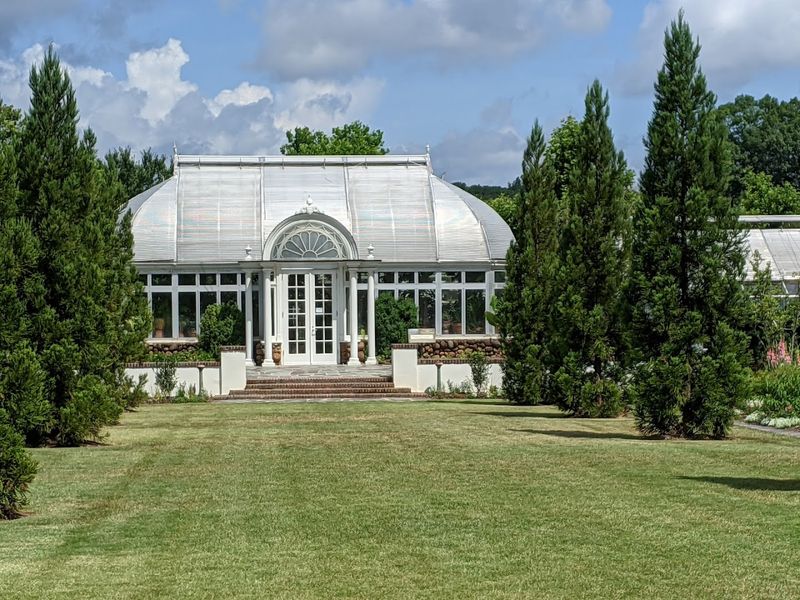
Reynolda Gardens serves as an important educational and research facility connected to Wake Forest University, adding academic depth to its role as a public garden.
This university connection means the gardens function as an outdoor classroom where students study botany, horticulture, ecology, and environmental science in a hands-on setting.
The relationship between the gardens and the university enriches both institutions, providing students with practical learning opportunities while ensuring the gardens benefit from current horticultural research and expertise.
Wake Forest students and faculty use the gardens for research projects, plant trials, and educational programs that advance understanding of plant science and sustainable gardening practices.
This academic involvement keeps the gardens current with horticultural innovations and ensures that plant care follows best practices.
Visitors indirectly benefit from this connection through better-maintained collections and more informative plant labeling and educational materials.
The gardens also host educational programs, workshops, and events that extend learning opportunities beyond university students to the broader community.
These programs cover topics like native plants, sustainable gardening, seasonal plant care, and garden design principles.
School groups frequently visit for educational field trips, where students learn about plant life cycles, pollination, and ecosystem relationships.
This educational mission distinguishes Reynolda Gardens from purely ornamental gardens, adding purpose and community value that extends far beyond aesthetic enjoyment.
The university connection ensures the gardens remain a vital learning resource for current and future generations.
Greenhouse Conservatory With Diverse Plant Displays
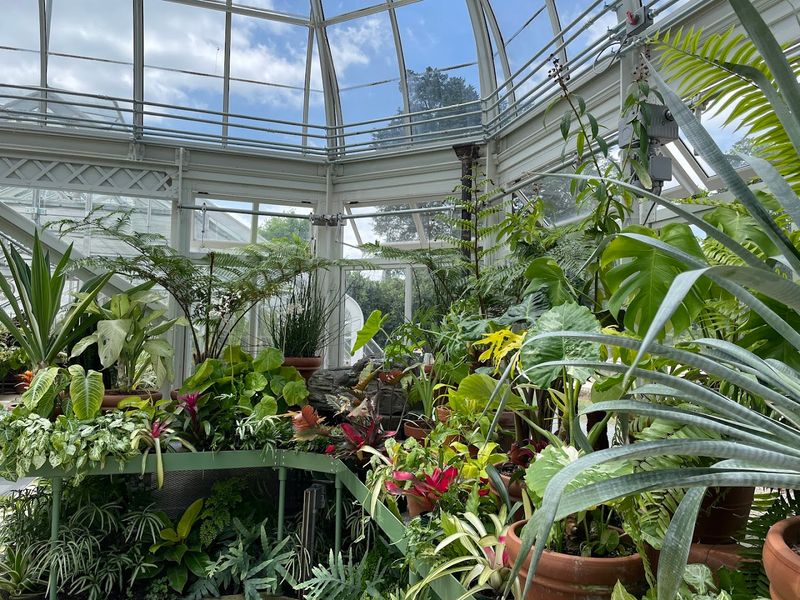
The greenhouse conservatory at Reynolda Gardens provides a climate-controlled environment where visitors can explore plants from around the world that cannot survive outdoors in North Carolina’s climate.
This glass structure houses an impressive collection of tropical and subtropical species, including orchids, ferns, begonias, succulents, and other exotic specimens that thrive in the greenhouse’s protected conditions.
Walking into the conservatory feels like stepping into a different climate zone, especially during winter months when the warm humid air contrasts sharply with cold outdoor temperatures.
The greenhouse operates on a specific schedule, typically opening during the same hours as the gardens themselves, though it occasionally closes for private events or maintenance.
Inside, plants are arranged in thematic displays that showcase different plant families or growing regions, helping visitors understand botanical relationships and diversity.
Many specimens are labeled, allowing curious visitors to learn scientific names and origins of plants they might never encounter elsewhere. Some plants are also available for purchase, giving visitors the chance to take home a piece of the collection.
The conservatory serves both display and educational functions, with some areas dedicated to propagation and plant care that support the entire garden’s operations. Students and researchers use the greenhouse facilities for experiments and plant trials.
For visitors, the greenhouse offers year-round interest regardless of outdoor weather, making it a popular destination during cold or rainy days when outdoor garden exploration is less appealing.
A Popular Destination For Garden Lovers And Photographers
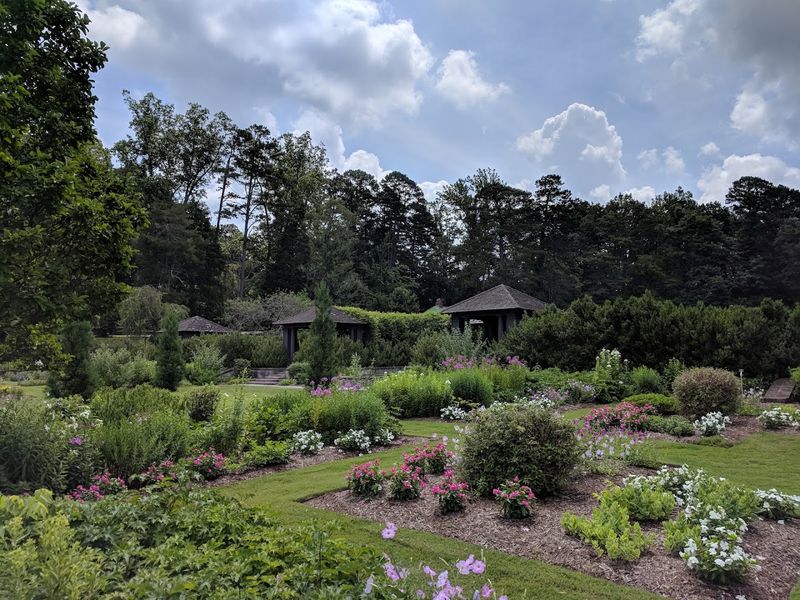
Reynolda Gardens has earned a reputation as one of the region’s premier destinations for both serious gardeners seeking inspiration and photographers hunting for beautiful natural settings.
Garden enthusiasts visit throughout the seasons to study plant combinations, observe how different species perform in garden settings, and gather ideas they can adapt to their own landscapes.
The gardens’ diverse plantings and well-maintained beds offer countless examples of successful design principles and plant partnerships that work in Carolina growing conditions.
Photographers particularly appreciate the gardens’ visual variety and changing seasonal displays that provide fresh subject matter throughout the year.
Professional photographers often use the gardens as a backdrop for portrait sessions, engagement photos, and family pictures, though advance reservations are required for professional photography.
The formal garden areas, with their symmetrical layouts and structured plantings, create naturally pleasing compositions that photograph beautifully. Spring blooms, summer roses, and fall colors each offer distinct photographic opportunities.
The gardens’ popularity among visitors is reflected in its impressive 4.8-star rating from nearly 1,000 reviews. People consistently praise the beauty, peaceful atmosphere, and excellent maintenance of the grounds.
Many reviewers mention returning multiple times to experience different seasons or simply to enjoy a favorite peaceful spot.
The combination of horticultural excellence and photogenic beauty makes Reynolda Gardens a destination that rewards repeated visits, with something new to discover or photograph each time you explore the grounds.
Inspires Visitors With Classic Southern Garden Style
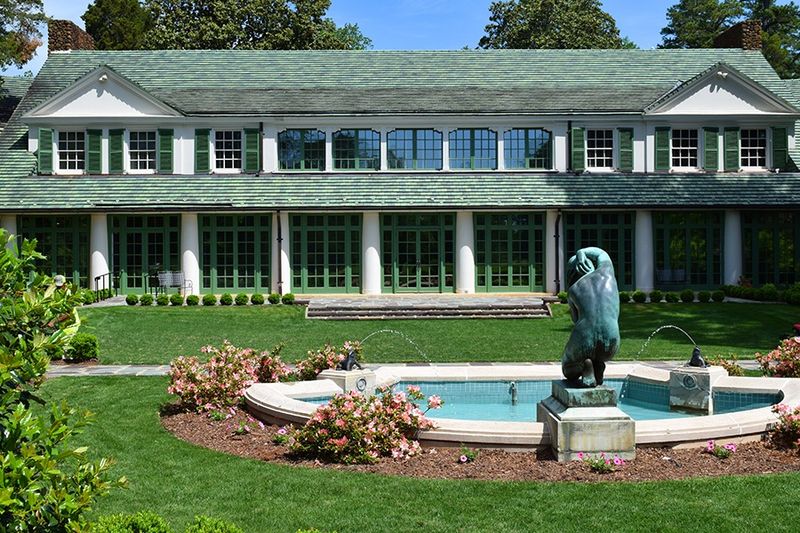
Reynolda Gardens embodies classic southern garden style through its plant selections, design elements, and overall atmosphere that reflect regional horticultural traditions.
Southern gardens have distinct characteristics shaped by climate, history, and cultural preferences, and Reynolda Gardens showcases these traditions beautifully.
Visitors encounter signature southern plants like azaleas, camellias, magnolias, and flowering dogwoods that have defined southern landscapes for generations.
These plants connect the gardens to a broader regional gardening heritage that values both beauty and adaptation to local growing conditions.
The garden design incorporates formal elements common in historic southern estates, including structured layouts, elegant pathways, and carefully framed views that create a sense of refinement and grace.
At the same time, the gardens embrace the lushness and abundance that southern growing conditions allow, with generous plantings that create rich, layered landscapes.
This combination of structure and abundance characterizes the best southern garden design, balancing control with natural exuberance.
Many visitors find inspiration in how Reynolda Gardens interprets southern garden traditions for contemporary audiences while maintaining historical authenticity.
The gardens demonstrate that classic southern style remains relevant and appealing, offering timeless design lessons that modern gardeners can adapt to their own spaces.
Whether you’re planning a southern-style garden or simply appreciate regional horticultural heritage, Reynolda Gardens provides a masterclass in how traditional southern garden design creates spaces of lasting beauty and cultural significance.