Native Groundcovers That Work In Western North Carolina Mountain Yards
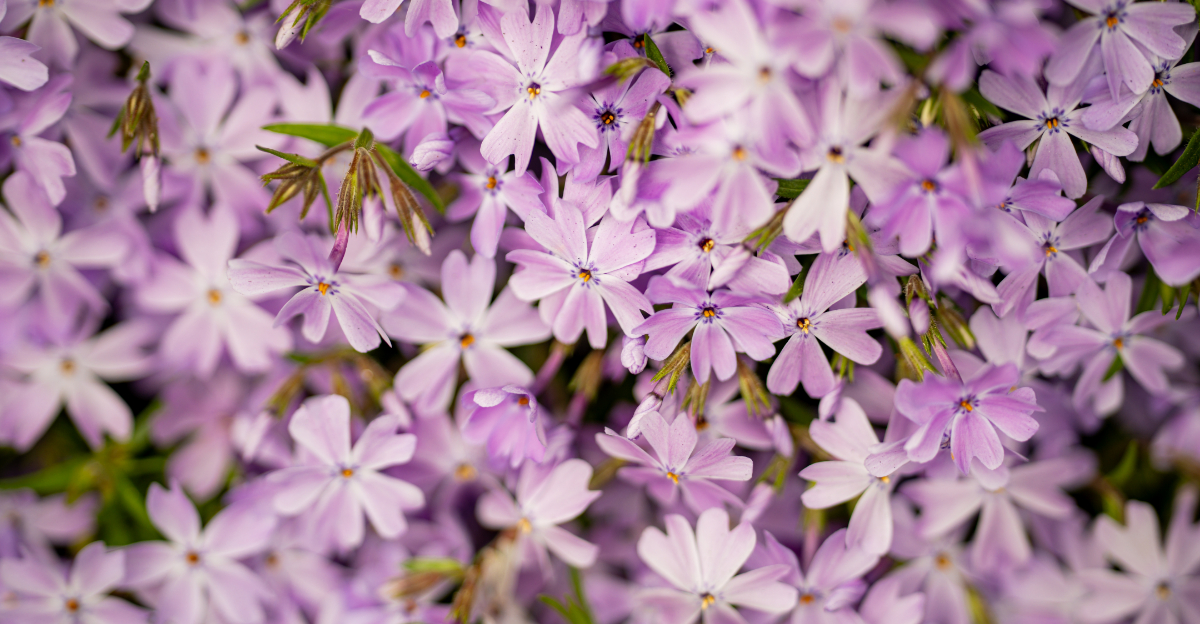
Mountain yards in western North Carolina come with their own set of challenges. Slopes, shade, rocky soil, and shifting moisture levels can make even simple planting decisions feel complicated.
That is where native groundcovers really start to shine. These plants already understand the conditions, so they settle in without the same level of struggle many non-native options face.
They spread naturally, hold soil in place, and bring a softer look to areas that might otherwise feel bare or uneven.
Homeowners often look for something that fills space quickly, but durability matters just as much here. A plant that looks good for one season but fades under pressure does not help much on a hillside or under tree cover.
The right groundcovers do more than fill gaps. They bring consistency to the landscape, tie different areas together, and handle the ups and downs that mountain weather tends to throw at them.
1. Creeping Phlox For A Colorful Spring Carpet
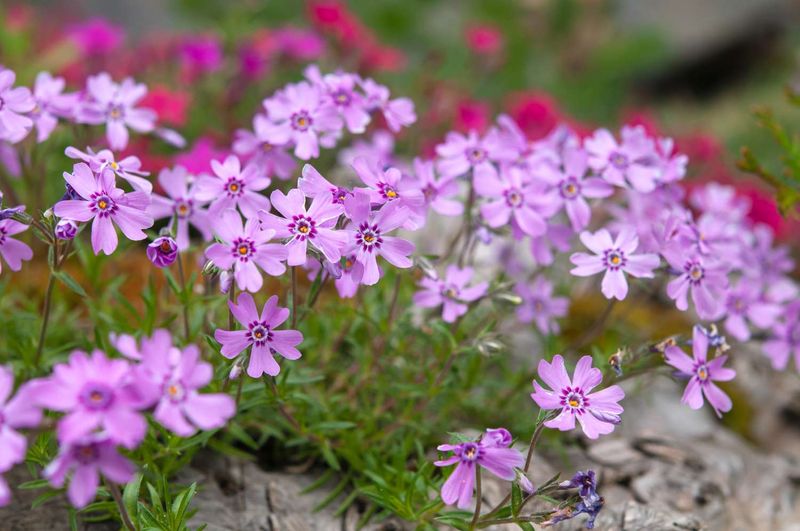
Few plants put on a spring show quite like Creeping Phlox. When this low-growing beauty bursts into bloom, it blankets the ground in waves of pink, lavender, or soft purple flowers that are hard to miss.
Mountain gardeners across Western North Carolina have been reaching for it season after season, and it is easy to understand why.
Creeping Phlox, known scientifically as Phlox stolonifera, is a low-growing perennial that stays close to the ground, usually reaching about six to twelve inches tall. It spreads steadily by sending out trailing stems that root as they go, filling in bare patches on slopes, borders, and rocky areas without becoming aggressive.
The flowers carry a light, sweet fragrance that pollinators absolutely love, so planting it near a seating area is a bonus for both you and the bees.
In Western North Carolina, this plant performs especially well on hillside gardens where erosion can be a real problem. Its spreading root system holds soil in place naturally, reducing runoff during heavy mountain rains.
It prefers part sun to part shade and does best in well-drained soil, which makes it a natural fit for the rocky, acidic ground common throughout the region. Once established, it requires very little attention.
A light trim after flowering keeps it looking tidy and encourages fresh new growth. For anyone new to native gardening in the mountains, Creeping Phlox is one of the most rewarding plants you can start with.
2. Moss Phlox That Brightens Slopes Fast
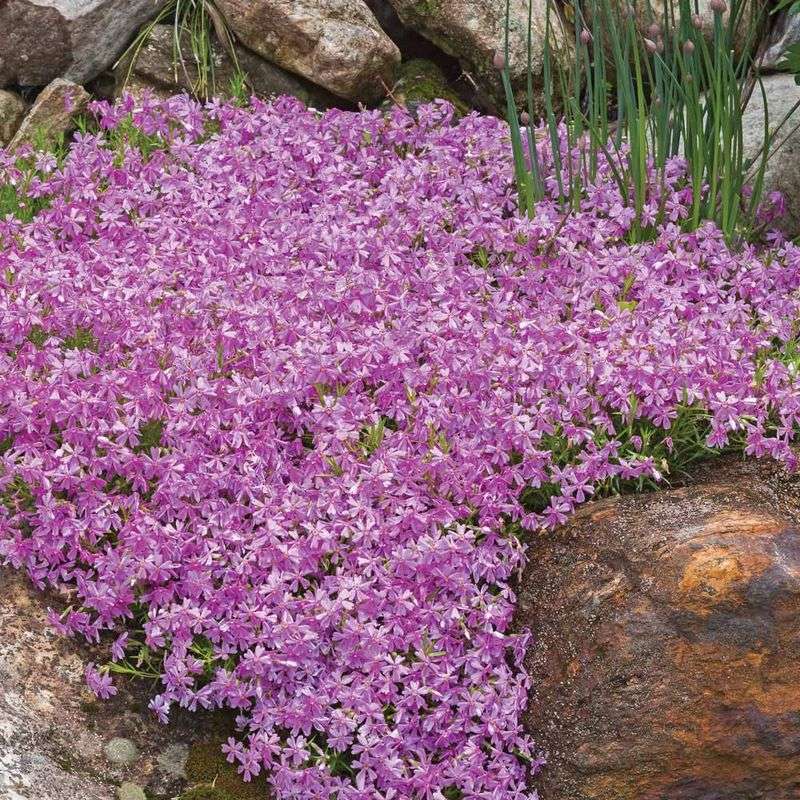
Tough as nails and gorgeous to look at, Moss Phlox is the kind of plant that earns its place in any mountain yard. Also called Phlox subulata, this low-growing native forms a tight, moss-like mat of needle-thin leaves that stays green through most of the year.
Come early spring, it practically explodes with tiny flowers in shades of pink, white, and lavender, turning garden beds into colorful tapestries.
What makes Moss Phlox stand out in Western North Carolina landscapes is its ability to handle tough growing conditions. Rocky, dry, and well-drained soils are exactly where it feels most at home.
Your North Carolina Garden Changes Every Week. Your Plan Should Too.
Gardening in North Carolina changes quickly throughout the season. Every Friday you’ll receive a simple weekly plan showing exactly what to plant, prune, fertilize, harvest, and protect so you never miss the right timing.
It thrives in full sun to light shade, making it a great choice for sunny south-facing slopes or exposed ridgelines where other plants struggle to get a foothold. Unlike some groundcovers that spread aggressively and crowd out neighbors, Moss Phlox grows at a polite pace, gradually filling gaps without taking over the whole garden.
Pollinators like early spring butterflies and bees are drawn to its abundant blooms, which is a real win for anyone trying to support local wildlife in the mountains. After flowering, a light shearing keeps the mat dense and tidy.
It is also wonderfully drought-tolerant once established, which means less watering during dry summer stretches. Gardeners throughout Western North Carolina have found Moss Phlox to be one of the most reliable and cheerful groundcovers available for rocky, sun-drenched spots in the yard.
3. Green-And-Gold For Soft Woodland Coverage
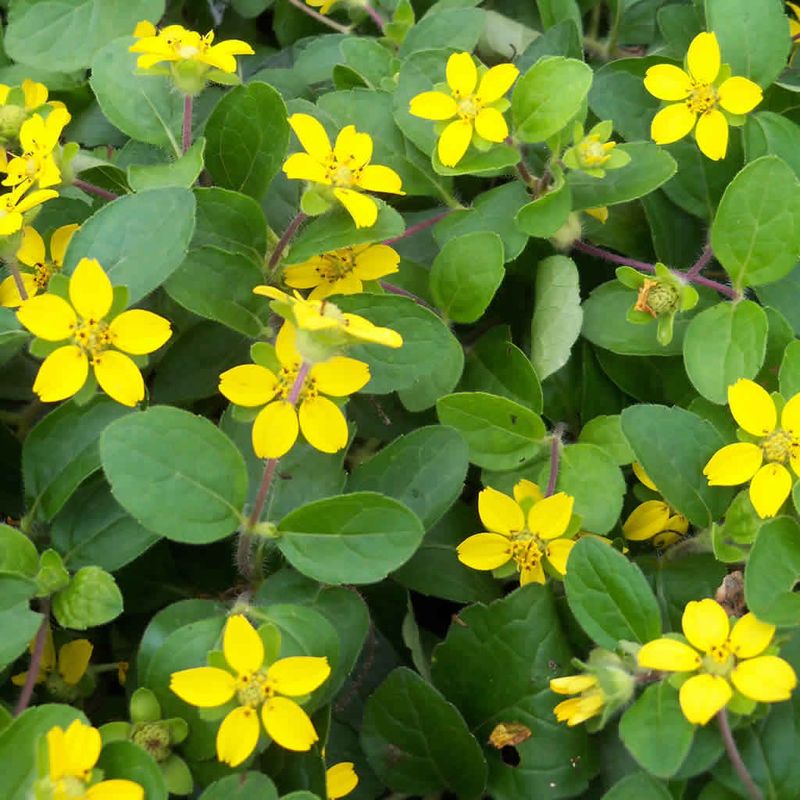
Bright yellow flowers peeking out from a carpet of dark green leaves might sound like something you would only see in a fairy tale, but Green-and-Gold makes it a reality right in your own backyard. Chrysogonum virginianum is one of the most cheerful native groundcovers you can grow in Western North Carolina, and it starts flowering as early as late winter when the rest of the yard is still waking up.
Did you know that Green-and-Gold gets its name from the combination of its rich green foliage and vivid golden-yellow blooms? The star-shaped flowers keep appearing from late winter all the way through spring, with occasional repeat blooms in fall when temperatures cool back down.
That extended season of color makes it a standout choice for woodland borders and shaded slopes throughout the mountain region.
Growing best in part sun to part shade, this evergreen perennial handles the dappled light found under the hardwood trees so common across Western North Carolina. It prefers consistently moist, well-drained soil, which is important in areas where summer moisture can be unpredictable.
The plant spreads gradually by runners, slowly forming a weed-suppressing mat that cuts down on yard maintenance over time. Pollinators, especially native bees, visit the flowers eagerly in early spring when food sources are still scarce.
For a low-fuss, high-reward groundcover that brings color to shaded mountain spaces, Green-and-Gold is genuinely hard to beat.
4. Mountain Stonecrop That Handles Tough Spots
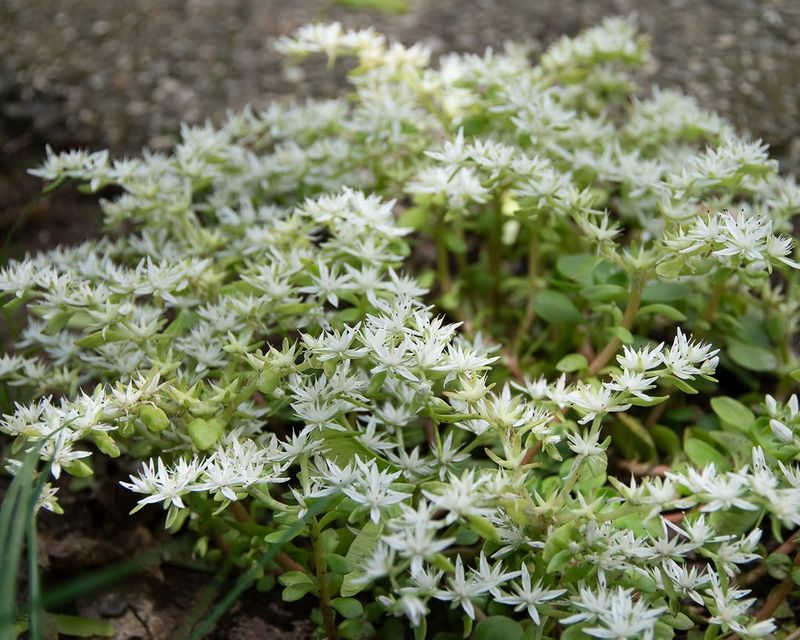
Rocky outcrops and thin, gravelly soils are just part of life in the mountains of Western North Carolina, and Mountain Stonecrop is perfectly built for exactly those conditions. Sedum ternatum is a native succulent groundcover that hugs the ground tightly, filling crevices between rocks and spreading gently across difficult spots where most plants simply refuse to grow.
It brings a quiet, woodland charm that feels completely at home in the mountain landscape.
In spring, Mountain Stonecrop produces clusters of small, bright white, star-shaped flowers that rise just a few inches above the thick, fleshy leaves. The foliage itself is attractive year-round, forming dense rosettes of rounded, pale green leaves that stay fresh-looking even in dry spells.
Because the leaves store water like most succulents, this plant handles drought with ease once it gets established, making it a smart choice for rocky slopes and dry borders in mountain yards.
Unlike many succulents that need full blazing sun, Mountain Stonecrop is unusual in that it actually prefers part shade to full shade, which makes it ideal for the shaded rocky areas found throughout Western North Carolina hollows and wooded hillsides. It spreads at a relaxed pace, never becoming invasive or crowding out neighboring plants.
Pollinators appreciate the spring flowers, and the dense mat it forms helps reduce soil erosion on sloped terrain. For anyone working with a rocky, shaded yard in the mountains, this native plant offers a reliable, low-maintenance solution with genuine seasonal beauty.
5. Foamflower With Delicate Spring Blooms
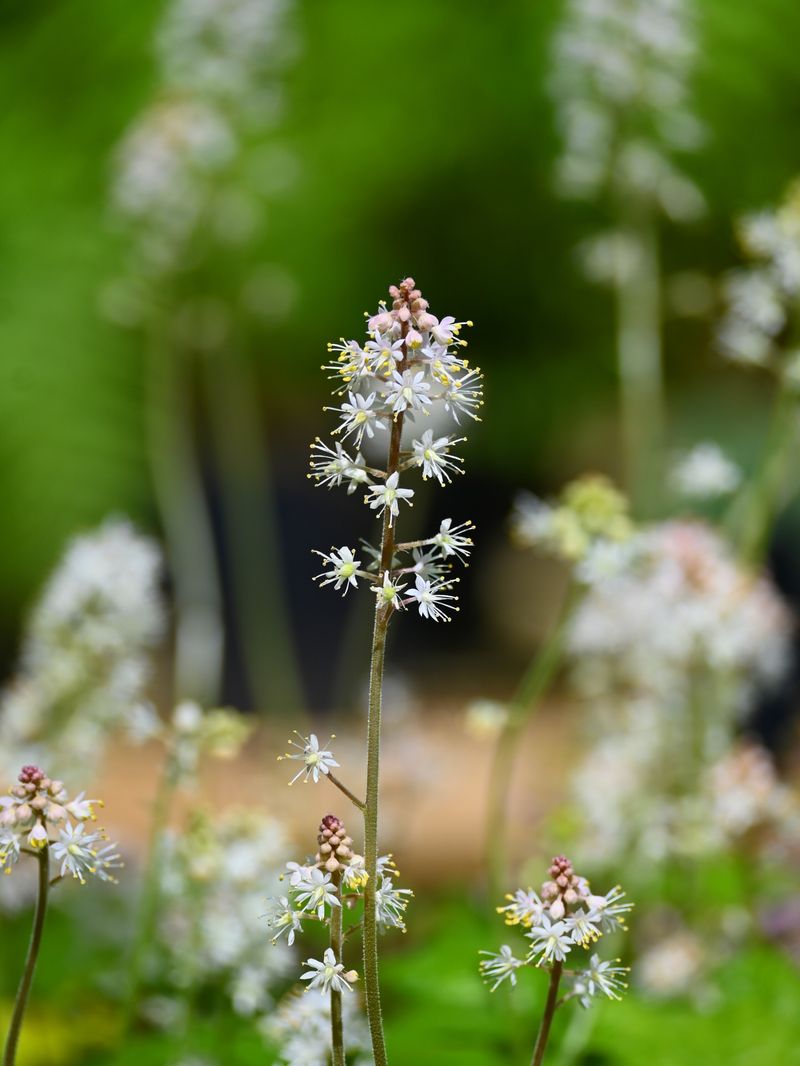
Walking through a springtime forest in Western North Carolina, you might spot what looks like tiny white foam drifting above the forest floor. That dreamy effect comes from Foamflower, one of the most enchanting native groundcovers the Appalachian mountains have to offer.
Tiarella cordifolia earns its whimsical name from the frothy clusters of small white to pinkish flowers that rise on slender stalks in early spring.
Beyond the flowers, Foamflower’s foliage is genuinely attractive all on its own. The leaves are deeply lobed and somewhat heart-shaped, often showing rich burgundy or bronze veining that adds texture and color to shaded garden beds even when the plant is not in bloom.
In Western North Carolina, where woodland gardens under canopies of oaks and hemlocks are common, Foamflower looks like it belongs there because it does.
It spreads by sending out short runners that form new rosettes, gradually building a lush, weed-suppressing carpet over time. Moist, well-drained, and acidic soils suit it best, which describes much of the native soil found throughout the mountain counties of Western North Carolina.
Part sun to full shade keeps it happiest. Pollinators like bumblebees and early-season butterflies make good use of the spring flowers.
Once established, Foamflower is a remarkably easygoing plant that needs little more than occasional tidying. For shaded borders and moist woodland slopes, it is one of the most beautiful and practical native choices available in the region.
6. Partridgeberry For Evergreen Ground Cover
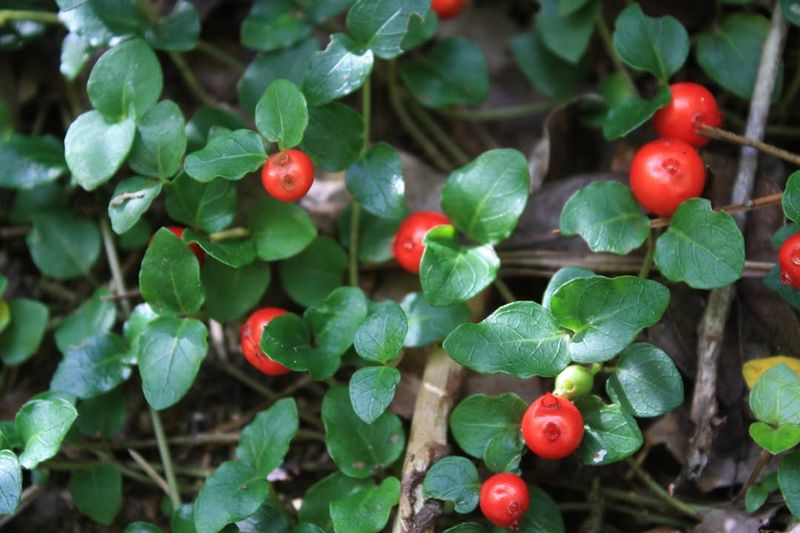
Slow, steady, and surprisingly tough, Partridgeberry is a native groundcover that rewards patient gardeners with one of the most charming displays in the woodland garden. Mitchella repens is a trailing evergreen perennial with small, rounded, dark green leaves that stay glossy and rich-looking through all four seasons.
It creeps quietly along the ground, weaving between rocks and roots, covering the forest floor with a fine-textured, low-growing mat.
In late spring to early summer, pairs of tiny white tubular flowers appear along the stems. These flowers are not just pretty, they are fascinating.
Each pair of blooms shares a single ovary, and after pollination, they fuse together to form a single bright red berry that persists through fall and into winter. Birds and small woodland mammals in Western North Carolina rely on those berries as a food source during colder months, so planting Partridgeberry is a direct way to support local wildlife.
Deeply shaded spots and acidic soils are where Partridgeberry truly shines, conditions that are plentiful throughout the mountain forests of Western North Carolina. It grows slowly but is extremely long-lived, with established patches sometimes persisting for many decades.
Watering needs remain moderate to keep the soil consistently moist, and it rarely requires any pruning or fertilizing. For terrarium enthusiasts, it is also a popular choice for indoor woodland arrangements.
Whether used in a shaded outdoor garden or a naturalized woodland edge, Partridgeberry brings year-round interest and ecological value to mountain landscapes.
7. Virginia Heartleaf With Hidden Woodland Charm
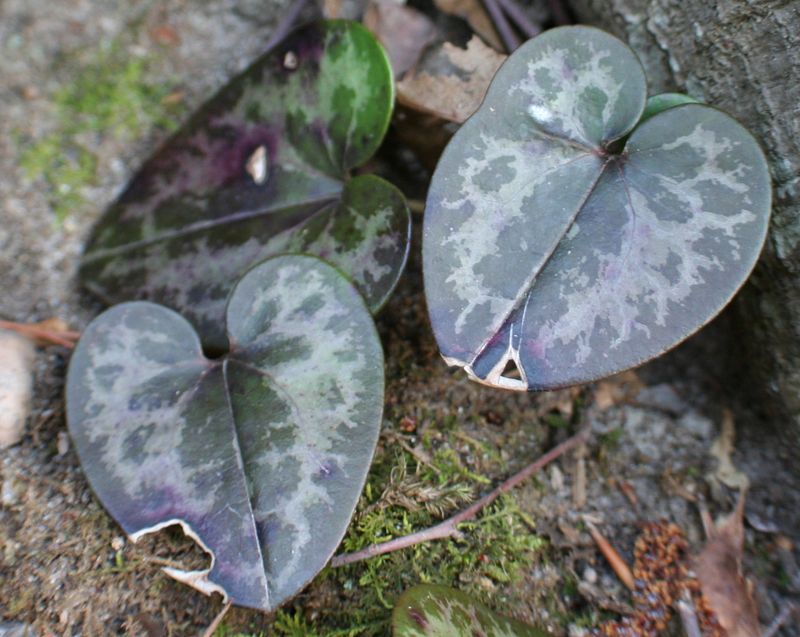
Some plants earn their names perfectly, and Virginia Heartleaf is one of them. The rich, glossy, heart-shaped leaves of Hexastylis virginica are the first thing you notice, lying flat and dense against the forest floor like a handcrafted green mosaic.
Native to the Appalachian region including Western North Carolina, this evergreen perennial brings a bold, lush look to deeply shaded spaces where most groundcovers struggle to survive.
Here is something quirky about Virginia Heartleaf: it produces small, jug-shaped flowers that hide beneath the foliage near the ground, almost completely out of sight. These hidden blooms are pollinated by ground-crawling insects rather than flying ones, a clever adaptation to the deep forest environment.
While you may never notice the flowers unless you look closely, the foliage more than makes up for any lack of floral display.
Virginia Heartleaf is closely related to Wild Ginger and shares many of the same growing preferences, including deep shade, moist to average acidic soils, and cool temperatures, all of which are in abundant supply throughout the mountain counties of Western North Carolina. It spreads slowly by rhizomes, gradually building a dense, weed-resistant carpet that requires almost no maintenance once established.
No mowing, no fertilizing, and very little watering are needed after the first season. For gardeners dealing with heavily shaded slopes or dry woodland areas under mature trees, Virginia Heartleaf is one of the most dependable and visually striking native groundcovers available in the region.
8. Golden Ragwort That Spreads With Ease
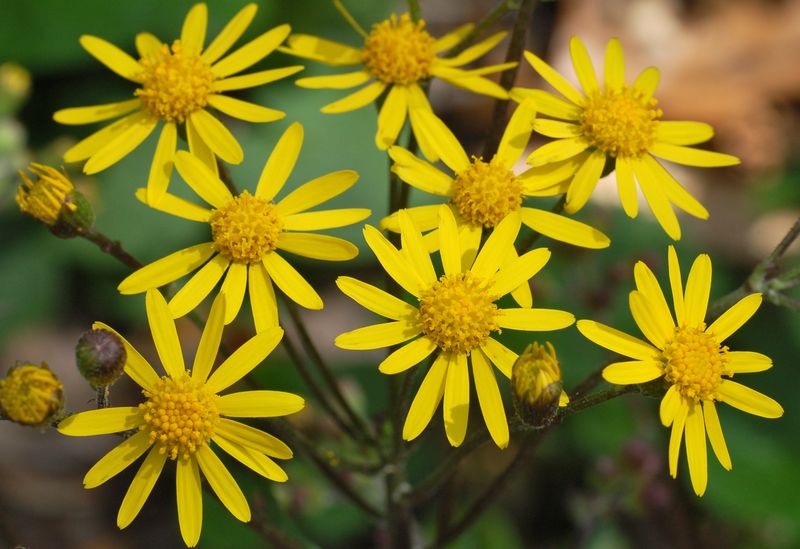
Bold, bright, and buzzing with pollinators, Golden Ragwort is the kind of native groundcover that makes a real statement in a mountain yard. Packera aurea sends up clusters of vivid yellow, daisy-like flowers on tall stems in mid to late spring, creating a cheerful golden glow across large areas of the garden.
It is one of the earliest native plants to bloom in Western North Carolina, often flowering while the trees are still leafing out overhead.
The basal leaves of Golden Ragwort are rounded and heart-shaped, forming a dense, attractive rosette that stays evergreen through mild winters in the mountains. As the season progresses, the plant spreads steadily by both seeds and underground rhizomes, gradually colonizing large patches of moist, shaded ground.
That spreading habit makes it excellent for naturalizing areas under trees, along stream banks, or on moist hillsides where erosion can be a challenge.
Pollinators absolutely flock to the flowers, with native bees, butterflies, and small beetles all making regular visits during the spring bloom period. In Western North Carolina, where supporting native wildlife is a priority for many mountain homeowners, Golden Ragwort is a genuinely valuable addition to any yard.
It handles wet soil and seasonal flooding better than most groundcovers, which is a real advantage near mountain streams and low-lying areas. Full shade to part sun suits it well, and once it gets going, it practically takes care of itself with minimal intervention needed from the gardener.
9. Pennsylvania Sedge For A Natural Lawn Look
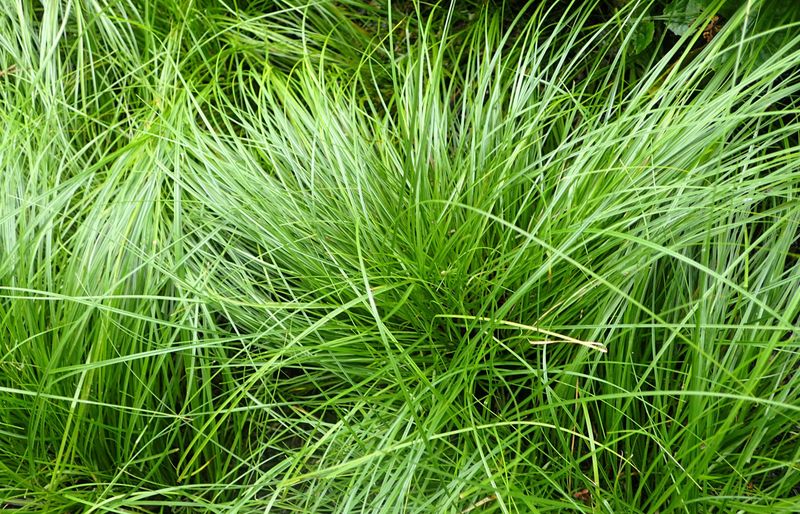
Not every groundcover needs a showy flower to earn its spot in the garden. Pennsylvania Sedge proves that sometimes, quiet, reliable beauty is exactly what a mountain yard needs.
Carex pensylvanica is a fine-textured, grass-like native sedge that forms soft, arching mounds of slender green leaves, creating a natural, meadow-like look that fits perfectly into the mountain landscapes of Western North Carolina.
One of the biggest advantages of Pennsylvania Sedge is its ability to handle dry shade, a combination that stumps most plants. Under the dense canopy of oaks, hickories, and other hardwoods common across Western North Carolina, soil tends to be dry and nutrient-poor.
Pennsylvania Sedge handles these conditions with ease, spreading slowly by rhizomes to form a continuous, low-maintenance carpet that stays green from spring through fall and sometimes into winter in milder years.
It can even be mowed once a year in early spring to keep it looking tidy, though many gardeners skip the mowing entirely and let it grow in its natural, flowing form. Unlike traditional lawn grasses, it needs no fertilizer, no irrigation after establishment, and no pesticides, making it a genuinely sustainable alternative to conventional turf in shaded areas.
Birds occasionally feed on the small seeds it produces, adding another layer of ecological benefit to its already impressive resume. For Western North Carolina mountain homeowners looking to replace a patchy, struggling lawn under mature trees, Pennsylvania Sedge is one of the most practical and attractive native groundcovers you can plant.