9 Easy To Grow Ohio Flowers To Start Indoors Before Last Frost
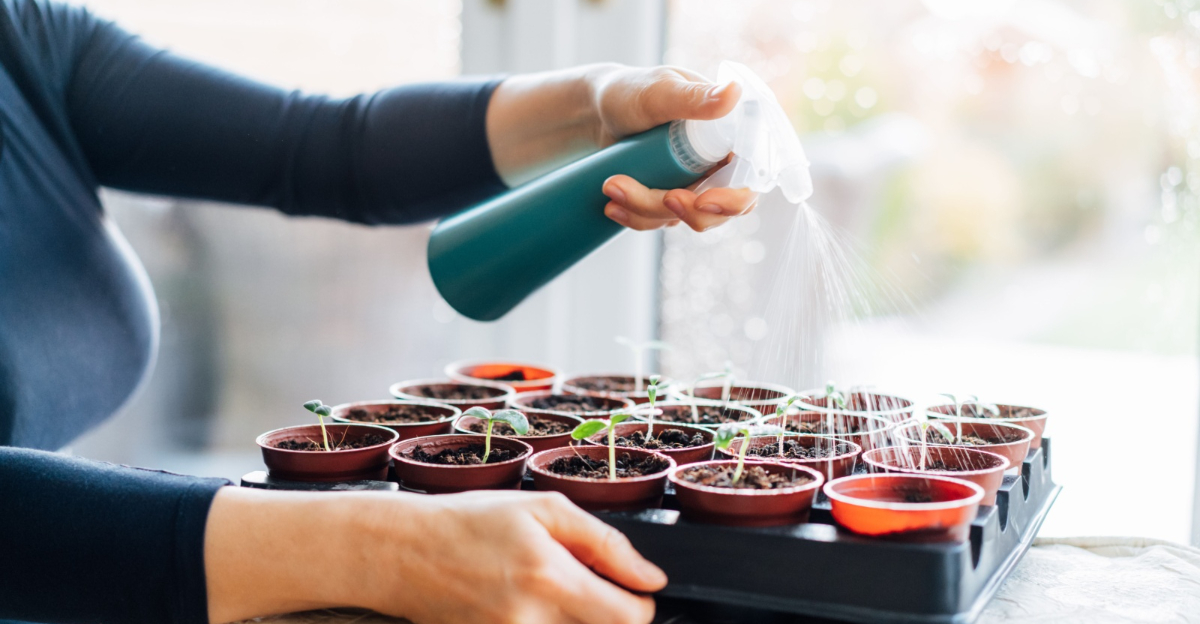
Late winter in Ohio can feel endless, but for gardeners, it marks the exciting start of a new growing season. While snow may still cover the ground and frost lingers outside, indoors you can already spark life, color, and growth.
Starting flowers before the last frost gives your plants a powerful head start, leading to stronger roots, earlier blooms, and a longer, more vibrant display once spring finally arrives.
A sunny window, a few pots, and the right seeds can transform quiet winter days into the beginning of a thriving garden.
Even beginners find success with the right choices, since many flowers sprout quickly and grow with little fuss. With a bit of preparation now, your home can fill with fresh green shoots, and your Ohio garden will burst into color the moment warm weather returns.
1. Petunias Love An Early Start
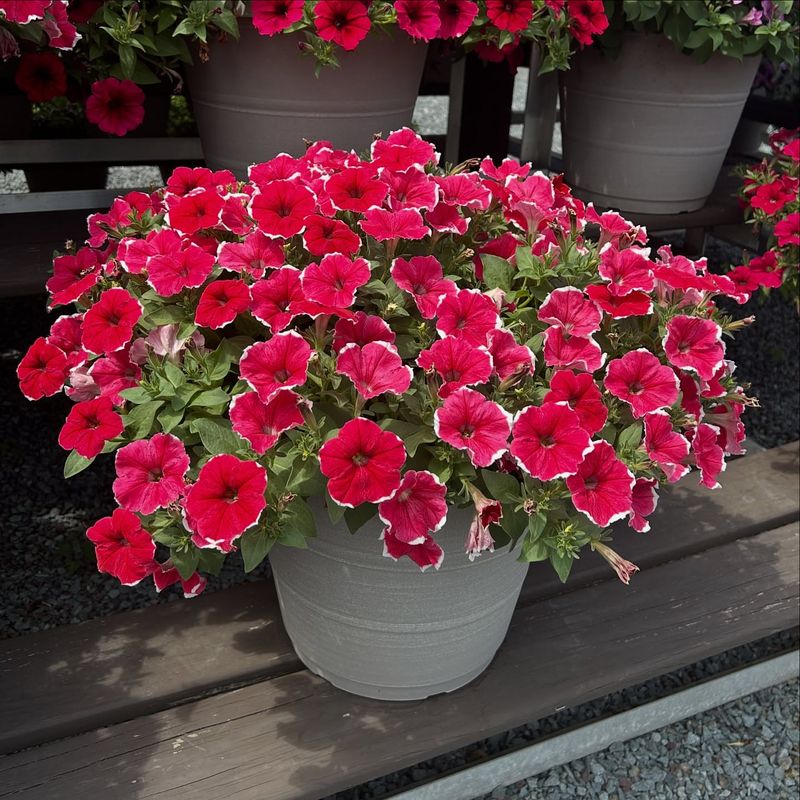
Few flowers put on a show quite like petunias, but they need a serious head start to hit their stride by summer. According to Ohio State University Extension, petunias should be started indoors 10 to 12 weeks before the last expected frost date.
For most of Ohio, that puts your ideal sowing window right in early to mid-March.
Petunia seeds are incredibly tiny, almost like dust, so many gardeners mix them with fine sand before sprinkling them over moistened seed-starting mix. Do not cover the seeds with soil since they need light to germinate.
Place your tray under a grow light or in the brightest south-facing window you can find, and expect sprouts to appear within 10 to 12 days at around 70 to 75 degrees Fahrenheit.
Leggy seedlings are the most common problem beginners run into. Keep your light source just 2 to 3 inches above the seedlings and aim for 14 to 16 hours of light per day to keep growth compact and sturdy.
Pinching back the first set of true leaves encourages bushy growth rather than tall, floppy stems. Harden off your transplants gradually in late April before moving them to Ohio garden beds after the final frost passes.
2. Snapdragons Thrive In Cool Beginnings
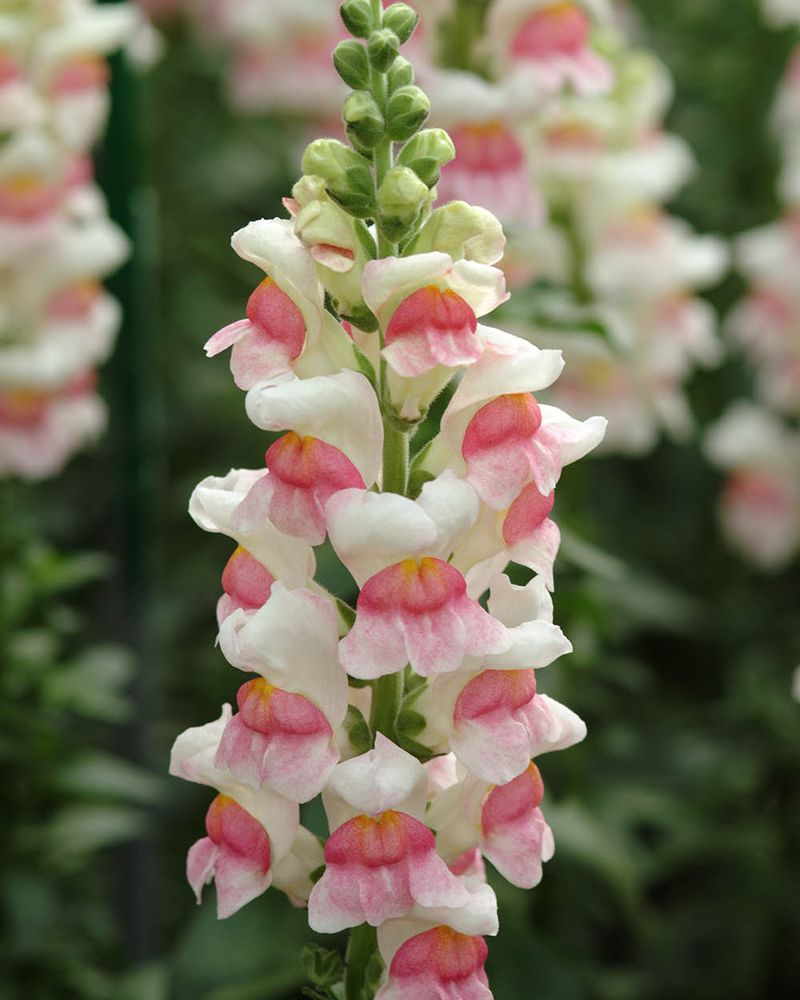
Snapdragons are one of those flowers that actually prefer cooler temperatures, which makes them a natural fit for Ohio springs where warm days and chilly nights are the norm well into May. Starting them indoors in early March gives them the long establishment period they need to bloom vigorously before summer heat slows them down.
Sow snapdragon seeds on the surface of moist seed-starting mix and press them in gently without covering them, since light is essential for germination. Germination typically takes 10 to 14 days at a soil temperature of around 65 degrees Fahrenheit.
Once seedlings emerge, cooler indoor temperatures between 55 and 65 degrees actually strengthen their root systems and promote compact, healthy growth.
One of the standout traits of snapdragons is their ability to tolerate light frost once they have been properly hardened off. Ohio gardeners can often transplant established snapdragon starts into the garden in late April, weeks before many other flowers are ready.
This early outdoor life gives them time to establish roots and begin flowering before the heat of late June arrives. Expect blooms in shades of red, pink, orange, yellow, and white that attract pollinators and make outstanding cut flowers throughout the spring season.
Your Ohio Garden Changes Every Week. Your Plan Should Too.
Gardening in Ohio changes quickly throughout the season. Every Friday you’ll receive a simple weekly plan showing exactly what to plant, prune, fertilize, harvest, and protect so you never miss the right timing.
3. Cosmos Grow Fast From Seed
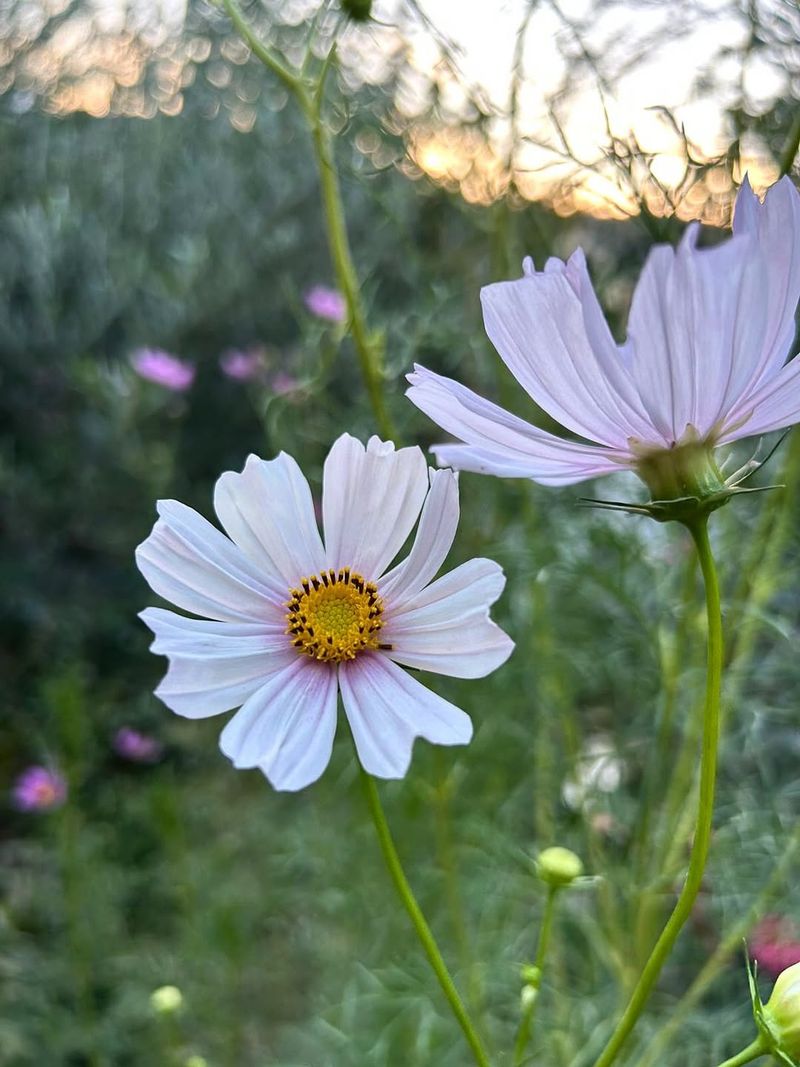
Cosmos might just be the most forgiving flower a beginner gardener can grow, and their speed from seed to bloom makes them especially rewarding. While cosmos are often direct sown outdoors, starting them indoors in late March can still give Ohio gardeners an earlier bloom, as long as seedlings are transplanted carefully to avoid root disturbance.
Seeds germinate quickly, often within 7 to 10 days when kept at 70 degrees Fahrenheit. Cosmos actually prefer lean soil conditions, so resist the urge to fertilize heavily during the seedling stage.
Overly rich soil encourages lush foliage at the expense of flowers, which is the opposite of what you want from these feathery, sun-loving plants.
Provide plenty of bright light indoors to prevent leggy stems. A south-facing window works well, but a basic grow light set to 14 hours per day is even better.
Cosmos are not fans of root disturbance, so starting them in biodegradable pots or cell packs that can be transplanted whole is a smart move. After the last frost date in your part of Ohio, usually early to mid-May, set your plants out in a sunny spot and watch them take off.
They bloom prolifically through summer and early fall with almost no maintenance required.
4. Marigolds Sprout With Zero Fuss

Ask any experienced Ohio gardener which flower they would recommend to a complete beginner, and marigolds are almost always somewhere near the top of the list. They germinate reliably, grow quickly, and reward even the most basic seed-starting setup with strong, healthy plants.
Start marigold seeds indoors 6 to 8 weeks before your last expected frost date. In most of Ohio, that lands squarely in March.
Press seeds about a quarter inch deep into moist seed-starting mix, cover the tray with a plastic dome or plastic wrap, and place it somewhere warm. Germination happens fast, typically within 5 to 7 days at temperatures between 70 and 75 degrees Fahrenheit.
Beyond their cheerful blooms in gold, orange, and deep red, marigolds have earned a well-deserved reputation as garden companions that help discourage certain pests when planted near vegetables. French marigold varieties work especially well in Ohio raised beds and container gardens.
Once nighttime temperatures in your area stay consistently above 50 degrees Fahrenheit, usually by mid-May in central Ohio, harden off your seedlings over 7 to 10 days and transplant them into full sun. They will reward you with nearly nonstop color from late spring through the first fall frost.
5. Ageratum Brings Long Lasting Color
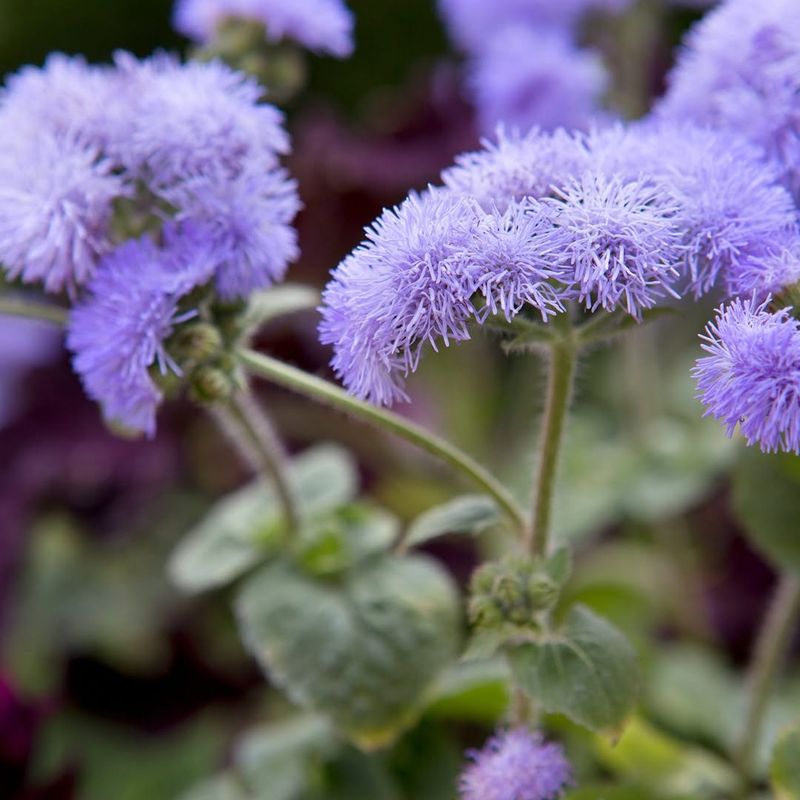
Ageratum is one of those underrated flowers that earns its place in the garden by simply never stopping. From late spring through fall, its fuzzy, powder-puff blooms in shades of blue, lavender, pink, and white keep going strong even when other plants start to fade in the August heat.
Starting seeds indoors in March is the key to getting this compact annual into full bloom early in the Ohio growing season.
Sow ageratum seeds on the surface of moist seed-starting mix without covering them, since light is needed for germination. At soil temperatures around 70 to 75 degrees Fahrenheit, you can expect sprouts in 7 to 10 days.
Ageratum seedlings are small and slow-growing at first, which is exactly why that indoor head start matters so much in Ohio where the outdoor planting window does not open until mid-May.
Once established, ageratum is surprisingly heat-tolerant and low maintenance. It thrives in full sun but also handles partial shade reasonably well, making it flexible enough for a wide range of Ohio garden layouts.
Compact varieties stay under 10 inches tall, making them ideal for borders, edging, and container plantings. Transplant after the last frost date and water regularly during the first two weeks to help roots settle in.
6. Dianthus Builds Strong Early Roots
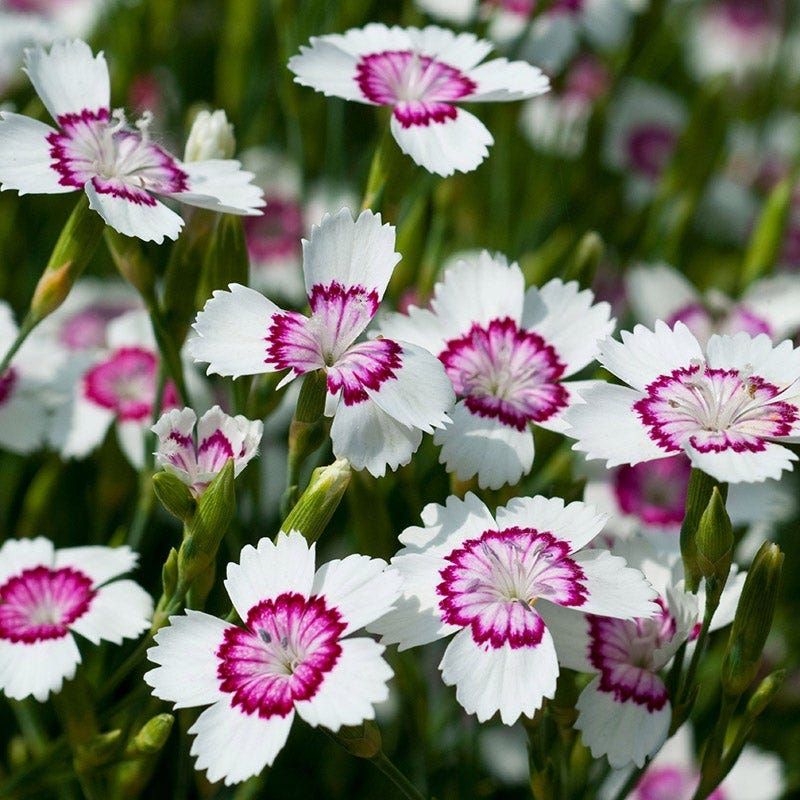
Old-fashioned charm meets modern garden toughness in dianthus, a cool-season flower that performs beautifully in Ohio springs and falls. Starting dianthus indoors in March gives the roots plenty of time to develop before transplant, which is what makes the difference between a plant that merely survives and one that truly thrives.
Sow seeds about an eighth of an inch deep in moist seed-starting mix and keep the tray at around 65 to 70 degrees Fahrenheit. Germination usually occurs within 10 to 14 days.
Unlike some other flowers on this list, dianthus actually prefers slightly cooler indoor temperatures after germination, somewhere in the 60-degree range, which strengthens stem structure and encourages compact growth.
Dianthus is well-suited to Ohio gardens because it can handle light frost once hardened off, allowing earlier outdoor planting than many warm-season annuals. The flowers carry a light, sweet, clove-like fragrance that makes them a favorite for cutting gardens and front-of-border plantings.
Many varieties also rebloom if deadheaded regularly. Colors range from pure white to deep crimson, with bicolor and frilled options that add texture and visual interest.
In Ohio, dianthus often begins blooming in late May or June in its first season, with a second flush possible in early fall.
7. Sweet Alyssum Spreads Soft Beauty

There is something quietly magical about sweet alyssum. Once it starts blooming, it creates a low, flowing carpet of tiny flowers that smells faintly of honey and practically glows in the garden.
Starting it indoors in March gives Ohio gardeners a head start on that effect so the spreading habit is already well underway by the time planting season arrives.
Sweet alyssum seeds are tiny but mighty. Scatter them lightly across moist seed-starting mix and press them in gently without covering them, since they need light to germinate.
At room temperature, around 65 to 70 degrees Fahrenheit, germination happens quickly, often within 7 to 10 days. Seedlings grow steadily and do not require heavy fertilization during the indoor stage.
One of the most practical qualities of sweet alyssum is its ability to attract beneficial insects, including parasitic wasps and hoverflies that help manage pest populations naturally in Ohio vegetable gardens. It works beautifully as a border plant, a ground cover between stepping stones, or a trailing element in containers and window boxes.
After the last frost date in your Ohio county, transplant hardened seedlings into a spot with full sun to light shade. Once established, alyssum may self-seed in milder seasons, though return is not guaranteed after harsh Ohio winters.
8. Zinnias Take Off Fast
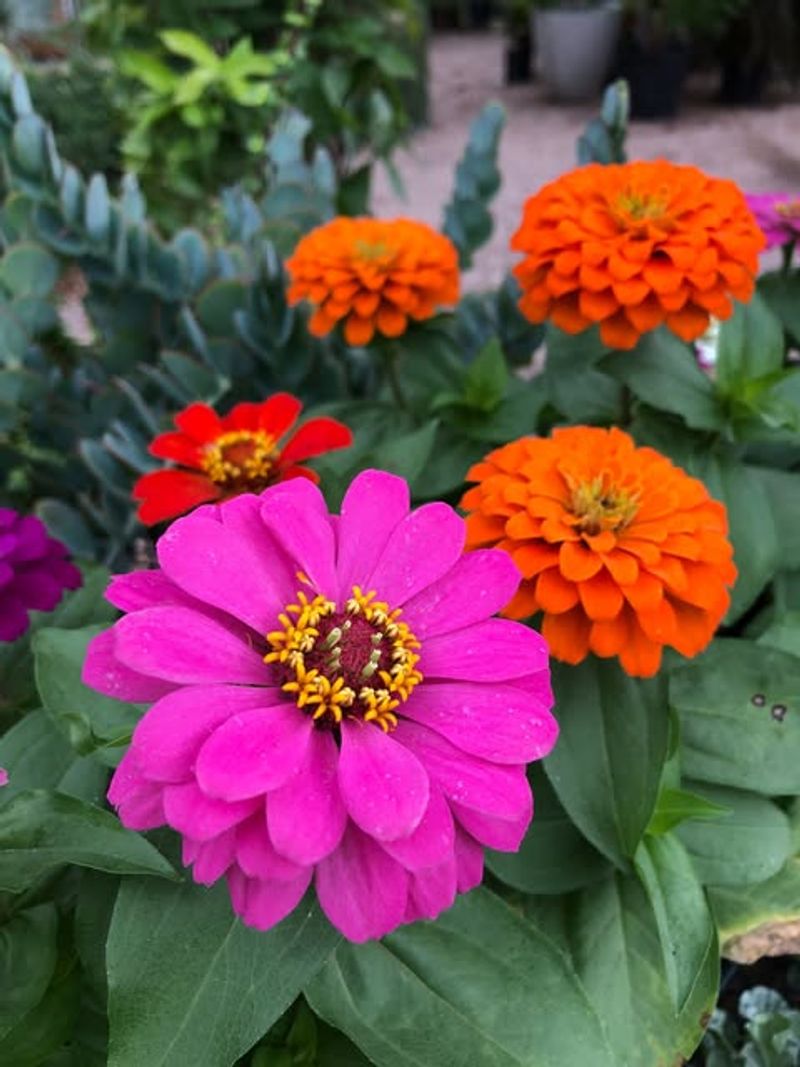
Zinnias are warm-season powerhouses, and timing your indoor start correctly makes all the difference. Unlike some flowers that benefit from being started 10 to 12 weeks early, zinnias grow so quickly that starting them too far ahead can result in root-bound transplants that struggle to adjust outdoors.
For Ohio gardeners, late March is the sweet spot, giving seedlings 4 to 6 weeks of indoor growth before the last frost date passes.
Press zinnia seeds about a quarter inch deep into moist seed-starting mix and keep the tray warm, ideally between 70 and 75 degrees Fahrenheit. Germination is rapid, often appearing within 5 to 7 days.
Zinnias are sun lovers through and through, so give seedlings maximum light exposure, at least 14 hours per day under grow lights, to keep stems short and strong.
Once outdoor temperatures in Ohio are consistently warm and nighttime lows stay above 50 degrees Fahrenheit, typically mid-May for most of the state, transplant your zinnias into full sun with well-draining soil. Avoid disturbing the roots during transplant since zinnias are sensitive to root damage at the seedling stage.
Once established, they grow fast, flower heavily, and attract butterflies throughout the summer. Regular deadheading keeps the blooms coming well into September across most of Ohio.
9. Delphinium Blooms From Patience
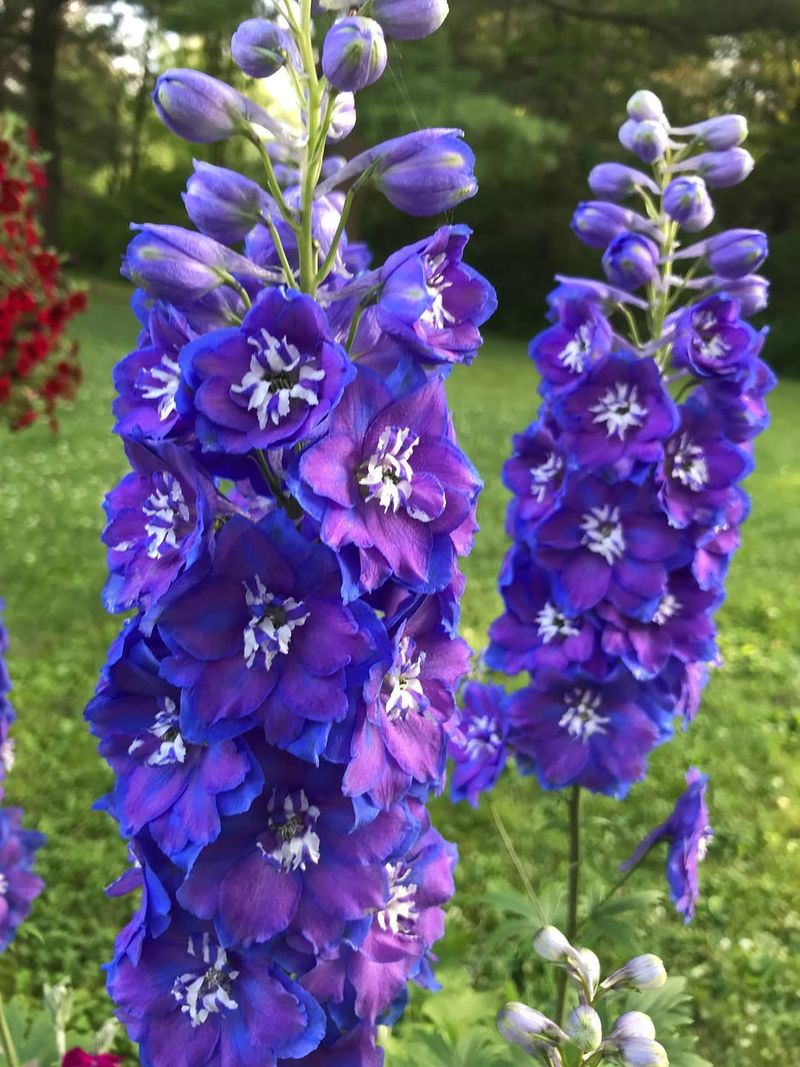
Delphinium is the flower for gardeners who appreciate the payoff that comes from putting in a little extra effort up front. The towering spikes of blue, purple, pink, and white blooms that appear in early summer are genuinely stunning, and they would not be possible without a long indoor growing period that starts right around early March for Ohio gardeners.
Germination can be a bit unpredictable with delphinium. Seeds benefit from being chilled in the refrigerator for about a week before sowing, a process called stratification that mimics the natural cold period the seeds would experience overwintering in the ground.
After chilling, sow seeds about an eighth of an inch deep in moist seed-starting mix and keep temperatures cool, around 55 to 65 degrees Fahrenheit. Expect germination to take 14 to 21 days.
Once seedlings emerge, move them under bright grow lights and maintain consistent moisture without letting the mix stay soggy. Delphinium seedlings are slow and deliberate growers in the early weeks, but they strengthen steadily over time.
By mid-May, Ohio gardeners can begin hardening off transplants and moving them to a sunny garden bed with rich, well-draining soil. Stake plants early since the tall flower spikes can reach 4 to 6 feet and need support against Ohio spring winds.
The reward is a breathtaking display that makes every week of waiting worthwhile.