The Rat-Repelling Flowers Ohio Gardeners Are Planting Now
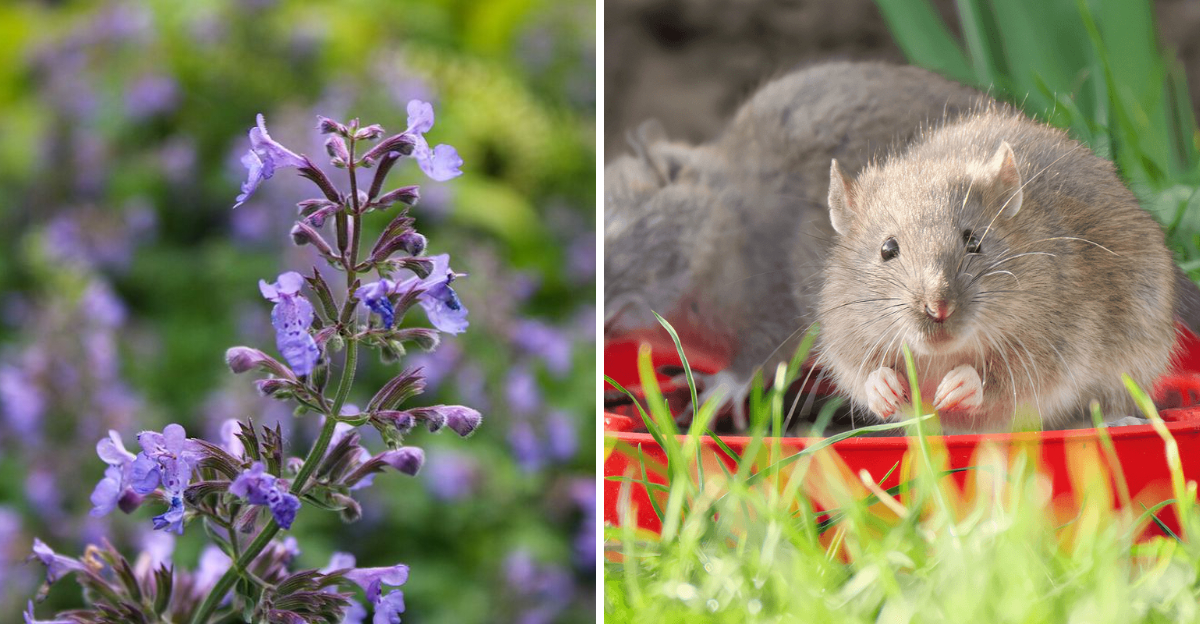
Rats don’t announce themselves. By the time most Ohio gardeners realize they have a problem, the evidence has been building for a while.
Burrows along the fence line, gnaw marks on wooden raised beds, disturbed mulch in places that don’t make sense. The usual responses involve traps, bait stations, and a fair amount of frustration.
What fewer people consider is what’s already growing in the garden and whether it’s working for them or against them.
Certain flowers hit rats where they’re most vulnerable, in a nose so sensitive that the wrong scent turns a promising territory into somewhere they’d rather not be.
Ohio gardeners are catching on to this, planting specific varieties not just for color but for the protective effect they bring to the beds around them.
No chemicals, no maintenance beyond what the flowers already need, just plants doing something useful while looking good doing it.
1. Marigolds Add Strong Scent Around Vulnerable Garden Edges
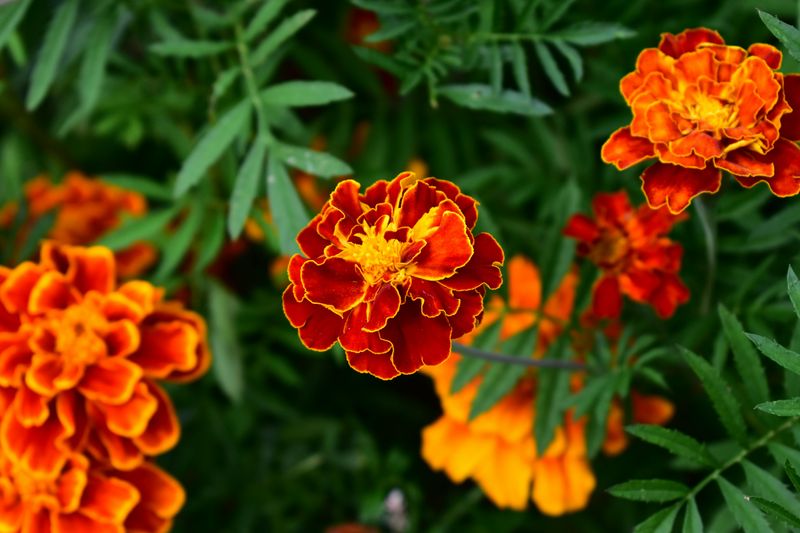
Few annuals pack as much scent into a single plant as the common marigold. That bold, almost medicinal smell comes from compounds in the leaves and flowers that many insects and some animals find unpleasant.
Planting marigolds around vegetable beds, patio borders, and garden edges may help make those spots feel slightly less inviting. They are absolutely not a rat-proof barrier on their own.
Marigolds grow best in full sun and well-drained soil. In most parts of this state, you can start seeds indoors in early spring or transplant seedlings after the last frost.
French marigolds stay compact and are easy to tuck along narrow edges, while African marigolds grow tall and bold enough to line a fence or raised bed perimeter.
One thing worth keeping in mind is that messy, overgrown marigold clumps can actually create low cover near the soil. Trim off spent blooms regularly, pull any deceased material, and space plants so air moves freely between them.
A tidy row of marigolds is far more useful than a tangled clump. If food scraps, birdseed, or pet food are still accessible nearby, no amount of marigold scent will keep rats from investigating.
Pair these cheerful flowers with clean garden habits for the best results.
2. Lavender Keeps Sunny Borders Open, Dry, And Fragrant
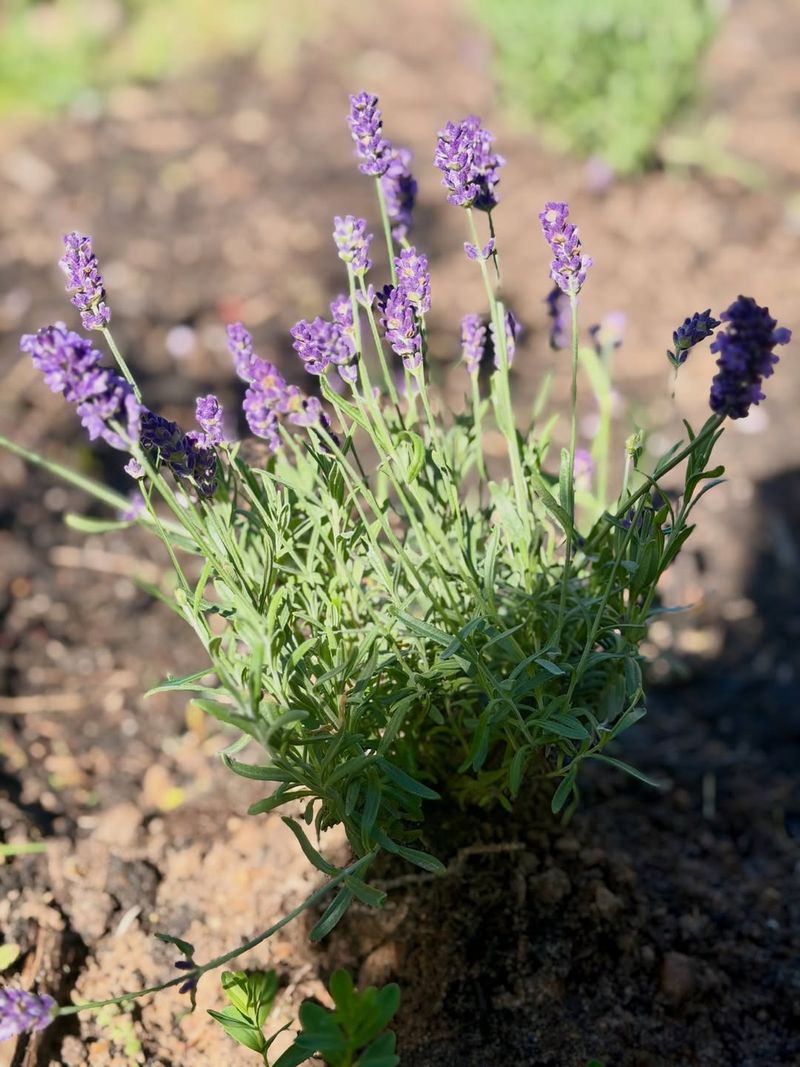
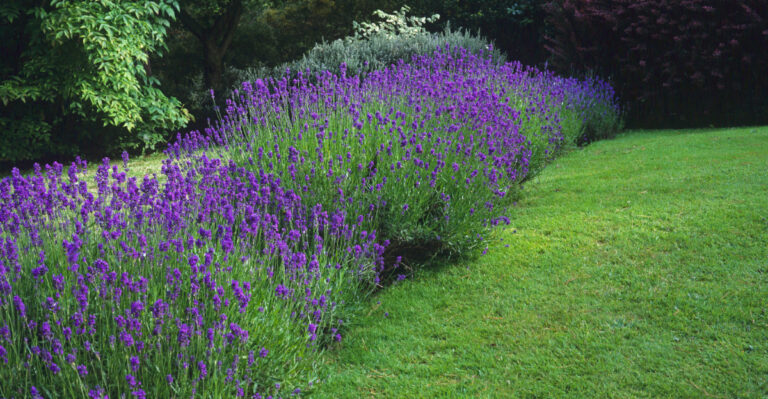
Lavender has earned a loyal following among Ohio gardeners who love its silvery foliage, purple blooms, and calming fragrance. Rats tend to prefer easy shelter, moist hiding spots, and close access to food.
A sunny, dry, open lavender border offers none of those things, which is part of what makes this plant a smart choice for edges you want to keep clean and visible.
The scent of lavender is pleasant to most people but reportedly unpleasant to a range of pests. That said, scent alone will not drive away a rat that has found a food source nearby.
The real advantage of lavender is the kind of environment it creates: open, well-drained, and easy to monitor. Rats do not like open ground with no quick escape route.
Your Ohio Garden Changes Every Week. Your Plan Should Too.
Gardening in Ohio changes quickly throughout the season. Every Friday you’ll receive a simple weekly plan showing exactly what to plant, prune, fertilize, harvest, and protect so you never miss the right timing.
Growing lavender well in this state requires attention to drainage. It struggles in heavy clay soil and does poorly in wet spots.
Raised beds, amended borders with added grit or sand, or south-facing slopes give it the best chance. Varieties like Hidcote and Munstead are reliable performers in many parts of the Midwest.
Keep plants trimmed after flowering to prevent woody, hollow centers that could become small hiding spots. A tidy lavender border adds beauty, pollinators, and a cleaner yard edge all at once.
3. Daffodils Help Protect Spring Beds With Unappealing Bulbs
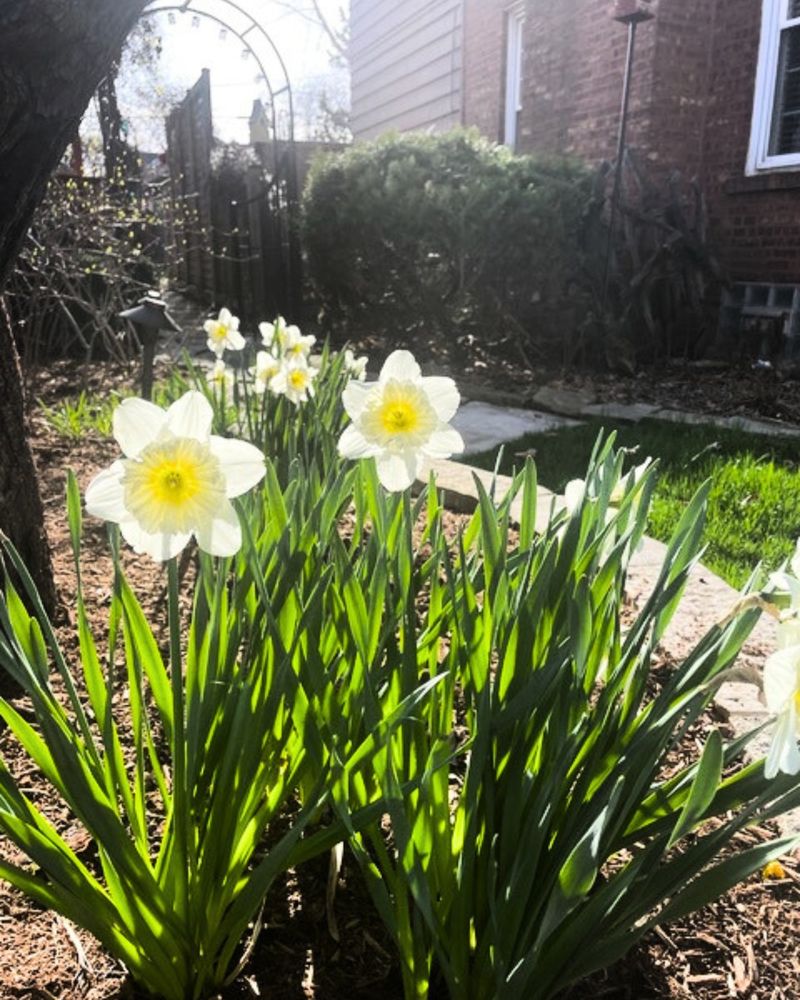
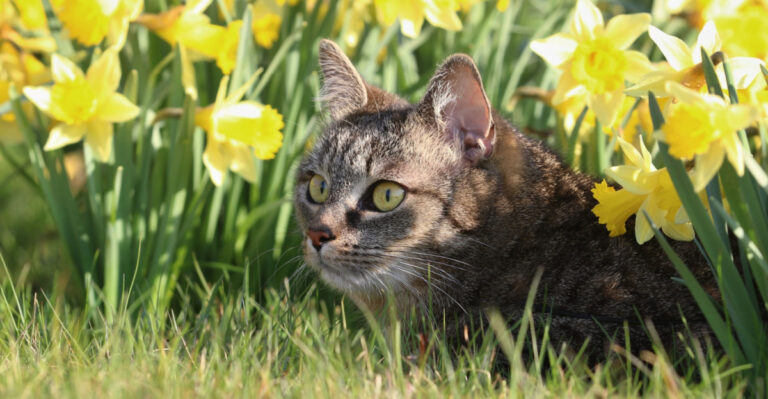
Daffodils are one of the few spring bulbs that most animals leave completely alone. That is because all parts of the daffodil plant contain lycorine and other alkaloids that make them toxic and deeply unpleasant tasting.
Squirrels, voles, and many other animals learn quickly to skip over daffodil bulbs. That is why gardeners sometimes use them as a protective ring around more vulnerable tulips or crocus plantings.
For rodent prevention, daffodils are mainly a spring solution. They bloom, then fade, and by summer the foliage has gone dormant completely.
They are not going to stop a rat from crossing a bed in July. What they do offer is a lower-risk ornamental option for spring beds.
They work especially well around entry points to vegetable gardens or near foundations where you want to reduce animal interest in the soil.
It is critical to keep children and pets away from daffodil bulbs and leaves. These plants are not safe to eat and should never be confused with edible onions or garlic.
Store any extra bulbs in a sealed container, and do not leave them loose on the ground. Even with daffodils in place, food sources and sheltered spots nearby will matter far more to a rat than any flower.
Combine them with good cleanup habits for the best results.
4. Alliums Bring Oniony Scent Rats Tend To Avoid
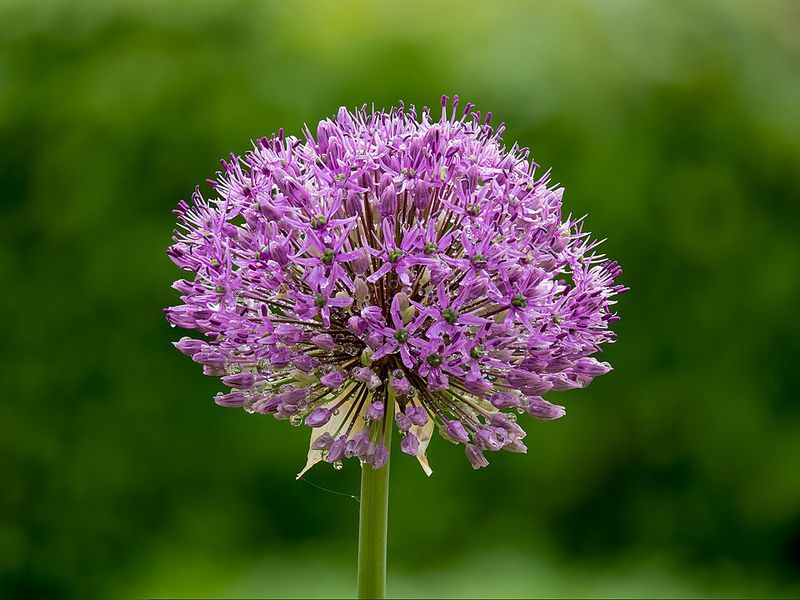
Ornamental alliums are the showy cousins of onions and garlic, and they carry that same sharp, sulfury scent that many animals find off-putting.
These globe-headed flowering plants bloom in late spring to early summer and add a striking architectural look to borders.
The scent they release, especially when leaves or stems are bruised, may discourage some animals from lingering nearby.
Alliums need full sun and well-drained soil to perform their best. They tend to naturalize over time, coming back year after year without much fuss.
Popular ornamental varieties include Allium giganteum, which sends up tall stems topped with softball-sized purple globes. Allium christophii has a slightly smaller but equally dramatic starburst bloom.
Both work well along sunny fence lines or open bed edges where you want some height and scent combined.
One important caution: onion-family plants are toxic to dogs and cats if eaten in significant amounts. Do not plant alliums in areas where pets graze or dig regularly.
Keep bulbs stored securely and dispose of any trimmings rather than leaving them on the ground. As with every plant in this list, alliums are not a stand-alone rat solution.
Removing food sources, managing compost, and reducing dense cover will always matter more than any single plant choice in the garden.
5. Mint Flowers Belong In Pots, Not Loose In The Garden
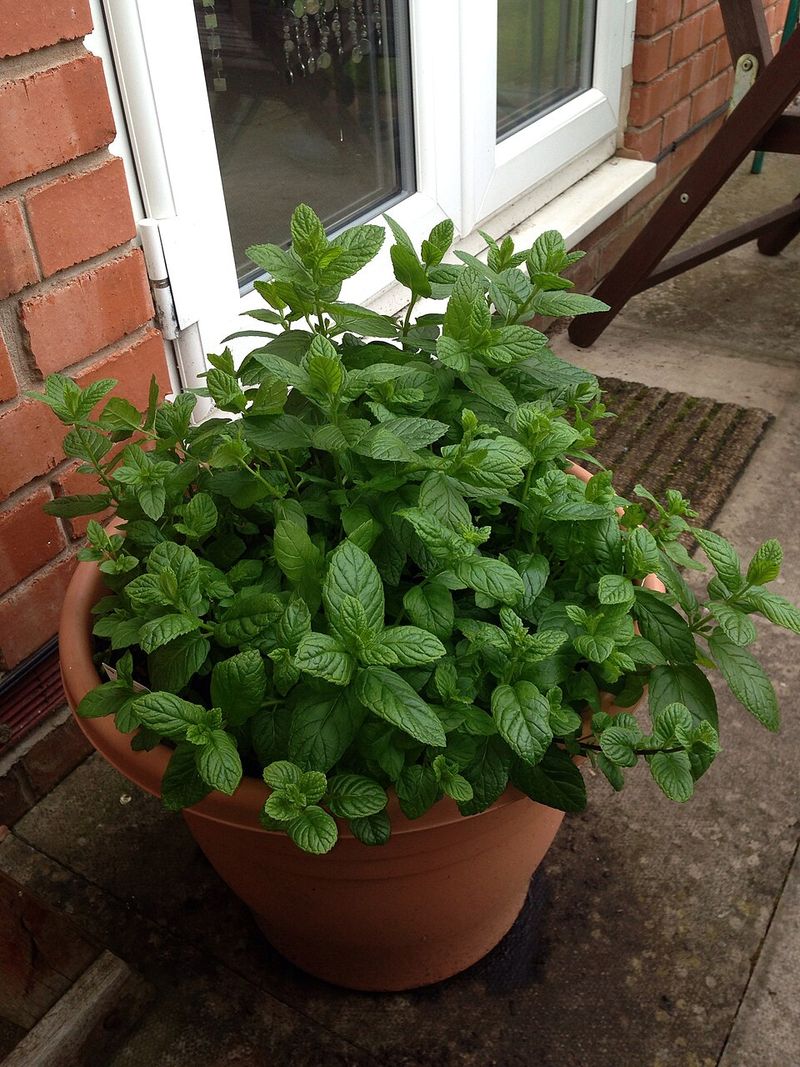
Mint is one of the most commonly mentioned scent-based pest deterrents, and its sharp, cooling fragrance is genuinely strong. Rats and mice reportedly find the smell unpleasant, which is why mint often shows up on lists like this one.
The problem is that mint left loose in a garden bed will spread aggressively through underground runners. It can quickly take over and create the dense, tangled ground cover that gives rodents places to hide.
The solution is simple: grow mint in containers. A large pot or a buried bottomless bucket can keep mint from spreading.
It still lets you enjoy the scent near patios, shed corners, garbage bins, or garden entrances. Place pots where you want a fragrant barrier without the mess.
Water regularly since container mint dries out faster than in-ground plants.
Spearmint and peppermint are the most commonly available varieties and both have a strong enough scent to be worth using. Keep plants trimmed so they do not flop over the pot edges and root into the ground.
Even with well-placed containers, mint scent alone will not stop a rat that has found food or a nesting spot nearby. Think of it as a small sensory discouragement, not a solution.
Pair it with secure food storage and regular cleanup for any real benefit.
6. Catmint Adds Scent Without Creating Dense Rat Cover
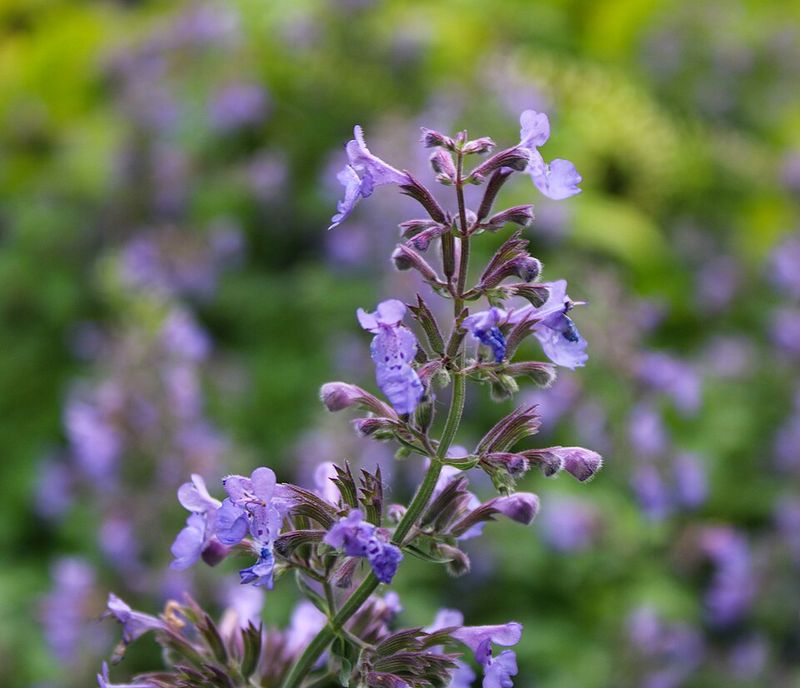
Catmint, known botanically as Nepeta, is a fragrant flowering perennial that offers much of the sensory appeal of mint without the invasive spreading habit.
It produces waves of soft lavender-blue flowers from late spring into summer and releases a pleasant herbal scent when touched.
Pollinators absolutely love it, and its open, airy growth habit makes it a better border plant than loose mint in most home landscapes.
From a rodent-awareness standpoint, catmint earns its place by staying relatively tidy and by keeping borders open and visible. Dense, tangled plantings give rats cover to move along fence lines and shed walls without being noticed.
Catmint, when trimmed after its first flush of flowers, stays mounded and manageable rather than sprawling into messy ground cover.
Cutting it back by about one-third in midsummer encourages a second bloom and keeps the plant from flopping open at the center.
Plant catmint in full sun to partial shade with decent drainage. It handles dry summers better than many perennials once established, making it a low-maintenance choice for sunny borders and patio edges.
Keep an eye on cats in your yard since some cats are attracted to catmint just as they are to catnip, which is a close relative.
Overall, catmint is one of the more sensible flowering perennials for gardeners who want fragrance, beauty, and a cleaner yard edge without adding new problems.
7. Nasturtiums Fill Bare Spots Without Hiding Food Sources
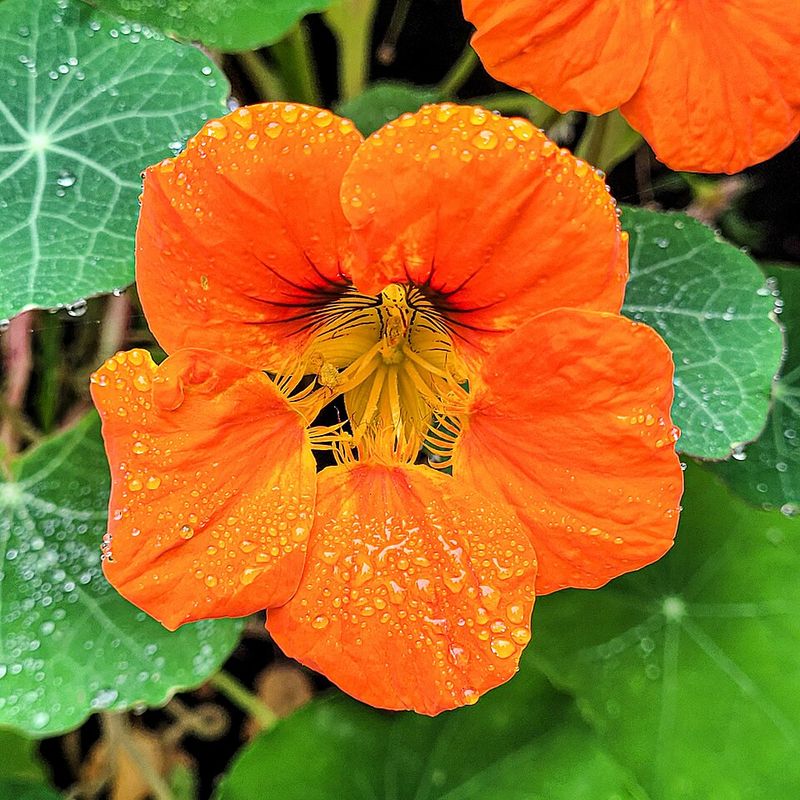
Nasturtiums are cheerful, fast-growing annuals that gardeners reach for when they need color quickly. They fill bare patches along bed edges, spill attractively from containers, and even produce edible flowers and leaves with a peppery flavor.
For vegetable garden borders, they are a practical choice because they cover open soil without growing tall enough to create significant hiding cover at ground level.
These plants are not true rat repellents, and no credible source claims otherwise. What nasturtiums can do is help keep bare soil covered, which makes it easier to spot disturbance, digging, or activity in your beds.
Open, visible soil is easier to monitor than a tangled mess of weeds and old plant debris. That visibility matters when you are trying to catch rodent activity early.
One thing to watch carefully is what ends up near nasturtiums. They tend to grow low and spreading, which means fallen birdseed, dropped produce, or compost debris can easily get lost beneath the leaves.
Lift the foliage occasionally to check for food scraps or signs of digging. Keep the area around containers and bed edges clean and free of spilled seed or fruit.
Nasturtiums also self-seed freely, so trim spent flowers if you want to manage where they come back next year. Pair them with regular garden cleanup for the most benefit.
8. Keeping Beds Clean Matters More Than Any Flower
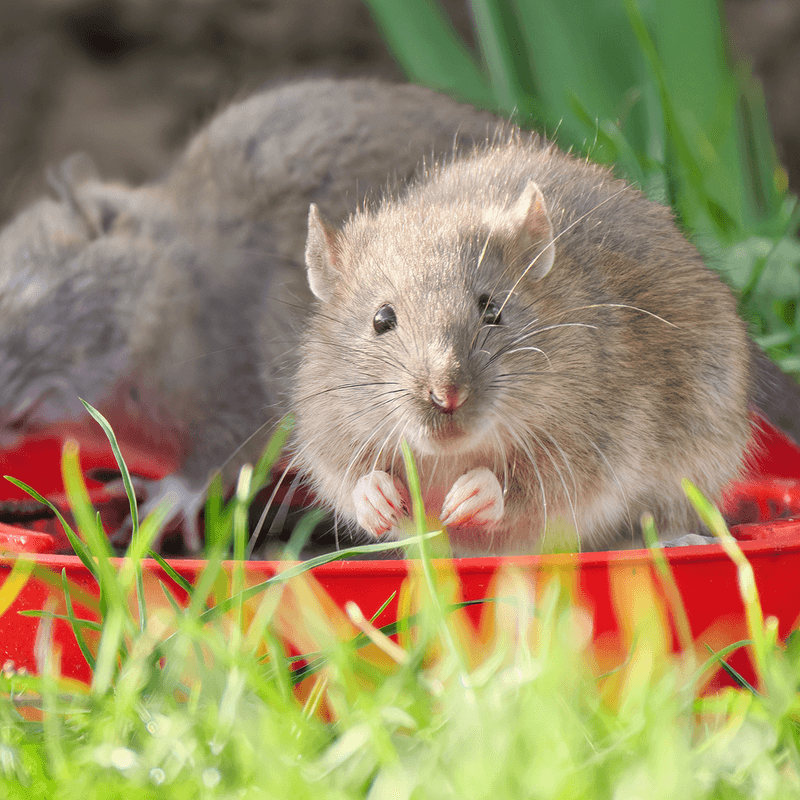
Every flower on this list can contribute something useful to a less rat-friendly yard. But none of them will make much difference if the basics are ignored.
Rats are drawn to yards by food, water, shelter, and nesting opportunities. Until those attractants are removed or secured, no amount of marigolds or lavender will change the outcome.
Start with food. Birdseed is one of the most common rat attractants in backyard gardens.
Switch to feeders with catch trays, clean up spilled seed daily, and consider taking feeders in at night. Store pet food, chicken feed, and livestock feed in sealed metal or heavy plastic containers.
Do not leave pet food bowls outside overnight. Pick up fallen fruit as soon as it drops, and keep compost in a sealed, rodent-resistant bin rather than an open pile.
Next, look at shelter. Rats move along covered pathways like dense shrub borders, stacked lumber, debris piles, and overgrown weeds near sheds or fence lines.
Clear those areas regularly. Check sheds, garages, and crawl spaces for gaps or entry points and seal them with hardware cloth or caulk.
Keep garbage bins tightly lidded. If you suspect a serious infestation, contact a licensed pest management professional rather than trying to handle it alone.
Flowers are a small but pleasant part of a smarter, cleaner yard strategy, and that strategy starts with removal, not planting.