This Is The Best Way To Prune African Violets For Bushier Growth In Ohio
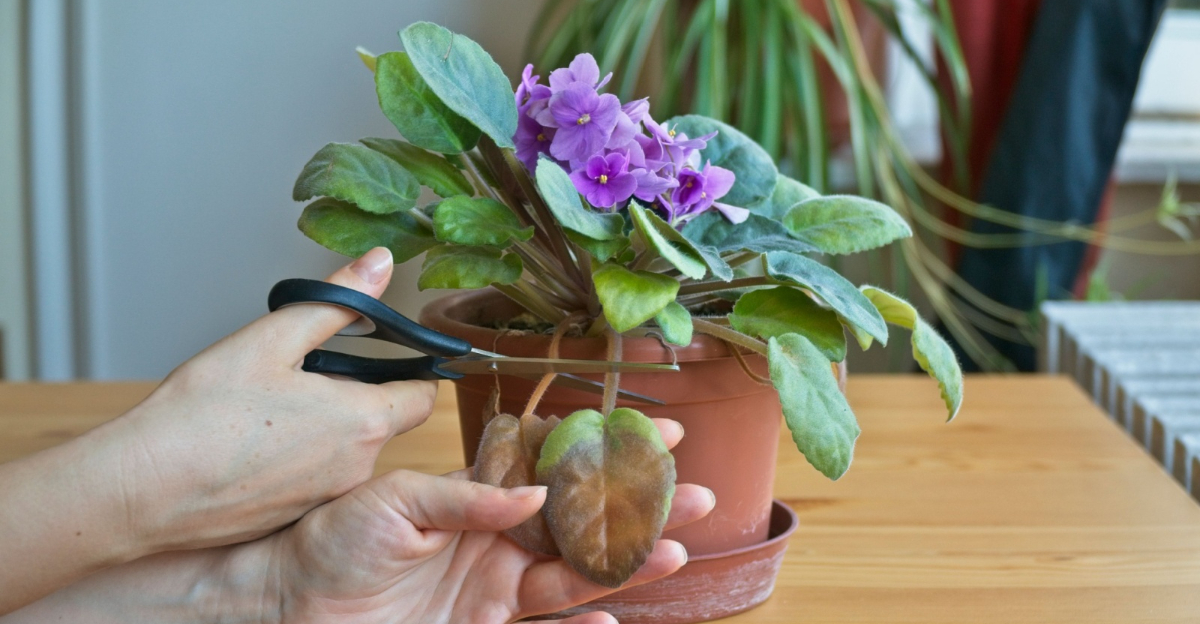
African violets can look small and quiet on the windowsill, yet with the right pruning they transform into lush, full plants covered in blooms.
Many Ohio growers struggle with leggy stems, sparse leaves, or uneven shape, not because the plant is difficult, but because a simple pruning step gets overlooked.
The way you trim, where you cut, and when you do it can completely change how your violet grows. Done right, pruning encourages compact form, stronger crowns, and a steady cycle of fresh leaves and flowers even through long Ohio winters.
It takes only a few careful snips to redirect the plant’s energy from stretching to thick, balanced growth. Once you see the difference, a fuller, bushier African violet becomes easy to maintain and far more rewarding on your indoor garden shelf.
1. Start With Clean Sharp Tools
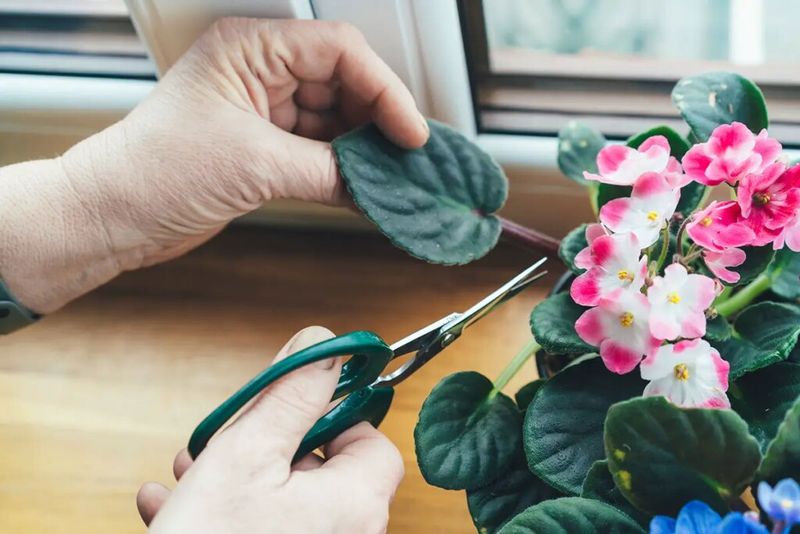
Sharp, sanitized tools are your first line of defense against spreading disease among your African violets. Before making any cuts, wipe down your scissors or small pruning shears with rubbing alcohol or a diluted bleach solution to eliminate bacteria and fungal spores that could infect fresh wounds.
This simple step takes just seconds but prevents problems that could set your plant back for weeks.
Dull blades crush and tear plant tissue rather than making clean cuts, leaving ragged edges that heal slowly and invite rot. Sharp tools create precise cuts that seal quickly, allowing the plant to recover faster and redirect energy into new growth.
Many Ohio gardeners keep dedicated small scissors just for their African violets, storing them in a clean container between uses.
After pruning each plant, re-sanitize your tools before moving to the next violet in your collection. This practice is especially important if you have multiple plants grouped together on windowsills or shelving, which is common in Ohio homes during winter.
Cross-contamination spreads quickly in indoor environments where air circulation may be limited.
Investing in quality pruning tools and maintaining them properly protects your entire collection. Clean cuts promote healthy regrowth and bushier development, while contaminated or dull tools can introduce problems that undermine all your other care efforts.
2. Remove Old Outer Leaves First
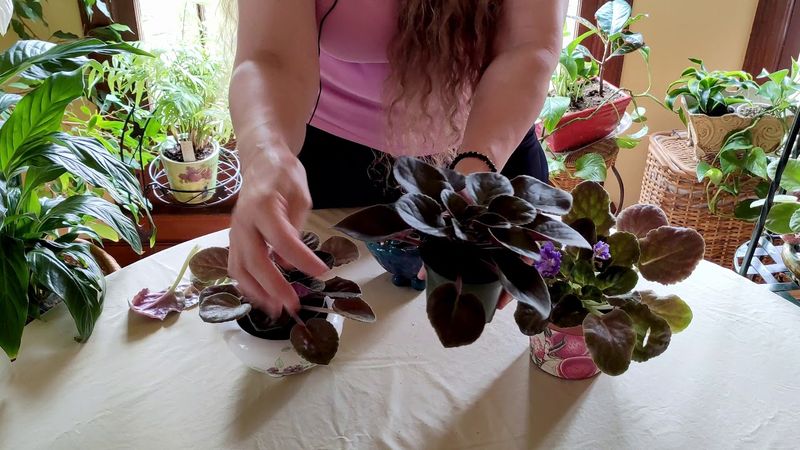
Older leaves naturally age and lose their vitality over time, typically showing yellowing, browning edges, or a dull appearance compared to the vibrant foliage in the plant’s center. Removing these declining outer leaves first allows your African violet to focus its energy on producing fresh, healthy growth rather than maintaining tired foliage.
Start by gently grasping the leaf stem near the base and pulling downward with a slight twist to detach it cleanly from the main stem.
Bottom leaves that touch the soil or pot rim are particularly prone to moisture damage and fungal issues in Ohio’s humid summer months or during winter when homes are heated and less ventilated. Clearing away these lower leaves improves air circulation around the crown and reduces the risk of rot developing where damp leaves contact the growing medium.
This preventive measure keeps your plant healthier and more vigorous.
Your Ohio Garden Changes Every Week. Your Plan Should Too.
Gardening in Ohio changes quickly throughout the season. Every Friday you’ll receive a simple weekly plan showing exactly what to plant, prune, fertilize, harvest, and protect so you never miss the right timing.
As you remove old foliage, you’ll notice the plant begins to look more balanced and open. This pruning technique also reveals the natural symmetry of your violet, making it easier to identify other areas that need attention.
Most African violets benefit from having the bottom ring of leaves removed every few months, especially as they mature.
Regular removal of aging outer leaves maintains the compact, bushy appearance that makes African violets so appealing as houseplants throughout Ohio’s changing seasons.
3. Trim Leggy Growth To Reshape The Plant
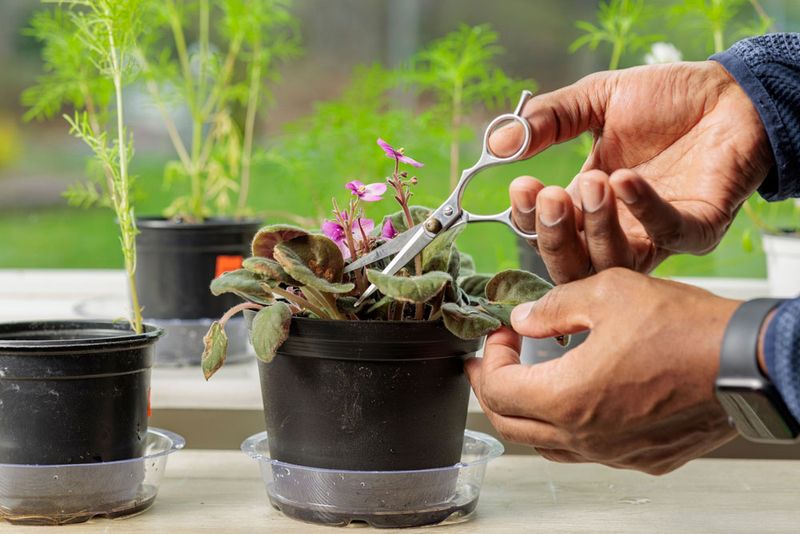
Leggy growth happens when African violets stretch toward insufficient light, creating long, weak stems with widely spaced leaves instead of the tight, compact rosette these plants naturally form. Ohio gardeners often notice this stretching during winter months when daylight hours are shorter and window light is less intense.
Trimming back these elongated stems encourages the plant to produce new growth from lower nodes, resulting in a fuller, bushier appearance.
To address leggy stems, identify the areas where the plant has stretched excessively and make cuts just above a healthy leaf node or joint. This strategic pruning signals the plant to branch out from points below the cut, creating multiple growth points instead of one long stem.
The result is a more balanced, symmetrical plant with better overall structure.
After trimming leggy growth, adjust your violet’s placement to ensure it receives adequate light going forward. Many Ohio indoor gardeners find success positioning plants near east or west-facing windows or supplementing with grow lights during darker months.
Proper lighting prevents future stretching and helps maintain the compact shape you’ve restored through pruning.
Reshaping a leggy African violet takes patience, but the transformation is remarkable. Within a few weeks, you’ll see fresh growth emerging in a tighter, more attractive pattern that showcases the plant’s natural beauty.
4. Pinch Suckers To Encourage Fullness
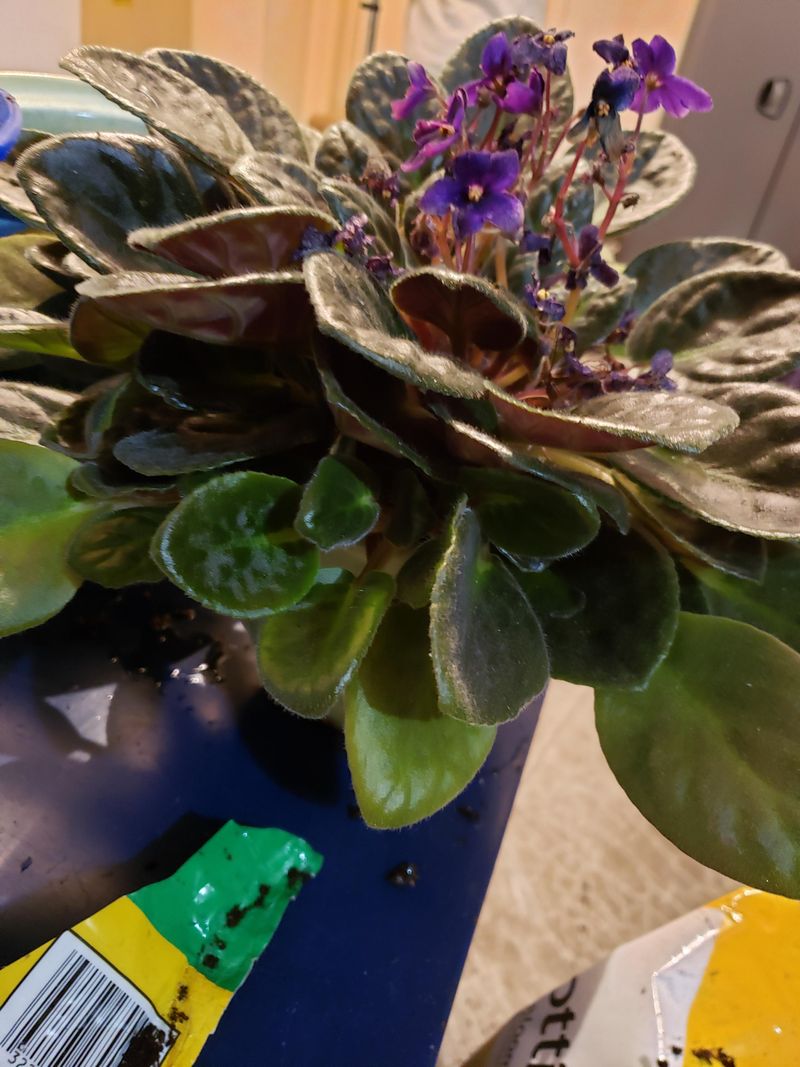
Suckers are small plantlets that develop around the base of your African violet, emerging from the main stem near the soil line. While these offshoots might seem like bonus growth, they actually compete with the mother plant for nutrients and energy, often resulting in a crowded, unbalanced appearance.
Pinching off these suckers redirects resources back to the main crown, promoting fuller, more vigorous growth in your primary plant.
To remove suckers, wait until they’re large enough to grasp easily, usually when they have two or three small leaves. Gently pinch or pull them away from the main stem, getting as close to the base as possible to prevent regrowth.
Some Ohio growers use these removed suckers to propagate new plants, placing them in moist soil or water to root, which is a great way to expand your collection.
Leaving suckers in place creates a multi-crowned plant that looks messy and produces fewer flowers than a well-maintained single-crown specimen. The crowded growth also restricts airflow around the base, increasing the risk of moisture-related problems in Ohio’s variable indoor humidity conditions.
Regular sucker removal keeps your violet focused and healthy.
Check your African violets every few weeks for emerging suckers, especially during active growing periods in spring and summer. Consistent attention to this detail makes a noticeable difference in achieving that desirable bushy, full appearance.
5. Deadhead Faded Flowers Regularly
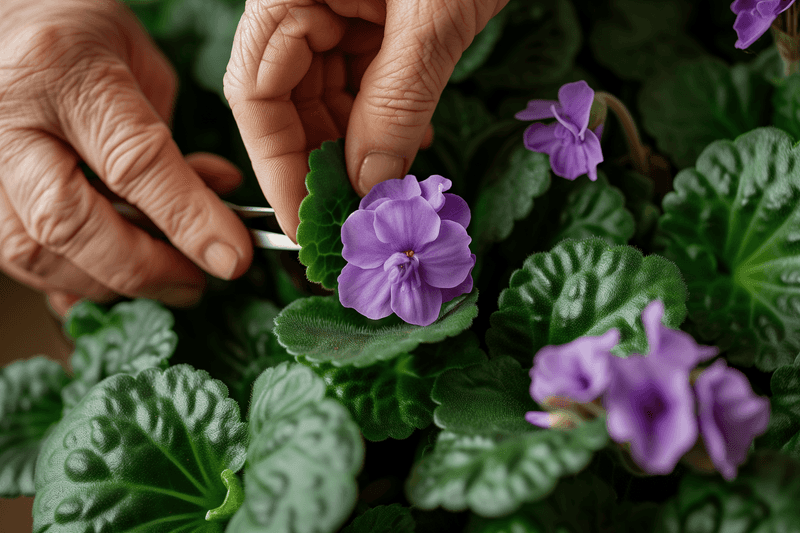
Spent flowers drain energy from your African violet as the plant attempts to form seeds, energy that could instead fuel continuous blooming and lush foliage growth. Deadheading involves removing faded blooms promptly, which tricks the plant into producing more flower buds rather than completing its reproductive cycle.
This simple maintenance task keeps your violet blooming prolifically throughout the year, even during Ohio’s darker winter months when indoor plants need every advantage.
When flowers begin to wilt, brown, or fade, grasp the entire flower stem near its base where it emerges from the leaf rosette. Pull gently but firmly downward and outward to detach the stem cleanly without damaging surrounding leaves or buds.
Some stems come away easily, while others require a slight twisting motion to separate cleanly from the crown.
Regular deadheading also improves your plant’s appearance by preventing the accumulation of declined plant material that can harbor pests or disease. In Ohio homes where African violets often share space with other houseplants, maintaining cleanliness around each specimen helps protect your entire indoor garden.
Fresh, actively blooming plants also brighten your living space more effectively than those with a mix of fresh and faded flowers.
Make deadheading part of your weekly violet care routine, checking plants while watering or during your regular indoor gardening sessions. This consistent attention maximizes bloom production and supports bushier, healthier growth patterns.
6. Keep The Crown Clear And Open
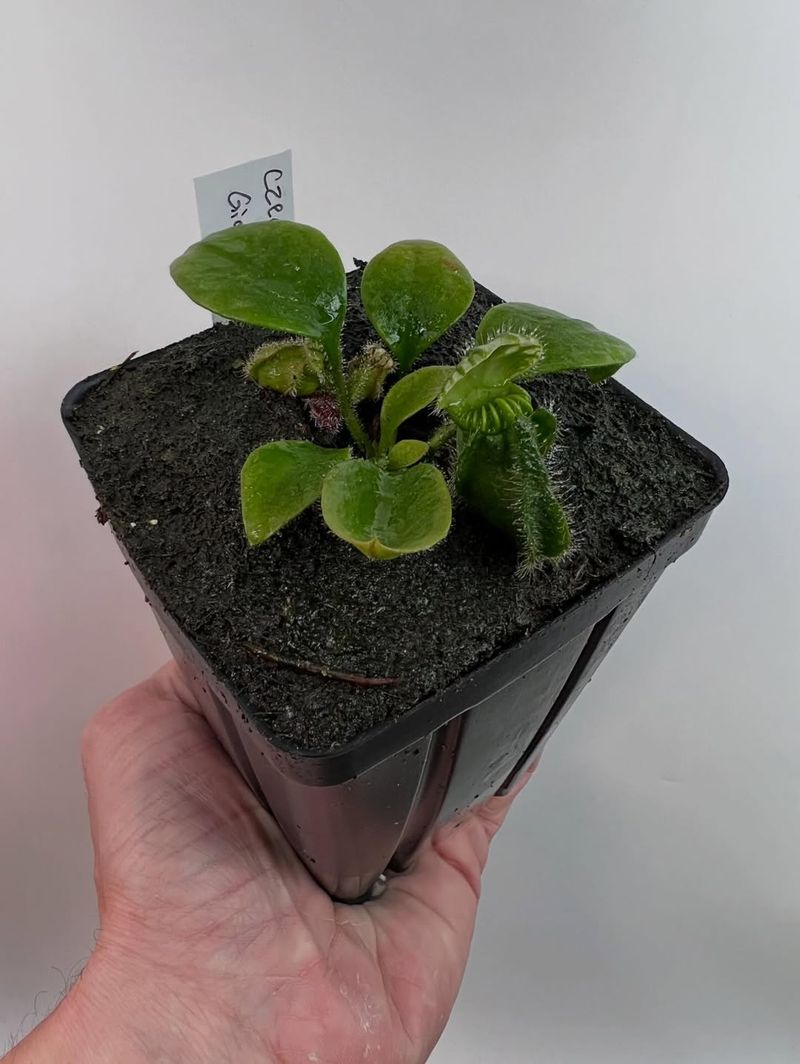
The crown is the central growing point where new leaves and flower stems emerge, and keeping this area clear and open is essential for healthy development. Crowded, overlapping leaves in the center restrict airflow and trap moisture, creating perfect conditions for crown rot, a common problem that affects African violets in Ohio homes during humid summer months or in poorly ventilated spaces.
Regularly thinning the crown prevents these issues while promoting vigorous new growth.
Examine your violet’s center carefully, looking for small, weak leaves or excessive crowding where multiple leaves overlap tightly. Remove any foliage that blocks air circulation or prevents light from reaching the growing point.
This selective pruning allows fresh air to move through the plant and helps the crown stay dry between waterings, which is crucial for preventing rot.
An open crown also makes it easier to spot emerging flower buds and new leaf growth, allowing you to monitor your plant’s health more effectively. You’ll notice problems earlier when you can clearly see the center of the plant, giving you time to address issues before they become serious.
This visibility is especially valuable during Ohio’s winter when indoor conditions can stress houseplants.
Maintaining a clear crown takes just a few minutes during your regular pruning sessions but pays dividends in plant health. Your African violet will respond with stronger growth and more abundant flowering when its center remains open and well-ventilated.
7. Prune Gradually Not All At Once
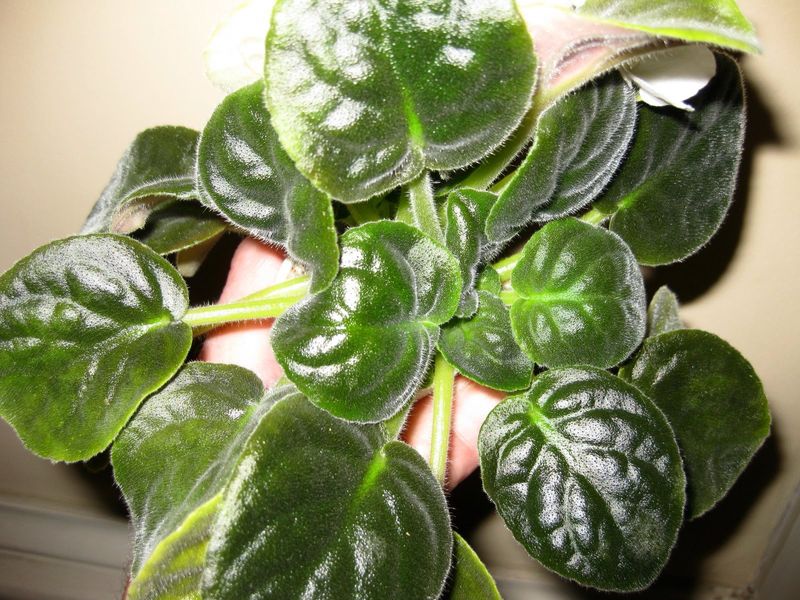
Aggressive pruning shocks African violets and can halt growth or blooming for weeks while the plant recovers from the stress. Instead of removing large amounts of foliage in one session, take a gradual approach by pruning a few leaves or stems at a time over several weeks.
This gentle method allows your violet to adjust to each change without experiencing the trauma of losing significant foliage all at once, which is particularly important in Ohio’s indoor environments where plants may already be adjusting to seasonal temperature and humidity fluctuations.
Plan your pruning sessions to coincide with your plant’s natural growth cycle, typically more aggressive during spring and summer when violets grow actively, and lighter during fall and winter when growth naturally slows. Removing no more than two or three leaves per week during active growth periods gives the plant time to redirect energy efficiently without overwhelming its systems.
During slower growth periods, limit pruning to only what’s necessary for health and appearance.
Gradual pruning also lets you evaluate how your plant responds to each intervention, allowing you to adjust your approach based on what you observe. If your violet seems stressed after removing a few leaves, wait longer before the next session.
This responsive approach respects each plant’s individual needs and tolerance levels.
Patience with pruning yields better long-term results than dramatic interventions. Your African violet will maintain steady growth and continuous blooming when you work with its natural rhythms rather than against them.