The Biggest Mistake Ohio Gardeners Make When Planting Near The House Foundation
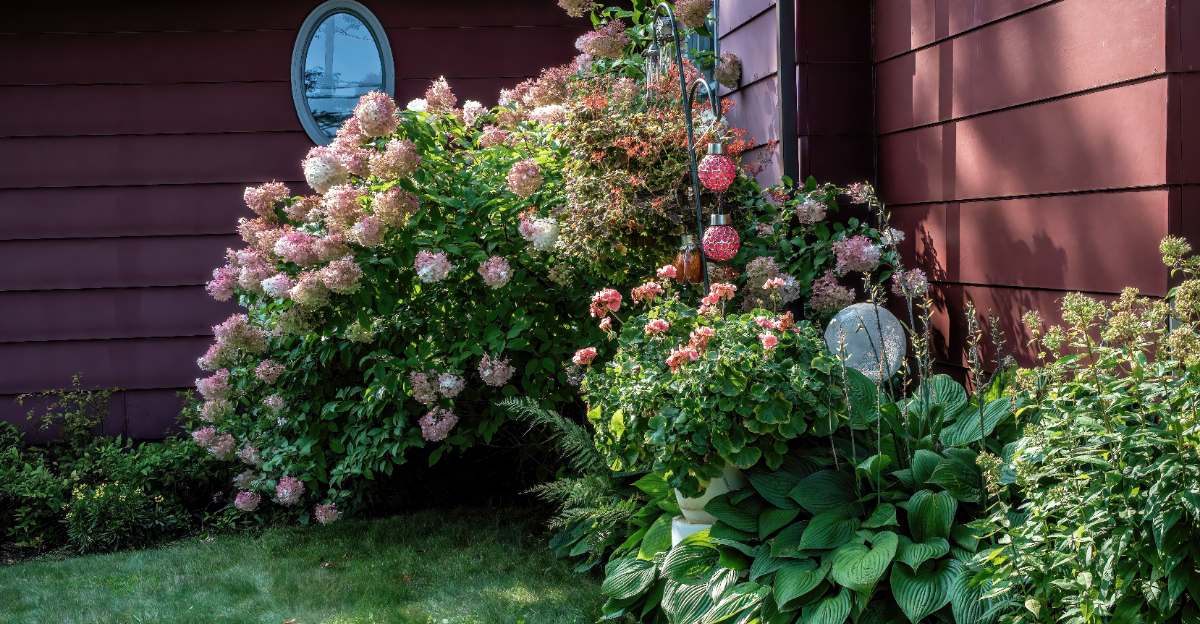
Picture this: you plant a neat row of shrubs along your Ohio foundation, stand back, and think you nailed it. A season later, that “perfect” spot starts to feel like a headache in disguise.
Sound harsh? It should.
Too many gardeners plant too close to the house, then wonder why the area stays soggy, the plants struggle, or the foundation starts paying the price. It is a classic case of looking good on the surface while trouble brews underneath.
Ever ask yourself why that narrow strip near the house never behaves like the rest of the yard? The answer usually comes down to one major mistake that sneaks up fast and costs more than people expect.
From trapped moisture to aggressive roots, that small planting choice can stir up big problems.
Want a foundation bed that adds curb appeal without backfiring? It all starts with one mistake most Ohio gardeners never realize they’re making.
1. Small Shrubs Rarely Stay Small For long
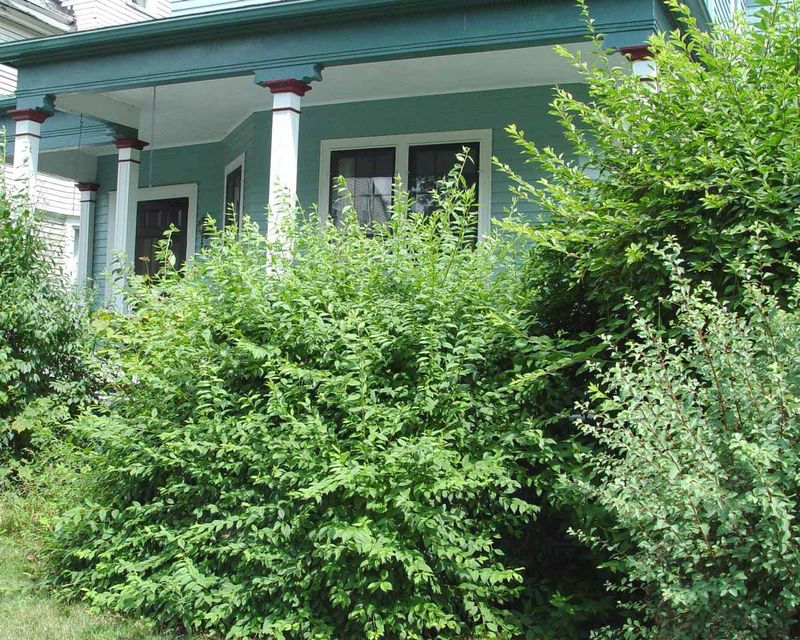
Here is something every Ohio gardener has probably experienced at least once: you buy a shrub that looks perfectly sized at the nursery, plant it near your foundation, and then watch in disbelief as it slowly takes over the entire front of your house.
That small, tidy plant you brought home in a one-gallon pot had plans of its own.
Many popular foundation shrubs, including yews, junipers, and burning bush, can reach heights and widths of six to ten feet or more at full maturity.
Ohio State University Extension points out that selecting plants based on their current nursery size rather than their mature dimensions is one of the most frequent landscaping errors homeowners make.
A plant that looks manageable at purchase can become a crowding problem within just a few years.
The fix is straightforward but requires a little homework before you buy. Always check the mature size listed on the plant tag, and then measure the actual space you have available near your foundation.
Give plants enough room to grow to their full width without pressing against your siding or blocking windows. If a shrub is labeled to spread four feet wide, plant it at least two feet away from the foundation wall to allow for comfortable, healthy growth over time.
2. Too little space can create big problems fast

Picture a row of shrubs planted just inches apart, each one competing for the same patch of sunlight, the same water, and the same nutrients in the soil. It sounds like a recipe for disaster, and honestly, that is exactly what it becomes.
When plants are placed too close together near a foundation, the problems show up faster than most gardeners expect.
Ohio’s growing season gives plants plenty of energy to push outward and upward. Within two or three years, a tightly planted bed can turn into a tangled mess where nothing thrives because everything is fighting for resources.
According to Ohio State University Extension, proper spacing is critical not just for plant health but also for the long-term appearance of your landscape.
Your Ohio Garden Changes Every Week. Your Plan Should Too.
Gardening in Ohio changes quickly throughout the season. Every Friday you’ll receive a simple weekly plan showing exactly what to plant, prune, fertilize, harvest, and protect so you never miss the right timing.
When plants are crammed together, weaker ones tend to struggle while stronger ones take over, creating an uneven and difficult-to-manage bed.
Getting spacing right from the start saves a lot of frustration later. Before planting, map out your bed on paper and note the mature spread of each plant you plan to use.
Space plants according to their full-grown width, not how they look when you first put them in the ground. Yes, the bed may look sparse at first, but within a season or two it will fill in naturally and look far better than an overcrowded planting ever could.
3. Dry Soil Near The House Can Stress Plants Out

Most gardeners assume that rain takes care of watering for them, and in many parts of the yard, that assumption is mostly true. Near the foundation, though, something interesting happens that catches a lot of Ohio homeowners off guard.
The roof overhang above your foundation bed acts like an umbrella, blocking a surprising amount of rainfall from ever reaching the soil below.
This creates what experts sometimes call a rain shadow, a dry zone where plants receive far less moisture than those growing just a few feet away in the open yard.
The University of Illinois Extension notes that foundation areas near wide overhangs can stay significantly drier than surrounding landscape areas, which puts real stress on plants that are not adapted to those conditions.
In Ohio, where summer heat can already push plants to their limits, this added dryness makes things worse.
The solution involves two strategies working together. First, choose plants that can tolerate drier soil conditions, such as certain ornamental grasses, sedums, or drought-tolerant native species that are well-suited to Ohio’s climate.
Second, plan to supplement rainfall with regular hand watering or a simple drip irrigation setup along the foundation.
Check the soil moisture near your house more often than you would elsewhere in the yard, especially during dry stretches in July and August when Ohio heat tends to peak.
4. Crowded Beds Can Block Airflow And Invite Trouble
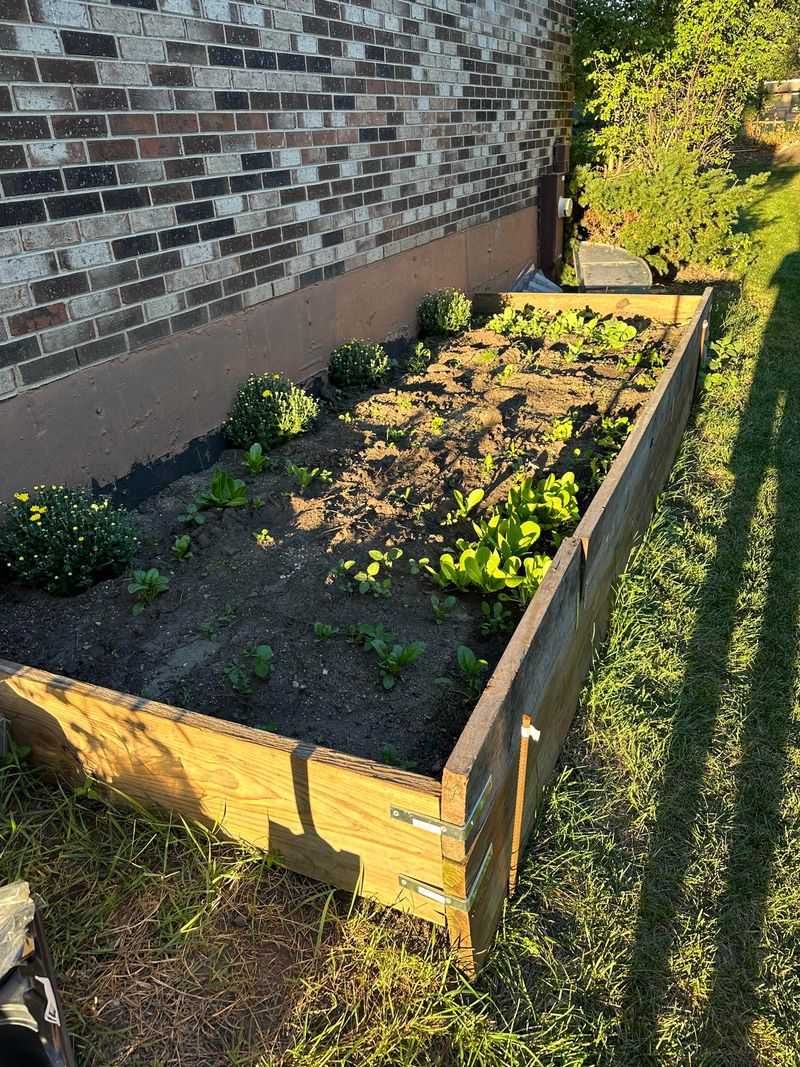
Good airflow through a garden bed might not be the first thing on your mind when you are planning which plants to buy, but it matters more than most people realize.
When shrubs and perennials are packed tightly against a foundation with little space between them, air cannot move freely through the foliage.
That stagnant, humid environment becomes a perfect setup for fungal problems and plant stress.
Ohio’s climate already brings plenty of humidity, especially during summer months, and foundation beds that block airflow only make conditions more favorable for issues like powdery mildew, leaf spot, and root rot.
Ohio State University Extension highlights that adequate spacing between plants improves air circulation, which is one of the most effective natural defenses against common plant diseases.
When plants are bunched together, moisture lingers on leaves and stems long after rain or watering, increasing the risk of disease taking hold.
Opening up your foundation bed does not mean it has to look sparse or bare. Strategic spacing, where plants have at least a foot or two of breathing room between them, allows air to move through while still giving the bed a full and attractive look.
You can also use low-growing ground covers between taller shrubs to fill visual gaps without blocking airflow. A little breathing room goes a long way toward keeping your foundation planting healthy through Ohio’s humid summers.
5. What Looks Good Now May Look Cramped Later

There is a certain satisfaction in stepping back after a fresh planting and seeing everything look neat, balanced, and just the right size. That feeling is real and well-earned.
The tricky part is that what looks picture-perfect in year one can look completely different by year five, and not always in a good way.
Plants grow. That sounds obvious, but it is easy to forget when you are standing in a nursery surrounded by small, tidy specimens.
Ohio gardeners who plant for current appearance rather than future growth often find themselves doing heavy pruning every season just to keep things from taking over.
Choosing plants based on their mature size and shape from the beginning eliminates the need for constant corrective pruning, which can stress plants and reduce their natural beauty over time.
Planning ahead takes a bit of imagination but saves a lot of work. Try to picture your foundation bed not as it looks today, but as it will look in five to seven years when plants have reached their natural size.
Use graph paper or a simple online landscape planner to map out mature widths and heights before you ever pick up a shovel.
A little patience with an initially sparse-looking bed pays off enormously when those plants mature into a well-proportioned, manageable, and genuinely attractive landscape.
6. Foundation Plantings Need More Than A Tight Fit
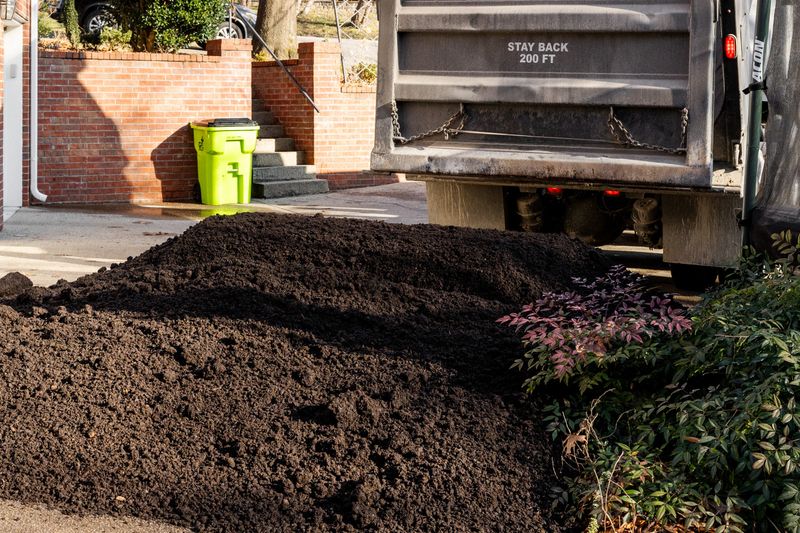
Sometimes gardeners focus so much on choosing the right plant that they forget to prepare the right conditions for it.
Near a house foundation, the soil is often compacted, low in organic matter, and not well-suited to supporting healthy plant growth without a little help.
Simply digging a hole and dropping a plant in is rarely enough to set it up for long-term success.
Ohio State University Extension recommends amending foundation bed soil with compost before planting to improve both drainage and nutrient availability.
Poor drainage near a foundation is a particularly common issue, especially in clay-heavy Ohio soils, and standing water around roots can cause serious stress over time.
Making sure water flows away from the foundation rather than pooling against it protects both your plants and your home’s structure.
Beyond soil prep, selecting plants that genuinely fit the space is essential. A plant that needs six feet of width should not be forced into a three-foot gap between a window and a corner.
Ohio State Extension advisors often encourage homeowners to think of the foundation bed as a long-term investment rather than a quick decorating project.
When you match the right plant to the right space with properly prepared soil and good drainage in place, you create a foundation planting that looks great and stays manageable for many years without constant intervention.
7. The Wrong Spot Can Turn Easy Care Into Constant Work
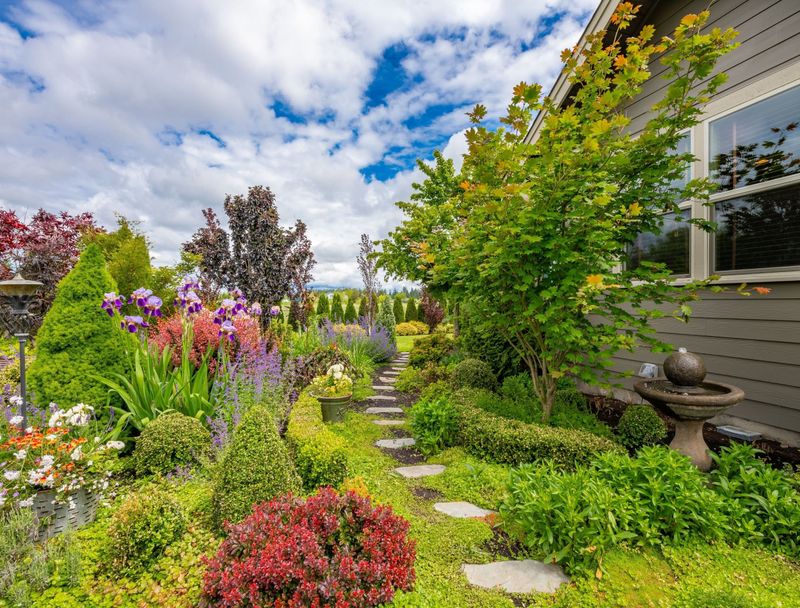
Nobody starts a gardening project hoping it will become a chore they dread every weekend. Yet that is exactly what happens when plants end up in the wrong location near a foundation.
A shrub that needs full sun planted on a shady north-facing wall, or a moisture-loving plant tucked under a dry roof overhang, will struggle constantly and demand far more attention than it should.
Poor placement near foundations leads to a predictable cycle: plants grow in the wrong direction chasing light, require extra watering because conditions are too dry, or need repeated pruning because they are pushing against windows, vents, or siding.
Ohio State University Extension notes that matching a plant’s needs to the actual conditions of the planting site is one of the most effective ways to reduce long-term maintenance.
A plant thriving in the right spot largely takes care of itself.
Before planting anything near your foundation, spend some time observing the area throughout the day. Note how much direct sunlight it receives, whether it stays dry under an overhang, and whether water tends to pool there after rain.
Check the soil type too, since Ohio soils vary widely between regions.
Armed with that information, you can select plants that are genuinely suited to the spot rather than ones that will fight their environment every single season, turning routine care into never-ending corrective work.
8. Mature Size Matters More Than Nursery Size

Walk through any Ohio nursery in May and you will find tables full of plants that look perfectly manageable. They are small, tidy, and easy to carry.
What those tables do not always make obvious is how dramatically different those same plants will look in five or ten years once they have settled into your yard and grown to their natural size.
The mature dimensions of a plant, meaning its full height and width at adulthood, are the numbers that should guide every foundation planting decision. A yew that is eight inches tall at purchase can easily reach six feet tall and equally wide over time.
A burning bush sold in a quart container may eventually spread to eight feet across.
Ohio State University Extension and the Ohio State University’s horticulture resources consistently emphasize checking mature size before purchasing any plant intended for a foundation bed, because correcting an oversized planting later is far more work than choosing correctly from the start.
Make mature size your first question, not an afterthought. When you find a plant you like, flip the tag over or look it up on a reputable plant database before it goes in your cart.
Then measure your available space and confirm the plant will fit comfortably at full maturity. Following this one habit consistently will prevent the most common and most frustrating foundation planting mistake Ohio gardeners make year after year.