10 Plants That Bring Instant Positive Energy To Your Ohio Yard
Step into your yard and feel the mood shift. The right plants do more than fill space.
They brighten corners, lift spirits, and turn an ordinary Ohio landscape into a place that feels alive and welcoming. Colorful blooms, fresh scents, soft movement, and vibrant greenery can transform how your outdoor space looks and how it makes you feel every day.
Even after long winters and gray skies, certain plants bring warmth, balance, and a sense of renewal the moment they grow. Many Ohio gardeners choose varieties known for their uplifting presence, easy care, and season long beauty.
A few thoughtful additions can create a yard that feels lighter, happier, and full of life. Bring in the right plants, and your outdoor space can become a daily source of calm, energy, and natural joy.
1. Sunflowers Radiate Pure Joy

Few sights in the garden world match the sheer cheerfulness of a sunflower standing tall against a bright Ohio summer sky. These towering beauties can reach six to twelve feet in height, creating an instant visual statement that transforms even the most ordinary yard into something spectacular.
Their bold yellow petals and dark centers feel almost like nature’s own smiley face.
Sunflowers are wonderfully easy to grow across Ohio’s USDA hardiness zones 5 and 6. Simply direct sow seeds into well-drained soil after the last frost, which typically falls between late April and mid-May depending on your Ohio region.
They thrive in full sun and need very little fussing once established.
Beyond their good looks, sunflowers attract goldfinches, bees, and other pollinators that bring extra life and movement to your yard. Varieties like ‘Mammoth Russian’ and ‘Autumn Beauty’ perform exceptionally well in Ohio gardens.
Planting them along a fence or garden border creates a dramatic backdrop that energizes the entire outdoor space from midsummer straight through early fall.
2. Black Eyed Susans Glow With Warmth
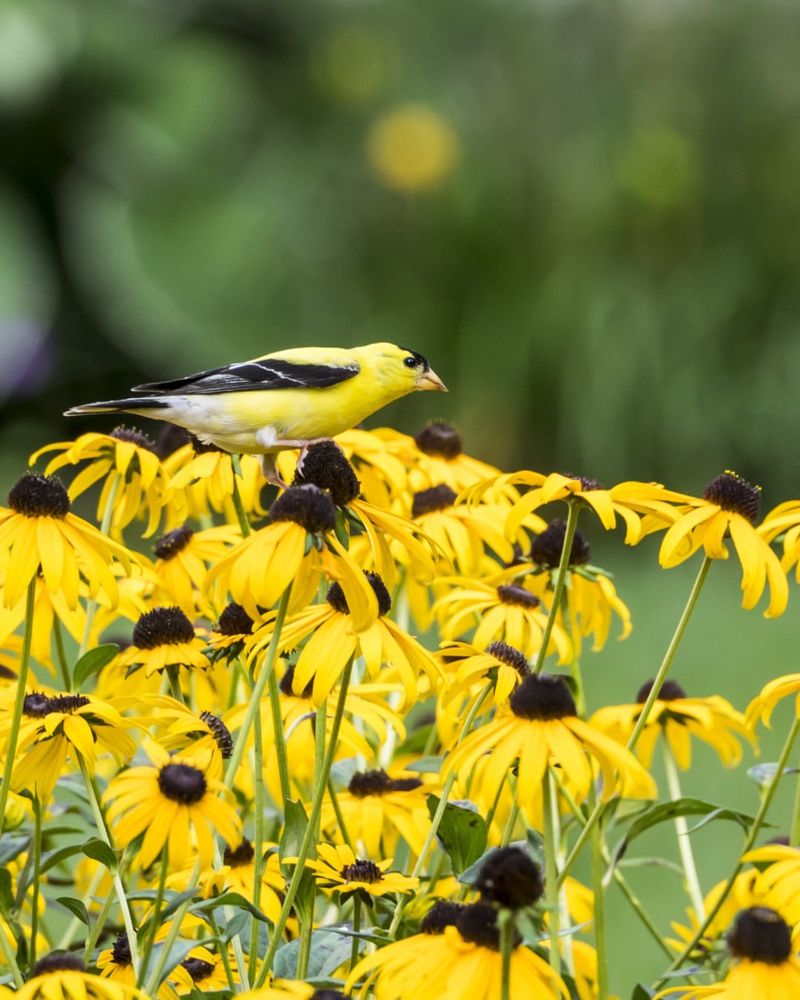
Golden, glowing, and gloriously tough, Black Eyed Susans are one of Ohio’s most beloved native wildflowers for very good reason. Their warm yellow petals surrounding a rich chocolate-brown center create a color combination that feels like captured sunshine.
Ohio State University Extension recognizes Rudbeckia hirta as an outstanding native plant well-suited to Ohio’s variable weather patterns.
One of the best things about these plants is their incredibly long bloom season. Black Eyed Susans typically flower from June through October, giving you months of cheerful color without constant replanting or babying.
They tolerate Ohio’s summer heat, occasional drought, and even clay-heavy soils that defeat less resilient plants.
Bees, butterflies, and other pollinators are drawn to their open, accessible blooms, turning your yard into a buzzing, fluttering celebration of life. After the petals fade, the seed heads feed goldfinches and other songbirds well into winter.
Plant Black Eyed Susans in masses along borders or mixed beds for the most dramatic visual impact, and enjoy a yard that practically glows with warmth every single day of the growing season.
3. Tulips Announce A Fresh Start
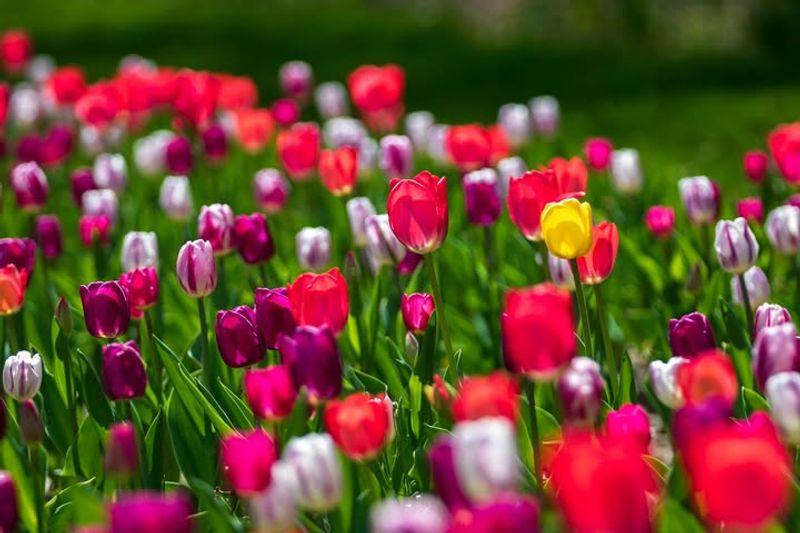
Nothing signals the end of a tough Ohio winter quite like a row of tulips pushing up through the soil and bursting into color. Seeing those first blooms in April or early May carries an almost emotional weight, a reminder that warmth and beauty always return no matter how long or cold the season felt.
Your Ohio Garden Changes Every Week. Your Plan Should Too.
Gardening in Ohio changes quickly throughout the season. Every Friday you’ll receive a simple weekly plan showing exactly what to plant, prune, fertilize, harvest, and protect so you never miss the right timing.
Tulips are one of the most mood-lifting plants you can add to any Ohio yard.
For best results in Ohio, plant tulip bulbs in fall, ideally between mid-October and mid-November, before the ground freezes solid. Ohio’s cold winters actually work in the tulip’s favor, because bulbs need a prolonged chilling period to bloom reliably.
Choose well-drained soil and a sunny spot, and plant bulbs about six to eight inches deep to protect them from freeze-thaw cycles.
Darwin Hybrid and Triumph tulips tend to perform especially well across Ohio’s climate zones, offering sturdy stems and rich, lasting color. Mixing early, mid, and late-season varieties extends your bloom window from early April well into May.
Planting tulips in clusters of ten or more bulbs creates bold, eye-catching sweeps of color that make the whole yard feel refreshed and full of new beginnings.
4. Lavender Brings Calm And Balance
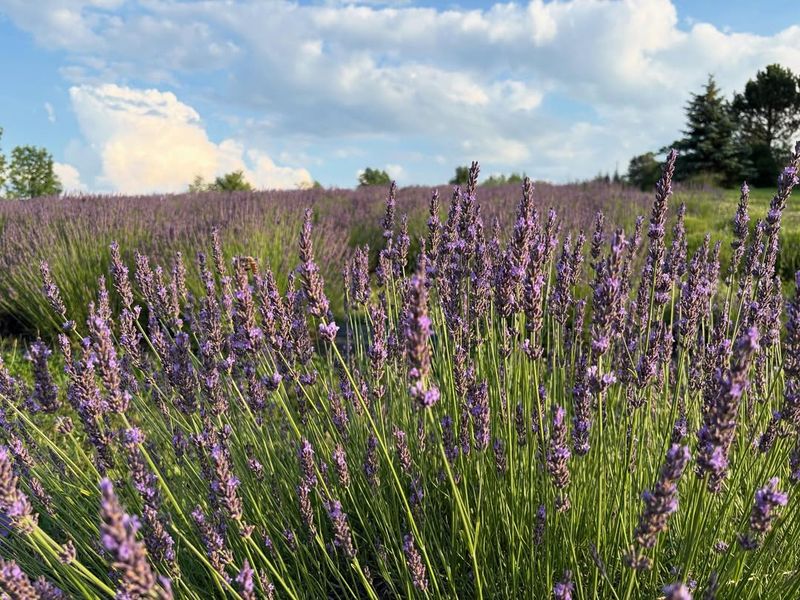
Walking past a blooming lavender plant and catching that soft, sweet fragrance in the air is one of gardening’s most instantly calming experiences. Lavender has been used for centuries to promote relaxation and mental clarity, and simply having it growing in your Ohio yard means that calming scent greets you every time you step outside.
It is aromatherapy you never have to go anywhere to enjoy.
Growing lavender successfully in Ohio takes good drainage and the right variety, but it is very achievable with proper placement. English lavender varieties like ‘Hidcote’ and ‘Munstead’ are the most cold-hardy choices for Ohio’s zone 5 and 6 conditions.
Plant lavender in a spot with full sun and excellent drainage, since soggy roots are the main challenge in Ohio’s wetter seasons.
Raised beds or sloped garden areas work especially well for keeping lavender happy through Ohio winters. Pollinators, especially bumblebees and honeybees, flock to lavender blooms from June through August, adding lively movement to your garden.
The silvery-green foliage stays attractive even when the plant is not in bloom, providing year-round texture and structure. Few plants deliver as much sensory pleasure and peaceful yard energy as a well-grown lavender patch.
5. Coneflowers Attract Life And Color
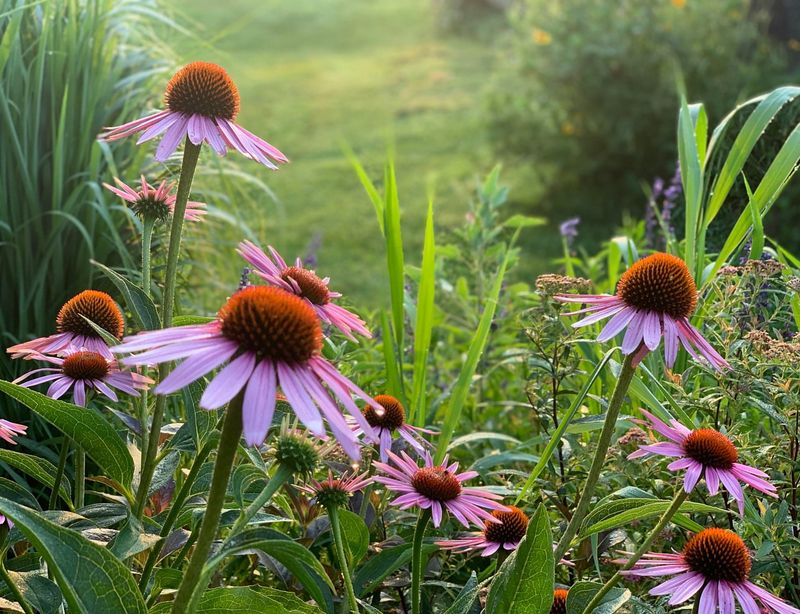
Purple coneflowers, known botanically as Echinacea purpurea, are native to Ohio and much of the eastern United States, which means they are practically built for success in Ohio gardens. Their bold, daisy-like blooms in shades of purple, pink, and white rise on sturdy stems that stand up to summer storms without flopping over.
Planted in groups, they create a rich, layered look that gives any yard a sense of wild, natural abundance.
Bloom time runs from midsummer through early fall, and the flowers attract an impressive parade of pollinators. Monarch butterflies, swallowtails, bumblebees, and hummingbirds all visit coneflowers regularly, turning your garden into a living, moving ecosystem.
Ohio State University Extension recommends coneflowers as one of the top native perennials for supporting local pollinator populations.
After blooming, the spiky seed heads provide valuable food for goldfinches and chickadees through fall and winter, extending the plant’s positive impact well beyond the growing season. Coneflowers thrive in full sun to light shade and adapt to Ohio’s variable soil conditions, including clay.
They spread gradually over time, filling in garden spaces with more and more color each passing year without becoming invasive or demanding extra attention.
6. Peonies Add Lush Garden Energy
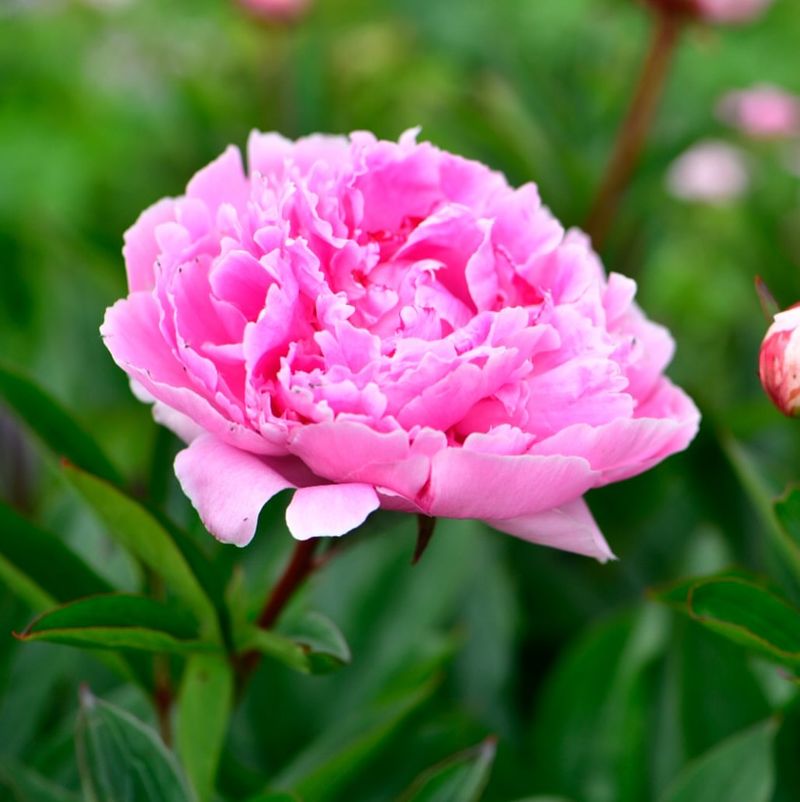
Few flowers in the entire gardening world match the sheer drama and lushness of a fully opened peony bloom. Their enormous, ruffled flowers in shades of pink, red, white, and cream carry a rich, sweet fragrance that stops people in their tracks.
Ohio happens to be one of the best states in the country for growing peonies, because these plants need cold winters to thrive, and Ohio delivers exactly that.
Plant peony roots in fall, positioning the eyes no more than one to two inches below the soil surface. Too deep, and they will not bloom.
Give them a sunny spot with good drainage and rich soil, and peonies will reward you for literally decades. It is not unusual for a well-planted peony to bloom reliably in the same spot for fifty years or more.
Herbaceous varieties like ‘Sarah Bernhardt’ and ‘Karl Rosenfield’ are classic Ohio performers, blooming beautifully in May and June just as spring is fully warming up. Their lush, abundant blooms create an almost romantic atmosphere in the yard, making every outdoor moment feel a little more special.
Pair them with ornamental grasses or coneflowers for a layered garden design that carries energy all season long.
7. Coreopsis Keeps The Sunshine Going
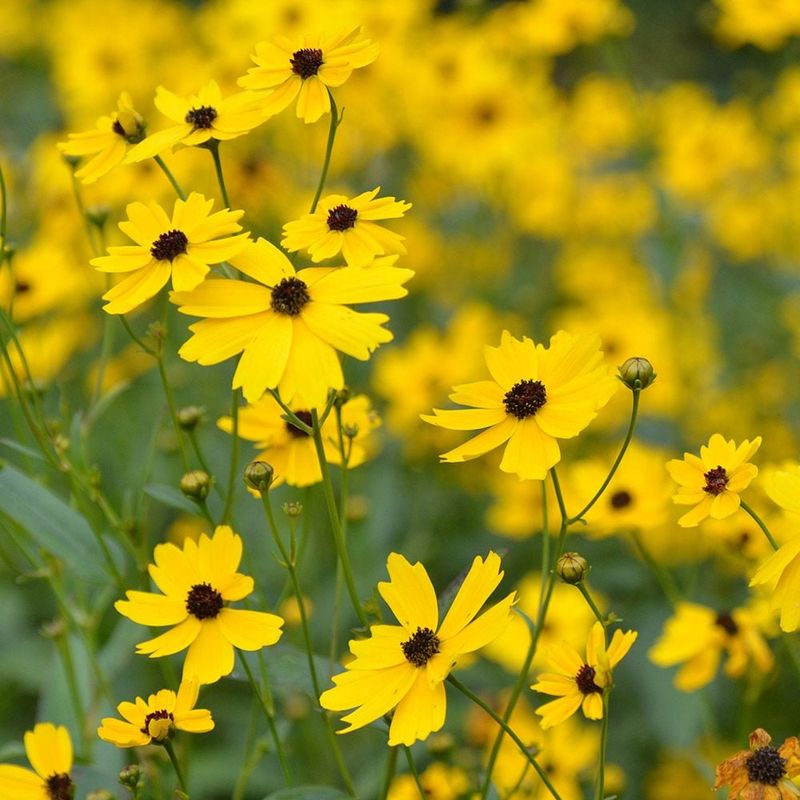
If you want a plant that simply refuses to stop blooming, Coreopsis is your answer. Sometimes called tickseed, this cheerful perennial produces wave after wave of bright yellow, gold, or bicolor flowers from late spring through summer, with many varieties reblooming into fall with very little encouragement needed from the gardener.
In Ohio, where the growing season runs from roughly May through October, Coreopsis earns its keep every single month.
Coreopsis is remarkably low-maintenance, which makes it a favorite among Ohio gardeners who want maximum color without maximum effort. It tolerates heat, drought, and poor soil conditions far better than most flowering perennials.
Deadheading spent blooms encourages even heavier reblooming, though many newer varieties like ‘Moonbeam’ and ‘Zagreb’ rebloom reliably without much deadheading at all.
Plant Coreopsis in full sun for the most prolific bloom production. It grows well in Ohio’s clay-based soils as long as drainage is reasonable, and it spreads gently over time to fill garden spaces with more and more sunshine-colored flowers.
Bees and butterflies visit the blooms regularly, adding extra movement and life to your yard. For a garden that feels consistently bright and energetic from early summer through the first fall frost, few plants outperform Coreopsis.
8. Ornamental Grasses Create Peaceful Movement
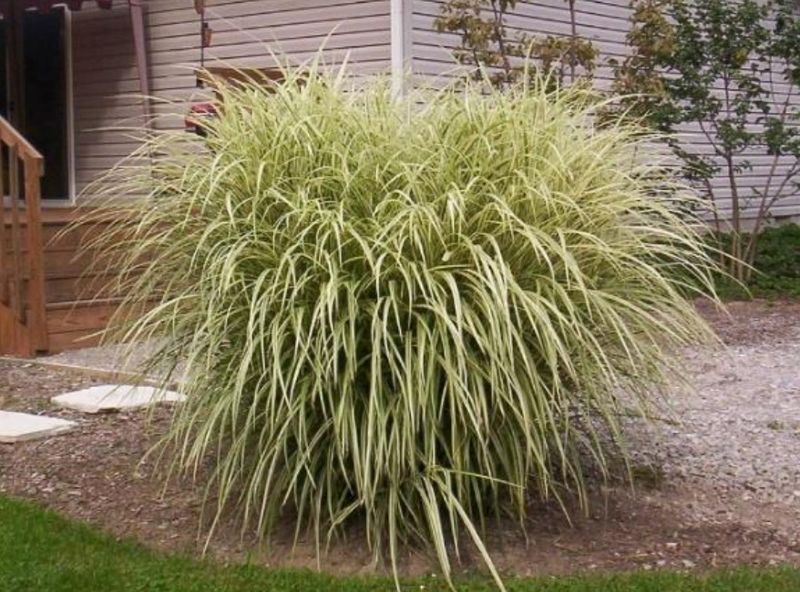
There is something deeply calming about watching ornamental grasses sway gently in a summer breeze. Unlike static flowers, grasses are always in motion, catching the wind and creating a soft, rustling sound that feels surprisingly peaceful.
Adding ornamental grasses to an Ohio yard introduces a whole new sensory dimension that no flowering plant can quite replicate.
Several ornamental grass varieties thrive beautifully in Ohio’s climate. Little Bluestem, a native prairie grass, turns stunning shades of orange and red in fall and stands strong through winter, providing structure and visual interest long after most perennials have retreated underground.
Karl Foerster feather reed grass, though not native, is another outstanding performer in Ohio landscapes, producing elegant upright plumes from midsummer onward.
Switchgrass, another Ohio native, adds airy texture and golden fall color while supporting native birds and insects throughout the season. Most ornamental grasses prefer full sun and well-drained soil, though several species tolerate Ohio’s heavier clay soils well.
Cut them back to about four inches in early spring before new growth emerges. Their four-season interest, from fresh spring growth to dramatic winter silhouettes, makes ornamental grasses one of the smartest investments any Ohio gardener can make for a yard that feels alive and beautiful year-round.
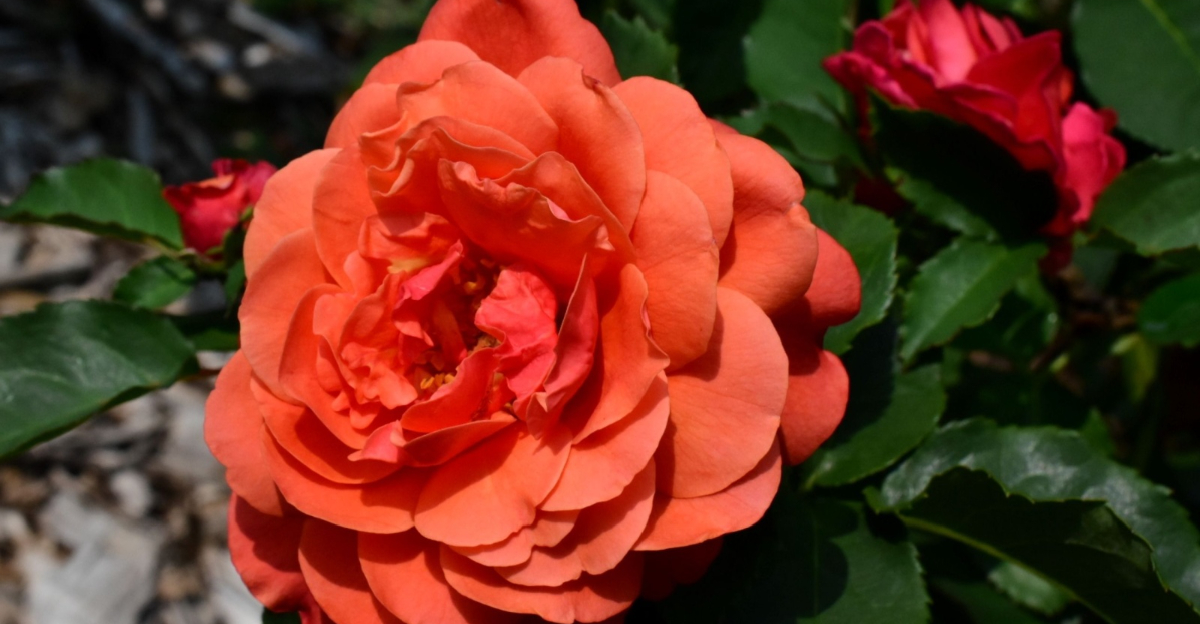
9. Roses Fill The Air With Warmth
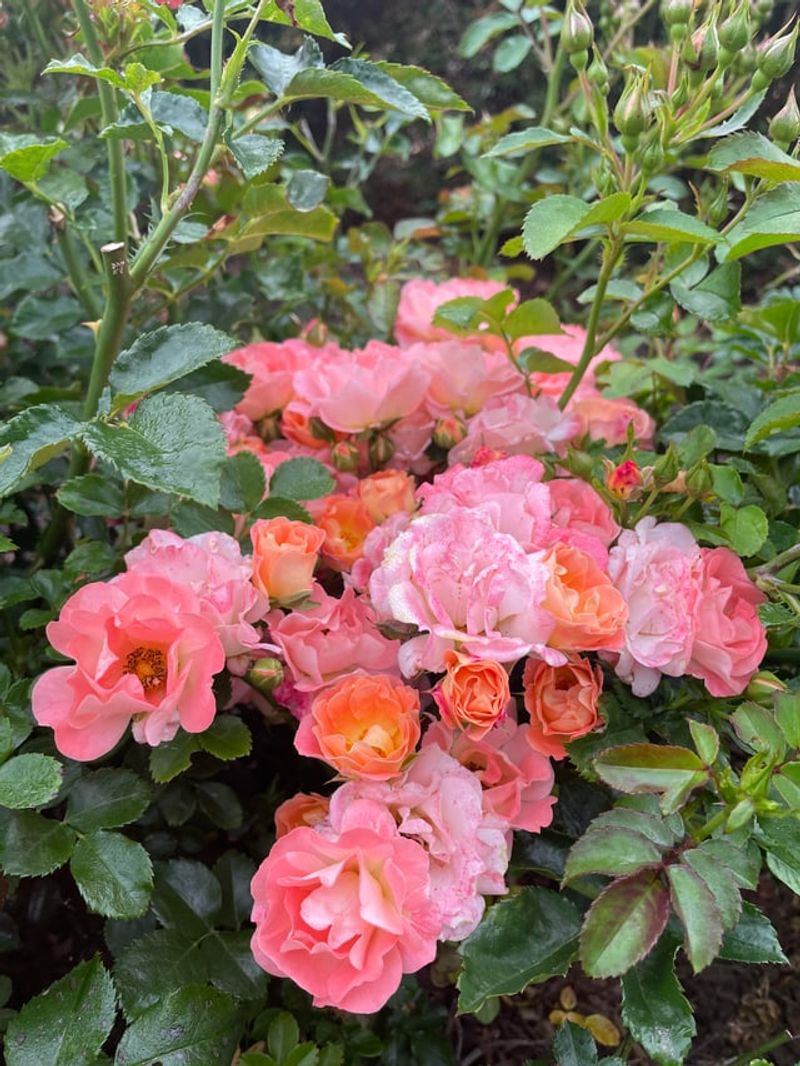
Roses have a reputation for being high-maintenance divas, but modern shrub roses have completely rewritten that story. Hardy shrub rose varieties like the Knock Out series and Canadian-bred Explorer roses bring classic floral beauty to Ohio yards without demanding the constant spraying, pruning, and pampering that old hybrid teas required.
Many hardy shrub rose varieties handle Ohio winters very well.
The fragrance of a blooming rose on a warm Ohio summer evening is one of those sensory experiences that feels genuinely luxurious. Scented varieties like ‘Carefree Beauty’ and ‘Bonica’ fill the surrounding air with a soft, sweet warmth that makes sitting outside feel like a genuine pleasure.
Roses in full bloom also attract bees and butterflies, adding natural movement and vitality to your garden space.
Plant shrub roses in full sun with good air circulation to minimize disease pressure, which is a common concern in Ohio’s humid summers. Mulching around the base helps retain moisture and regulate soil temperature through Ohio’s weather swings.
Most shrub roses bloom repeatedly from June through October, offering months of color and fragrance. A well-chosen rose brings emotional warmth and classic elegance to any Ohio yard without the drama people expect.
10. Daisies Symbolize Simple Happiness
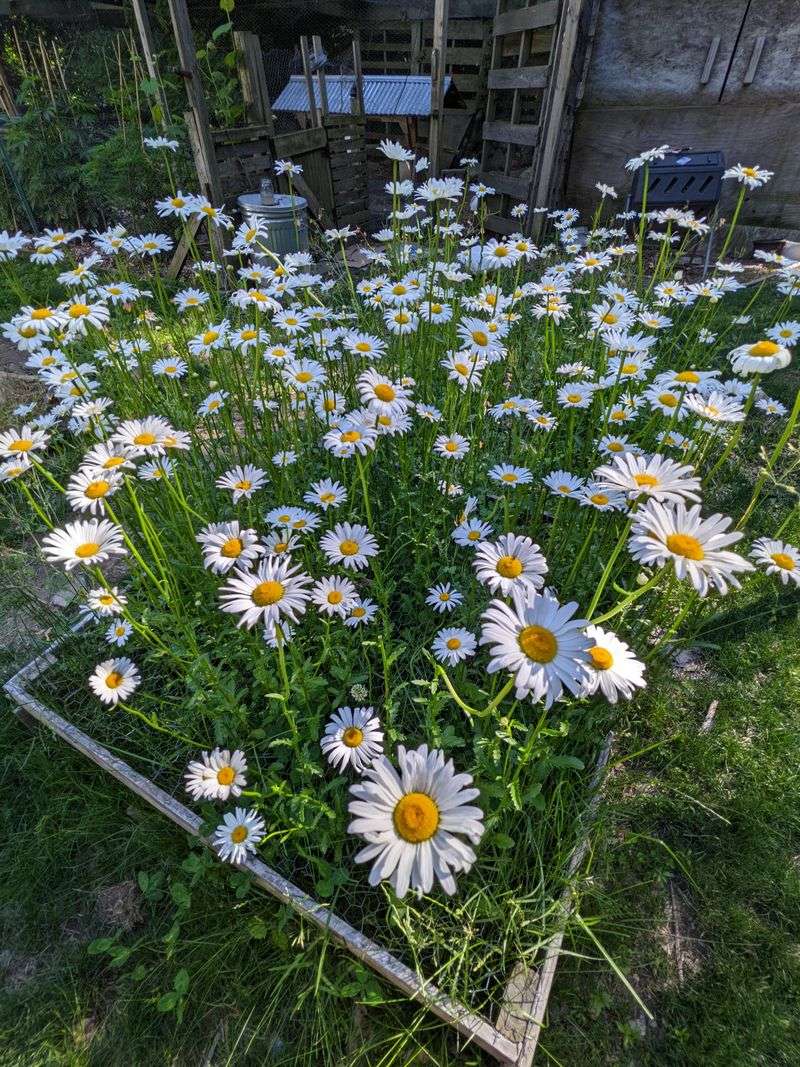
Something about a daisy just makes people smile. Maybe it is the clean simplicity of those bright white petals surrounding a sunny yellow center, or maybe it is the way daisies have symbolized innocence and happiness across so many cultures for so many centuries.
Whatever the reason, planting daisies in an Ohio yard is one of the easiest and most reliable ways to add instant cheerfulness to an outdoor space.
Shasta daisies are among the most popular and dependable daisy varieties for Ohio gardens. They bloom from June through August on sturdy stems that hold up well even in Ohio’s unpredictable summer weather.
Plant them in full sun with moderately fertile, well-drained soil, and they will return reliably year after year, slowly forming fuller clumps over time.
Shasta daisies pair beautifully with Black Eyed Susans, coneflowers, and lavender in mixed perennial borders, creating a layered, cottage-garden look that feels effortlessly inviting. Bees visit the blooms regularly, and the cut flowers last well in vases indoors, bringing that same positive yard energy straight into your home.
For a garden that feels uncomplicated, joyful, and deeply welcoming, daisies deliver exactly that kind of simple, honest happiness every Ohio gardener deserves.