8 Ohio Plants That Benefit From Coffee Grounds When Used Right
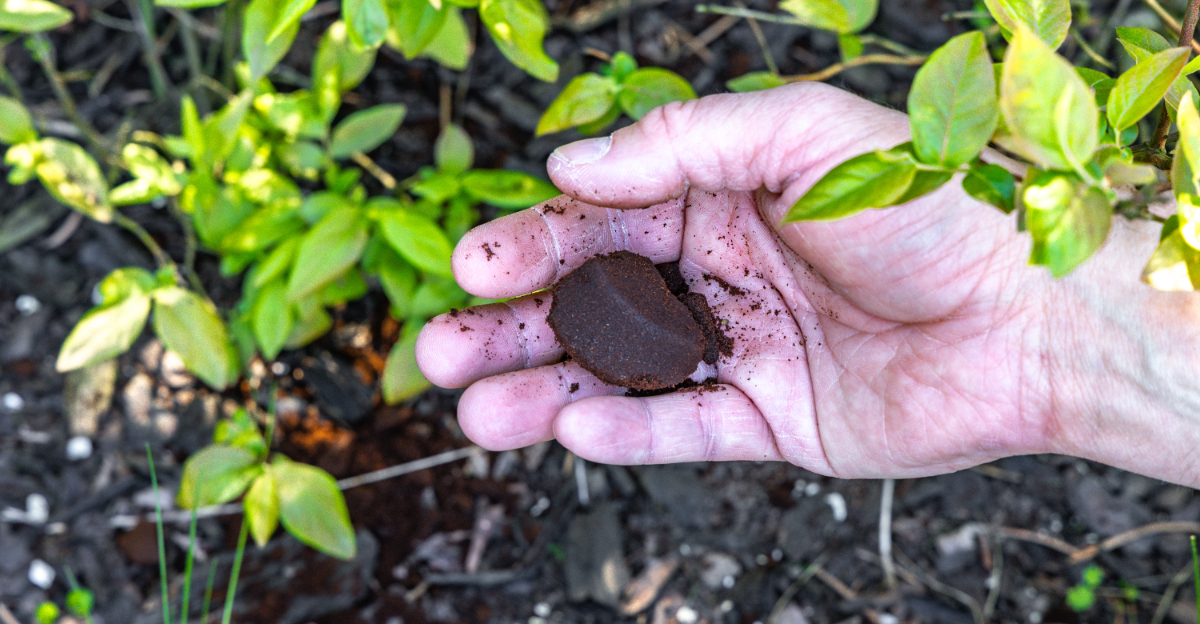
Most people toss coffee grounds without a second thought, but in Ohio gardens, that habit can feel like money slipping through your fingers.
That leftover scoop from your morning cup holds more value than it gets credit for, especially once spring soil starts to wake up across the state.
Gardeners who know the trick already treat coffee grounds like a quiet upgrade, not waste.
Ohio soil can lean heavy, tired, or short on organic matter after winter, and a small, steady boost can turn things around fast. A handful here and there can help certain plants settle in, push out stronger growth, and look far more at home in your yard.
Not every plant plays nice with coffee grounds, though. Pick the right ones, and you stack the odds in your favor right from the start.
1. Blueberries Benefit From More Acidic, Organic-Rich Soil

Few fruits are as rewarding to grow in Ohio as blueberries, but they come with a specific demand that many gardeners underestimate. These shrubs need soil with a pH between 4.5 and 5.5, which is considerably more acidic than the average Ohio yard.
Getting that pH right takes patience and consistency, and that is where composted coffee grounds can play a supporting role.
When mixed into compost and worked into the soil before planting, coffee grounds contribute organic matter that helps gradually shift pH in the right direction over time.
They should never be applied in thick layers directly around the base of the plant.
Fresh grounds can compact and form a crust that blocks water from reaching roots properly.
For best results, blend grounds into your compost pile and let them break down before adding the finished compost to your blueberry bed. Soil test kits, available at most Ohio garden centers, help you track pH changes accurately.
Pine bark mulch applied two to three inches deep around the shrubs helps retain moisture and adds slow acidity as it breaks down. Consistent watering matters too, since blueberries have shallow roots that dry out quickly.
Well-drained soil prevents soggy conditions that lead to root problems. Growing at least two varieties improves pollination and boosts your harvest significantly.
2. Azaleas Grow Better In Looser, Moisture-Retaining Soil
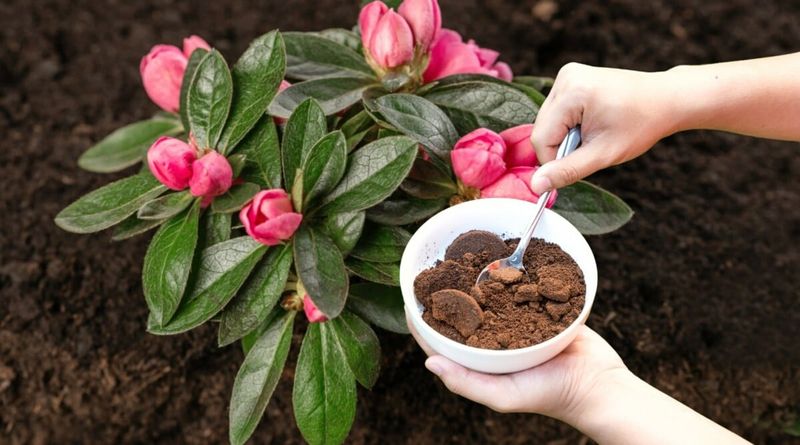
Walk through almost any Ohio neighborhood in late spring and you will spot azaleas putting on a show with their bright clusters of blooms. What many people do not realize is that the soil beneath those shrubs matters just as much as the sunlight above them.
Azaleas have shallow, fibrous root systems that are sensitive to compacted or heavy clay soil, which is common across much of Ohio.
Adding composted coffee grounds to the planting area improves soil texture by loosening dense spots and helping the ground hold moisture without becoming waterlogged. The key word here is composted.
Raw grounds dumped directly around shallow-rooted plants can clump together, create an uneven moisture barrier, and potentially harm more than help.
Mix finished compost that includes coffee grounds into the top several inches of soil before planting or as a light top dressing in spring.
Your Ohio Garden Changes Every Week. Your Plan Should Too.
Gardening in Ohio changes quickly throughout the season. Every Friday you’ll receive a simple weekly plan showing exactly what to plant, prune, fertilize, harvest, and protect so you never miss the right timing.
Azaleas also prefer partial shade, especially protection from harsh afternoon sun that can scorch leaves during Ohio summers. Mulching with two to three inches of shredded leaves or pine bark keeps roots cool and moist between waterings.
Avoid planting in heavy clay without first amending the soil thoroughly. Good drainage is essential because sitting water around shallow roots causes serious problems quickly.
A spring application of fertilizer formulated for acid-loving shrubs rounds out a solid care routine.
3. Rhododendrons Respond Well To Improved Soil Structure
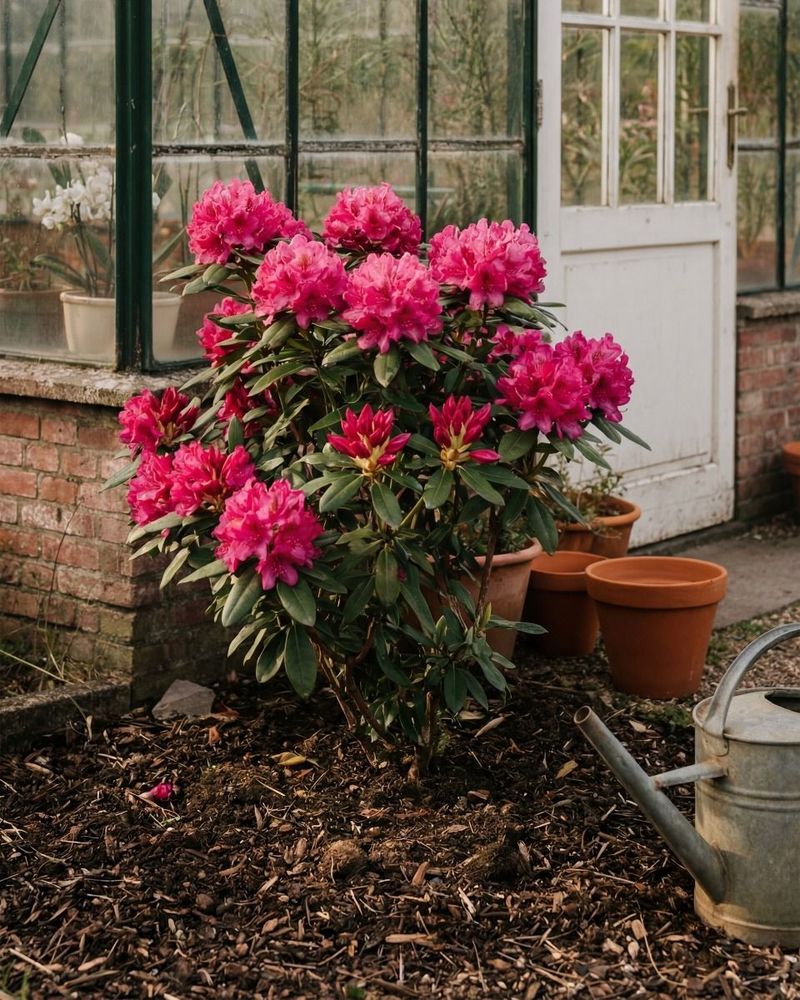
Rhododendrons are bold, dramatic shrubs that can anchor an Ohio landscape for decades when planted in the right conditions. Getting those conditions right from the start is the most important thing you can do for them.
They need well-drained soil rich in organic matter, moderate acidity, and protection from harsh winter winds that can damage their broad evergreen leaves.
Coffee grounds, when composted properly and incorporated into the planting bed, contribute to the organic matter balance that rhododendrons depend on.
Over time, that added organic matter improves drainage in clay-heavy Ohio soils while also helping sandier soils hold moisture longer.
The improvement is gradual, not instant, so patience is part of the process. Avoid piling fresh grounds directly against the base of the shrub or applying them in thick layers on the surface.
Rhododendrons are especially vulnerable to soggy roots, so raised beds or sloped planting areas work well in parts of Ohio where drainage is poor. Acidic soil in the pH range of 4.5 to 6.0 suits them best.
A thick layer of organic mulch, around three to four inches, protects roots from Ohio’s cold winters and reduces moisture loss in summer. Planting near a fence or building on the north or west side provides wind protection during the coldest months.
Avoid fertilizing late in the season, which can push new growth that gets damaged by frost.
4. Hydrangeas Perform Better With Balanced Soil Conditions
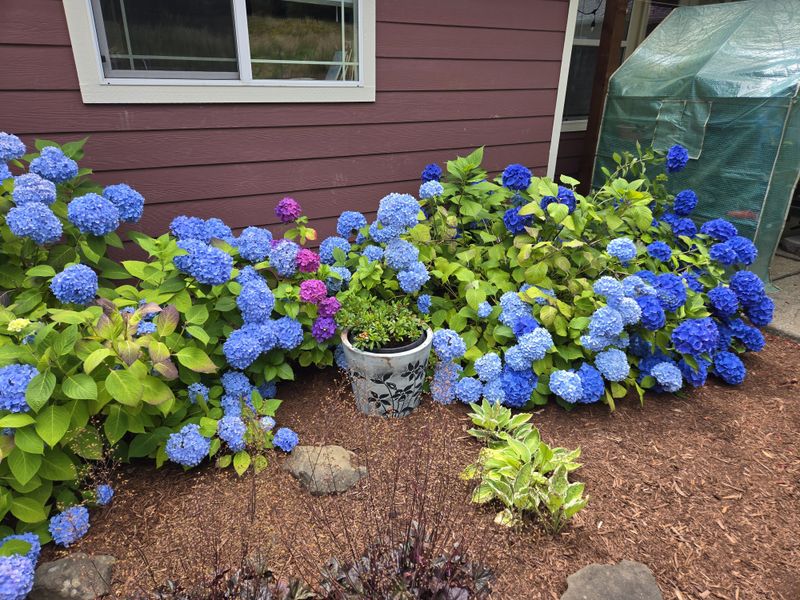
Hydrangeas are one of the most popular flowering shrubs in Ohio, and they generate a lot of questions about coffee grounds. A common belief is that adding grounds will turn blooms blue, but the reality is more nuanced than that.
Bloom color in bigleaf hydrangeas is influenced by soil pH and aluminum availability, and coffee grounds alone are unlikely to cause a dramatic shift. The more meaningful benefit is what composted grounds do for overall soil health.
When worked into compost and applied as a soil amendment, coffee grounds improve moisture retention and add organic matter that supports steady, healthy growth.
Hydrangeas are thirsty plants, especially during Ohio’s hot, dry summers, and soil that holds moisture well makes a real difference in how full and vibrant they look.
Avoid applying fresh grounds in thick layers, which can create a surface barrier that actually repels water rather than holding it.
Morning sun with afternoon shade is the ideal exposure for most hydrangea varieties in Ohio. Consistent watering, especially during dry spells, keeps leaves from wilting and flowers from browning prematurely.
A two to three inch layer of mulch around the base reduces moisture loss and keeps roots cooler. Avoid pruning at the wrong time since some varieties bloom on old wood, and cutting them back in fall removes next season’s flower buds.
Soil testing before amending helps you make smarter decisions.
5. Hollies Hold Color Better In Slightly Acidic Soil
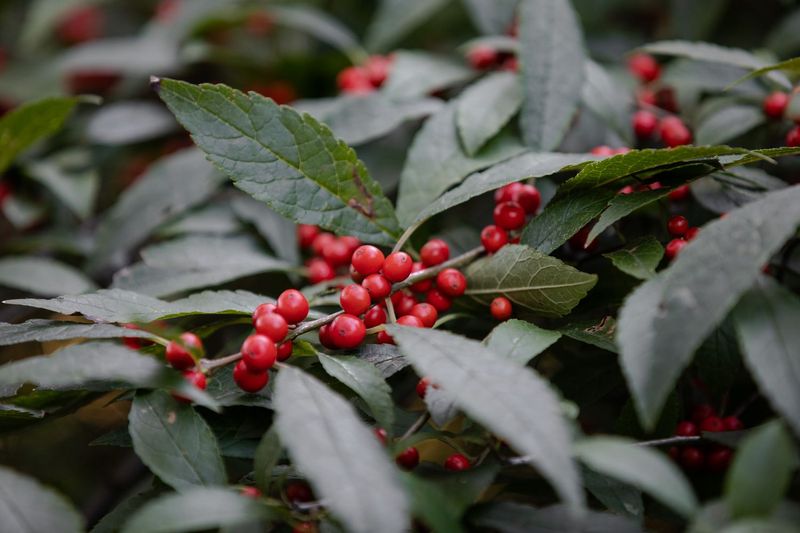
There is something deeply satisfying about watching a holly shrub hold its rich green color and bright red berries through an Ohio winter when everything else has gone bare. Hollies are tough, but they do have preferences, and soil acidity is near the top of the list.
Most holly varieties grow best in soil with a pH between 5.0 and 6.0, which falls in the mildly acidic range.
Composted coffee grounds mixed into the planting area or added as part of a finished compost top dressing can contribute to maintaining that pH range over time. The improvement is slow and steady rather than immediate, so do not expect overnight results.
Fresh grounds applied directly to the soil surface in large amounts can cause more problems than benefits, including compaction and uneven moisture distribution.
Well-drained soil is critical for hollies since standing water around their roots creates conditions that weaken the plant over a full growing season. Most Ohio hollies are slow growers, so setting realistic expectations about how quickly they fill out helps avoid frustration.
Winter protection matters in exposed locations, especially for younger shrubs that have not fully established. Planting both male and female varieties nearby ensures berry production since hollies need cross-pollination.
A slow-release fertilizer formulated for acid-loving plants, applied in early spring, supports steady growth without pushing excessive soft growth that struggles through cold Ohio winters.
6. Ferns Thrive In Rich, Woodland-Style Soil
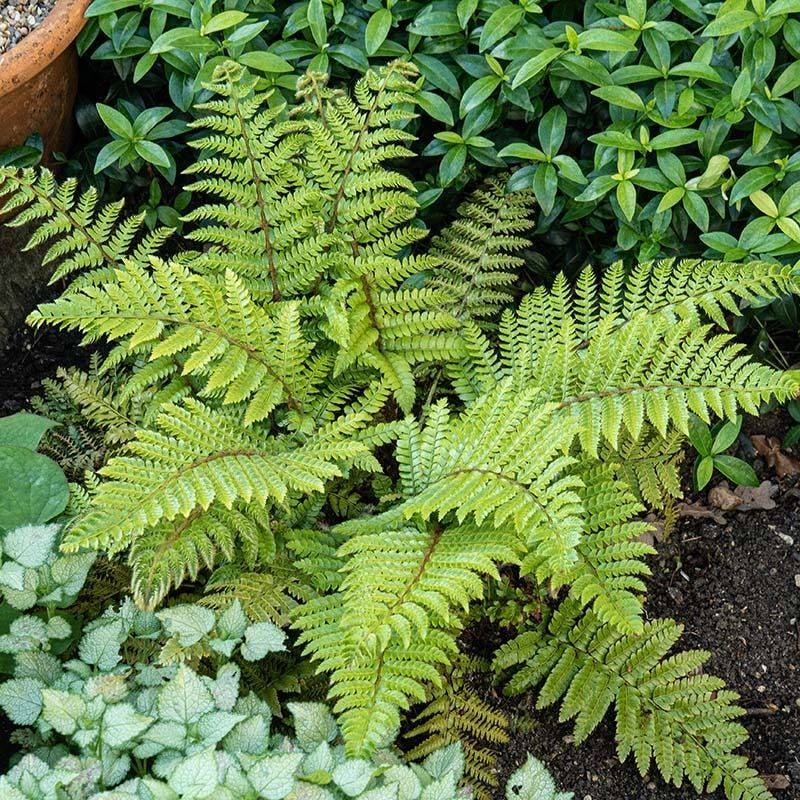
Anyone who has walked through an Ohio forest in summer has seen ferns doing exactly what they do best, spreading wide and lush in the deep shade beneath a canopy of trees.
Recreating those conditions in a home garden is entirely possible, and the secret is in the soil.
Ferns want rich, consistently moist, well-drained soil loaded with organic matter, which is very similar to the forest floor they naturally call home.
Composted coffee grounds work well here because they mimic what fallen leaves and decomposing plant material do in a woodland setting.
Mixed into finished compost and worked into the garden bed, they add organic material that improves soil texture and supports the biological activity ferns depend on.
Applying fresh grounds directly in thick layers is not recommended since they can mat together and prevent water from penetrating evenly.
Shade is non-negotiable for most fern varieties. Full sun dries out their fronds quickly and causes browning at the edges, especially during July and August in Ohio.
Consistent moisture is equally important since ferns do not tolerate drought well. Checking the soil an inch below the surface and watering before it fully dries out keeps them looking their best.
Avoid disturbing established clumps unnecessarily since ferns spread gradually and fill in beautifully when left alone. A top dressing of shredded leaf mulch each fall feeds the soil and protects shallow roots through winter.
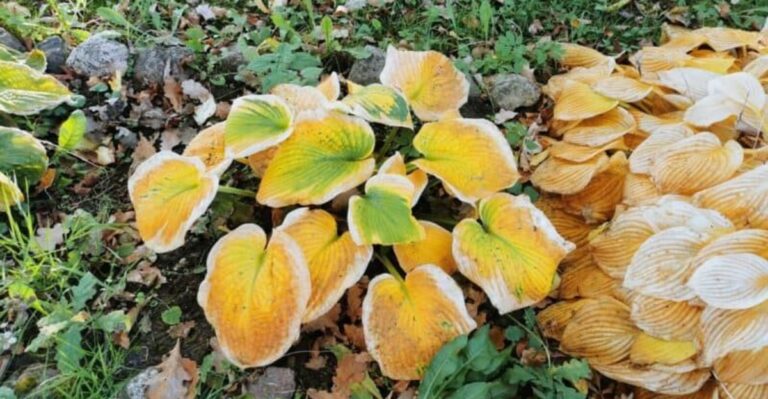
7. Hostas Grow Fuller With Added Organic Matter
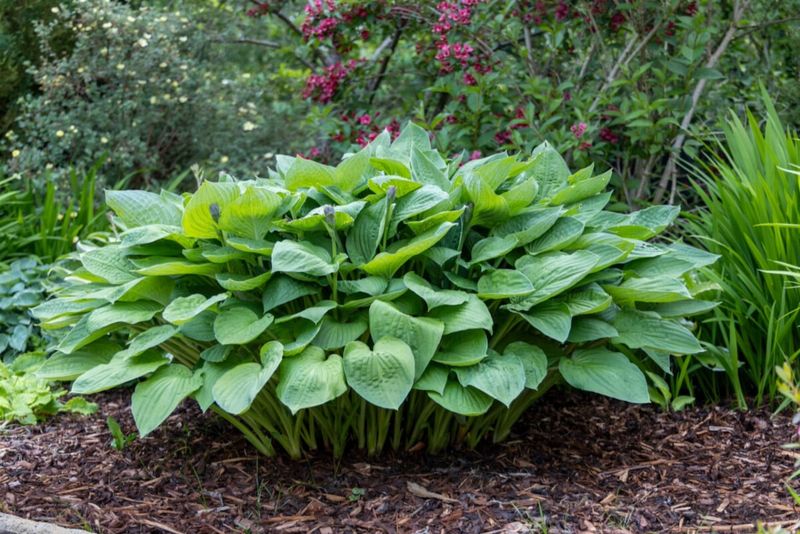
Hostas are probably the hardest-working shade plants in Ohio gardens. They come back reliably every year, grow in conditions where other plants struggle, and fill in beautifully with very little fuss.
What makes them even more impressive is how well they respond to soil improvements. Hostas are not particularly acid-dependent plants, but they absolutely love rich, well-structured soil that holds moisture without becoming soggy.
Composted coffee grounds contribute exactly that kind of improvement when blended into finished compost and worked into the planting bed.
Over time, the added organic matter helps the soil hold moisture more evenly, which supports the large leaf growth hostas are known for.
Avoid applying raw grounds in clumps around the crowns of the plants, where excess moisture can cause problems at the soil surface during wet Ohio springs.
Shade is where hostas truly shine, though most varieties tolerate a few hours of morning sun without issue. Good spacing between plants allows air to circulate and reduces the likelihood of slug damage, which is a genuine concern in Ohio’s humid summers.
Checking leaves for slug holes early in the season helps you address the problem before it gets out of hand. A layer of coarse mulch around the plants discourages slugs while also keeping roots moist.
Dividing overcrowded clumps every few years refreshes the planting and gives you more hostas to spread around the garden.
8. Christmas Fern Handles Improved Soil Without Extra Fuss
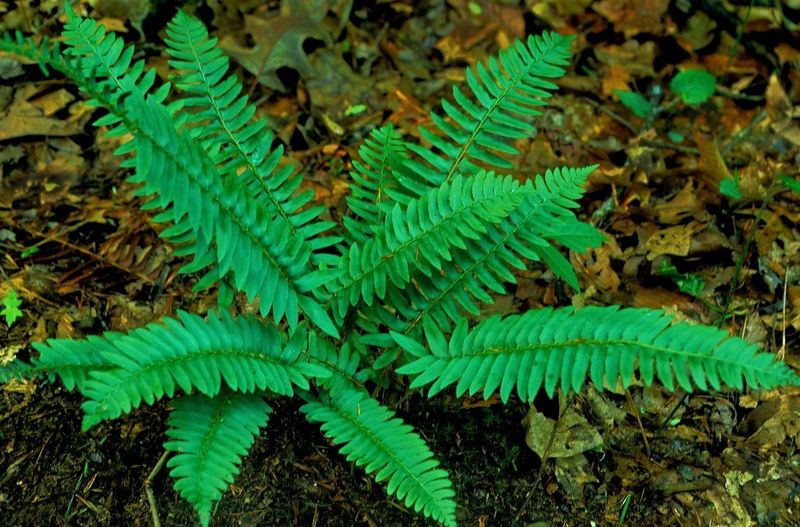
Not every plant in an Ohio garden needs constant attention to look good, and the Christmas fern is proof of that. Native to Ohio woodlands, this evergreen fern stays green through winter, handles shade without complaint, and asks for very little in return.
It is one of the most adaptable native plants you can add to a low-maintenance garden, and it responds well to modest soil improvements without requiring them.
Adding composted coffee grounds to the soil around Christmas ferns is a gentle way to boost organic matter and improve texture over time.
The fern does not need a dramatic change in soil chemistry, but it appreciates the same kind of loose, well-drained, humus-rich conditions found on a natural woodland floor.
Working finished compost that includes coffee grounds into the top few inches of soil gives the plant a solid foundation without overwhelming it.
Shade is where Christmas ferns feel most at home, whether under a canopy of deciduous trees or along the north-facing side of a building. They handle dry spells better than many other ferns, but consistent moisture during the first growing season after planting helps them establish strong roots.
Avoid heavy foot traffic around the base of the plants since the soil compacts easily in shaded areas. Minimal pruning is needed since old fronds break down naturally and contribute to the organic matter in the soil.
Once established, Christmas ferns largely take care of themselves.