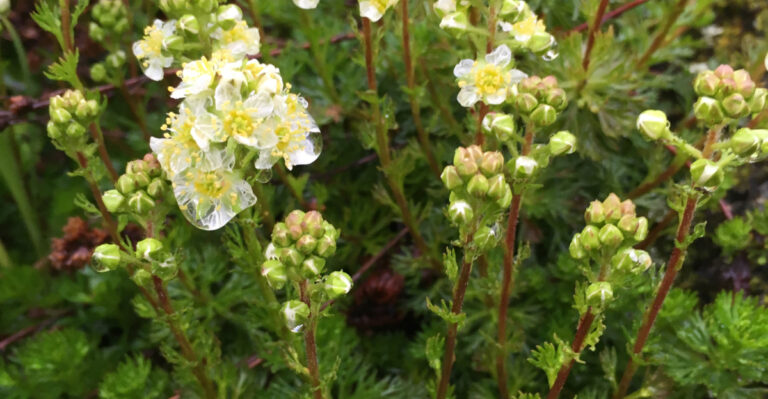
Native Groundcovers That Establish Fast When Planted During March In Oregon
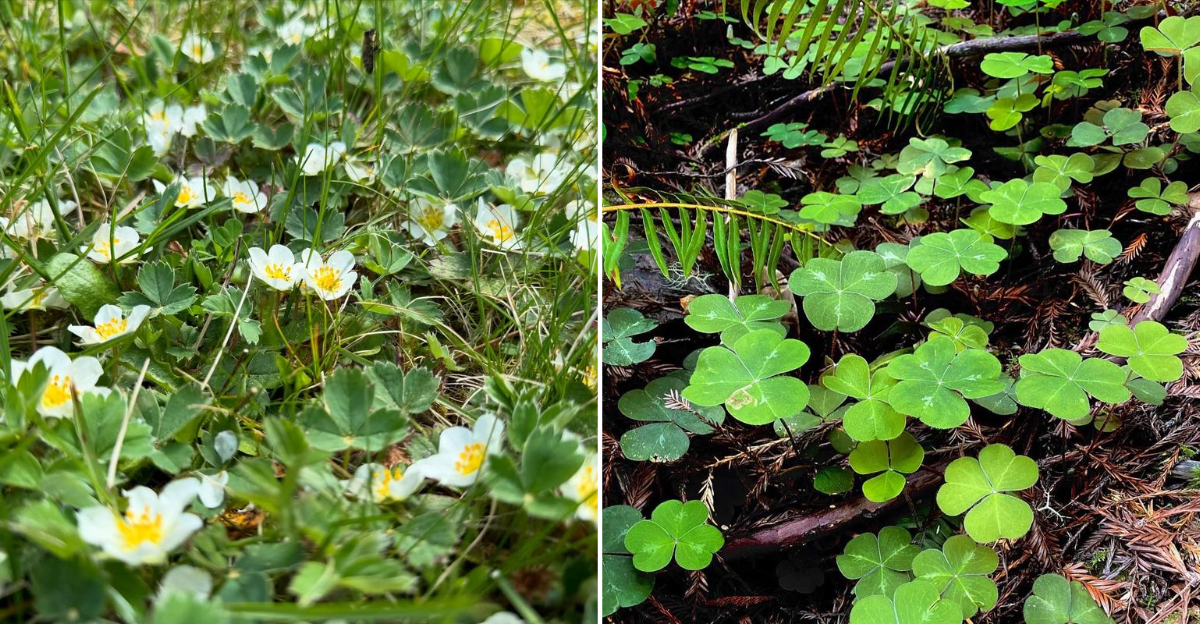
March is a magical window in Oregon gardens, when cool rains, mild temperatures, and soft soil create ideal conditions for new plants to settle in quickly.
It is the perfect time to plant fast establishing native groundcovers that spread with ease and begin knitting the landscape together before summer arrives.
These hardy growers are built for Oregon’s climate, handling spring moisture, adapting to local soils, and requiring far less water once established.
Beyond their practical benefits, they bring texture, seasonal color, and habitat for pollinators while helping suppress weeds and protect the soil.
Planting now gives roots time to anchor deeply, leading to fuller coverage and healthier growth in the months ahead.
If you want a low maintenance, natural looking landscape that fills in beautifully, these resilient native groundcovers are ready to take off when planted during Oregon’s gentle, rain kissed early spring.
1. Kinnikinnick (Arctostaphylos uva-ursi)
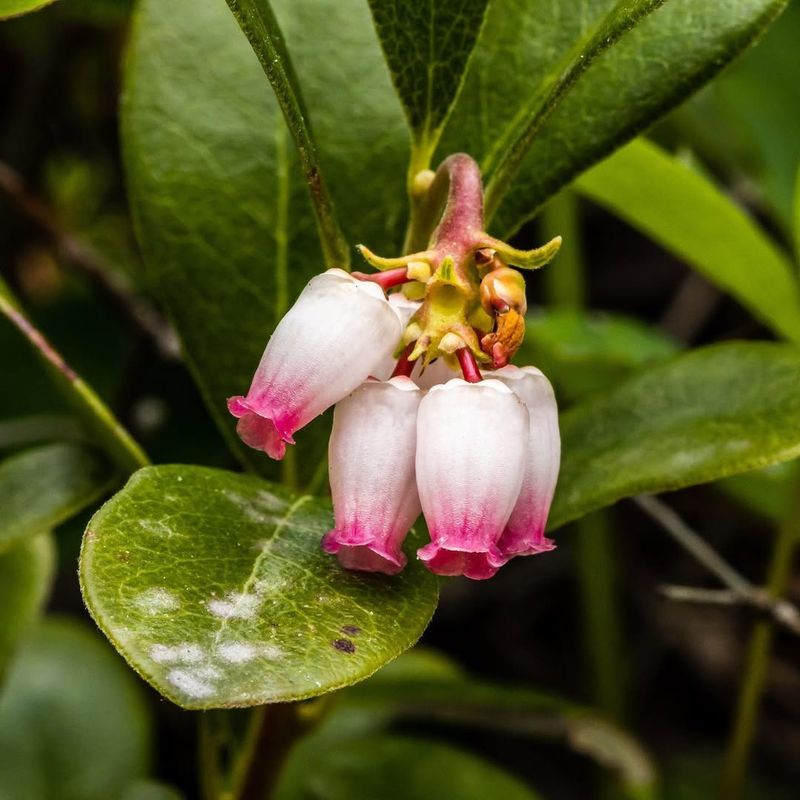
Few native groundcovers are as rugged and reliable as Kinnikinnick. This evergreen creeper forms dense mats of glossy, dark green leaves that stay attractive year-round.
While it spreads gradually rather than quickly, planting in March gives its roots ample time to establish before Oregon’s dry summer sets in.
Kinnikinnick thrives in full sun to light shade and prefers sharply drained soils, sandy, rocky, or gravelly conditions are ideal. It struggles in heavy clay unless drainage is improved, so raised planting or soil amendment may be necessary in some western Oregon gardens.
Once established, it is highly drought-tolerant and excellent for stabilizing slopes.
In spring, pale pink to white urn-shaped flowers appear, followed by bright red berries that persist into fall and provide food for birds and small mammals. Mature plants typically reach about 6 inches tall and can spread several feet wide over time.
Space plants 2 to 3 feet apart for long-term coverage. Light mulching during establishment helps retain moisture, but avoid overly rich soil, as Kinnikinnick prefers lean conditions.
2. Woodland Strawberry (Fragaria vesca)
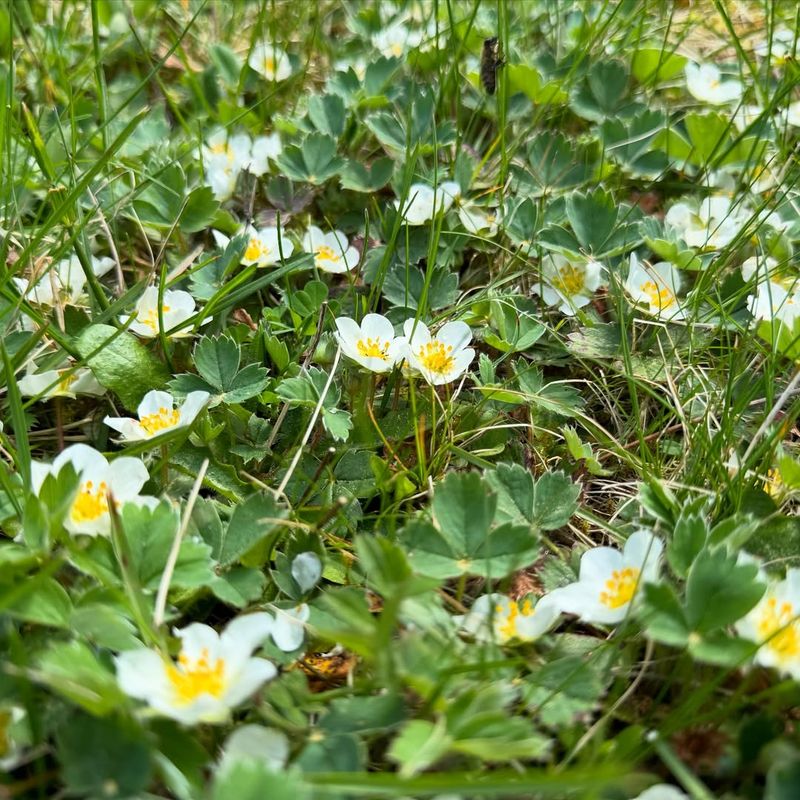
Woodland Strawberry is a cheerful little plant that practically begs to be touched and tasted. It produces tiny, sweet strawberries that are packed with flavor, making it one of the most rewarding native groundcovers you can plant in an Oregon garden.
March planting gives it a strong head start before summer warmth kicks in.
Unlike its commercial cousins, this species thrives in partial shade and adapts well to a wide range of soil types found across Oregon. It spreads through runners, which means it fills in gaps quickly without needing much help from the gardener.
Within one growing season, you can expect solid coverage in smaller areas.
The white flowers appear in early spring and attract pollinators like bees and hoverflies. That makes Woodland Strawberry a double win: it covers bare ground and supports local wildlife at the same time.
The foliage stays attractive through most of the year.
Plant starts about 12 inches apart and water regularly for the first few weeks. After that, rainfall in Oregon usually does the work for you.
This plant works beautifully under trees, along pathways, or mixed with other native species in a naturalized garden setting.
Your Oregon Garden Changes Every Week. Your Plan Should Too.
Gardening in Oregon changes quickly throughout the season. Every Friday you’ll receive a simple weekly plan showing exactly what to plant, prune, fertilize, harvest, and protect so you never miss the right timing.
3. Oregon Oxalis (Oxalis oregana)
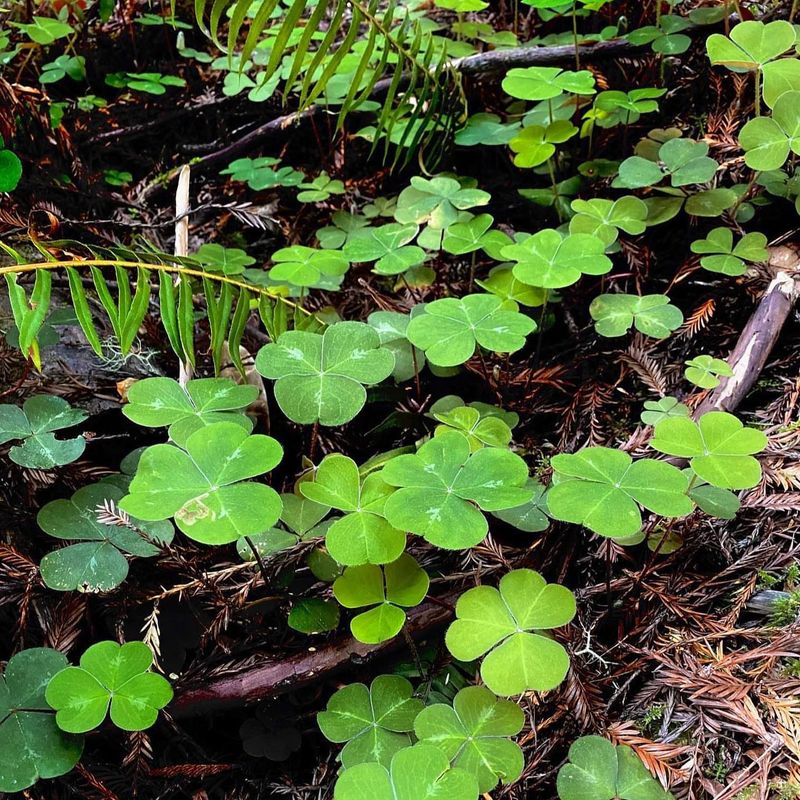
Walk into an old-growth forest in western Oregon and chances are you will see a thick carpet of Oregon Oxalis stretching out beneath the trees. This native groundcover is built for shade.
It thrives where most other plants struggle, making it one of the best choices for dark corners of Oregon gardens.
The leaves are shaped like three-leaf clovers and have a fresh, bright green color that lights up shady spaces. Small pink or white flowers appear in spring and again sometimes in fall.
The foliage actually folds up at night or in bright sunlight, which is a fun little quirk that kids tend to love.
Oregon Oxalis spreads through underground rhizomes and can fill in an area fairly quickly once established. March is a great time to plant it because cooler temperatures and spring rain create ideal conditions for root development.
Within a single season, patches can expand noticeably.
Plant it in rich, moist, well-drained soil under trees or along the north side of structures. Space plants about 8 to 12 inches apart for quick coverage.
Avoid full sun locations, as too much direct light will cause the leaves to fade and the plant to struggle in Oregon’s warmer months.
4. Self-Heal (Prunella vulgaris var. lanceolata)
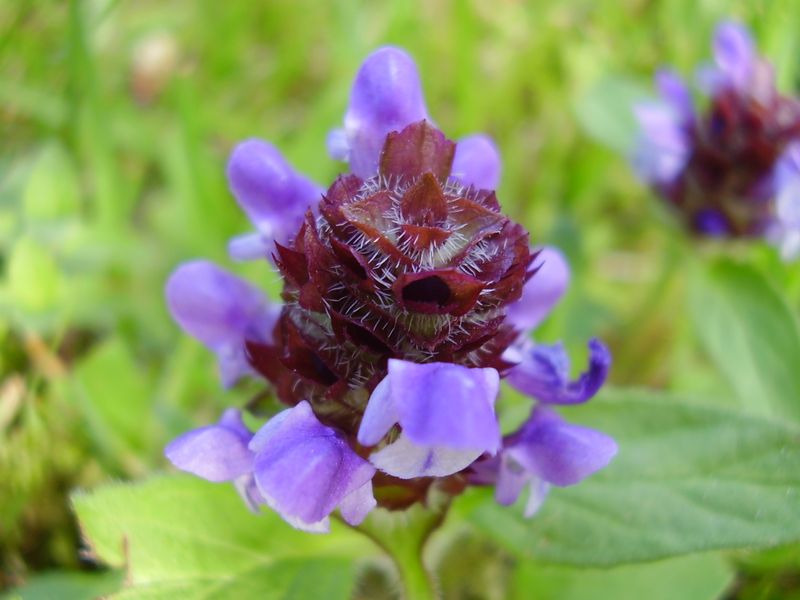
This is one of Oregon’s most adaptable native groundcovers, valued for both its resilience and pollinator appeal. This low-growing perennial typically reaches 6 to 12 inches tall and produces spikes of violet-purple flowers from late spring through summer.
It grows well in full sun to partial shade and tolerates a wide range of soils, including clay, provided drainage is moderate. March planting allows roots to establish during cool, moist conditions before summer dryness.
Self-Heal spreads through short runners and occasional self-seeding, forming loose colonies over time rather than a tight, fast-spreading carpet. It tolerates light foot traffic, such as between stepping stones, but is not suited for heavy lawn use.
The blooms attract bumblebees, native bees, and other pollinators, making it a strong choice for habitat-focused gardens. Space plants about 12 inches apart for steady fill-in.
Minimal fertilizer is needed, and once established, it requires little supplemental water in western Oregon’s climate.
5. Yerba Buena (Clinopodium douglasii)
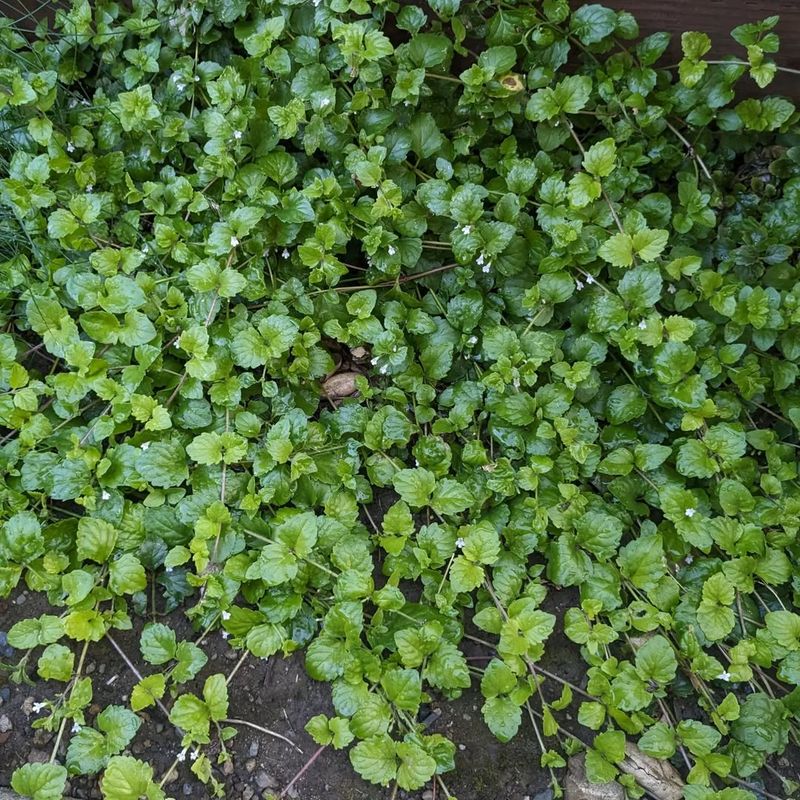
Rub a leaf of Yerba Buena between your fingers and you will immediately smell something fresh, minty, and wonderful. This fragrant native groundcover has been treasured by Indigenous peoples of the Pacific Northwest for generations, used for teas and traditional medicine.
Planting it in March in Oregon gives it a full season to spread and settle in.
Yerba Buena trails along the ground with slender stems and small, rounded leaves. It prefers partial to full shade and moist, well-drained soil.
Along the Oregon coast and in the Coast Range foothills, it grows naturally under Douglas fir and oak trees, so it fits perfectly into woodland-style gardens.
Tiny white flowers appear in late spring and summer, adding a soft, delicate look to shaded beds. The plant stays relatively low, usually under 6 inches tall, but spreads outward through trailing stems that root where they touch the soil.
That habit means it fills in bare areas without much encouragement.
Space transplants about 12 to 18 inches apart and keep the soil consistently moist during the first growing season. Once established, Yerba Buena is fairly drought-tolerant for a shade plant.
It pairs beautifully with Oregon Oxalis and Woodland Strawberry in layered native garden designs across Oregon.
6. Creeping Mahonia (Mahonia repens)
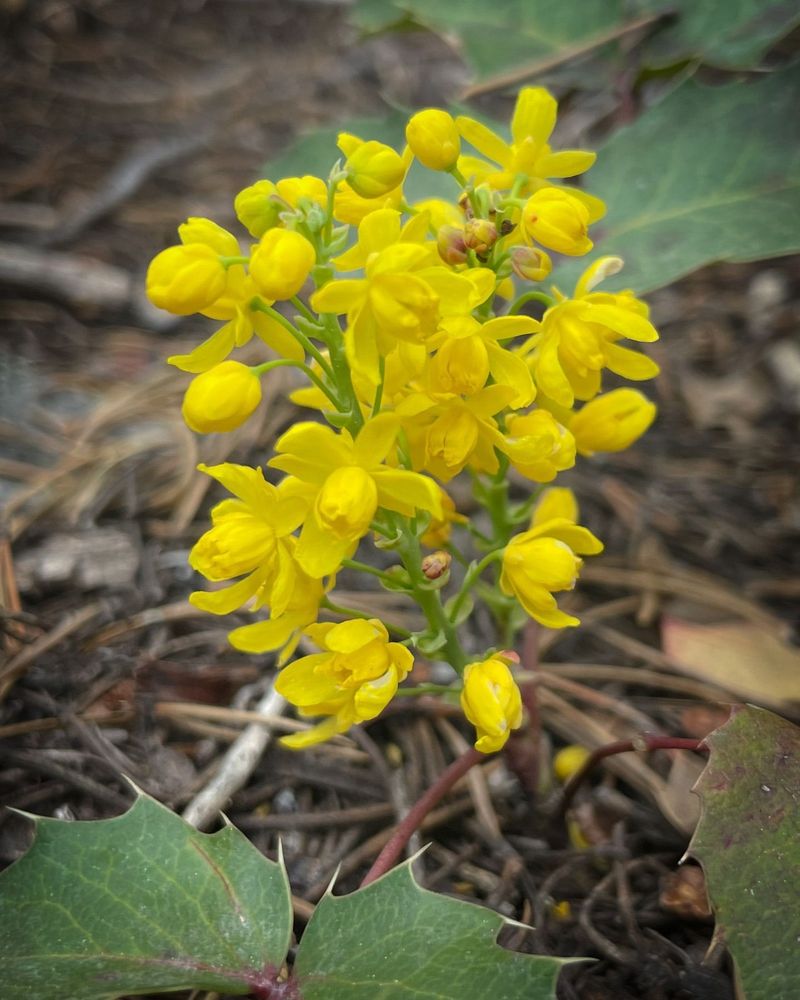
Creeping Mahonia brings bold texture and early-season color to Oregon gardens. Native primarily to eastern Oregon and the interior western United States, it adapts well across much of the state when planted in well-drained soils.
This low-growing evergreen typically reaches 12 to 18 inches tall and spreads slowly through underground rhizomes. In early spring, clusters of bright yellow flowers attract early pollinators, followed by blue-purple berries that support birds and wildlife.
It tolerates full sun in cooler climates and partial shade elsewhere. In hotter inland valleys, afternoon shade can prevent leaf scorch.
The foliage often develops reddish-bronze tones in winter, adding seasonal interest.
Creeping Mahonia prefers lean, well-drained soil and does not tolerate prolonged waterlogging. Once established, it is notably drought-tolerant.
Space plants about 2 feet apart and allow time for gradual colonization. It spreads steadily but not aggressively, making it a manageable and ecologically valuable groundcover.
7. Coastal Strawberry (Fragaria chiloensis)
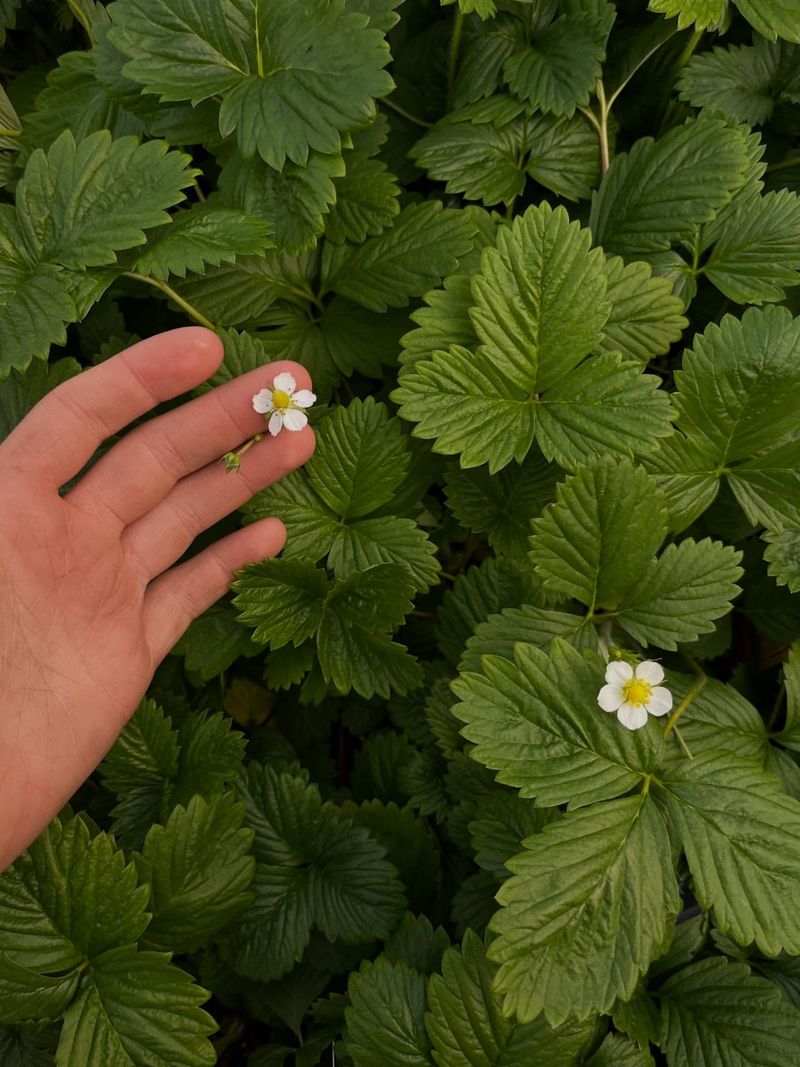
Along the beaches and coastal bluffs of Oregon, Coastal Strawberry has been anchoring sandy soils and brightening shorelines for thousands of years. This tough native groundcover is built to handle wind, salt spray, and poor soils, which makes it surprisingly adaptable in garden settings far from the coast too.
Planting it in March sets it up for a strong first year.
The leaves are thick, glossy, and deep green, giving the plant a lush appearance even in challenging conditions. White flowers with yellow centers appear in spring and attract native bees and other pollinators.
The berries that follow are small but flavorful, and wildlife loves them just as much as people do.
Coastal Strawberry spreads through runners, similar to Woodland Strawberry, but it tends to be slightly more vigorous in sunny, open spots. It works well on slopes, in rock gardens, and along pathways where you want reliable, low-growing coverage.
Oregon gardeners near the coast will find it especially at home in their landscapes.
Plant starts about 12 to 18 inches apart in full sun to partial shade. Sandy or loamy, well-drained soils are ideal.
Water regularly for the first few weeks after March planting, then ease off as the plant establishes. It is a resilient, rewarding native groundcover that earns its place in any Oregon garden.