The Flowers That Improve Vegetable Growth In Oregon Gardens
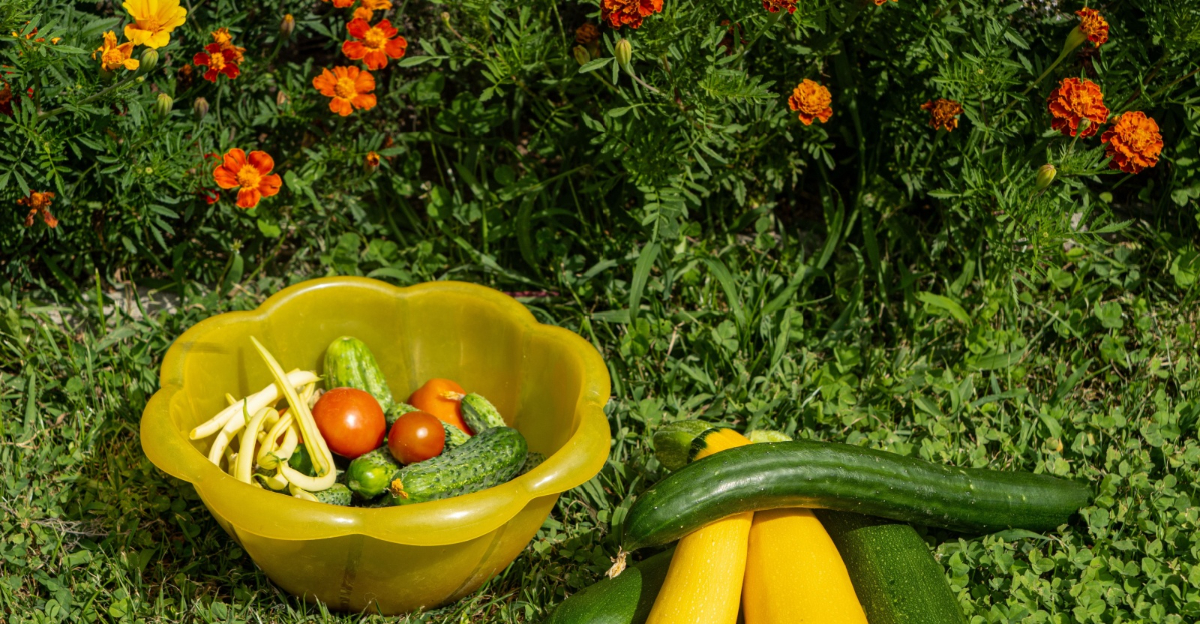
Vegetables are great, but a vegetable garden that also has flowers in it? That is a whole different level of satisfying.
And it turns out mixing the two is not just pretty, it is actually smart gardening. Oregon’s varied growing conditions, cool springs, dry summers, and everything in between, mean that vegetable gardens can use all the help they can get.
The right flowers planted alongside your crops can pull in pollinators, attract beneficial insects that keep pest populations in check, and create a more balanced garden ecosystem that just works better overall.
No sprays, no complicated inputs, just thoughtful planting that lets nature do a lot of the heavy lifting.
Your tomatoes, squash, and beans will have no complaints whatsoever. Neither will the bees.
1. Sweet Alyssum Draws Helpful Insects Close
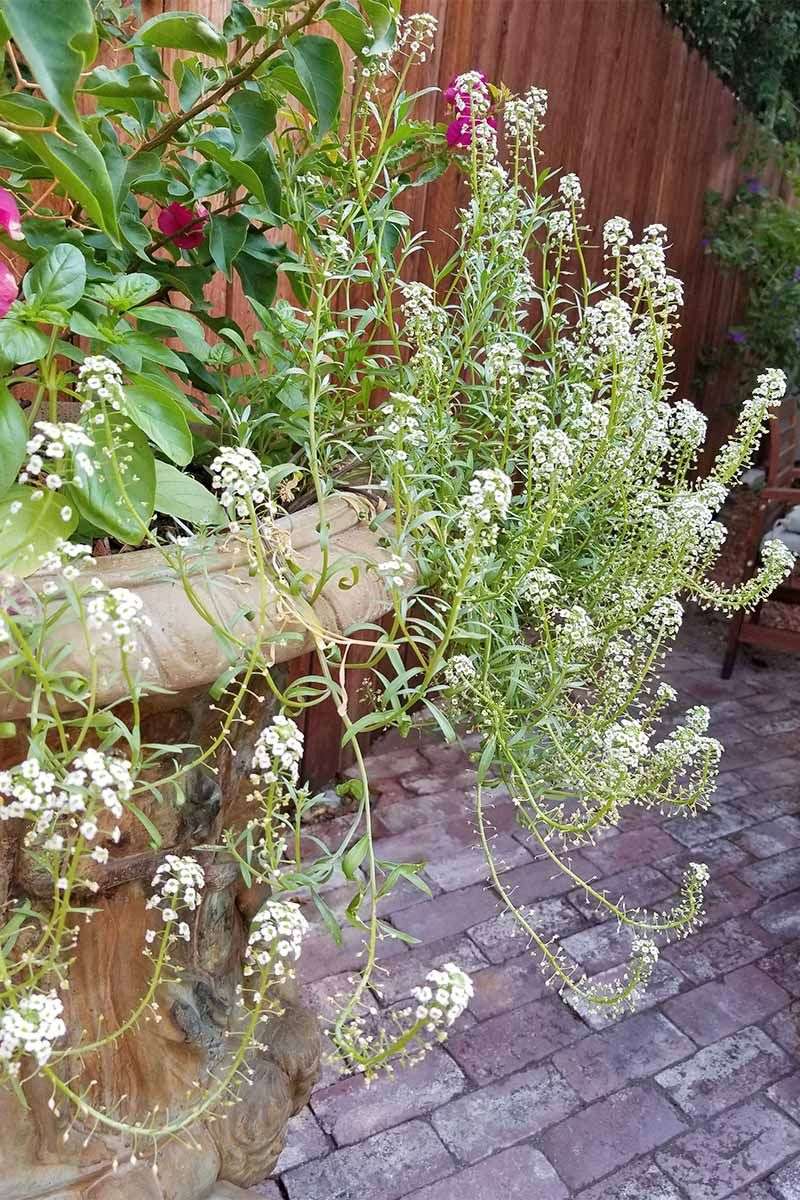
Few flowering plants pack as much insect-attracting power into such a small, low-growing form as sweet alyssum.
The tiny, clustered blooms release a honey-like scent that draws in beneficial insects, particularly parasitic wasps and hoverflies, both of which are valuable allies in Oregon vegetable gardens.
These insects feed on common garden pests, helping reduce aphid and caterpillar populations naturally.
Sweet alyssum works especially well as a border plant or a low edge along raised beds. It stays compact, rarely growing taller than six inches, so it does not shade out neighboring vegetables.
In Oregon’s mild coastal and valley climates, it often blooms for months, providing a long, steady food source for small beneficial insects throughout the growing season.
Planting it near brassicas, lettuce, or greens can be particularly helpful since those crops tend to attract aphids. Gardeners should give sweet alyssum full to partial sun and well-drained soil.
It reseeds itself reliably in many gardens, meaning one planting may return year after year with minimal effort.
Trimming it back lightly after the first flush of bloom encourages fresh flowers and keeps the plant tidy and productive well into fall.
2. Borage Brings Pollinators And Busy Garden Support
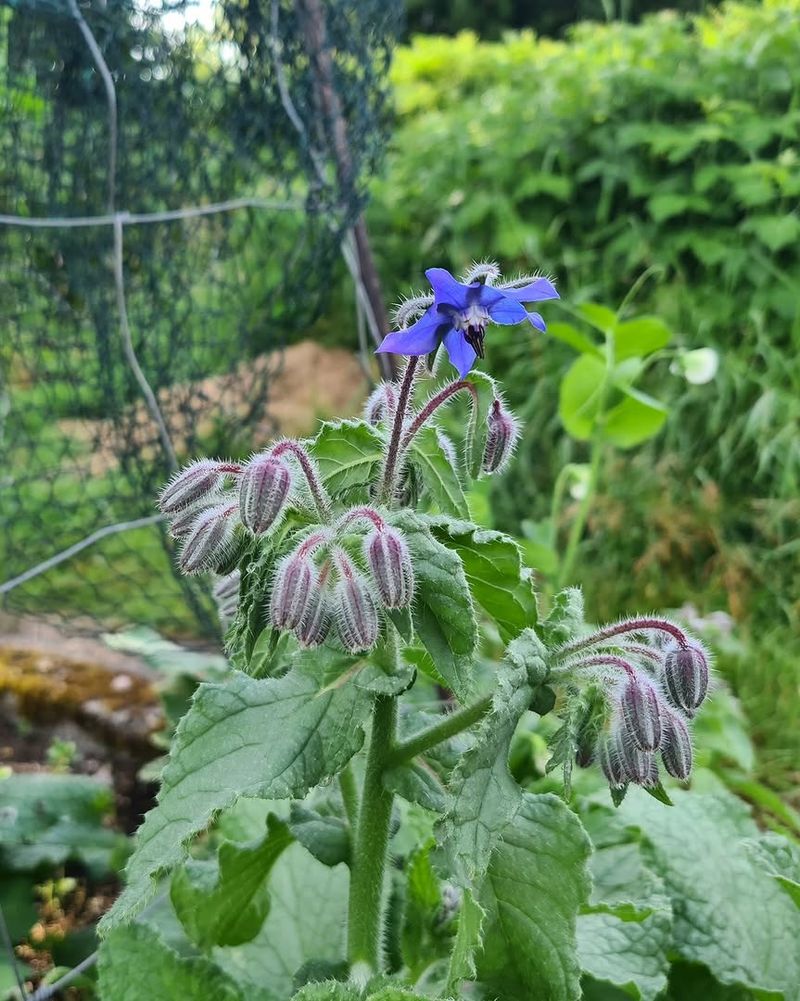
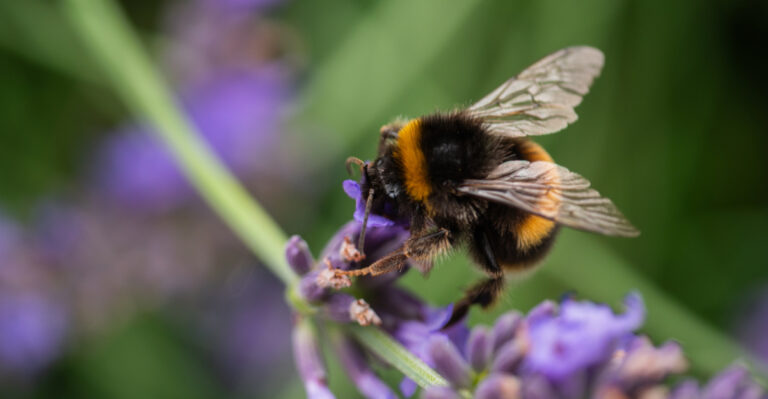
Bumblebees seem to find borage before almost any other flower in the summer garden, and that kind of pollinator attention is exactly what vegetable beds need.
The vivid blue, star-shaped flowers of borage are particularly attractive to bumblebees and honeybees, making it a well-regarded companion plant near crops that depend on pollination, such as tomatoes, squash, cucumbers, and peppers.
Beyond pollinator support, borage has a long history in companion planting as a potential deterrent for tomato hornworm, though results can vary from garden to garden. Its large, bristly leaves and strong scent may help confuse or discourage certain pests.
Gardeners growing tomatoes in raised beds or kitchen gardens often tuck a borage plant or two nearby as an easy, low-maintenance companion.
Borage grows quickly and can reach two to three feet tall, so placement matters. It does well with full sun and tolerates Oregon’s summer dry spells once established.
It also reseeds generously, so gardeners should be prepared to manage volunteer seedlings in following seasons.
Your Oregon Garden Changes Every Week. Your Plan Should Too.
Gardening in Oregon changes quickly throughout the season. Every Friday you’ll receive a simple weekly plan showing exactly what to plant, prune, fertilize, harvest, and protect so you never miss the right timing.
The leaves and flowers are edible, adding a mild cucumber-like flavor to salads, which makes borage a genuinely multi-purpose addition to any Oregon food garden.
3. Calendula Adds Color And Useful Garden Benefits
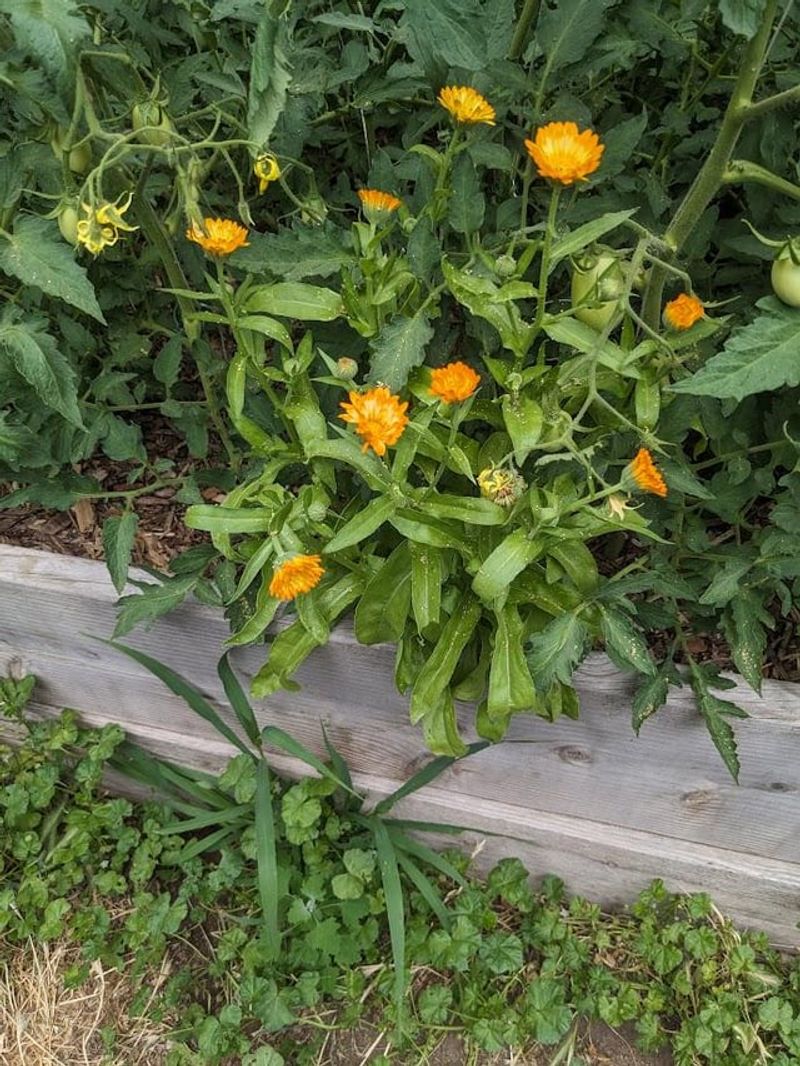
Calendula earns its place in vegetable gardens not just for its warm orange and yellow blooms but for the practical support it can provide.
The sticky, resinous stems of calendula are known to trap small soft-bodied insects like aphids and whiteflies, acting as something of a physical barrier near susceptible crops.
This quality makes it a thoughtful addition near brassicas, lettuce, and other leafy greens in Oregon gardens.
Calendula also attracts beneficial insects including lacewings, hoverflies, and parasitic wasps, which help manage pest populations throughout the growing season.
Its long bloom period, which can stretch from spring well into fall in Oregon’s cooler coastal and valley climates, means it provides consistent flower resources for these helpful insects over many months.
Planting calendula at the edges of raised beds or tucked between vegetable rows keeps it accessible without crowding crops.
It prefers cooler temperatures and may slow down blooming during hottest summer weeks, then pick back up as temperatures moderate in late summer and early fall.
Deadheading spent flowers regularly encourages continued bloom. Calendula is also easy to grow from seed, making it an affordable and rewarding flower to incorporate into almost any Oregon vegetable garden setup.
4. Nasturtium Helps Vegetable Beds In More Than One Way
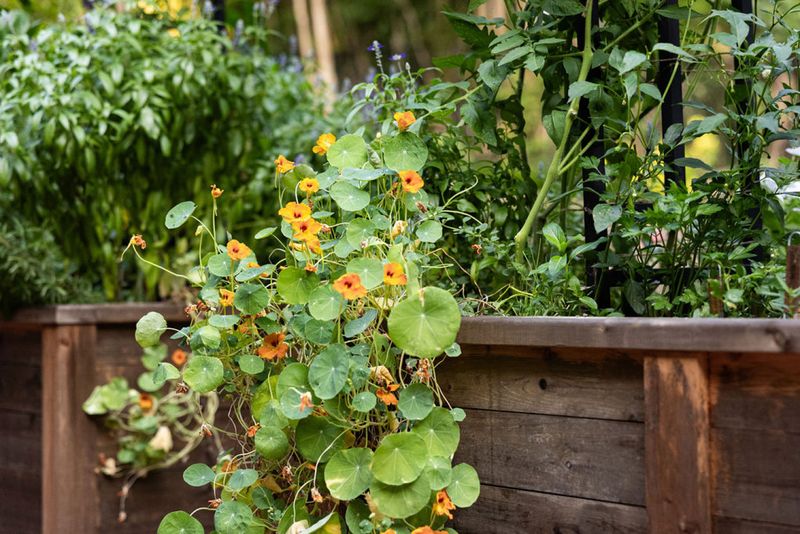
Nasturtiums bring a cheerful burst of color to any vegetable garden while also pulling their weight as a functional companion plant. One of their most well-known roles is as a trap crop, meaning they tend to attract aphids away from more valuable vegetable plants.
Aphids often cluster on nasturtium stems and leaves in large numbers, drawing them away from nearby tomatoes, beans, and brassicas in Oregon gardens.
Gardeners can use this tendency to their advantage by planting nasturtiums at the edges or corners of beds, creating a kind of living buffer that concentrates pest activity in one spot.
Beneficial insects, including predatory insects that feed on aphids, are then drawn in as well.
The combination can help keep pest pressure more balanced across the garden without requiring intervention.
Nasturtiums are also edible, with both flowers and leaves adding a peppery kick to salads. They grow quickly from direct-sown seed and thrive in Oregon’s spring and early summer conditions.
They prefer lean soil, as too much nitrogen encourages leafy growth at the expense of flowers. Both bush and trailing varieties are available, making them adaptable to raised beds, garden borders, and even large containers placed near vegetable plantings.
5. Marigold Supports A Healthier, Happier Garden Bed
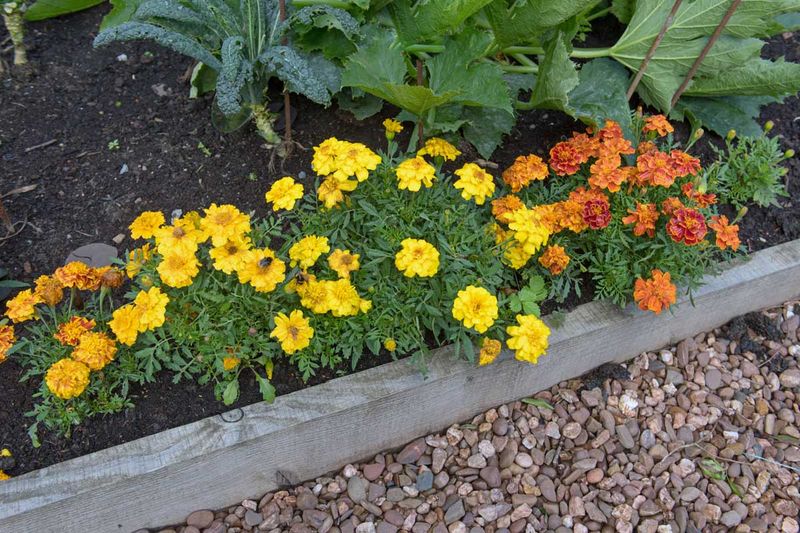
Marigolds are among the most widely recommended companion plants for vegetable gardens, and their reputation is grounded in real horticultural value.
French marigolds, in particular, have been studied for their ability to suppress certain soil nematodes when planted in sufficient numbers and turned into the soil at the end of the season.
For gardeners dealing with nematode pressure in established beds, this makes marigolds a useful long-term planting strategy.
Above ground, marigolds attract pollinators and beneficial insects while their strong, distinctive scent may help deter some flying pests.
They are frequently recommended near tomatoes, peppers, and squash as a companion that supports overall garden health without competing aggressively for space or nutrients.
Their compact growth habit fits easily between vegetable plants or along bed edges.
In Oregon’s variable summer climate, marigolds perform reliably with full sun and moderate water.
French and African varieties are both commonly available, though French marigolds tend to stay more compact and are well-suited to raised beds and smaller garden spaces.
Starting them from transplant or direct seed in late spring gives them time to establish before peak summer heat. Regular deadheading keeps them blooming steadily from early summer through the first fall frost in most Oregon growing regions.
6. Chamomile Brings Gentle Flowers And Helpful Insect Activity
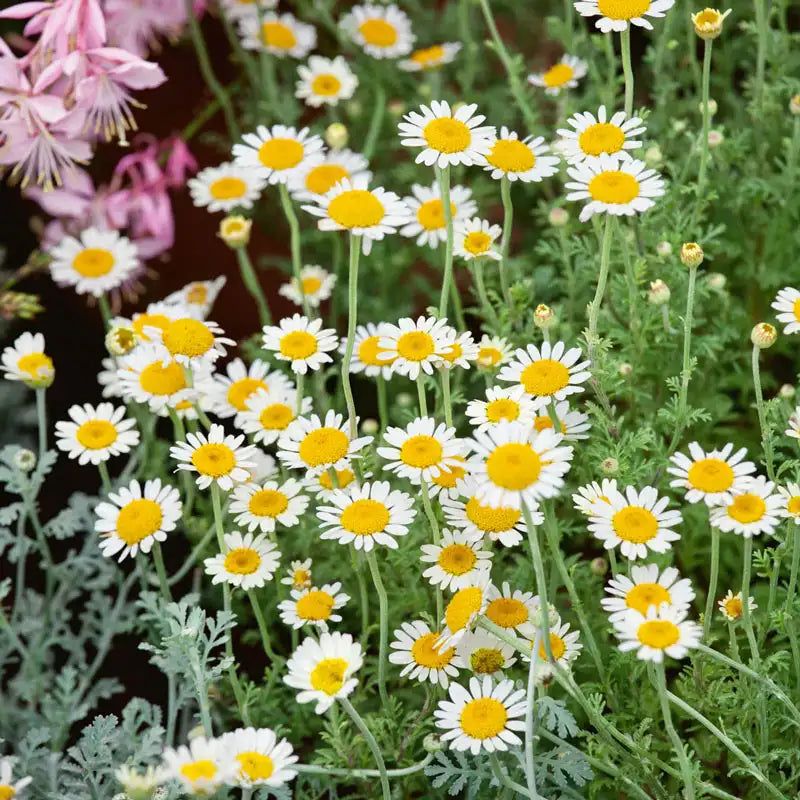
Chamomile has a long history in companion planting, and its small daisy-like flowers are a magnet for hoverflies, parasitic wasps, and other beneficial insects that help keep vegetable garden pests in check.
The shallow, open flower structure is especially accessible to small beneficial insects that need easy landing spots, making chamomile a practical and understated addition to Oregon food gardens.
German chamomile is the annual variety most commonly grown in vegetable gardens. It grows to about two feet tall, blooms generously through late spring and summer, and reseeds readily in many Oregon growing conditions.
Tucking it near brassicas, onions, or herbs is a common companion planting approach, as the beneficial insects it attracts tend to patrol surrounding plants in search of prey.
Chamomile is not a heavy feeder and does well in average garden soil with regular sun. It is important not to let it crowd vegetable plants, as it can spread when allowed to reseed freely.
Harvesting some flowers for tea while leaving others to bloom gives gardeners a practical dual use from one plant.
In Oregon’s cooler spring and early summer conditions, chamomile tends to establish quickly and bloom earlier than many warm-season flowers, giving beneficial insects a helpful early-season resource.
7. Cosmos Helps Invite More Beneficial Insects In
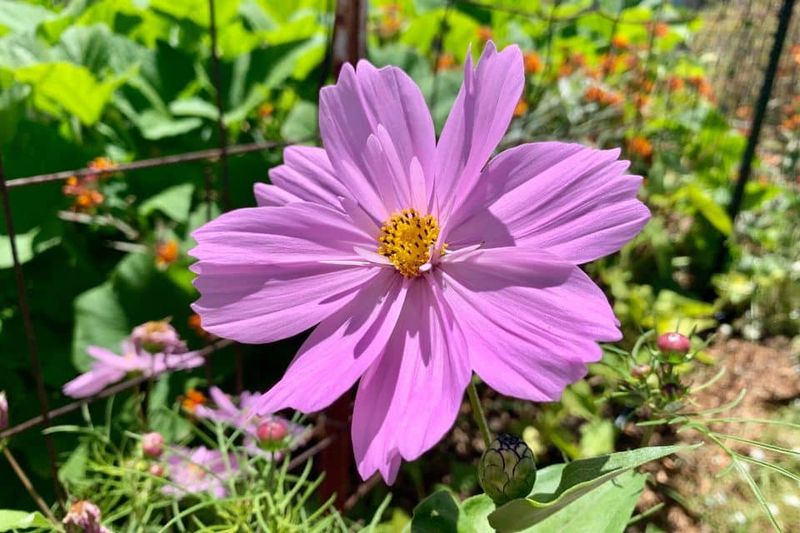
Tall, airy, and easy to grow, cosmos bring movement and color to vegetable gardens while quietly doing useful work by attracting a range of beneficial insects.
The open, daisy-like flowers are accessible to lacewings, hoverflies, and parasitic wasps, all of which help manage common vegetable garden pests.
That said, cosmos is best understood as a broader garden helper rather than a crop-specific companion plant.
Cosmos does not have the same direct crop-support reputation as borage or calendula, but its value lies in creating a more insect-active garden environment overall.
Planting it along the perimeter of a vegetable garden or in a nearby cutting bed draws beneficial insects into the general area, where they may then move into vegetable plantings as they forage and hunt.
In Oregon, cosmos grows vigorously during the warm summer months and can reach four to six feet tall, so placement near taller crops or along fences and borders works best.
It thrives in full sun, tolerates lean soil, and requires minimal care once established.
Direct sowing after the last frost date works well in most Oregon valleys and coastal areas. Allowing some plants to go to seed at the end of the season also provides food for birds, adding another layer of garden activity through fall.
8. Sunflowers Bring Height And Helpful Garden Activity
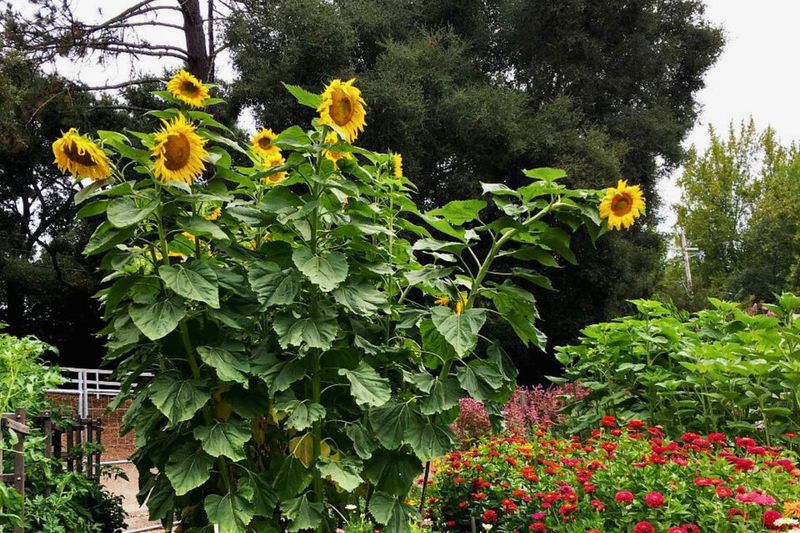
Standing tall at the back of a vegetable bed or along a garden fence, sunflowers create vertical interest while drawing in an impressive range of pollinators and beneficial insects.
Bees of many species visit sunflowers heavily during bloom, and that increased pollinator activity can spill over into nearby vegetable plantings, particularly those needing strong pollination like squash, cucumbers, and beans.
Like cosmos, sunflowers are better described as broad garden supporters than as direct crop companions with specific pest-control functions.
Their value comes from creating a more pollinator-rich environment and from offering habitat and food for beneficial insects throughout the summer and into fall.
Seed heads left standing after bloom provide food for birds, which can help with pest management in a general sense.
In Oregon, sunflowers grow well in full sun with moderate summer water. They can be planted from seed after the last frost date and will bloom in midsummer through early fall depending on the variety.
Taller varieties may need staking in windy Oregon coastal gardens. Planting sunflowers on the north or east side of vegetable beds helps avoid shading sun-loving crops.
Multi-branching varieties produce more flowers over a longer period, extending the window of pollinator and insect activity in and around the vegetable garden.
9. Yarrow Supports Beneficial Insects Around The Bed
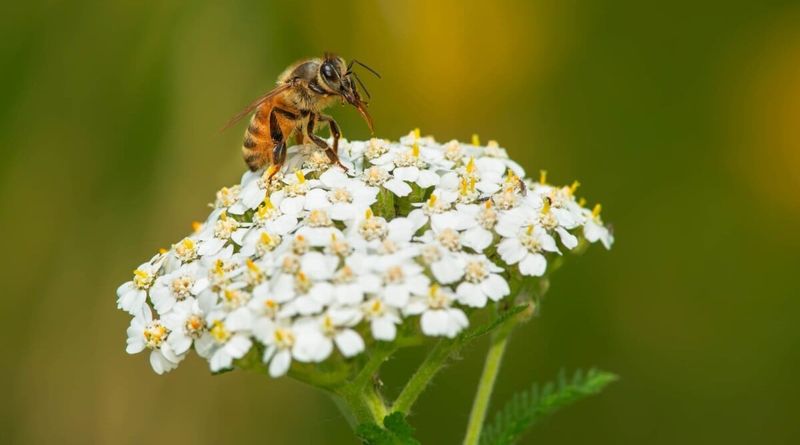
Yarrow has flat-topped flower clusters that serve as landing pads for a wide range of beneficial insects, including predatory wasps, lacewings, and hoverflies.
These insects are valuable in vegetable gardens because they feed on or parasitize common pests like aphids, caterpillars, and whiteflies.
Yarrow is most useful when planted at the edges or borders of vegetable gardens, where it can attract these helpers without competing with food crops for space.
Like cosmos and sunflowers, yarrow is best appreciated as a broad beneficial-insect supporter rather than a plant with direct, crop-specific companion planting functions.
Its strength is in enriching the insect life around the garden, creating conditions where natural pest management is more likely to occur.
Gardeners who want to encourage a more balanced, active garden ecosystem often include yarrow as part of a mixed planting strategy alongside more targeted companions like marigolds or calendula.
Yarrow is a perennial in most of Oregon’s climate zones, meaning it returns each year with little attention. It tolerates dry conditions well, which makes it a sensible choice for gardens east of the Cascades or in areas with limited summer irrigation.
Common and fernleaf varieties are both available, and yellow or white flowering types are often cited as most attractive to beneficial insects compared to some ornamental hybrids.