9 Easy Flowers That Practically Grow Themselves In Arizona
Arizona gardening often feels like a test of patience, especially when dry soil, intense sun, and long stretches without rain push delicate plants past their limits. Still, not every flower struggles here.
Some varieties are naturally adapted to desert conditions and settle in with very little fuss once their roots are established.
Instead of demanding constant watering, soil amendments, and protection from afternoon heat, these dependable bloomers handle tough conditions with surprising ease.
With proper planting and occasional deep watering, they continue producing color even as temperatures climb into triple digits. Choosing flowers that are built for Arizona’s climate makes the entire experience less frustrating and far more enjoyable.
The right selections do most of the work on their own, keeping the landscape vibrant without turning gardening into a full-time job.
1. Lantana Camara Thrives In Full Sun And Extreme Heat
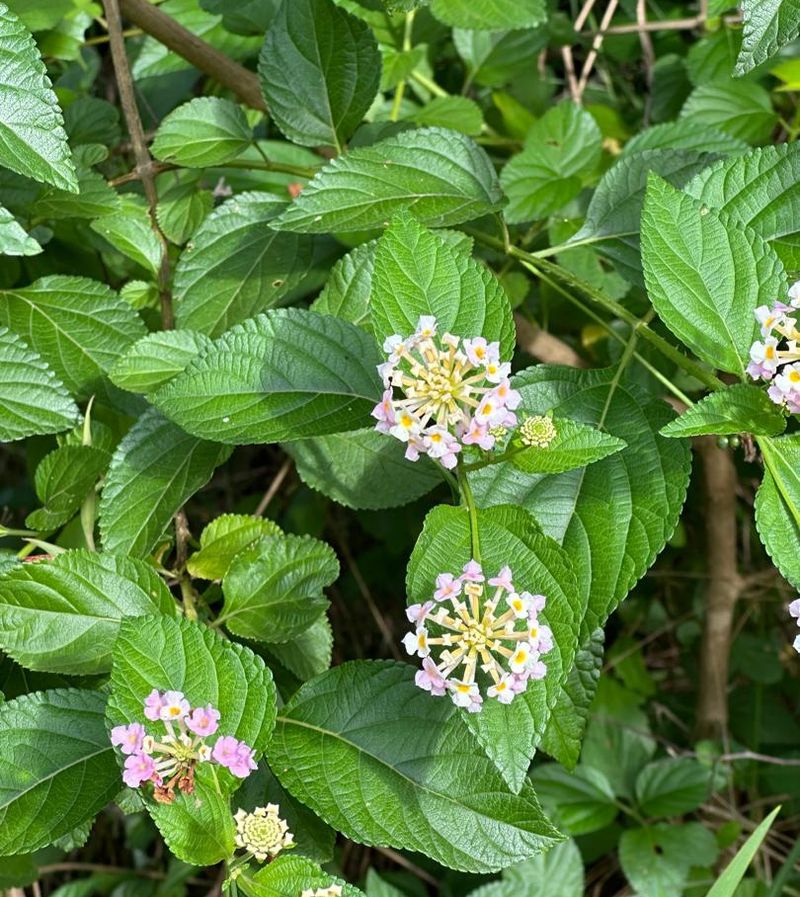
Few plants on earth are as unbothered by Arizona heat as Lantana camara. When summer temperatures push past 110 degrees in Phoenix or Tucson, this plant does not flinch.
Instead, it pushes out bold clusters of red, orange, yellow, and pink flowers like it is showing off on purpose.
Lantana thrives in full sun, meaning the hotter and brighter the spot, the better it performs. Planting it along a south-facing wall or in a spot with reflected heat from concrete or pavers actually encourages more blooms.
Water it deeply once or twice a week when it is getting established, then back off significantly once it is settled in.
One thing Arizona gardeners love about Lantana is how little fuss it requires. Skip the fertilizer overload because too many nutrients actually reduce flowering.
Light trimming every few weeks keeps the plant tidy and encourages fresh blooms throughout the season. Butterflies and hummingbirds absolutely love it, making your yard feel alive with activity.
Lantana comes in both shrub and trailing varieties, so it works beautifully in garden beds, containers, and even cascading over walls in true Arizona style.
Even rare desert cold snaps rarely slow Lantana camara for long. If foliage looks tired after winter, a quick spring trim sparks fresh, vigorous growth and an even heavier wave of blooms.
Reflected heat from gravel, stucco walls, or driveways actually fuels better flowering, which is why lantana shines in the hottest corners of Arizona.
Give it sun, space, and restraint with water, and it keeps putting on a color show all summer without drama.
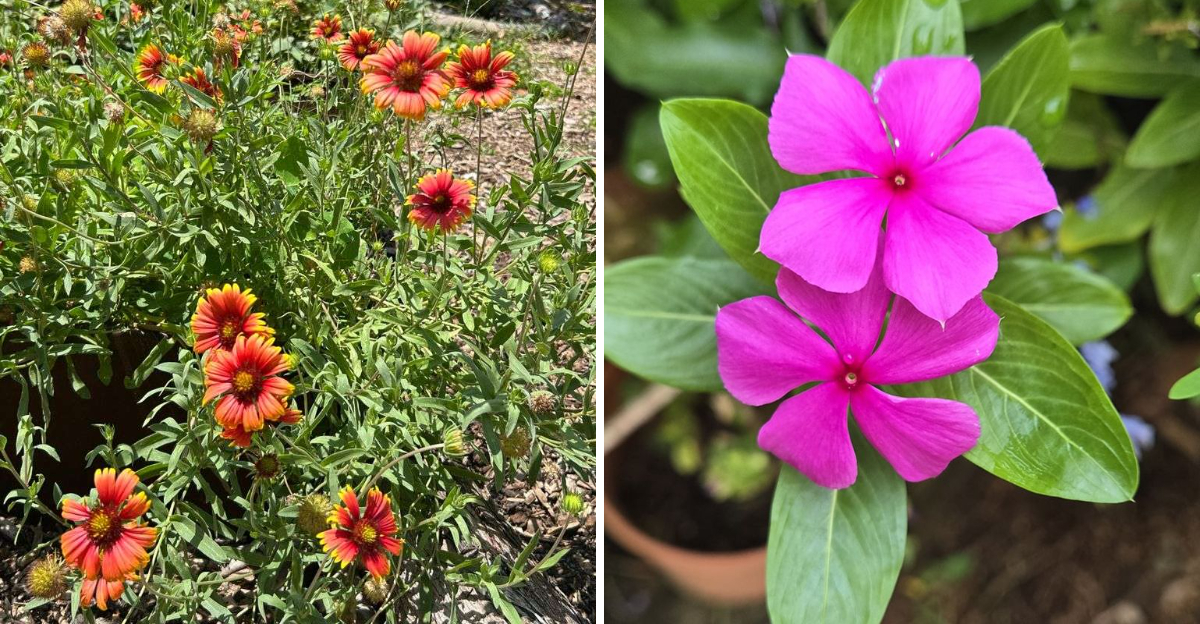
2. Catharanthus Roseus Keeps Blooming Through Brutal Summer Temperatures
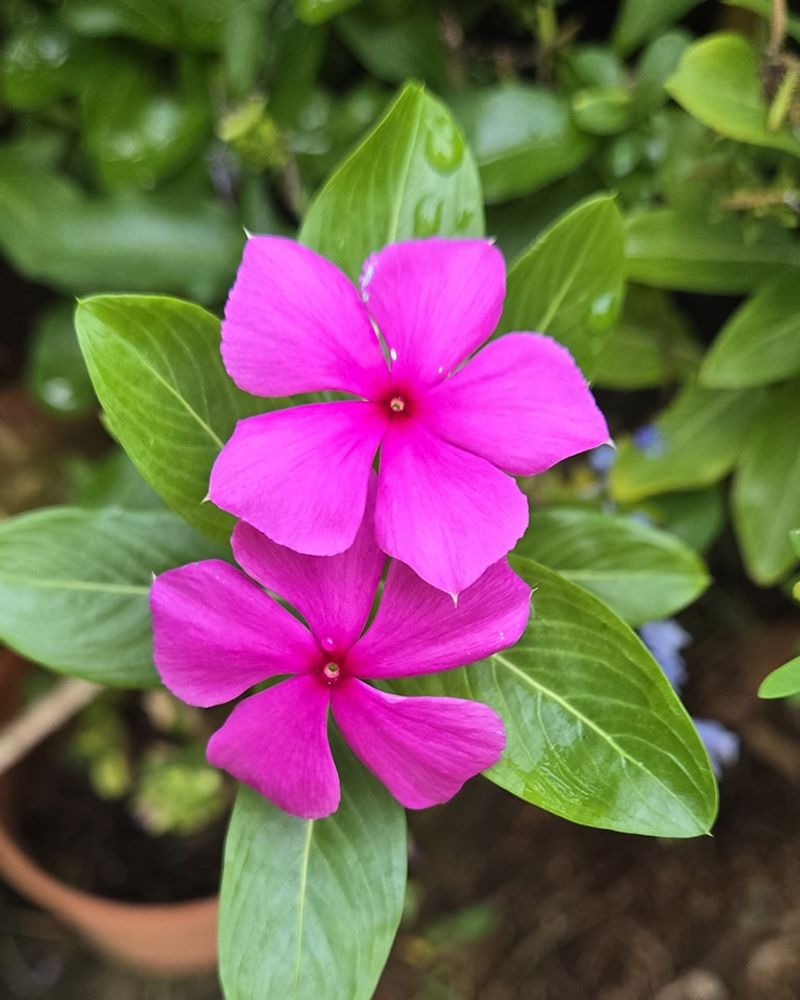
Most flowering plants slow down when Arizona summers hit full force, but Catharanthus roseus, commonly called vinca or periwinkle, actually hits its stride.
Gardeners across the Southwest have counted on this plant for decades because it delivers consistent color even when the thermometer refuses to drop below 100 degrees.
Vinca comes in a wide range of colors including white, pink, red, coral, and lavender, making it easy to match any yard style. It works wonderfully in garden beds, borders, and containers on patios where reflected heat from tile or concrete is intense.
Your Arizona Garden Changes Every Week. Your Plan Should Too.
Gardening in Arizona changes quickly throughout the season. Every Friday you’ll receive a simple weekly plan showing exactly what to plant, prune, fertilize, harvest, and protect so you never miss the right timing.
Plant it in full sun for the most blooms, though it tolerates a bit of afternoon shade in the hottest Arizona valleys.
Watering needs are moderate. Let the soil dry slightly between waterings to avoid root rot, which is really the only serious issue this plant faces.
Well-draining soil is a must, especially in areas with clay-heavy ground. Catharanthus roseus is also surprisingly resistant to pests, which means less time spraying and more time enjoying the view.
For gardeners in Arizona looking for a reliable summer performer that asks for almost nothing in return, vinca is an absolute go-to choice.
3. Portulaca Grandiflora Loves Reflected Heat And Dry Soil
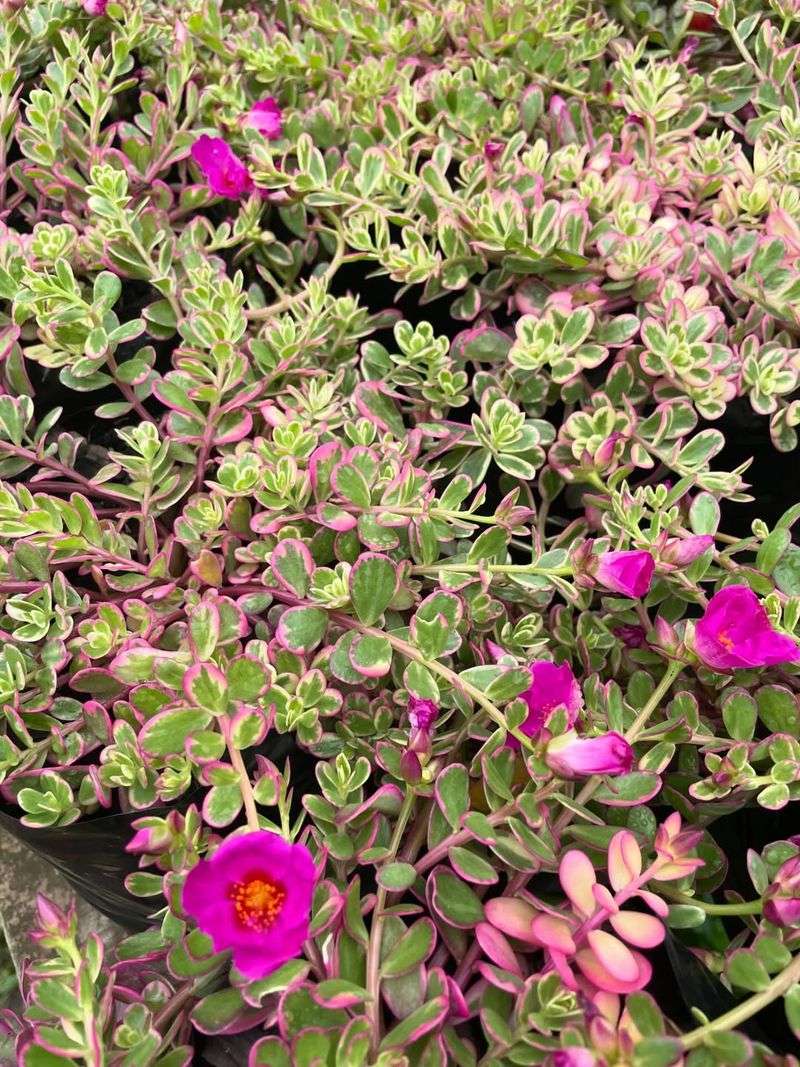
Reflected heat from a concrete driveway or a sun-baked patio wall is enough to send most flowers into retreat. Portulaca grandiflora, also called moss rose, practically runs toward it.
Native to hot, dry regions of South America, this low-growing plant was essentially designed for Arizona conditions before anyone even knew Arizona existed.
Portulaca produces silky, rose-like flowers in shades of pink, red, orange, yellow, white, and magenta. It spreads low to the ground, making it perfect for filling bare spots, edging pathways, or spilling out of containers.
Sandy, well-draining soil is ideal, and honestly, neglecting it a bit produces better results than hovering over it with a watering can.
Watering once or twice a week during establishment is usually enough. After that, rainfall and whatever moisture lingers in the soil keep it going.
One quirky detail worth knowing is that Portulaca flowers open in sunlight and close at night or on cloudy days, so place it where it gets maximum sun exposure for the fullest show.
It self-seeds readily too, meaning next season you may find new plants popping up without doing a single thing.
Arizona gardeners call that a win.
4. Angelonia Angustifolia Handles Long Arizona Summers With Ease
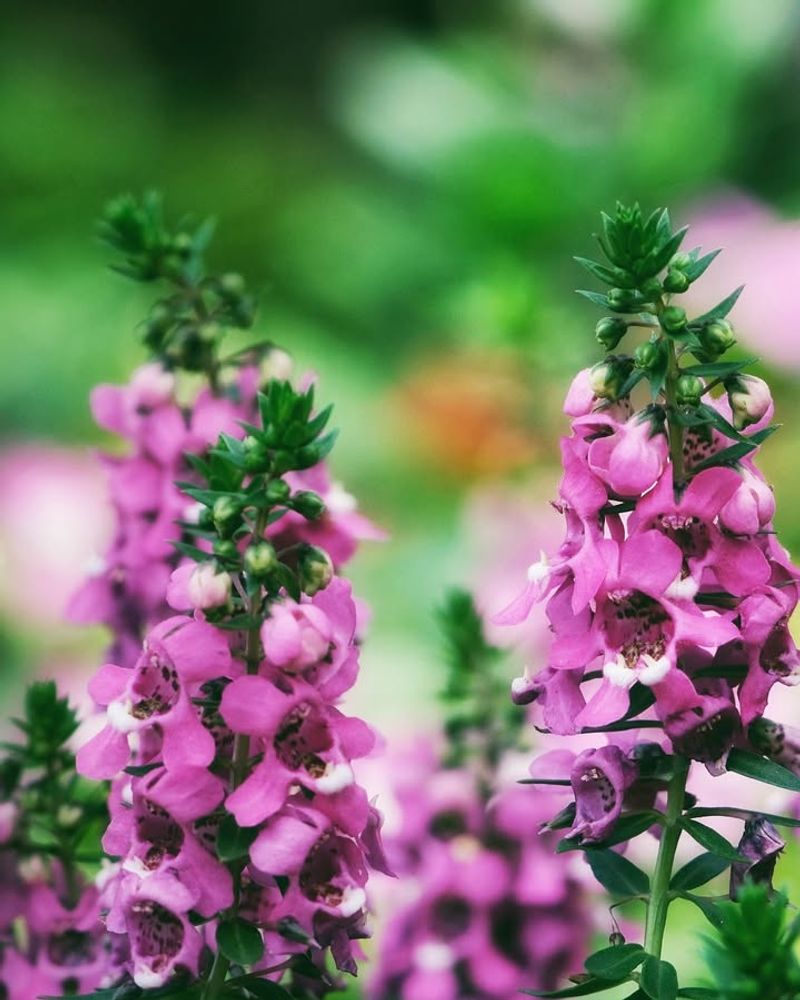
Sometimes called summer snapdragon, Angelonia angustifolia brings a soft elegance to Arizona gardens that looks almost too refined for the desert. Do not let the delicate appearance fool you.
Underneath those graceful spikes of purple, pink, white, or bicolor blooms is a plant with serious heat tolerance that keeps going all season long.
Angelonia loves full sun and warm temperatures, which makes it a natural fit for Arizona landscapes from spring through fall. Unlike traditional snapdragons that fade once summer arrives, Angelonia actually picks up speed when the heat climbs.
It grows upright, reaching about 12 to 18 inches tall, making it ideal for mid-border planting or as a vertical accent in container arrangements.
Watering consistently but not excessively is the key to keeping Angelonia happy. It prefers evenly moist, well-draining soil and does not tolerate waterlogged roots.
Light fertilizing every few weeks during the growing season supports steady blooming. Another bonus is that deer tend to avoid it, which matters in parts of Arizona where wildlife wanders through residential yards.
With its long bloom season, low pest pressure, and stunning flower spikes, Angelonia earns its spot in any low-maintenance Arizona garden without question.
5. Gomphrena Globosa Stays Colorful Even In Peak Heat
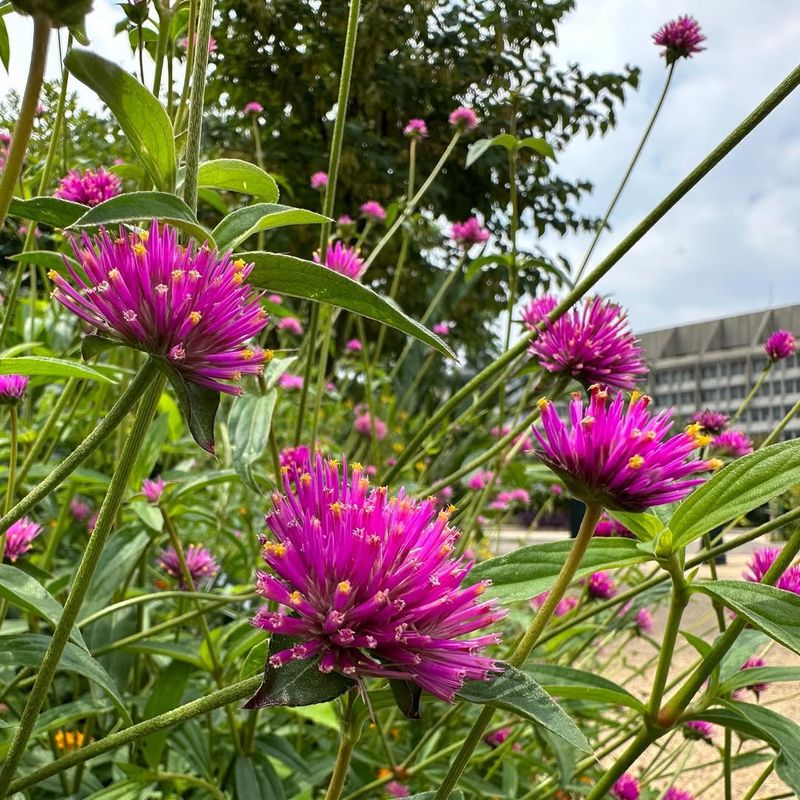
Round, clover-like blooms that refuse to fade even in the harshest Arizona summer? That is exactly what Gomphrena globosa delivers.
Globe amaranth, as it is commonly known, produces bold, globe-shaped flowers in magenta, purple, pink, white, and orange that look almost artificial because they hold their color so well in intense heat.
Gomphrena is a true sun lover. Full sun exposure produces the most compact, floriferous plants, and Arizona’s long sunny days suit it perfectly.
It reaches about 12 to 24 inches tall depending on the variety, fitting neatly into borders, raised beds, or large containers. Deadheading is not strictly necessary since the plant blooms continuously, but removing spent flowers keeps things looking tidy.
Soil quality matters less than drainage. Gomphrena handles poor, sandy, or rocky soil without complaint, which is great news for Arizona gardeners working with challenging ground.
Water deeply but infrequently once established, allowing the soil to dry between sessions. A fun fact worth sharing is that the dried flowers hold their color beautifully, making Gomphrena popular for crafting and arrangements.
Pollinators including bees and butterflies visit regularly, adding extra life and movement to any Arizona yard throughout the long warm season.
6. Tecoma Stans Flowers Heavily In Desert Conditions
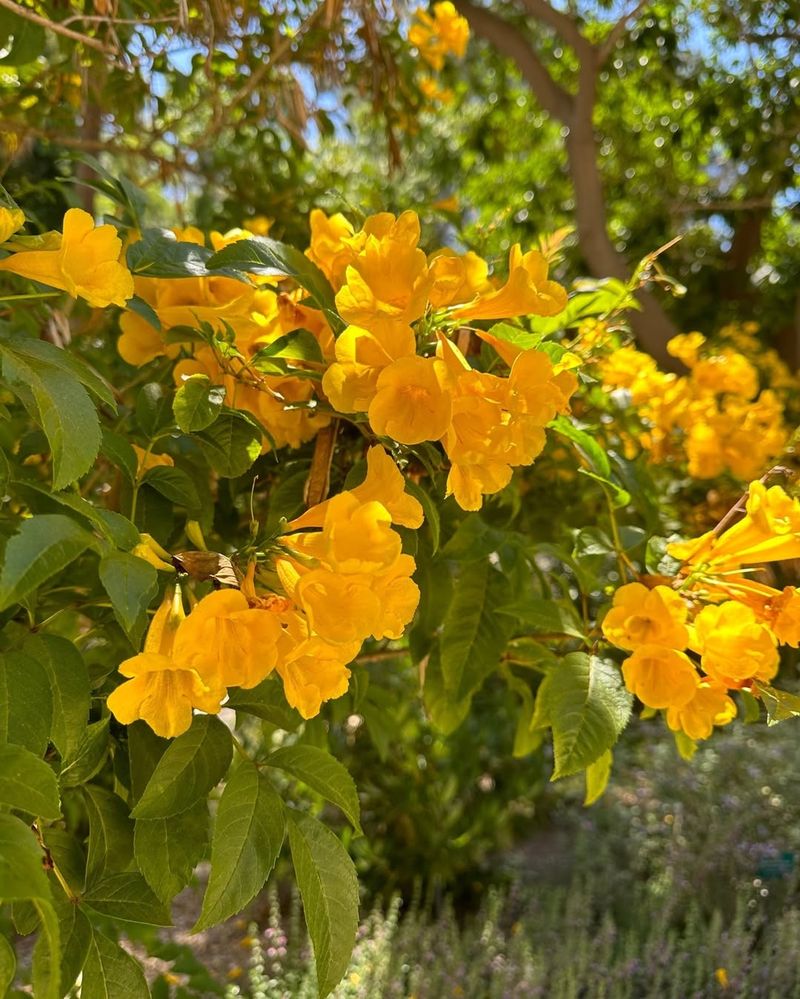
Bright yellow trumpet flowers covering a large shrub in the middle of an Arizona summer sounds almost too good to be true.
Native to the desert Southwest and northern Mexico, this plant evolved in conditions that closely mirror what Arizona throws at it every single year.
Tecoma stans can grow into a large shrub or small tree depending on how it is managed, reaching anywhere from 6 to 20 feet tall. In Arizona landscapes, it works beautifully as a colorful privacy screen, a bold focal point, or a pollinator-friendly hedge.
Hummingbirds are especially drawn to the tubular yellow flowers, making every planting feel like a nature scene.
Once established, Tecoma stans is remarkably drought-tolerant. Deep watering every week or two during the growing season is usually sufficient.
It actually blooms more enthusiastically when not overwatered, so less really is more with this plant. Pruning in late winter keeps the shape tidy and encourages vigorous new growth in spring.
Arizona gardeners who plant Tecoma stans often call it one of the best decisions they ever made for their yard because the payoff in color and wildlife activity is genuinely impressive.
7. Euphorbia Hypericifolia Performs Reliably In High Temperatures
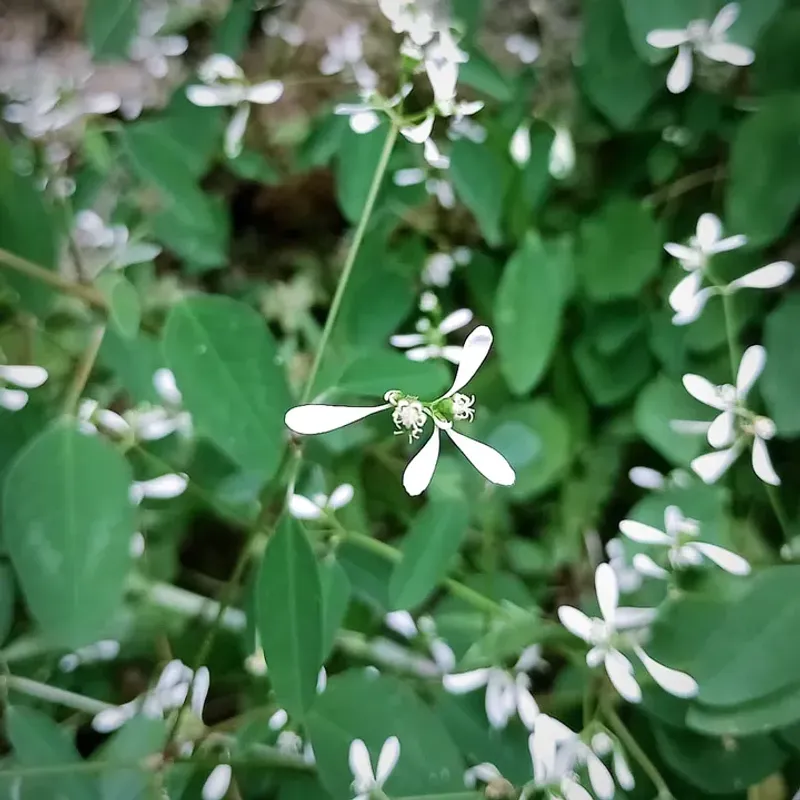
Airy, cloud-like clusters of tiny white flowers floating above bright green foliage might sound fragile, but Euphorbia hypericifolia is anything but.
Sold under trade names like Diamond Frost, this plant has earned a loyal following among Arizona gardeners precisely because it performs when other ornamental plants start to struggle under relentless sun.
Euphorbia hypericifolia works as both a standalone container plant and a filler in mixed garden beds.
Its delicate texture contrasts beautifully with bold tropical flowers like Lantana or Gomphrena, creating layered arrangements that look professionally designed.
It thrives in full sun to partial shade, giving gardeners flexibility when dealing with tricky spots in the yard.
Watering needs are moderate. Let the soil dry slightly between waterings, especially in containers where moisture can linger longer than in open ground.
Fertilizing lightly every few weeks during the growing season supports continuous blooming from spring straight through Arizona’s warm fall months.
Pests rarely bother it, which is a welcome relief for gardeners who spend enough time already managing irrigation.
Deadheading is unnecessary because new flowers naturally replace the old ones. For a plant that stays elegant while handling Arizona heat, Euphorbia hypericifolia stands out.
8. Zinnia Marylandica Resists Heat Better Than Traditional Zinnias
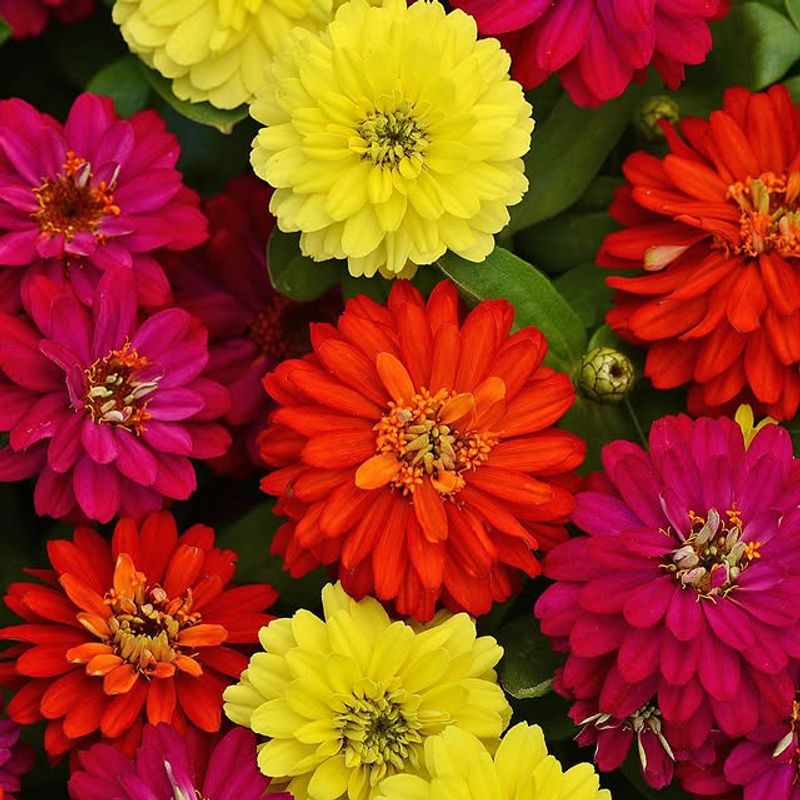
Traditional zinnias have always been popular, but Arizona summers often push them past their comfort zone, leading to powdery mildew and faded blooms.
Zinnia marylandica, particularly varieties in the Zahara series, was specifically bred to solve that problem.
It carries improved heat tolerance and disease resistance that makes it dramatically better suited for Arizona growing conditions.
Colors range from bright orange, red, yellow, and pink to softer coral and cream shades, offering plenty of options for matching existing garden palettes.
Plants stay compact, typically reaching 12 to 18 inches, which makes them excellent for borders, containers, and mass plantings along walkways or driveways.
They bloom continuously from late spring through fall without needing much encouragement.
Full sun is non-negotiable for best performance. Partial shade leads to leggy growth and fewer flowers.
Water at the base of the plant rather than overhead to keep foliage dry and reduce any risk of fungal issues. Deadheading spent blooms encourages faster reblooming, though Zahara varieties are fairly self-cleaning compared to older zinnia types.
Butterflies visit them constantly, which adds a wonderful dynamic layer to any Arizona garden.
For gardeners who have struggled with zinnias in the past, Zinnia marylandica genuinely changes the experience in the most satisfying way possible.
9. Gaillardia Pulchella Tolerates Dry Soil And Intense Sun
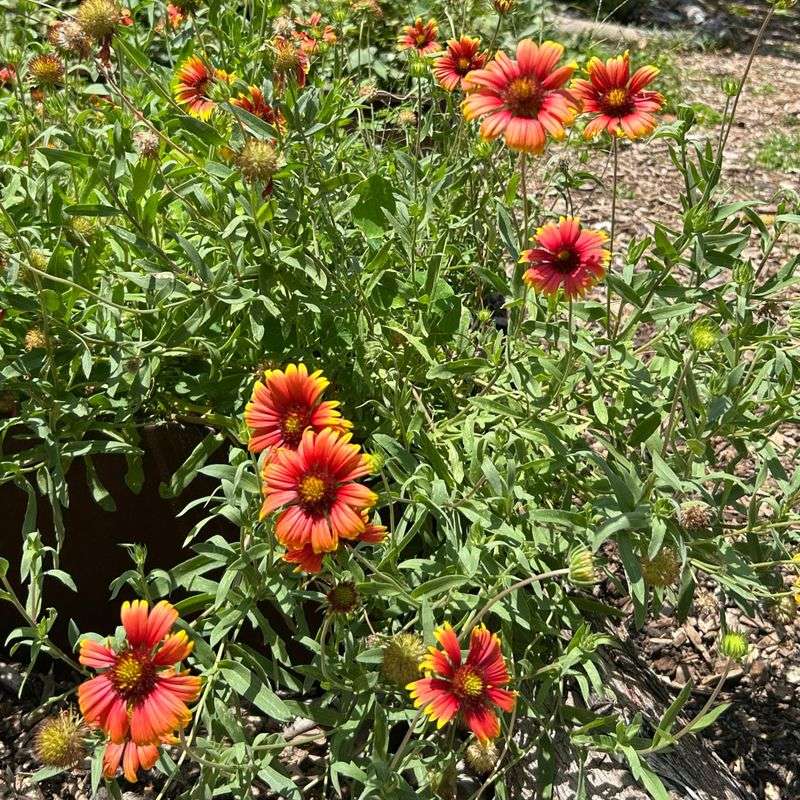
Wildflowers that blanket open fields across the American Southwest, Gaillardia pulchella, commonly called Indian blanket or firewheel, brings that same free-spirited energy directly into Arizona home gardens.
Red and yellow petals arranged in bold, wheel-like patterns make every plant look like a tiny burst of fireworks frozen mid-celebration.
Gaillardia pulchella is native to the central and southern United States, meaning it adapted to hot, dry, and often nutrient-poor conditions long before modern gardening made things convenient.
Poor, sandy, or rocky soil suits it well, and Arizona gardeners with challenging ground will find it one of the easiest plants to establish.
Overwatering is actually more of a concern than drought since too much moisture leads to root rot and shorter-lived plants.
Full sun is where Gaillardia truly shines. Planting in a spot that receives at least six to eight hours of direct sunlight daily produces the most vibrant, long-lasting blooms.
It self-seeds generously, so expect new plants to appear in surrounding areas season after season with zero effort on your part. Pollinators including bees and butterflies love the open, daisy-like flowers.
For Arizona gardeners seeking a low-water, high-impact wildflower that looks beautiful without constant care, Gaillardia pulchella is one of the most rewarding choices available anywhere in the desert Southwest.