Why Your Spring Bulbs Are Popping Up Too Soon In Georgia (And What To Do About It)
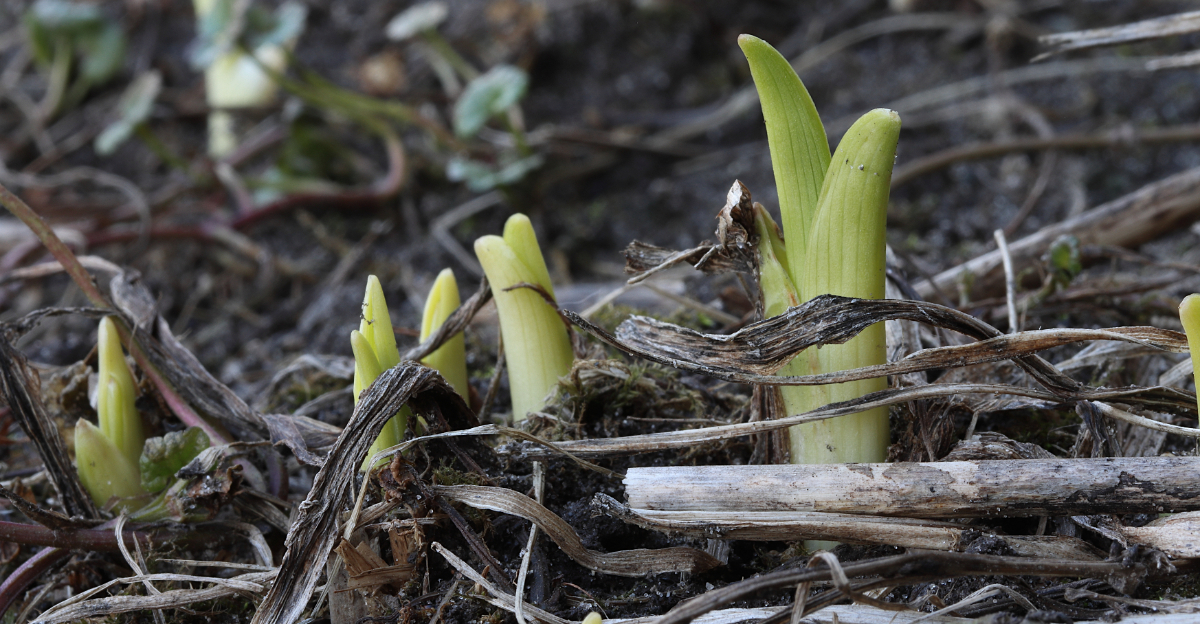
Georgia weather loves to blur the line between winter and spring, and that back and forth can wake bulbs earlier than expected. A few warm afternoons are often enough to warm the soil and signal that it is time to grow, even if cooler air still lingers nearby.
Seeing green shoots break through can feel exciting after a quiet season, but it also brings concern about what comes next. Spring bulbs rely on steady soil temperatures, and sudden swings can push them into growth before conditions are truly settled.
Reacting too quickly can cause unnecessary stress, yet ignoring the situation does not always feel wise either.
Understanding why this early growth happens in Georgia and knowing how to respond calmly will keep those bulbs protected and the garden moving forward without setbacks.
1. Georgia Warm Spells Are Triggering Early Sprouts
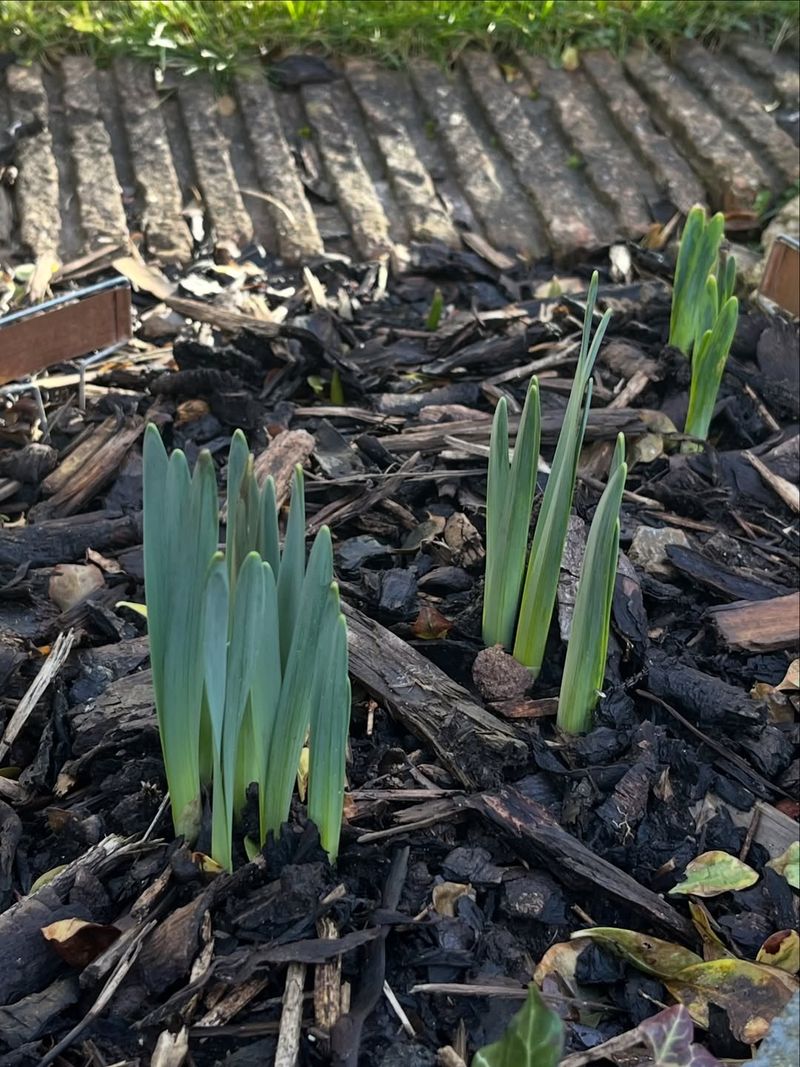
Blame those 70-degree January afternoons. Bulbs buried in Georgia soil don’t check calendars.
They respond to temperature signals, and when the ground warms up for several consecutive days, buried bulbs interpret this as spring’s arrival. Your daffodils and tulips have been storing energy all fall, just waiting for the right cue to start growing.
Across the state, from Atlanta suburbs to rural Savannah gardens, unseasonably warm stretches confuse bulb biology. Soil temperatures matter more than air temperatures.
When dirt stays above 50 degrees for extended periods, root systems activate and shoots begin their upward journey. This happens even though it’s still winter on paper.
Climate patterns have shifted noticeably in recent years. Georgia winters now feature more frequent warm spells mixed with sudden cold snaps.
This roller coaster creates perfect conditions for premature sprouting. Your bulbs aren’t broken or defective.
They’re simply responding to environmental cues that suggest favorable growing conditions have arrived.
Different bulb varieties react at different thresholds. Crocuses pop up fastest, followed by daffodils, then tulips.
Hyacinths tend to wait a bit longer. If you planted early-blooming varieties, they’re even more susceptible to false spring signals because they’re programmed to emerge at lower temperature triggers than late-season bloomers.
Southern gardeners face this challenge more than northern neighbors. Georgia’s position means winter warmth is common, but Arctic blasts still sweep through.
Understanding this pattern helps you anticipate problems before shoots appear above ground.
2. Most Spring Bulbs Can Handle Light Frost
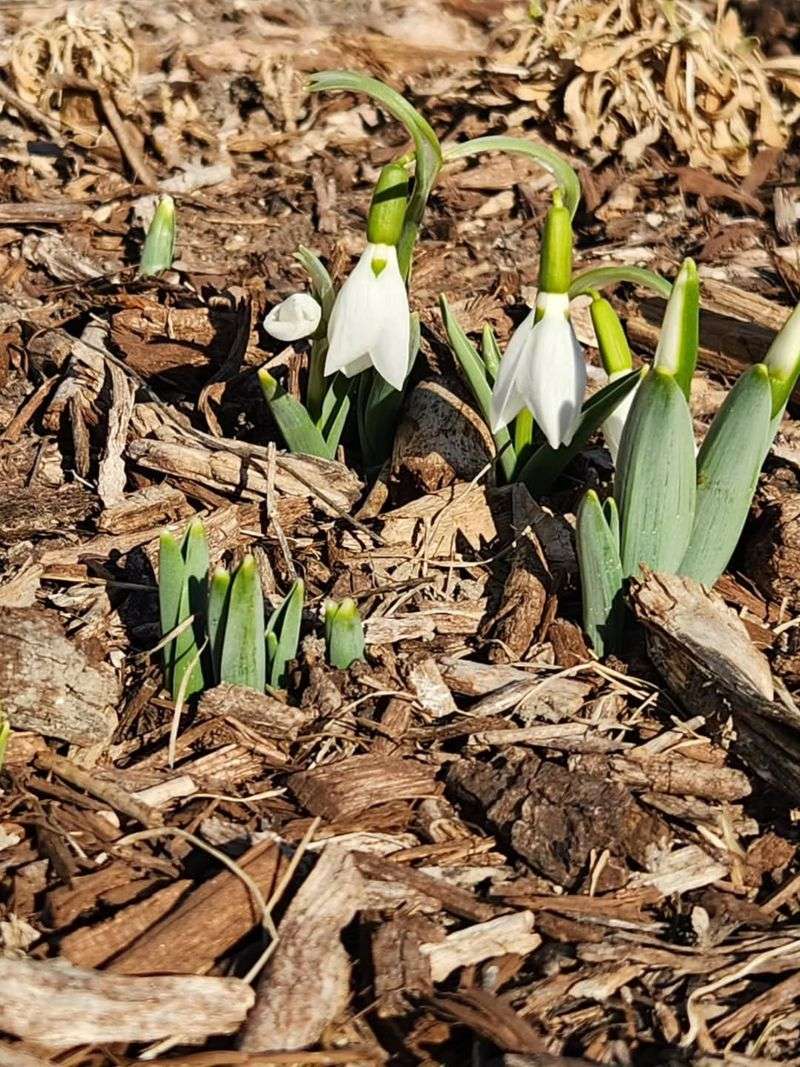
Your panic might be premature. Spring bulbs evolved in climates with temperature swings, so they’ve got built-in survival mechanisms.
Daffodils, crocuses, and most other common spring bloomers can tolerate temperatures down to about 28 degrees without significant damage. Their cellular structure includes natural antifreeze compounds that protect tissue during brief cold exposure.
Light frost often looks worse than it actually is. Those shoots might appear wilted or discolored after a frosty morning, but the growing point remains protected below ground.
The visible foliage acts as a sacrificial layer. Even if top growth gets nipped, the bulb itself stays safe underground, ready to send up replacement shoots when conditions improve.
Georgia typically experiences light frosts rather than prolonged hard freezes. This works in your favor.
Your Georgia Garden Changes Every Week. Your Plan Should Too.
Gardening in Georgia changes quickly throughout the season. Every Friday you’ll receive a simple weekly plan showing exactly what to plant, prune, fertilize, harvest, and protect so you never miss the right timing.
A quick dip to 30 degrees overnight followed by daytime warming rarely causes permanent harm. The real danger comes from sustained freezing temperatures below 25 degrees, which can penetrate deeper into soil and damage bulb tissue directly.
Tulips show more cold sensitivity than daffodils. Their tender shoots can suffer damage at slightly higher temperatures.
Still, even damaged tulips often recover enough to produce flowers, though blooms might be smaller or stems shorter than normal. Crocuses are remarkably tough and bounce back from cold exposure better than almost any other spring bulb.
Observing weather forecasts helps you gauge actual risk. If predictions show brief cold followed by warming, your bulbs will likely be fine without intervention.
Save protective measures for genuine cold snaps.
3. Add Mulch Before The Next Cold Night
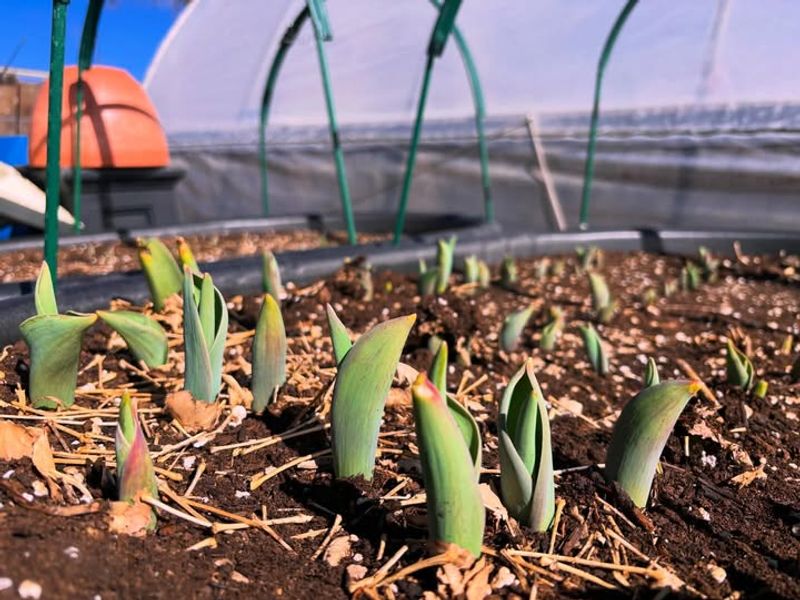
Insulation makes all the difference. A fresh layer of mulch acts like a blanket, moderating soil temperature and protecting tender shoots from temperature extremes.
Pine straw works beautifully in Georgia gardens because it’s readily available and naturally acidic, which most bulbs appreciate. Shredded leaves or wood chips work equally well.
Apply mulch loosely around shoots rather than burying them completely. You want a two to three inch layer covering the soil surface between plants.
This buffers cold air from reaching the ground directly while still allowing shoots to grow through. Don’t pack mulch tightly against emerging foliage, as this can trap moisture and encourage rot.
Timing matters when adding protective mulch. Check weather forecasts and apply mulch the afternoon before predicted cold arrives.
This gives the material time to settle and create an effective insulating layer before temperatures drop. Mulch applied during the day traps solar warmth in the soil, releasing it slowly overnight to keep ground temperatures more stable.
Pine bark nuggets are less effective than finer materials. Larger pieces leave gaps that allow cold air to penetrate.
Stick with materials that nestle together and create a continuous barrier. In Georgia, pine straw is both economical and effective, plus it breaks down slowly to improve soil quality over time.
Leave mulch in place even after the cold snap passes. It continues providing benefits by conserving soil moisture and suppressing weeds.
As temperatures stabilize and spring truly arrives, that mulch layer keeps roots comfortable and reduces stress on developing plants. You can always pull it back slightly if shoots seem to struggle pushing through.
4. Cover Emerging Shoots When Temperatures Drop
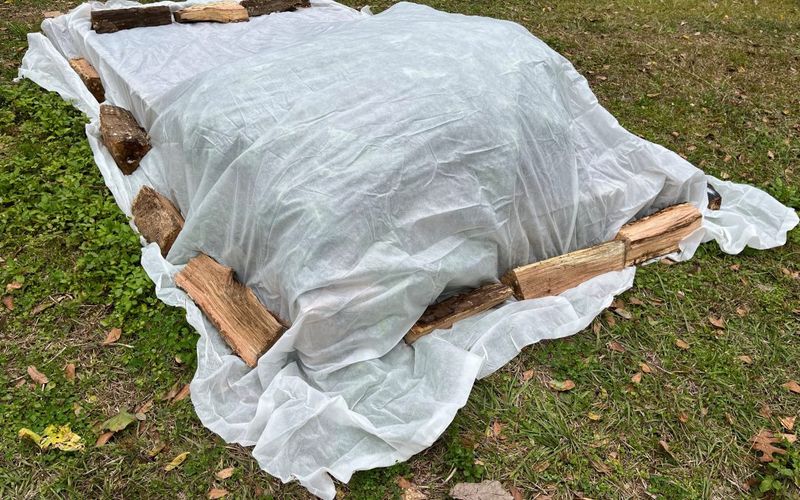
Frost cloth is your emergency defense system. When forecasts predict hard freezes, draping lightweight fabric over exposed shoots provides crucial protection.
Garden centers across Georgia stock frost blankets specifically designed for this purpose. These breathable covers trap heat radiating from the soil while allowing moisture to escape, preventing the condensation problems that plastic sheeting causes.
Secure covers properly to maximize effectiveness. Use garden stakes, bricks, or landscape pins to hold fabric edges against the ground.
This prevents cold air from sneaking underneath and creates a protected microclimate around your plants. Covers should drape loosely over shoots rather than pressing down on foliage, allowing air circulation while maintaining insulation.
Remove covers once temperatures rise above freezing. Leaving them in place during warm days can overheat plants and encourage premature blooming, which defeats your protective efforts.
Think of frost cloth as temporary shelter, not permanent housing. Your bulbs need exposure to natural light and air movement to develop properly.
Old bedsheets work in a pinch but aren’t ideal for extended use. They’re heavier than frost cloth and can crush delicate shoots if they get wet.
If sheets are your only option, prop them up with stakes or tomato cages to keep fabric off the foliage. Remove them as soon as possible after the cold passes.
For small garden areas, overturned buckets or large pots make quick individual covers. Place them over shoots before sunset and remove them the next morning.
This method works great for protecting a few special tulips or prized hyacinths without covering your entire bed.
5. Keep Frost Touched Leaves In Place
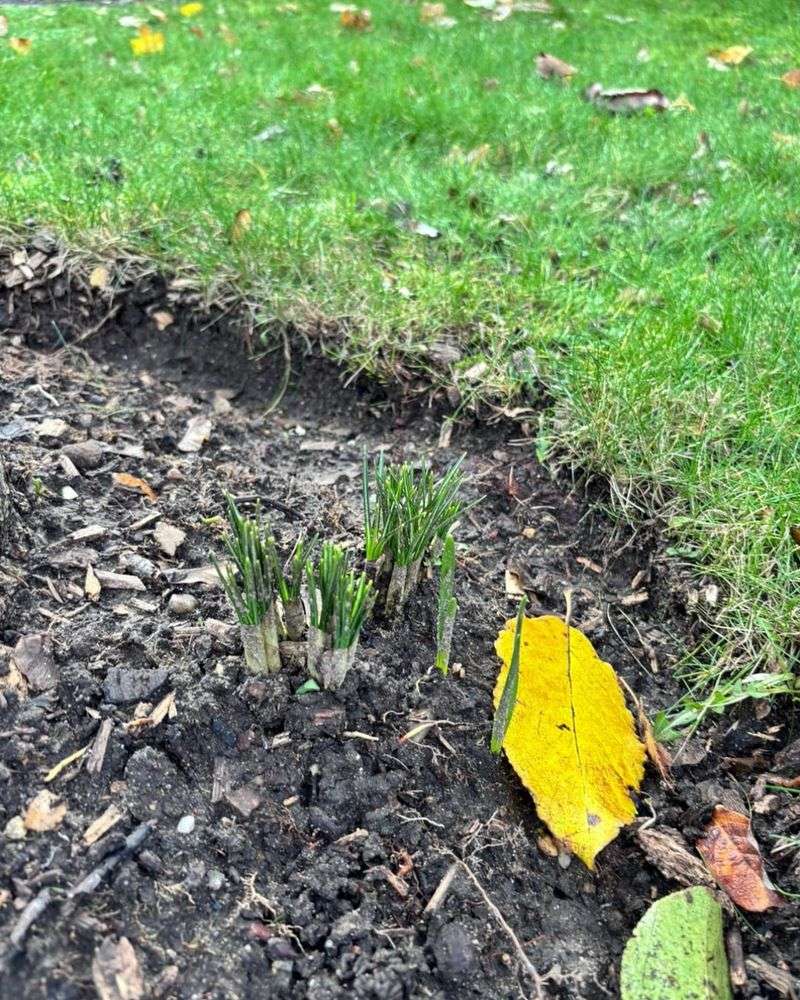
Resist the urge to trim damaged foliage. Those brown, wilted leaves might look unsightly, but they’re still performing essential functions.
Even partially damaged foliage continues photosynthesis, producing energy that flows back into the bulb for storage. Cutting away damaged leaves robs your bulbs of this energy production, weakening them for next year’s display.
Damaged leaves also provide continued cold protection. Wilted foliage still creates a small insulating layer around the growing crown.
As temperatures fluctuate through late winter and early spring in Georgia, this extra protection helps moderate conditions at ground level.
Bulbs need time to replenish energy reserves after blooming. The foliage you see now will eventually support flowers, and after those flowers fade, leaves must remain intact for six to eight weeks to recharge the bulb completely.
Premature removal at any stage compromises this cycle. Even frost-damaged leaves contribute to this energy banking process.
Appearance concerns can be addressed with companion planting. Hostas, ferns, and other perennials emerging in spring naturally camouflage aging bulb foliage.
In Georgia gardens, these companions grow quickly enough to hide browning leaves while bulbs complete their growth cycle. Strategic placement makes damaged foliage less noticeable without requiring removal.
Only remove foliage once it turns completely yellow and pulls away easily. This signals that the bulb has reabsorbed all available nutrients.
Forcing removal earlier by cutting or pulling green or partially green leaves stresses bulbs and reduces their ability to bloom robustly the following year. Patience pays off with healthier, more vigorous plants.
6. Wait Before Fertilizing Tender Growth
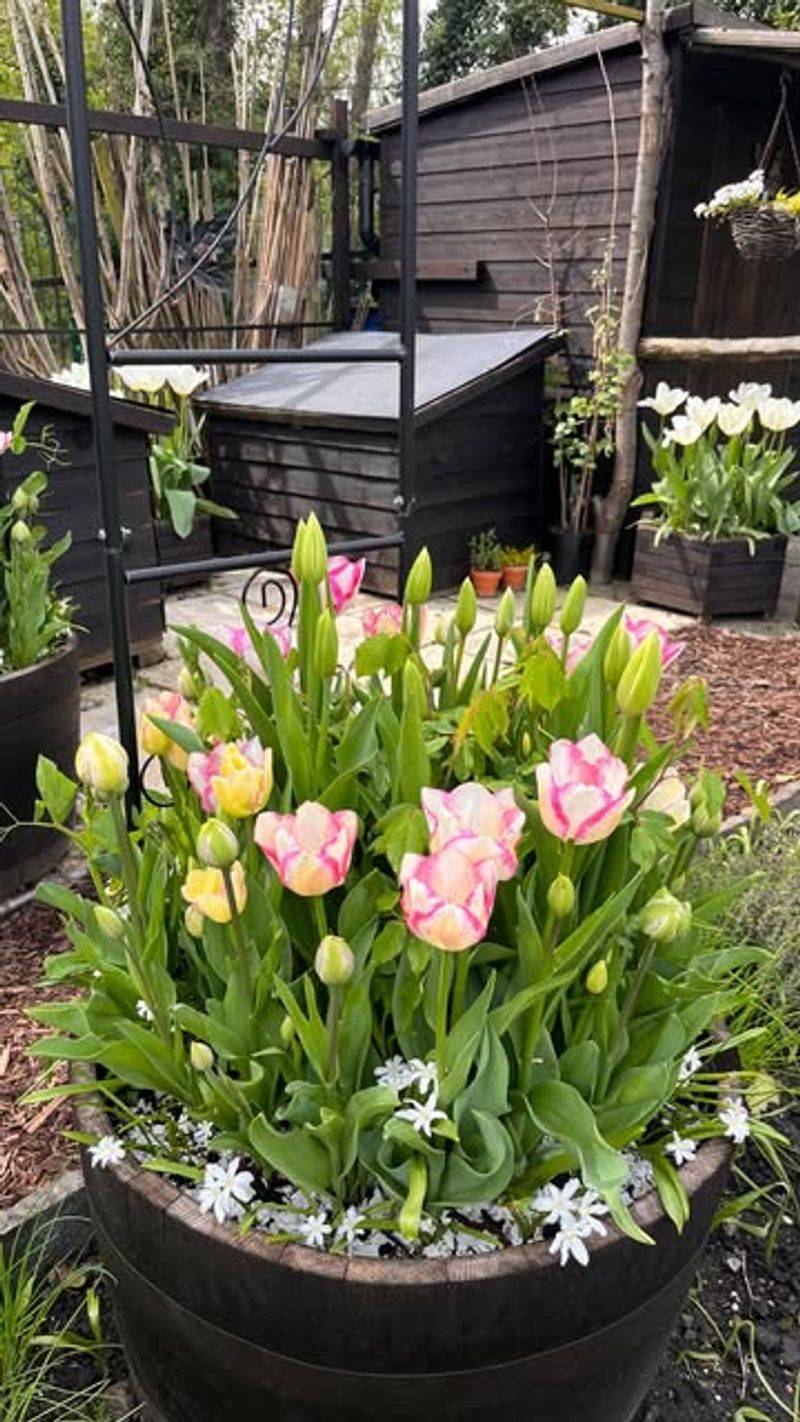
Hold off on plant food for now. Young shoots emerging during warm spells haven’t developed extensive root systems yet.
Fertilizer applied at this stage can’t be absorbed effectively and may actually harm tender roots. Salt concentrations in fertilizer can burn delicate root hairs when plants aren’t actively taking up nutrients, causing more problems than benefits.
Cold-stressed plants need recovery time before they can process fertilizer properly. After frost damage or temperature swings, bulbs focus energy on survival and repair rather than growth.
Adding fertilizer during this vulnerable period forces plants to deal with excess nutrients they can’t use. Wait until you see active, healthy growth and warmer temperatures have stabilized across Georgia.
The ideal fertilizing window comes just as flower buds begin to show color. At this stage, roots are fully active and can efficiently absorb nutrients.
A balanced, slow-release fertilizer or bulb-specific formula provides the boost plants need for strong blooms without overwhelming developing systems. This timing supports flower production without pushing premature growth.
Organic options like compost or well-aged manure are gentler than synthetic fertilizers. If you feel compelled to do something for early-emerging bulbs, a light top-dressing of compost provides mild nutritional support without risk of burning.
The nutrients release slowly as soil organisms break down organic matter, matching the pace of root development.
After blooms fade, that’s when fertilizer really counts. Post-bloom feeding helps replenish bulb reserves for next year.
Apply a low-nitrogen, high-phosphorus formula once flowers finish but while foliage remains green. This supports root growth and energy storage without encouraging excess leaf production, setting up bulbs for success next season.
7. Let Foliage Fade Naturally After Bloom
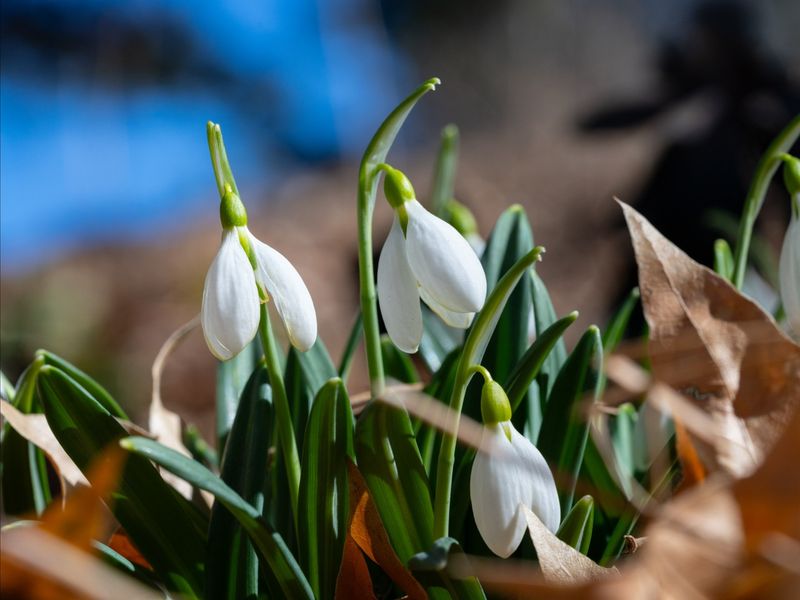
Patience becomes critical once flowers finish. That period after petals drop feels like garden limbo, with foliage looking progressively worse while you wait for it to complete its job.
Georgia gardeners often struggle with this waiting game because the growing season kicks into high gear quickly, making aging bulb leaves seem like eyesores among fresh spring growth.
Photosynthesis during the post-bloom phase determines next year’s flower quality. Leaves capture sunlight and convert it to sugars that flow down into the bulb, refilling energy reserves depleted during blooming.
This process takes six to eight weeks minimum. Cutting foliage short-circuits this crucial recharging period, leaving bulbs weakened and less likely to bloom well the following spring.
Braiding or bundling foliage reduces photosynthesis efficiency. Some gardeners try to tidy up by gathering leaves together, but this reduces the leaf surface area exposed to sunlight.
Let foliage sprawl naturally even though it looks messy. Maximum sun exposure equals maximum energy production, which translates to better blooms next year.
Camouflage strategies work better than premature cutting. Plant annuals like petunias or marigolds near bulb beds to draw attention away from fading foliage.
Perennials that emerge in late spring, such as daylilies or coneflowers, naturally hide aging bulb leaves as they grow. In Georgia’s climate, these companions develop quickly enough to provide effective screening.
Once foliage turns completely yellow and detaches easily with gentle pulling, removal is safe. The bulb has reclaimed all possible nutrients at this point.
Dispose of old foliage in compost or yard waste rather than leaving it on the ground, as decaying leaves can harbor fungal diseases that affect bulbs.